


Malta, Including Gozo & Comino (Page 5 of 8)
Quick links to other Malta pages and/or sections Here
Across the Grand Harbour (il-Port il-Kbir) from Valletta lies Vittoriosa (also known as Birgu*), Senglea (also known as Isla), and Cospicua (also known as Bormla) - collectively known as the Three Cities. These fortified towns predate Valletta and were the original strongholds of the Knights. Their narrow streets, maritime heritage, and bastioned walls offer a glimpse into Malta’s early urban development. Each city has its own character: Vittoriosa’s historic waterfront, Senglea’s panoramic views, and Cospicua’s quiet charm form a living museum of Maltese culture and defence.
* Birgu is the historic, original name of this ancient fortified city in Malta. It was officially renamed Città Vittoriosa (the Victorious City) by the Knights of St John after surviving the Great Siege of 1565. However, the two named are interchangeable and when speaking to locals, the visitor may well hear the city referred to as Birgu. Similarly, Locals call Senglea by the name L-Isla (or simply Isla), and Cospicua by its traditional Maltese name, Bormla. The reader is advised to bear this in mind if reading guidebooks or listening to guides and needing to cross-reference with any maps or locals!
Senglea (Isla)
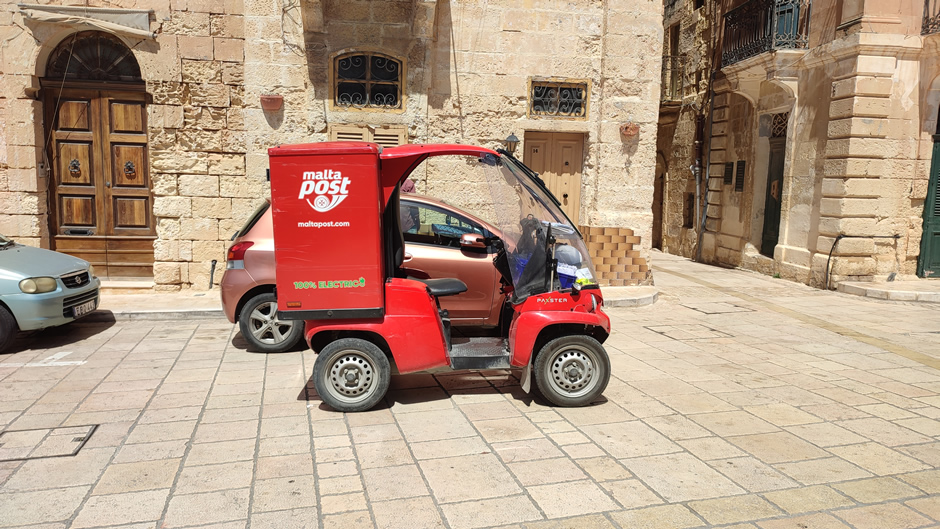
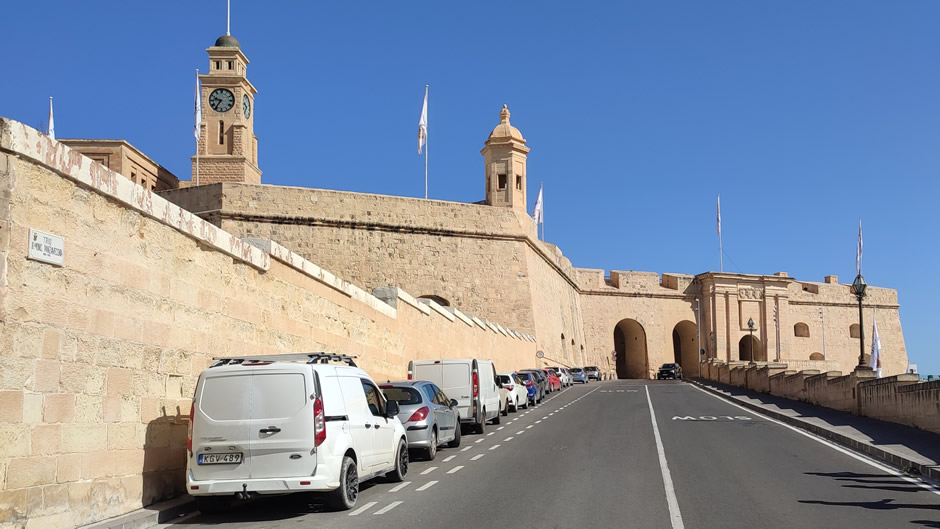
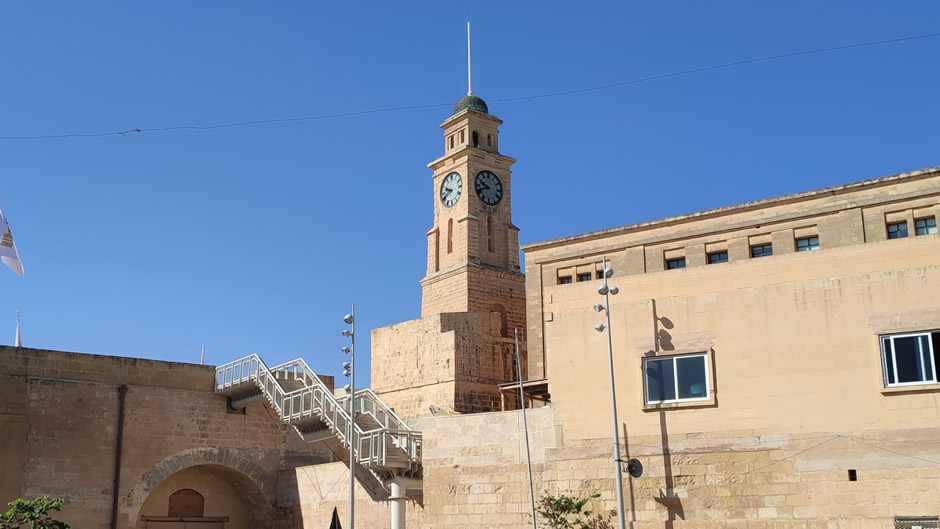
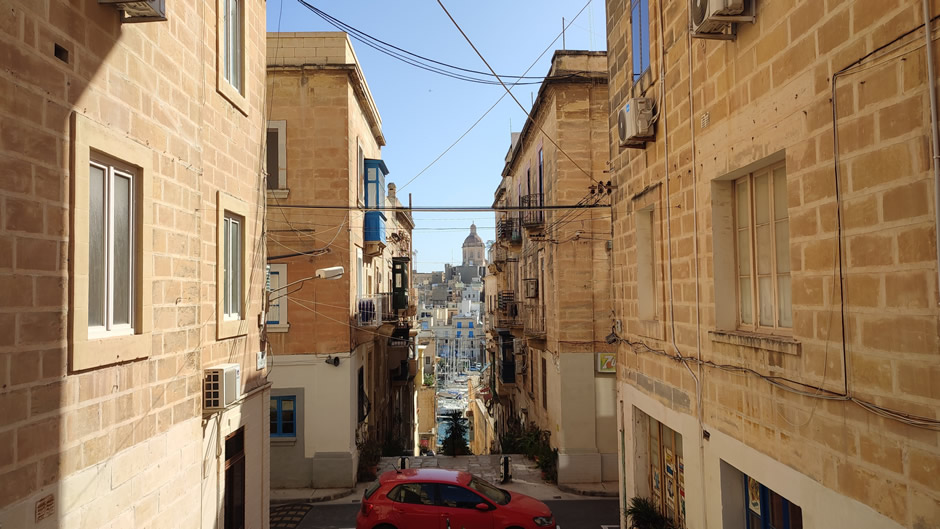
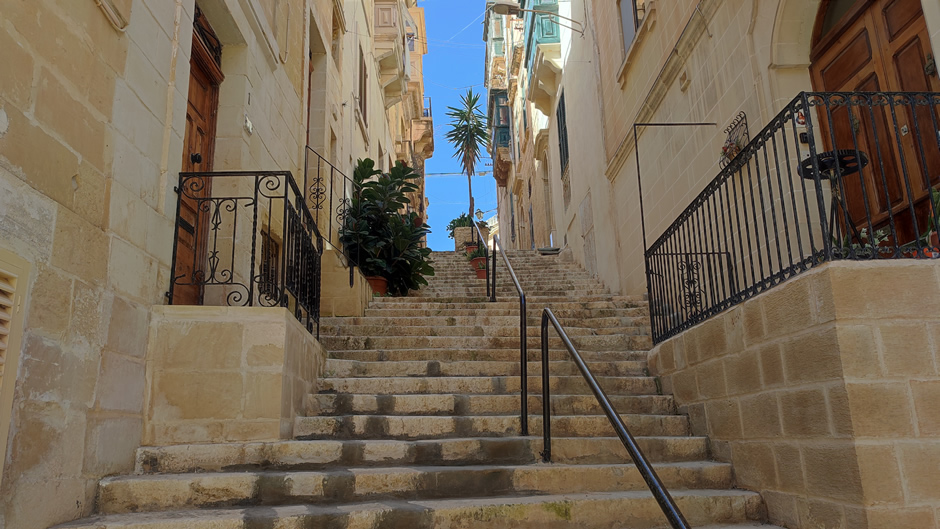
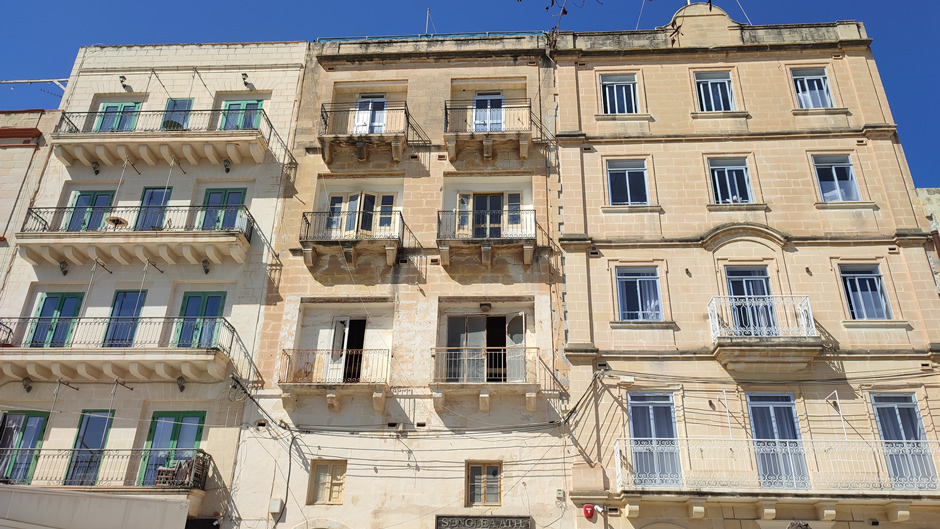
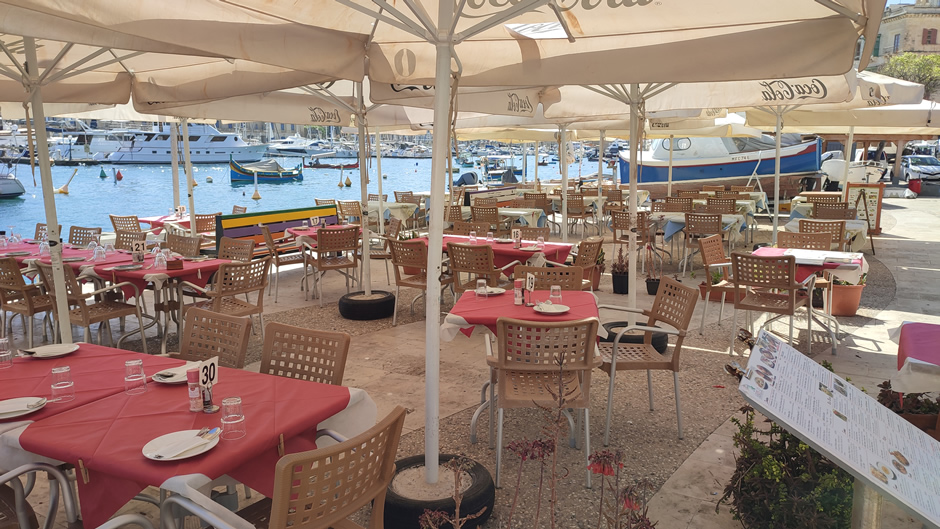
This half-day trip to the three cities began with a drive to Senglea, followed by a walking tour through its streets (shown below). The city is a fortified peninsula rich in history and character. It played a significant role during the Great Siege of 1565 and is known for its narrow streets, quiet atmosphere, and the Gardjola Gardens, which offer panoramic views of the harbour. Despite its small size, Senglea retains a strong sense of community and heritage.
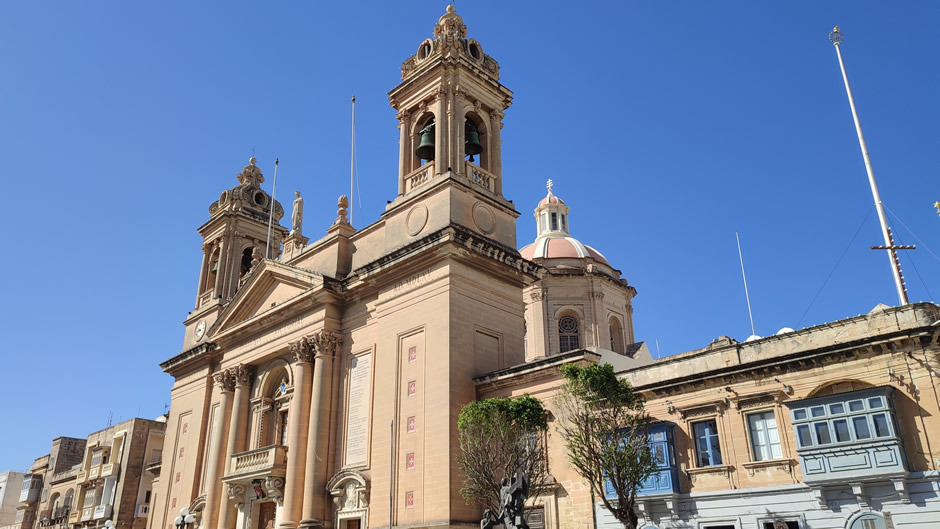
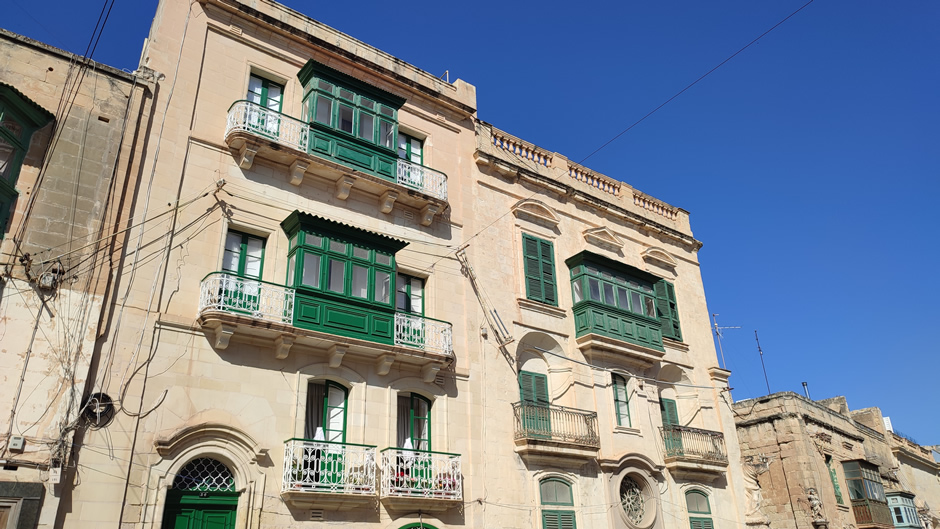
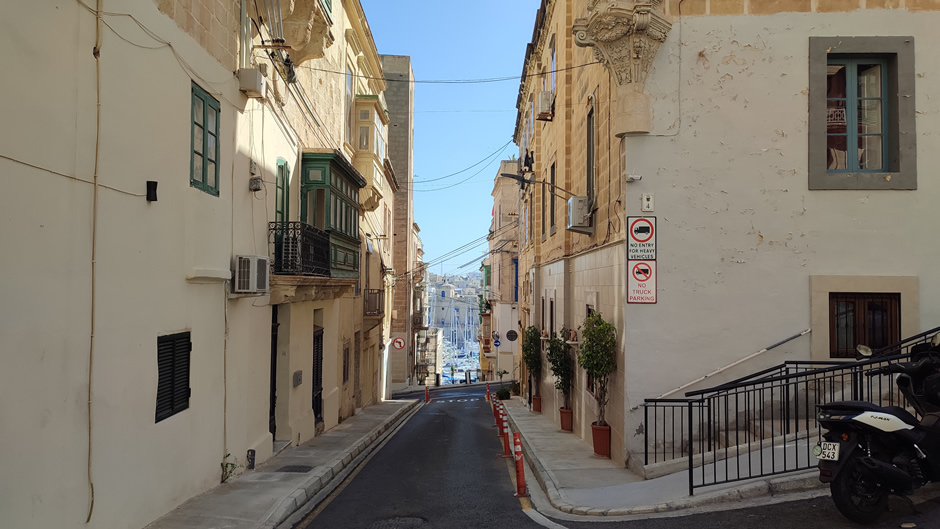
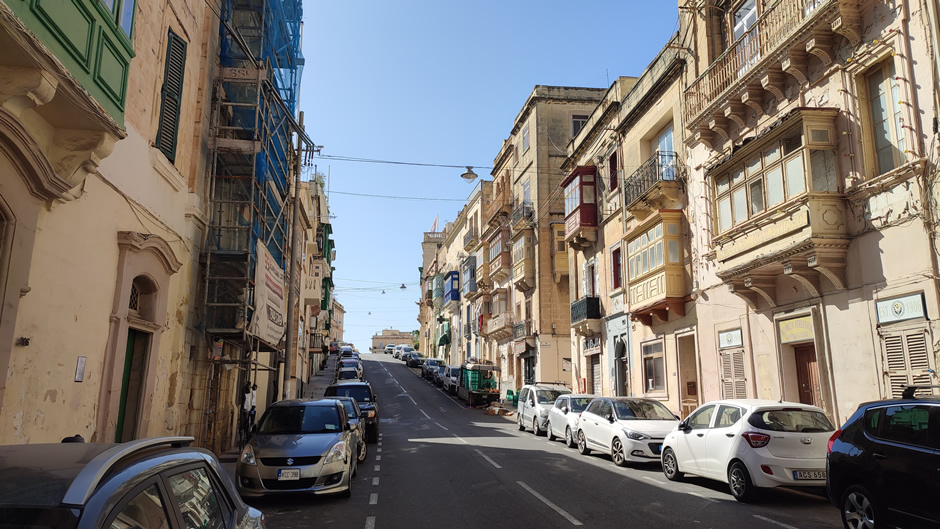
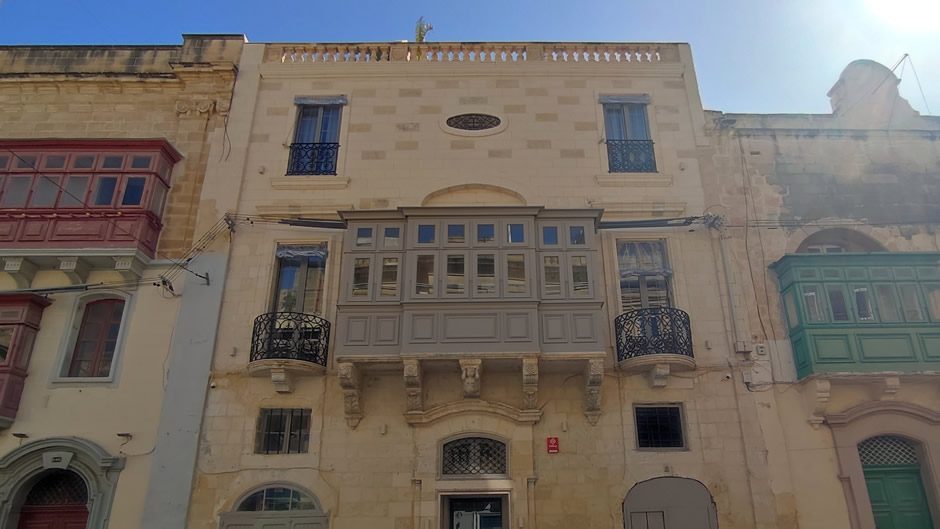
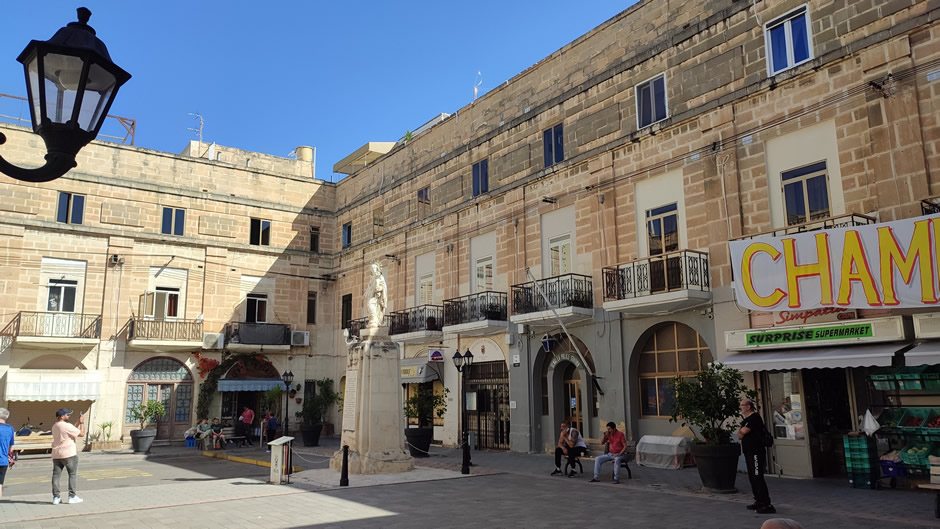
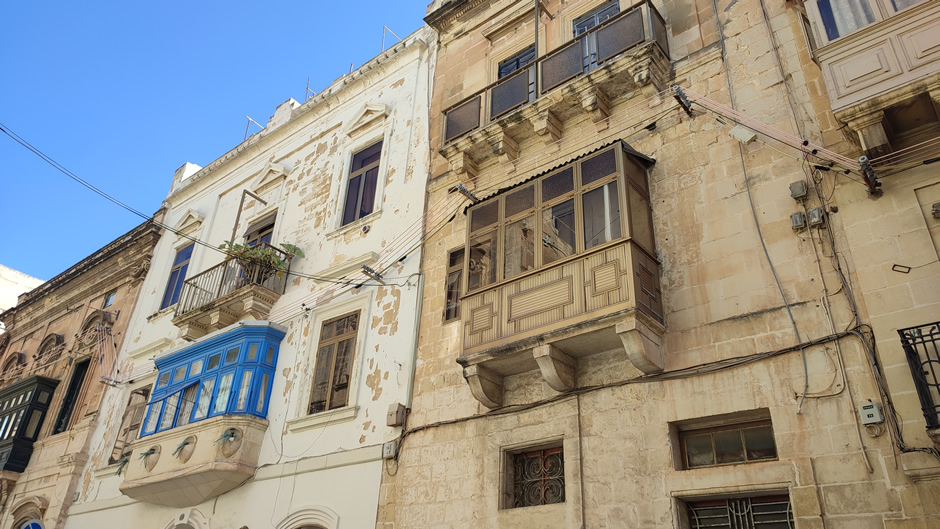
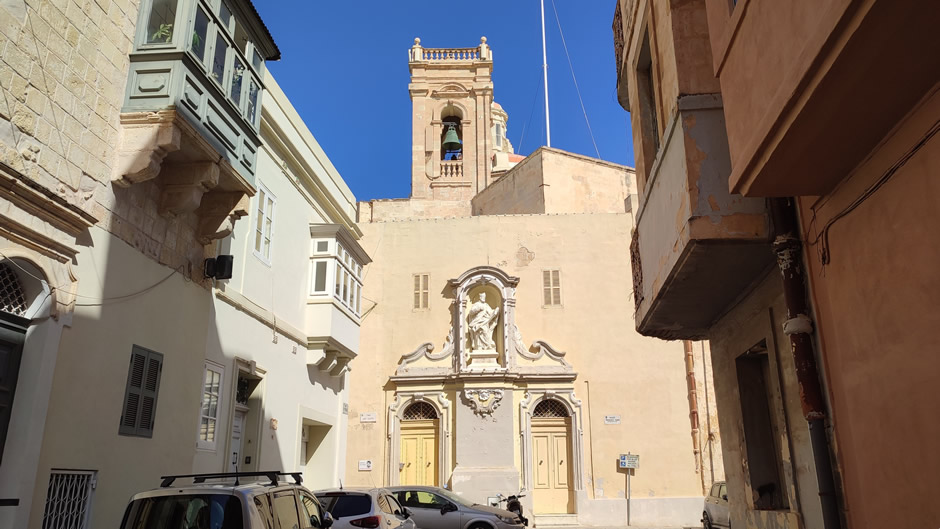
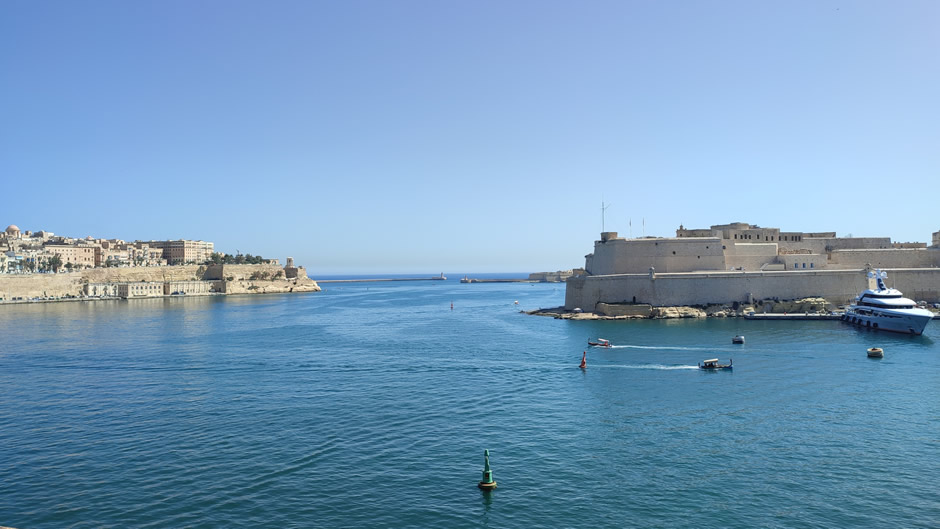
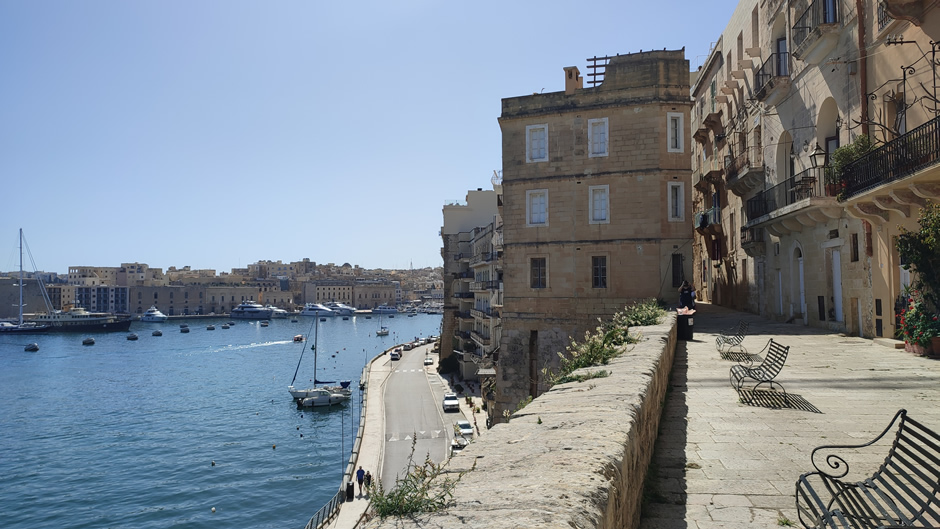
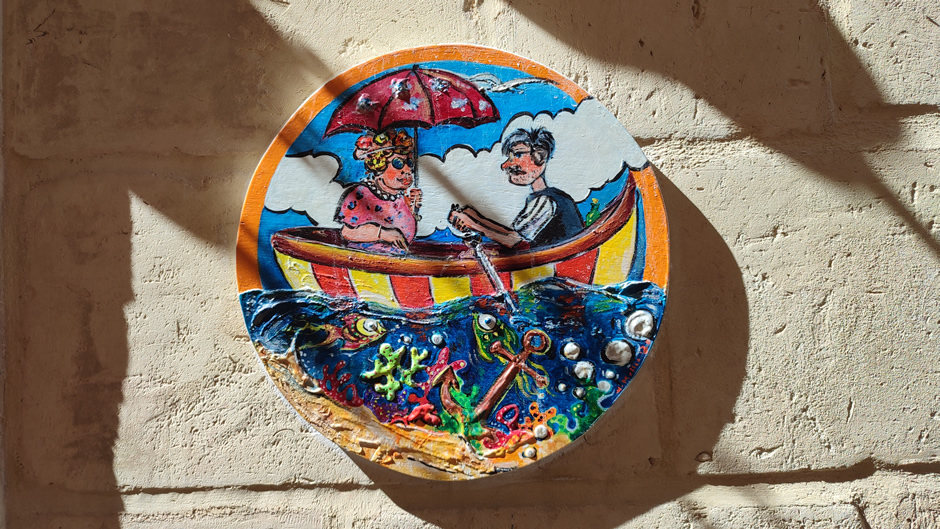
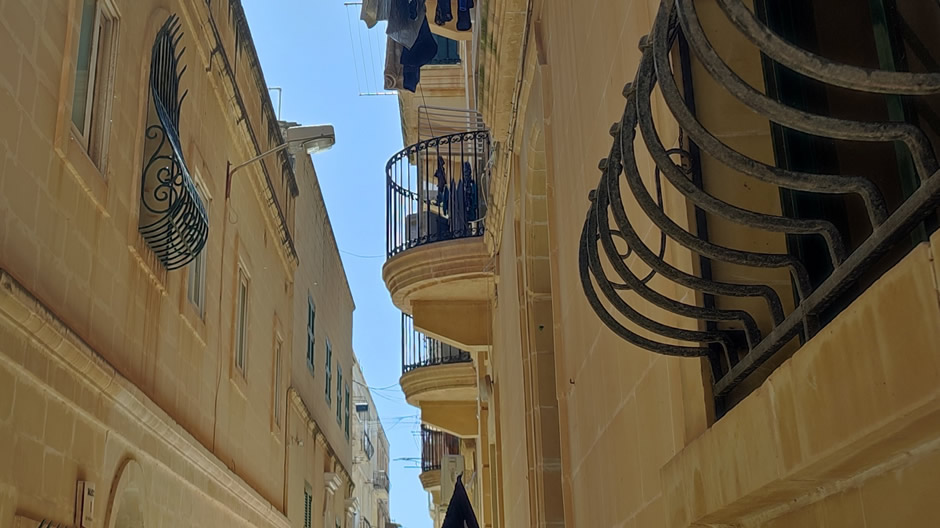
Dgħajsa Boat Trip
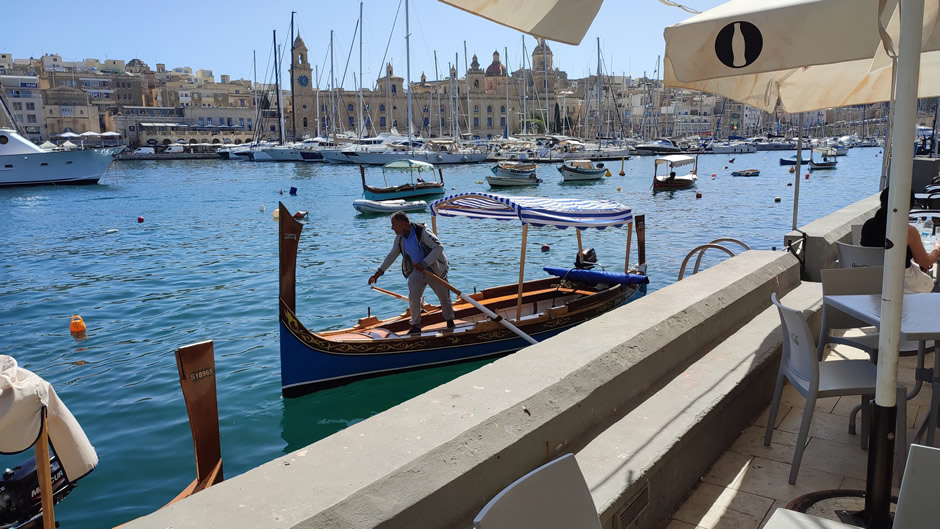
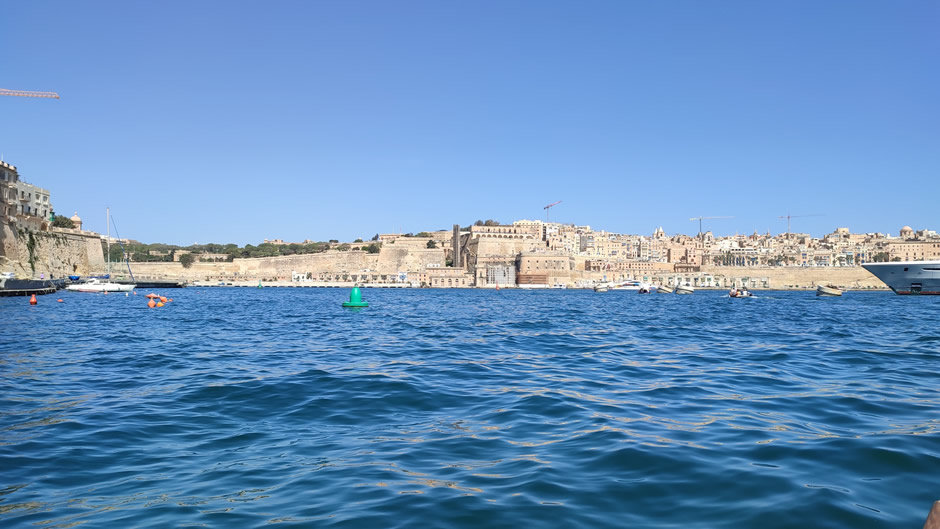
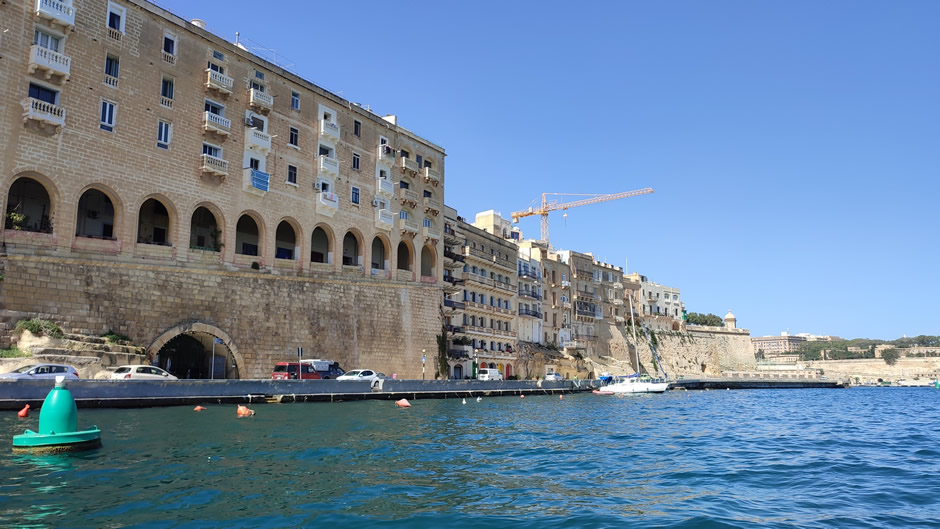
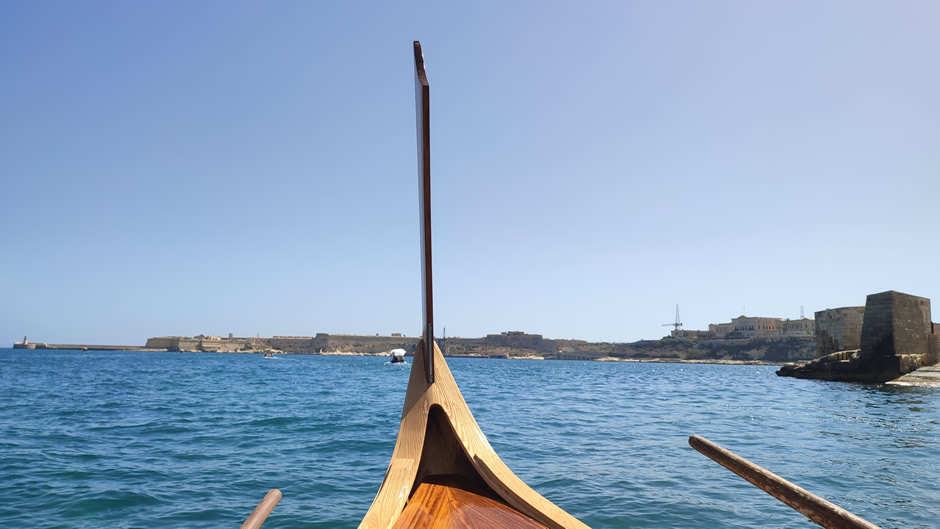
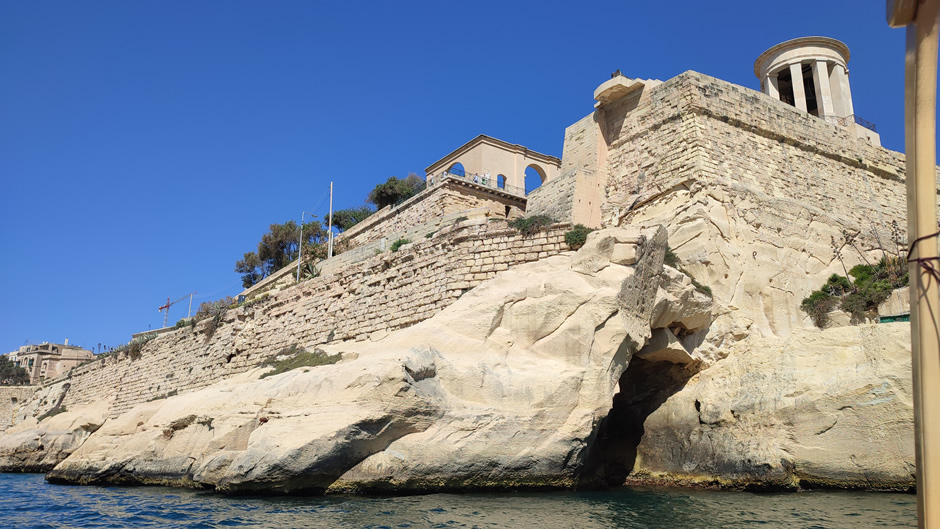
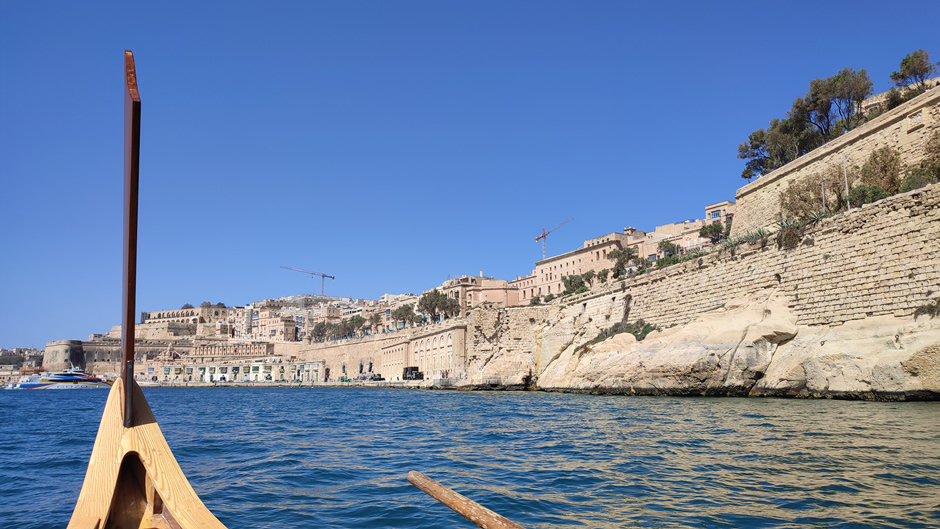
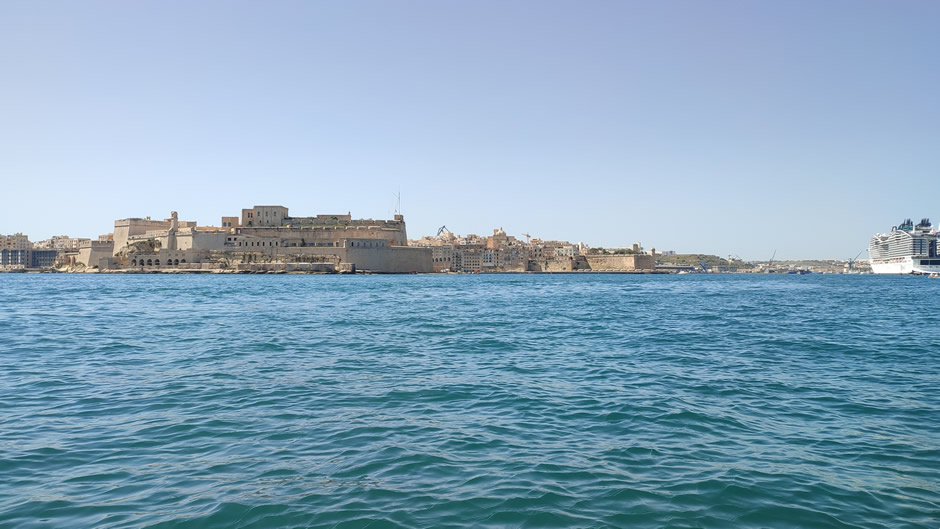
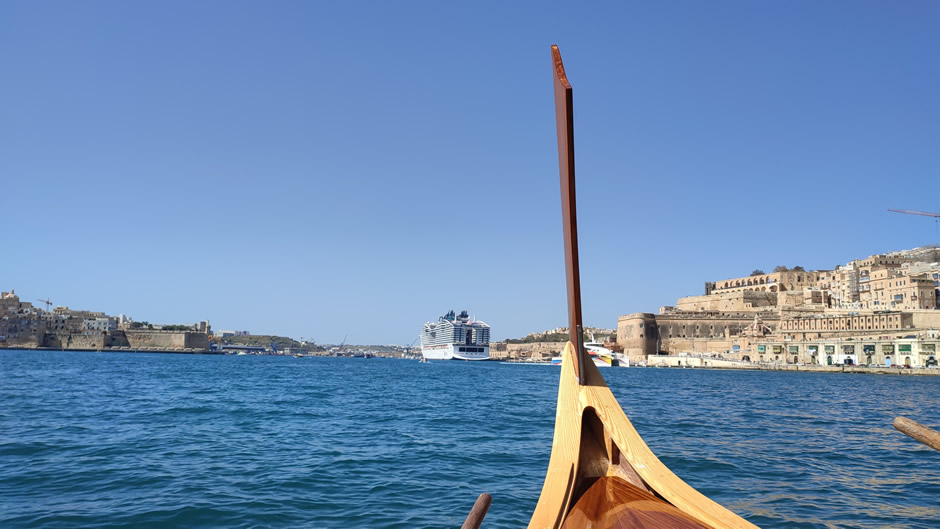
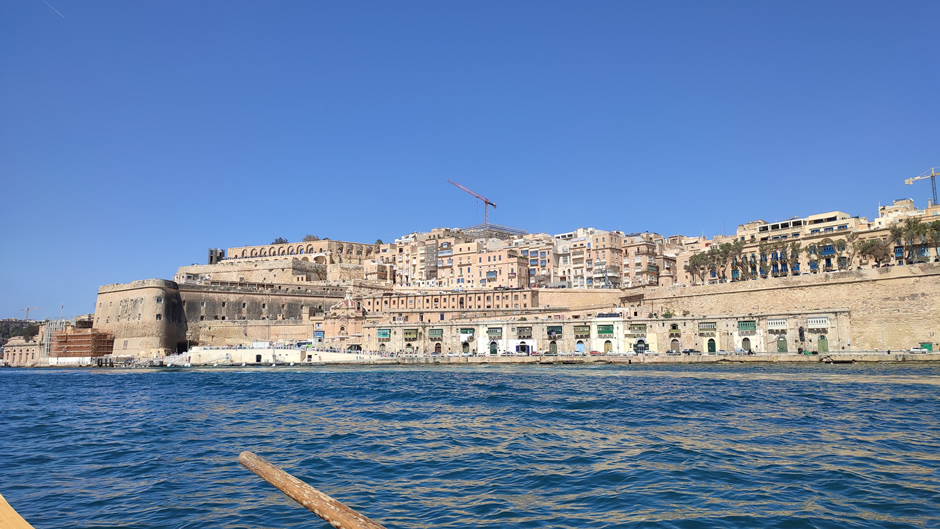
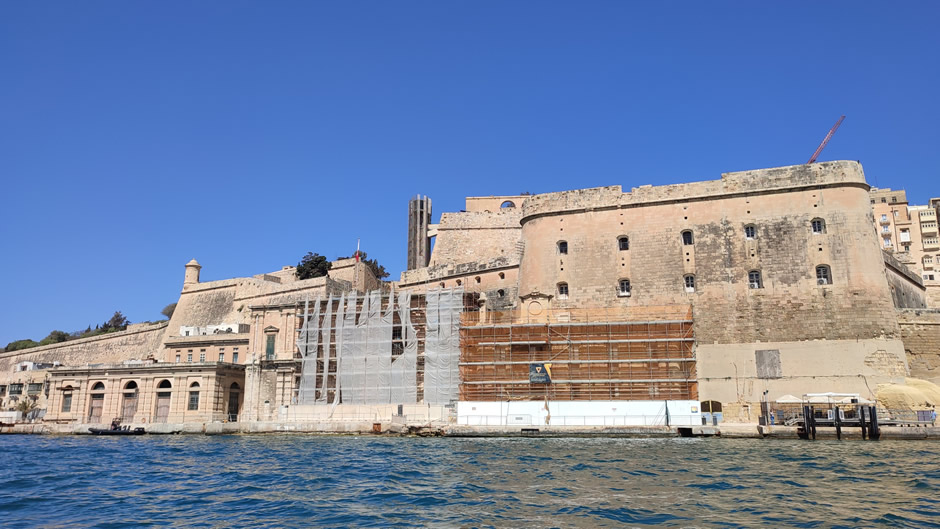
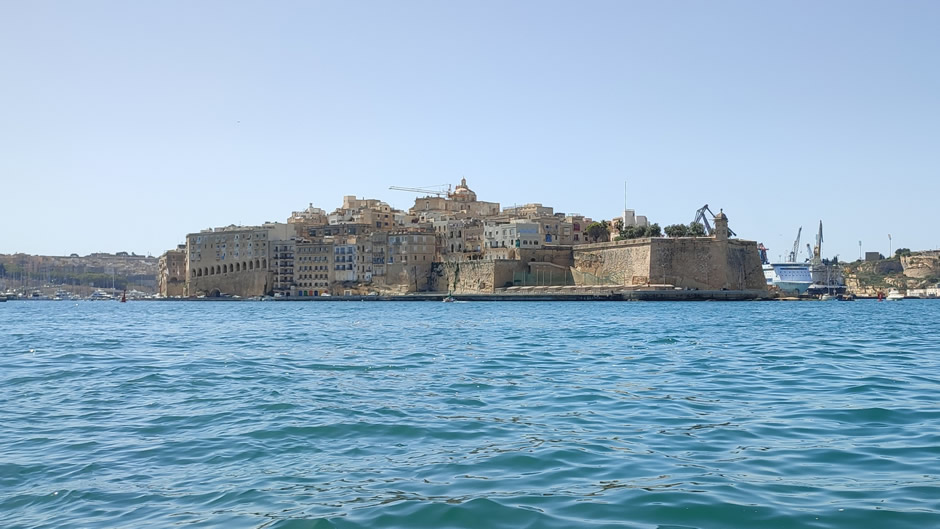
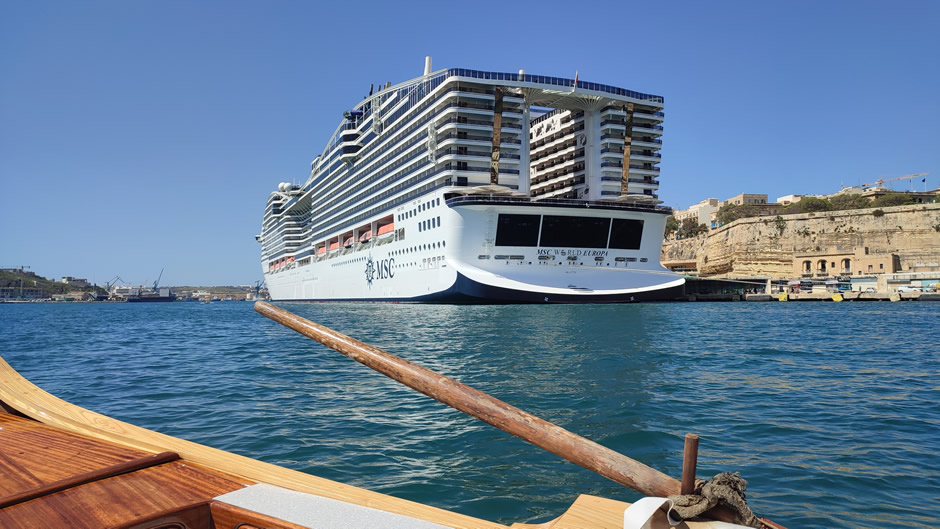
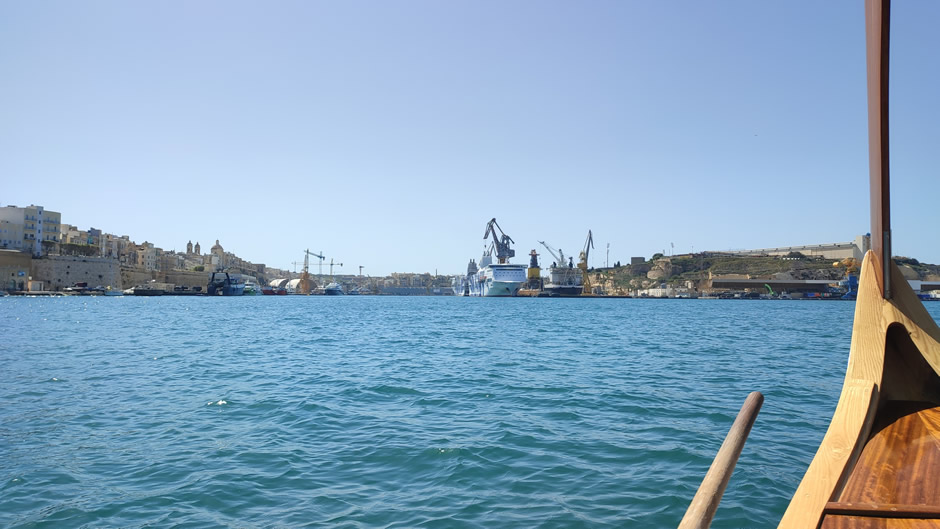
From Senglea, a sightseeing trip was taken on a dgħajsa (pronounced "dye-sa"). Dgħajjes tal-pass (pronounced "djay-sas") are traditional Maltese water taxis. These brightly painted wooden boars are native to Malta, acting as the Maltese equivalent of a Venetian gondola, transporting passengers between Valletta and the Three Cities. The dgħajsa followed a route around the Grand Harbour, offering views of both Valletta and all of the Three Cities, before finishing up at Vittoriosa (Birgu). Some photos from the dgħajsa trip follow (these include photos of Valletta, as well as the Three Cities, as seen from the Grand Harbour.
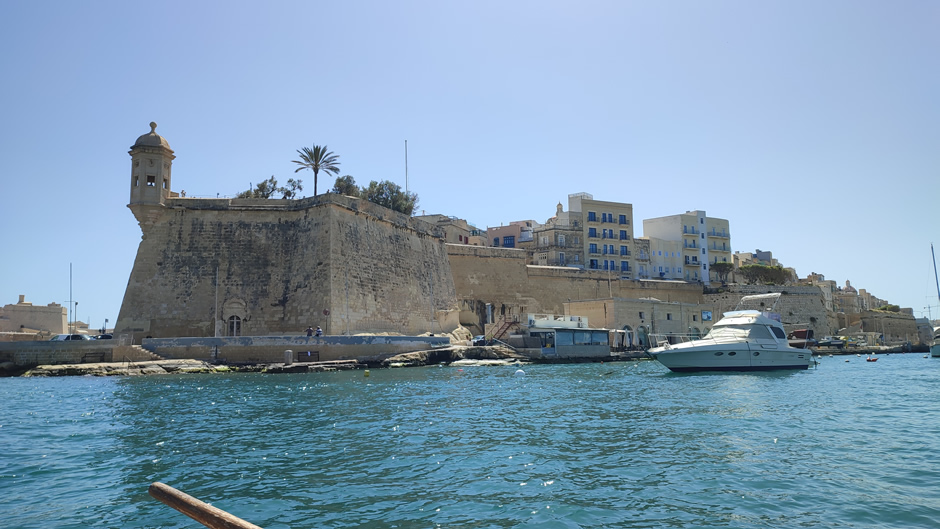
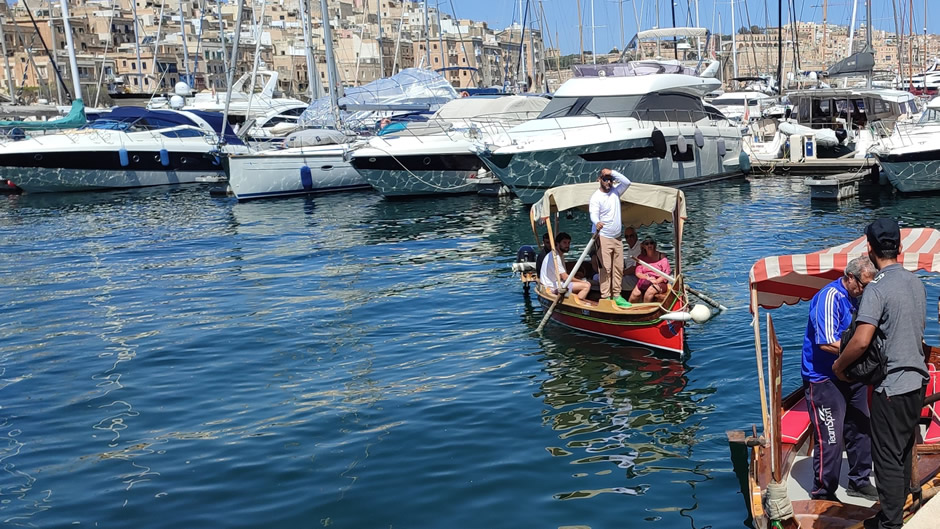
Vittoriosa (Birgu)
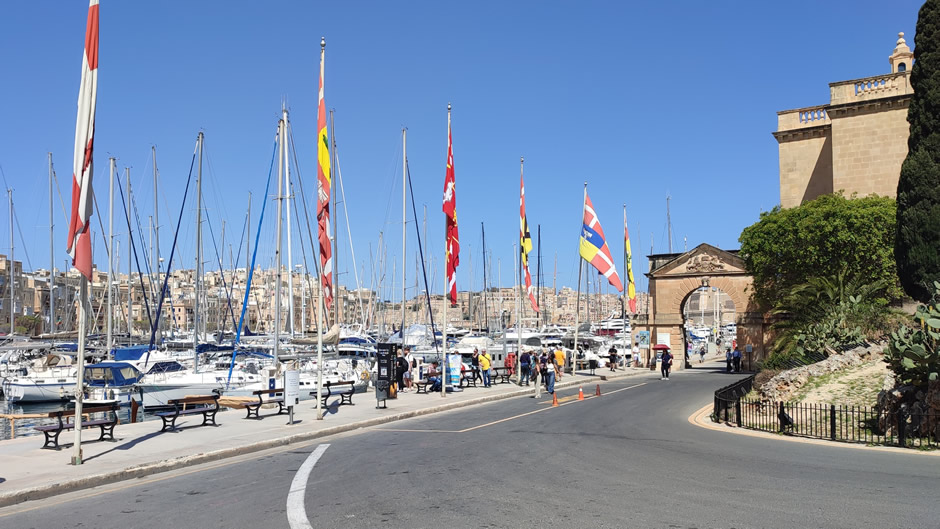
After a short break, a walking tour of Vittoriosa followed. Vittoriosa is the oldest of the Three Cities and was the original base of the Knights of St John before Valletta was built. It is filled with historic buildings, narrow alleys, and waterfront views, particularly around the marina. The city reflects Malta’s deep maritime and military past and remains one of the most atmospheric locations on the island.
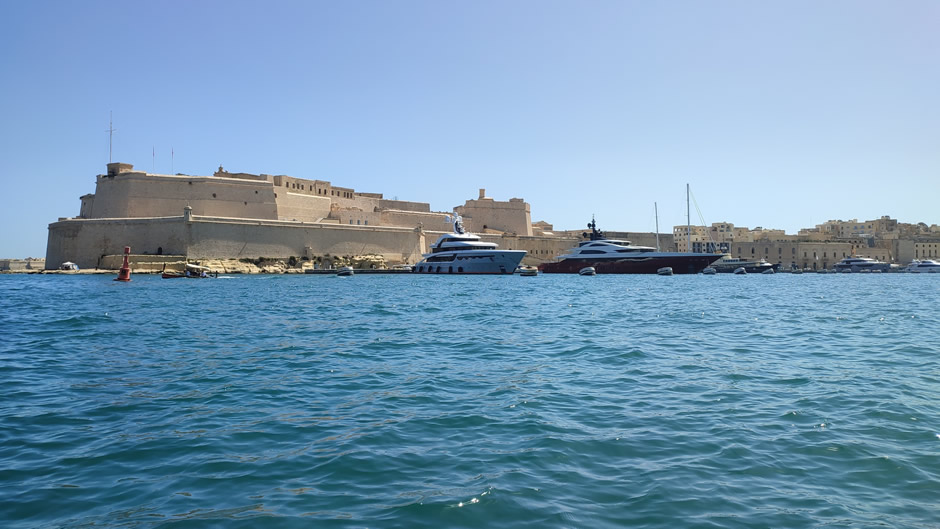
Fort St Angelo (shown below) dominates Vittoriosa’s waterfront as a centuries-old stronghold that once served as the Knights of St John’s main headquarters. Its layered fortifications reflect successive periods of military engineering, and its elevated position offers views across the Grand Harbour, symbolising Malta’s enduring strategic importance. It was the Knights’ headquarters during the Great Siege and later a British naval base. Recent restorations have reopened parts of the fort to visitors, allowing exploration of its ancient dungeons, chapels, and ramparts that echo centuries of military and maritime legacy.
The Collegiate Church of Saint Lawrence (shown in the first photos below) is Vittoriosa’s principal parish church, recognised for its Baroque interior and its historic connection to the Knights, who used it as their first conventual church in Malta. Its ornate altars, artworks, and architectural detailing illustrate the religious and civic importance the building held within the early settlement.
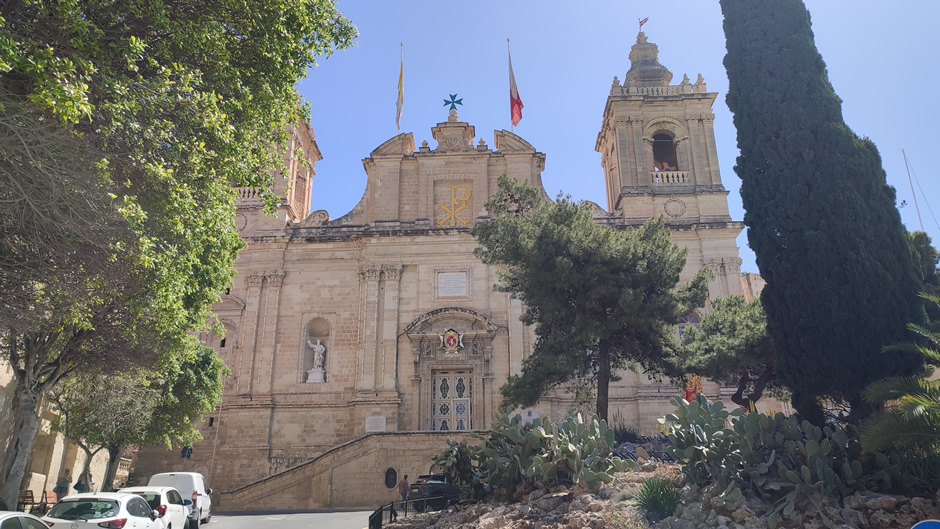
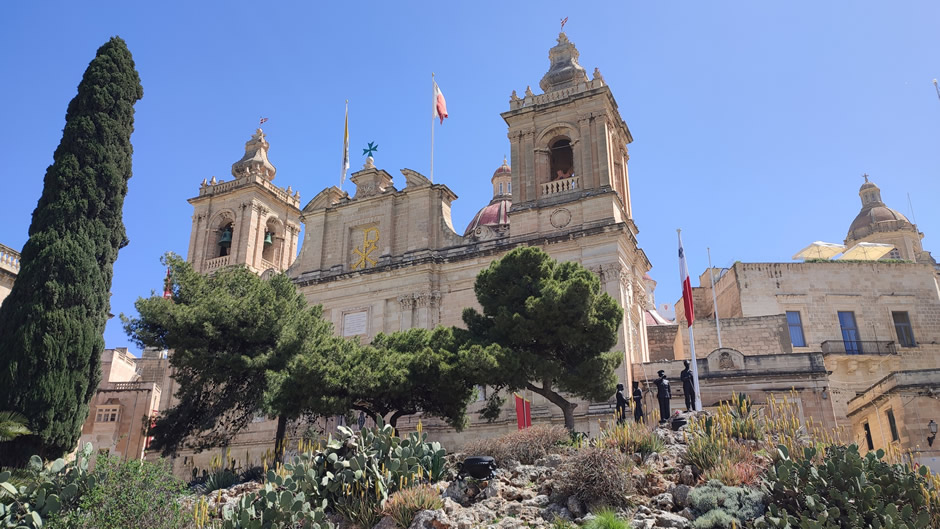
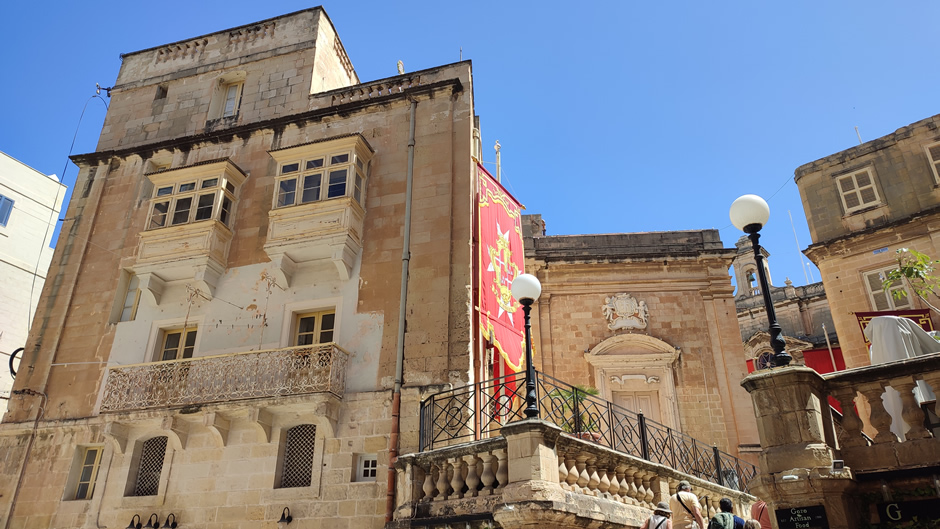
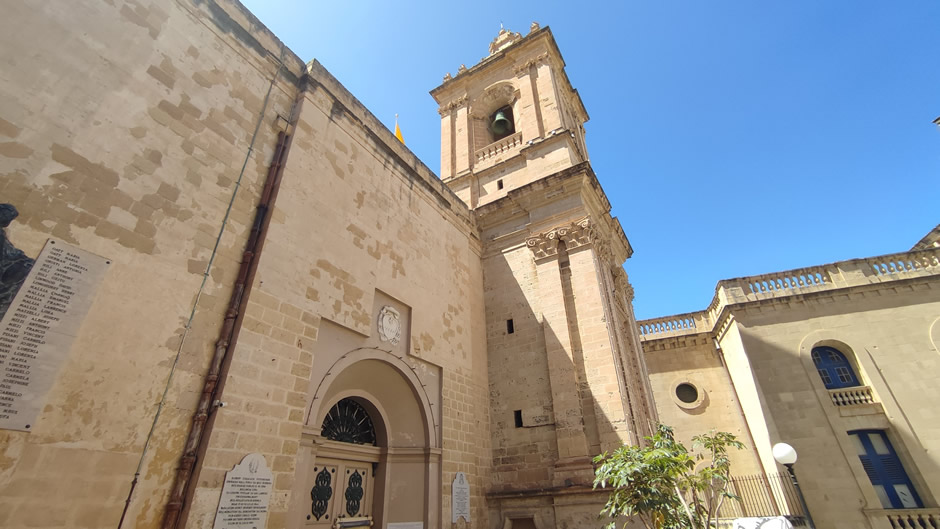
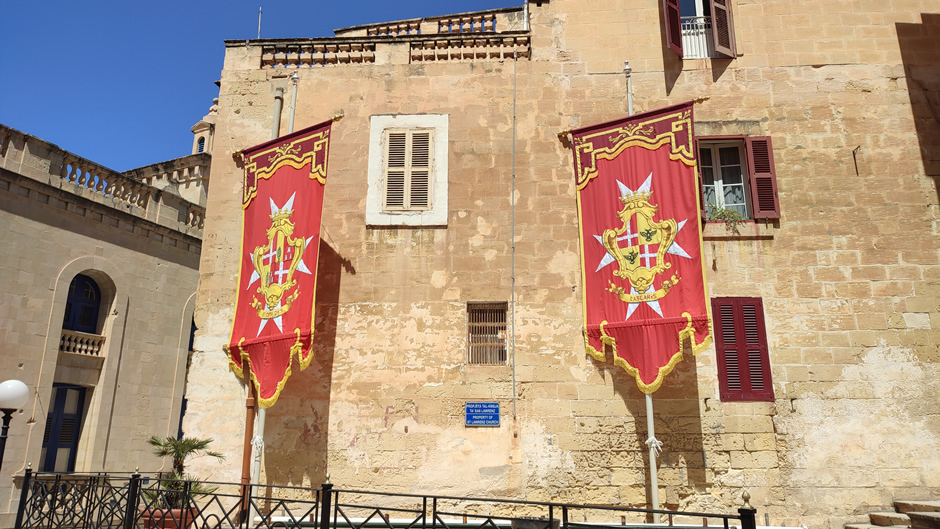
The Oratory of St Joseph stands beside the main parish church and preserves a collection of religious artefacts linked to Vittoriosa’s ecclesiastical past. The oratory includes a small museum space that displays liturgical items and historical objects, offering insight into the devotional practices that shaped the community over several centuries:
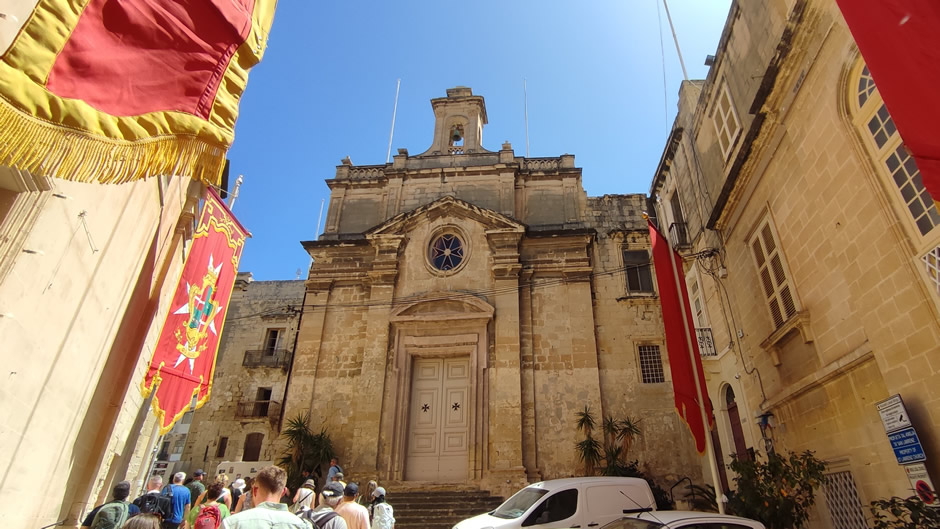
Pjazza Rebħa (Victory Square, shown below) is Vittoriosa’s central square, known for its open layout and its role as a gathering point during civic events. Surrounded by historic buildings and narrow streets, the square reflects the town’s medieval urban structure and serves as a focal point for local activity, especially during traditional festivals.
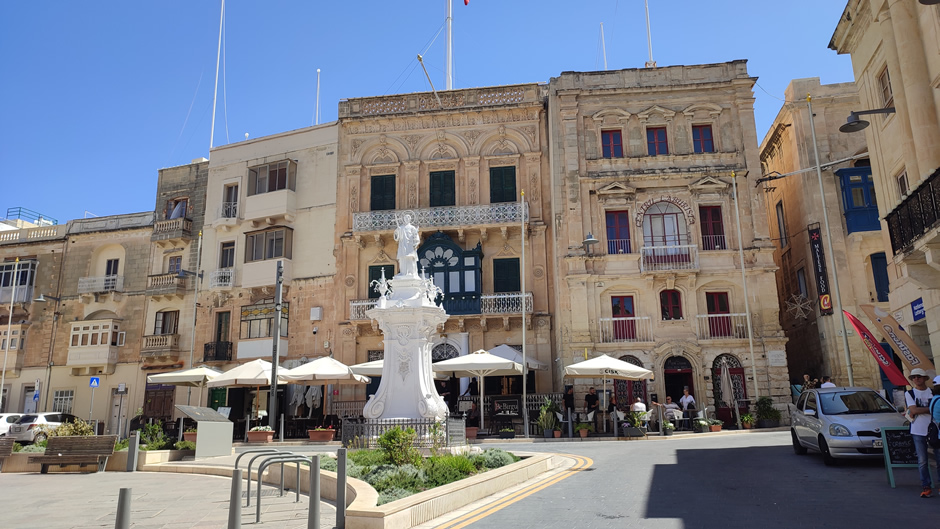
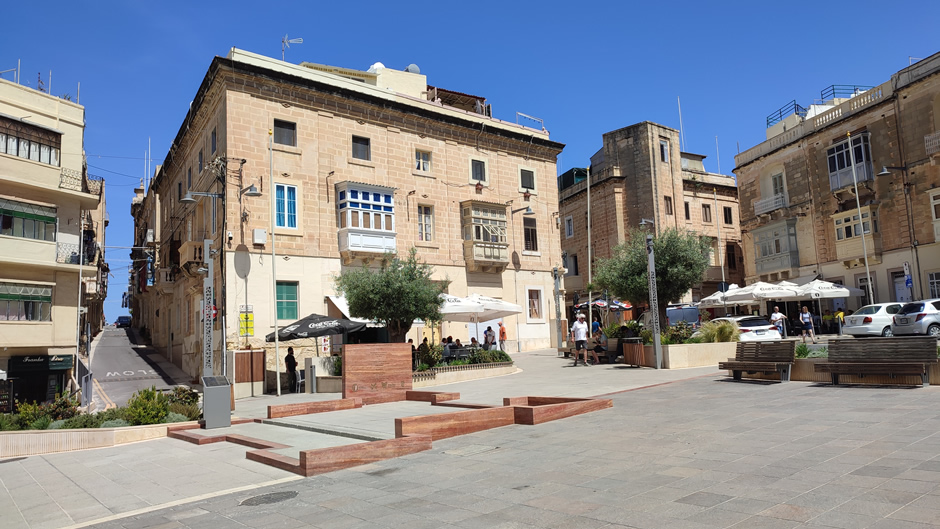
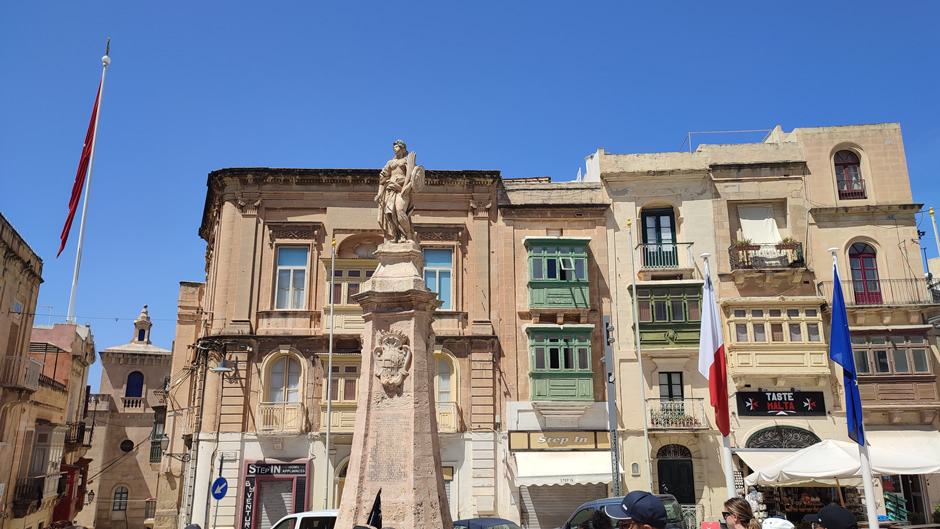
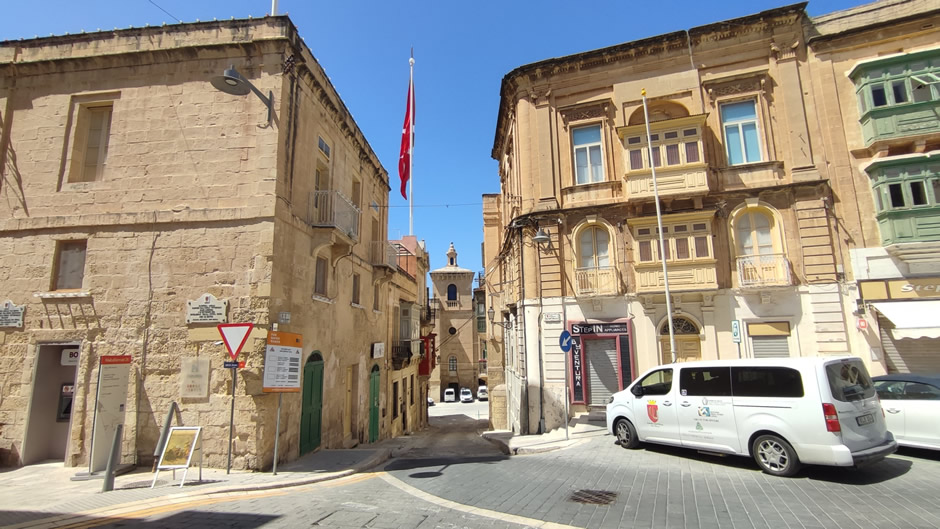
The Auberge d’Angleterre (shown below) is one of the surviving inns built for the Knights of St John, originally housing the English-speaking Langue. Its façade and internal layout show the architectural style used for the Order’s administrative residences, and the building remains an important example of Vittoriosa’s early role as the Knights’ base before Valletta was constructed. There is information about the Auberges of Malta on the Valletta page (Page 8), with a special footnote providing more detail.
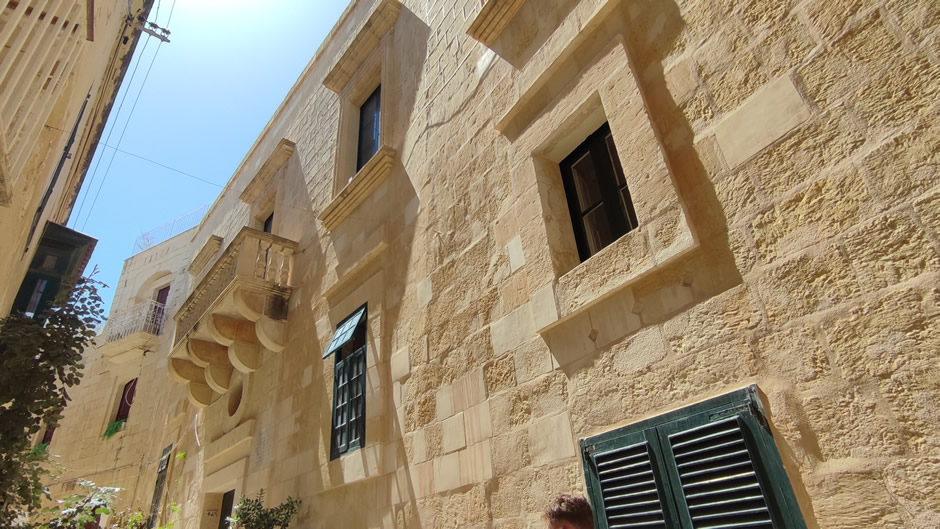
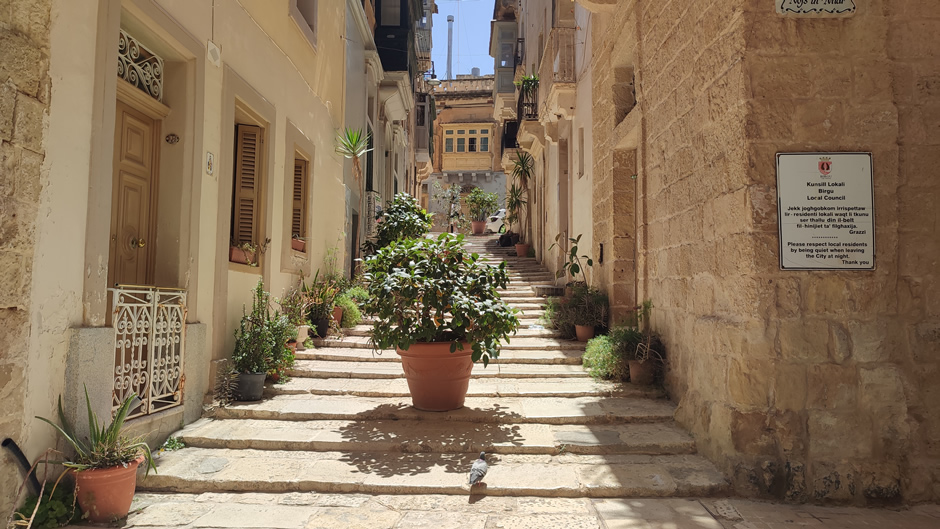
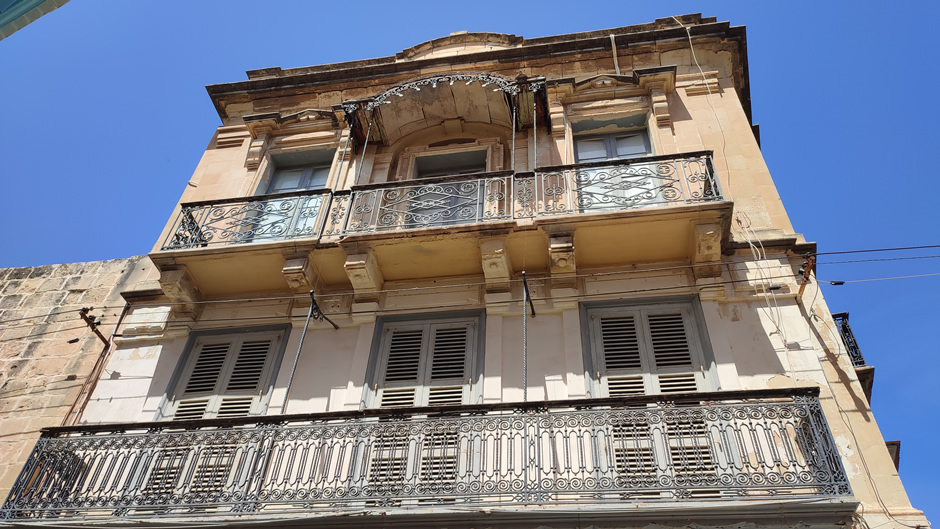
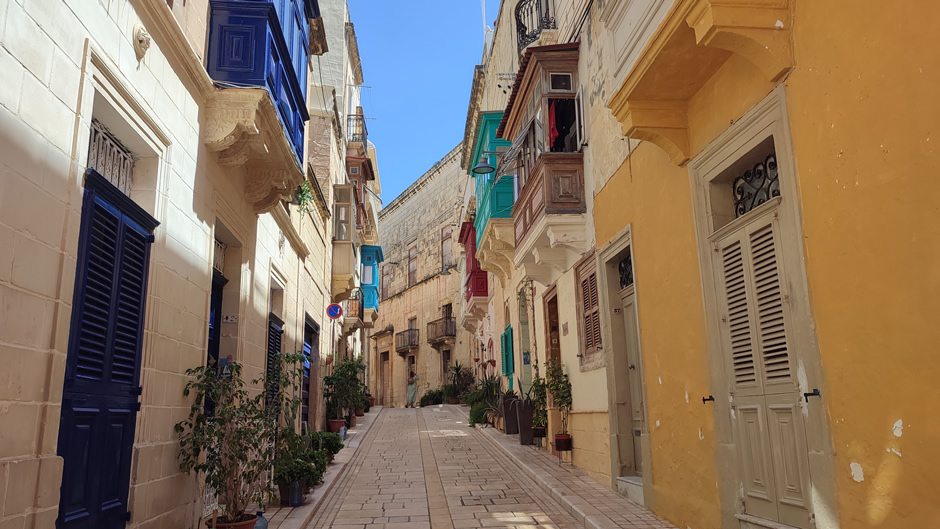
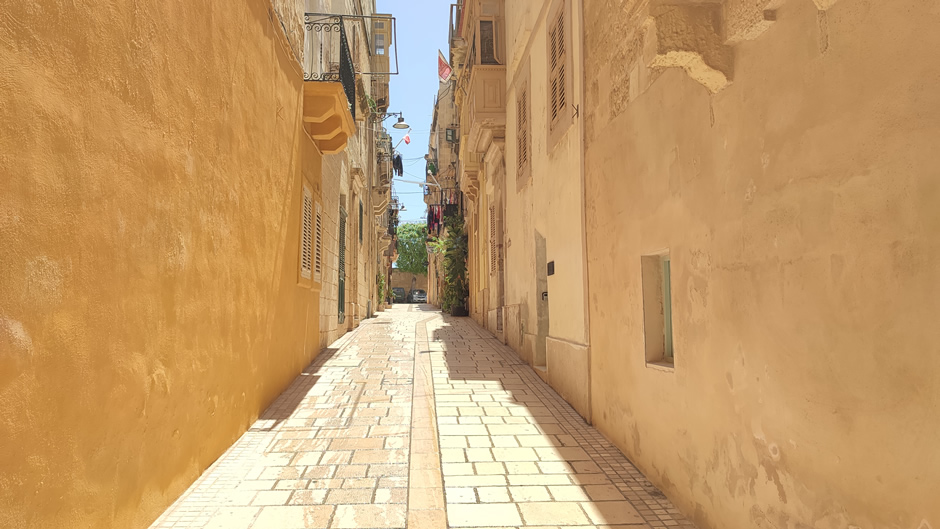
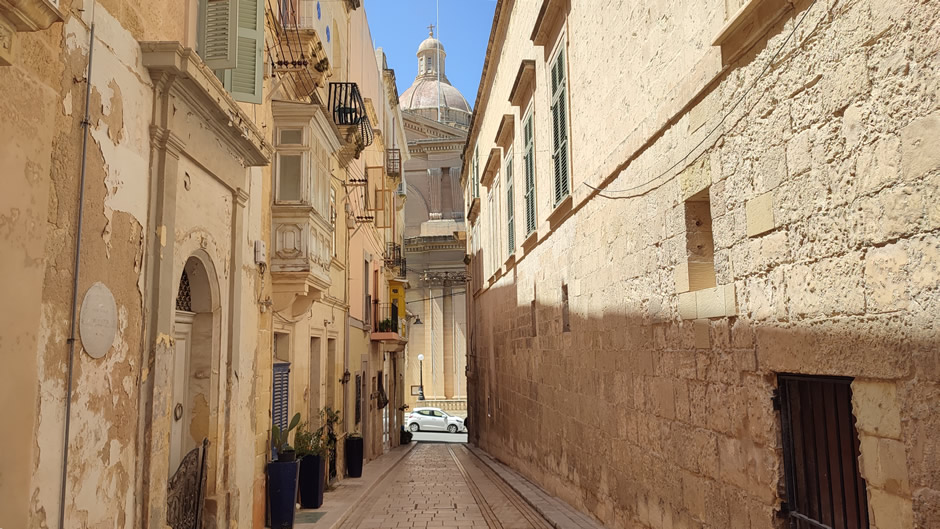
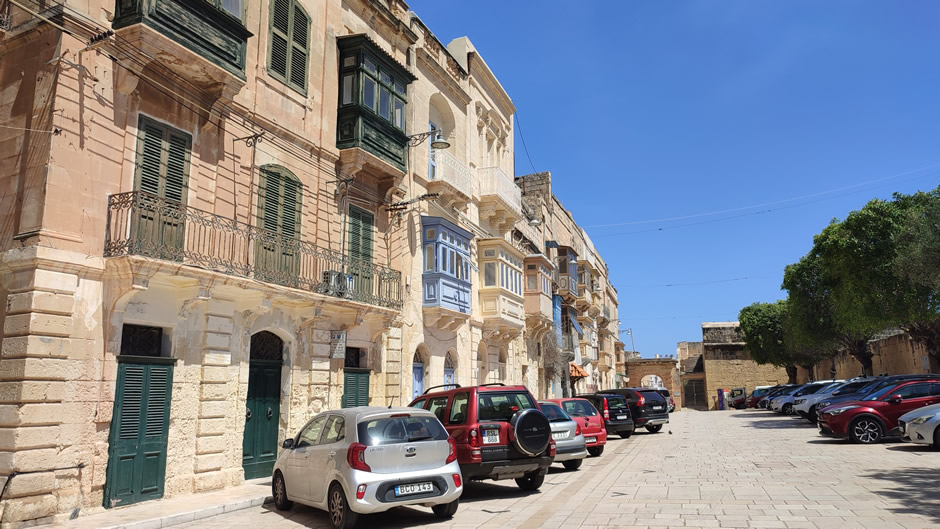
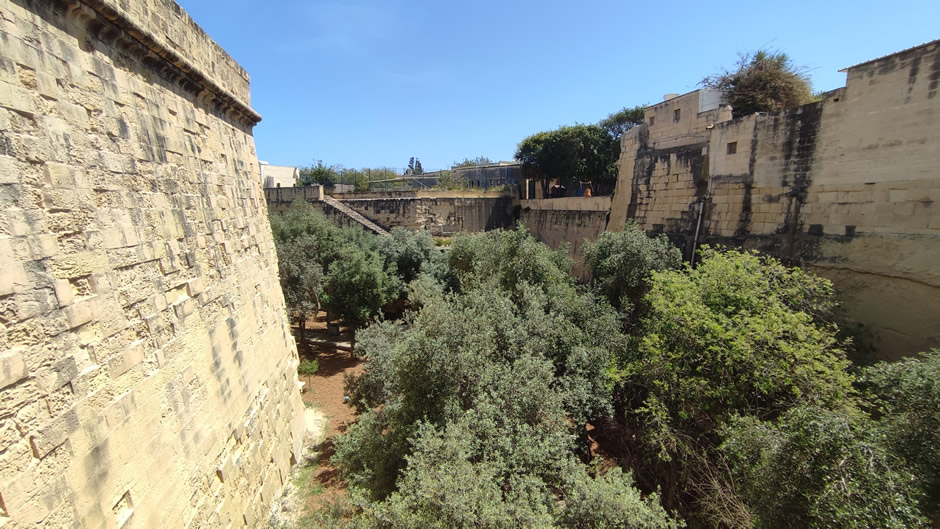
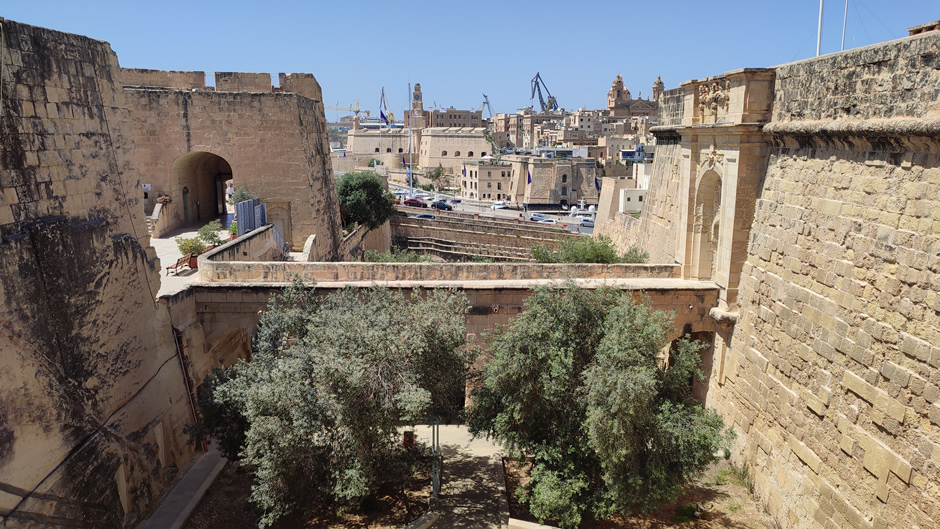
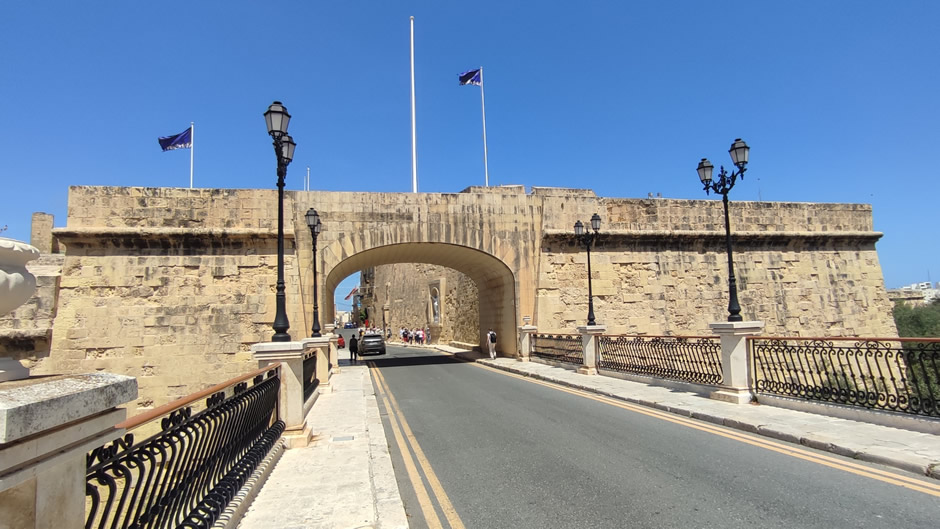
Vittoriosa contains several additional historic sites that deepen its cultural landscape, including the Inquisitor’s Palace, a rare surviving seat of the Maltese Inquisition with preserved chambers and a museum on judicial history. The town also hosts a Dominican priory, which contributes to Vittoriosa’s long monastic tradition through its church, cloister, and community spaces. Beyond these, Vittoriosa’s waterfront, narrow lanes, and restored townhouses create a setting rich in heritage, making the area one of Malta’s most atmospheric historic quarters. Some more photos of the city follow:
Cospicua (Bormla)
The walking tour concluded at the southern end of Vittoriosa, on the edge of Cospicua. As mentioned earlier, (also known as Bormla), is one of Malta’s historic Three Cities. It has been shaped by centuries of maritime activity and was fortified by the Knights of St John. Overlooking the city is Fort Verdala, built by the British between 1852 and 1856 - it served as defensible barracks and later a prisoner-of-war camp in both World Wars before remaining in military use until 1977. The waterfront of Cospicua has been revitalised with modern marinas set against grand stone bastions, while the town’s narrow streets reveal traditional houses, churches, and traces of its industrial past. Today it blends quiet residential character with growing cultural and harbour-side life, making it an atmospheric stop just across from Valletta. Although no (third) walking tour took place here, the half-day included views of it and a final drive around its perimeter.
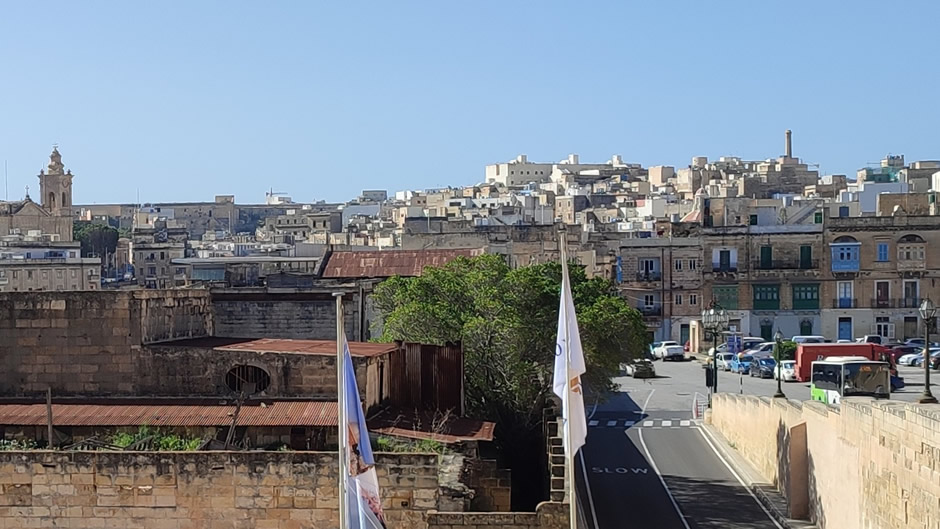
Above: View towards Cospicua (Bormla) from the southern end of Senglea.
A Note on Villa Bighi
Whilst the Three Cities are strictly defined as Birgu (Vittoriosa), Senglea (Isla), and Cospicua (Bormla), visitors may notice a neighbouring promontory just past Vittoriosa along Kalkara Creek. On here is located Villa Bighi, which is not part of the Three Cities because it is located in the separate coastal locality of Kalkara. The site was historically developed as a British naval site rather than an ancient fortified urban centre. Villa Bighi was originally built in 1675 as a private summer residence for Fra Giovanni Bichi, a knight of the Order of St John. During the 19th century under British rule, it was transformed into the Royal Naval Hospital Bighi, treating countless casualties from major conflicts like the Crimean War and both World Wars before closing in 1970. Today, this historic neo-classical landmark has been beautifully repurposed. It houses Esplora, Malta's national interactive science centre, alongside government offices, and functions as a popular scenic venue for cultural events and weddings.
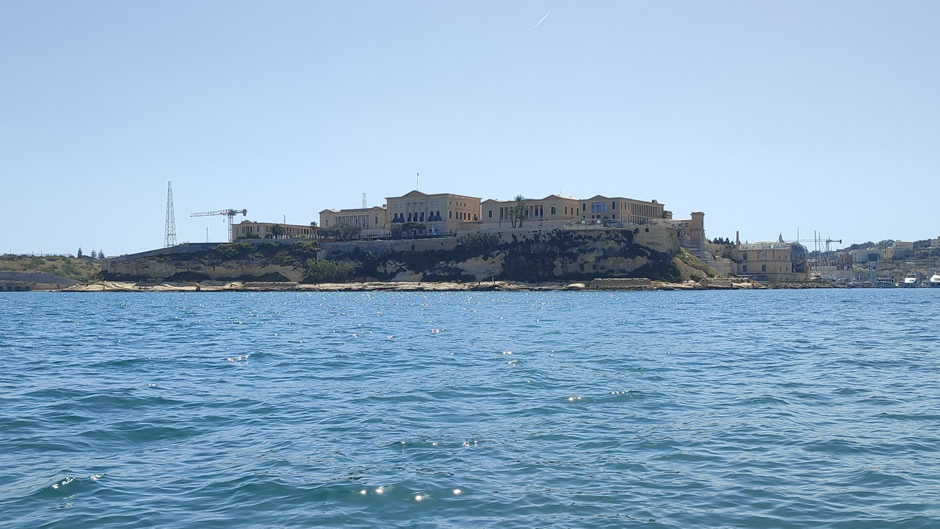
Above: Villa Bighi, as seen from the Dgħajsa Boat Trip during the Three Cities Tour.
Link to Next Page (Page 6 of 8)
Link to Previous Page (Page 4 of 8)
Back to Top
