


Malta, Including Gozo & Comino (Page 8 of 8)
Quick links to other Malta pages and/or sections Here
Valletta, Malta’s capital city, occupies the tip of the Xebb-er-Ras peninsula between Marsamxett Harbour and the Grand Harbour (il-Port il-Kbir). Founded in 1566 and named after Grand Master Jean de Valette, it was built as the fortified headquarters of the Order of St John, containing the Magistral Palace, the Conventual Church of St John, the Sacra Infermeria, and the auberges of the different langues*. Today, Valletta is recognised as one of Europe’s finest examples of a planned baroque city, with a grid layout, massive bastions, and richly decorated churches and palaces. It was inscribed as a UNESCO World Heritage Site in 1980 and is noted as the smallest capital city in the European Union. Valletta also played a major role during the Second World War, earning Malta the George Cross for collective bravery.
* See footnote about the auberges of Malta at the end of this webpage about Valletta.
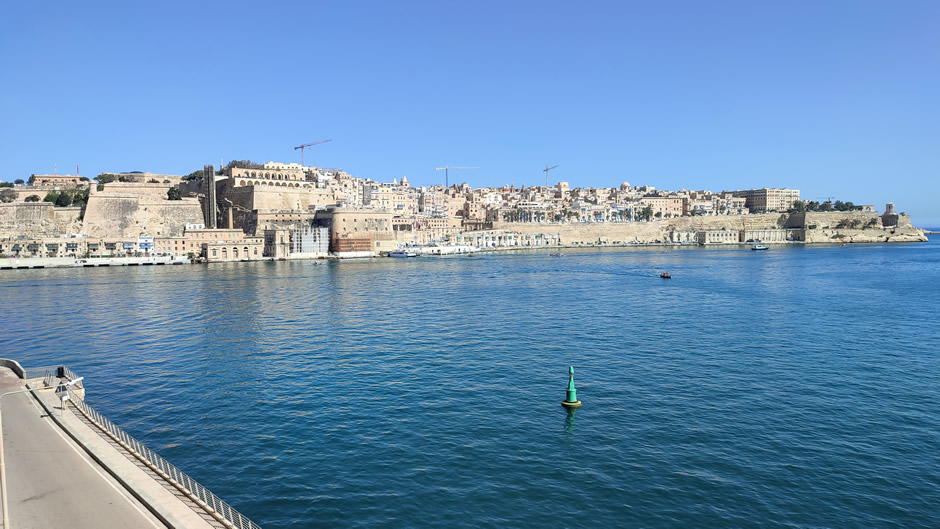
Above: Valletta, as seen from one of the Three Cities, Senglea (Isla), across the Grand Harbour (il-Port il-Kbir).
The Granaries
Beginning our look around Valletta, The Granaries (located in nearby Floriana just outside the city walls rather than in Valletta itself), are large underground storage silos historically used to store grain. Today, the open square above them is used for public events, gatherings, and national celebrations, making it an important communal space. From here, Valletta can be approached through the main City Gate just beyond Tritons’ Fountain.
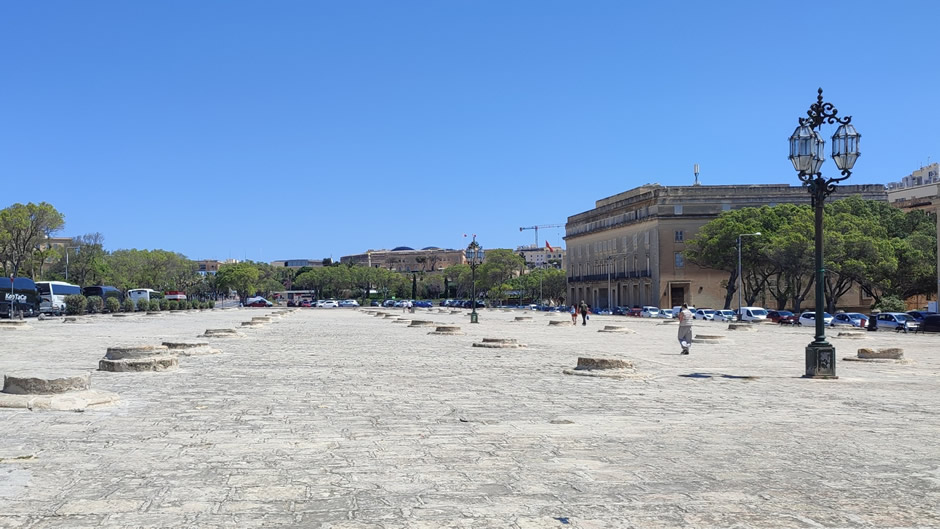
Above: The Granaries, Floriana, looking towards Valletta
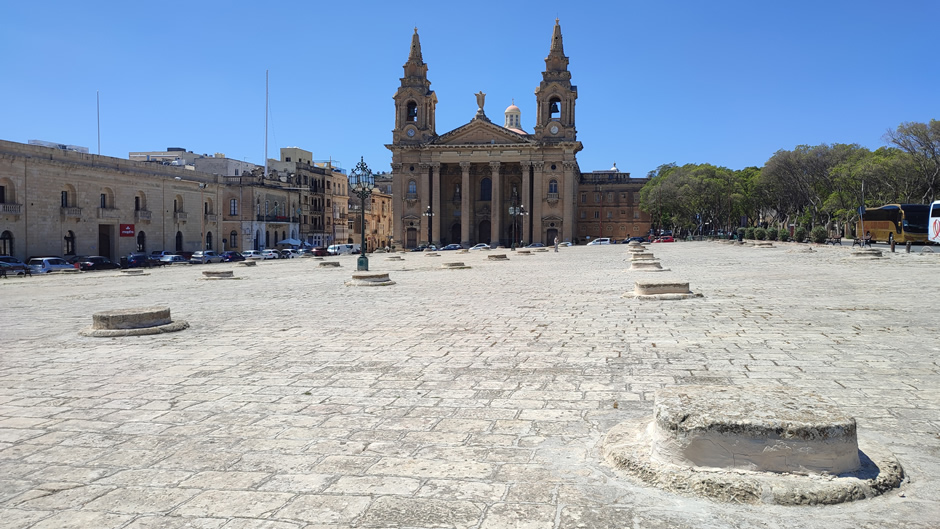
Above: Knisja ta’ San Publiju, a prominent Baroque parish church in Floriana, stands overlooking the historic granaries - an 18th-century system of stone cut food storage pits that once formed a vital part of Malta’s civil infrastructure.
Tritons’ Fountain
Tritons’ Fountain (shown below) is one of Valletta’s most recognisable landmarks, located just outside the City Gate. Designed in the mid-20th century, it features three bronze Tritons supporting a large basin, symbolising Malta’s connection to the sea. The fountain has recently been restored and now serves as a central meeting point and gateway into the capital.
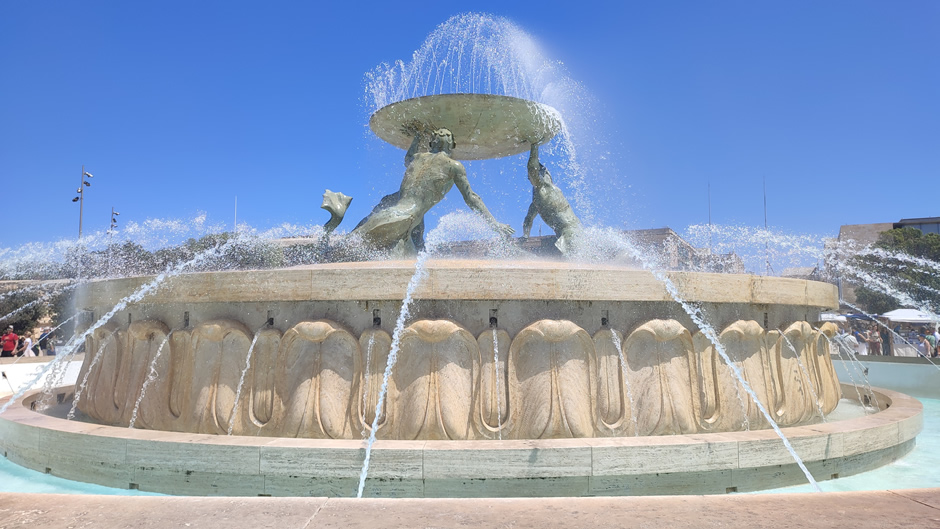
Tritons’ Fountain
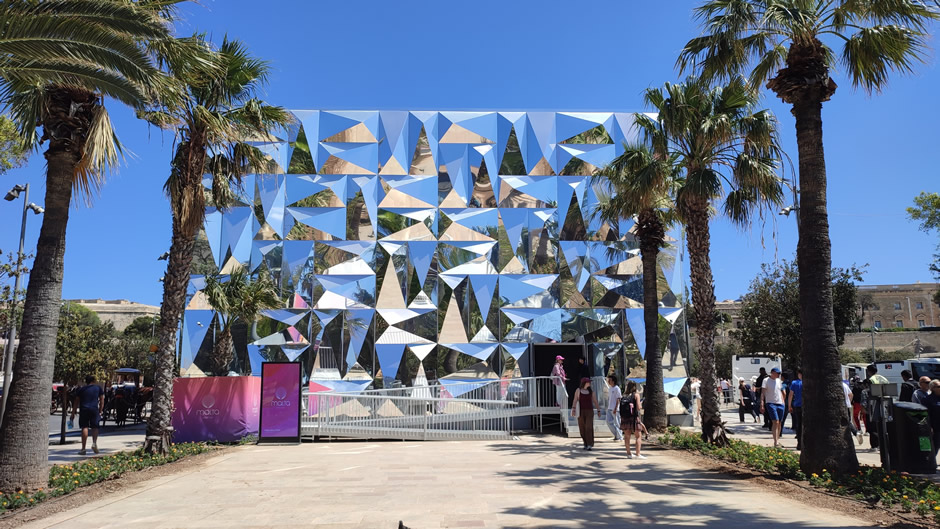
Above: The Malta Vision 2050 Pavilion near the entrance of Valletta in Floriana. It hosts an immersive public exhibition showcasing the Maltese Government's 25-year national strategic plan for sustainable growth and future development.
Valletta’s Walls and Gates
Valletta’s walls and gates are defining features of the city, reflecting its origins as a fortified stronghold built by the Knights of St John. The massive bastions, defensive walls, and main entrance at City Gate showcase military engineering designed to protect the city from invasion, while also offering impressive views of the surrounding harbours.
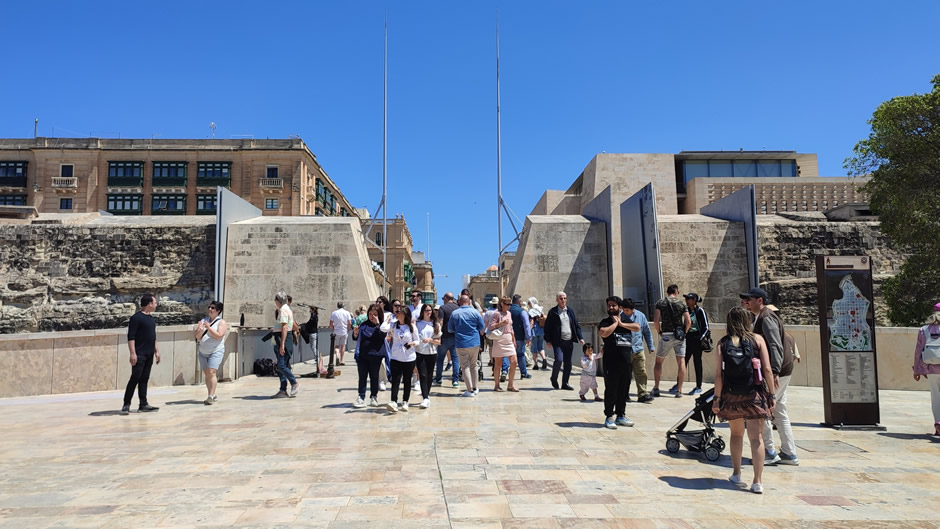
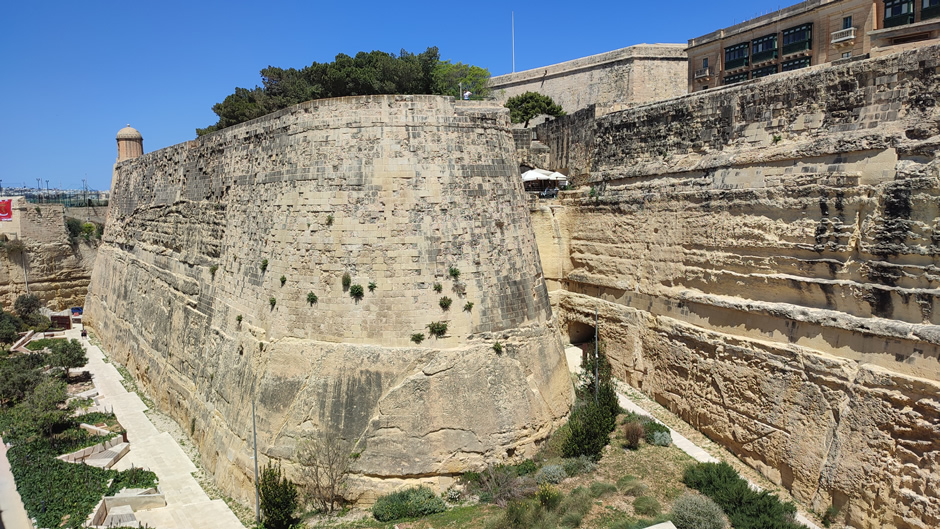
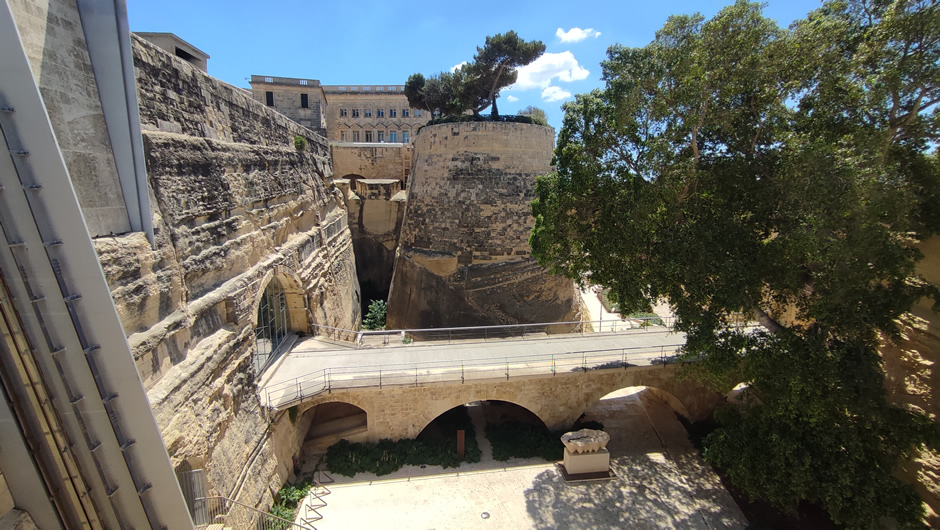
Above: Entering Valletta through the Main City Gate.
Renzo Piano’s master plan for Valletta, developed between 2009 and 2014, re-established the historic entrance to the city through a precise new City Gate that restored the depth of the original 1633 fortifications. His project also introduced the new Parliament Building, completed in 2015, designed in Gozo stone with modern environmental systems, and transformed the bombed-out Royal Opera House, ruined since 1942, into the open-air theatre now known as Pjazza Teatru Rjal (last of the three photos below). Together, these interventions revived Valletta’s gateway while respecting the city’s layered history.
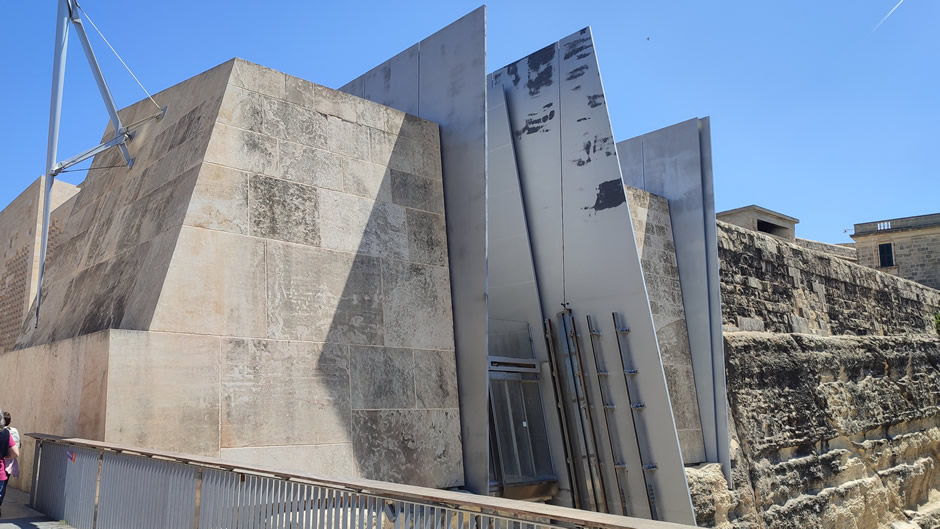
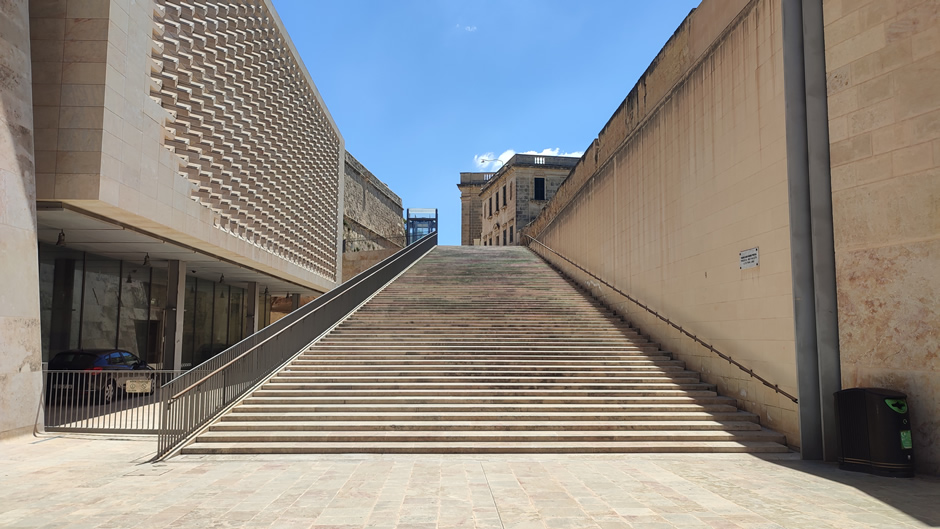
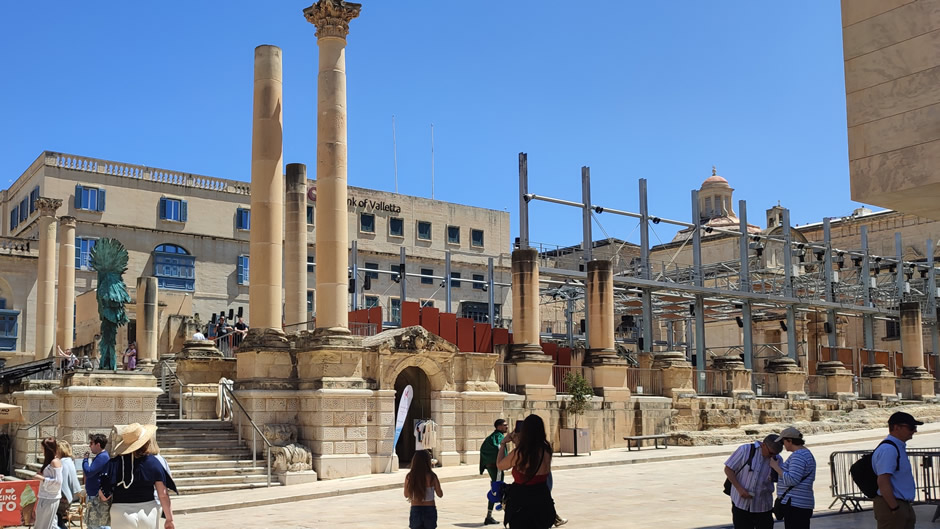
Parliament Building
The Parliament building in Valletta (shown below) is a modern architectural addition designed by Renzo Piano. Completed in 2015, it stands near the City Gate and contrasts with the historic surroundings through its contemporary design. The structure houses Malta’s legislative body and represents the country’s political life today.
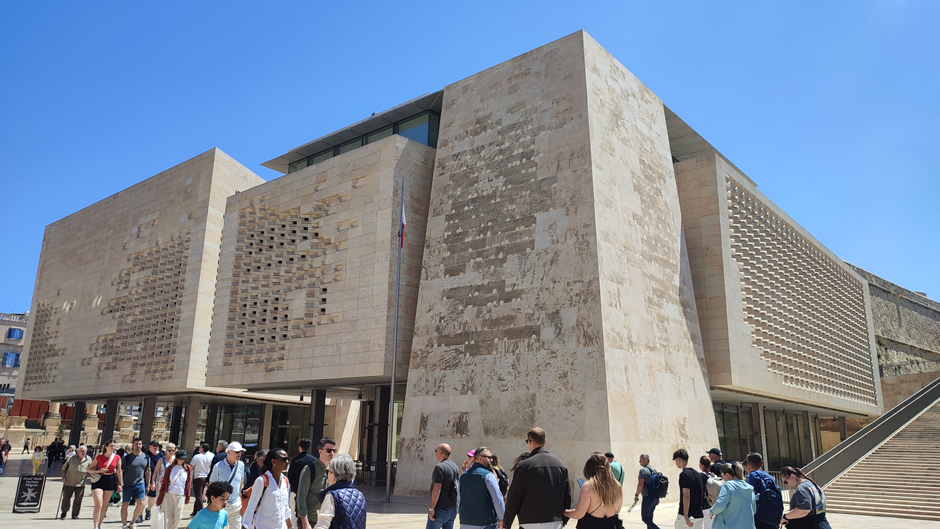
Republic Street and Republic Square
Republic Street is Valletta’s main thoroughfare, running through the heart of the city and lined with shops, cafés, and historic buildings. It connects several key landmarks and remains one of the busiest streets, serving as both a commercial centre and a focal point for visitors exploring the capital.
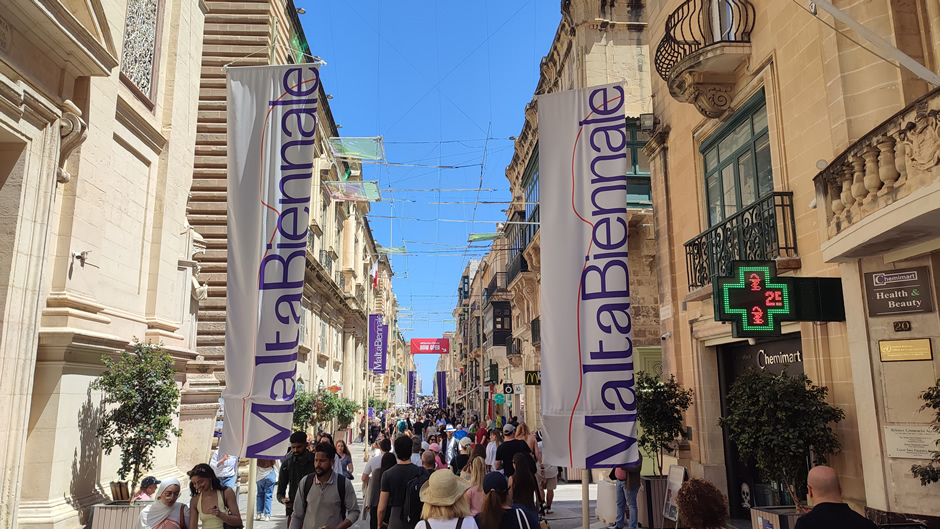
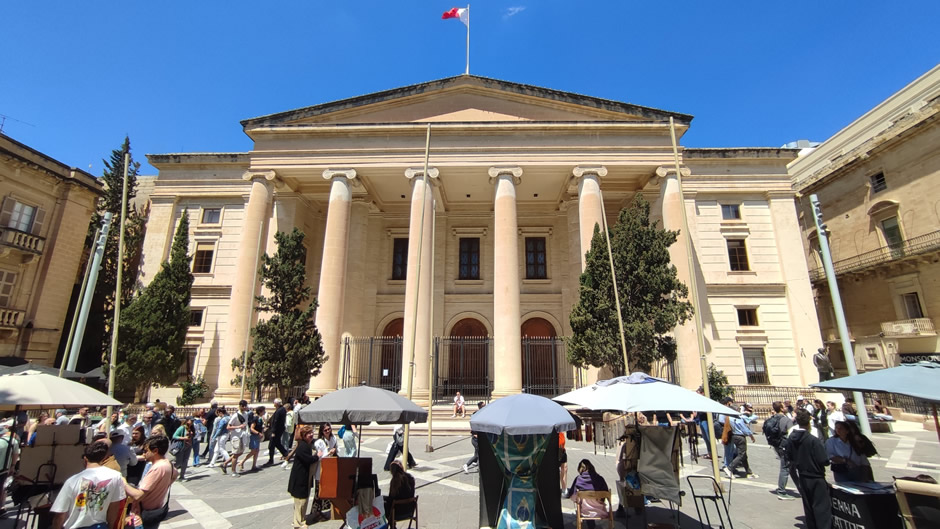
Lower Photo Above: The Courts of Justice building stands on Republic Street in Valletta and serves as Malta’s main courthouse. Built between 1965 and 1971 in a neoclassical style, it occupies the former site of the Auberge d’Auvergne, which was destroyed by aerial bombardment during World War II.
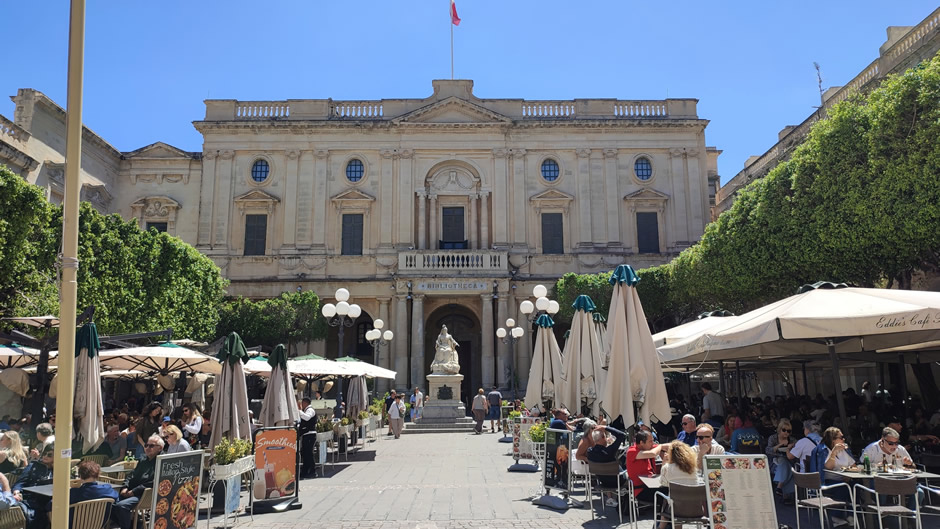
Republic Square (shown below) sits at the heart of Valletta, positioned directly along Republic Street. The square is framed by historic architecture, cafés, and steady foot traffic, with the National Library of Malta forming its most imposing backdrop. Founded in 1776 and opened in 1812, the library, often called the Bibliotheca, serves as Malta’s main reference and research collection, preserving centuries of manuscripts, books, maps, and national records.
St George’s Square
St George’s Square (shown below) is a central open space in Valletta, located by the Grand Master’s Palace. It often hosts public events and ceremonies and is known for its symmetrical layout and decorative fountain. The square provides a gathering place within the dense urban fabric of the city.
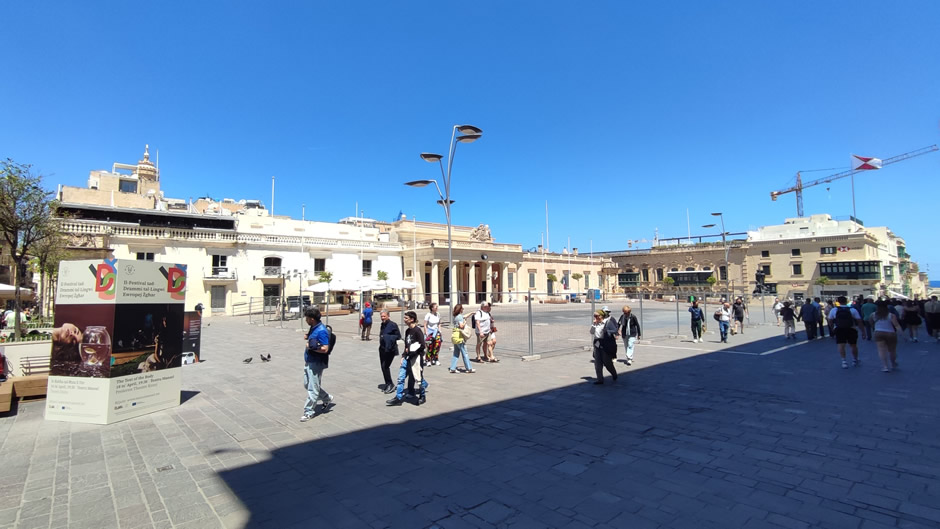
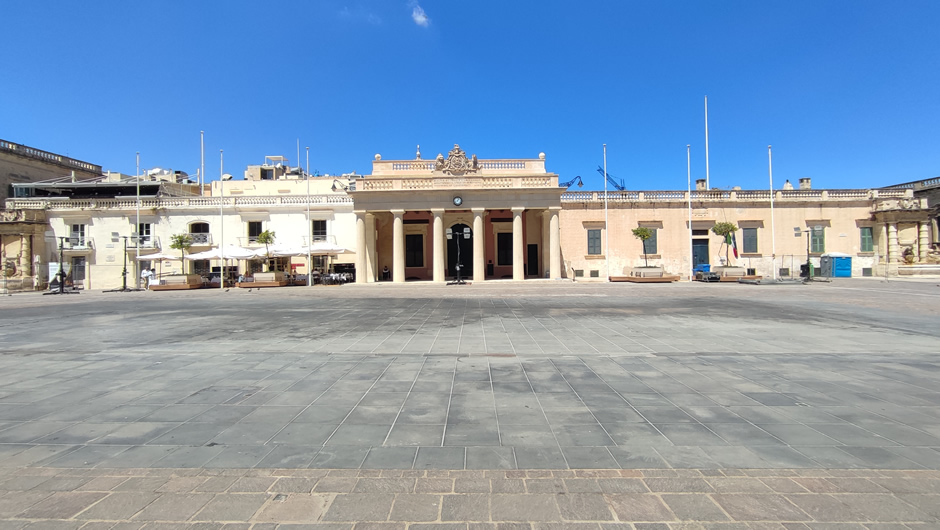
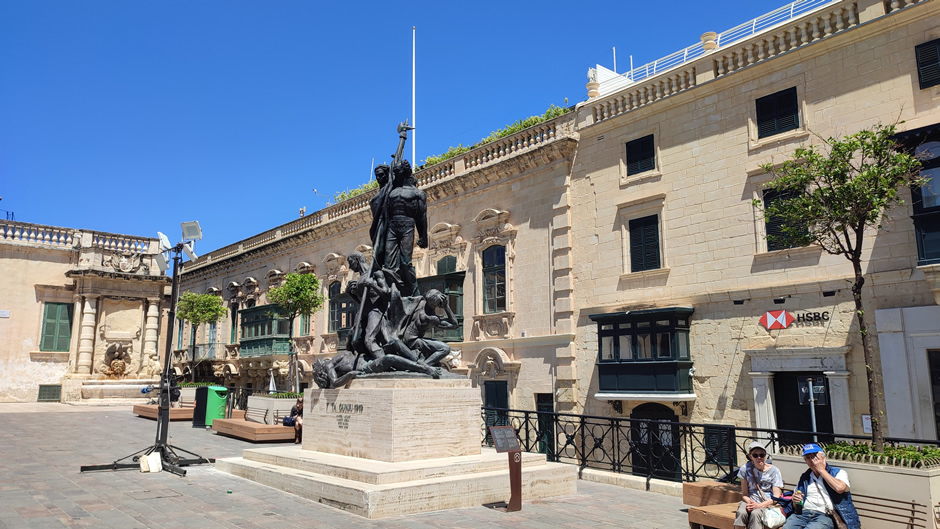
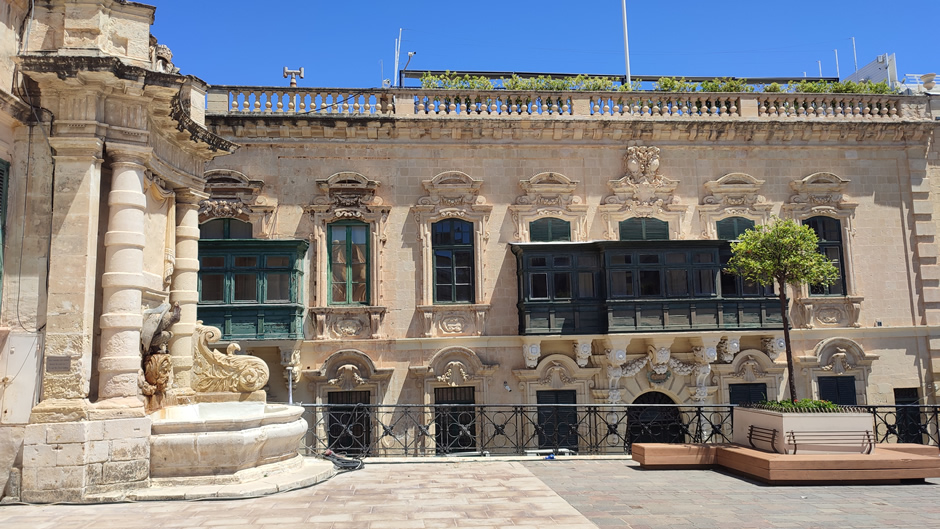
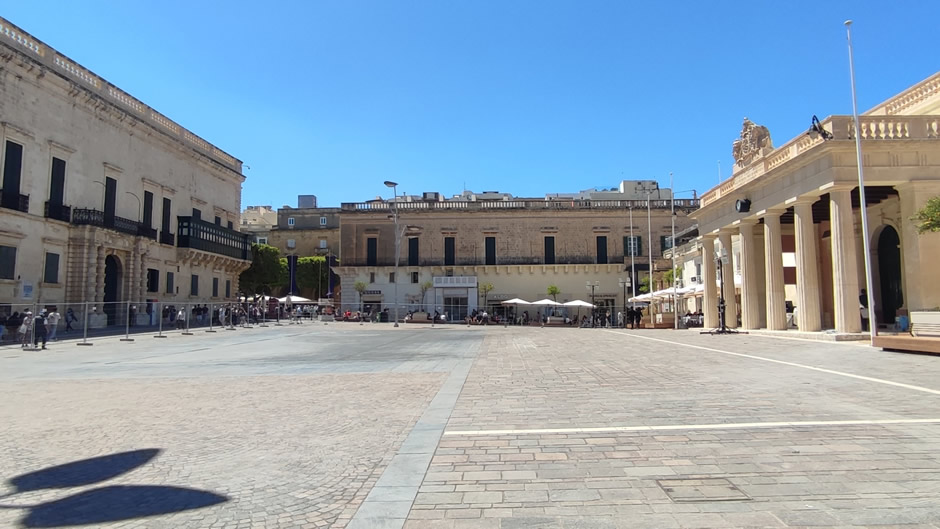
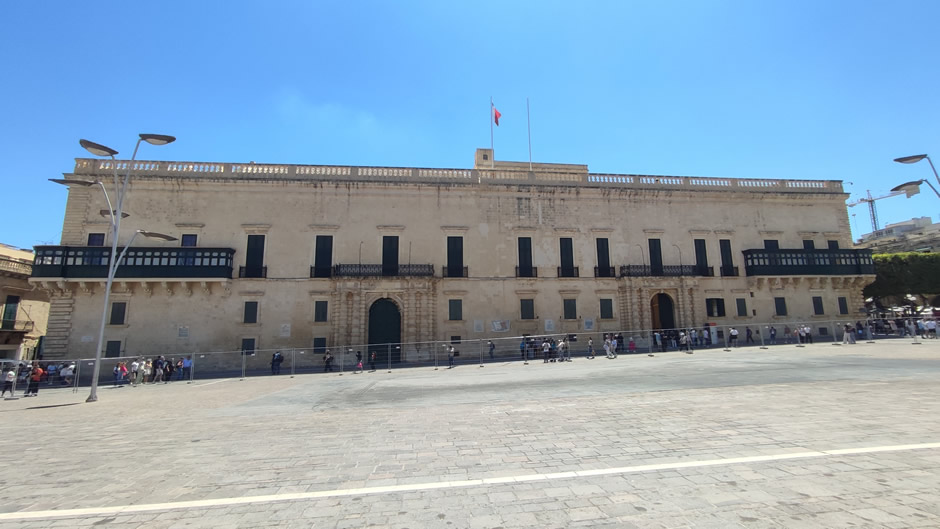
The Grandmaster’s Palace (shown below) stands as one of Valletta’s most distinguished landmarks, symbolizing Malta’s rich history under the Knights of St John. Constructed in the late 16th century, it served as the official residence of the Grand Masters and later became the seat of British colonial administration. Its elegant limestone façade and arcaded courtyards reflect the grandeur of Maltese baroque architecture, while its central location in Palace Square makes it a focal point of the capital’s civic life.
Inside, the Palace State Rooms reveal the opulence and authority of the Order’s leadership. Lavishly decorated with frescoes, tapestries, and ornate furniture, these rooms once hosted diplomatic receptions and council meetings. The Council Chamber and the Ambassador’s Room are particularly notable for their intricate ceiling paintings depicting episodes from Maltese history and the Order’s naval victories. Today, they serve as a ceremonial venue for the President of Malta and a testament to centuries of governance and artistry.
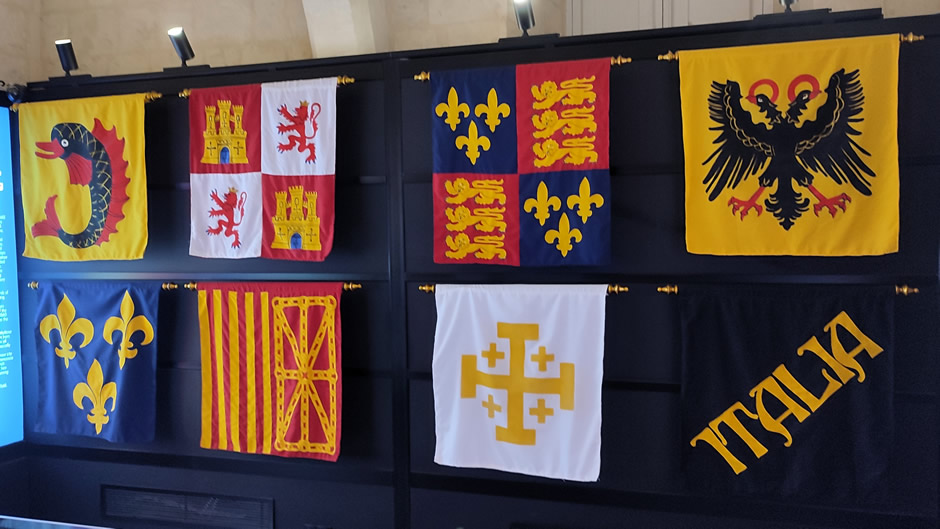
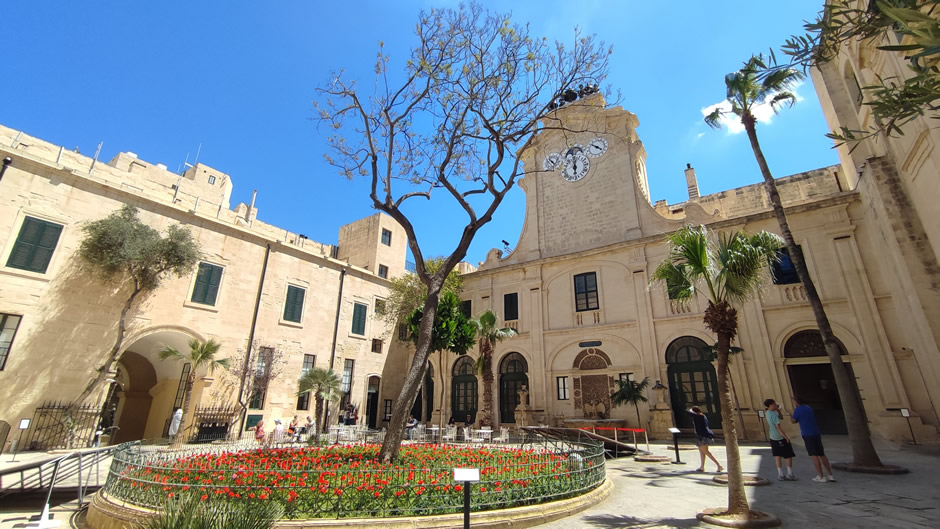
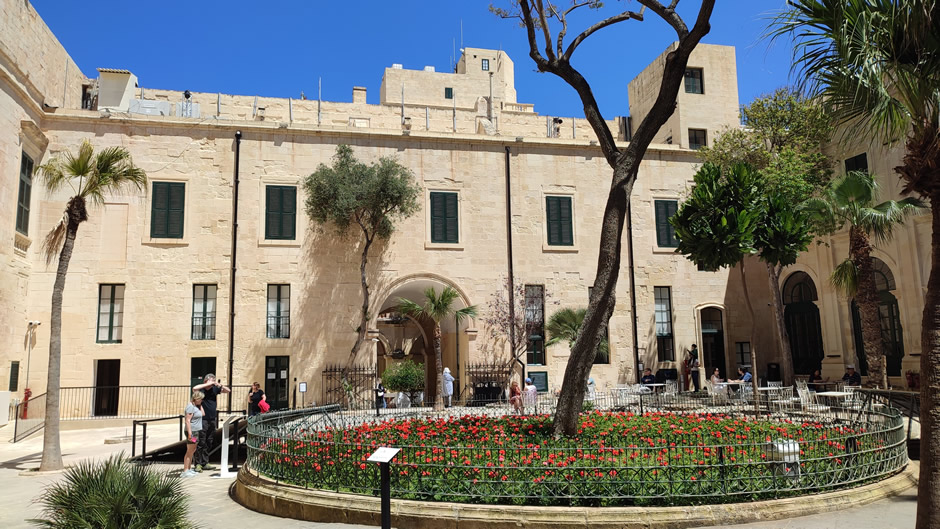
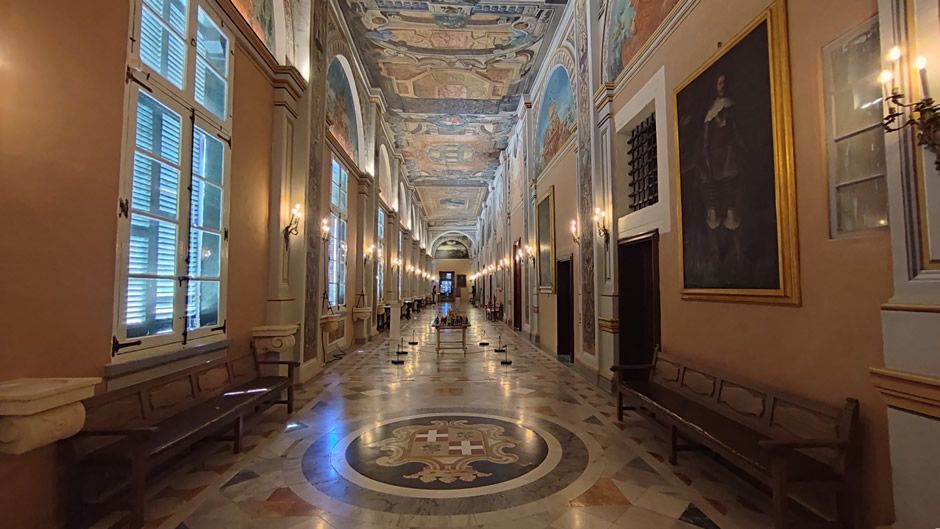
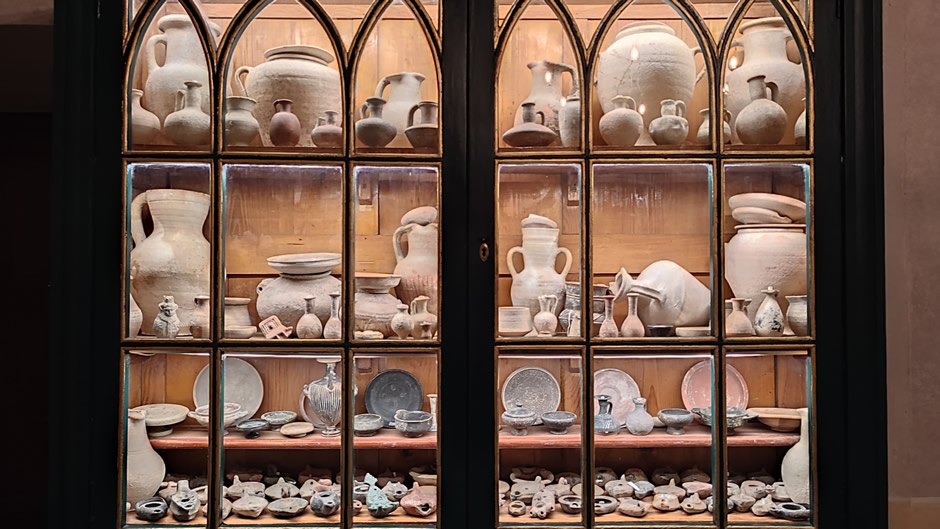
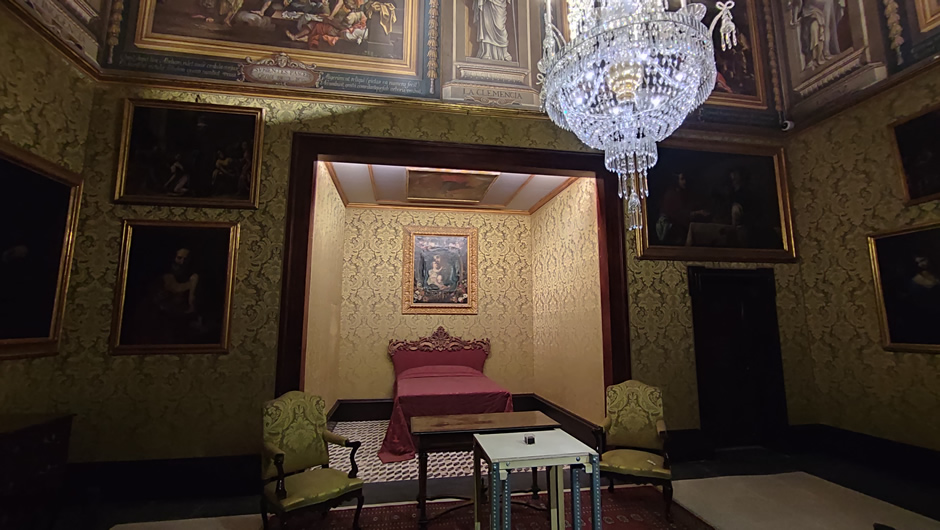
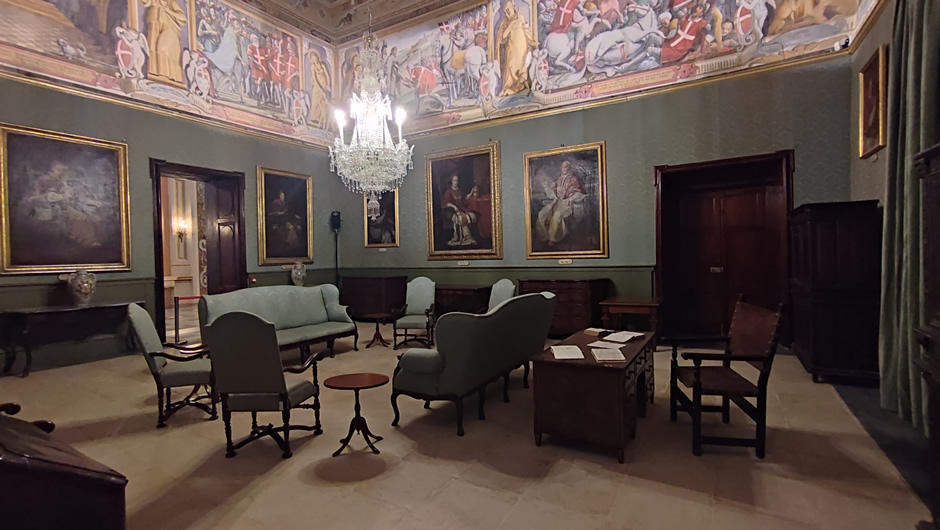
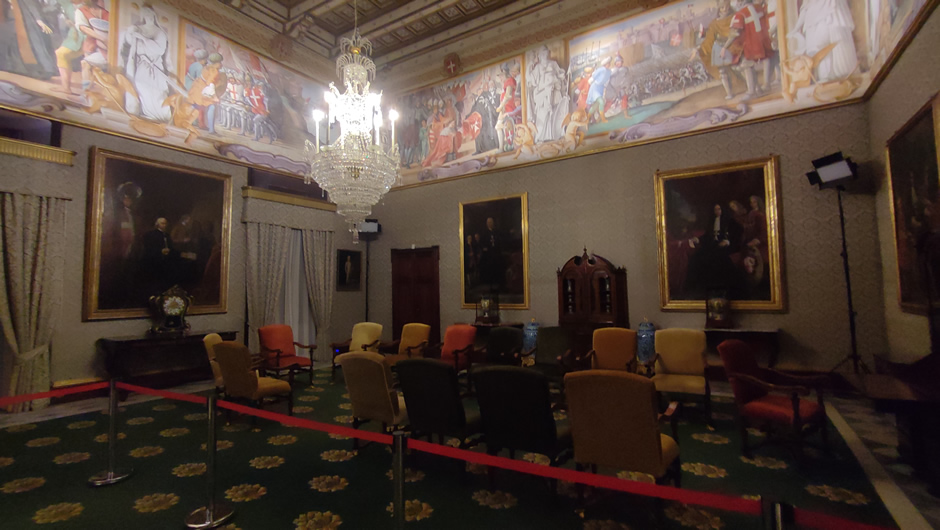
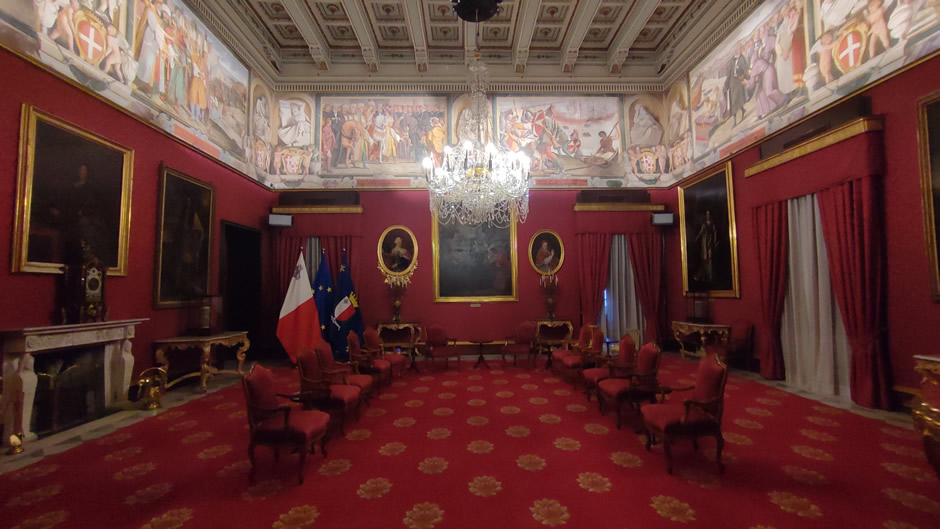
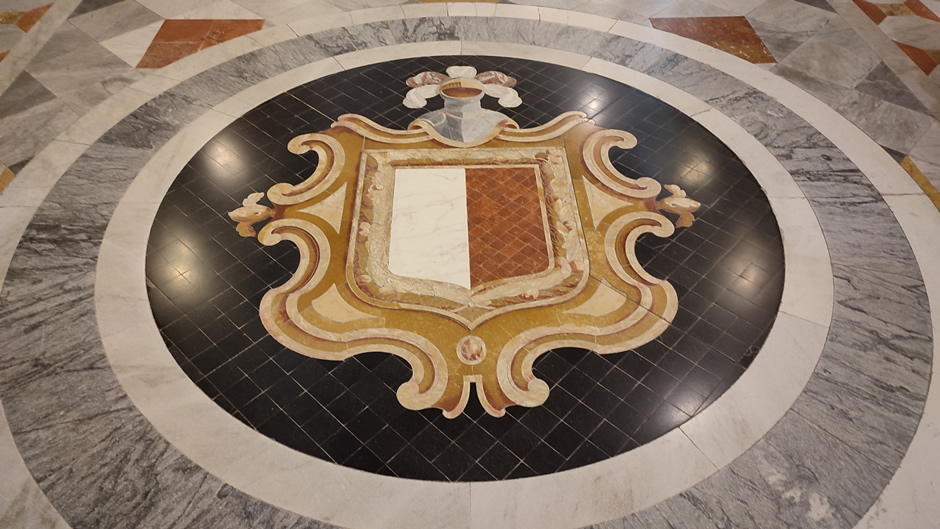
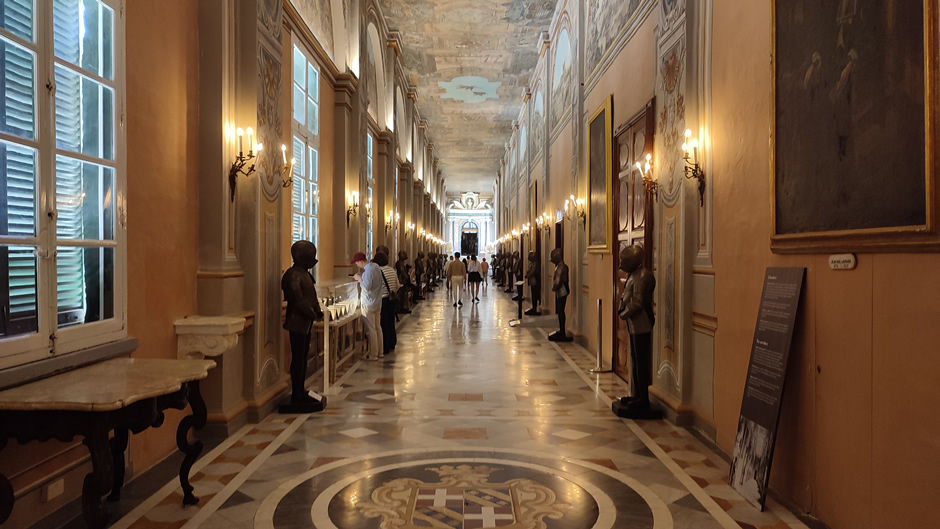
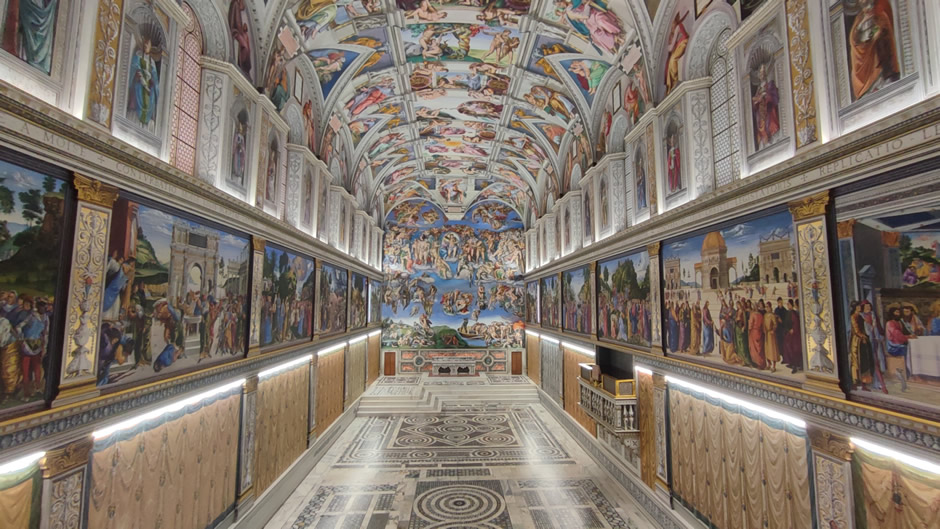
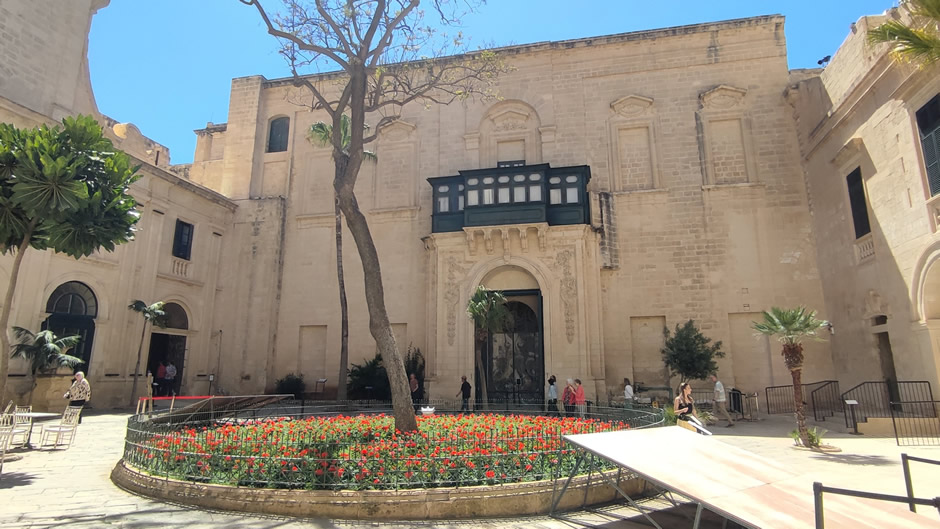
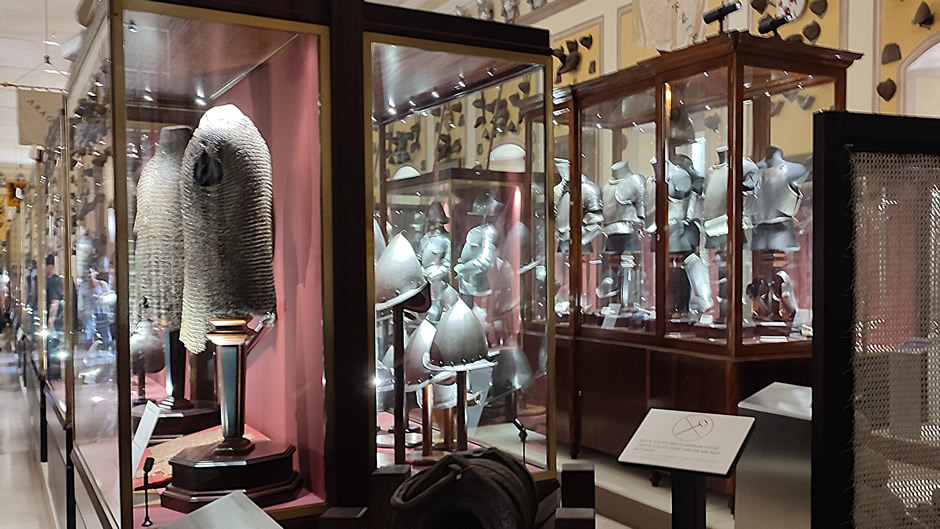
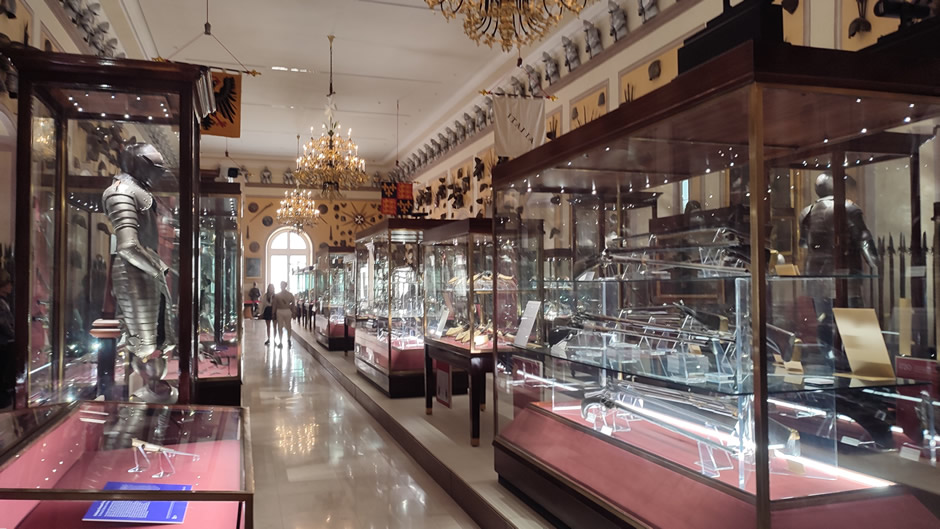
The Palace Armoury houses one of Europe’s most complete collections of arms and armour from the Knights of St John. Displayed in the former stables, the collection includes finely crafted swords, crossbows, firearms, and full suits of armour, many personalized for individual knights. The exhibits illustrate the evolution of military technology and the defensive prowess that helped the Order protect Malta from Ottoman incursions.
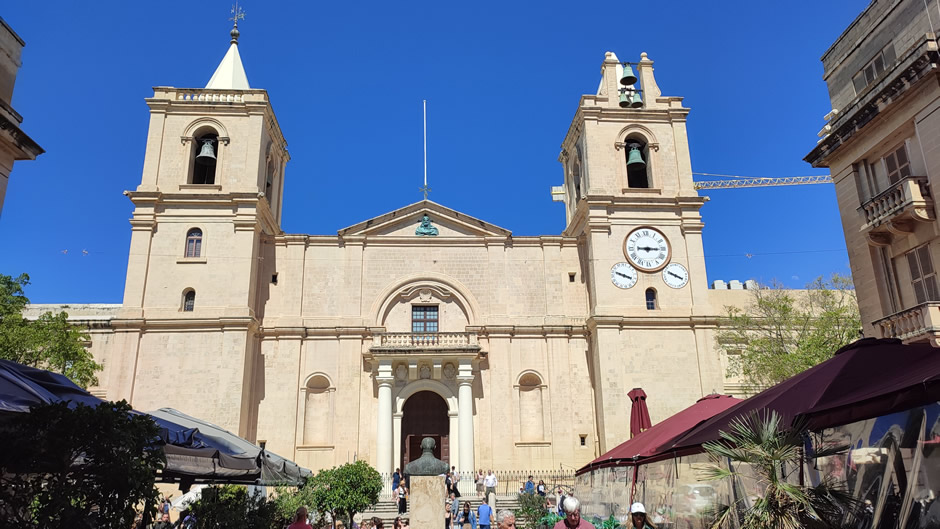
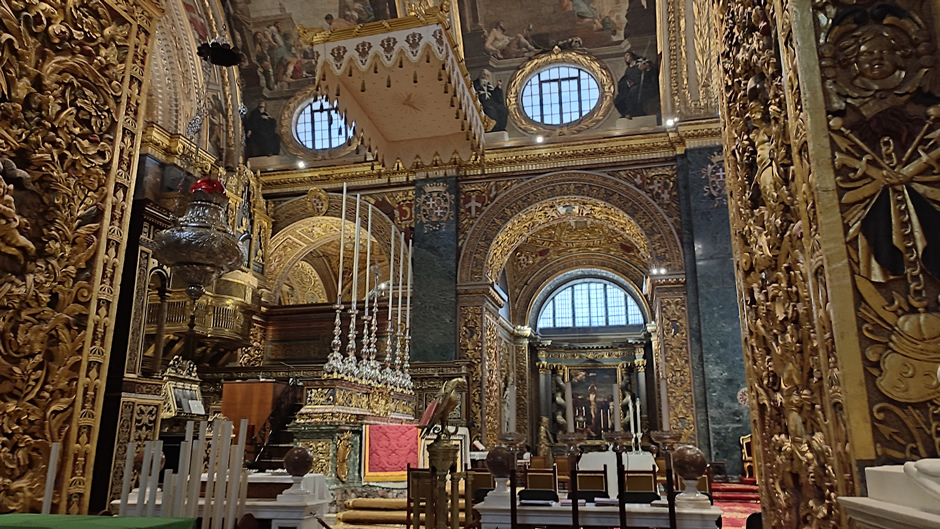
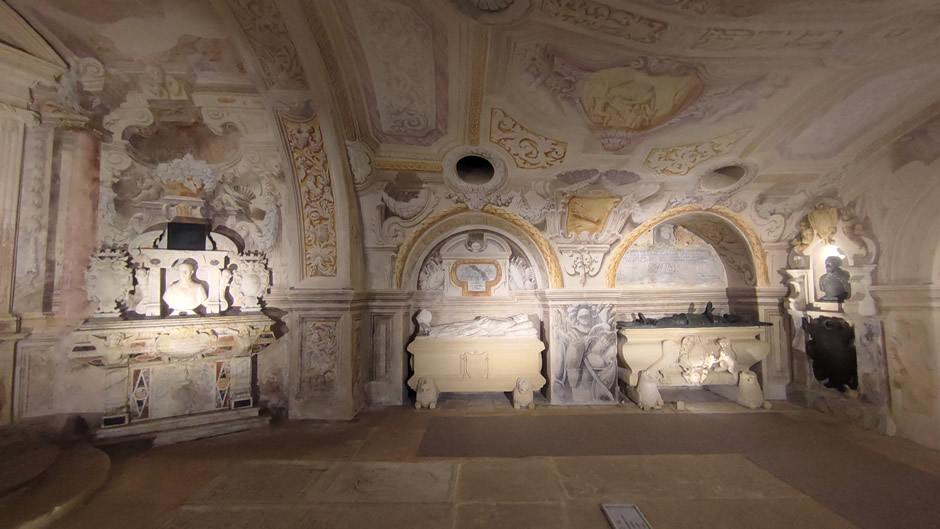
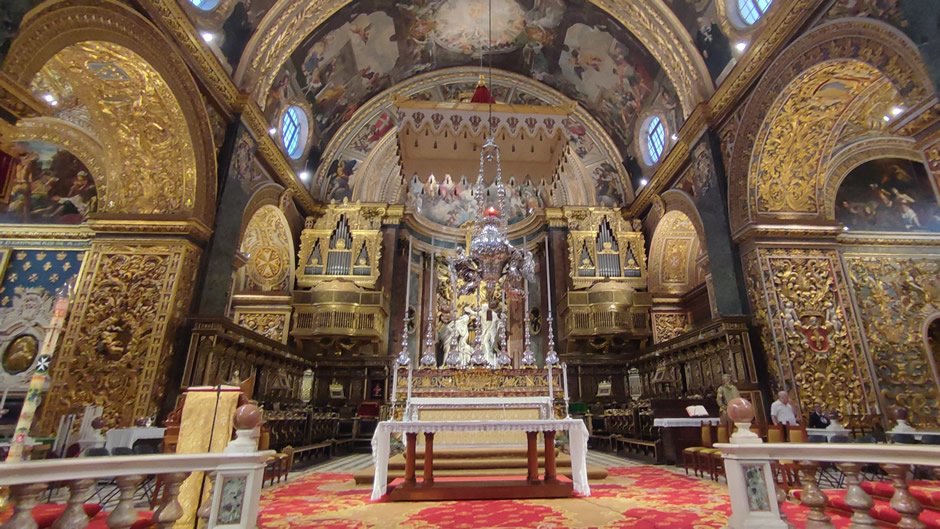
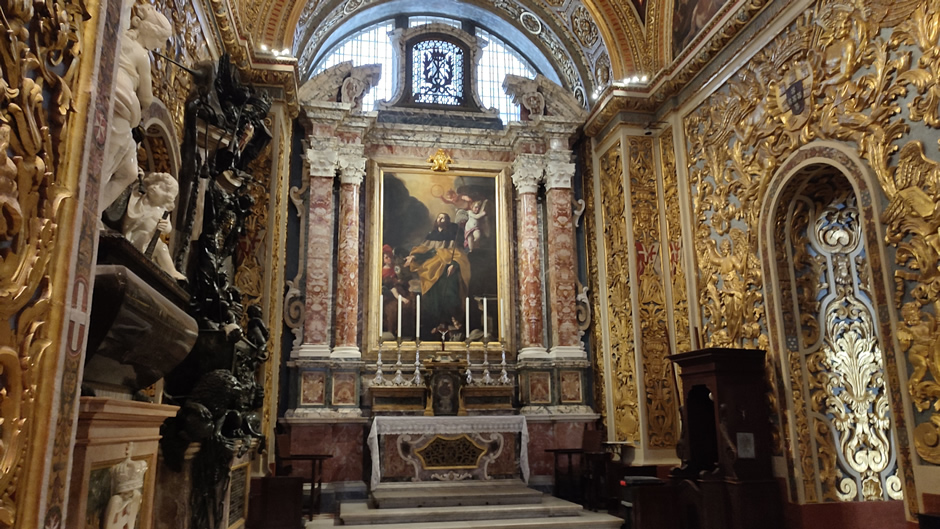
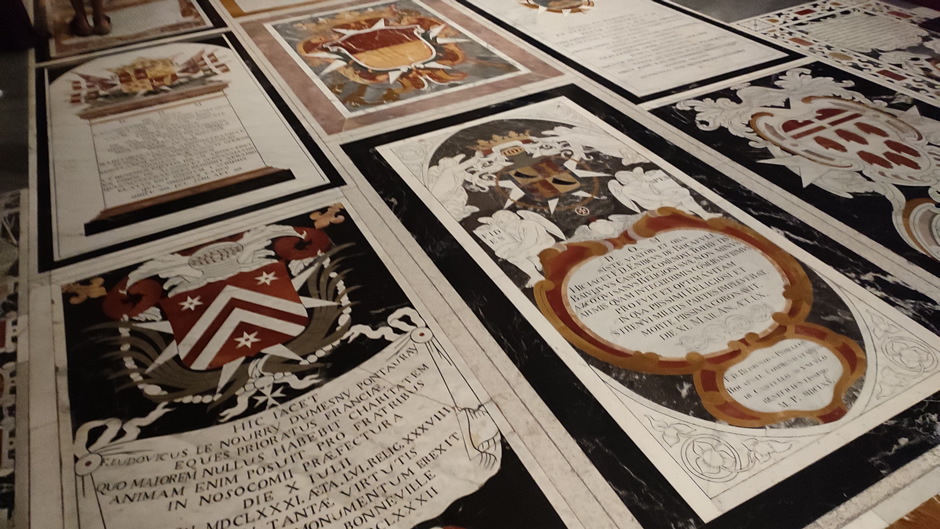
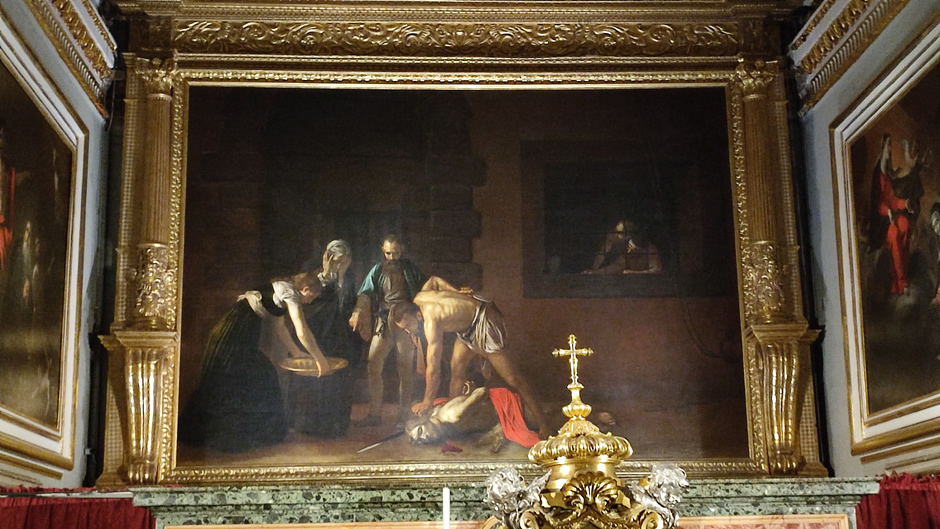
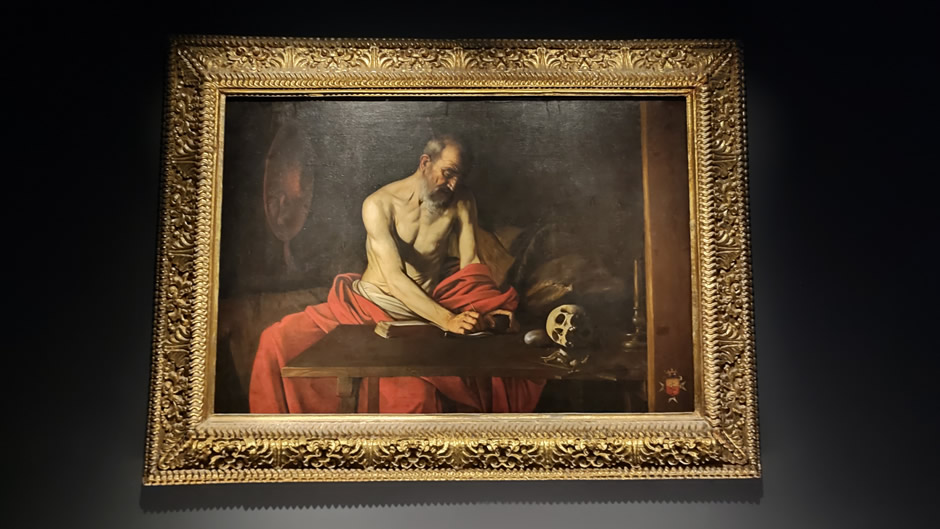
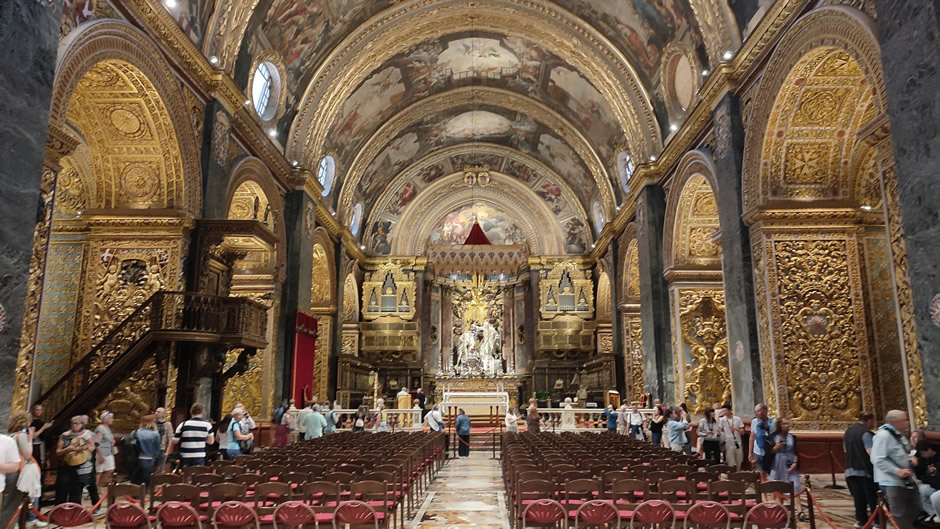
St John’s Co-Cathedral (shown below) is one of Malta’s most important religious sites, originally built for the Knights of St John. It is called a “co-cathedral” because it shares its status as a cathedral with another church, St Paul’s Cathedral in Mdina. The interior is richly decorated, particularly in the Baroque style, and houses notable works of art including those by Caravaggio.
Archaeological Museum
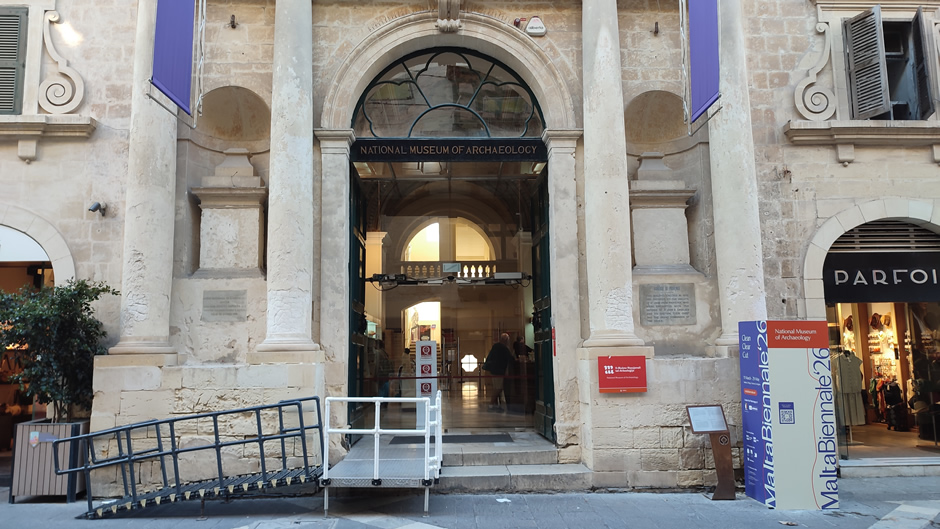
The National Museum of Archaeology in Valletta (shown below) is housed within the historic Auberge de Provence, a 16th-century building that reflects the island’s rich architectural heritage. Its collections trace Malta’s human history back to around 5900 BC, showcasing early artefacts such as obsidian, flint, and pottery that reveal connections with Mediterranean cultures. The museum highlights the development of Malta’s prehistoric communities, including their burial practices, artistic expression, and agricultural life, with notable finds from sites like Ħaġar Qim, Tarxien, and Skorba. Visitors can also explore evidence of later periods, including the Bronze Age and Phoenician influence, which introduced writing and expanded trade networks. Renowned pieces such as the “Sleeping Lady” and intricately carved stone sculptures illustrate the high level of craftsmanship achieved by Malta’s ancient inhabitants, making the museum an essential destination for understanding over 5,500 years of the island’s past.
Fort St Elmo
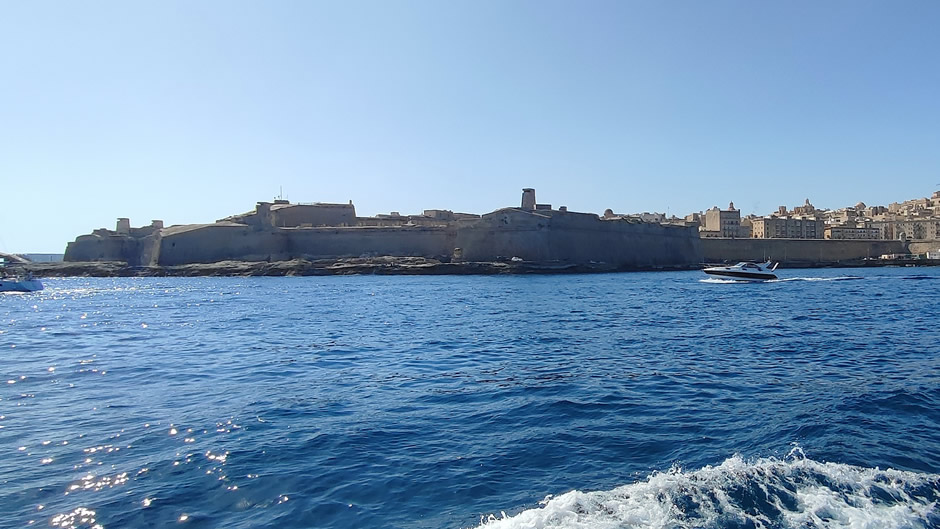
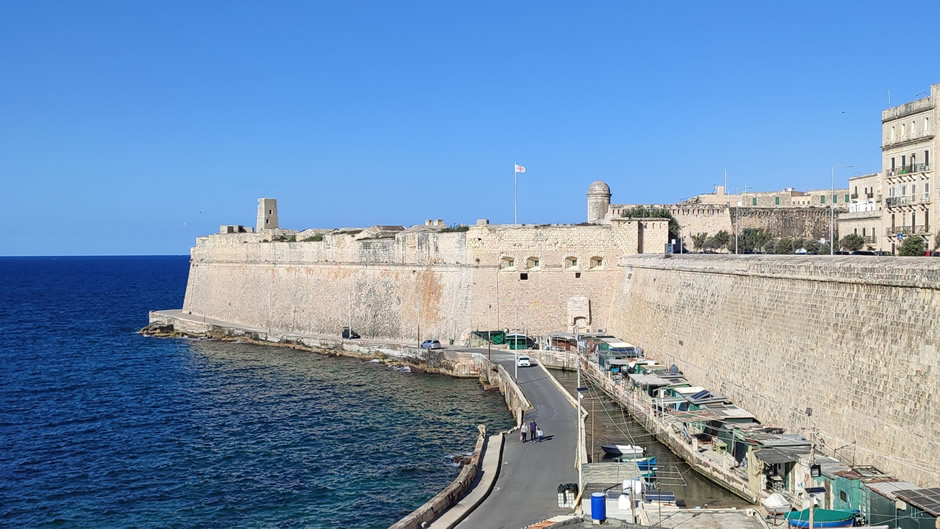
Fort St Elmo (shown below) guards the entrance to Valletta’s Grand Harbour and Marsamxett Harbour, a strategic position that made it vital during the Great Siege of 1565. Its star-shaped design and thick bastions exemplify Renaissance military engineering. Restored and adapted over centuries, the fort now houses the National War Museum, which chronicles Malta’s wartime resilience from the Knights’ era through World War II.
The Basilica Sanctuary of Our Lady of Mount Carmel
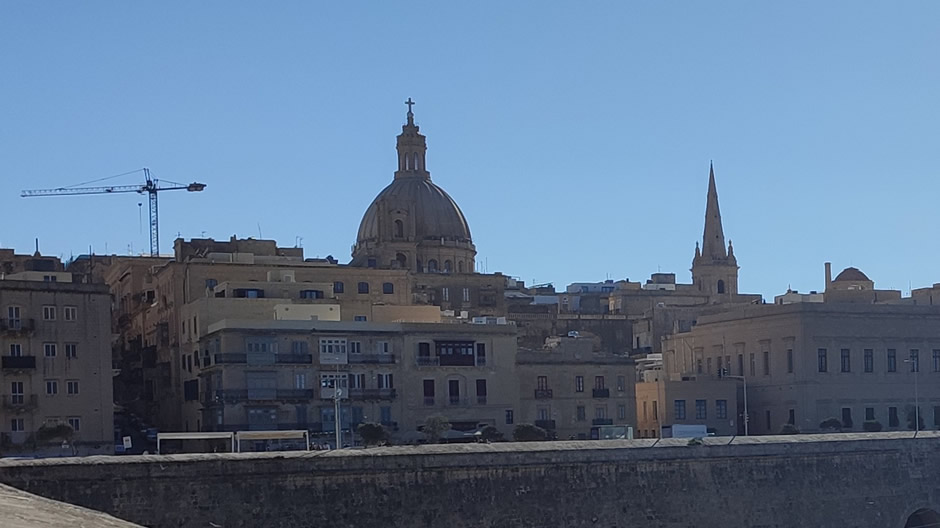
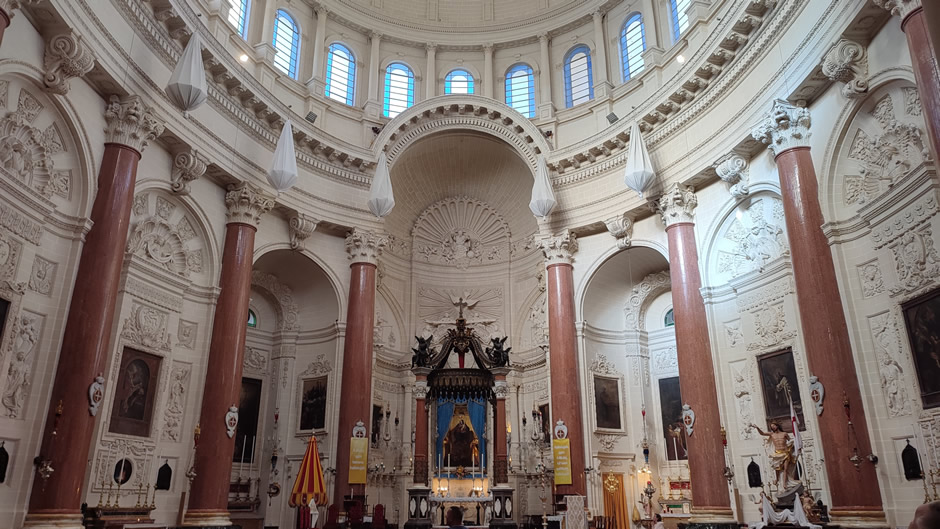
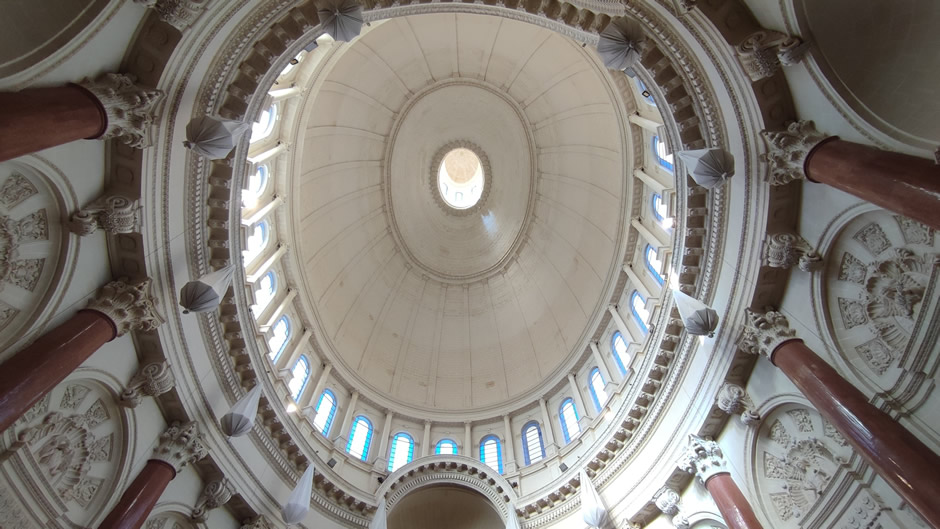
The Basilica Sanctuary of Our Lady of Mount Carmel (shown below) is distinguished by its large dome, which dominates Valletta’s skyline. The church is dedicated to Our Lady of Mount Carmel and serves as both a place of worship and a visual landmark. Its current structure dates largely from post-World War II reconstruction.
Auberge de Castille
The Auberge de Castille (shown below) is a historic building that once served as the residence of the Knights from the region of Castille, León, and Portugal. Today, it functions as the Office of the Prime Minister of Malta. Positioned at a high point in the city, it overlooks the Grand Harbour and is notable for its grand Baroque façade. Near here is the Upper Barrakka Gardens, perched high above the Grand Harbour. These gardens provide sweeping views framed by historic arches and the Saluting Battery below.
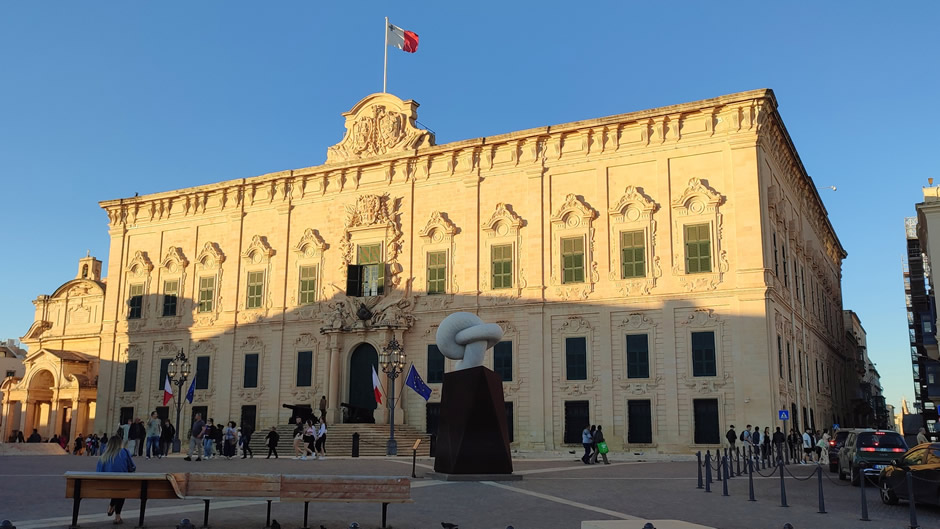
Above: Auberge de Castille
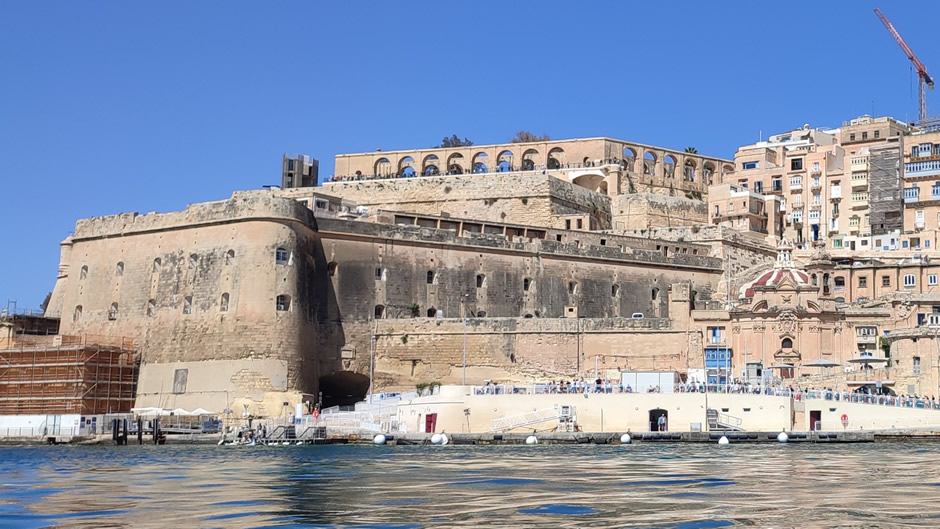
Above: Although time did not permit a visit, the famous double row of limestone arches in the Upper Barrakka Gardens can be seen in this photo taken during the Three Cities Dgħajsa Boat Trip.
Saint James Cavalier Centre for Creativity
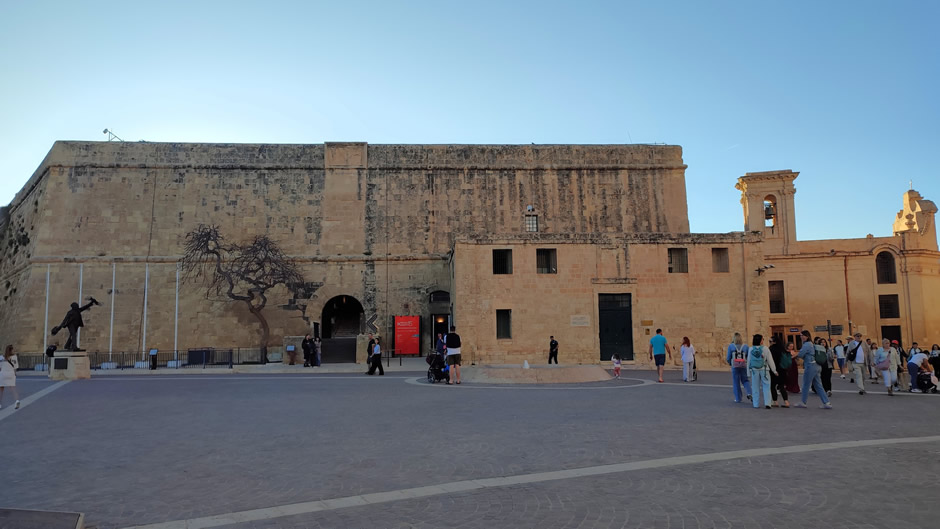
Adjacent to Auberge de Castille, St James Cavalier (shown below), now known as Spazju Kreattiv, is Valletta’s national hub for contemporary culture, housed inside a 16th-century fort that once formed part of the city’s defensive network. Its transformation in 2000 turned the austere stone structure into a vibrant creative space featuring galleries, a theatre-in-the-round, and Malta’s only arthouse cinema. Today it hosts exhibitions, performances, film screenings, and community projects, making it one of the city’s most dynamic venues for modern artistic expression.
Perhaps more time could have spent exploring the city on another day; some other noteworthy sites in the city include St Paul of the Shipwreck Church (a historic church honouring Malta’s patron saint with richly decorated Baroque interiors and relics linked to St Paul’s legendary arrival on the island), The Lascaris War Rooms (Hidden deep beneath Valletta’s bastions, this WWII command centre once directed Mediterranean operations and now offers an atmospheric look into wartime strategy), MUŻA - National Museum of Arts (a community-focused art museum showcasing national and European works inside the restored Auberge d’Italie, blending heritage with contemporary curation), Casa Rocca Piccola (a lived-in 16th-century noble palace, Casa Rocca Piccola reveals over 50 rooms of family history, traditions, and wartime shelters beneath its elegant halls), the Manoel Theatre (one of Europe’s oldest working theatres, the Manoel offers an intimate gilded auditorium that continues to host performances in a beautifully preserved 1731 setting), and the Lower Barrakka Gardens (a quieter terrace garden overlooking the harbour with a neoclassical memorial at its centre, offering a peaceful counterpart to its upper neighbour).
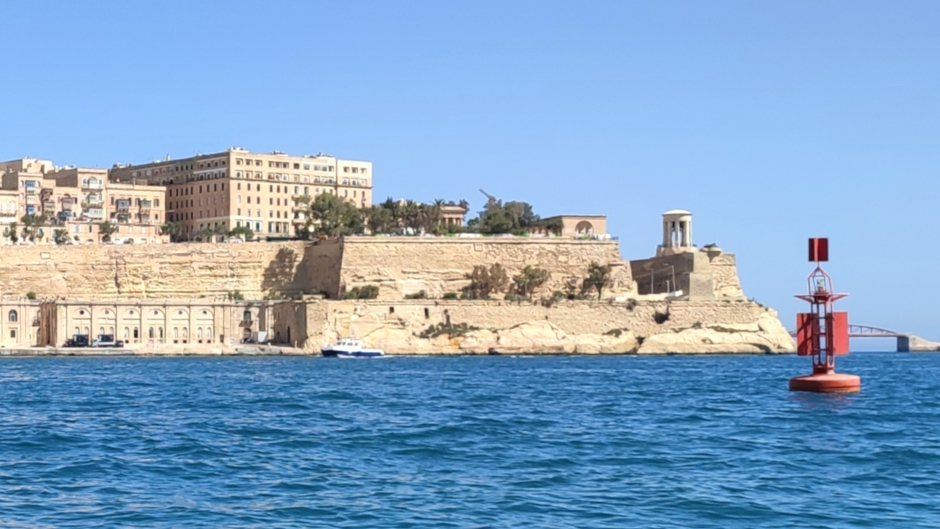
Above: Although time did not permit a visit, the Lower Barrakka Gardens can be seen in this photo taken during the Three Cities Dgħajsa Boat Trip.
Footnote about the Auberges of Malta
The Auberges of Malta were purpose-built residences for the Knights of the Order of St John, organized according to their linguistic and national groupings, known as langues. Each auberge functioned as a self-contained complex, more comparable to a collegiate institution than a simple inn, typically including living quarters, dining areas, and a central courtyard. While originally private, several of these historic buildings are now accessible to the public, offering insight into the daily life and structure of the Order. Construction of the auberges in Valletta largely took place during the late sixteenth century, following the establishment of the city. Initially modest in scale, many were later expanded or redesigned to reflect the growing prestige and resources of the Knights. Over time, their architecture evolved into highly refined examples of Renaissance and Baroque design, with richly decorated facades, grand entrances, and symbolic elements that emphasized the identity of each langue.
Following the departure of the Knights, the auberges were repurposed for various administrative and cultural uses. Of the original eight auberges established in Valletta, only five have survived into the present day, following destruction and redevelopment during later historical periods. The remaining auberges are those of Castille and Leon, Italy, Aragon, Bavaria (often grouped with England), and Provence. The auberges of France and Auvergne were lost during the Second World War, while the German auberge was demolished to make way for St Paul’s Anglican Cathedral.
Today, these surviving buildings continue to play important roles within Malta’s cultural and administrative landscape. The Auberge de Castille stands prominently as the office of the Prime Minister, while others have been adapted for governmental or institutional use. Among them, two auberges are open to the public: the Auberge de Provence, which houses the National Museum of Archaeology, and the Auberge d’Italie, now home to MUZA, the National Museum of Fine Arts. The original Auberge d'Angleterre is actually located in Vittoriosa (Birgu) rather than Valletta, because the English Langue was inactive during the building of Valletta.
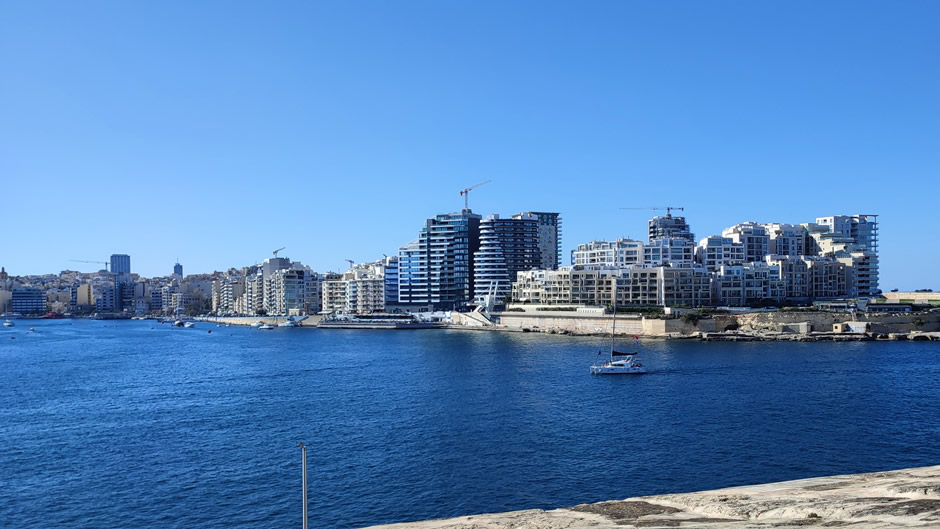
Above: Sliema, as seen from Valletta
In conclusion, there was plenty to see and do during this 10-night visit to Malta and its sister islands of Gozo and Comino. For the purposes of going on excursions, Sliema made for an excellent base. Those wishing to hire a car may wish to research further, as not only can the traffic get busy, but parking may present issues in some places. Some of the excursions were only running on one particular day of the week, and so the 10 nights allowed a “buffer” in which to allow for a day to rest after arriving and a couple of days at the end to explore Valletta and rest again before the journey home. April was a good month for walking about due to the weather not being too hot and avoiding the summer crowds. That said, Valletta was avoided on the Wednesday – a day when it is known for being extra-busy due to the large cruise ships that dock here (worth checking ahead). Although many of the sights are geared towards disabled access, a lot of walking was done, sometimes where accessibility may have been an issue.
This visit did not focus on the nightlife (St Julian’s & Paceville not featured here) nor did this trip involve finding the best beaches to sunbathe. However, regarding historical sites in particular, the cultural aspects, the different forms of architecture from ancient to modern, and enjoying spectacular scenery and seafront walks, Malta did not disappoint and the whole trip from start to finish was a thoroughly enjoyable and memorable experience.
Link to First Page (Page 1 of 8)
Link to Previous Page (Page 7 of 8)
Back to Top
