


Malta, Including Gozo & Comino (Page 7 of 8)
Quick links to other Malta pages and/or sections Here
Malta: Prehistoric Temples and Highlights of the South
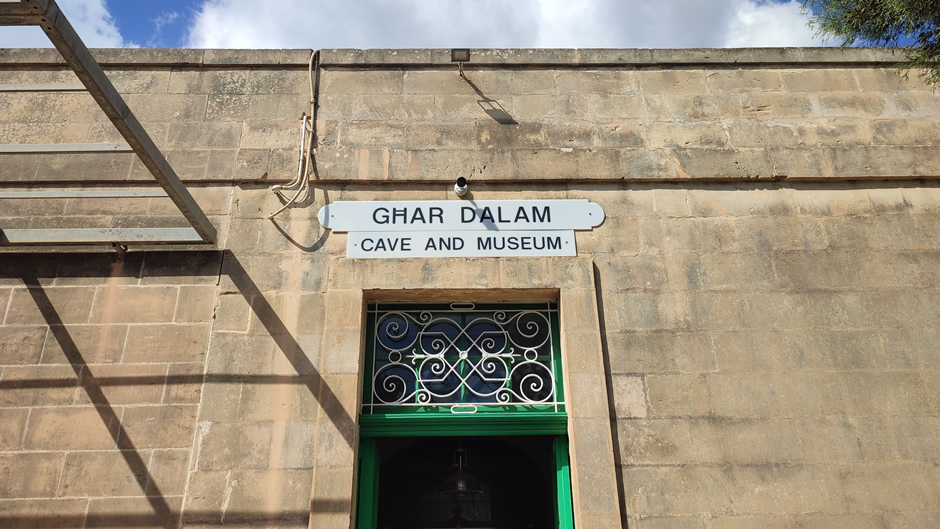
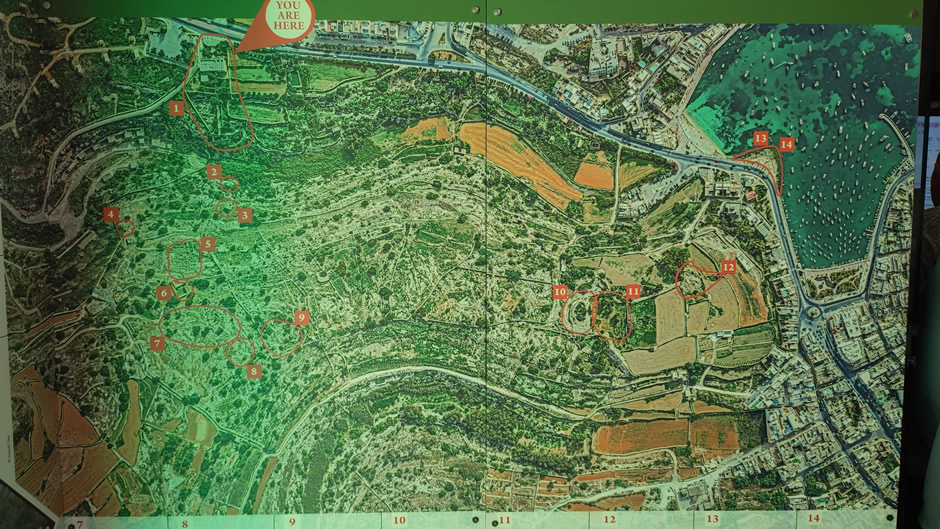
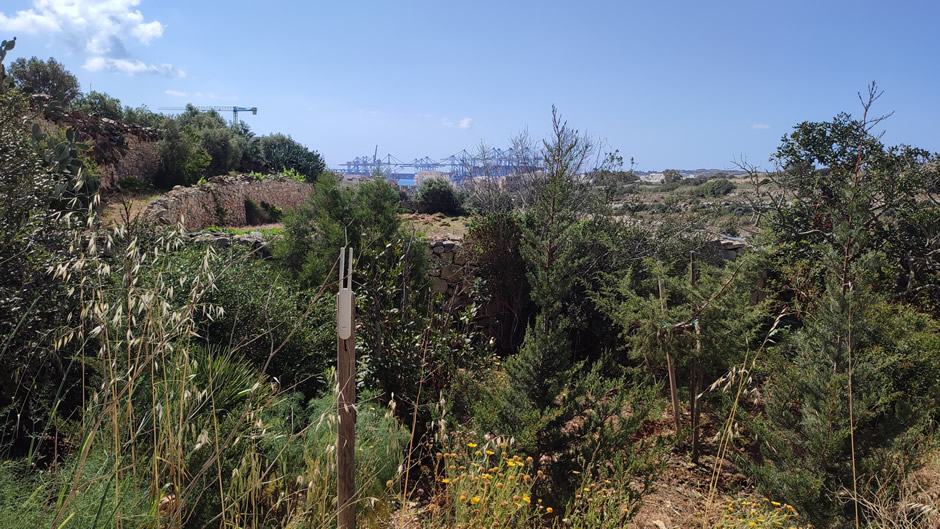
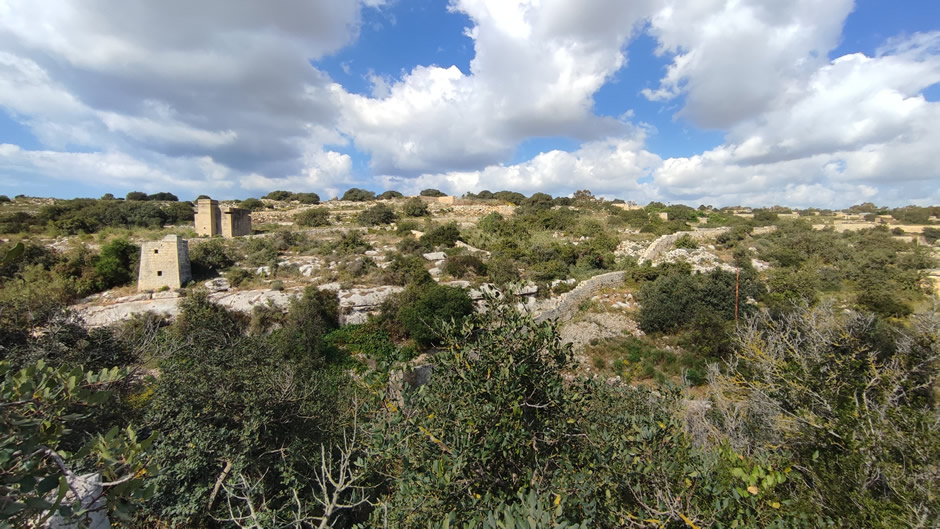
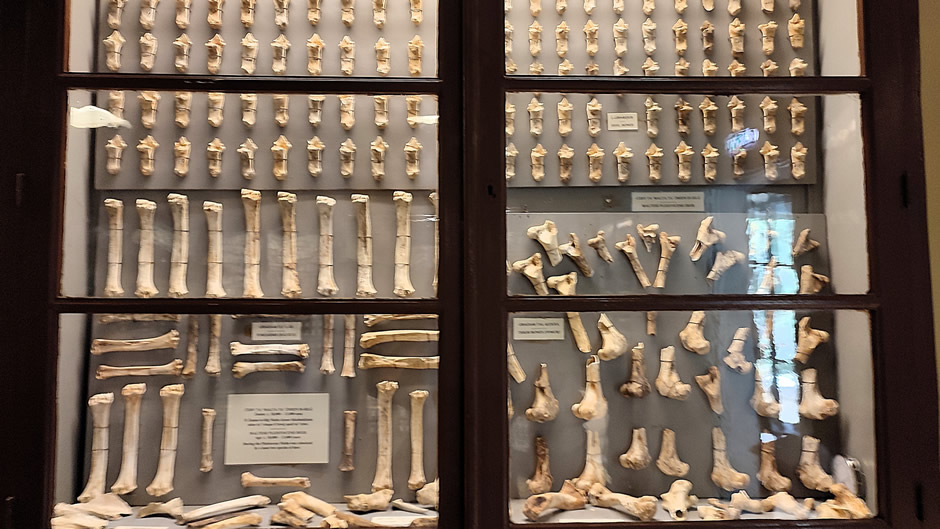
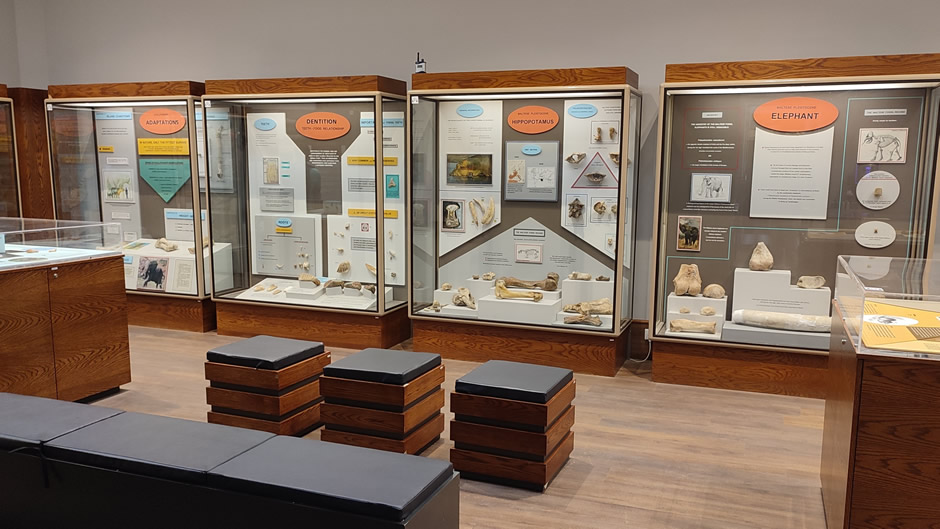
Located on the southeastern outskirts of the town of Birżebbuġa, on the eastern side of the island of Malta, Għar Dalam is a 144-metre-deep cave that preserves a one-million-year sequence of geological and faunal deposits. It is one of Malta's most important paleontological sites and contains the remains of extinct prehistoric animals as well as the earliest evidence of humans on the islands.
The Maltese Islands rose above sea level during the Pliocene due to tectonic uplift. During the Pleistocene, lowered sea levels exposed a land bridge to Sicily, allowing animals such as dwarf elephants, hippopotami, giant dormice, tortoises, and lizards to reach Malta. Their remains accumulated in the cave after being washed in by runoff water over thousands of years.
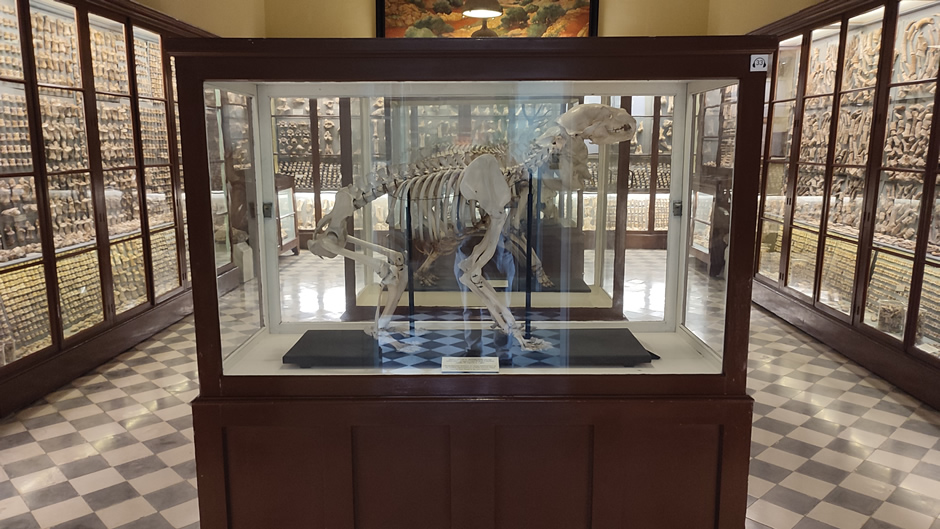
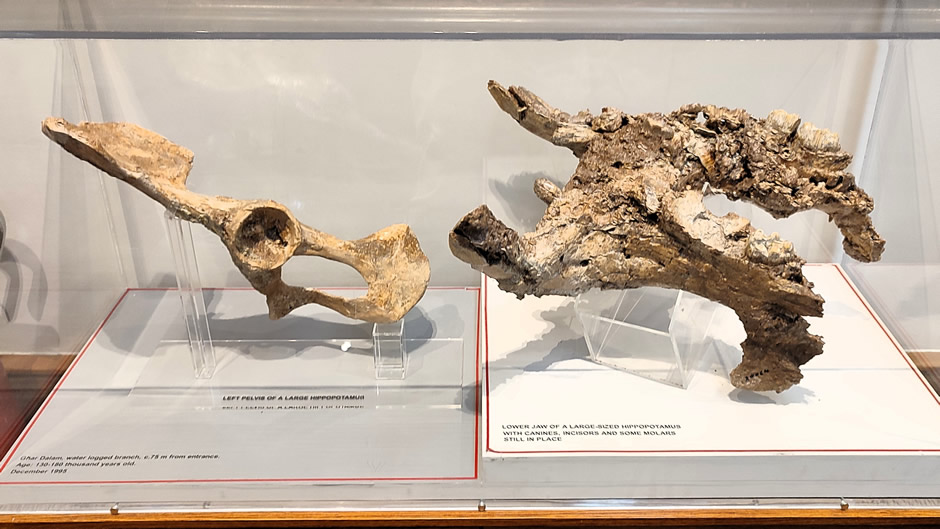
The uppermost layer contains early Neolithic material and defines the " Għar Dalam Phase" of Maltese prehistory. Beneath it lies the "Deer Layer", dating to 18,000 - 10,000 years ago, with remains of deer, wolf, brown bear, and red fox. The deeper "Hippopotamus Layer", dating to 180,000–130,000 years ago, contains mainly hippopotamus bones with some elephant remains.
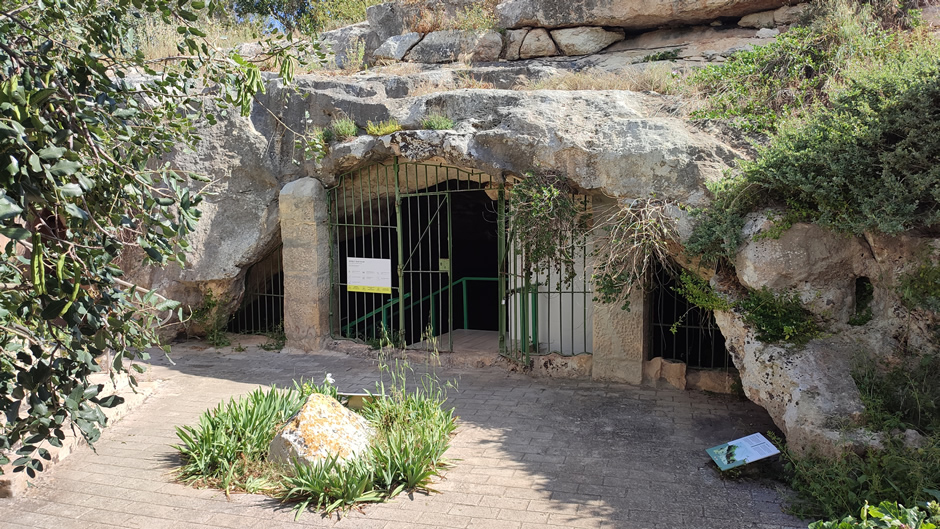
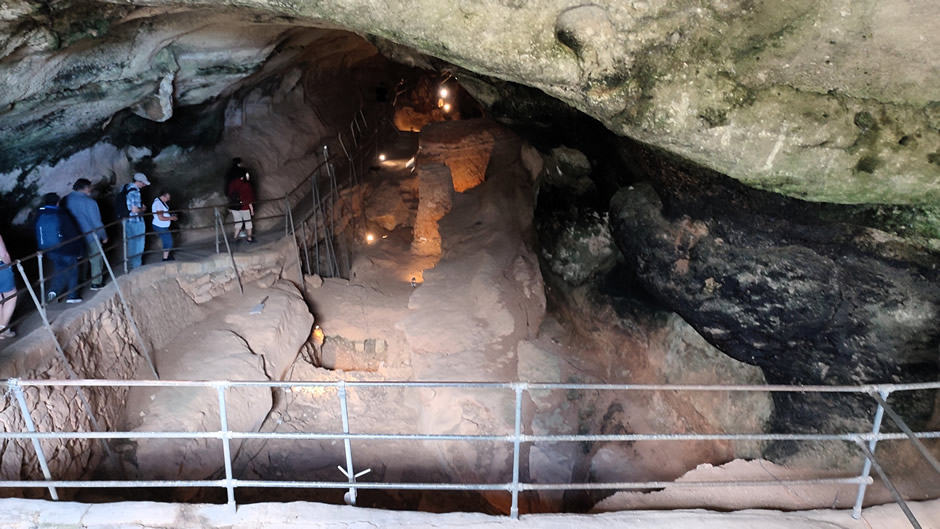
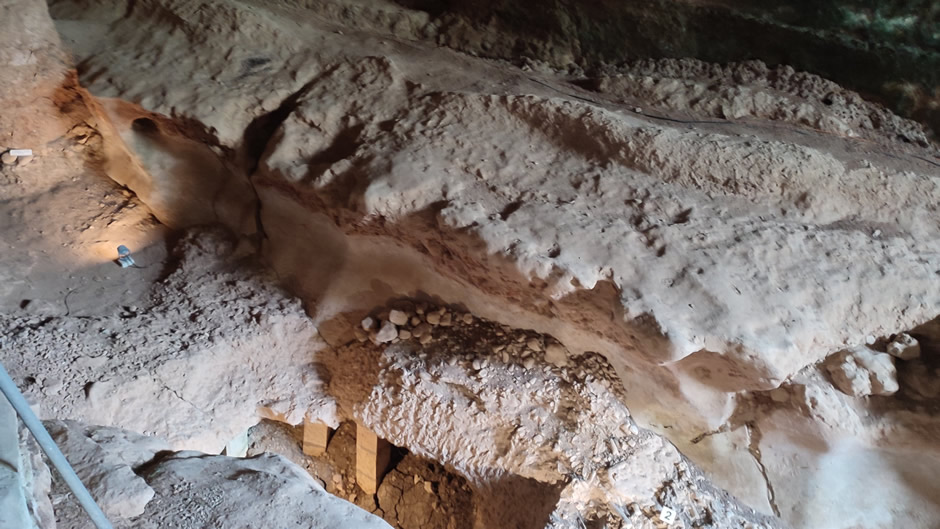
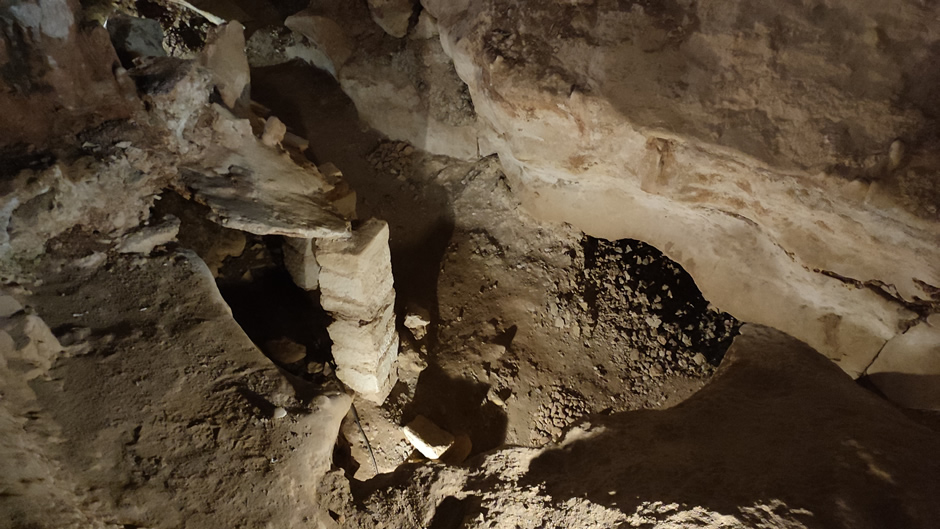
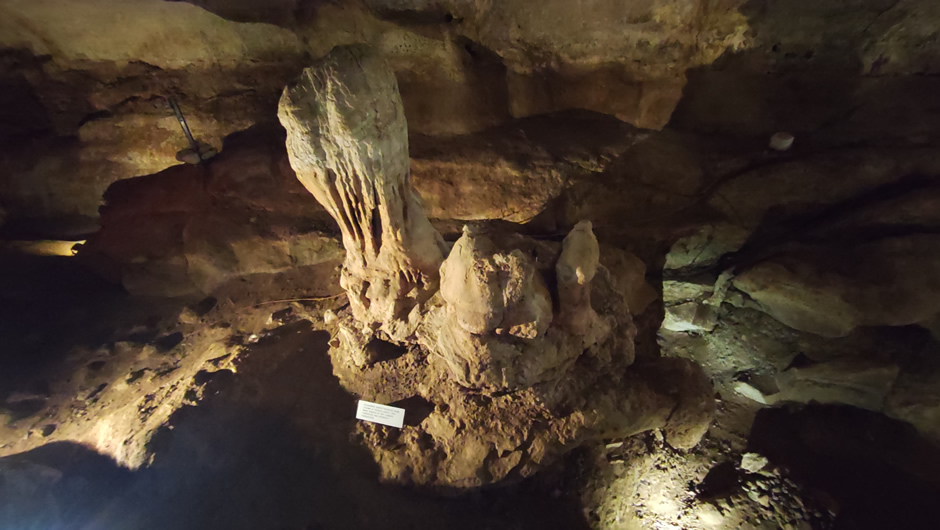
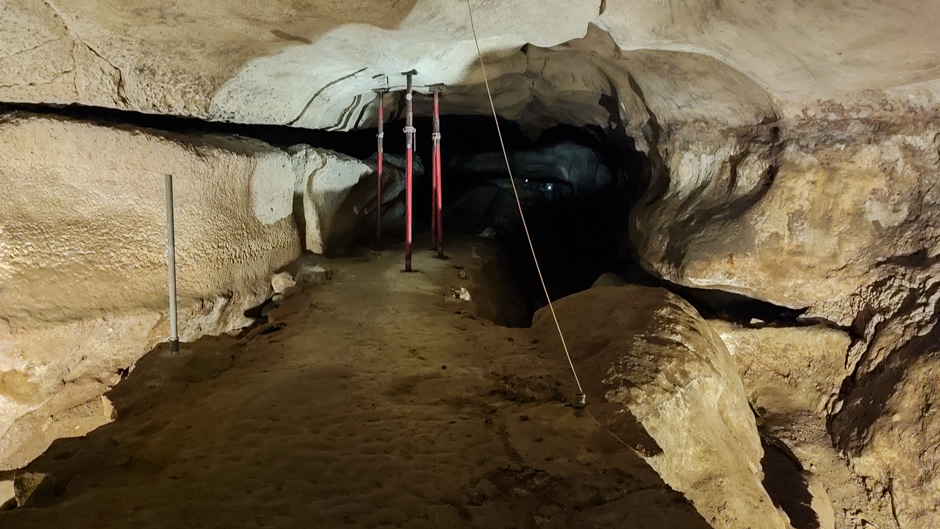
Most Pleistocene fauna became extinct by around 6000 BC, shortly before the arrival of Neolithic settlers. The cave provides a clear record of environmental change and the vulnerability of island ecosystems.
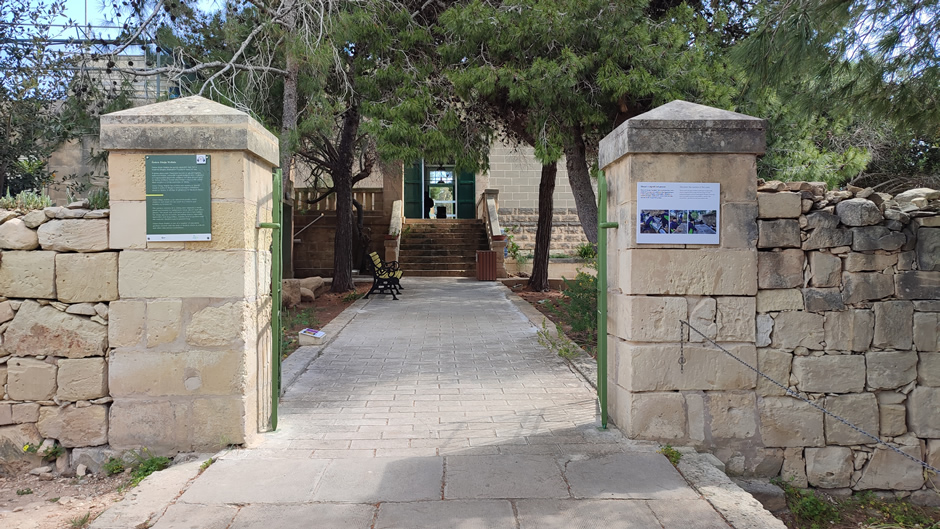

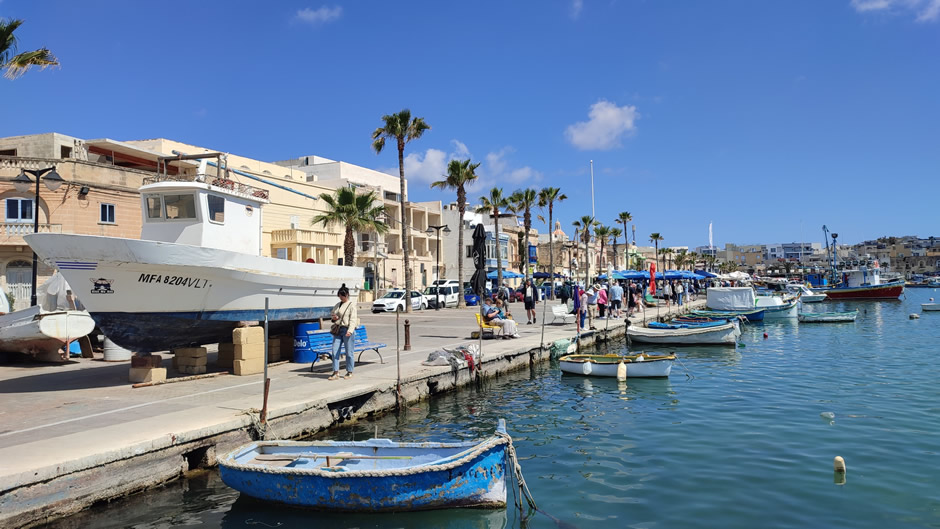
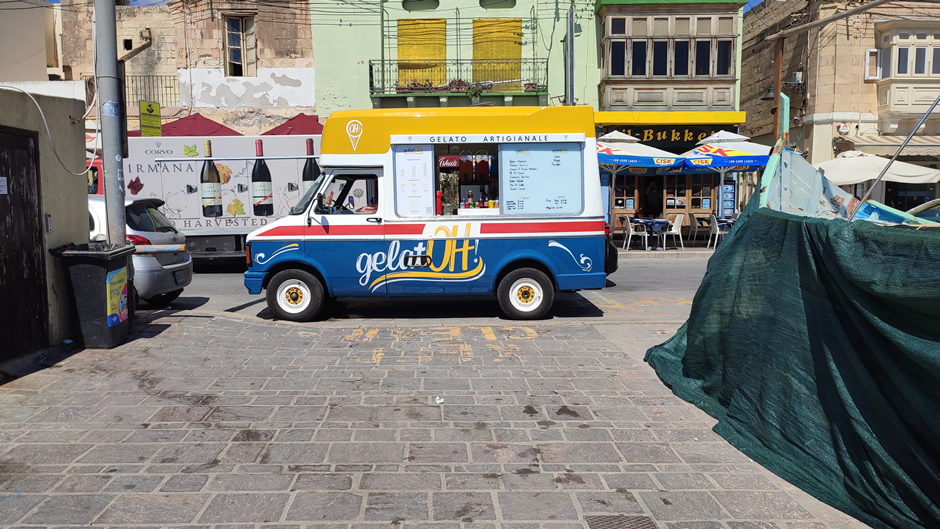
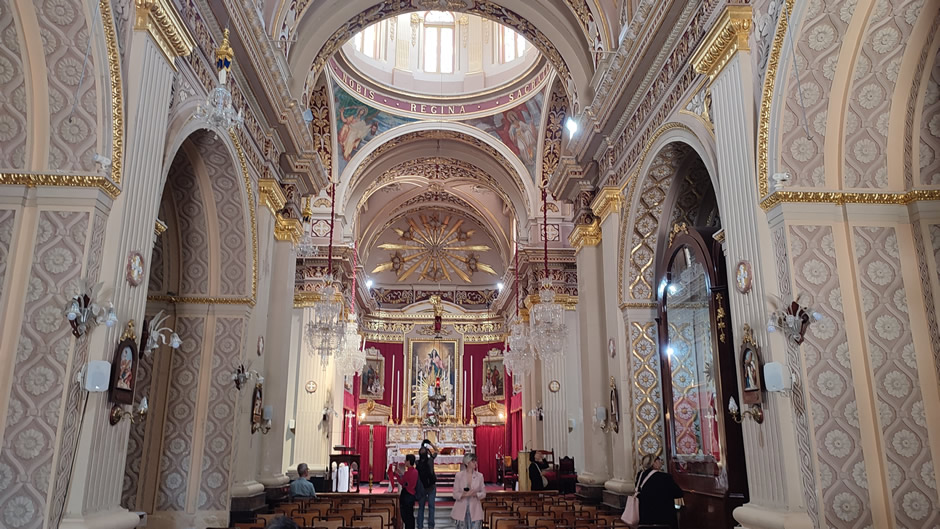
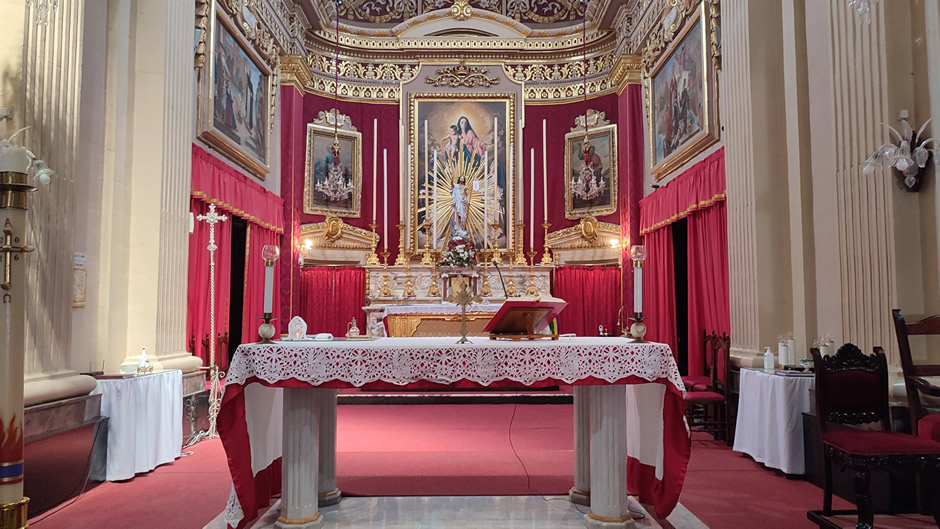
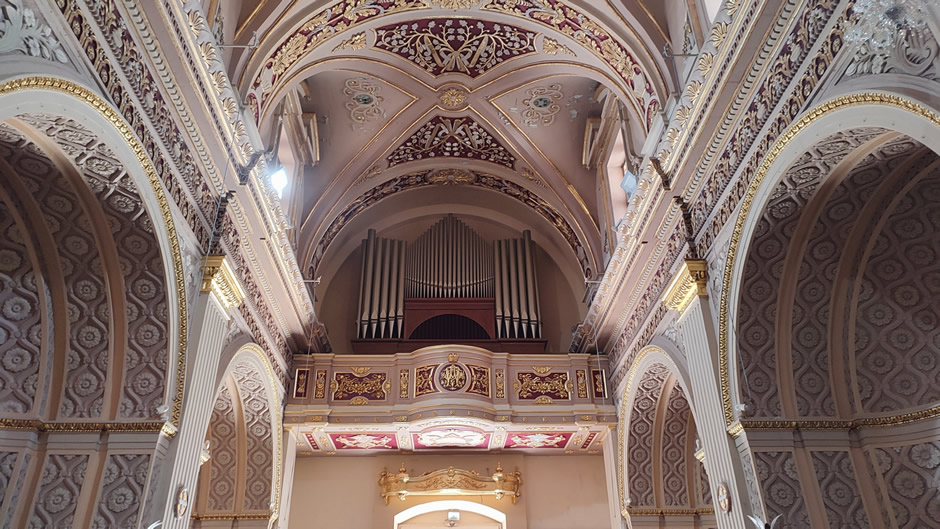
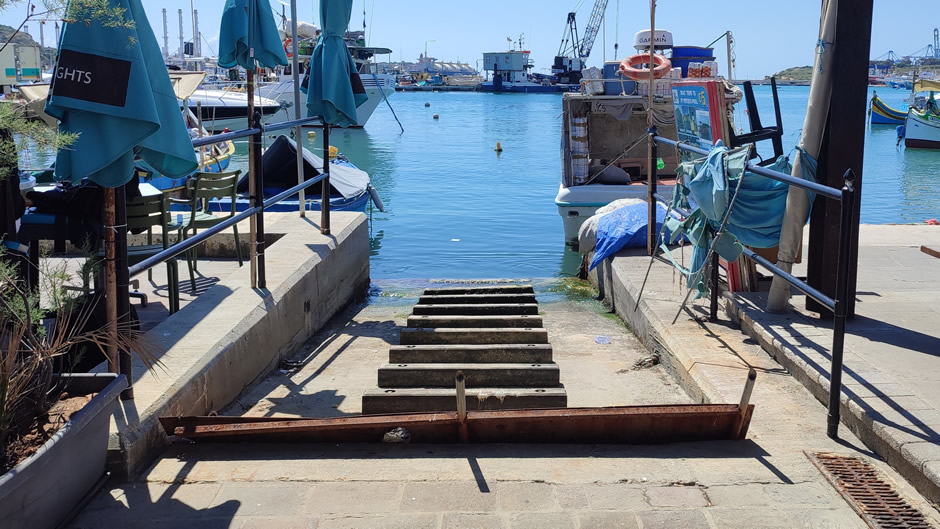
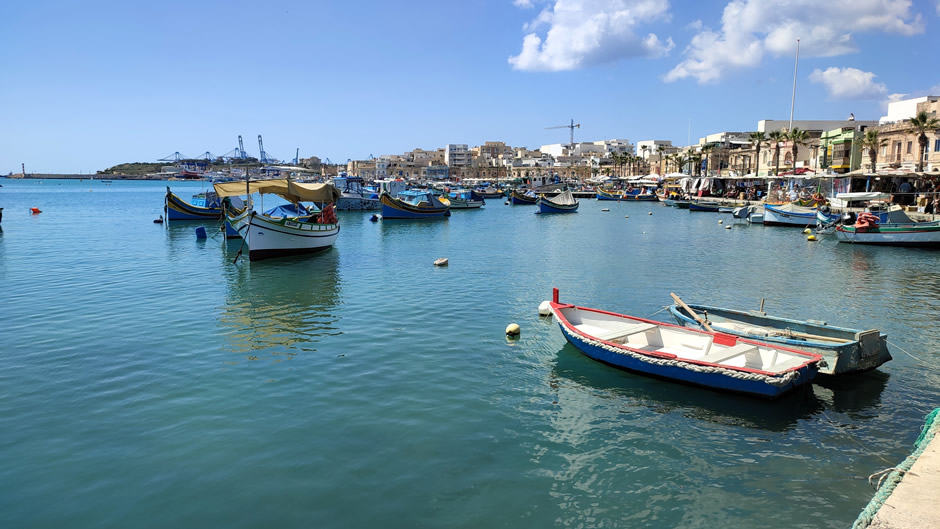
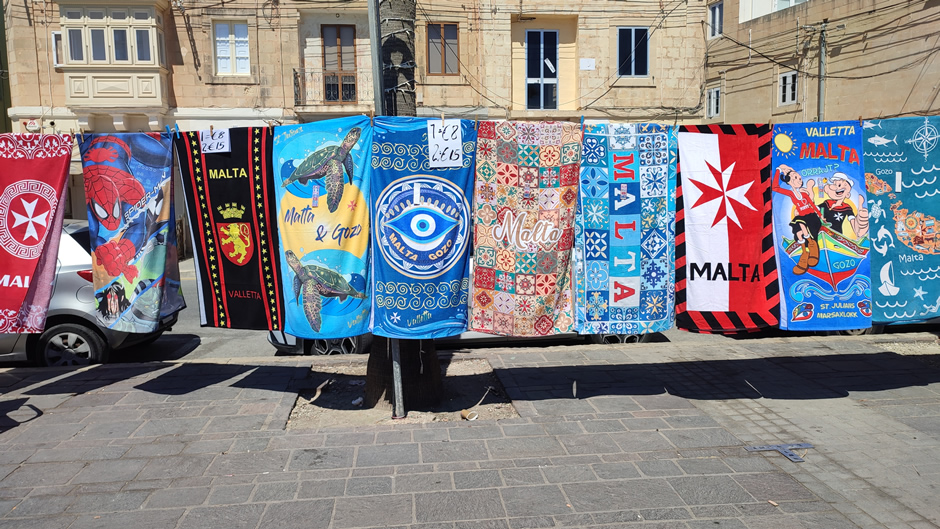
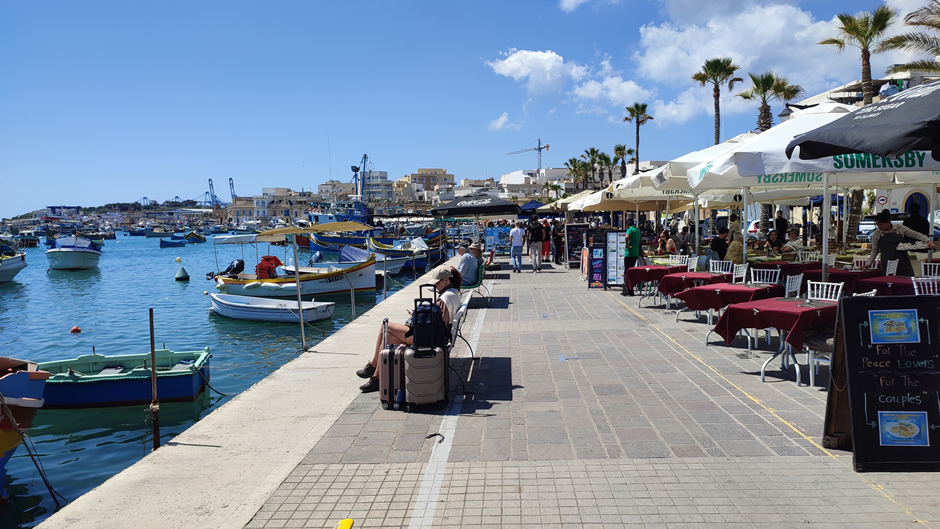
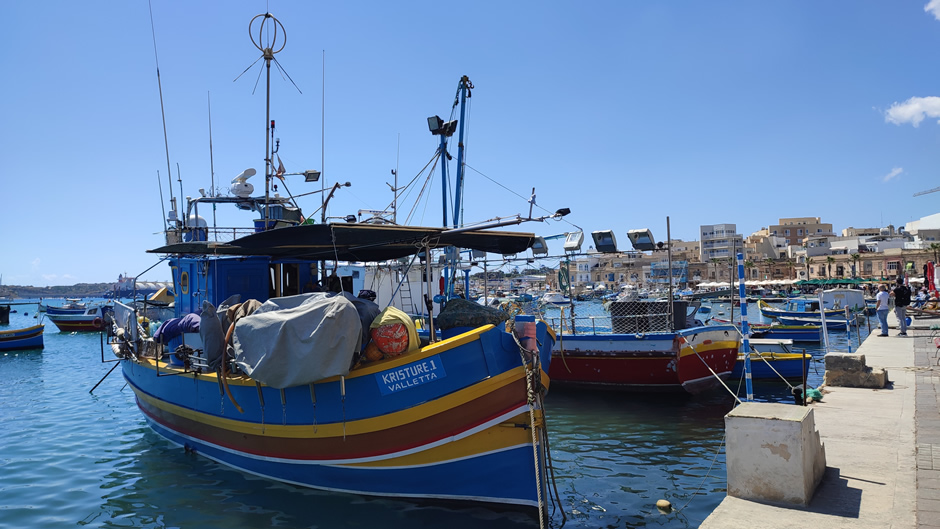
Marsaxlokk is one of Malta’s popular traditional fishing villages, known for its colourful luzzu boats and its large natural harbour on the island’s southeast coast. The waterfront is lined with seafood restaurants and a popular Sunday market that reflects the village’s long maritime heritage. Overlooking the bay is the Church of Our Lady of Pompeii, built in the late 19th century and dedicated to the Madonna of Pompeii, a devotion brought to Malta through Italian influence. Its twin-towered facade and calm interior provide a striking contrast to the busy harbour below, making it a cultural landmark within the village. Photos follow:
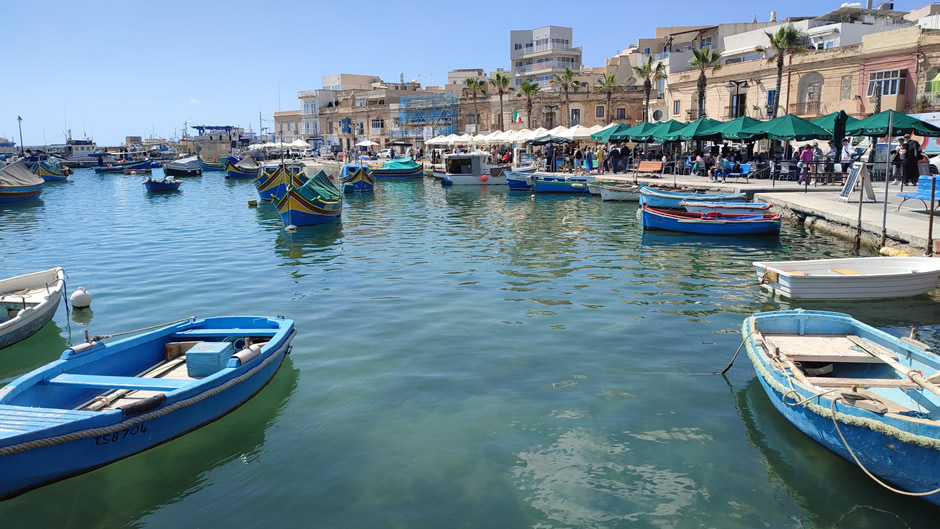
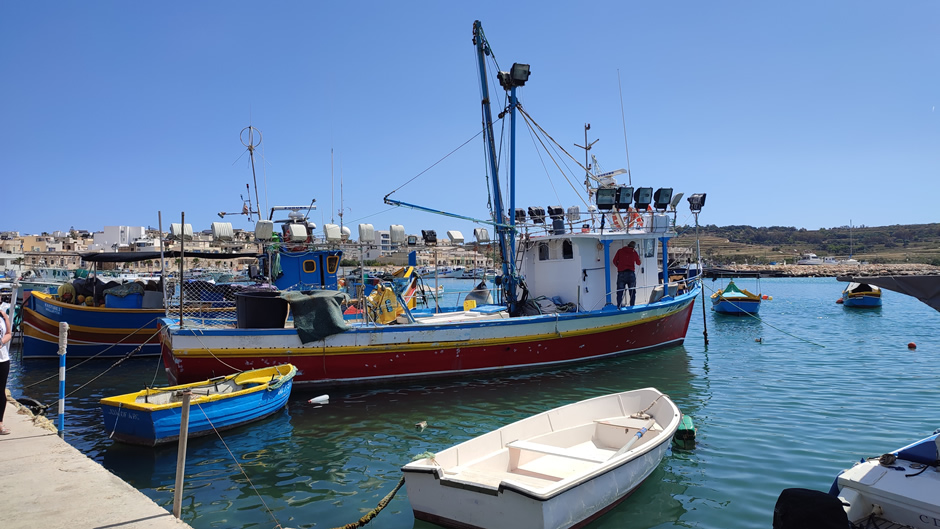
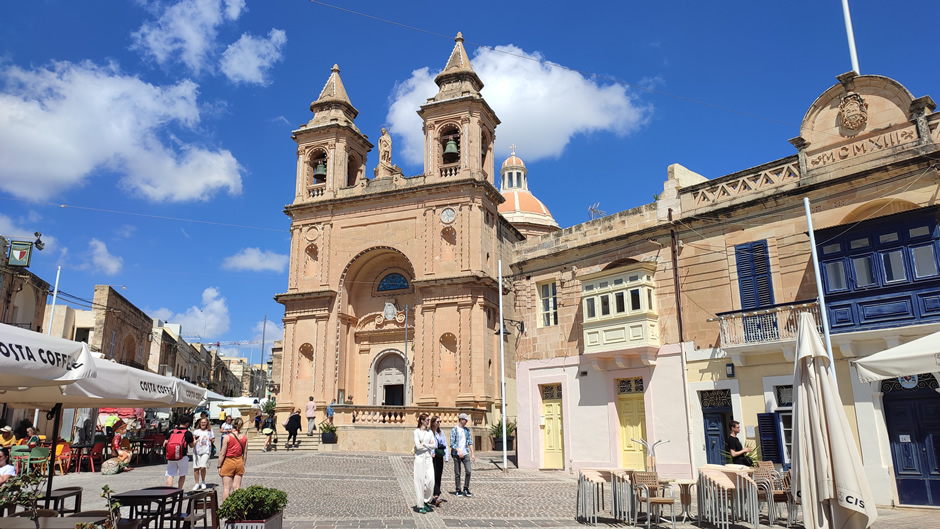

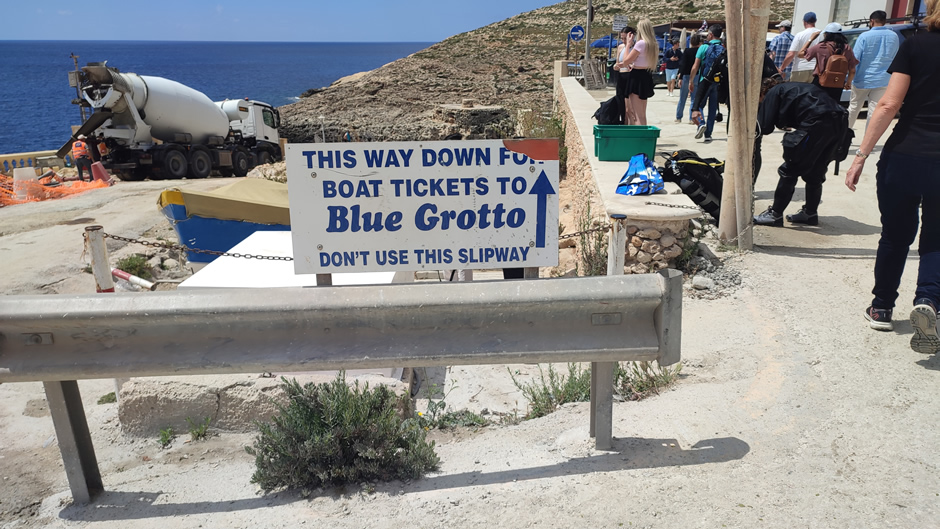
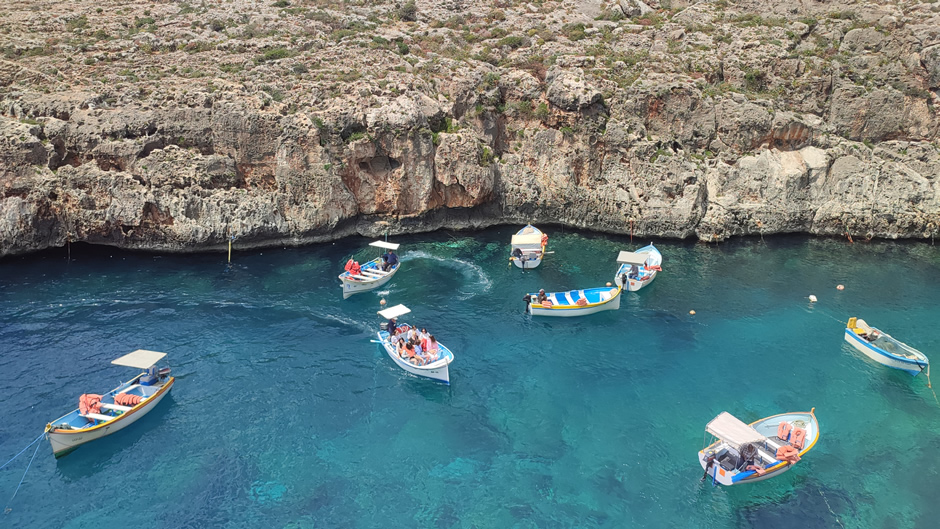
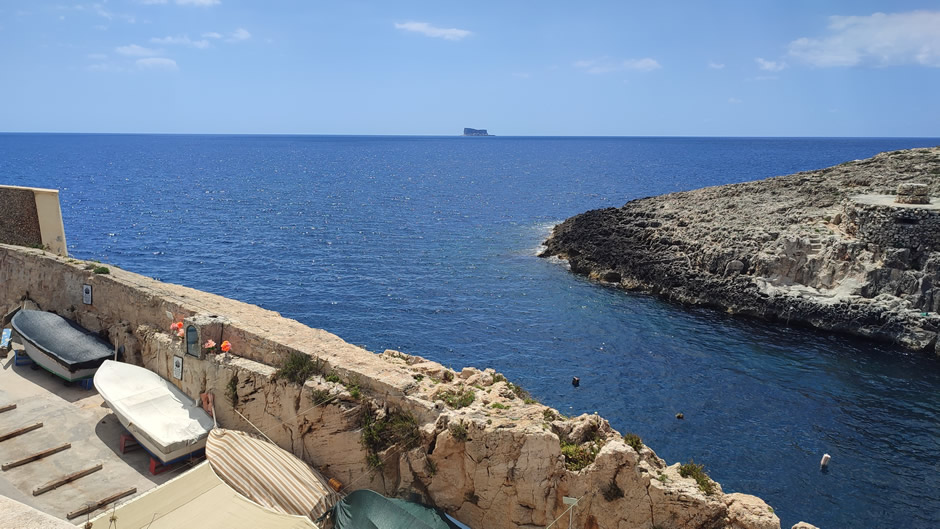
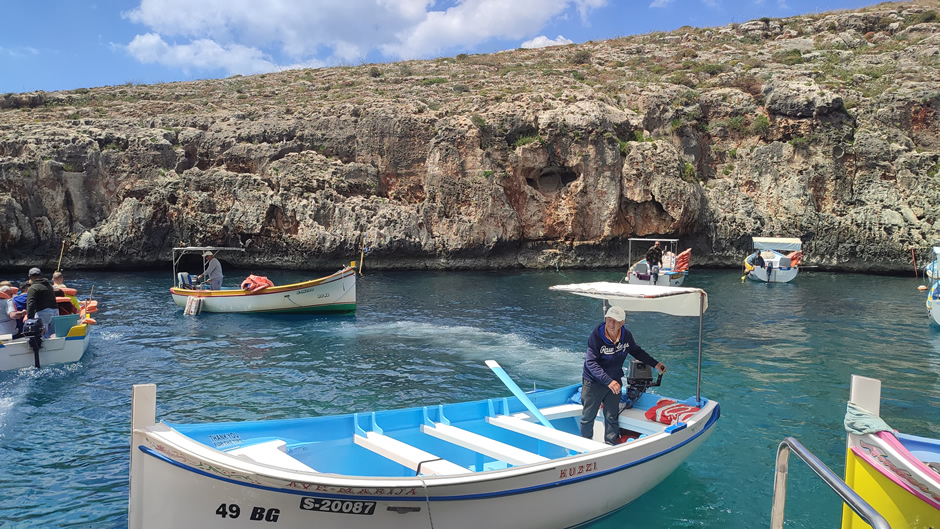
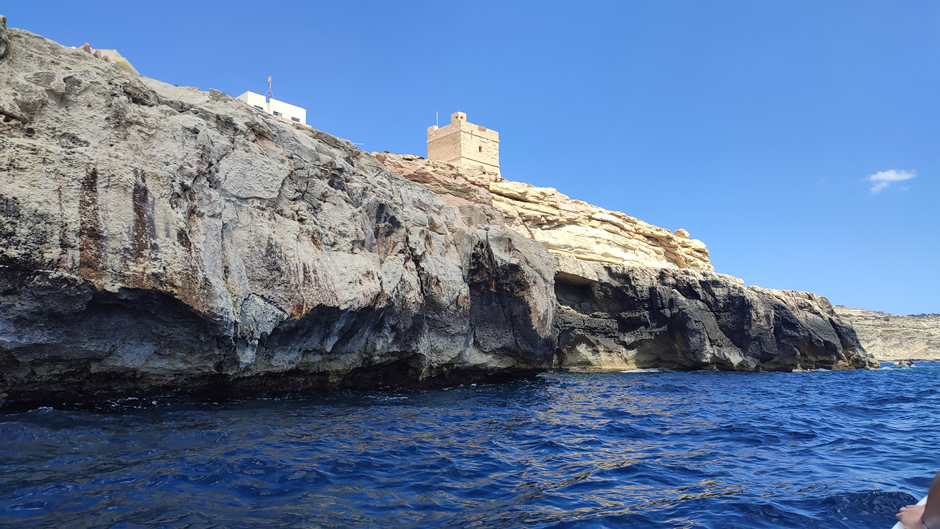
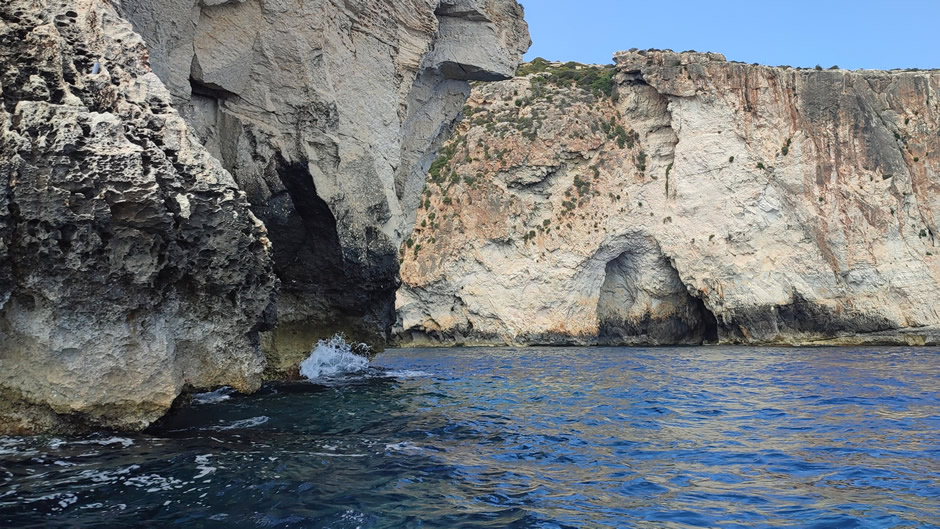
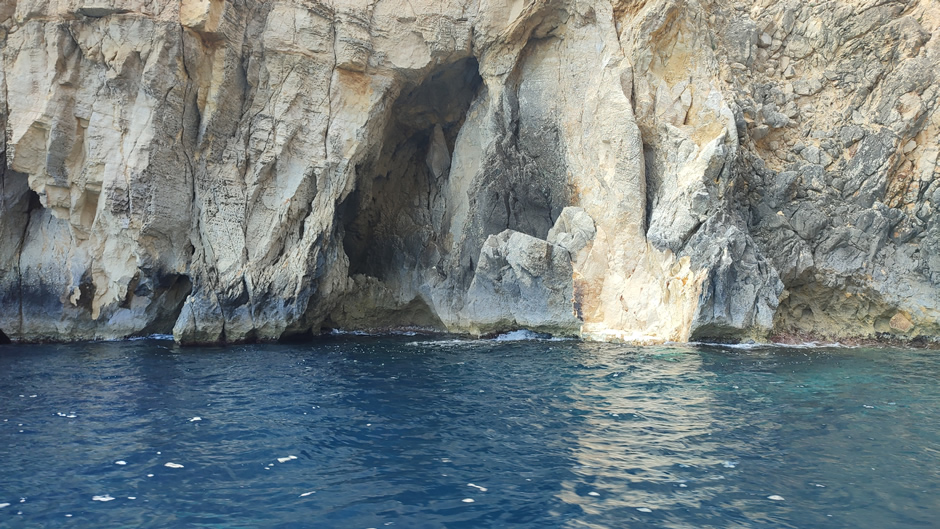
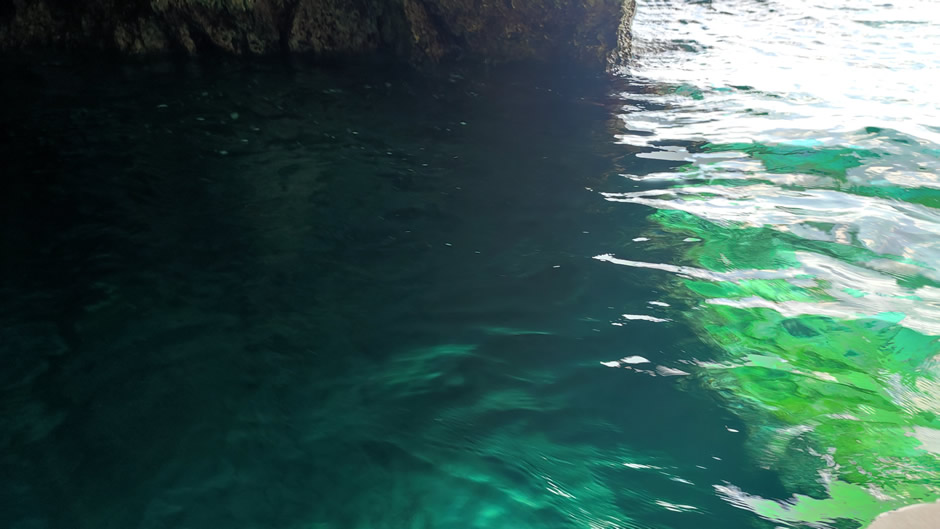
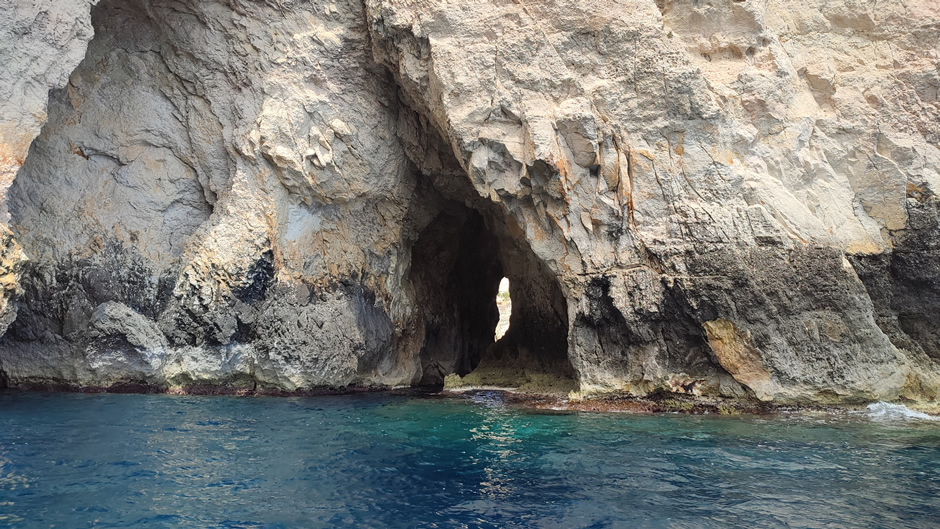
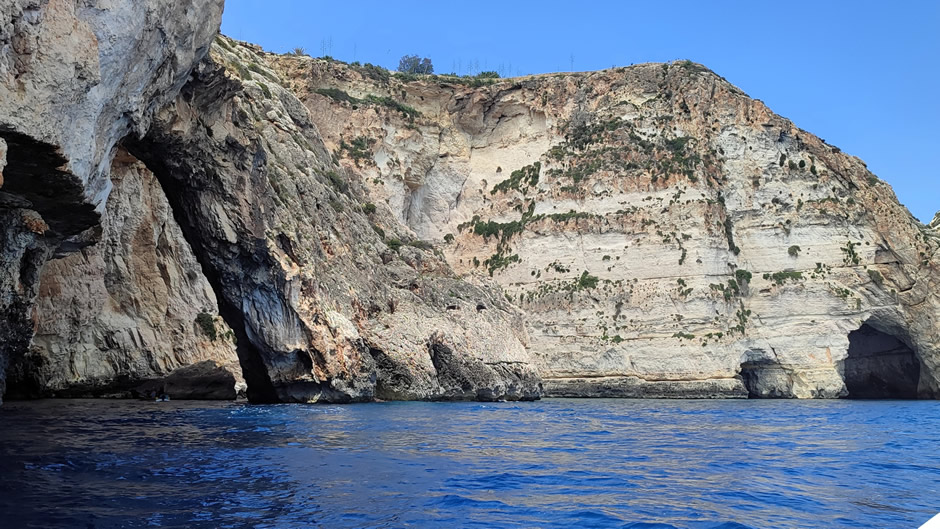
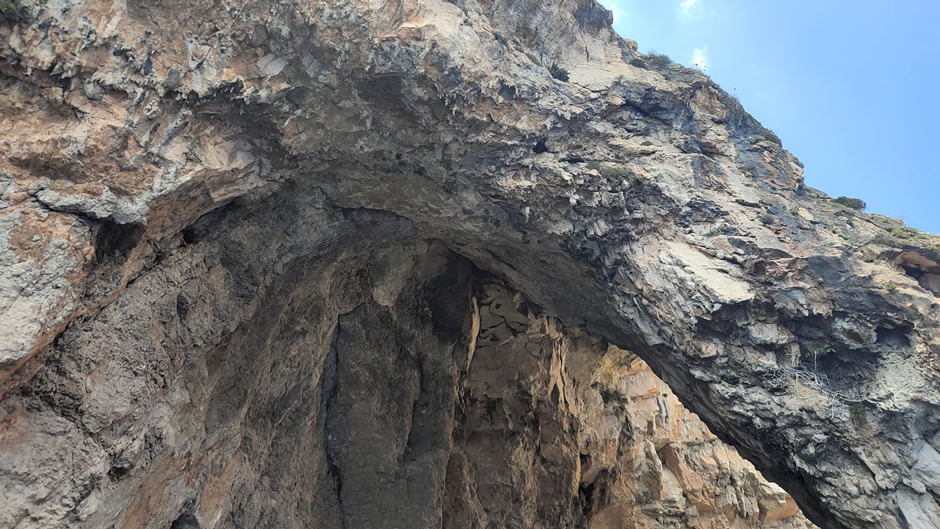
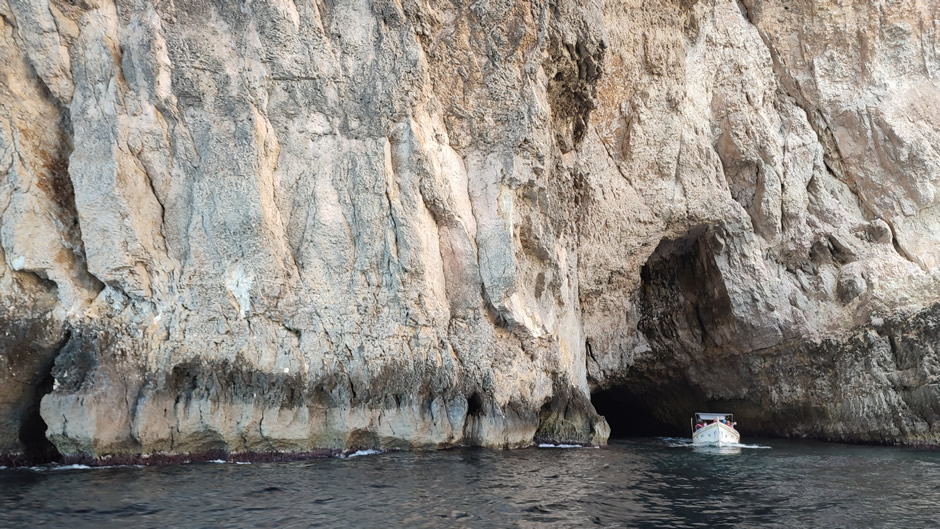
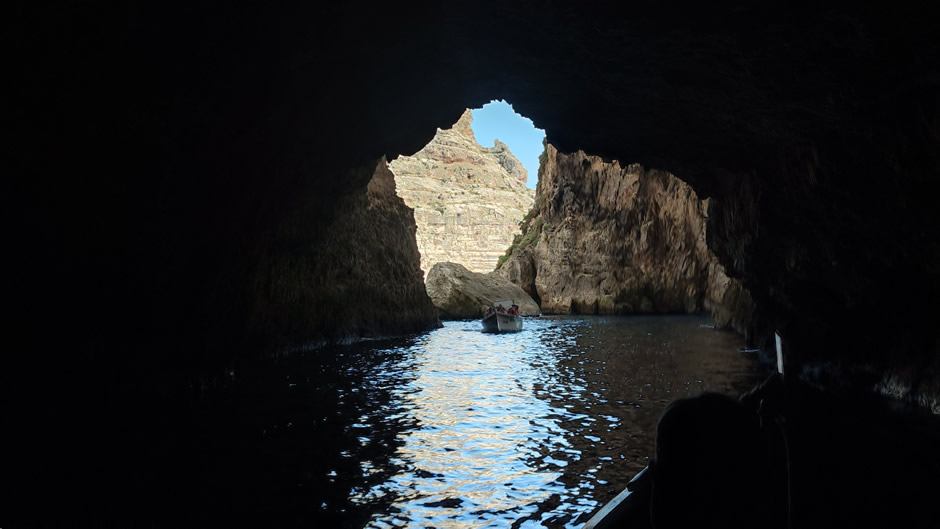
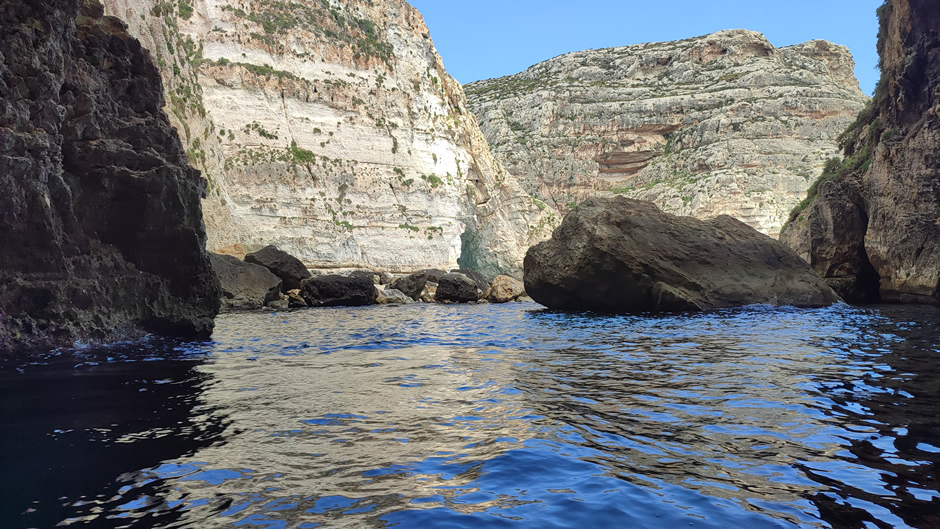
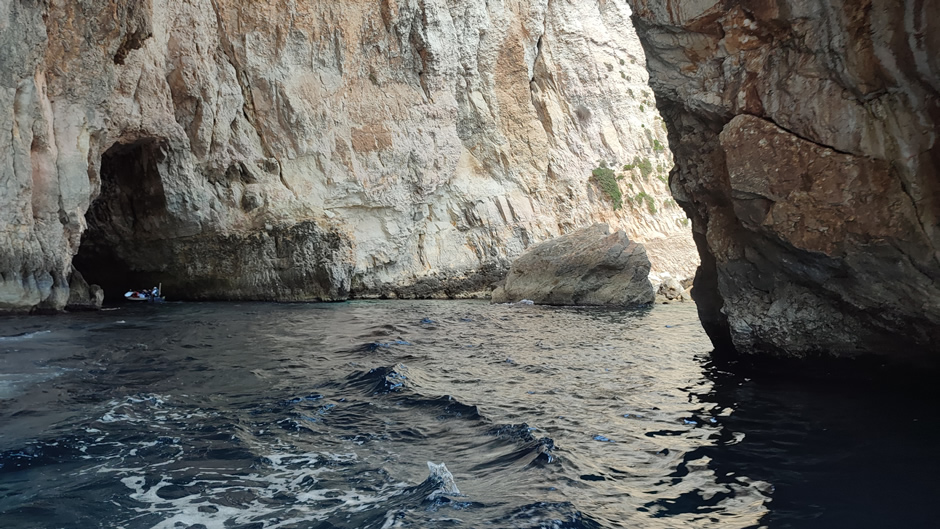
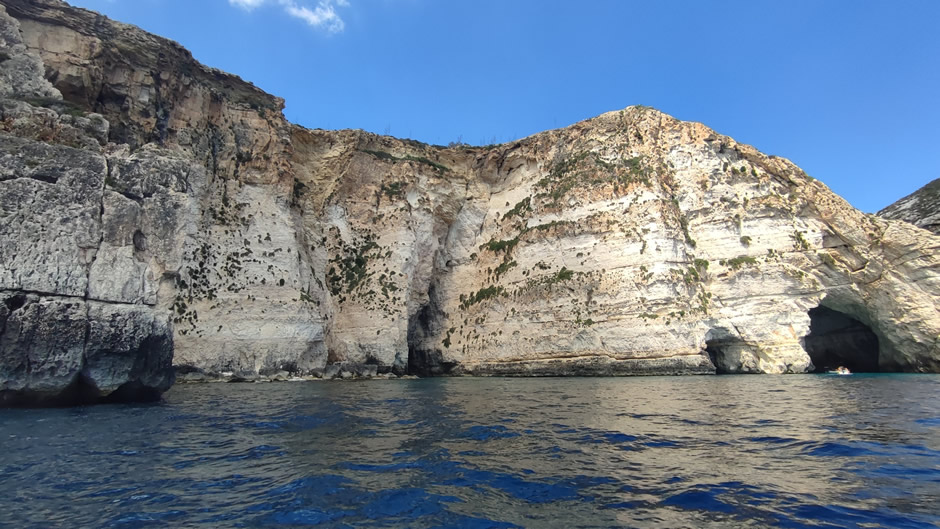
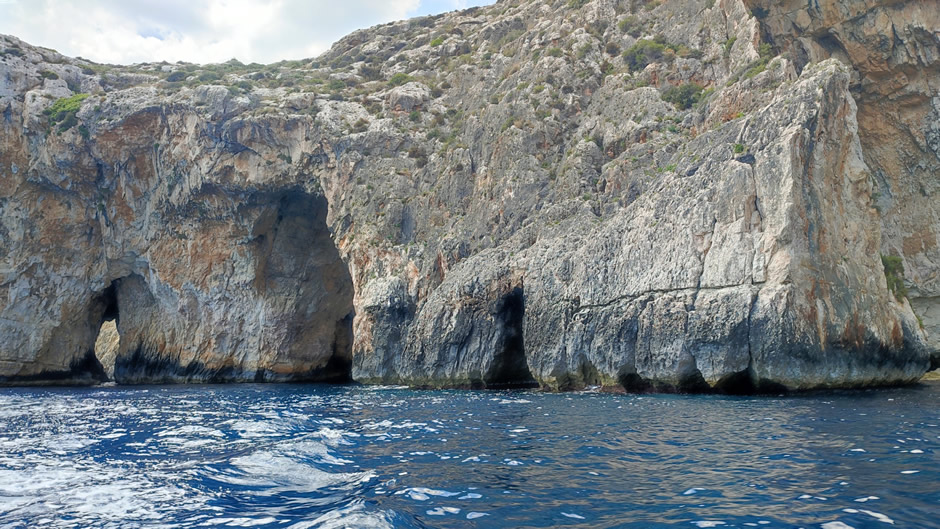
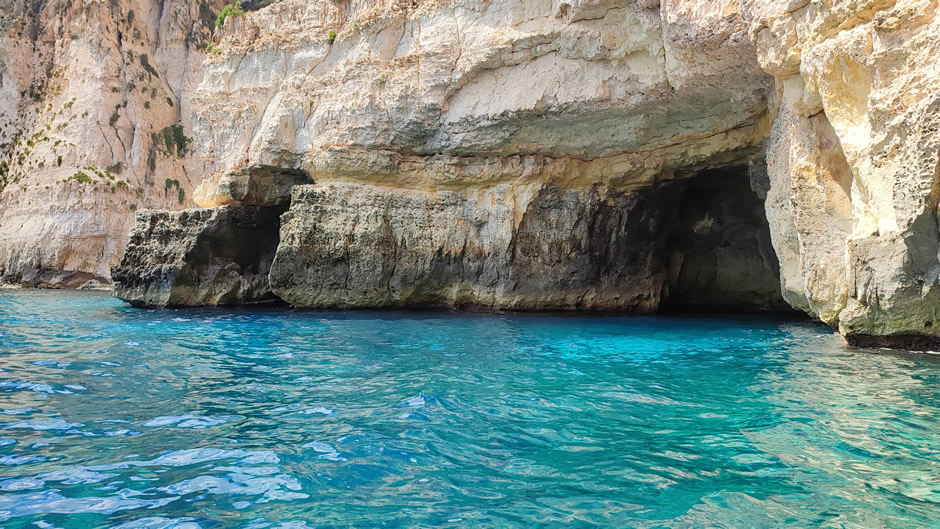
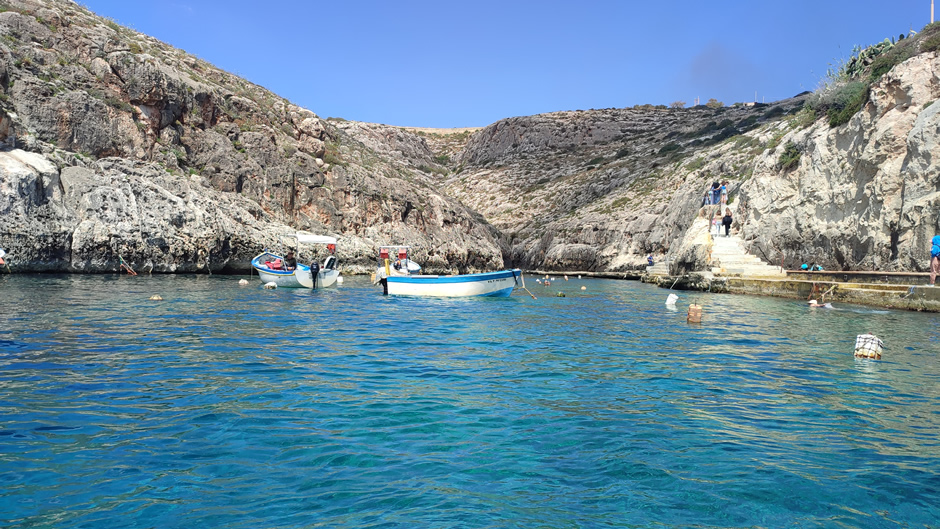
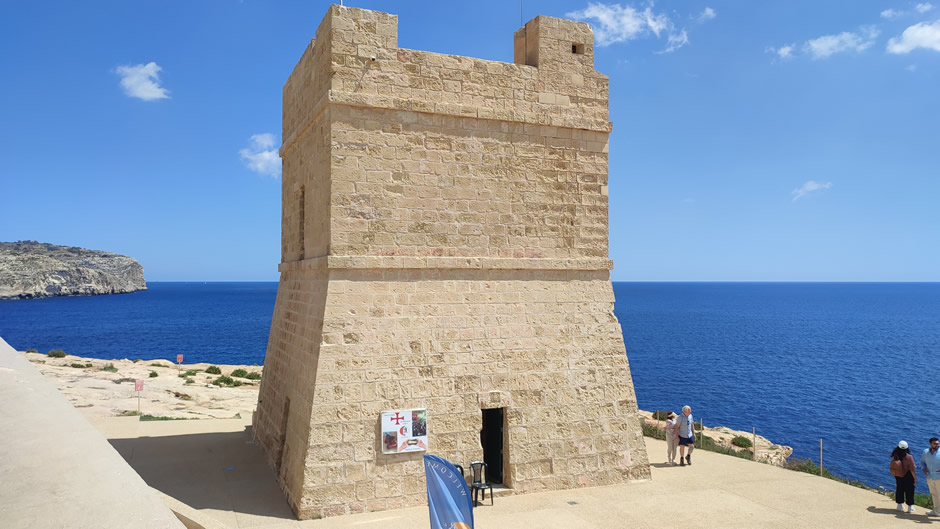
The Blue Grotto (shown below) is one of Malta’s most striking coastal landmarks, a series of sea caverns carved into the cliffs near Wied iż-Żurrieq. The area is known for its vivid colour shifts, where sunlight bouncing off the limestone and the clear seabed creates deep blues and shimmering silvers inside the caves. From the small harbour below, boat trips run throughout the day, taking visitors along the rugged coastline and into several of the caverns for close-up views of the arch, the rock formations and the changing light. The journey is short, but it offers a memorable perspective on the cliffs and the open sea, especially on calm mornings when the water is at its clearest. The viewpoint above Wied iz-Zurrieq offers a panoramic viewpoint.
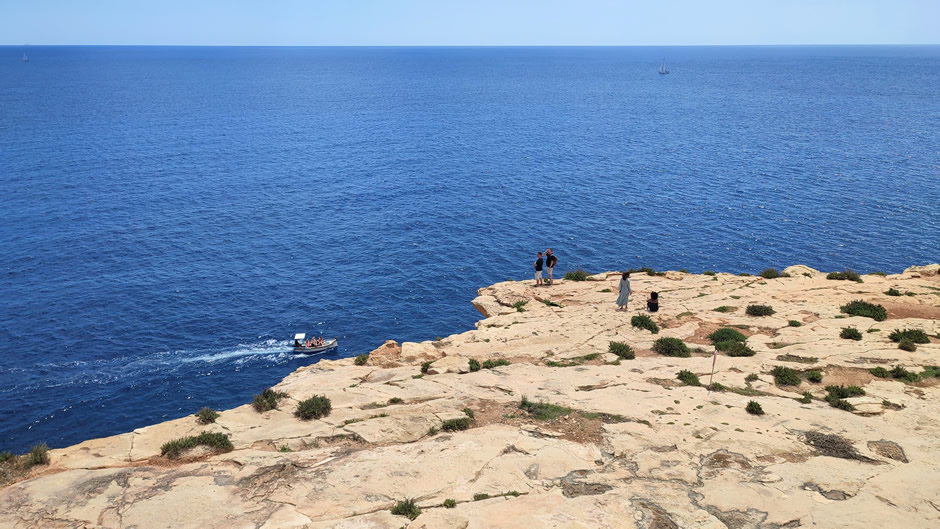
Located on a hilltop in the southern part of Malta, Ħaġar Qim is a monumental, asymmetrical megalithic complex on the hills of Qrendi and is one of Malta's most iconic UNESCO World Heritage Sites. The site includes some of the largest stones used in Maltese prehistory, including a 20-tonne megalith over 6.4 metres long and a 5.2-metre-high upright with a hollowed top. These features highlight the scale and engineering skill of the builders.
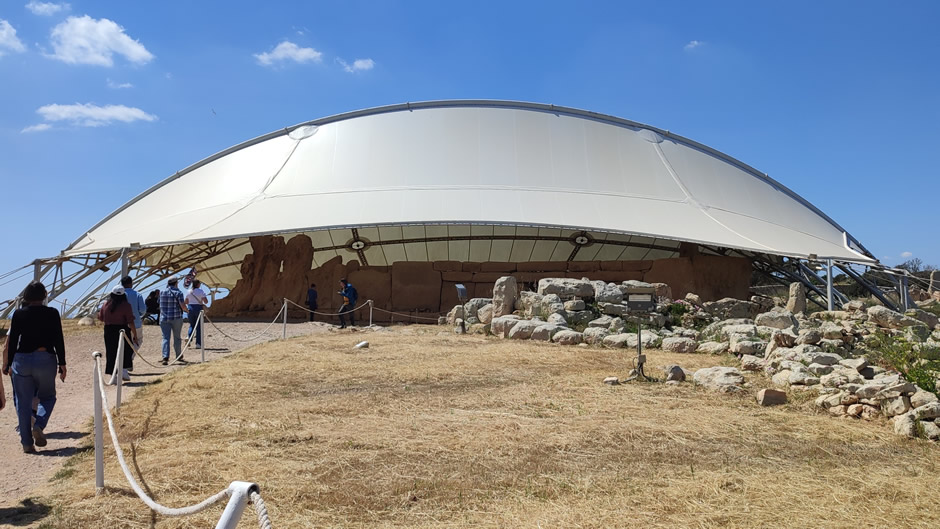
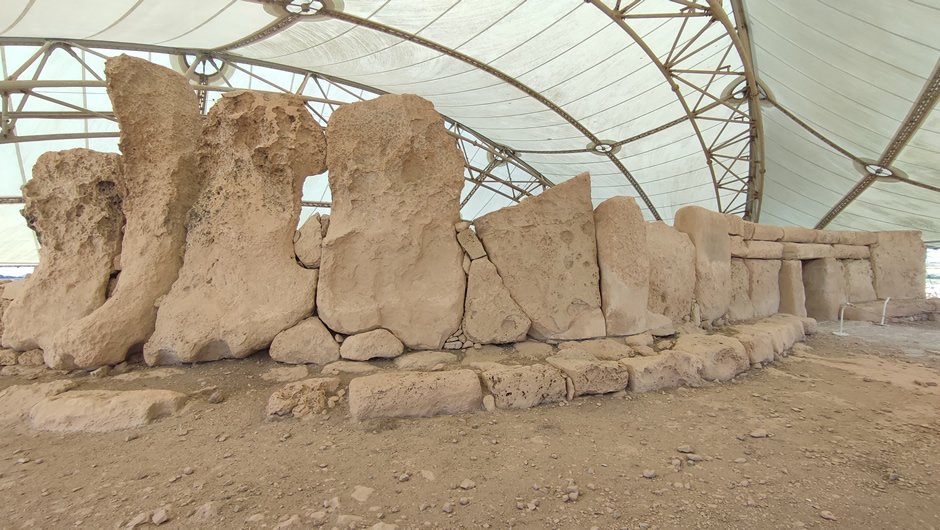
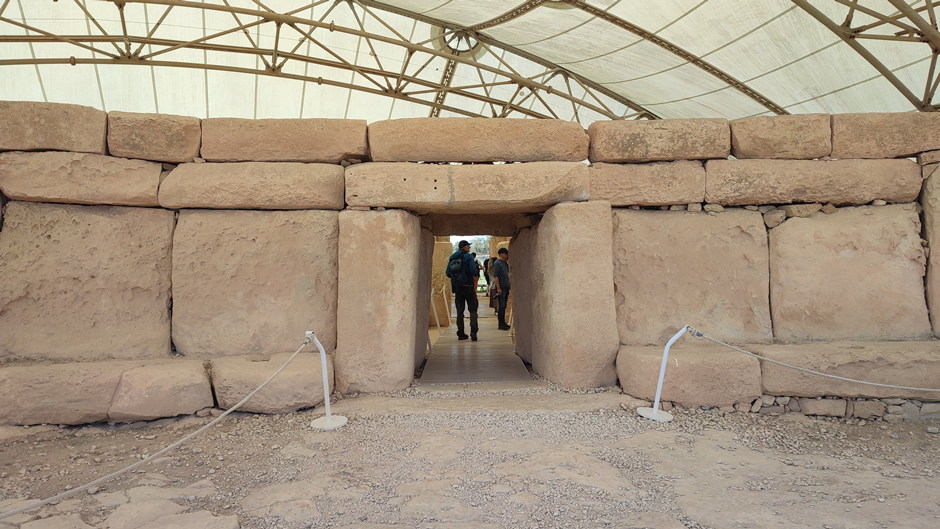
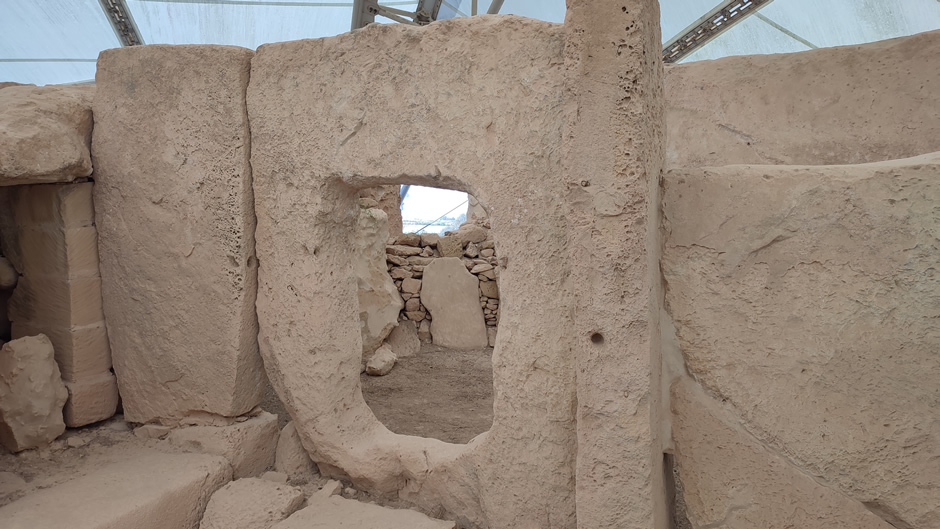
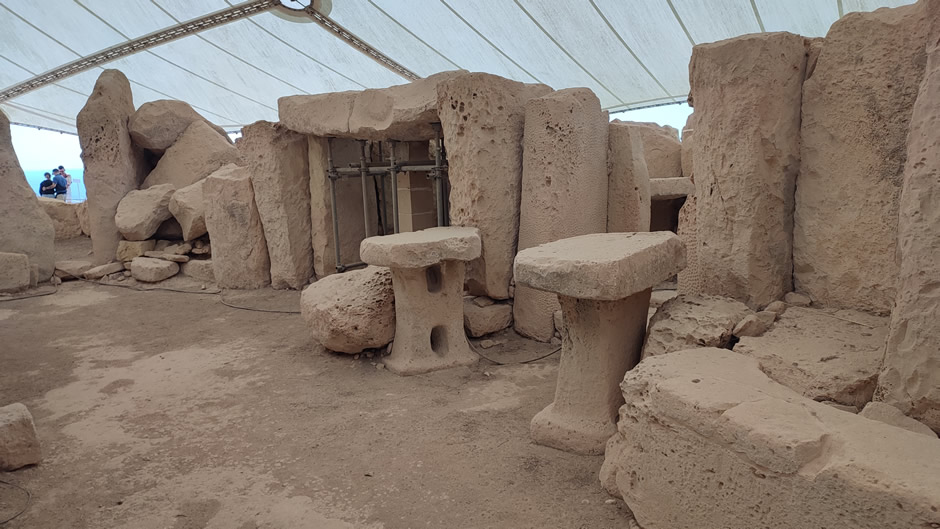
The ruins were documented by early scholars and Grand Tour visitors. Excavations began in 1839 and continued under Dr Antonio Annetto Caruana and Sir Themistocles Zammit. The main structure has a balanced facade and originally consisted of a multi-apse plan that was later expanded into a larger, irregular layout. This asymmetry distinguishes it from other Neolithic temples.
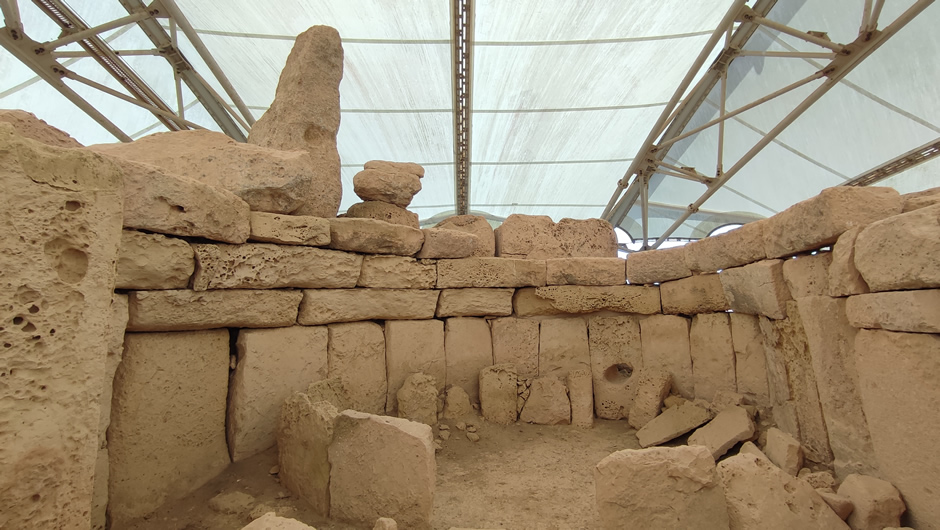
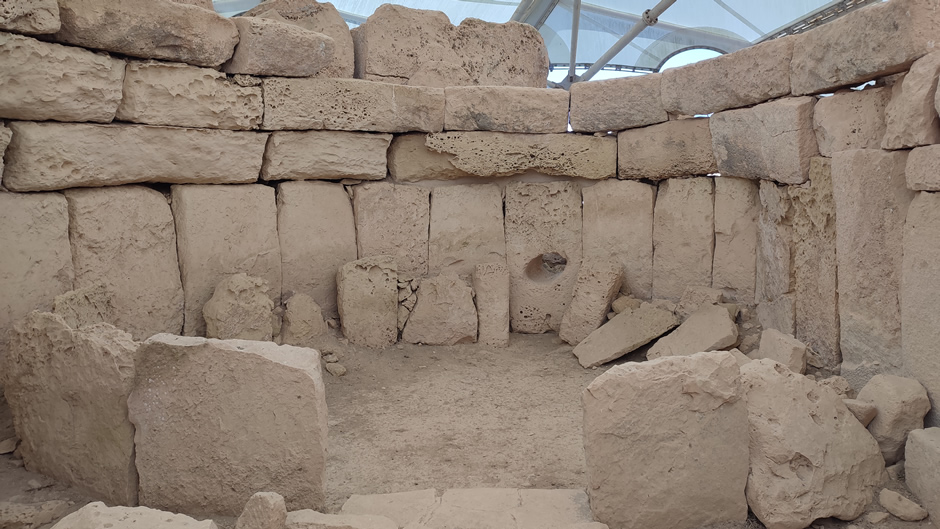
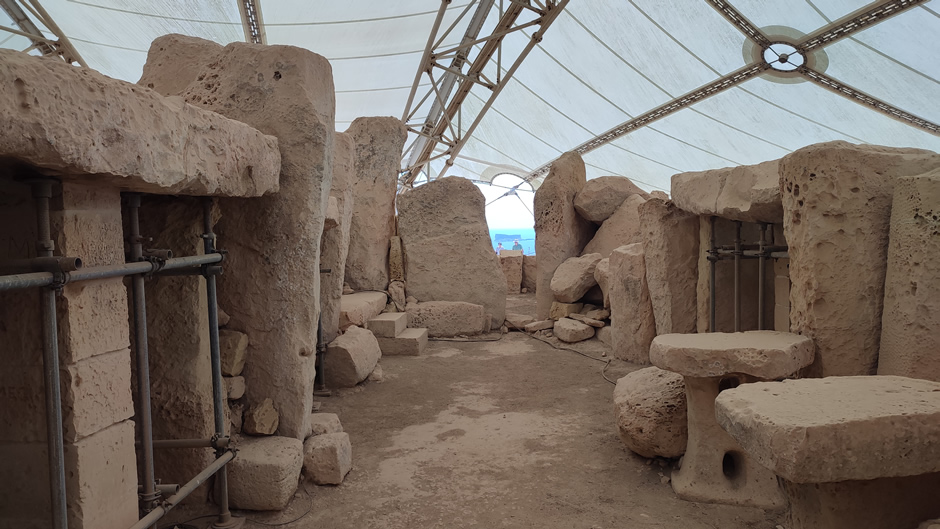
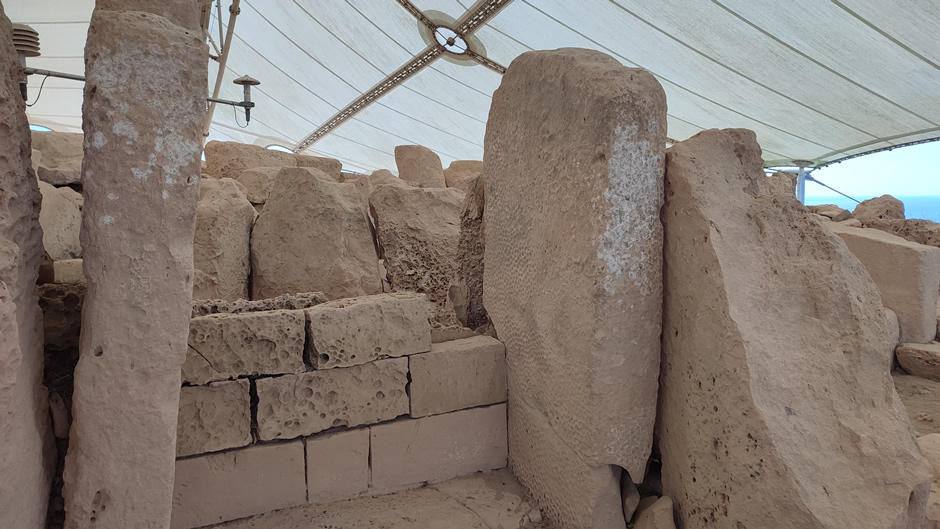
In front of the main building are the remains of a smaller structure with irregular rooms. Inside the main complex, stone altars carved from single blocks line the passage. Beneath one threshold, several stone statues were found, most headless with sockets for detachable heads. The "Venus" figurine from Hagar Qim is more naturalistic and is a notable example of Neolithic art. The complex is unusual in having two entrances rather than one.
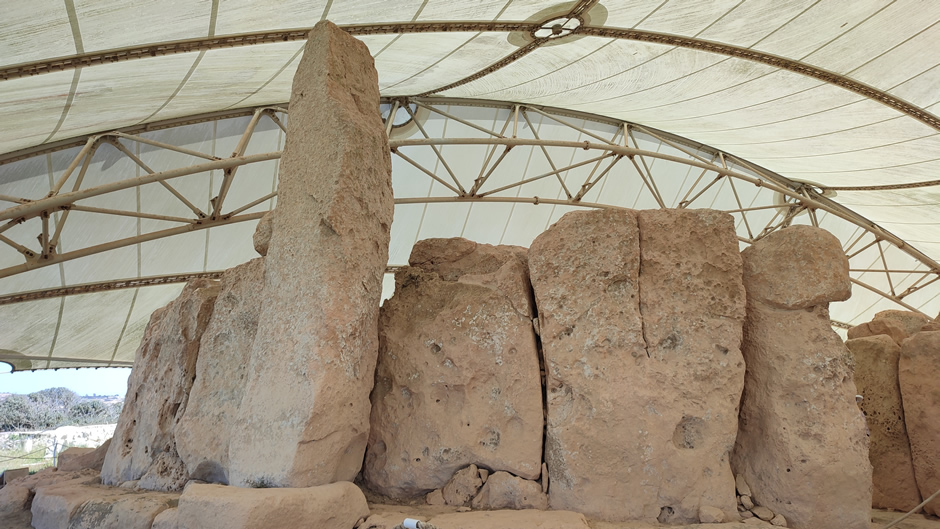
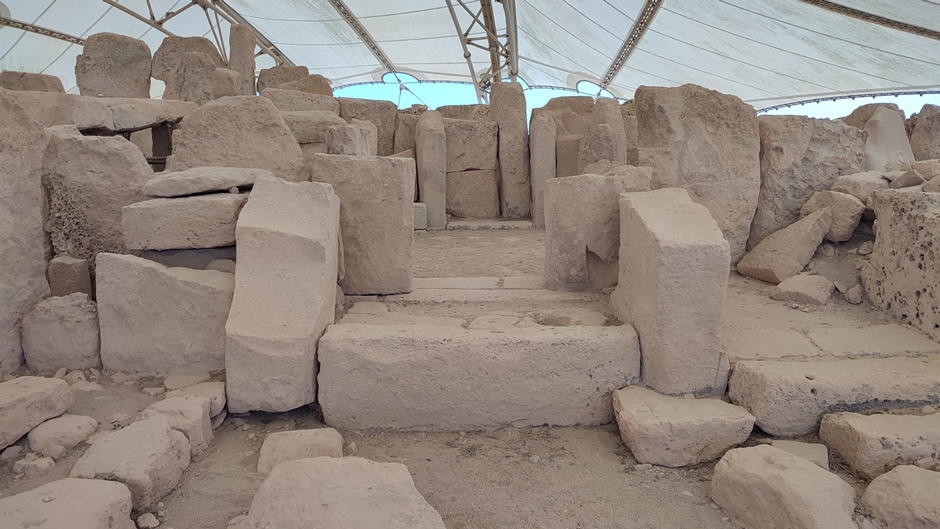
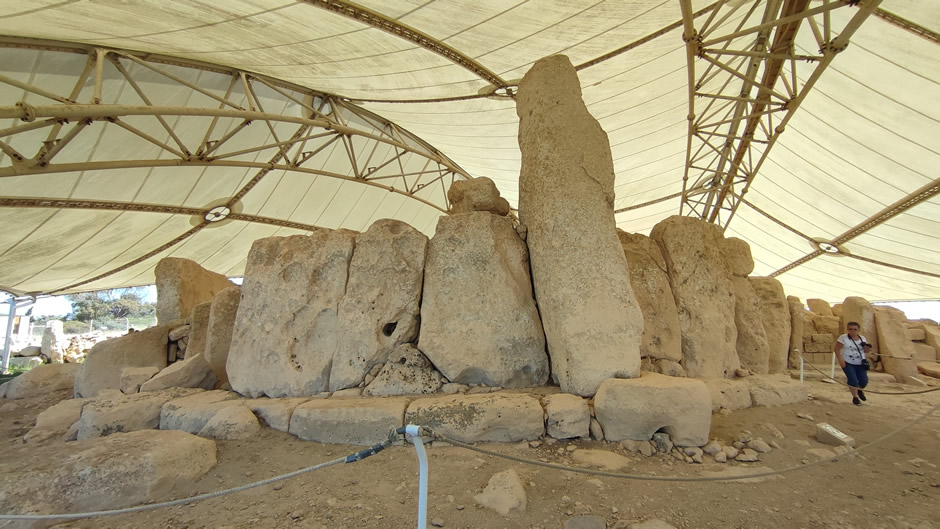
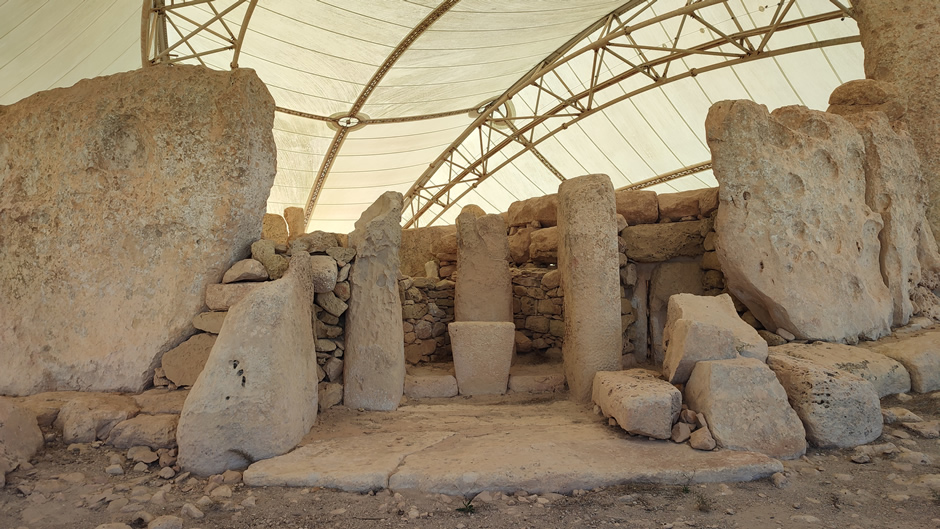
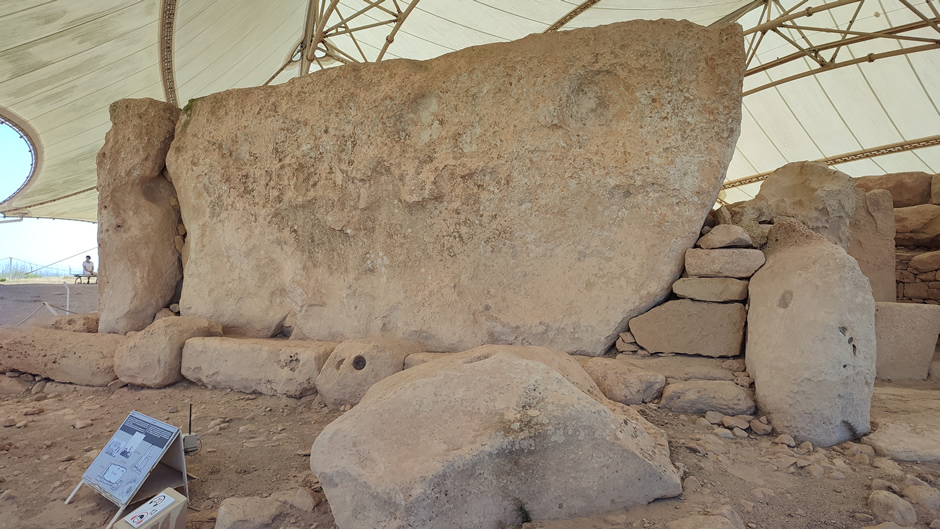
Outside the main structure is a niche known as the outside shrine, containing a pillar and triangular slab, suggesting that rituals also took place in the external forecourt. Visitors are encouraged to begin at the interpretation centre, which provides models, a 4D presentation, and background on the culture that built the temples.
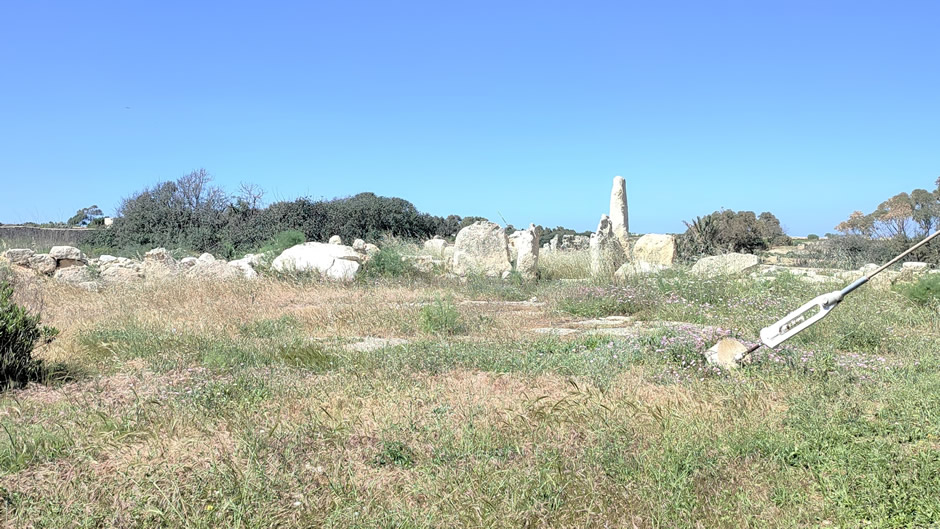
Although not visited on this trip, it is worth noting that close to Ħaġar Qim is Mnajdra, a coastal megalithic temple complex on Malta’s southern cliffs, built between roughly 3600 and 2500 BC and considered among the world’s oldest free-standing stone structures. The site consists of three adjoining temples made from hard coralline limestone, each built in different phases and showing advanced prehistoric engineering through corbelled walls, trilithon doorways, and carefully shaped stone slabs. The South Temple is especially notable for its solar alignment: at the spring and autumn equinoxes, sunrise light enters the doorway and illuminates the central apse, suggesting a ritual or calendrical function. Mnajdra’s design, craftsmanship, and astronomical precision highlight the sophistication of Malta’s early farming communities.
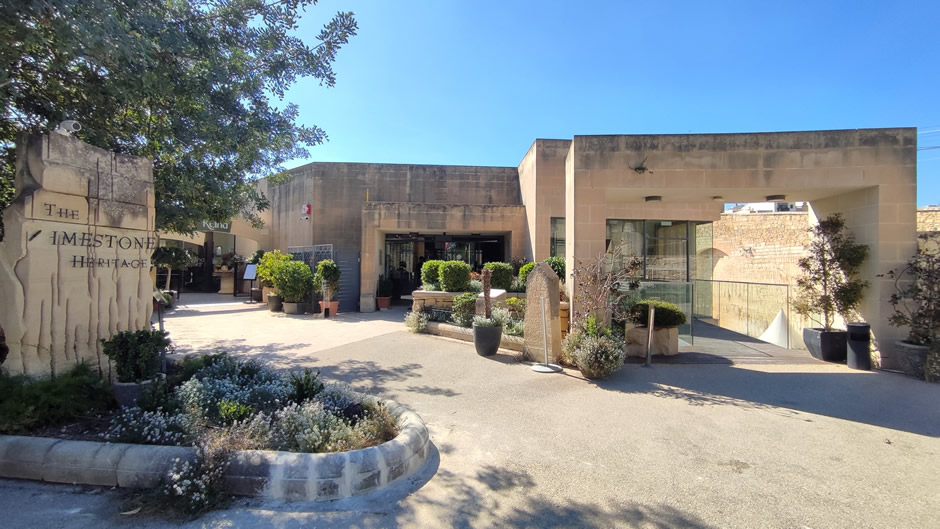
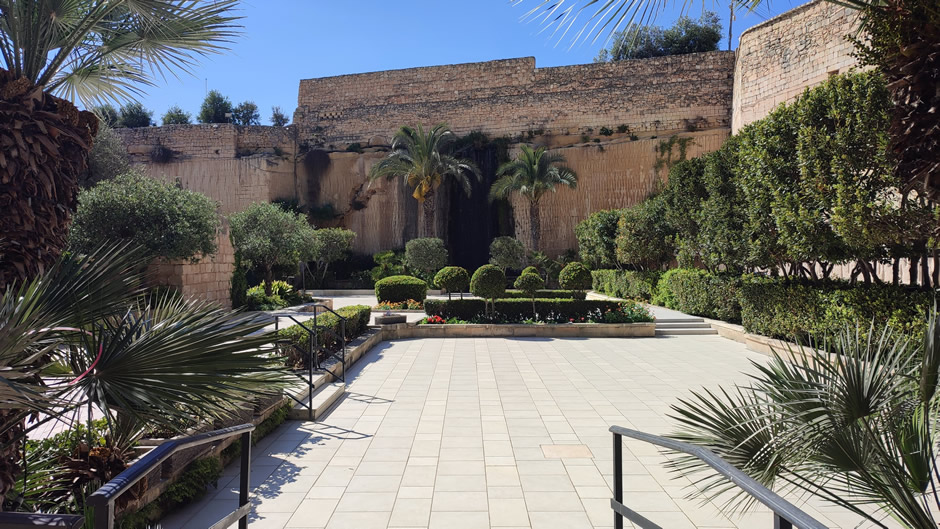
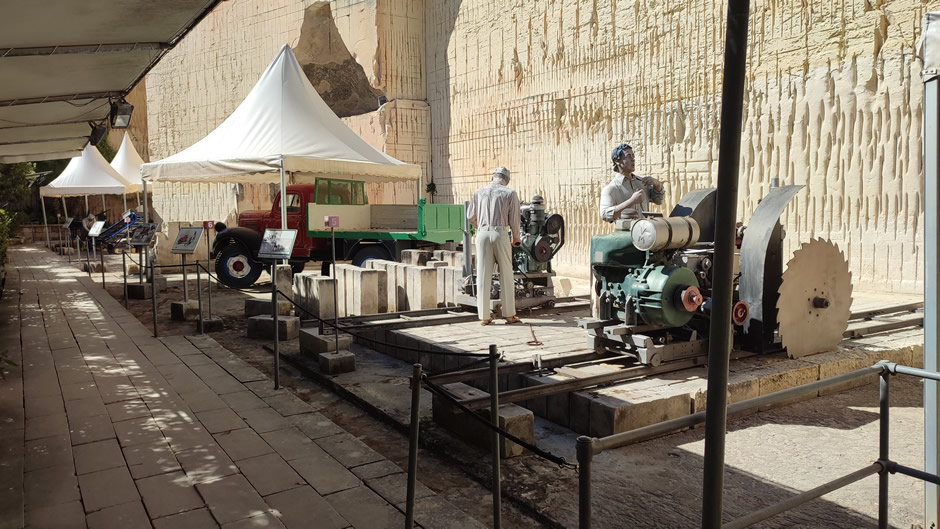
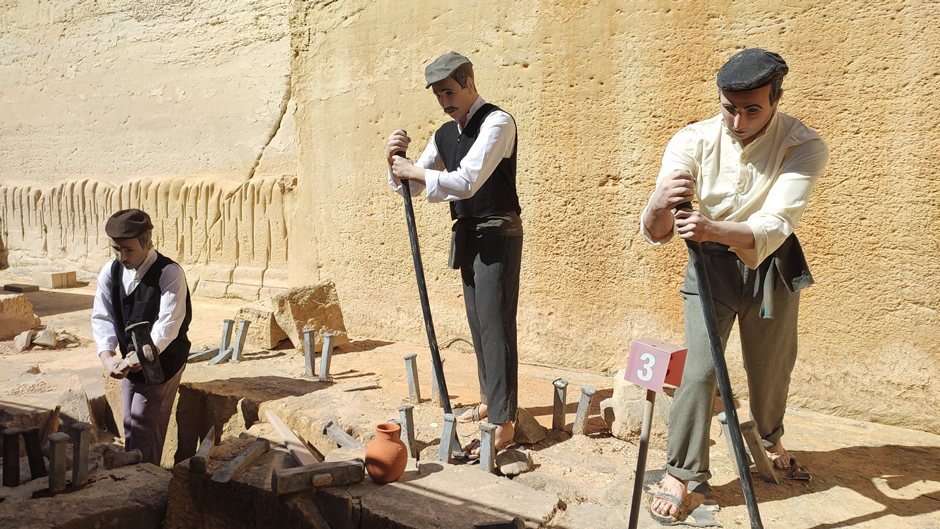
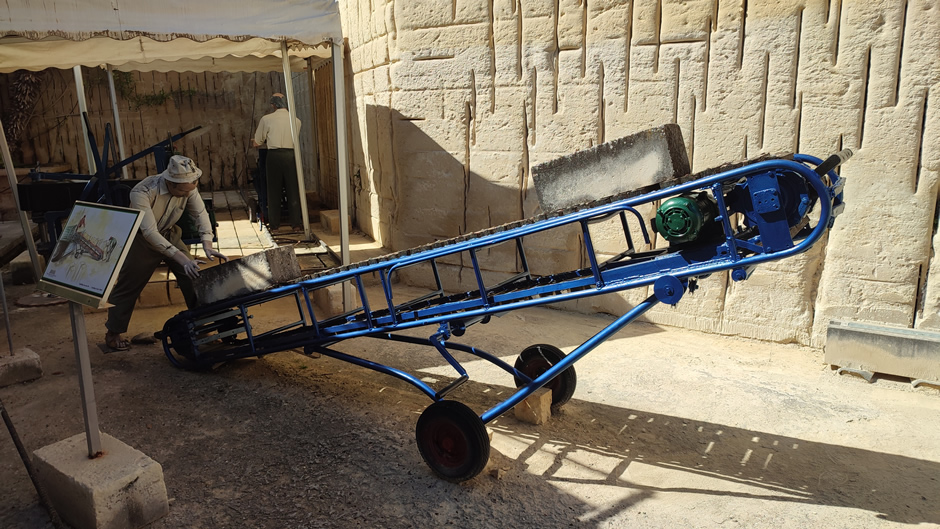
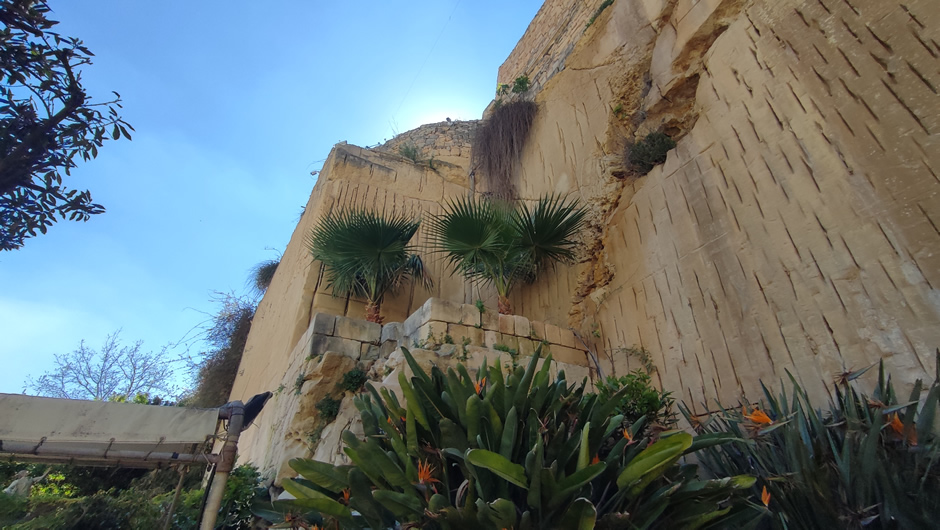
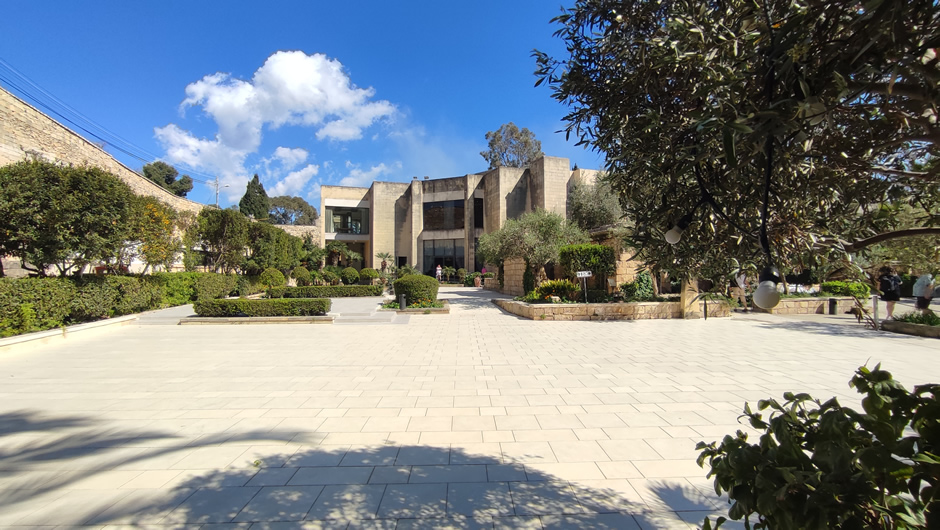
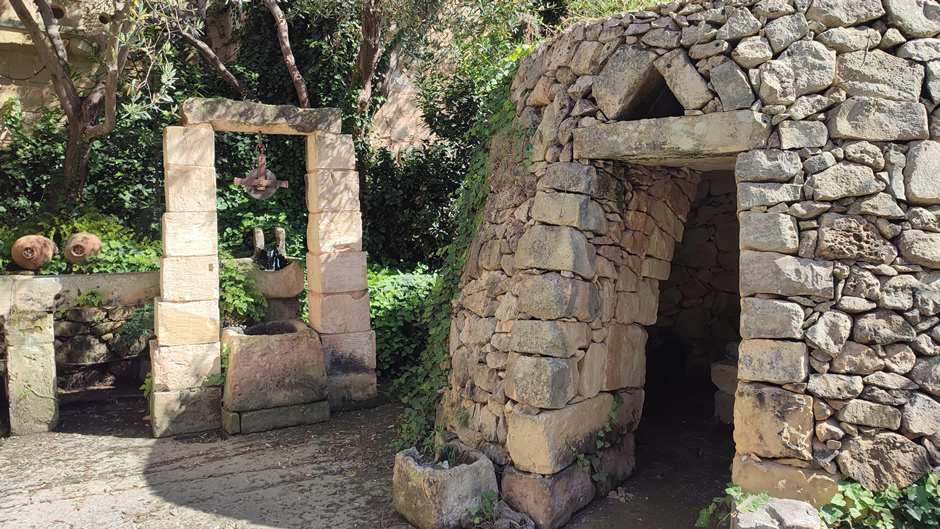
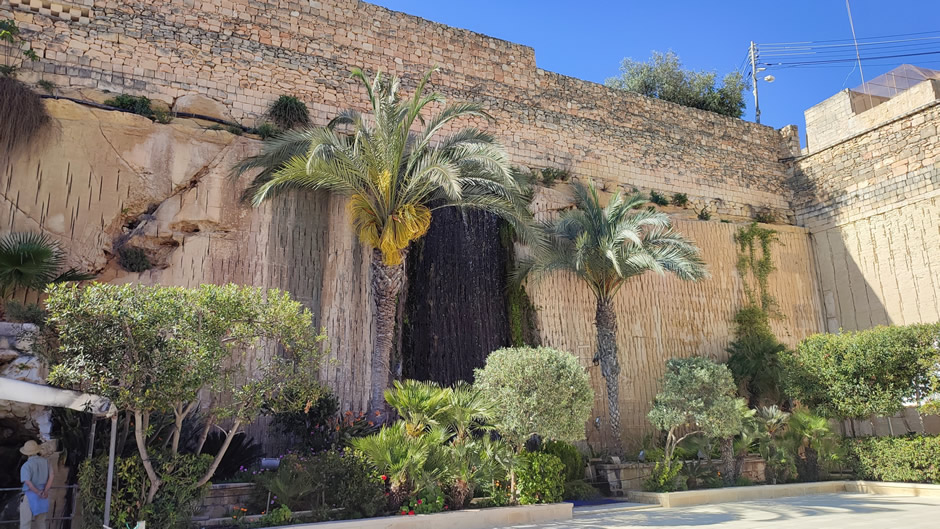
The Limestone Heritage Park and Gardens in Siġġiewi (shown below) showcases Malta’s long tradition of quarrying and stone craftsmanship. Set within a restored quarry, the site explains how Maltese limestone has shaped the island’s architecture from prehistoric temples to modern buildings. Exhibits demonstrate traditional cutting techniques, tools, and the evolution of the industry, while landscaped gardens highlight how quarries can be rehabilitated into green spaces. The attraction also hosts demonstrations and cultural events that celebrate Malta’s stone-working heritage.

Link to Next Page (Page 8 of 8)
Link to Previous Page (Page 6 of 8)
Back to Top
