


Malta, Including Gozo & Comino (Page 6 of 8)
Quick links to other Malta pages and/or sections Here
Gozo, the quieter sister island of Malta, is defined by its rolling countryside, limestone landscapes, and deeply rooted traditions. Smaller and more rural than Malta, it offers a slower pace of life shaped by agriculture and fishing. Its history stretches back thousands of years, with prehistoric temples such as Ġgantija reflecting early human settlement. Over time, Phoenicians, Romans, Arabs, and the Knights of St John left their mark, creating a multifaceted cultural identity. Today, Gozo maintains a strong sense of local character, seen in its village festas, traditional crafts, and close-knit communities.
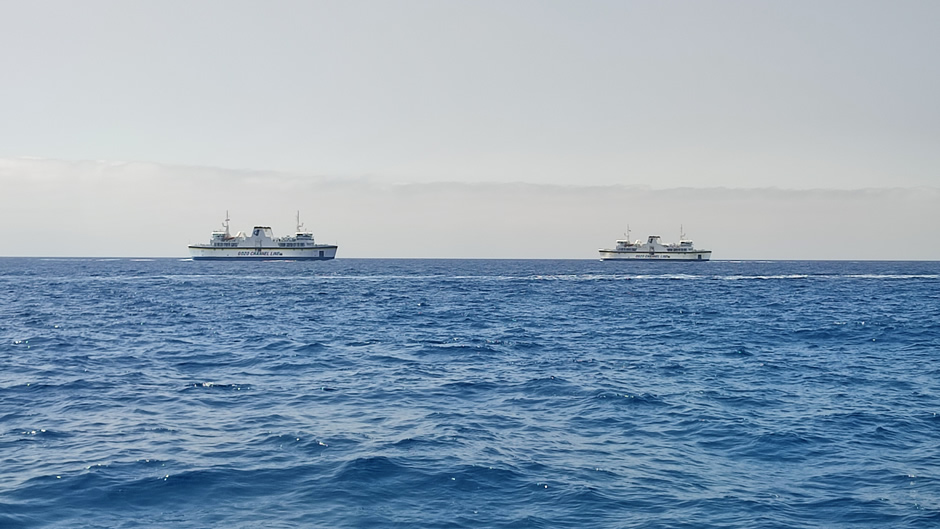
Above: Malta-Gozo Ferries (seen earlier on the trip to Comino)
The journey on a pre-booked tour here began with a coach pickup from the hotel in Sliema, a drive to Malta’s Ċirkewwa port, then a short car ferry crossing to Mġarr Harbour on Gozo (as a foot passenger) before getting on a coach to tour the island (return journey being the reverse). The crossing offers wide views of the Mediterranean and nearby Comino, often revealing the island’s rugged coastline and clear waters. As the ferry approaches Gozo, the harbour gradually comes into view, framed by sloping hills and fortifications. The crossing itself is an integral part of the experience, creating a sense of transition from the busier main island to Gozo’s more relaxed atmosphere.
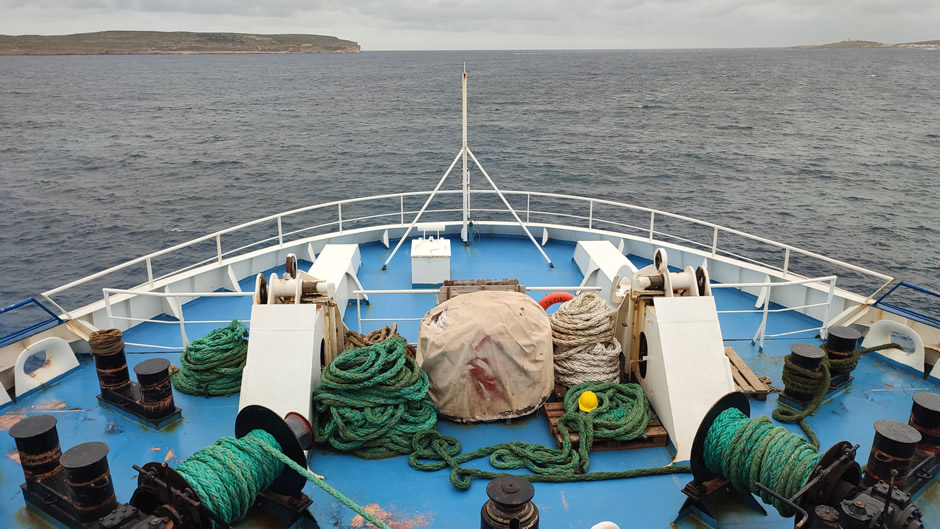
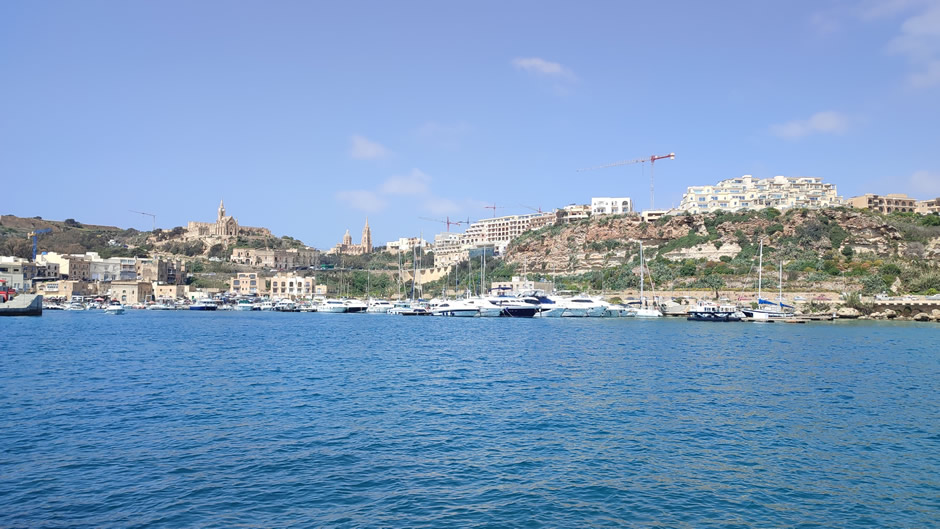
Above: Aboard the ferry to Gozo, and the approach to Mġarr Harbour, Għajnsielem Municipality, Gozo.
Sights seen on Gozo follow:
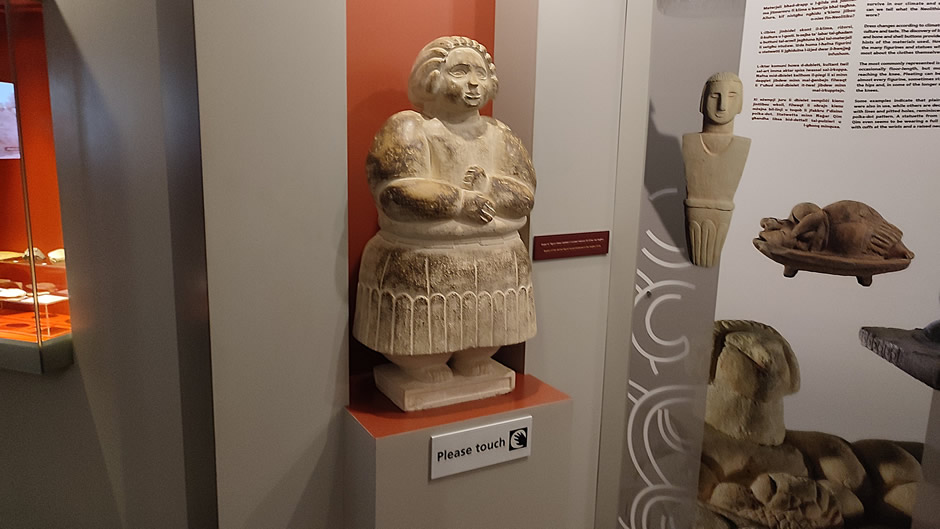
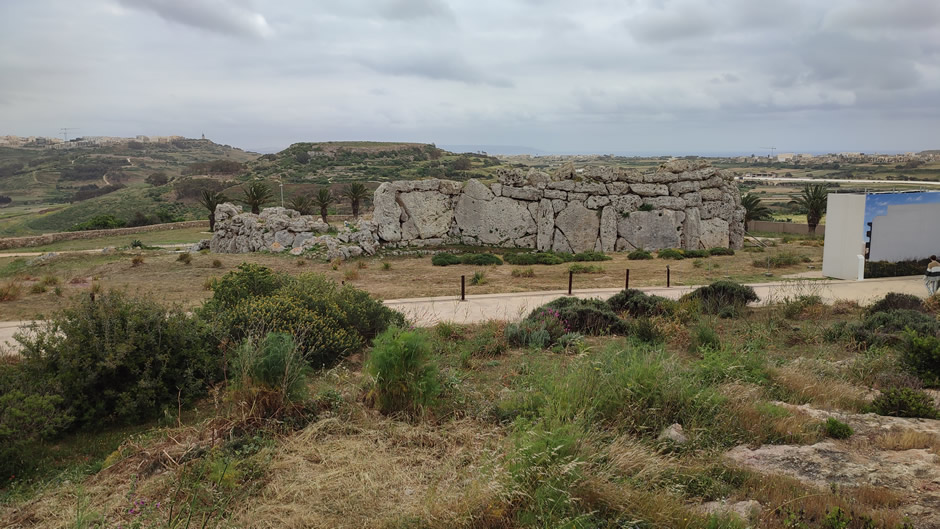
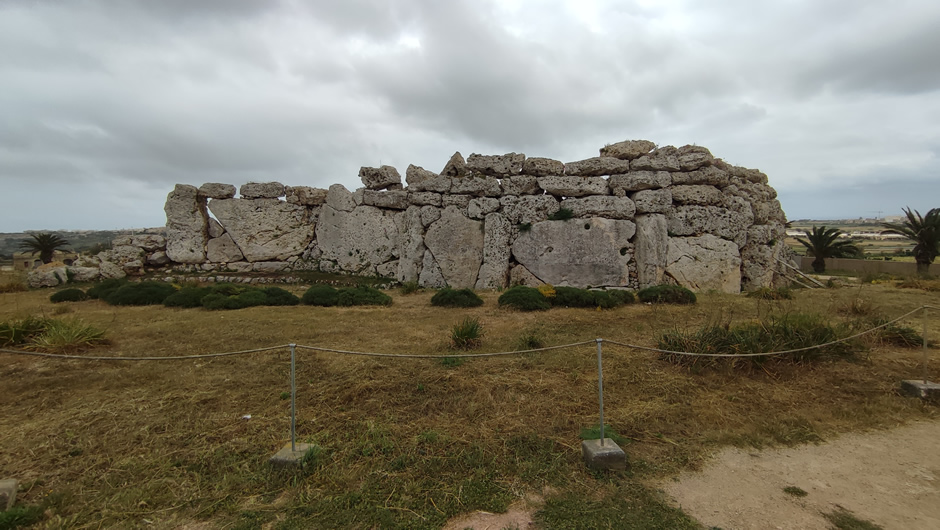
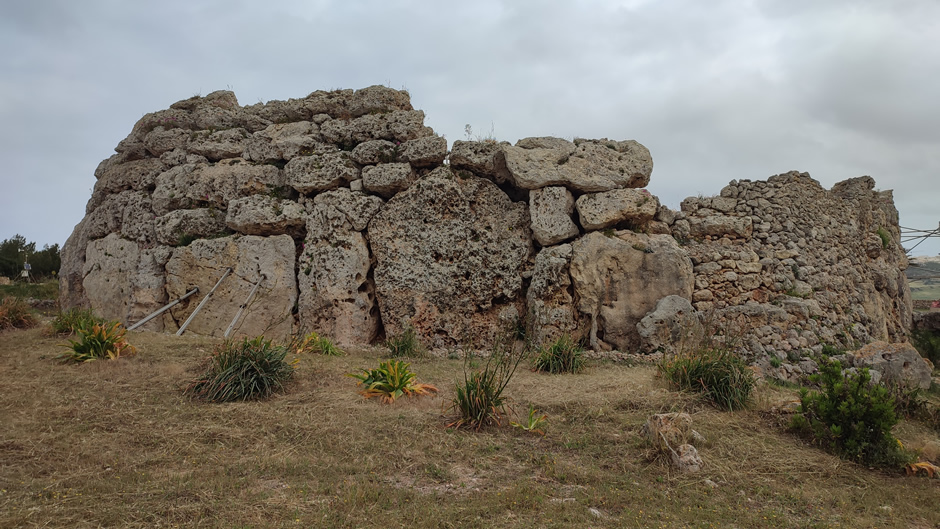
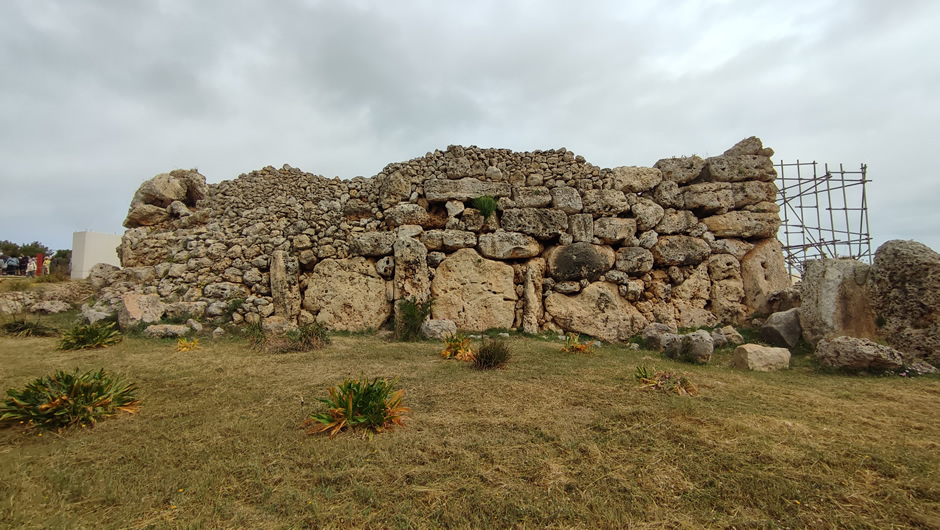
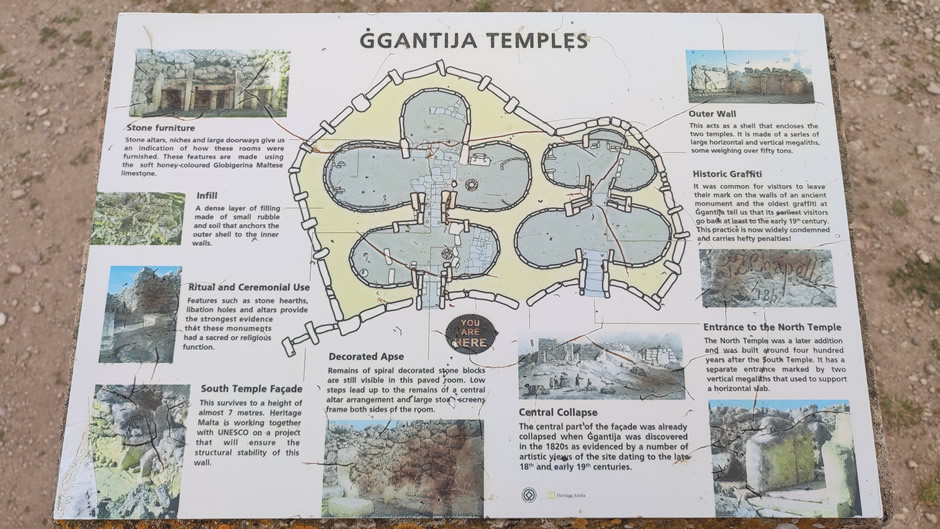
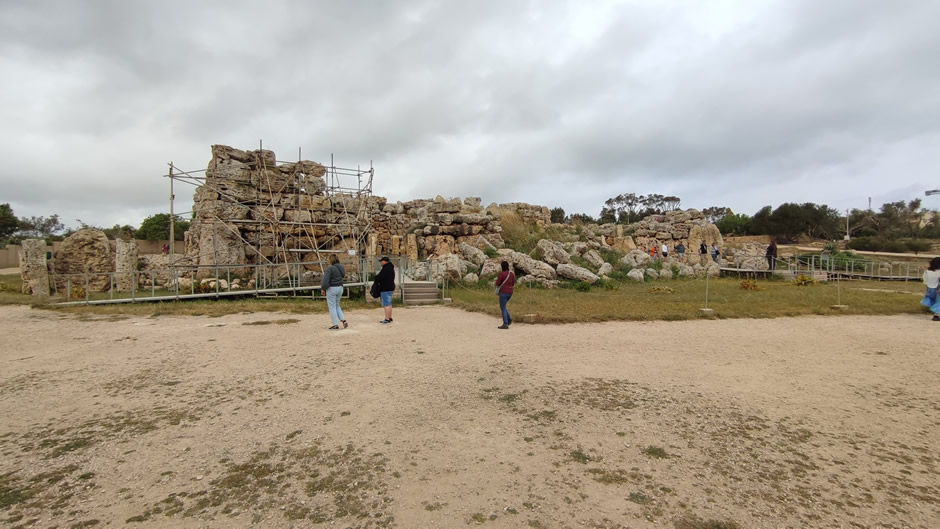
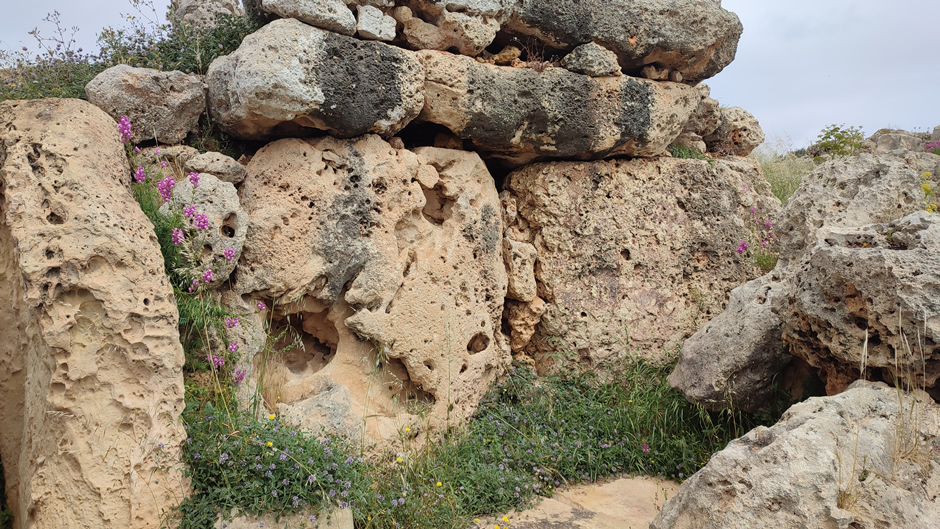
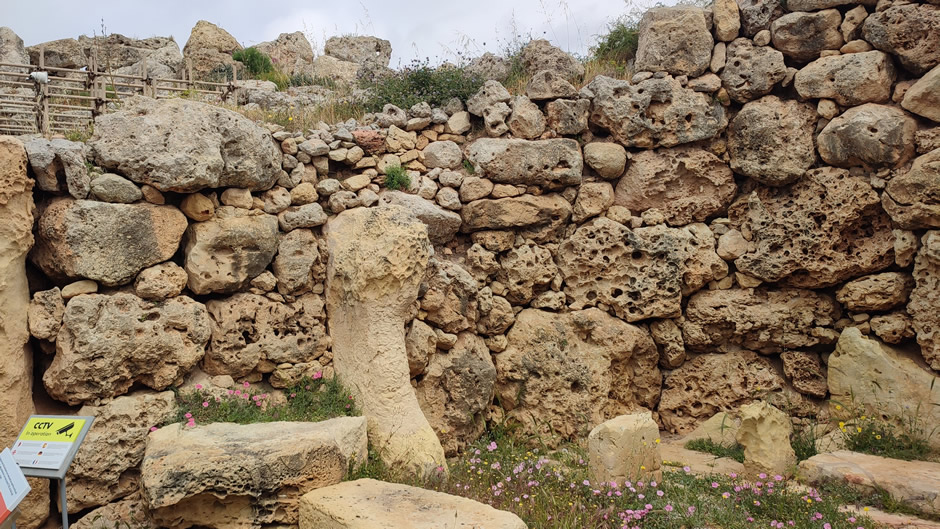
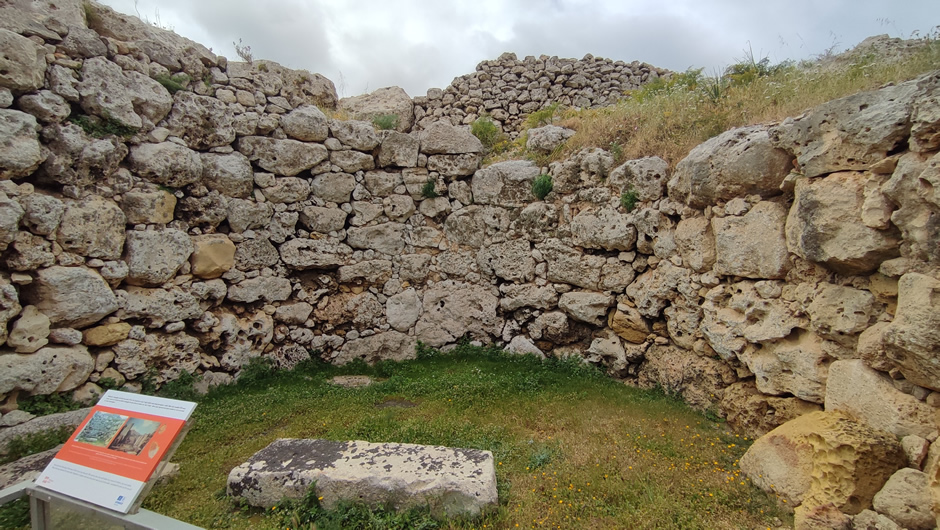
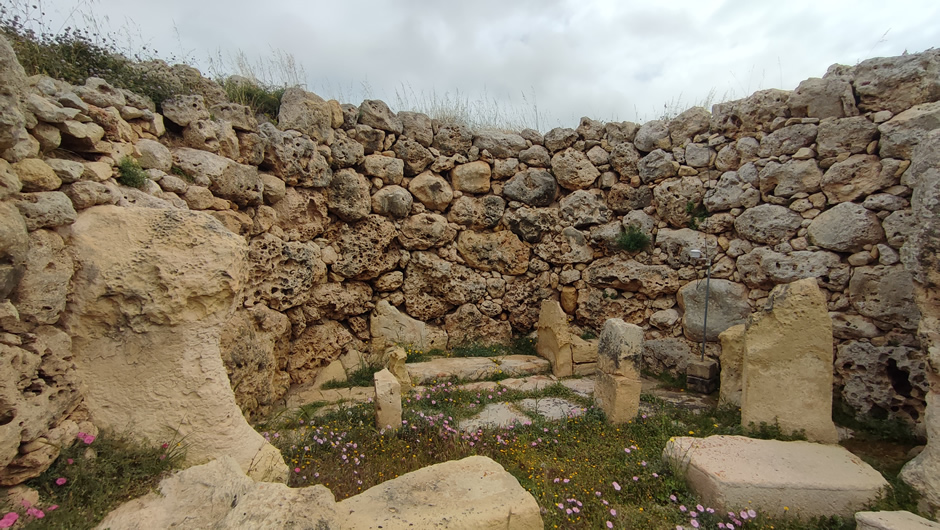
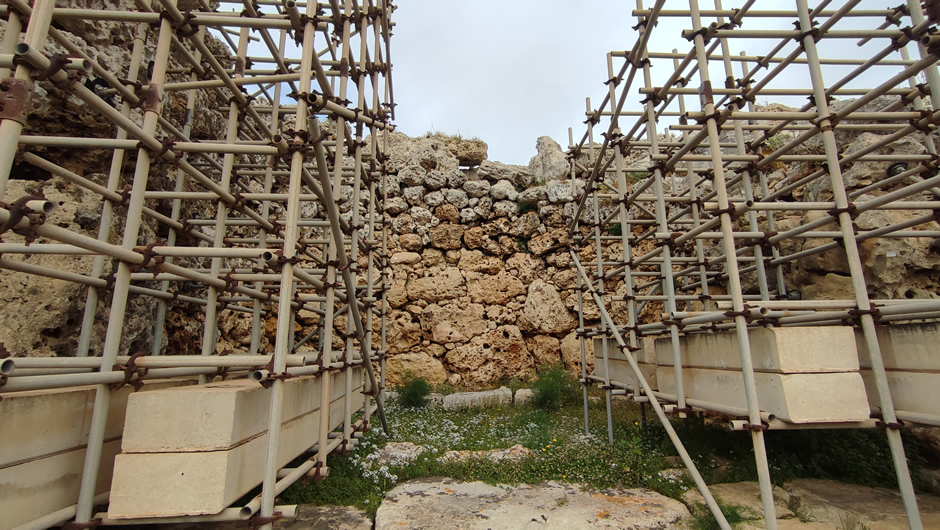
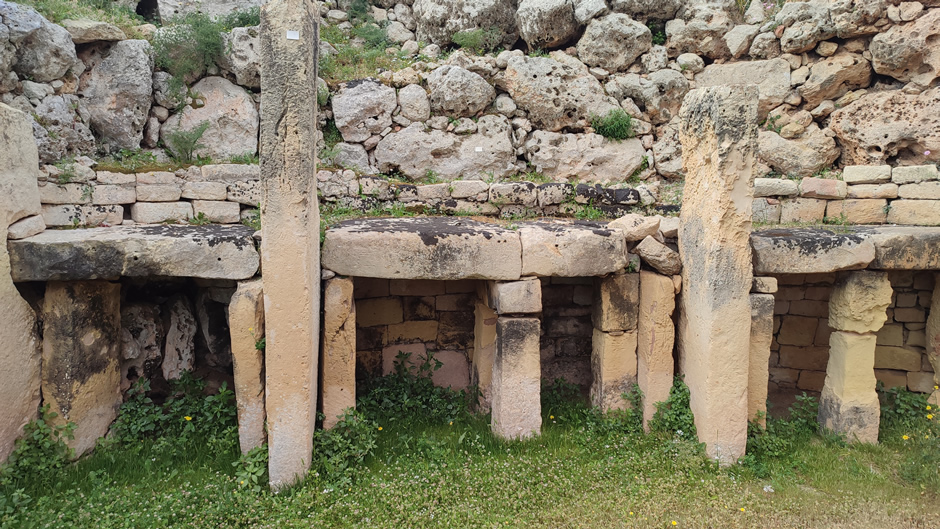
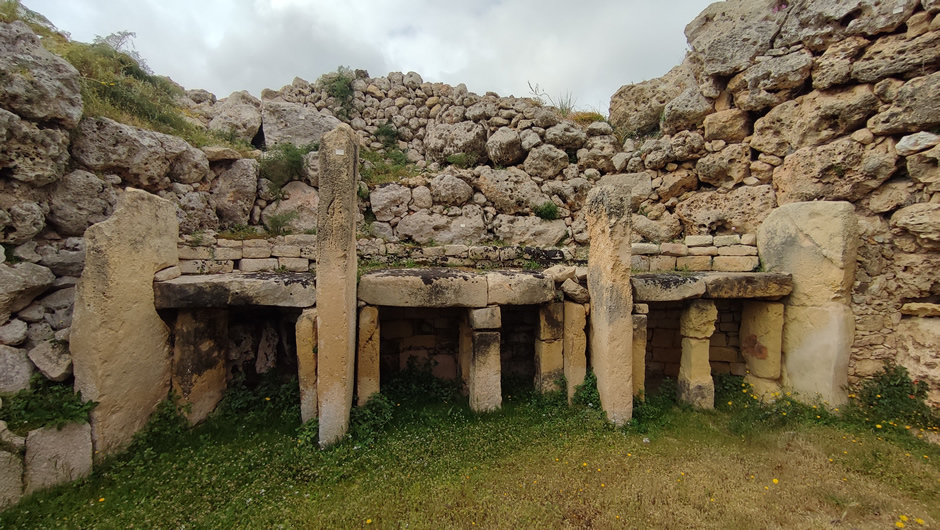
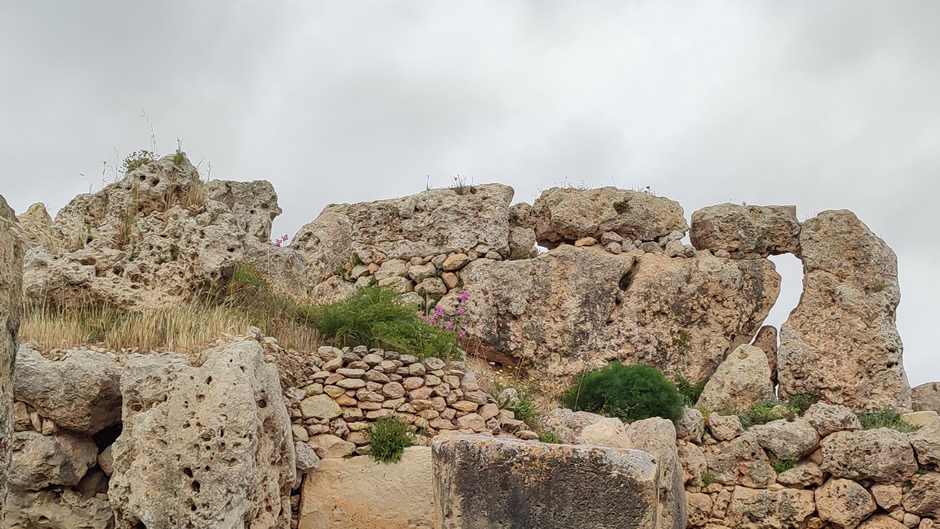
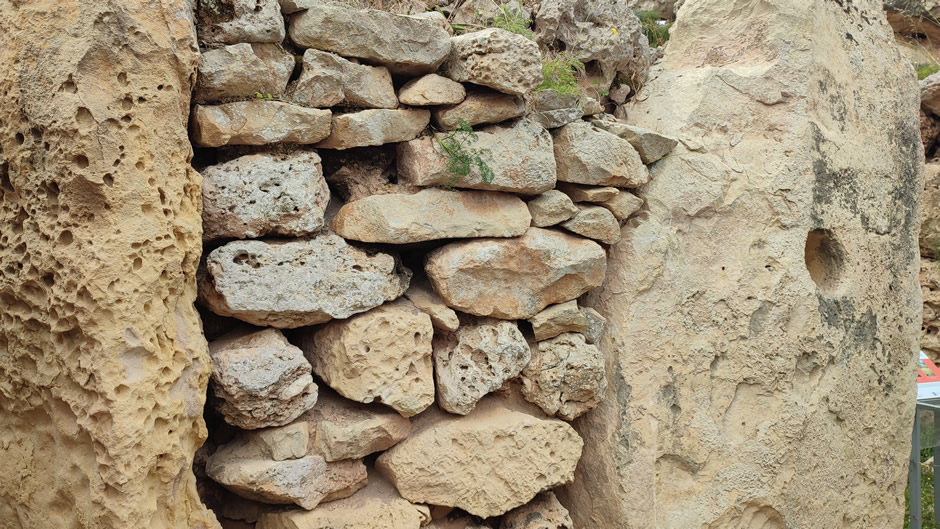
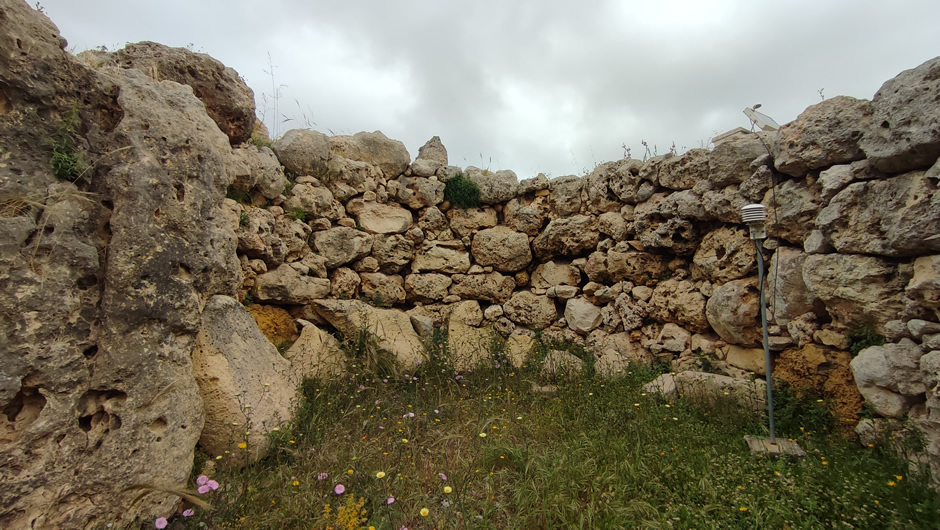
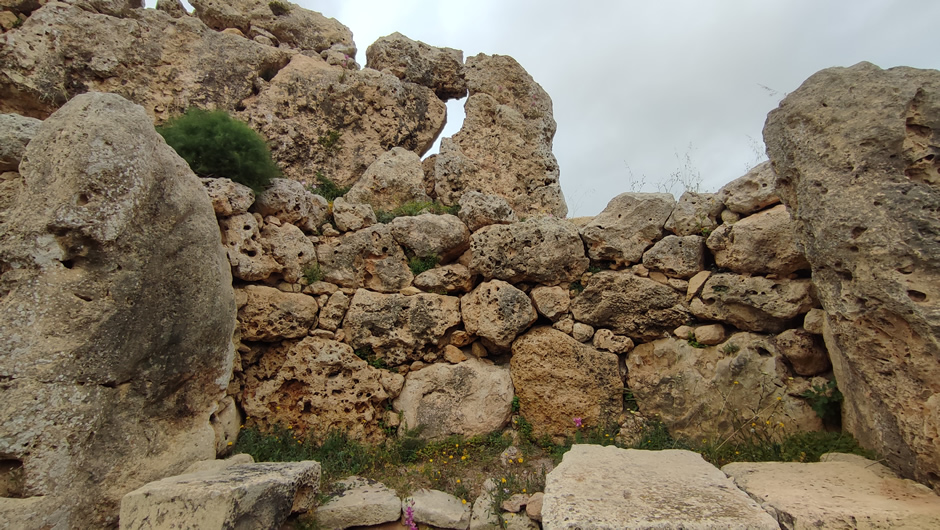
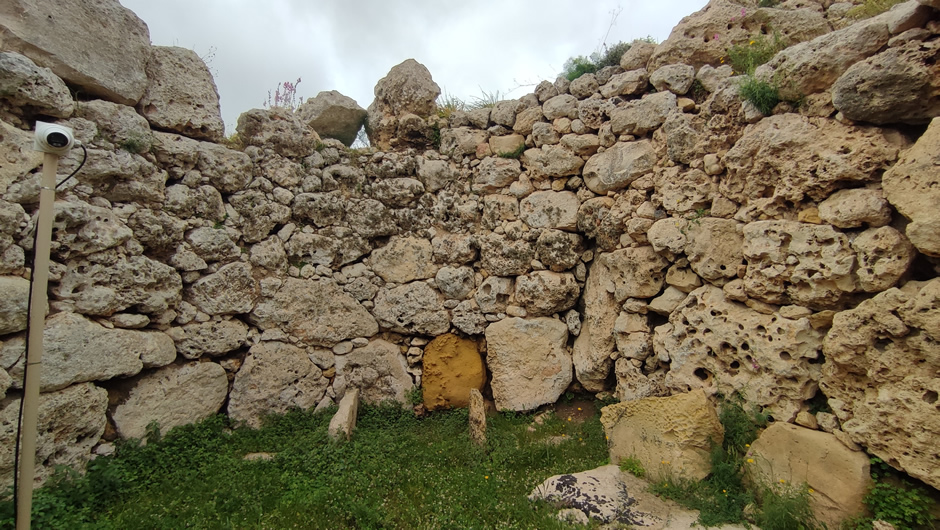
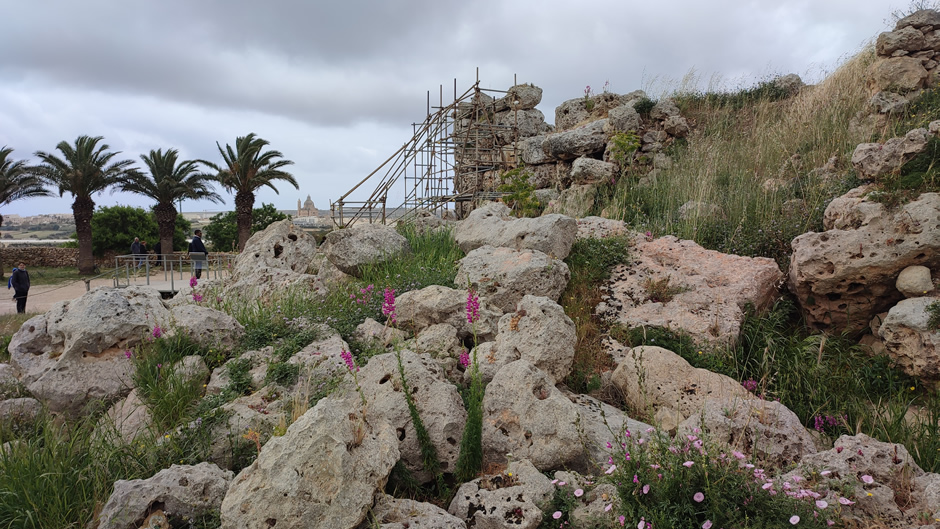
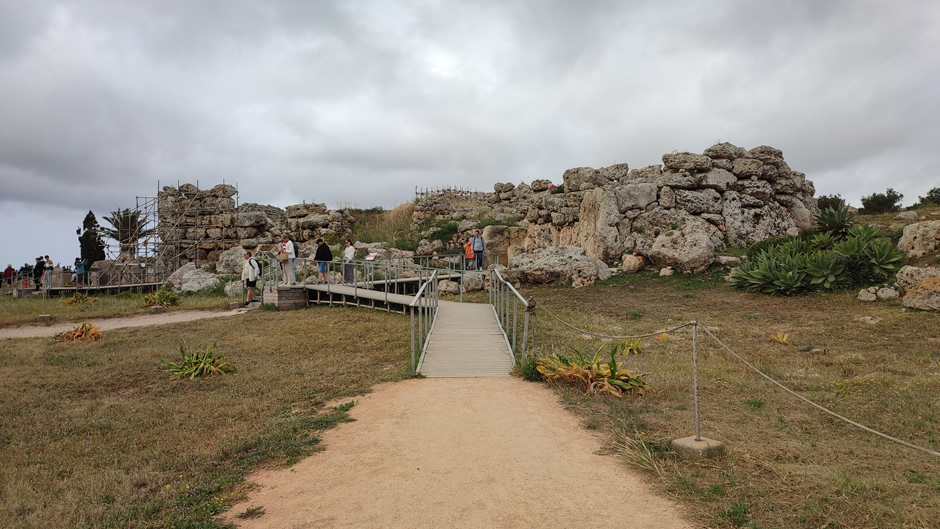
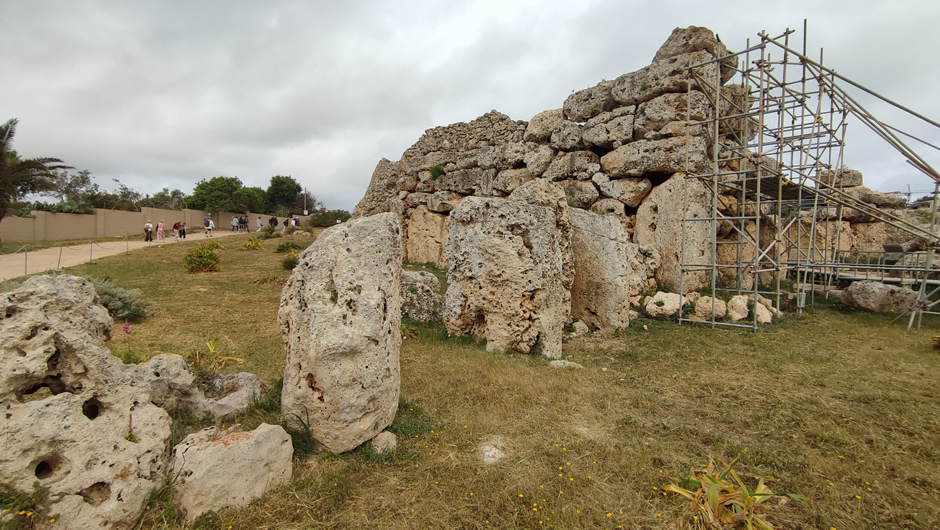
Ġgantija Archaeological Park (shown below) on the island of Gozo is home to one of the world’s oldest freestanding monumental structures, dating to the late 4th millennium BC. The complex consists of two large temple buildings enclosed within a single boundary wall, constructed using massive limestone blocks that demonstrate advanced engineering for the period. The temples follow a multi-apsed plan typical of Malta’s Neolithic architecture, with carefully shaped megaliths forming doorways, altars, and interior chambers. Excavations have revealed evidence of ritual activity, including animal remains and pottery linked to ceremonial use. The scale and age of the structures highlight the cultural and technological achievements of Malta’s early farming communities, making Ġgantija a key site for understanding the island’s prehistoric development.

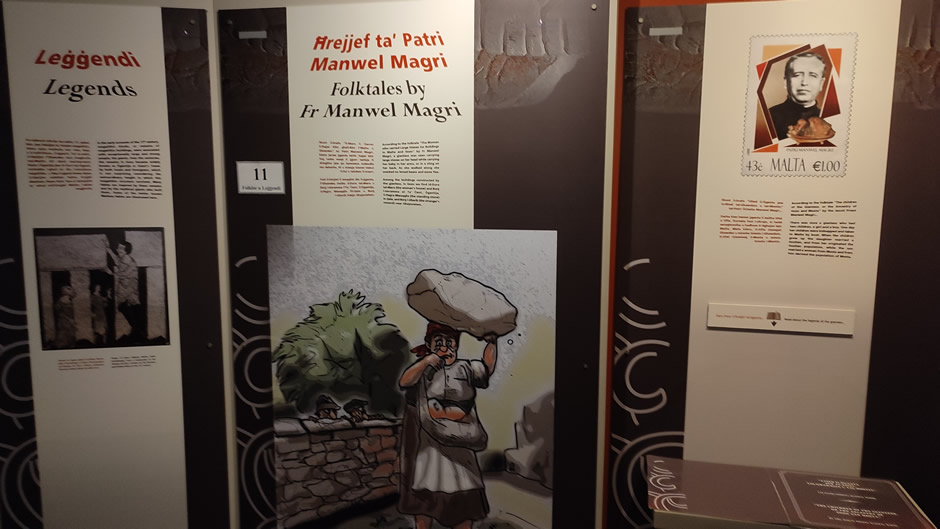
The Gozo Aqueduct
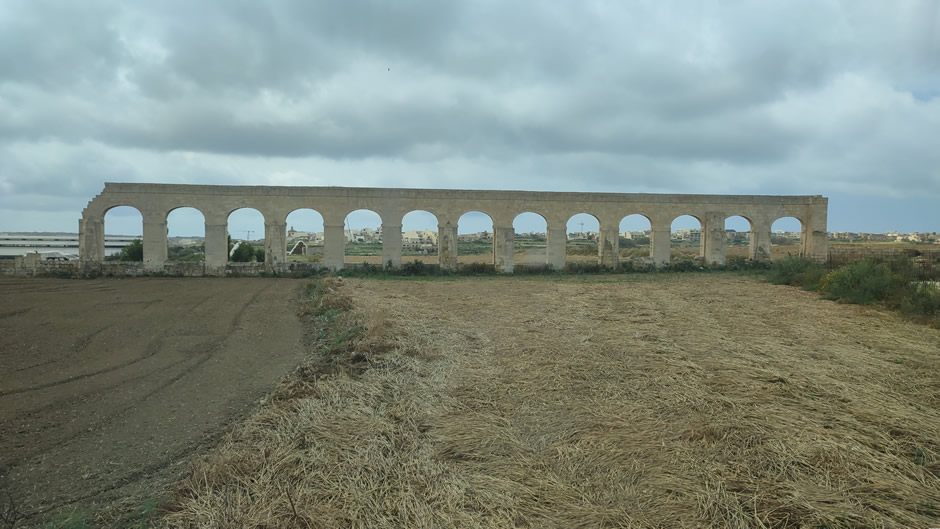
The Gozo Aqueduct (shown below) was a 19th-century engineering project built to carry fresh water from the Għar Ilma springs near Kerċem into Victoria. Completed in the 1840s, it used a series of stone arches, channels, and covered conduits to maintain a steady flow across the island’s hilly terrain. Although it was decommissioned in the early 20th century, several sections of the original arches still stand today, offering a clear view of how water infrastructure shaped Gozo’s development during the British period.
Limestone Quarries of Gozo
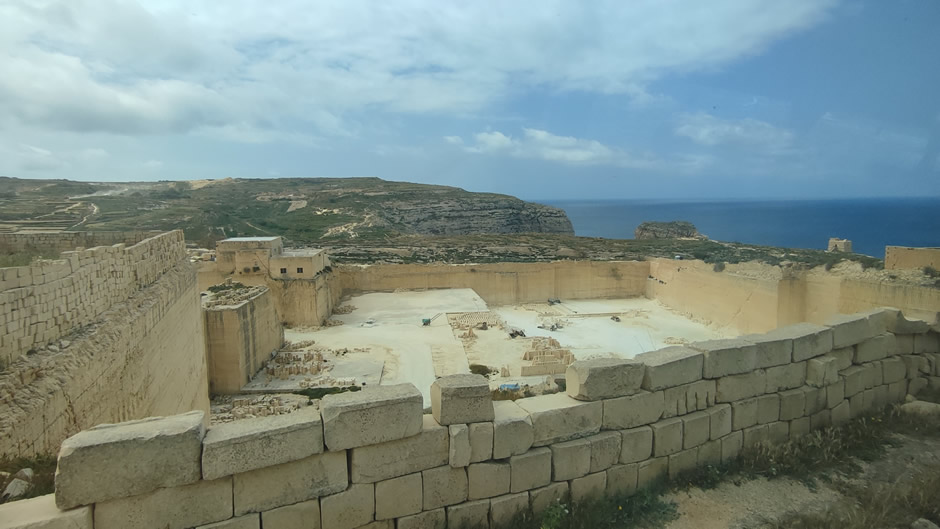
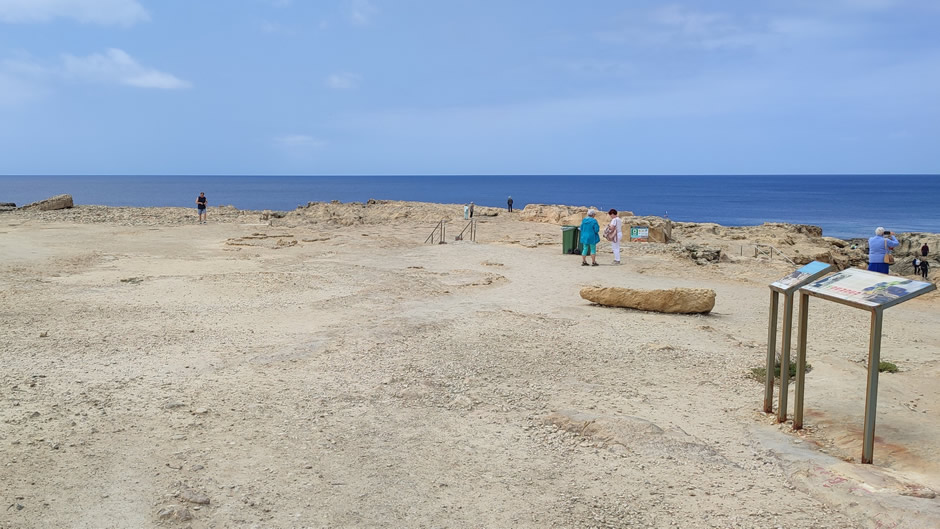
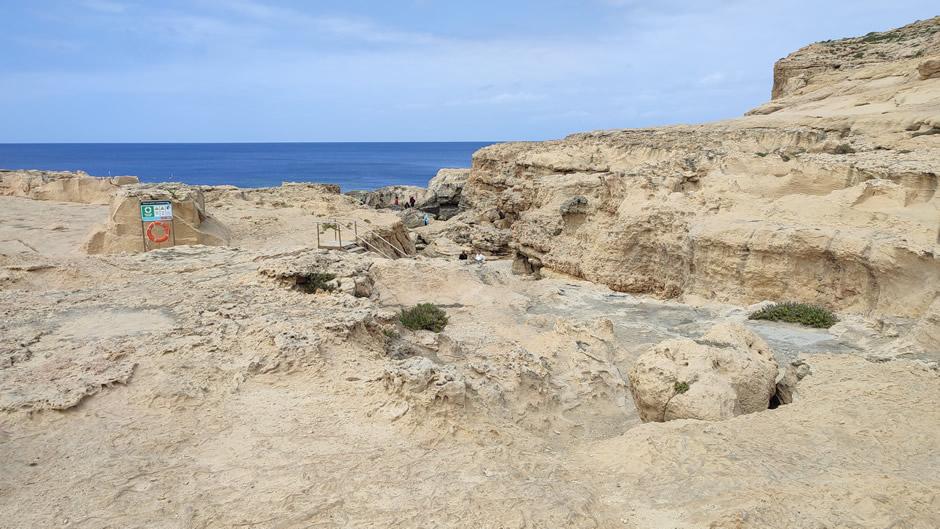
Limestone quarries on Gozo reveal the island’s long tradition of stone cutting, with exposed beds showing the pale Globigerina and harder coralline layers used in Maltese construction for centuries. The quarry near Dwejra, pictured below, shows the typical stepped faces and rectangular cut marks where blocks have been extracted directly from the bedrock. These open-air sites highlight how Gozo’s geology has shaped both its landscape and its architectural heritage, leaving behind striking geometric forms against the natural terrain.
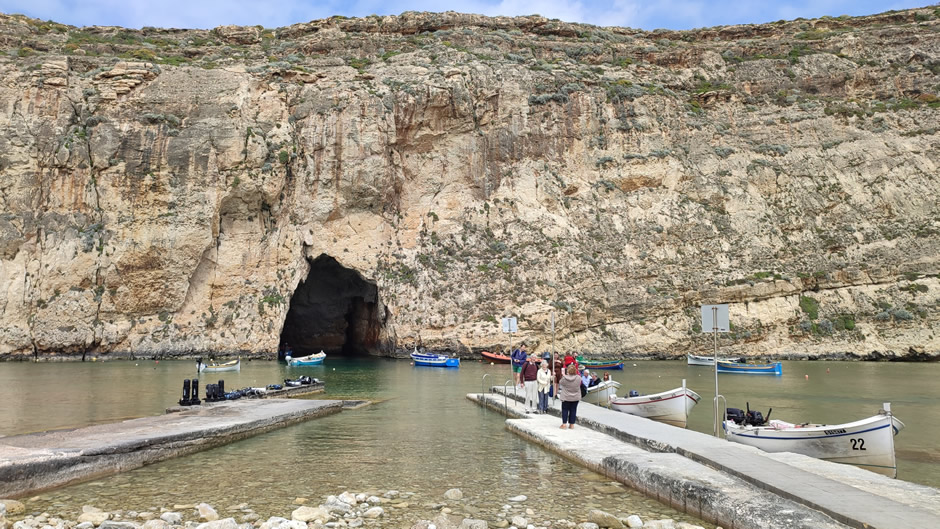
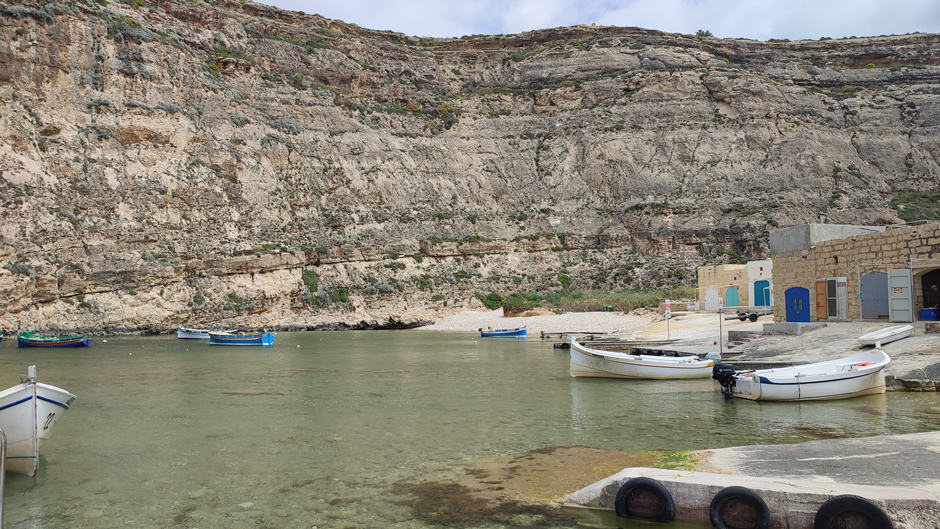
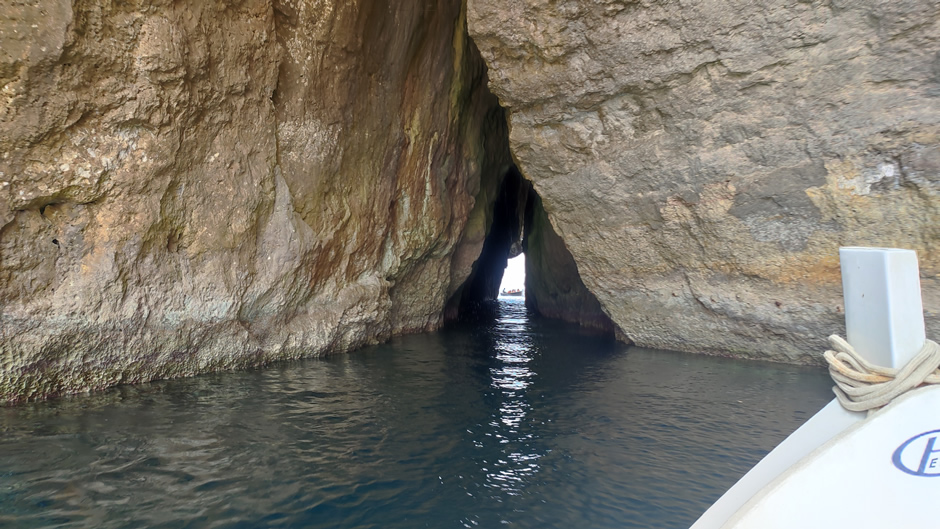
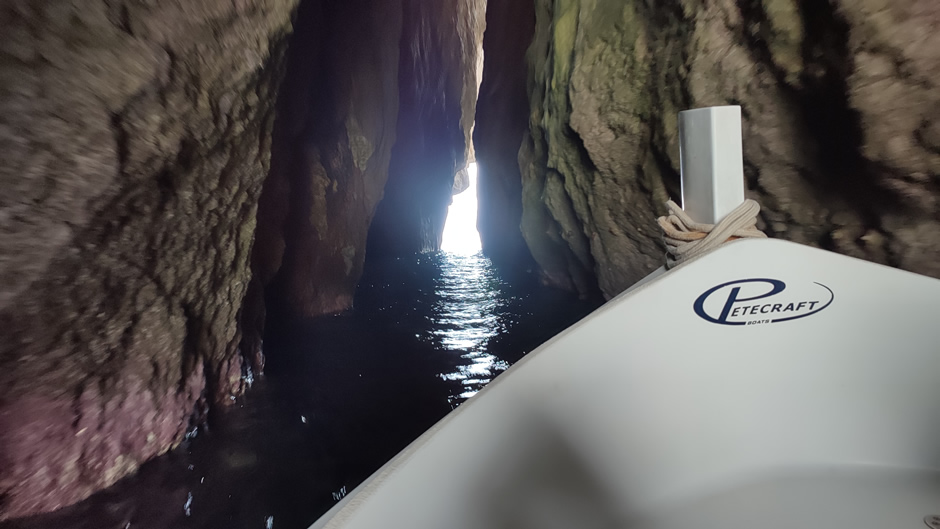
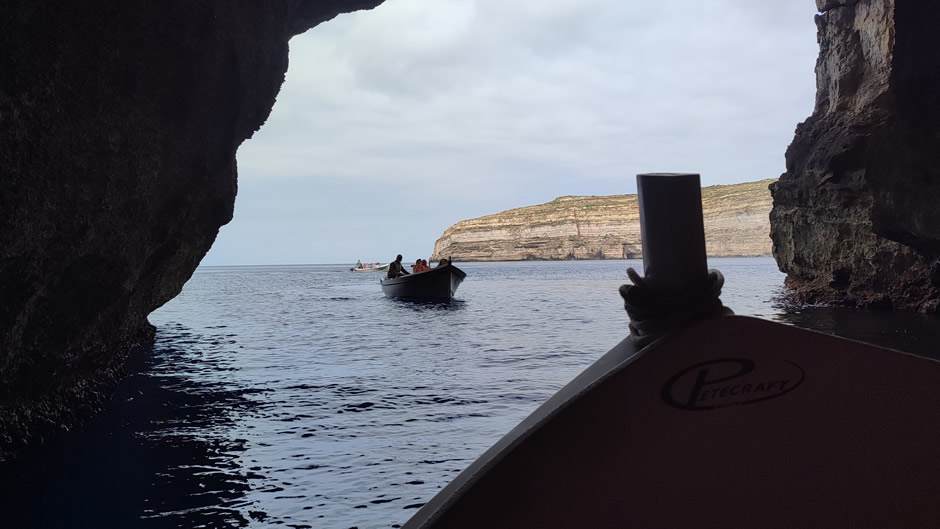
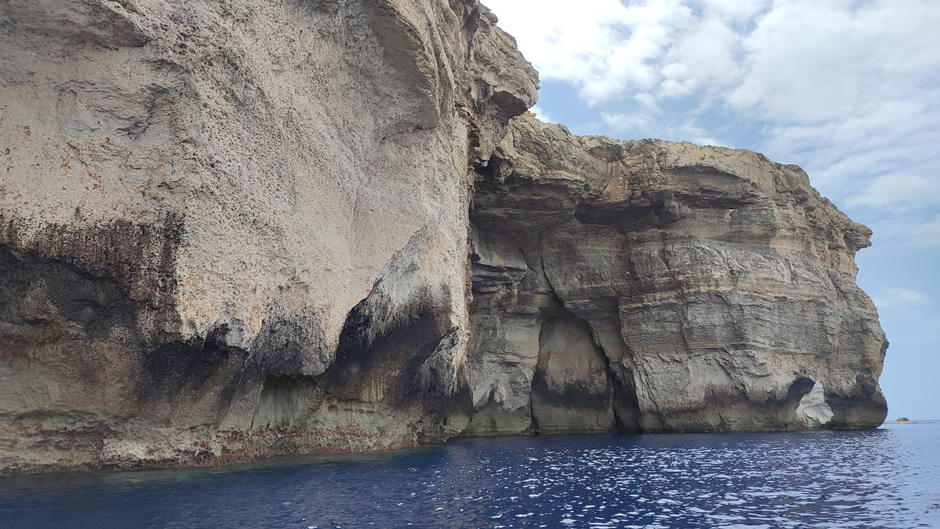
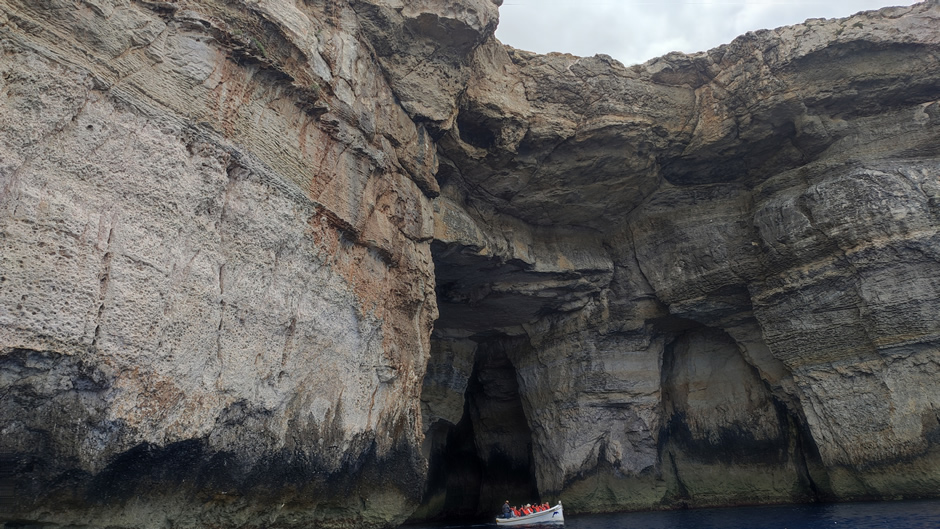
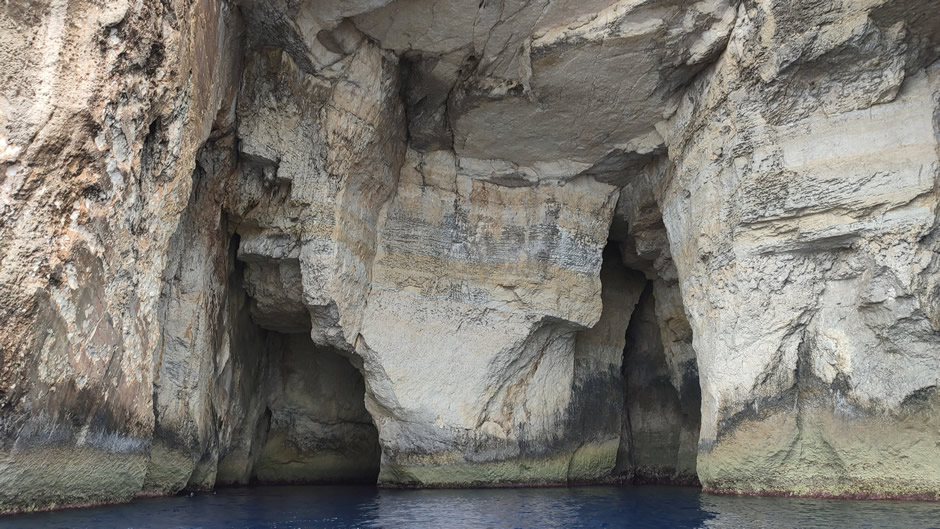
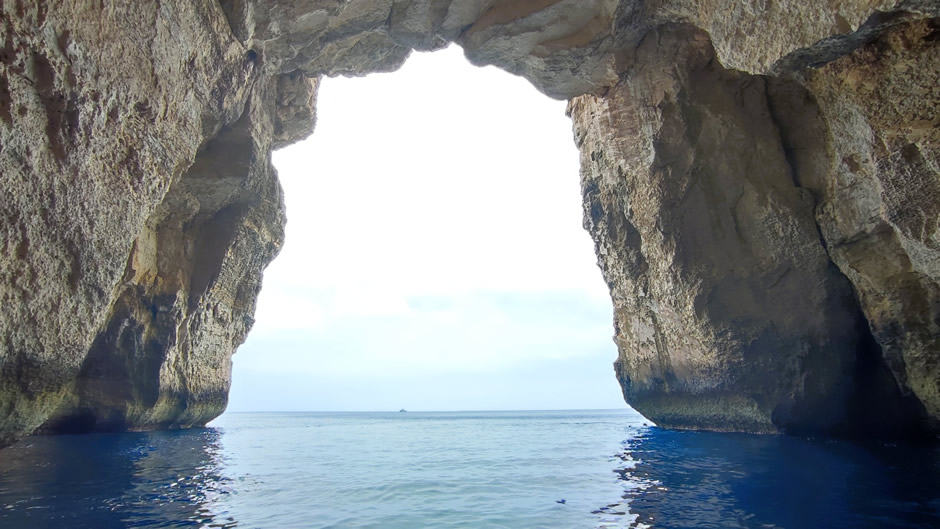
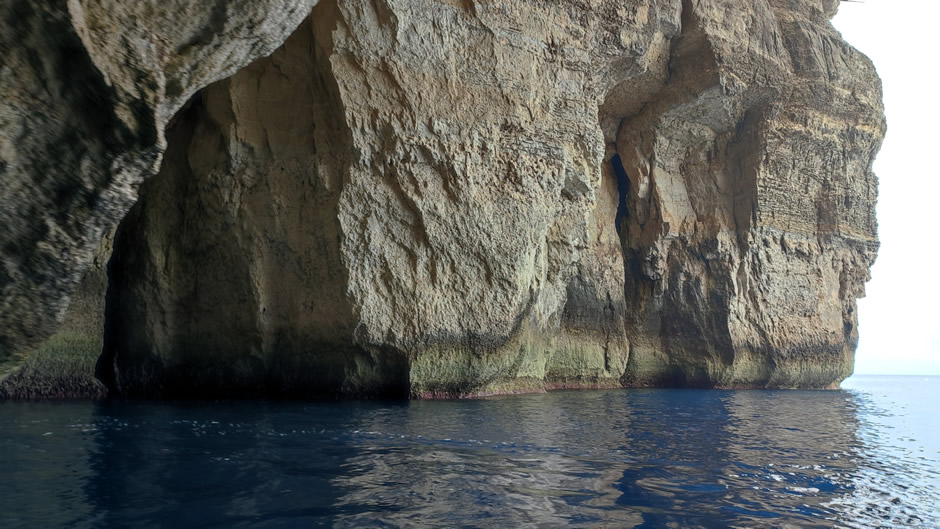
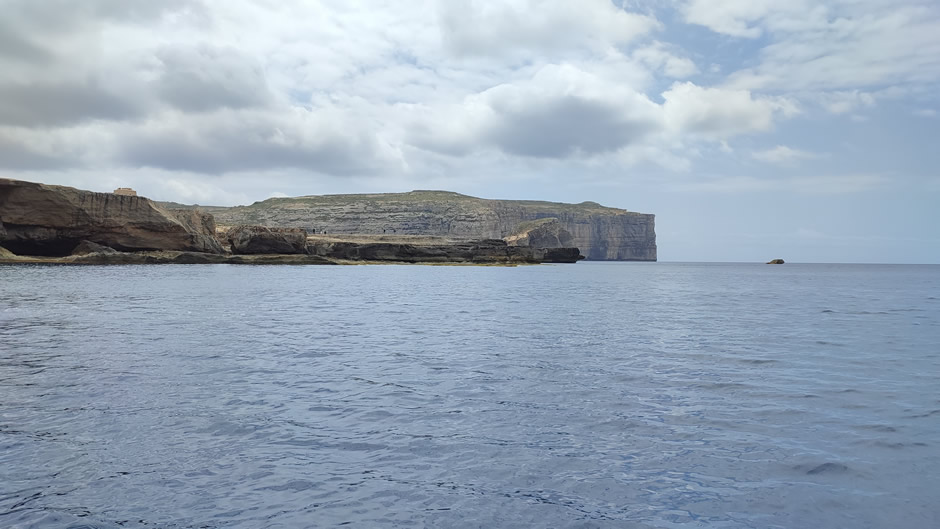
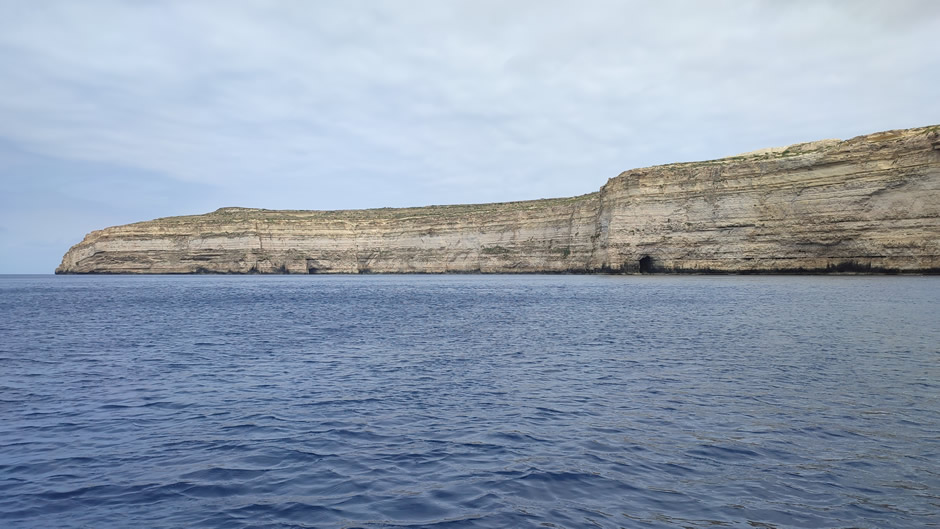
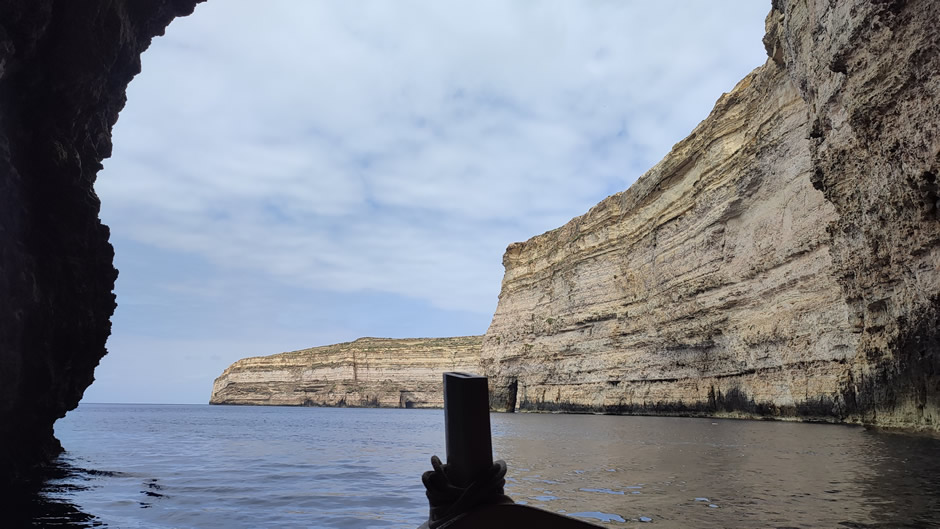
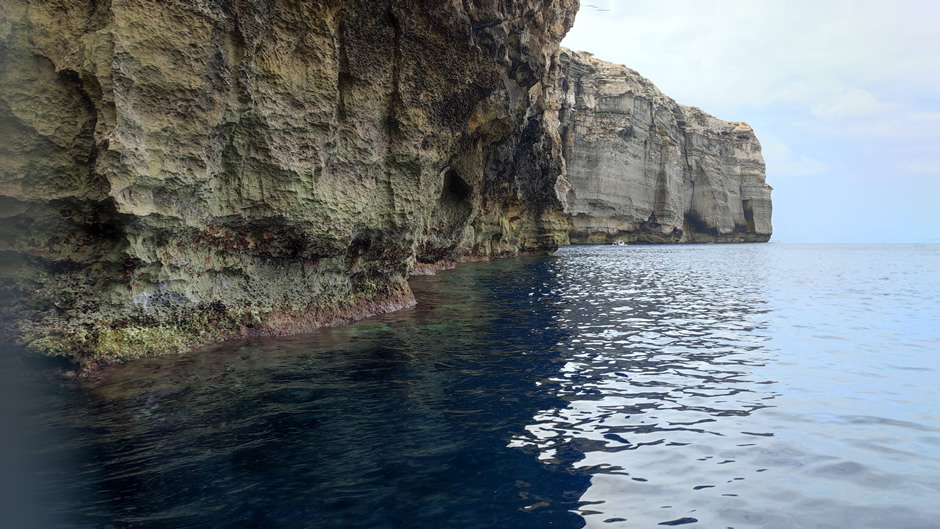
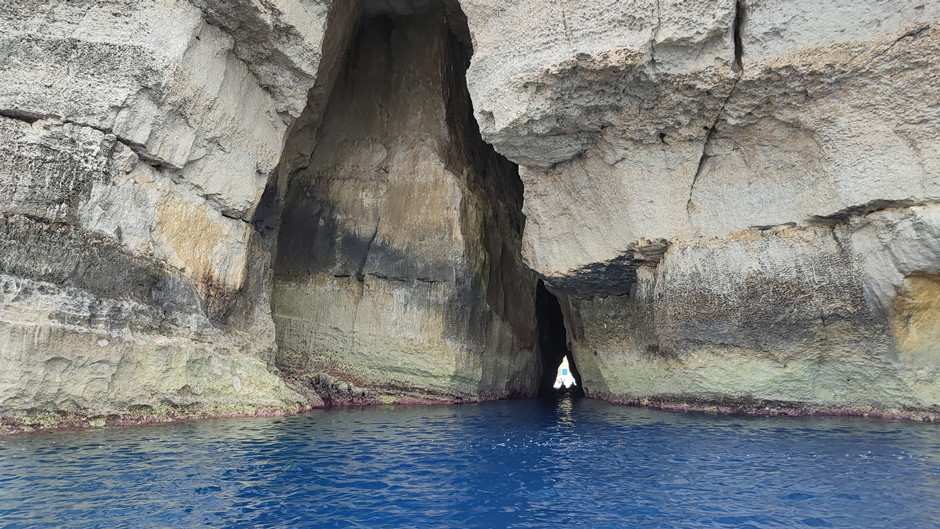
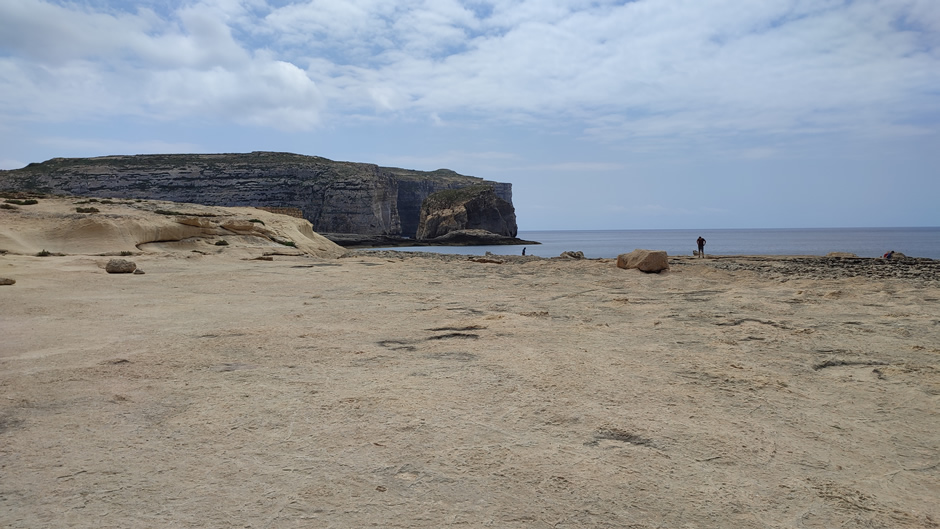
The Dwejra area (shown below) is one of Gozo’s most striking natural landscapes, where sheer cliffs meet the open sea. It was once home to the famous Azure Window, a limestone arch that collapsed during a storm in 2017, leaving behind a dramatic seascape. The site remains captivating, with the Inland Sea providing access to the open water through a narrow tunnel carved into the rock. Small boats pass through this passage into a network of caves and towering formations, offering a close-up view of the island’s coastal geological features and the powerful forces that shaped them. Dwejra Cliffs also contain clear fossil-rich limestone beds that record Miocene marine life and make the area one of Malta’s key palaeontological sites. Photos, including from the boat ride follow:
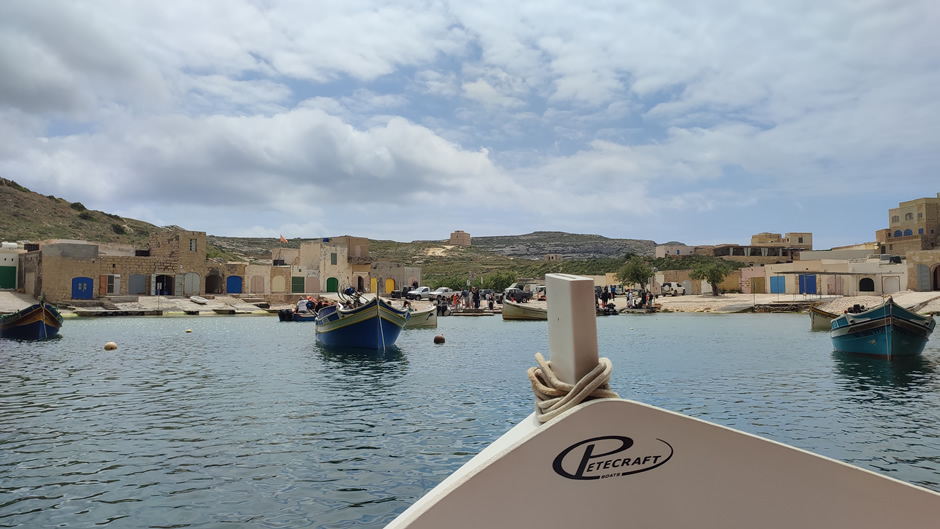
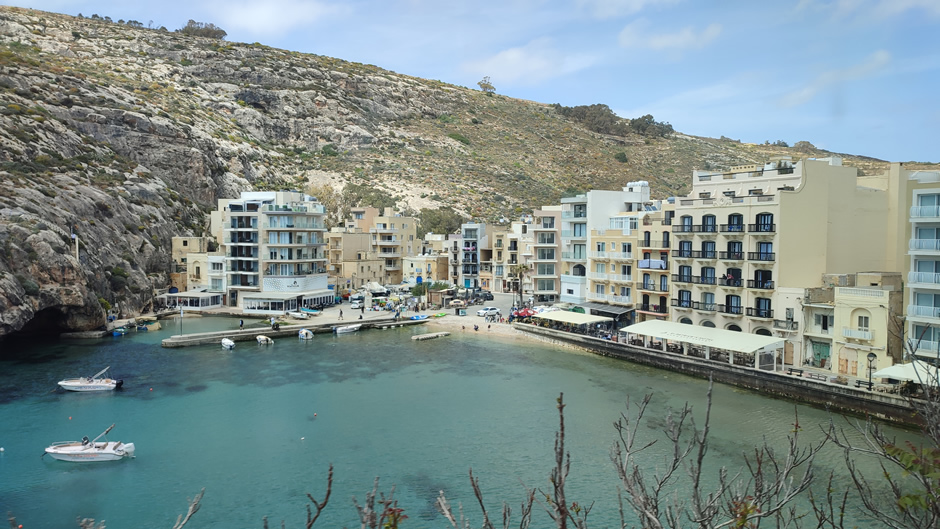
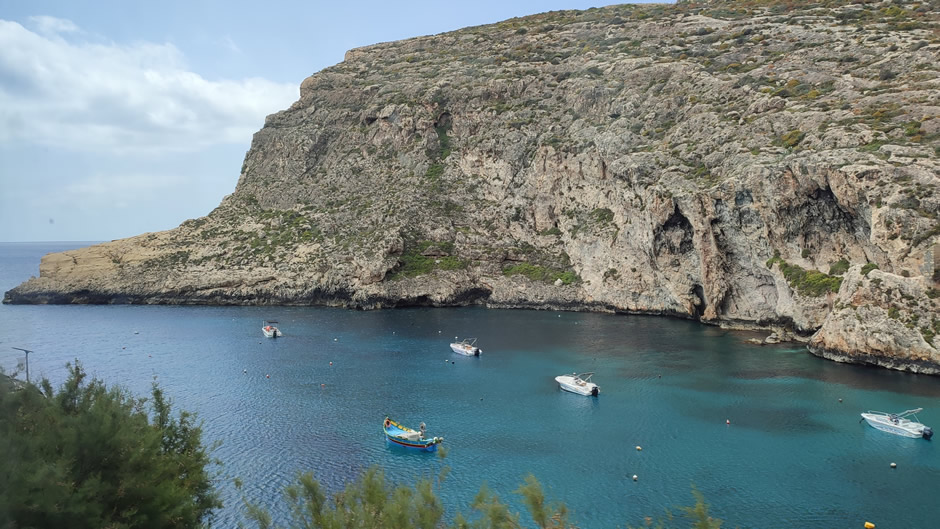
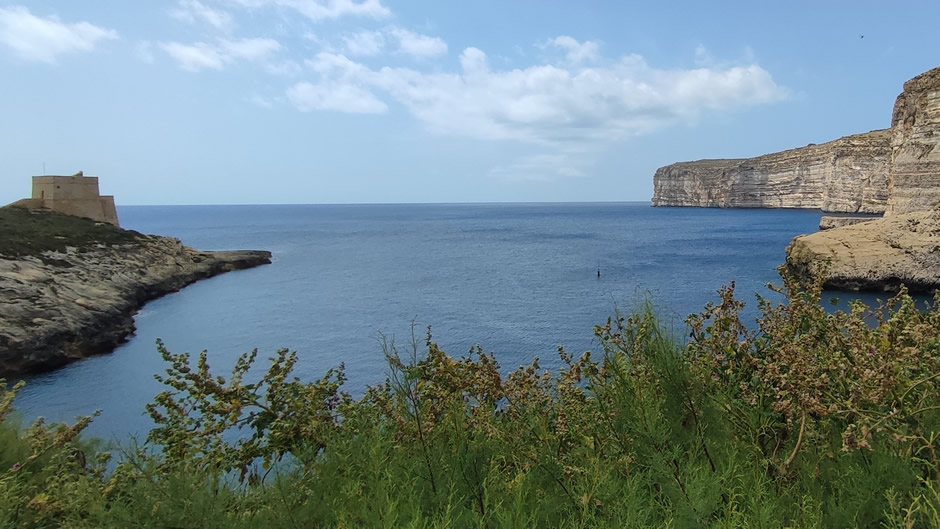
Xlendi is a small coastal village nestled at the end of a steep-sided bay on Gozo’s southwest coast. Once a fishing port, it has grown into a peaceful seaside destination while retaining its charm. The narrow inlet is lined with cliffs and a modest promenade, with clear waters that attract swimmers and divers. Traditional boats can still be seen in the bay, and the surrounding cliffs provide walking paths with views over the Mediterranean. Xlendi’s relaxed setting makes it a popular place to unwind.
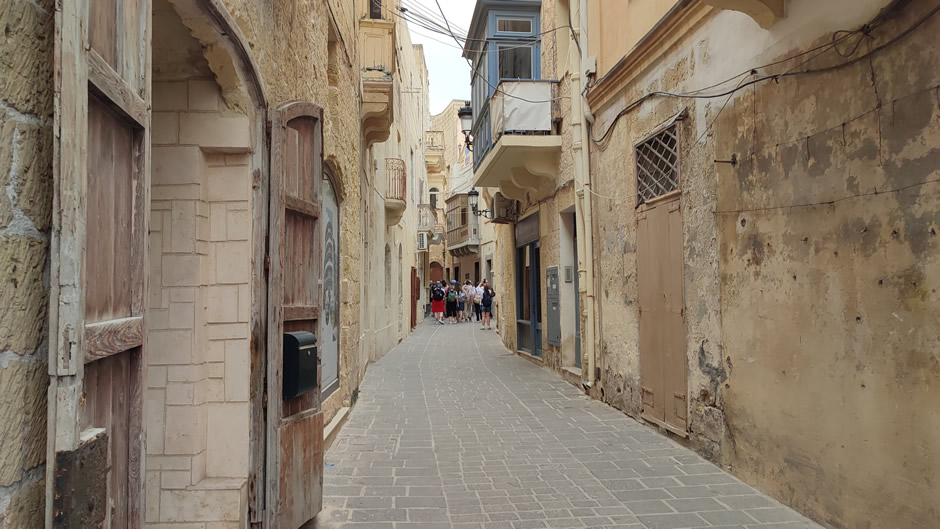
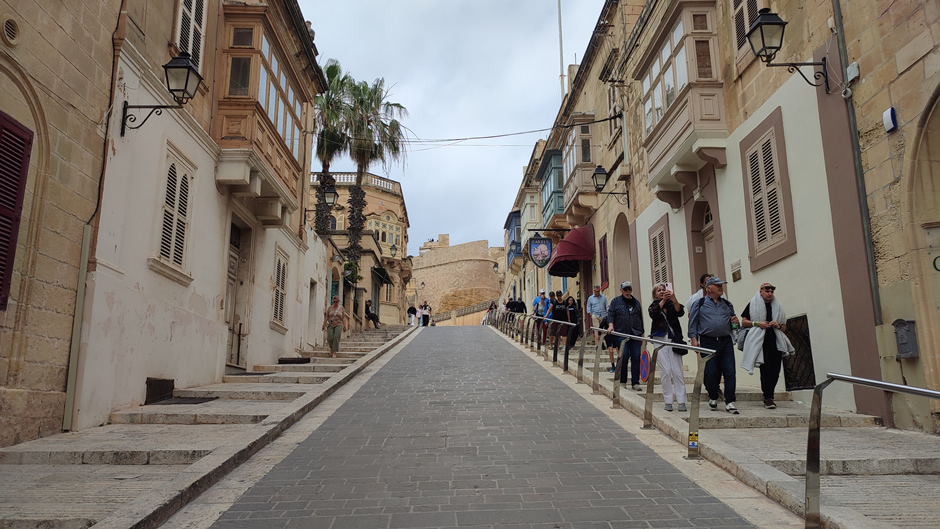
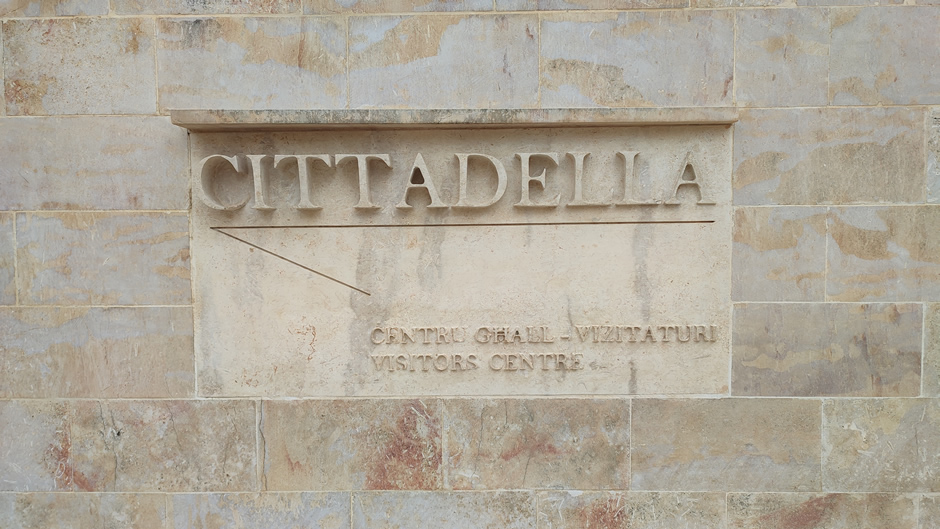
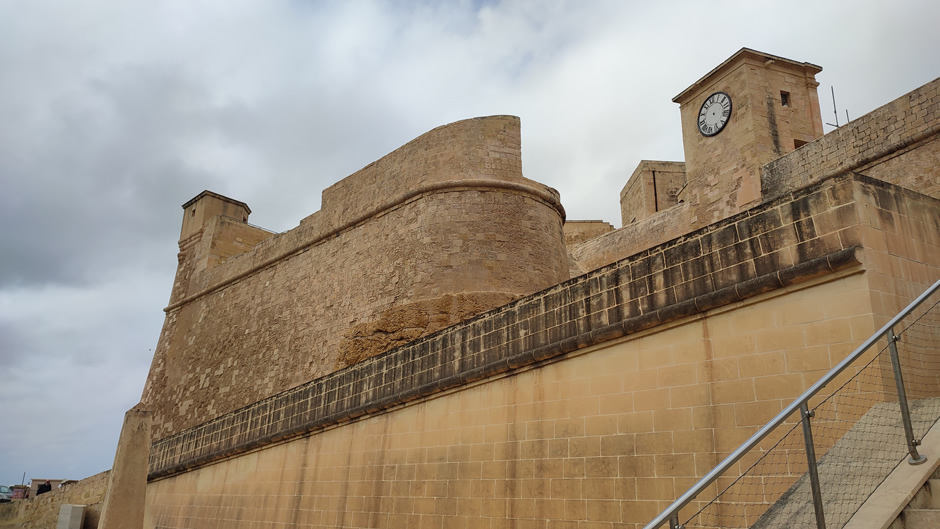
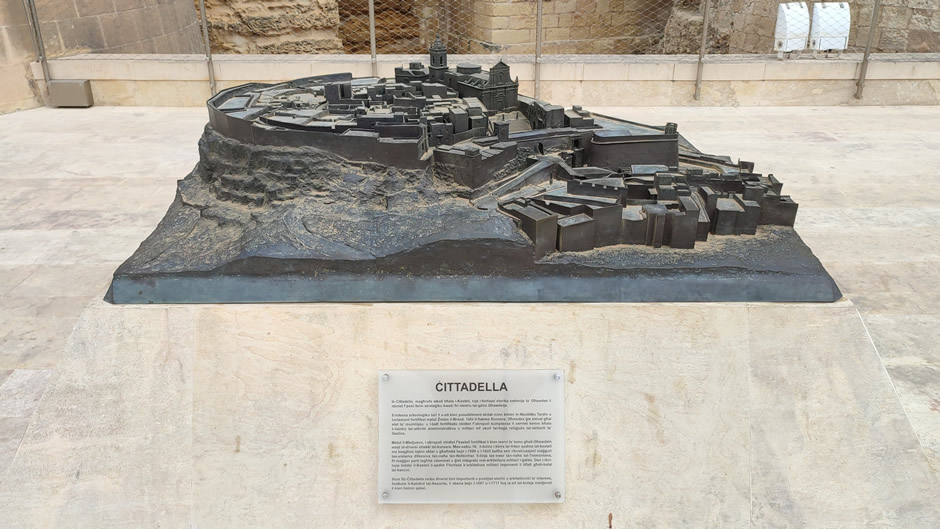
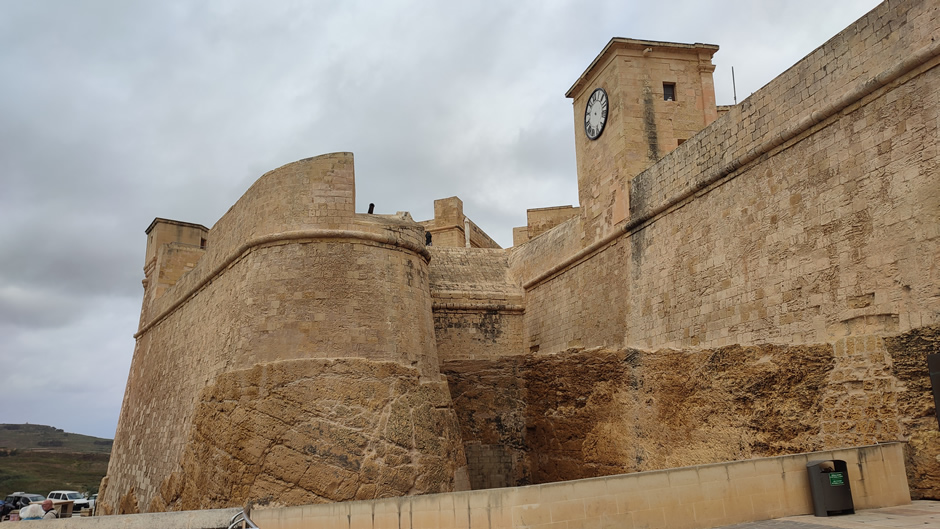
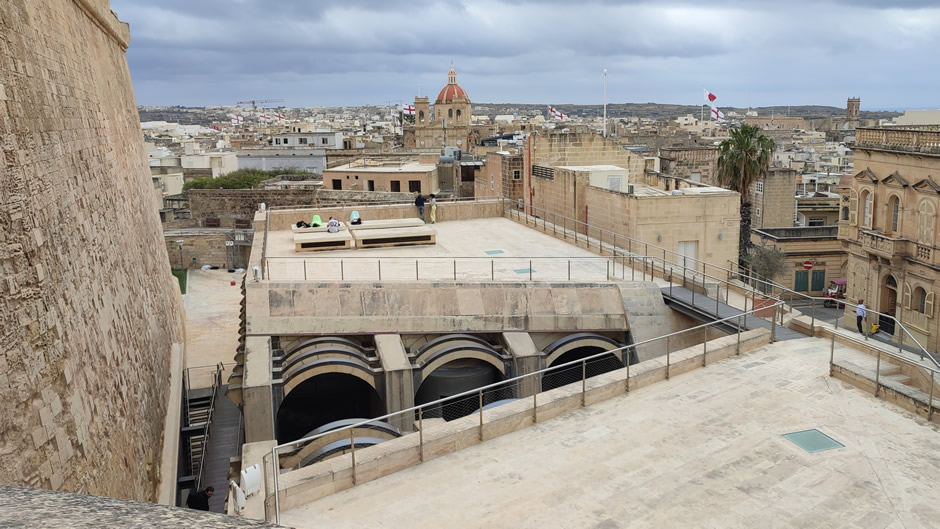
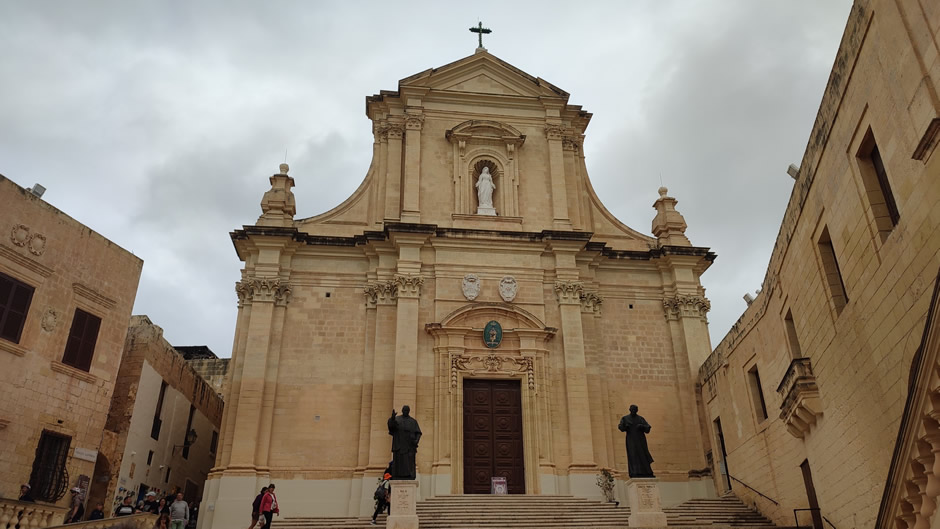
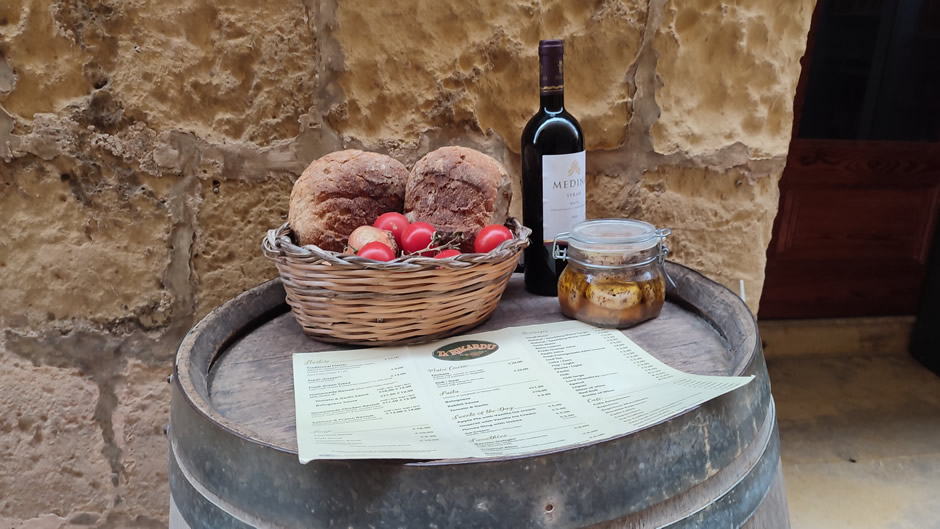
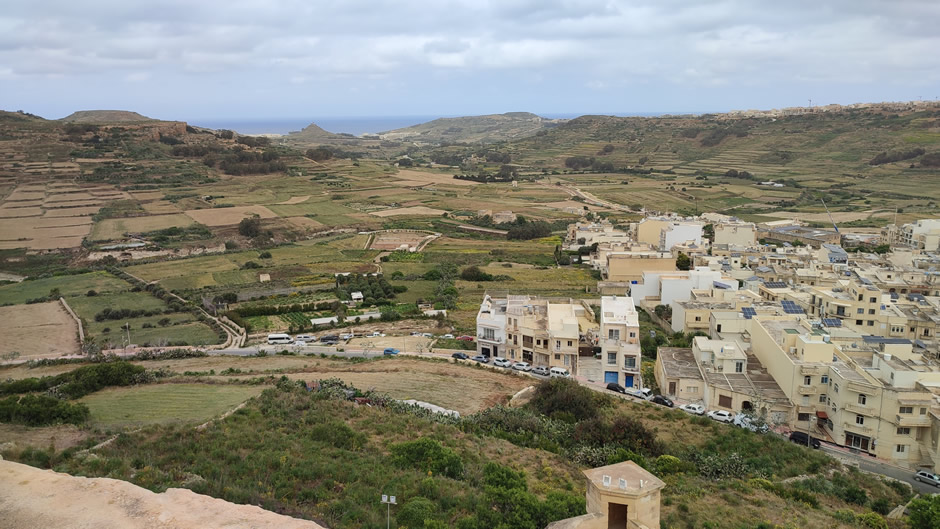
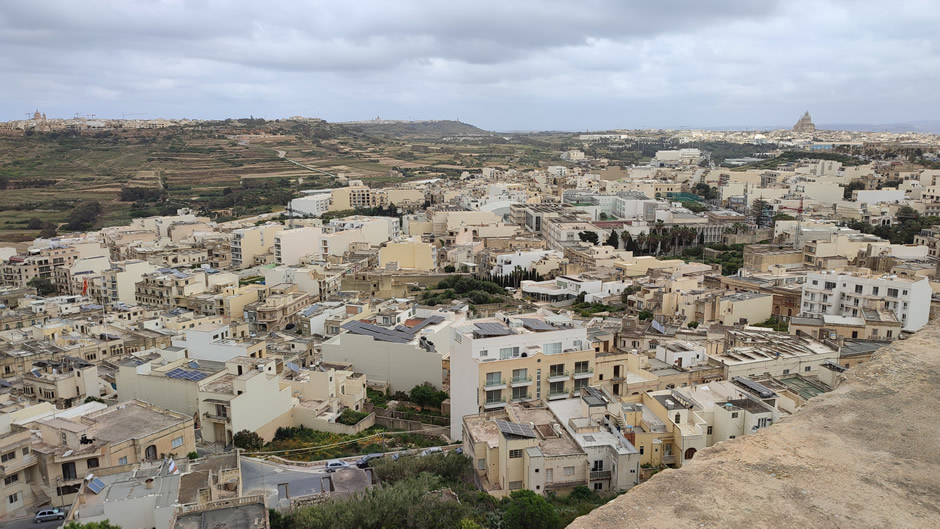
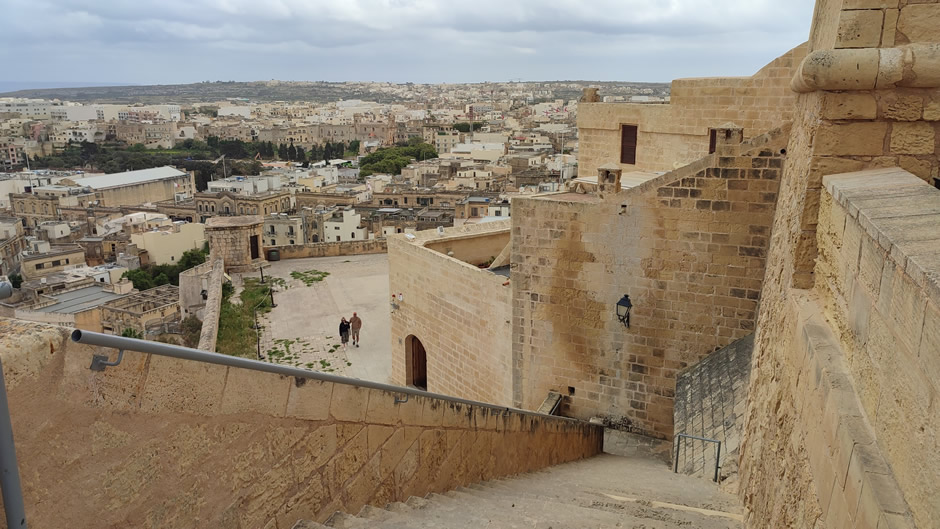
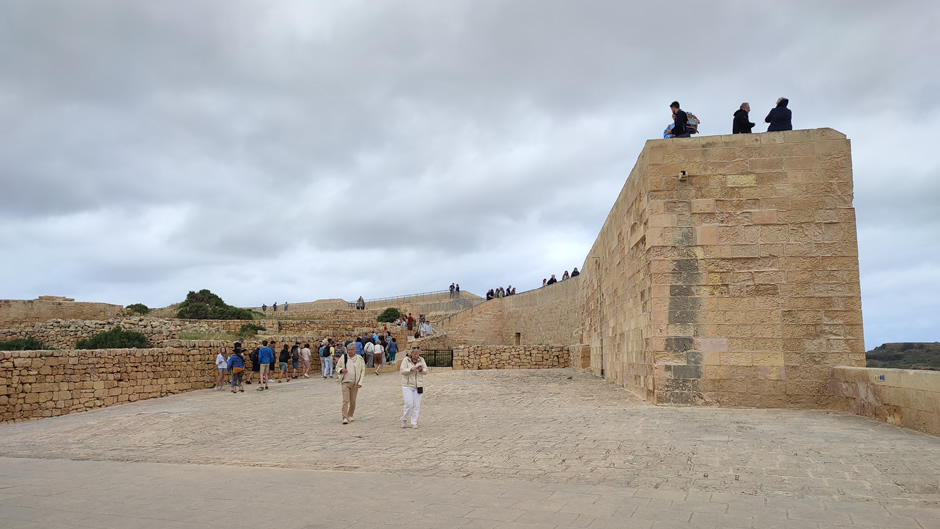
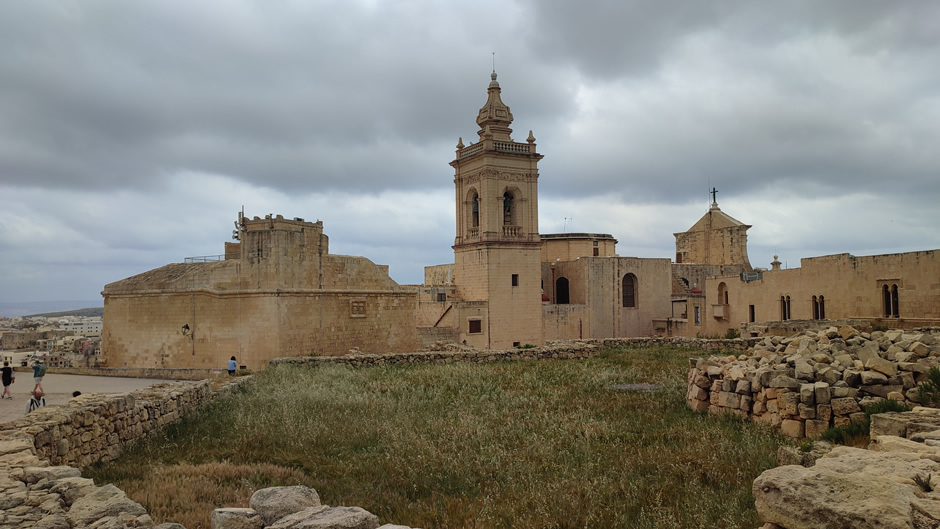
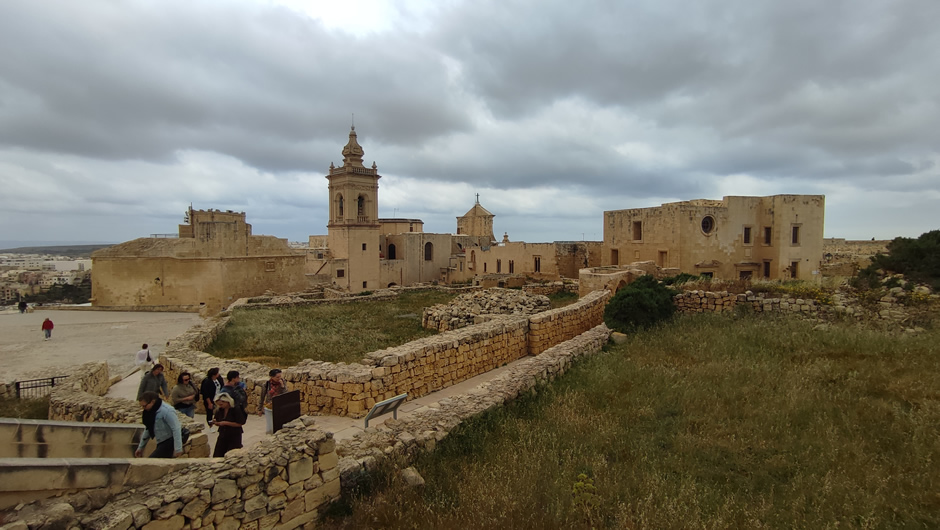
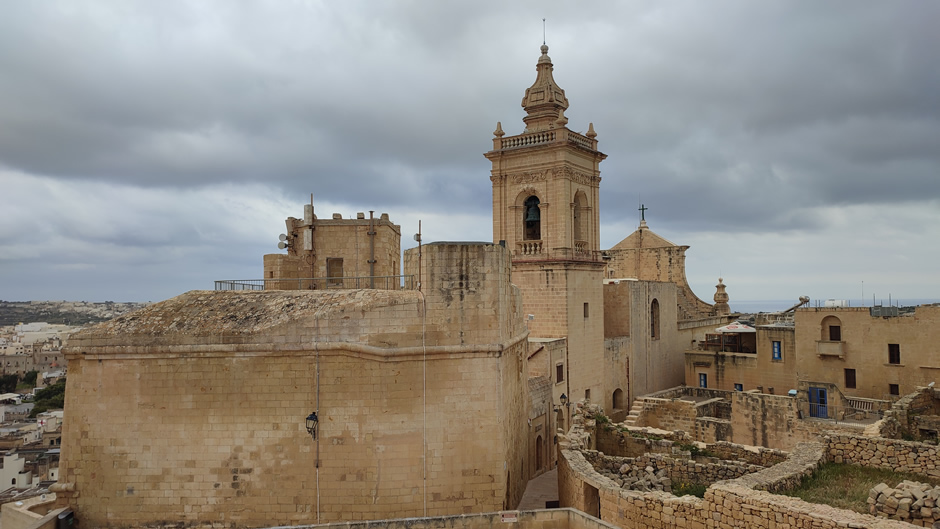
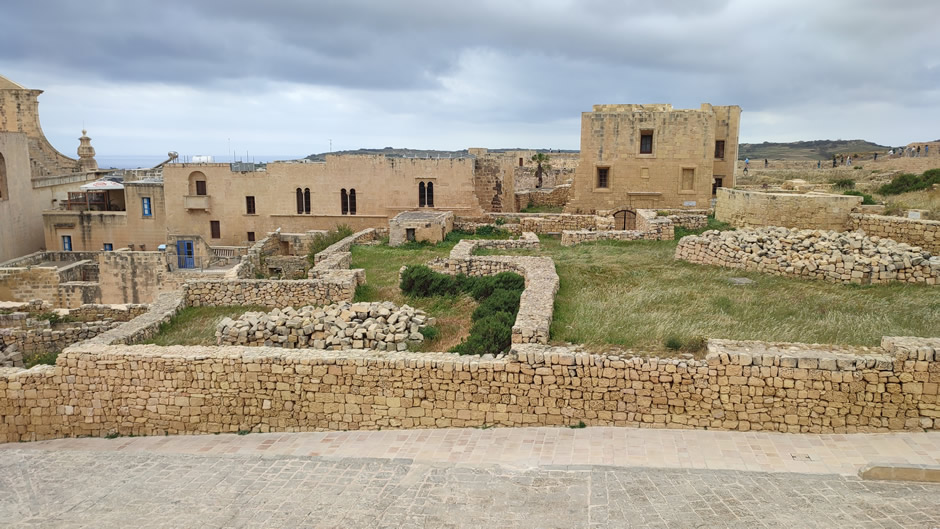
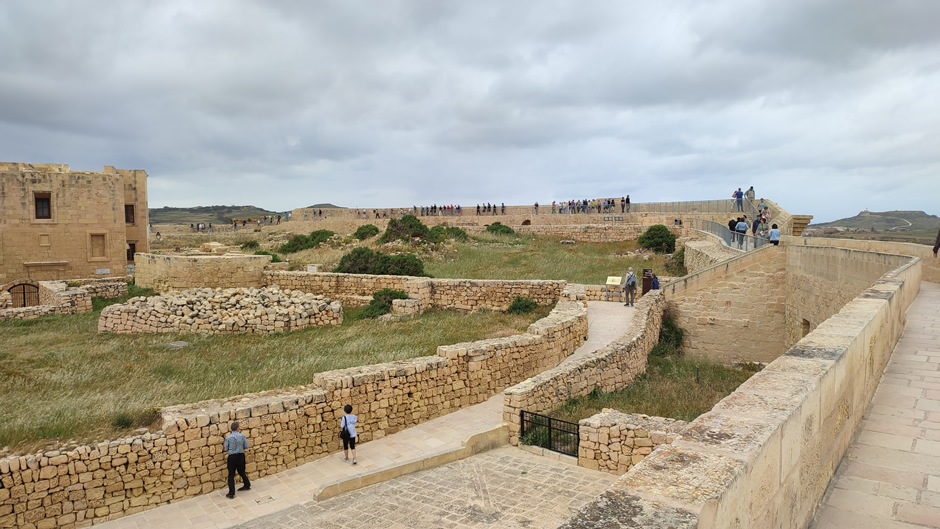
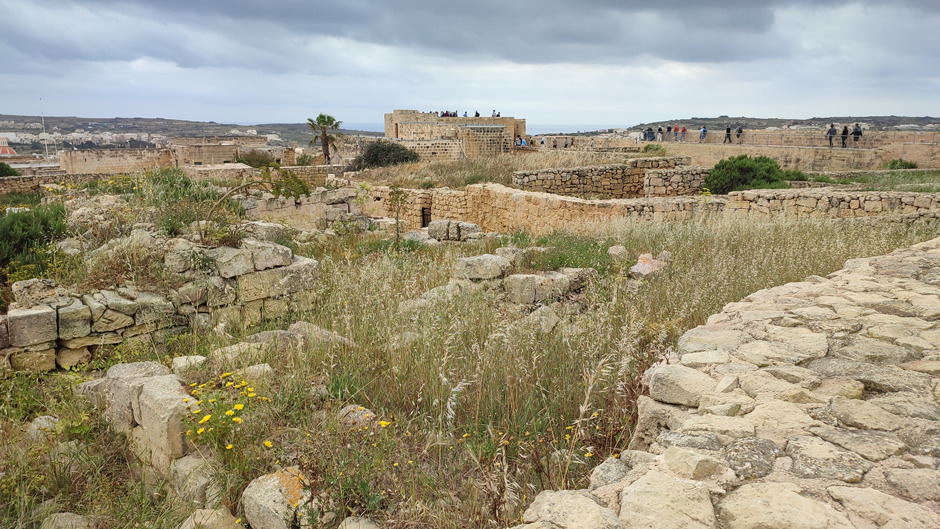
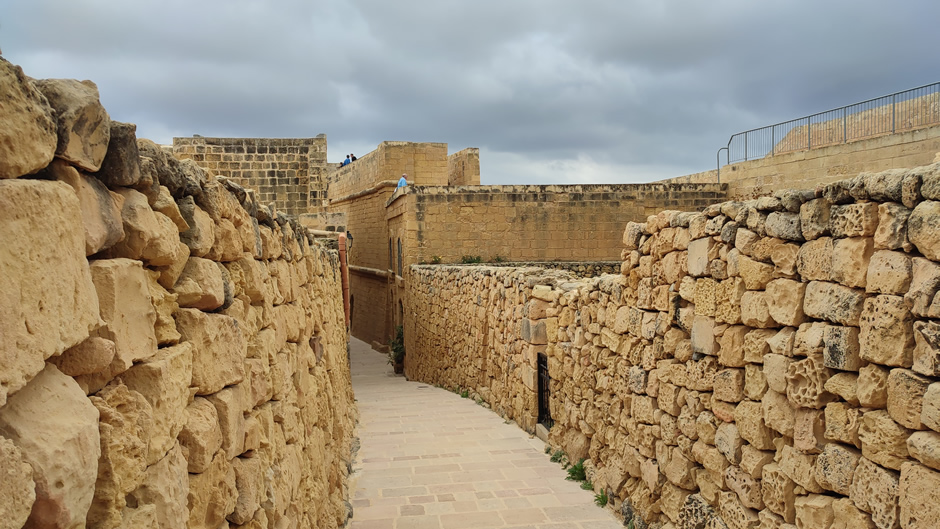
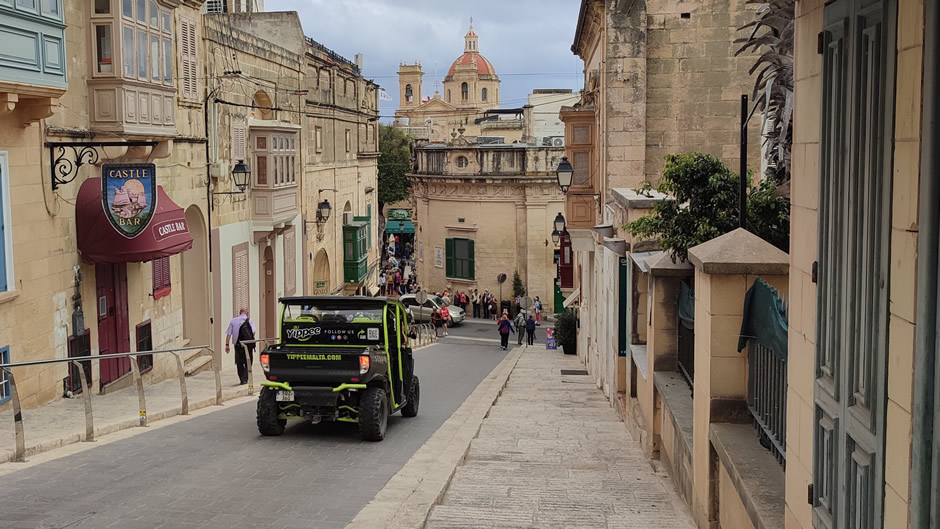
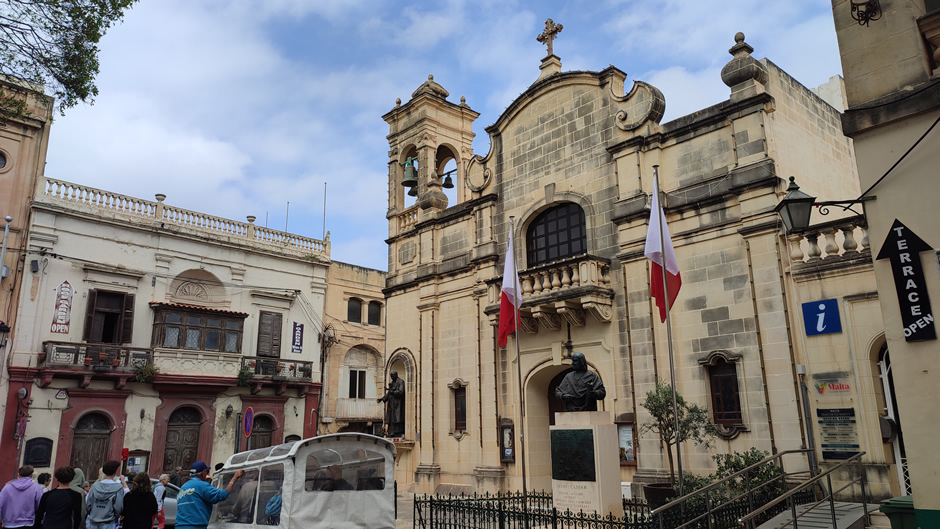
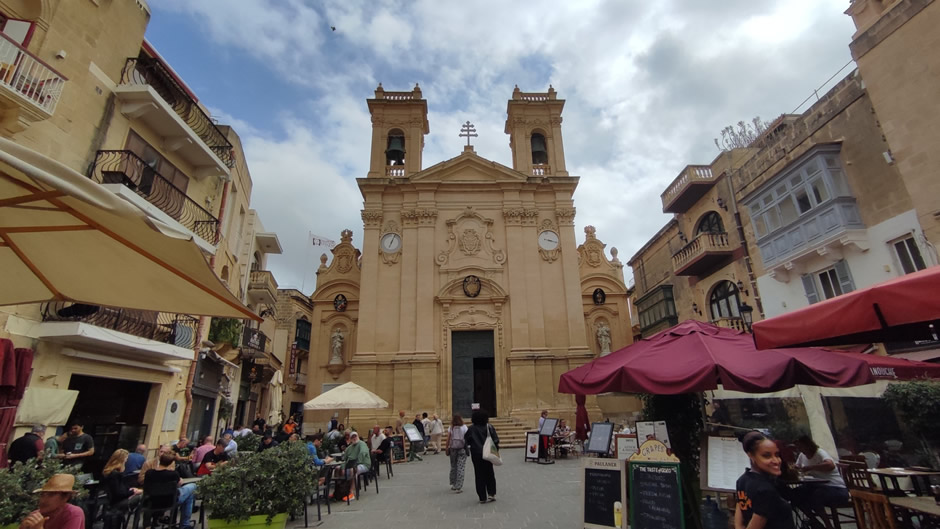
The final stop on Gozo, Victoria, also known as Rabat (not to be confused with Rabat on the main island of Malta), is the main town of Gozo and its cultural and administrative centre. At its heart stands the Citadel, a fortified complex that has served as a refuge and stronghold for centuries, offering panoramic views across the island. Within its walls are historic buildings, museums, and narrow streets that reflect Gozo’s past. Just outside, St George’s Basilica dominates the town square with its richly decorated interior and prominent dome. The surrounding streets are lively with shops and cafés, blending everyday Gozitan life with the island’s architectural heritage. Photos follow:

Link to Next Page (Page 7 of 8)
Link to Previous Page (Page 5 of 8)
Back to Top
