


Malta, Including Gozo & Comino (Page 4 of 8)
Quick links to other Malta pages and/or sections Here
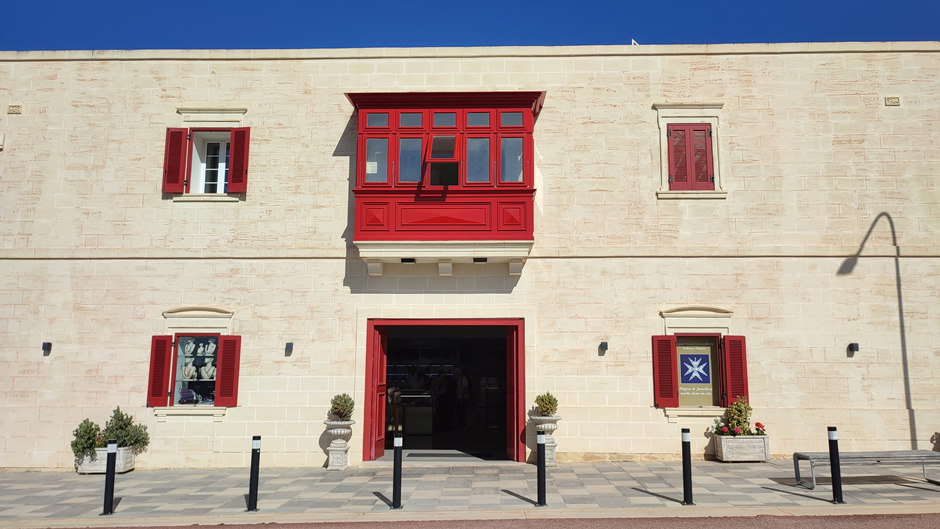
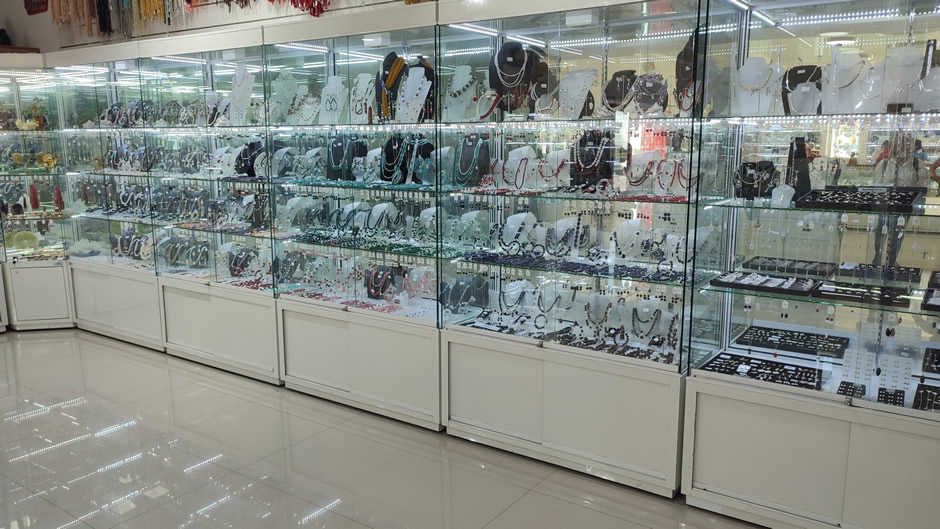
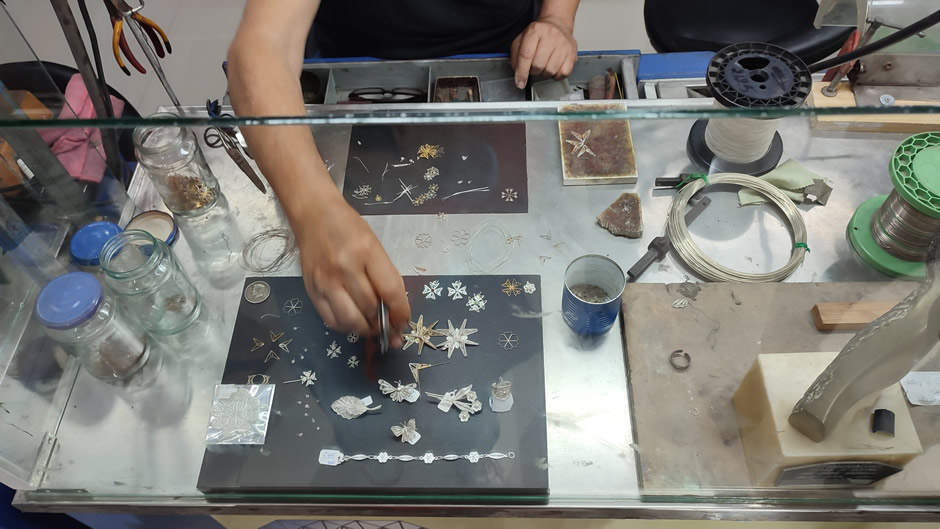
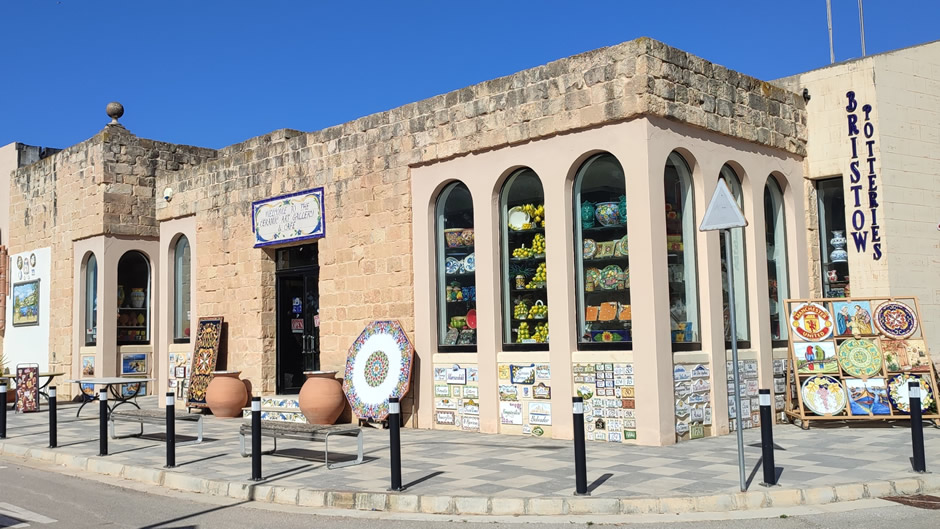
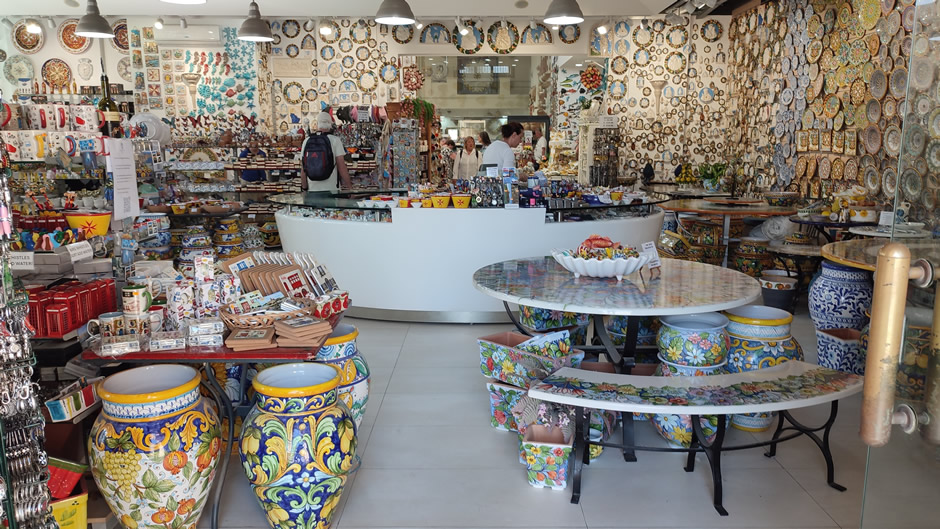
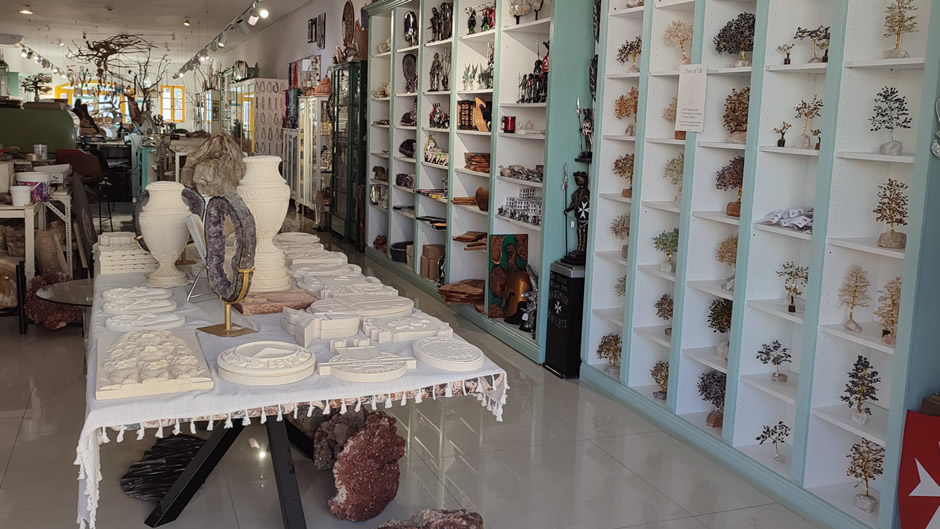
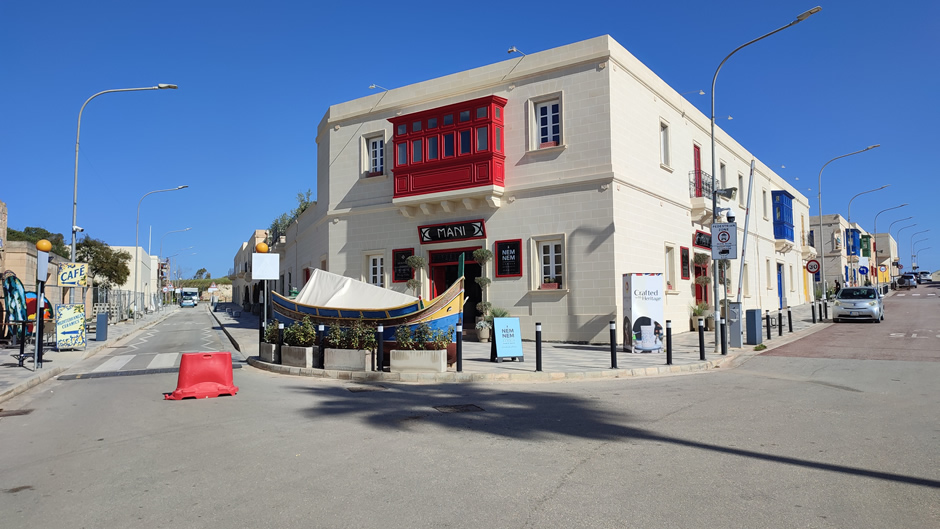
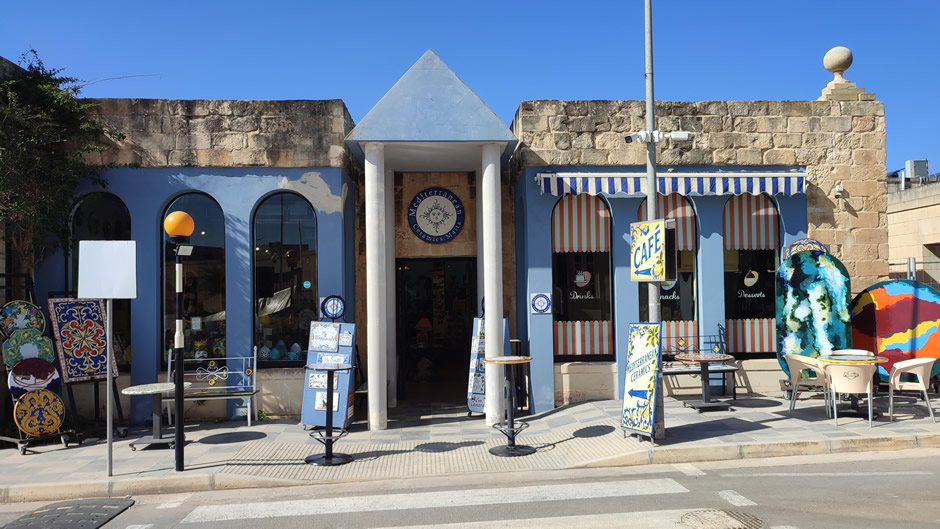
Ta’ Qali Artisan Village (shown below) occupies a former Royal Air Force airfield in central Malta and is today a creative hub where local craftspeople produce glassware, pottery, jewellery, and traditional Maltese souvenirs. The wider Ta’ Qali area is also home to Malta’s national football stadium, the Malta Aviation Museum, and a well-known winery, making it a diverse cultural zone. Visitors can watch artisans at work, explore workshops, and learn about Malta’s modern craft traditions within a setting that blends heritage, industry, and open public spaces.


Il-Ġnien ta' Sant Anton (Gardens of St Anton)
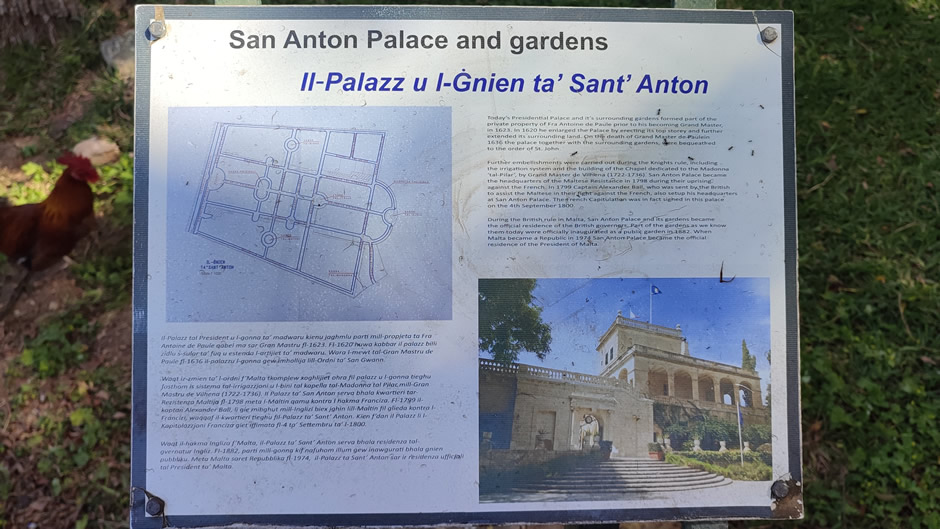
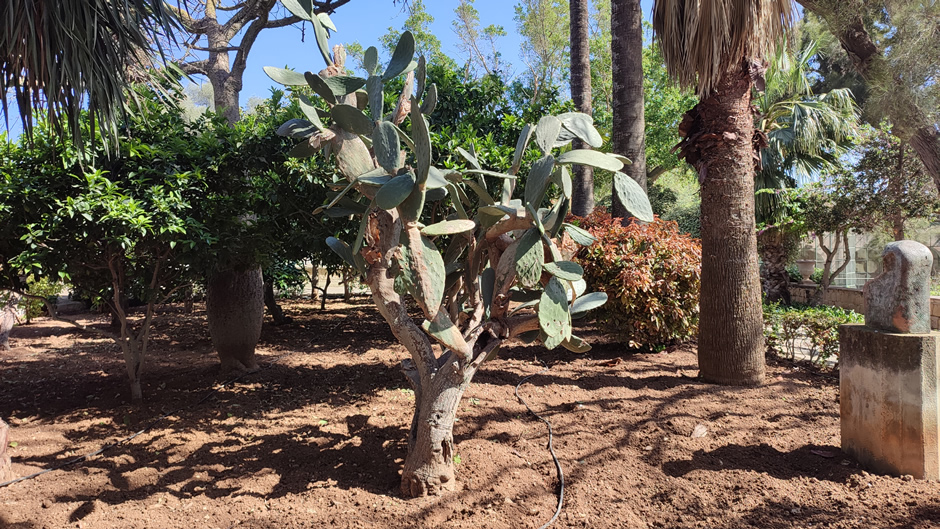
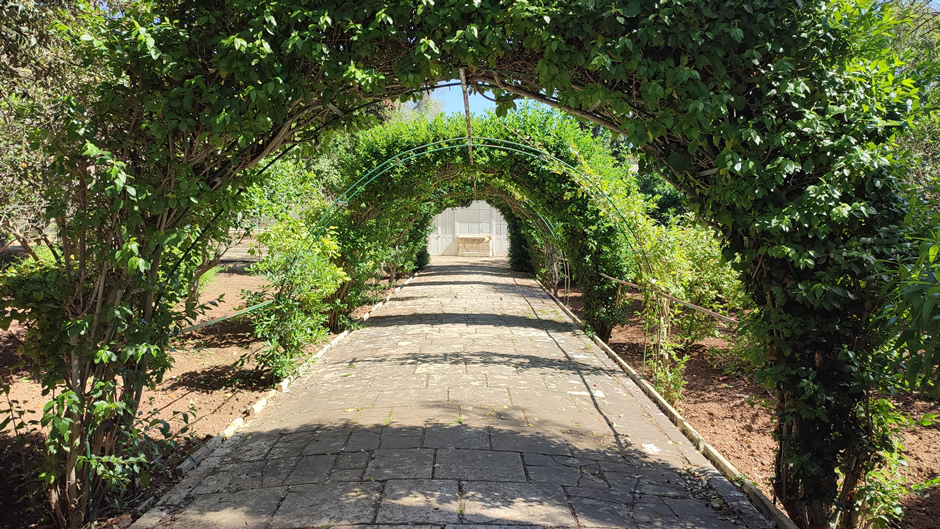
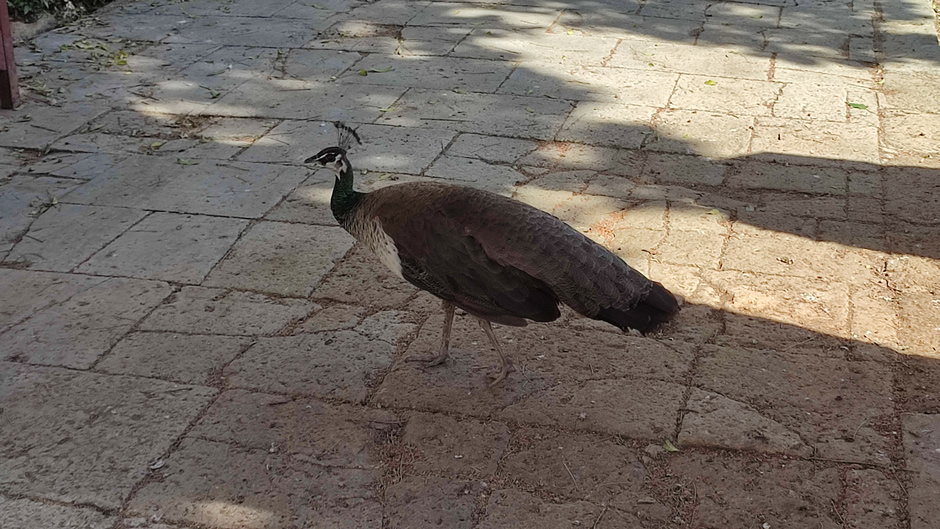
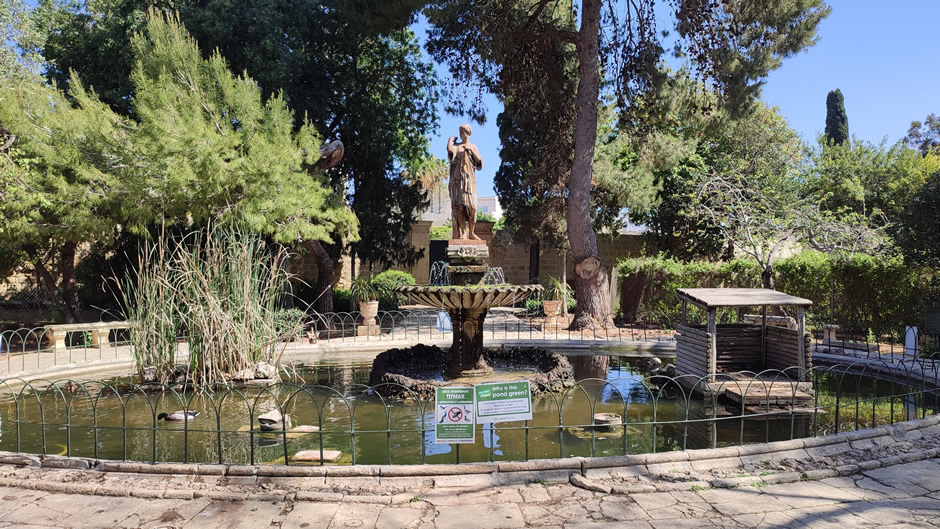
The Gardens of St Anton in the central town of Attard form one of Malta’s oldest landscaped gardens, originally created in the early 17th century as part of the summer residence of the Grand Master of the Order of St John. Today the gardens are open to the public and feature shaded walkways, ornamental ponds, mature trees, and a variety of Mediterranean and exotic plants. Peacocks and other birds roam freely, adding to the peaceful atmosphere. The gardens surround San Anton Palace, now the official residence of the President of Malta.
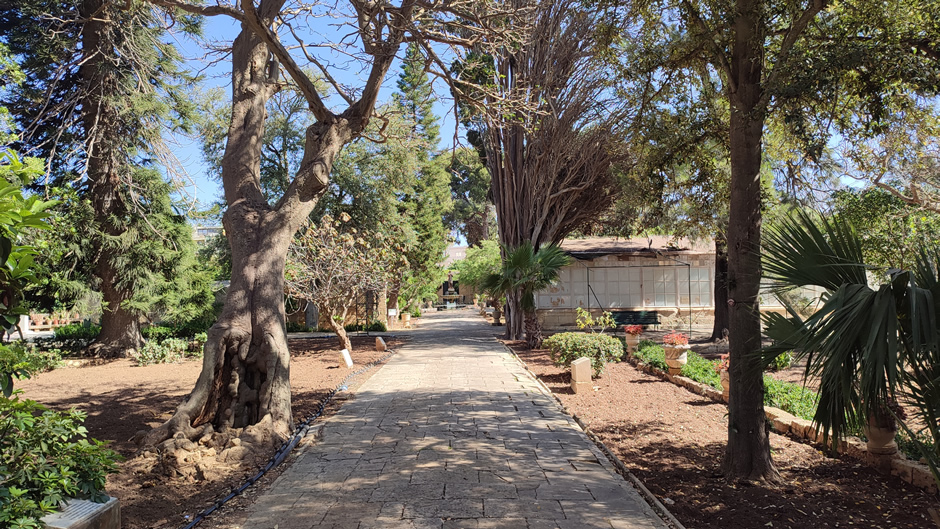
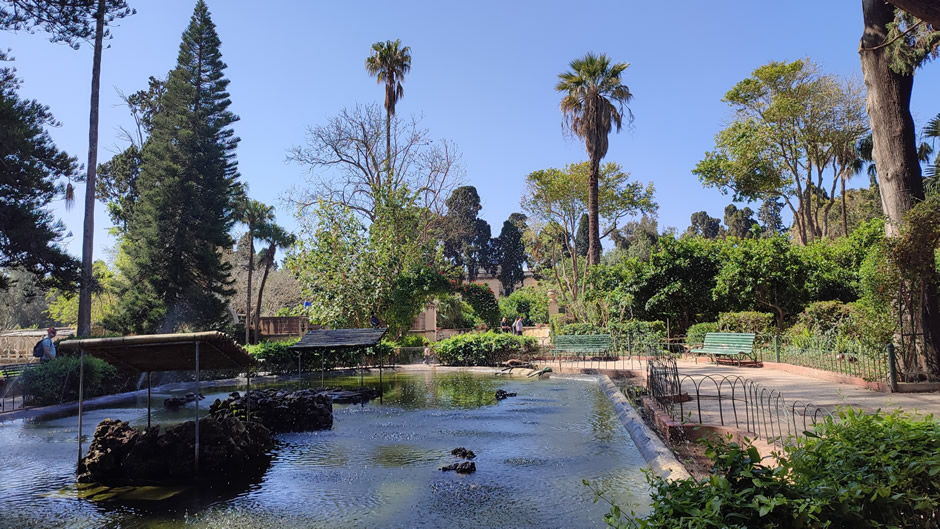
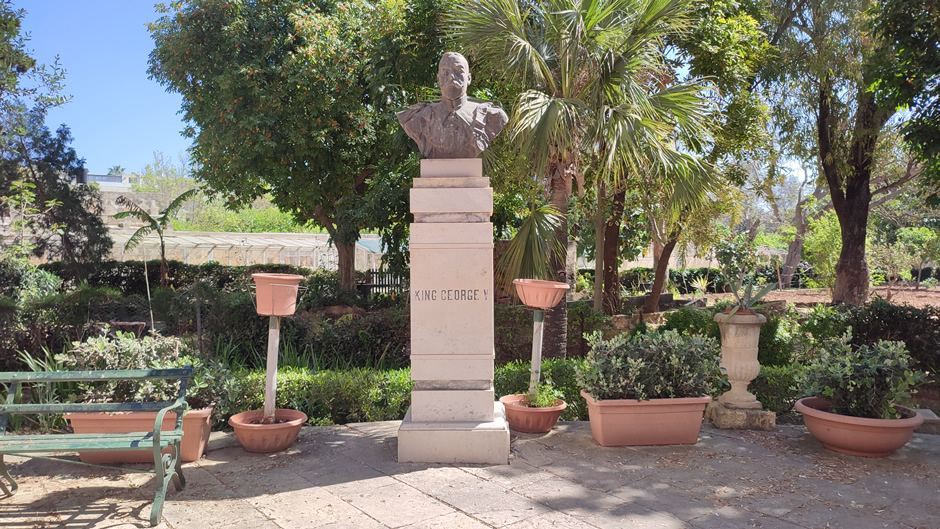
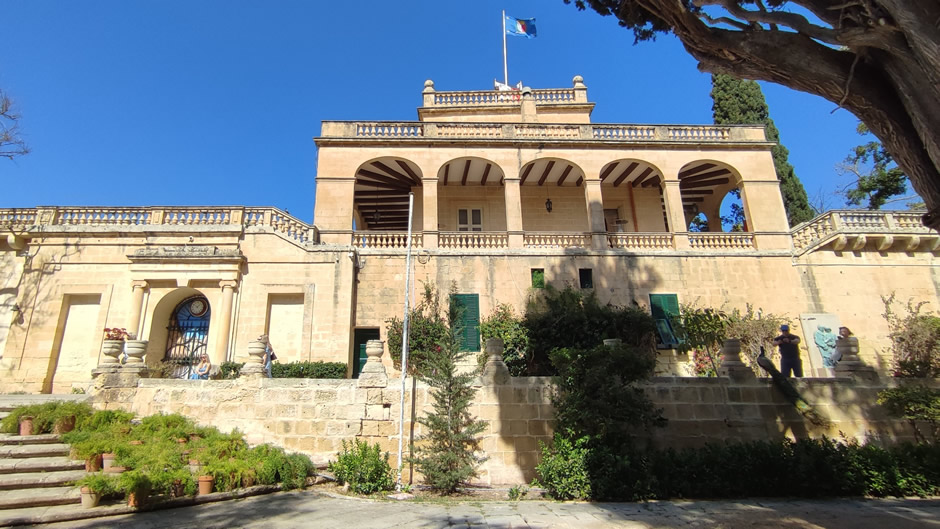
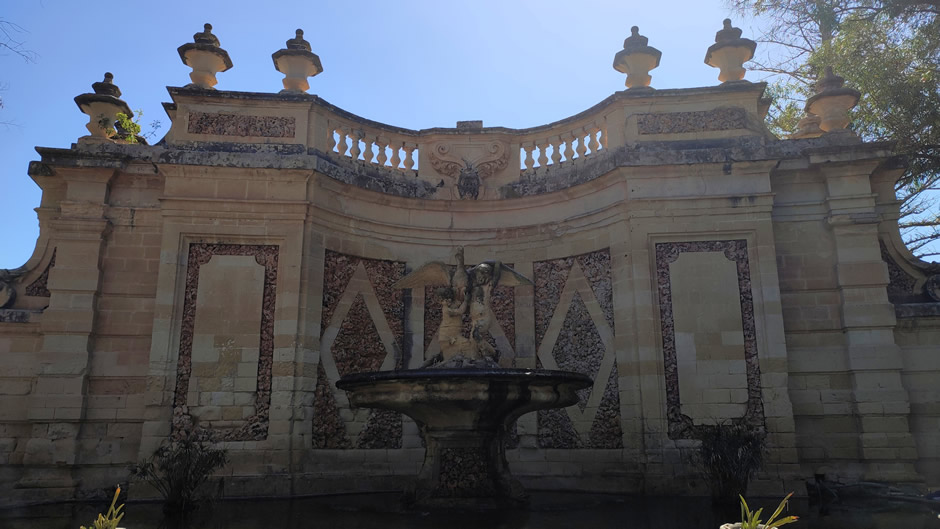
Rabat and Mdina sit side by side in central Malta, with Rabat’s lived-in streets surrounding Mdina’s quiet, walled “Silent City” perched on its hilltop.
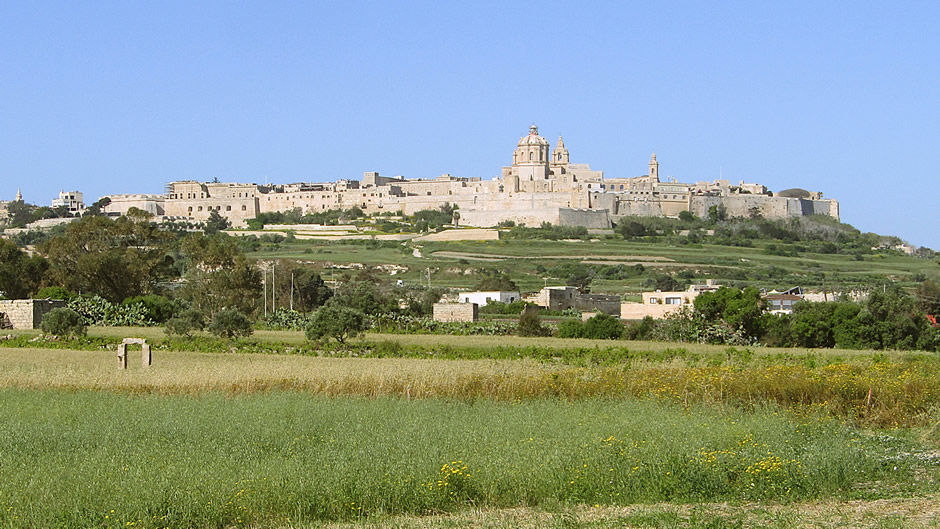
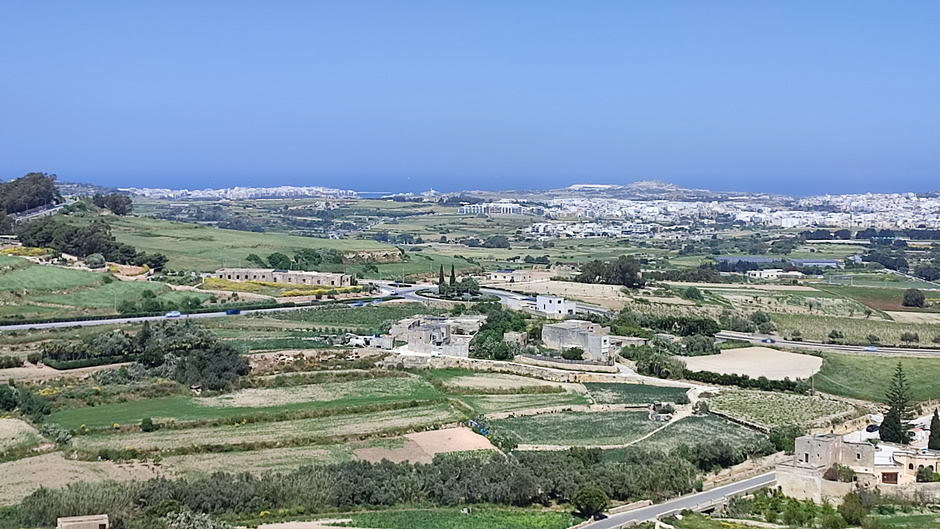
Above: Mdina seen in the distance from just outside Ta' Qali Artisan Village.
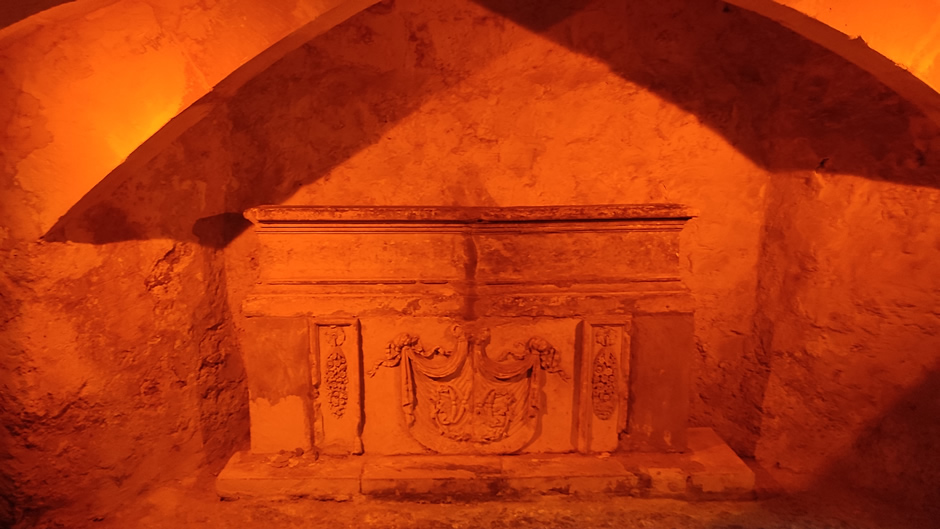
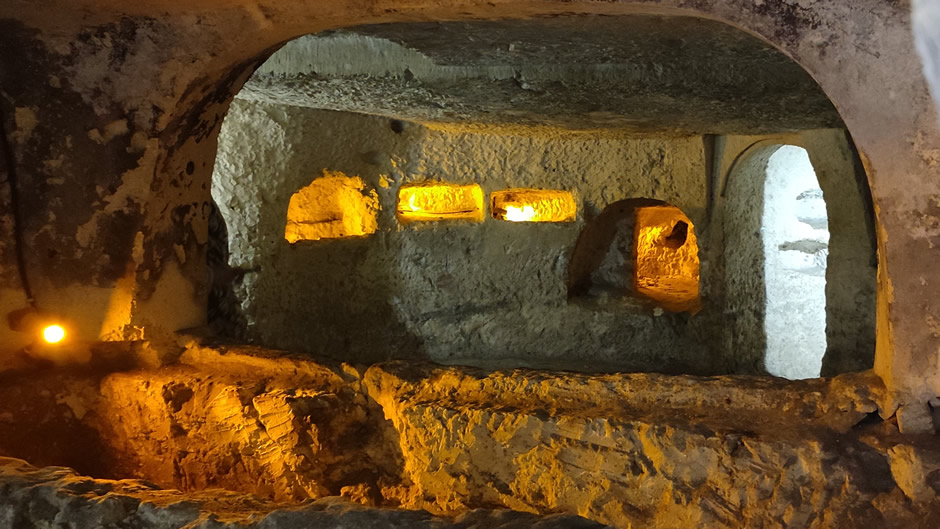
Rabat (shown below) is a historic town just outside Mdina in the west-central region of Malta, known for its early Christian heritage and archaeological sites. The area contains catacombs, Roman remains, and long-standing religious traditions that reflect its role as a settlement during antiquity. Narrow streets, small churches, and traditional houses give the town a lived-in character, while museums and archaeological sites provide insight into Malta’s transition from Roman to early medieval periods. Rabat remains an important cultural centre with strong local identity.
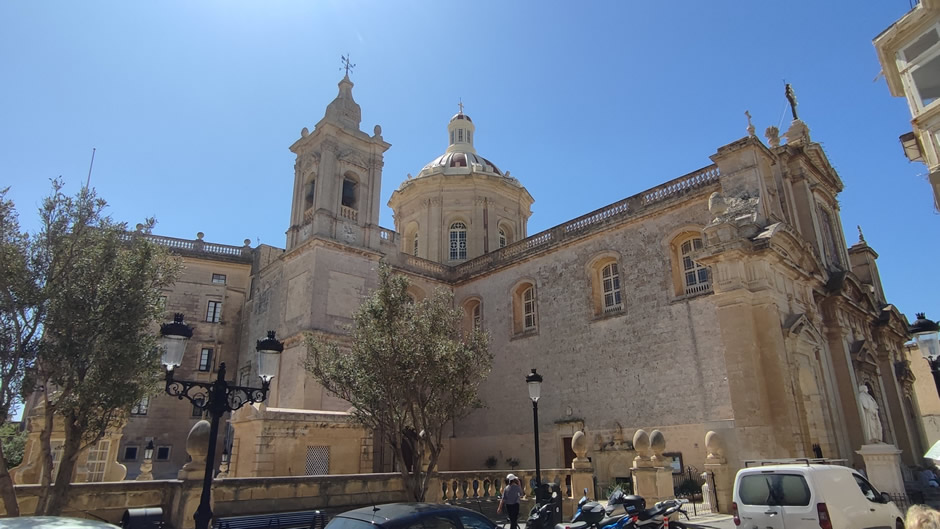
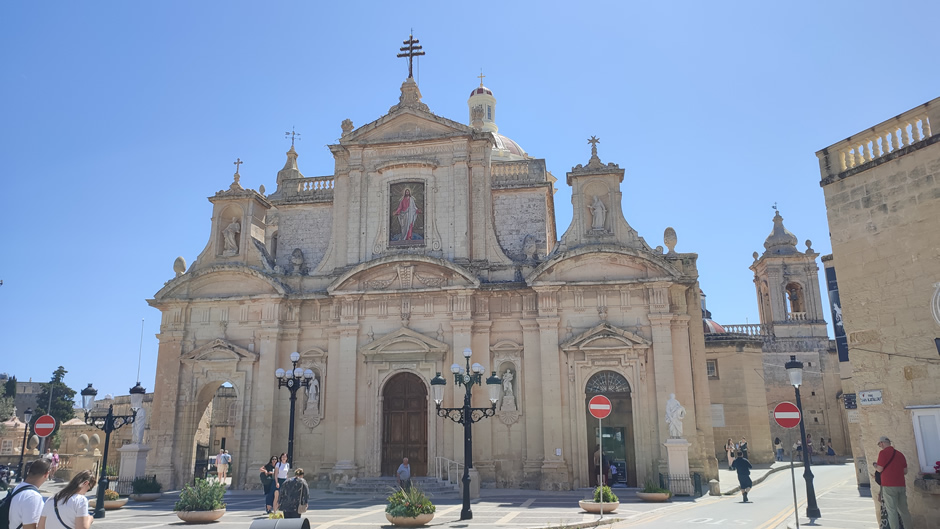
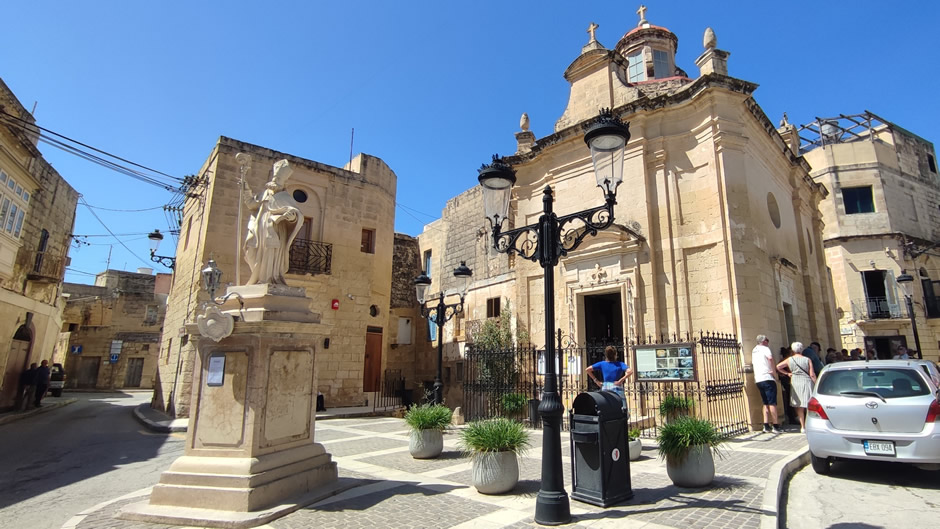
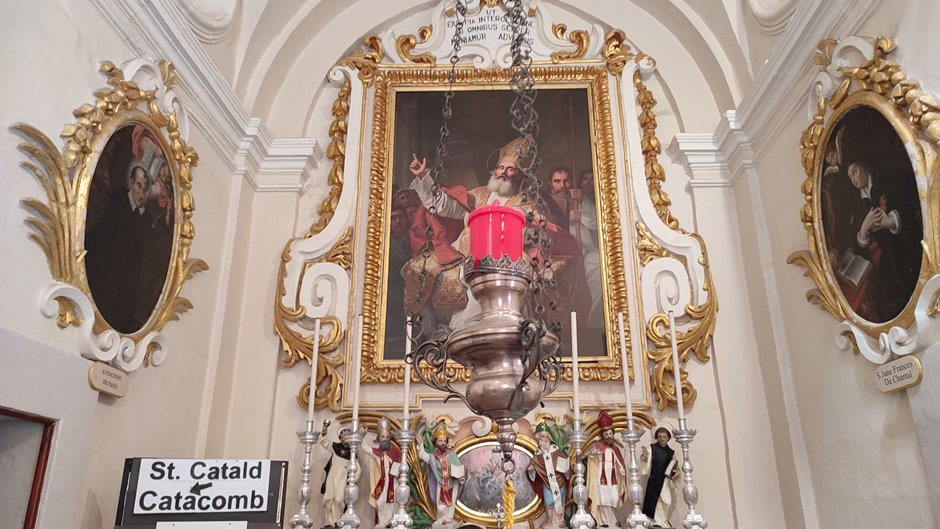
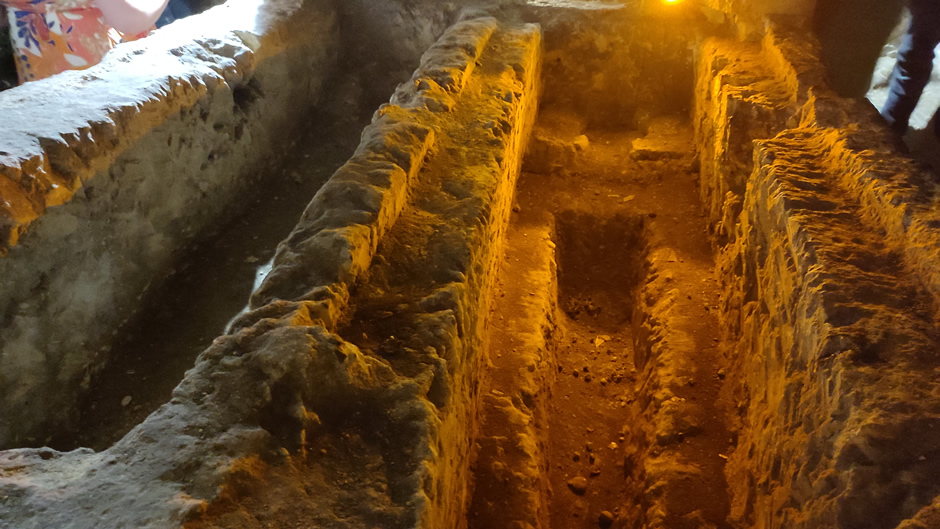
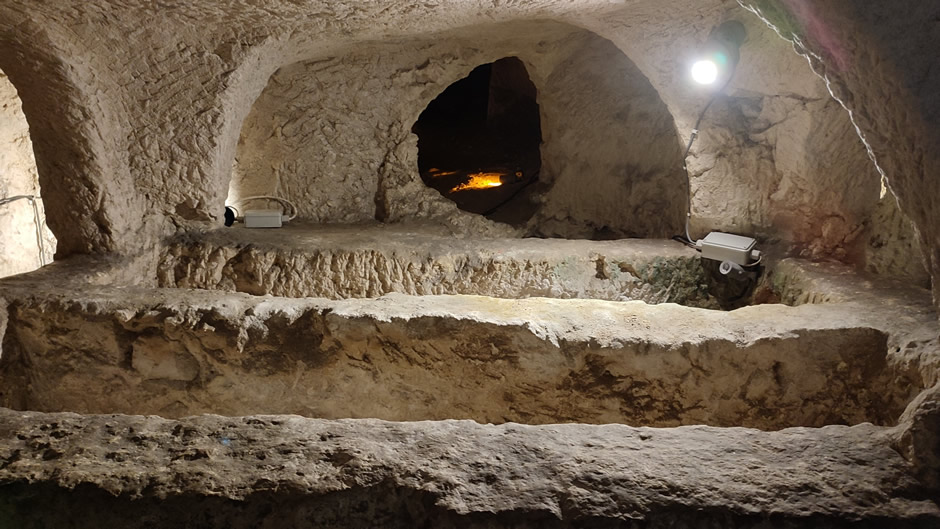
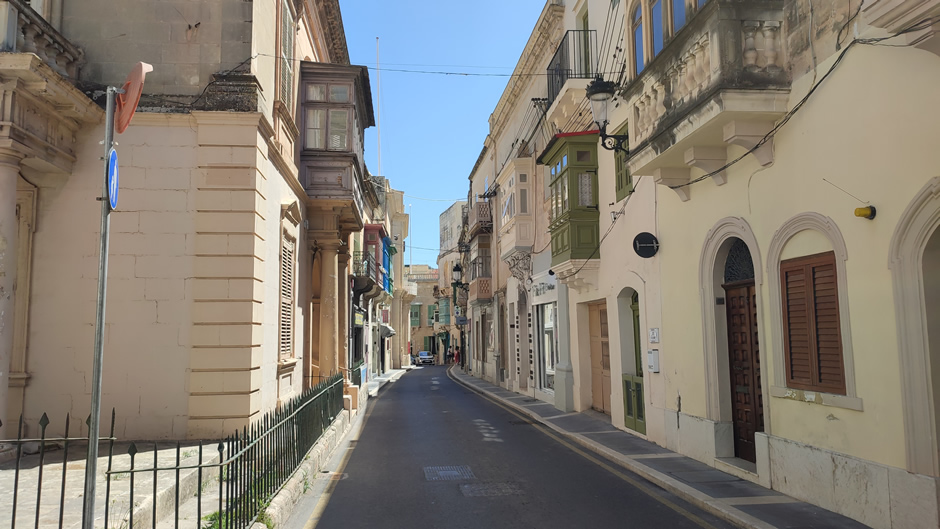
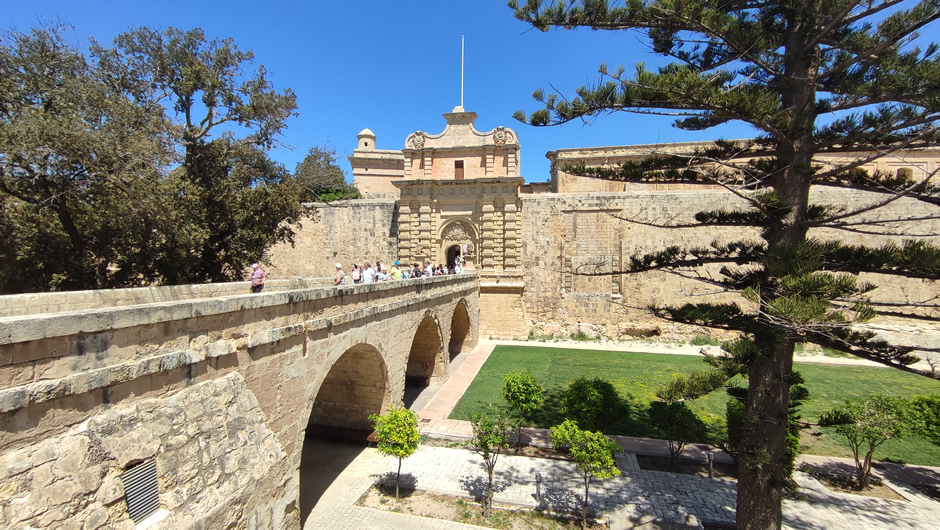
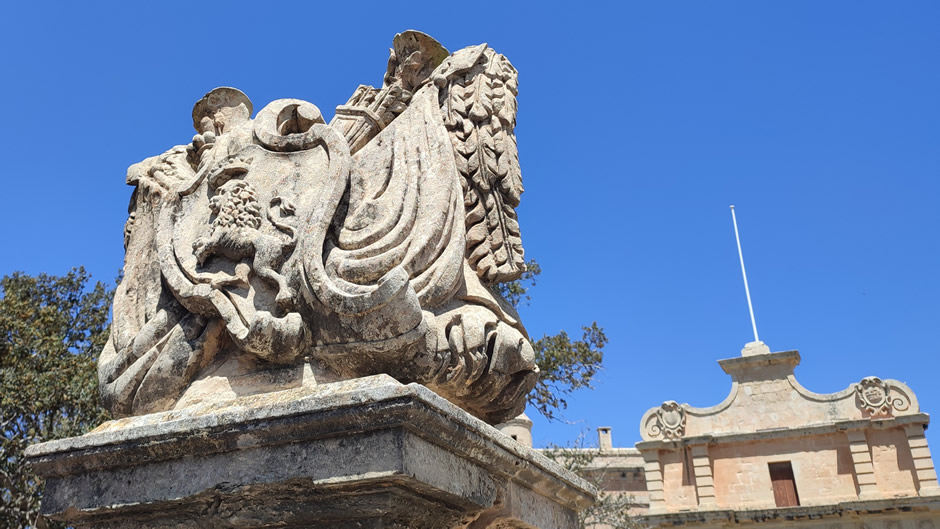
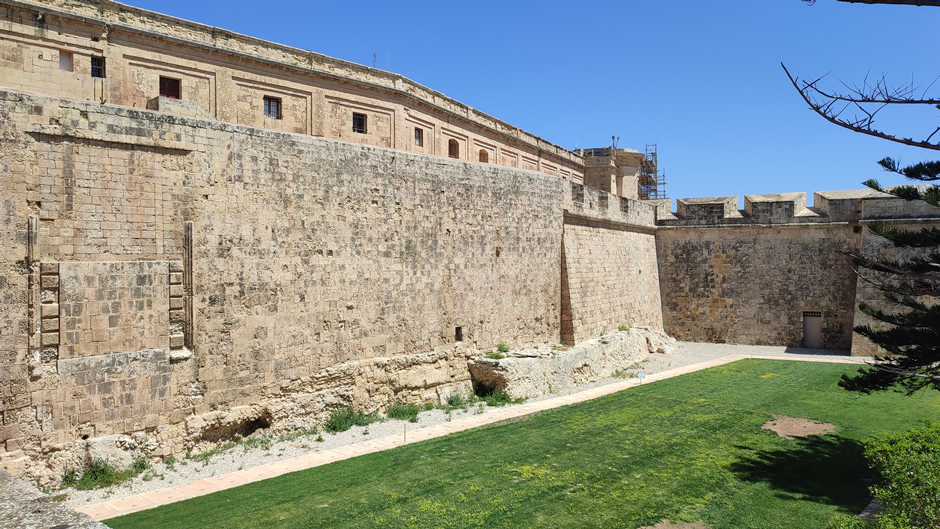
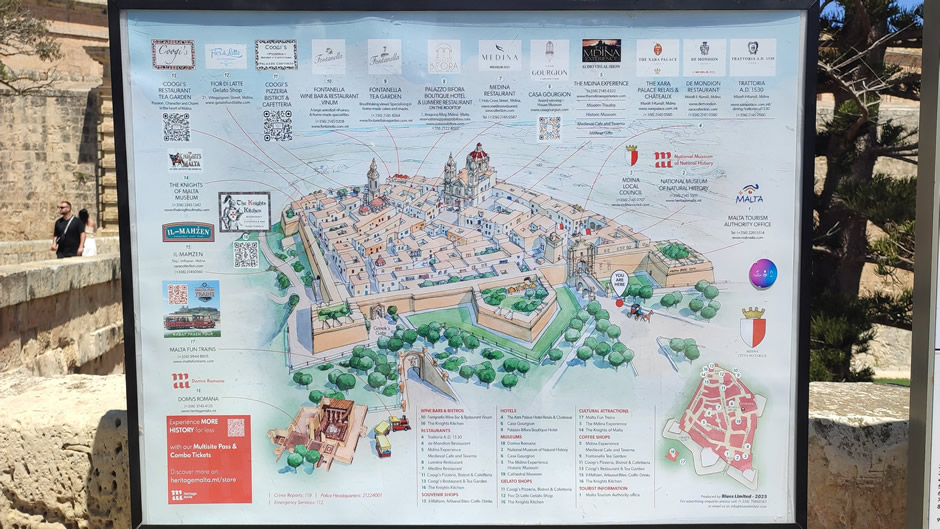
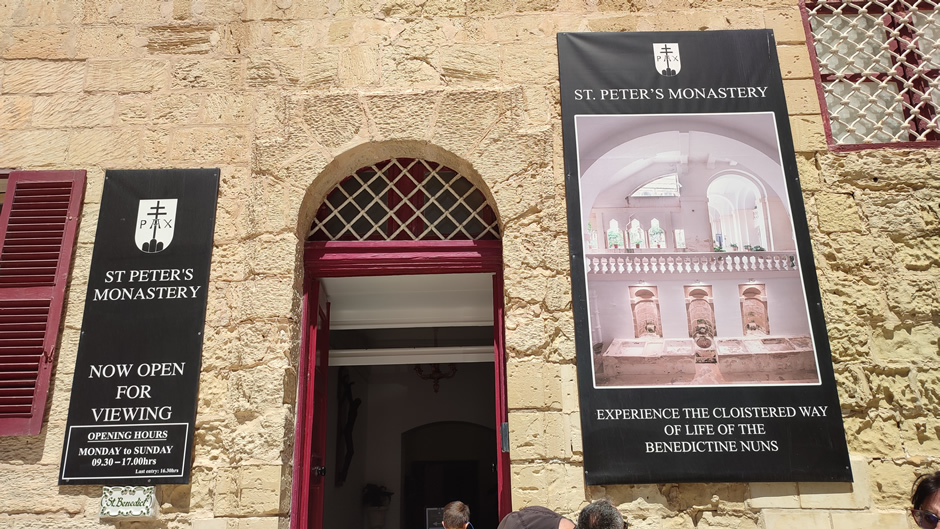
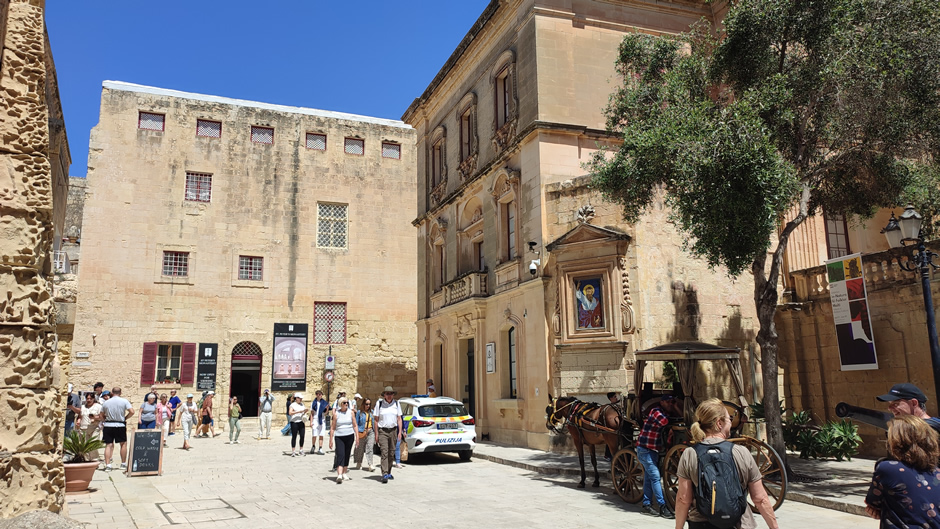
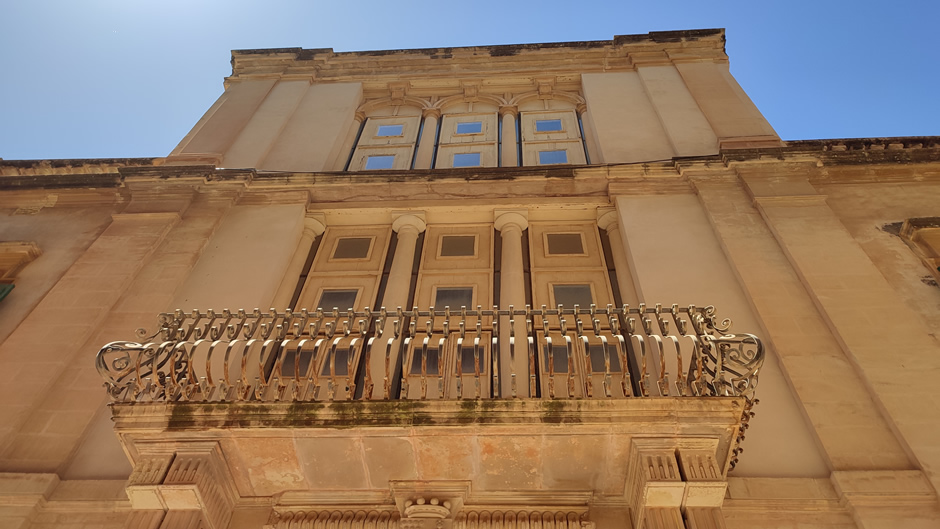
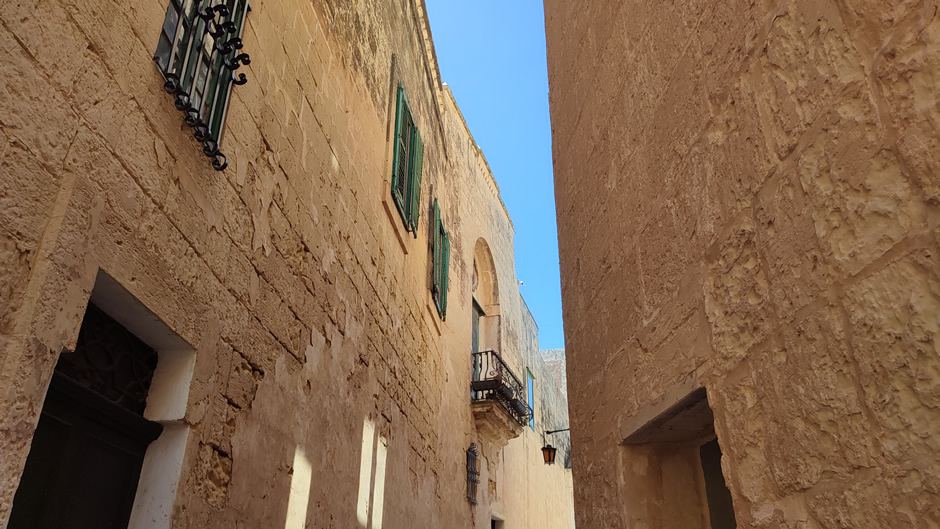
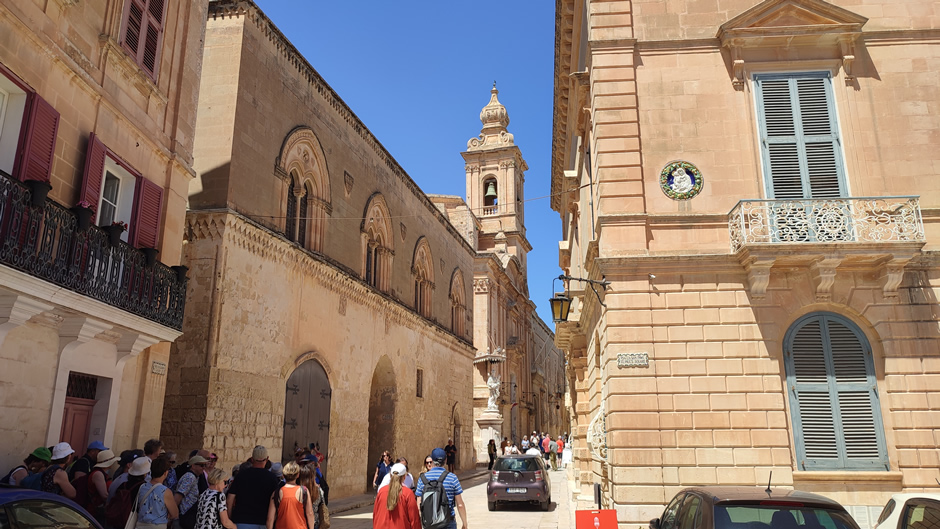
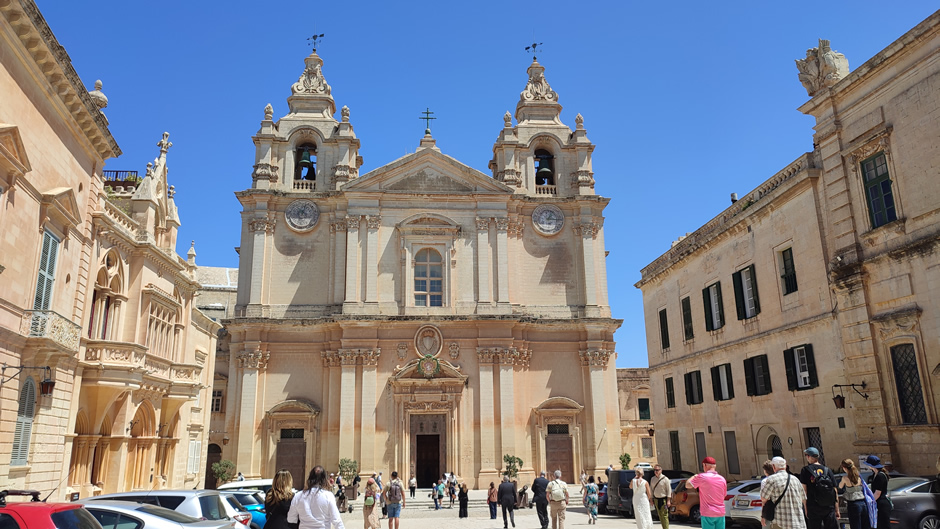
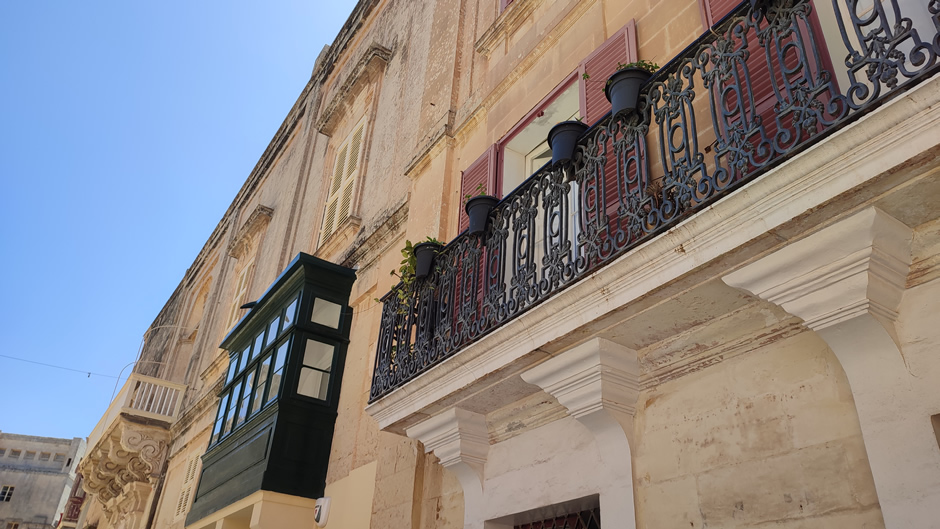
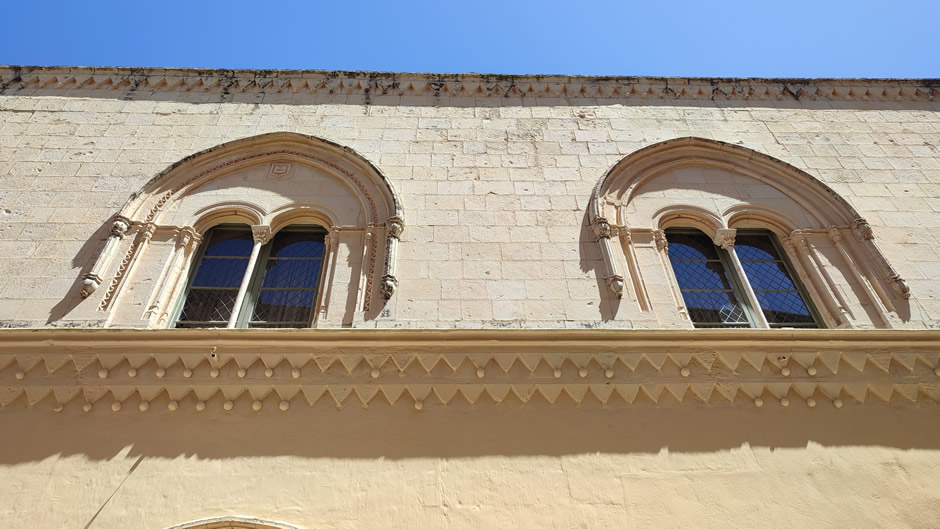
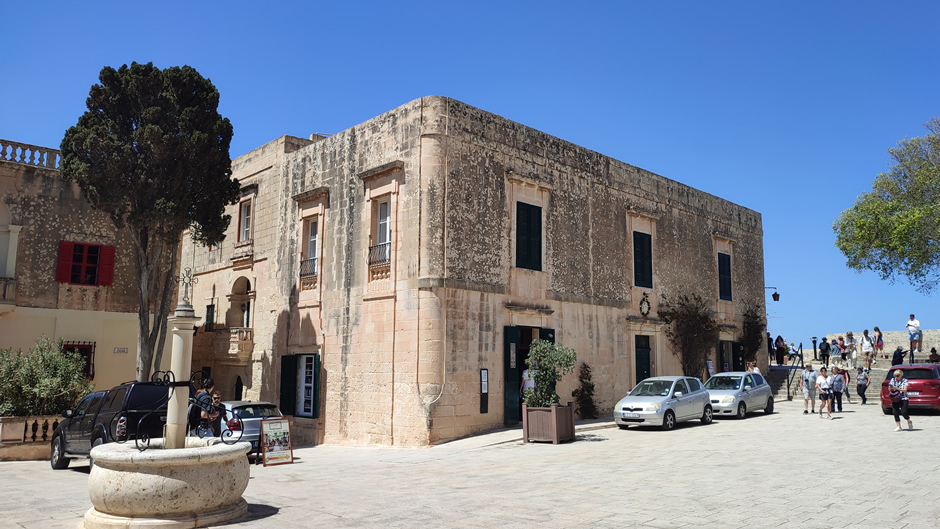
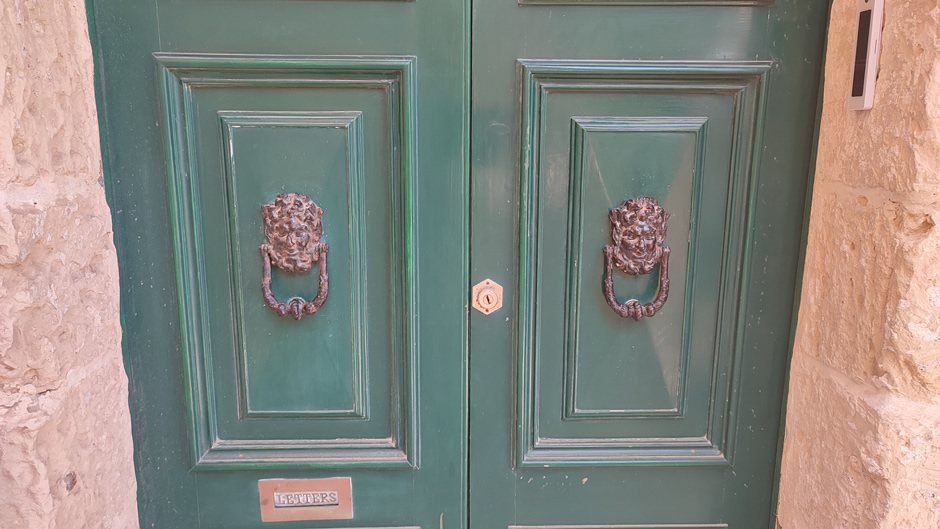
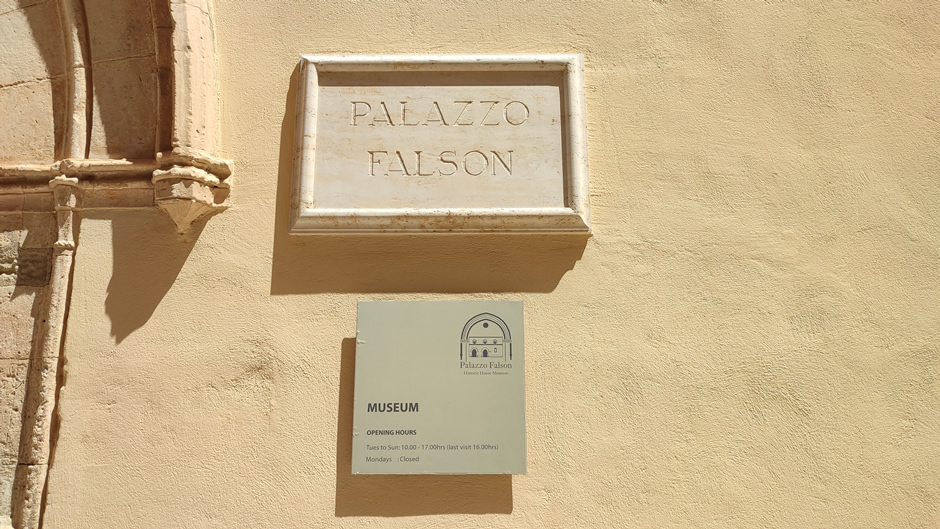
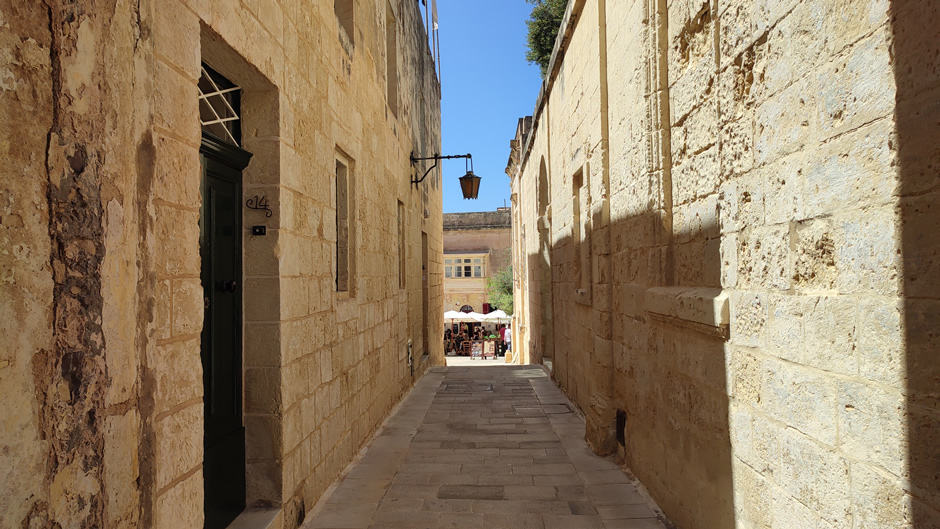
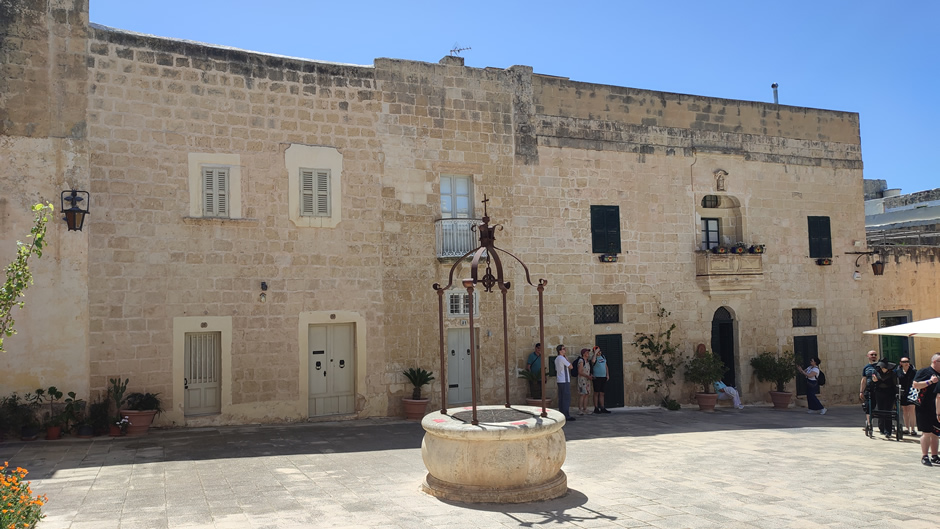
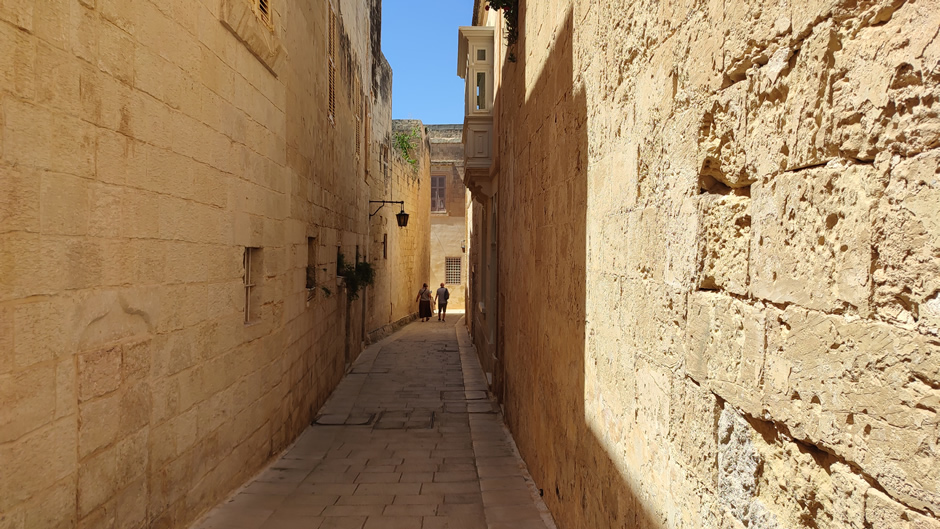
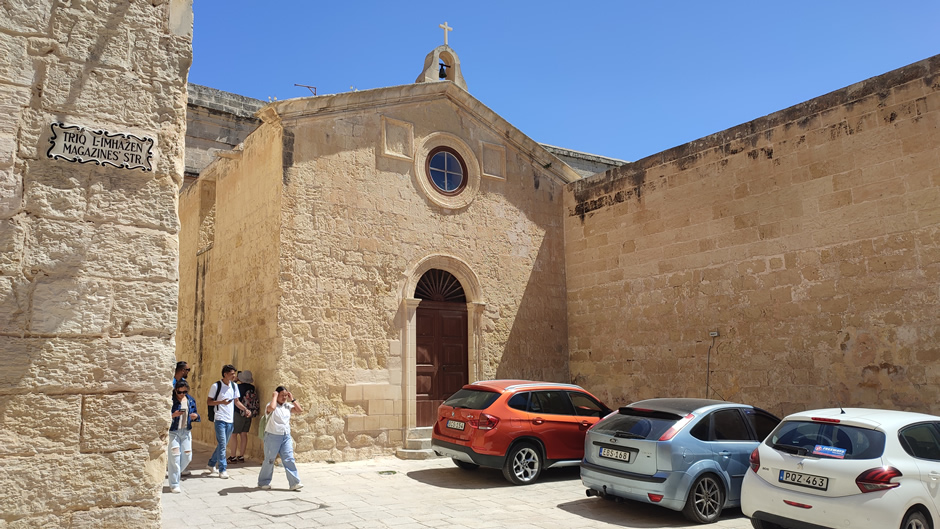
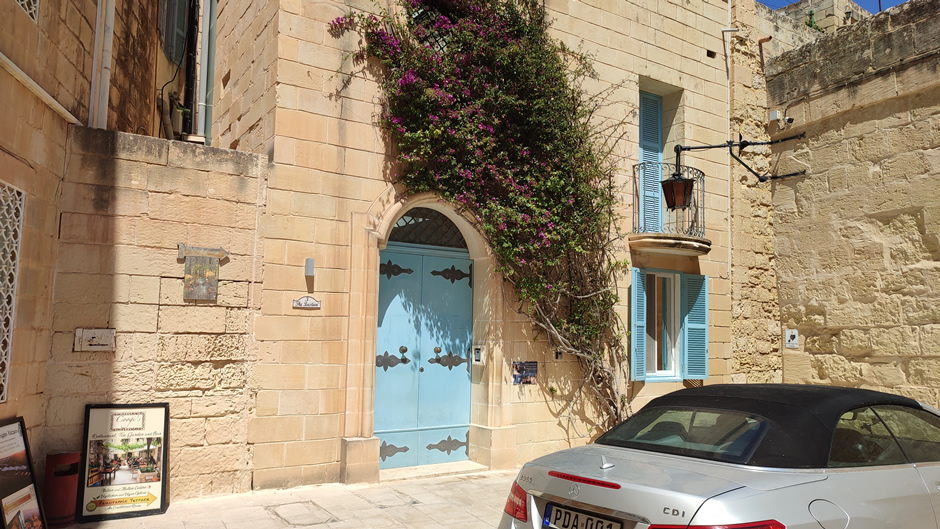
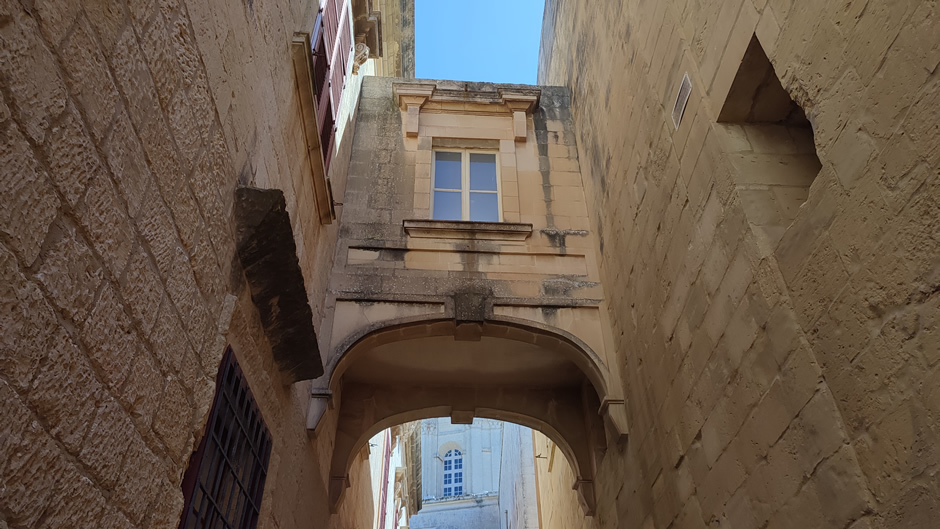
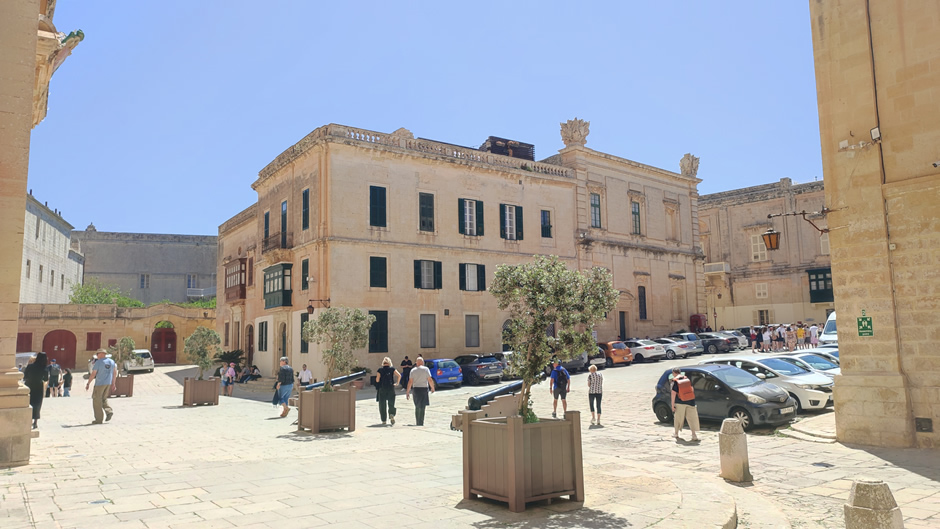
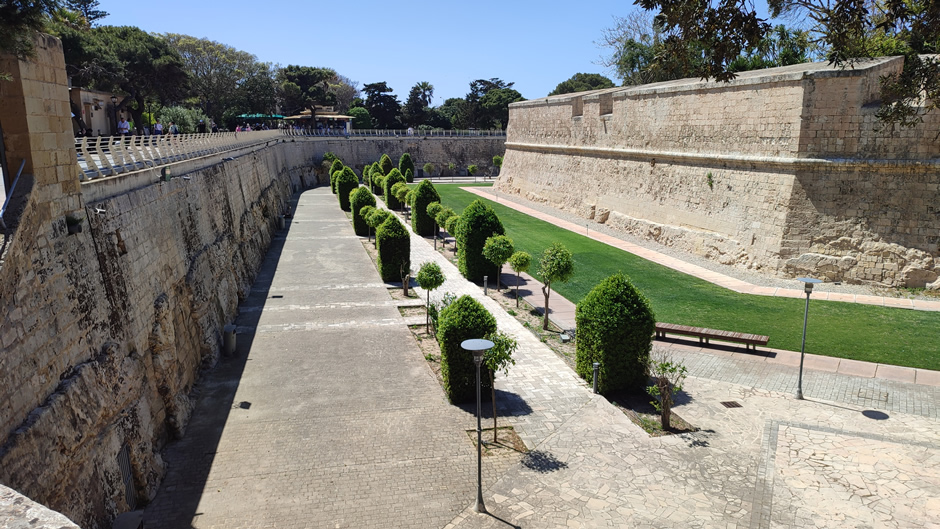
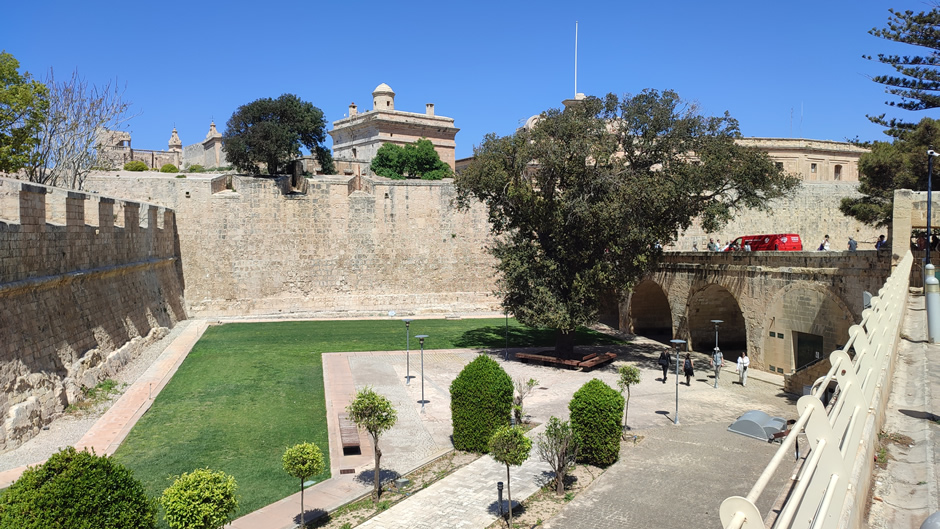
Mdina, the “Silent City” (shown below), is Malta’s medieval walled capital, set on a hilltop with views across the island. Its narrow streets, palaces, and fortified walls reflect centuries of occupation by Phoenicians, Romans, Arabs, and the Knights of St John. The city’s architecture blends medieval and baroque elements, with St Paul’s Cathedral as its central landmark. Mdina’s quiet atmosphere, pedestrian-only streets, and preserved urban fabric make it one of Malta’s most atmospheric historic sites.
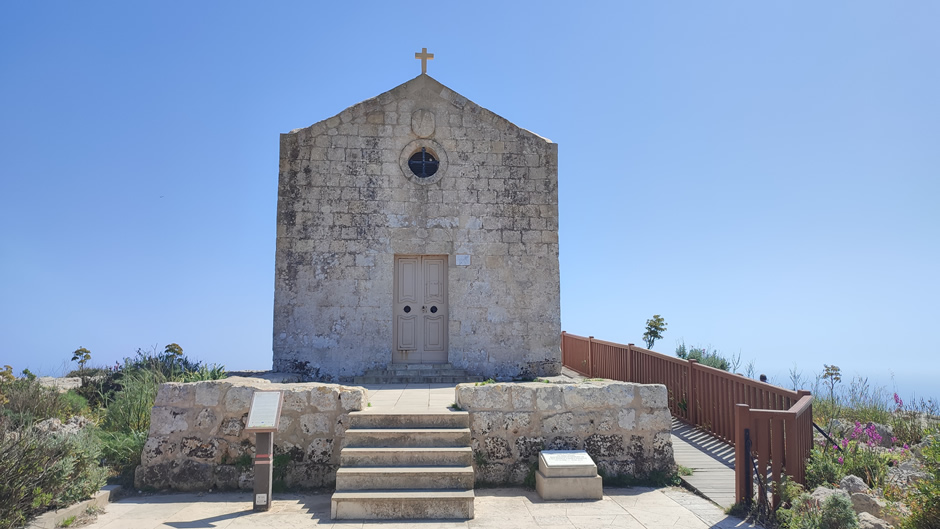
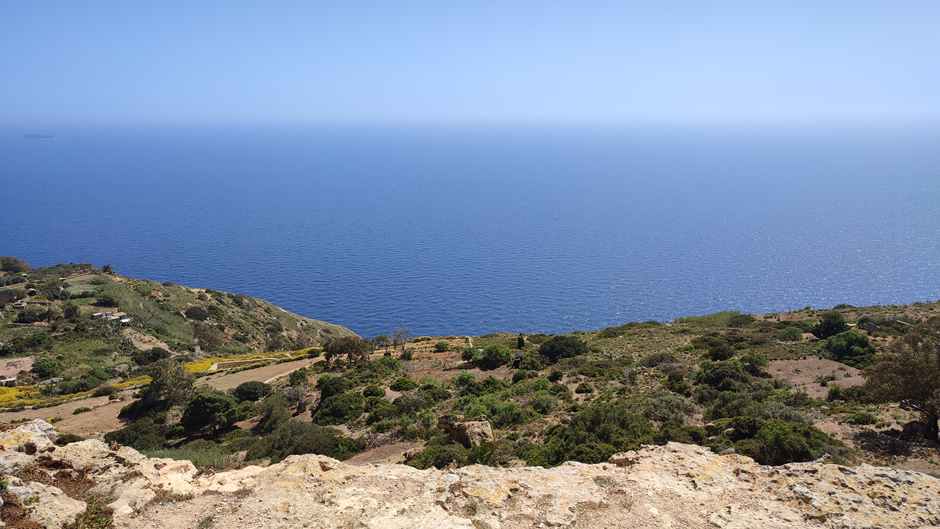
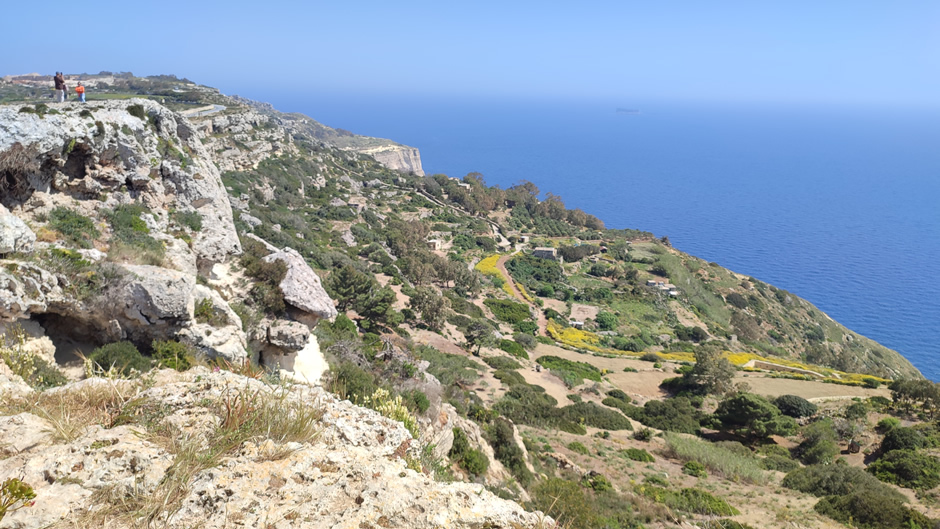
The Dingli Cliffs (shown below) form Malta’s highest point, rising over 250 metres above sea level along the island’s western coast. The cliffs offer expansive views of the Mediterranean and the uninhabited islet of Filfla. The area is known for its rural landscape, walking paths, and small chapels perched near the cliff edge. Dingli’s elevation and open horizon make it a popular location for sunset viewing and for understanding Malta’s natural topography.
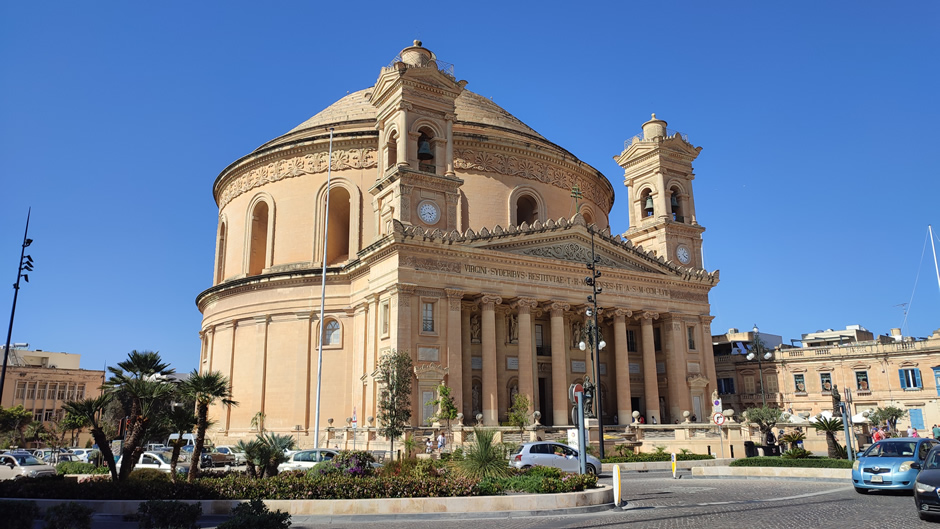
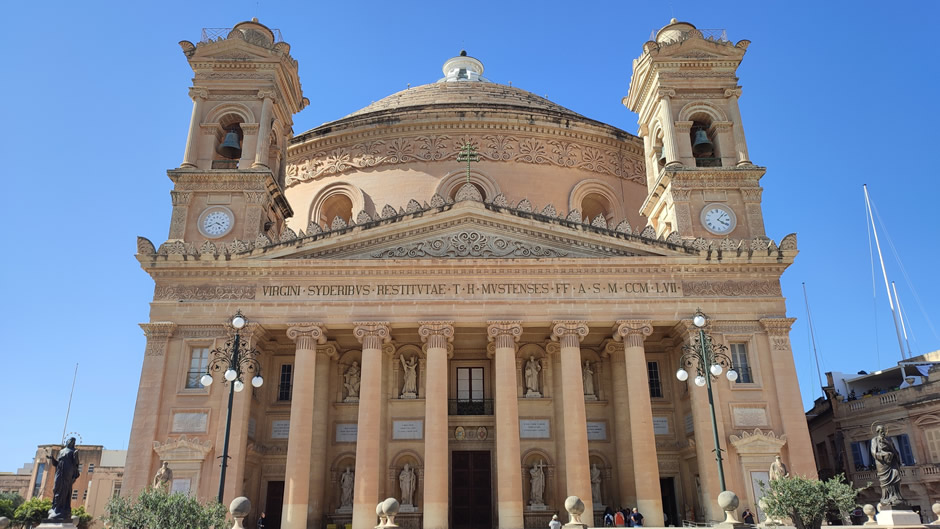
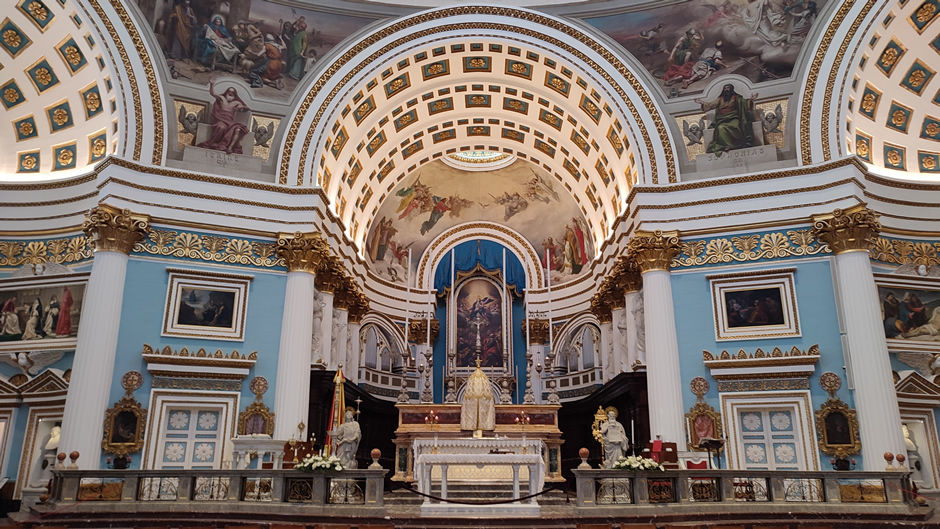
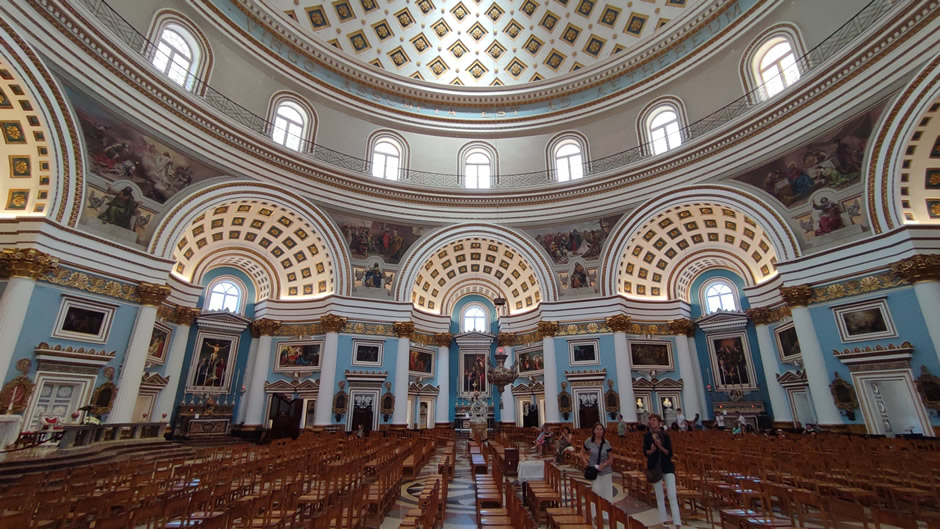
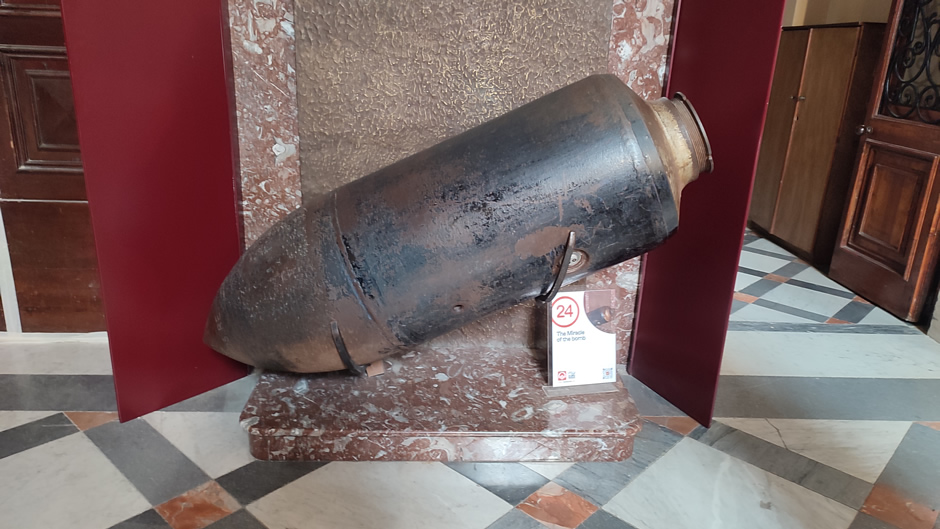
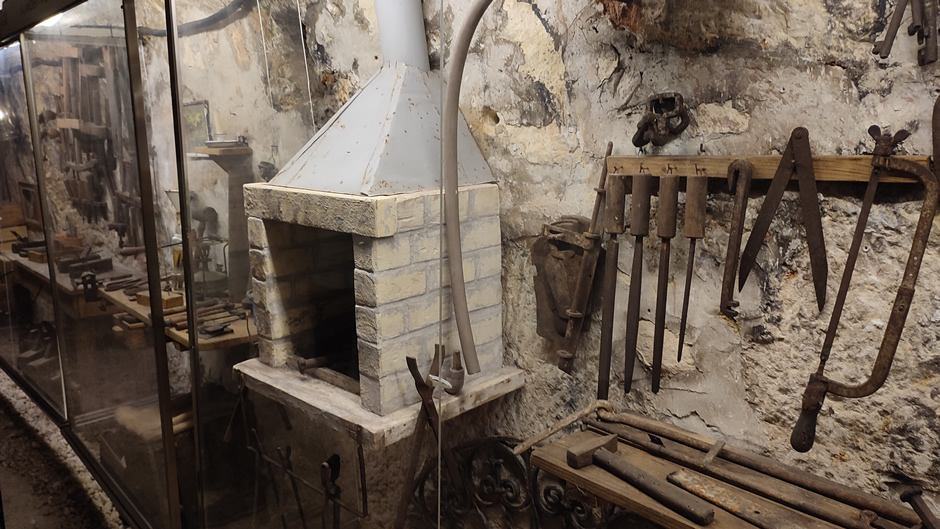
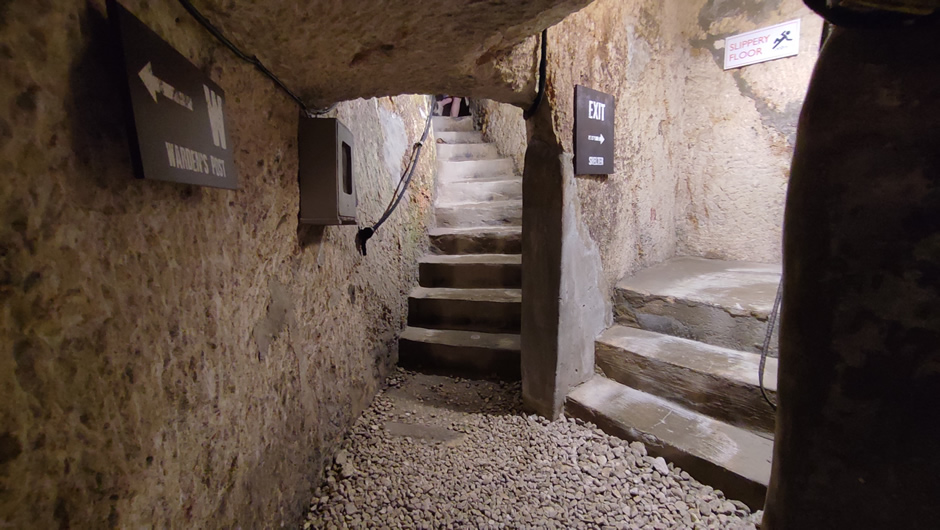
Located in the central-northern part of Malta, about 8 miles (13 km) northwest of the capital city, Valletta, the Mosta Rotunda, also known as the Basilica of the Assumption, is one of Malta’s most recognisable churches. It features a massive unsupported dome that ranks among the largest of its kind in Europe. During the Second World War, a 500kg bomb pierced the dome during mass but failed to explode, an event still commemorated in the church’s small museum, in the church's sacristy, with a replica of the bomb. Beneath the town, wartime air-raid shelters and bunkers reveal how Mosta’s residents protected themselves during heavy bombing, offering a tangible link to Malta’s wartime experience.

Link to Next Page (Page 5 of 8)
Link to Previous Page (Page 3 of 8)
Back to Top
