


Southwestern USA 2025 (Page 8 of 11)
Quick links to other Southwestern USA 2025 pages and/or sections Here
Alamogordo, White Sands National Park, and Roswell
Alamogordo is a small city in southern New Mexico, founded in 1898 and named for its cottonwood trees. It sits at the western base of the Sacramento Mountains and along the edge of the Tularosa Basin, historically serving as a railroad division point and agricultural hub. Due to its proximity to Holloman Air Force Base, White Sands Missile Range, and the Trinity Test site, it's heavily associated with space research and nuclear history – the latter, approximately 60 miles north of White Sands National Park, is where the world’s first atomic bomb was detonated on July 16, 1945, marking the culmination of the Manhattan Project. For visitors, Alamogordo serves as a gateway to nearby attractions including the White Sands National Park itself and the New Mexico Museum of Space History. After spending a night in the city, some time was spent exploring the area, giving a small sense of the city’s character and its role as a gateway to the surrounding desert region.
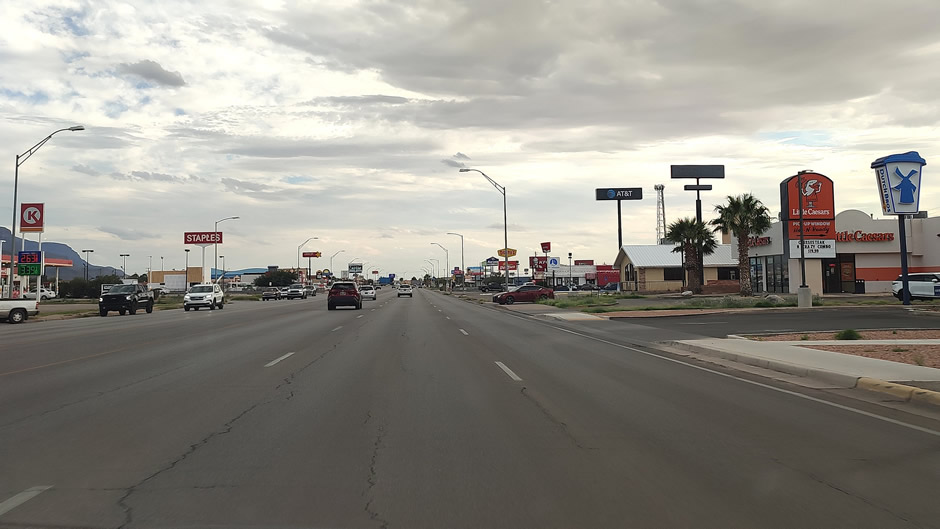
Above: White Sands Boulevard is Alamogordo’s main commercial corridor, home to hotels, restaurants, and major stops like the White Sands Mall. It also serves as a gateway for visitors heading to White Sands National Park, with the city’s visitor centre located along the boulevard.
The Museum of Space History, Alamogordo
The New Mexico Museum of Space History in Alamogordo highlights the state’s role in America’s space programme, with exhibits ranging from Apollo-era artefacts to tributes to pioneering scientists. Founded in 1976 as the International Space Hall of Fame, the museum recognizes over 170 individuals who advanced humanity’s exploration of space.
Visitors can see a moon rock from Apollo 17, spacesuits, and interactive displays inside the five-storey building, while the grounds feature unique sites such as HAM the Astrochimp’s grave, the Astronaut Memorial Garden, the Daisy Track, and the John P Stapp Air and Space Park. Regular lectures and stargazing events add to the museum’s educational mission.
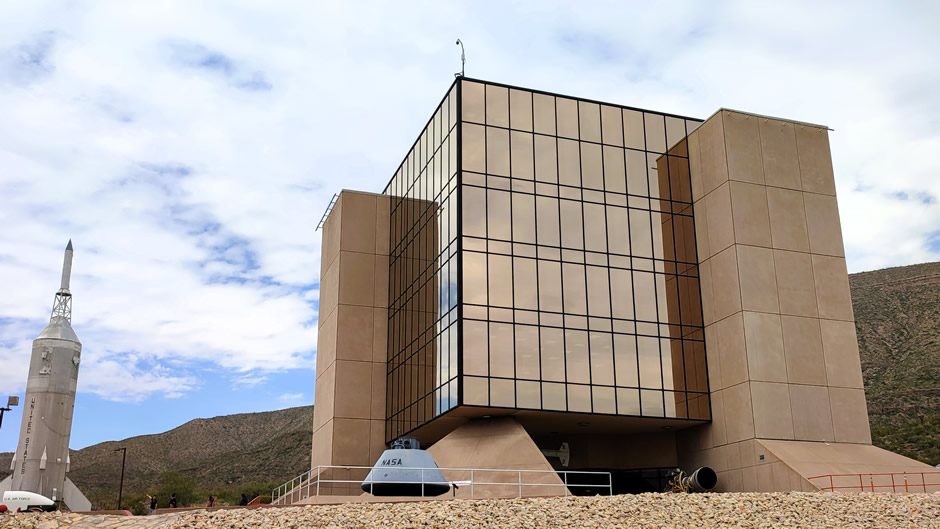
Above: The New Mexico Museum of Space History
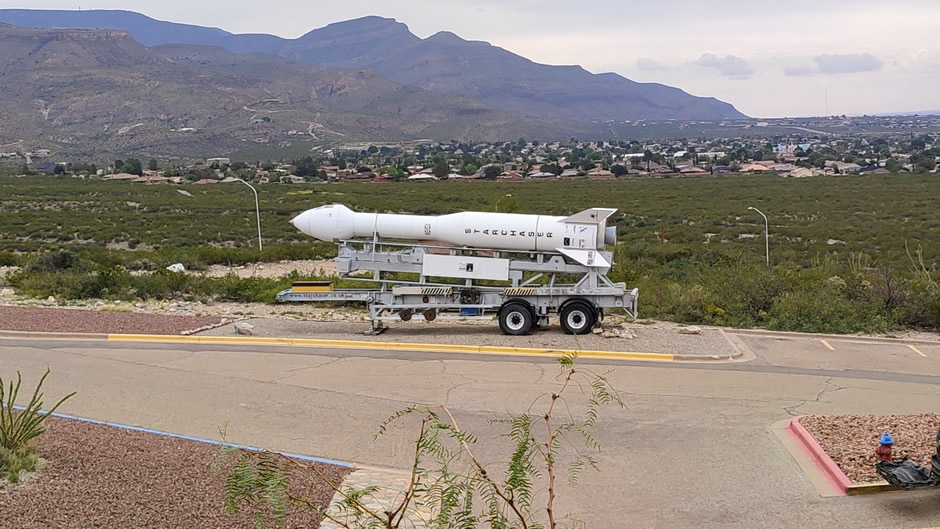
Above: The Starchaser rocket, an early prototype from the UK’s private Starchaser Industries programme aimed at developing reusable suborbital spacecraft, stands outside the New Mexico Museum of Space History. Its presence adds a modern commercial counterpart to the museum’s historic rocket lineup, linking today’s private-sector ambitions with the region’s long legacy of experimentation at nearby White Sands.
The Grave of HAM the Astrochimp can be found on the ground, in front of the sign shown below. HAM was a chimpanzee who became the first hominid in space on January 31, 1961 (a little over 10 weeks before the first man, Yuri Gagarin), as part of NASA's Project Mercury, proving humans could survive spaceflight by successfully performing tasks in a suborbital flight. Trained at the Holloman Aero-Medical Facility (hence his name HAM) in New Mexico, he completed a 16-minute flight, survived a rough re-entry, and lived the rest of his life at the National Zoo and then North Carolina Zoo, becoming a hero of the Space Race before his death in 1983.
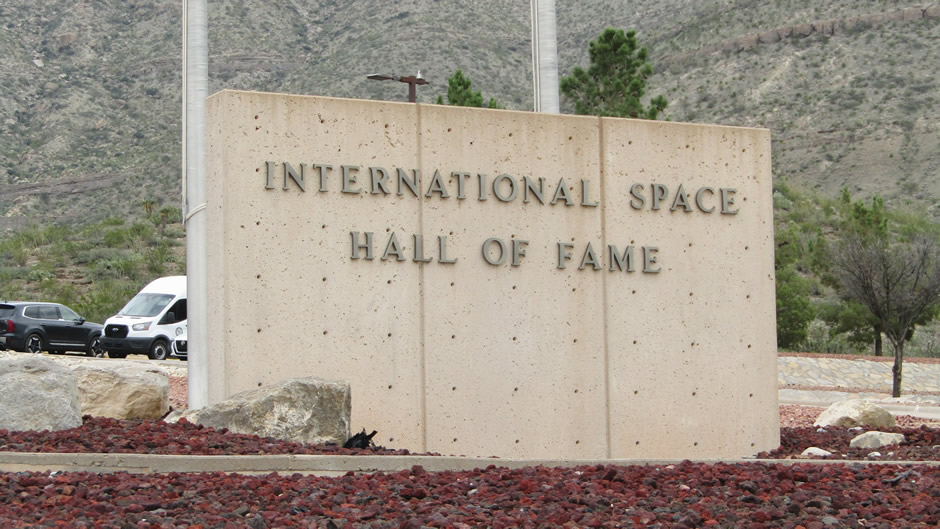
The Astronaut Memorial Garden, shown below, is a dedicated outdoor space that honours astronauts and other contributors to space exploration. It provides a quiet setting for reflection and remembrance, complementing the museum’s technical exhibits with a tribute to the human achievements and sacrifices behind the progress of spaceflight.
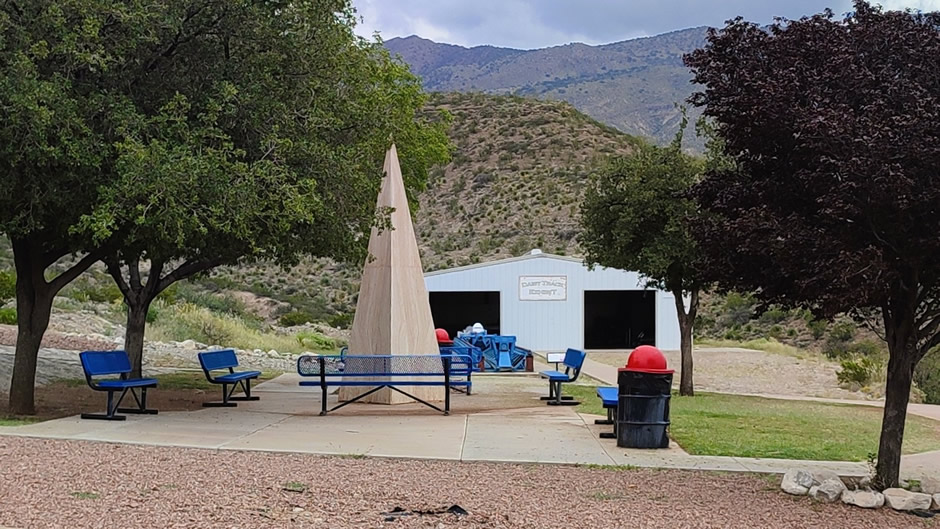
The Daisy Track (just behind the Astronaut Memorial Garden, above) is a historic sled-track used for aeromedical and equipment testing between 1955 and 1985. Nicknamed after the Daisy air rifle, it was powered by compressed air and designed to study the effects of rapid acceleration, deceleration, and impact on humans, animals, and spacecraft systems. Research conducted here supported NASA’s Mercury flights and Apollo moon landings, making it an important piece of early spaceflight history now preserved on the museum grounds.
The John P Stapp Air And Space Park, shown below, features large, historic space artefacts like the massive Little Joe II rocket, used for Apollo testing, and the Sonic Wind I rocket sled, famously ridden by Dr. Stapp to study extreme deceleration. These outdoor exhibits provide a tangible link to the experimental technologies that shaped modern spaceflight. A small selection of artefacts seen here follows:
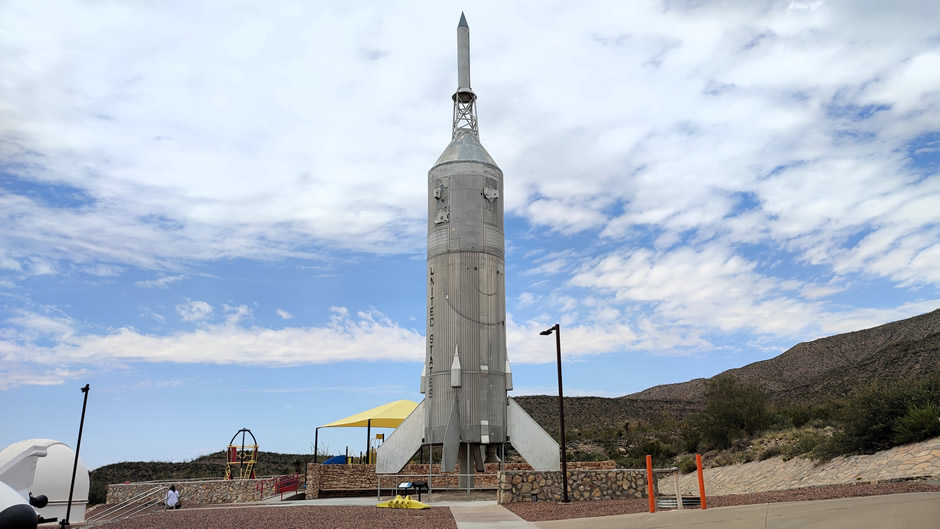
Above: Little Joe II rocket, used in Apollo programme testing
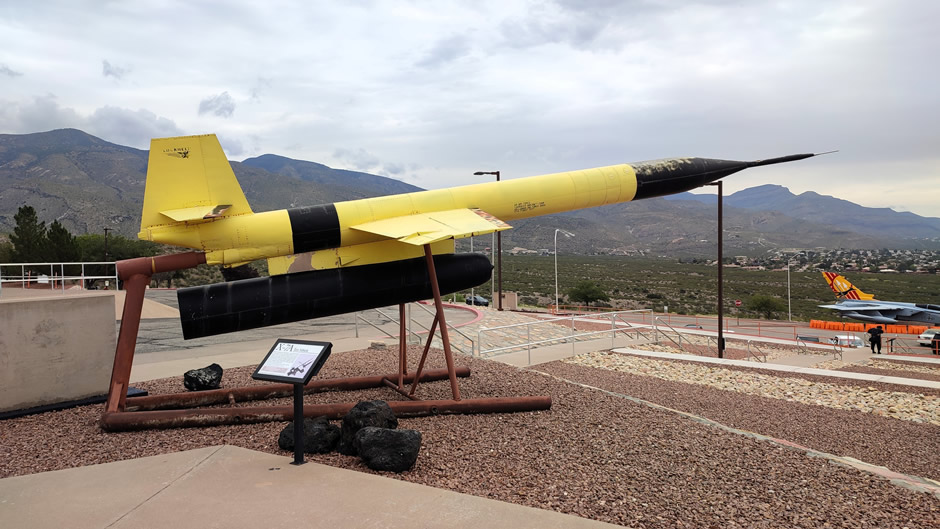
Above: X-7A rocket – an experimental air-to-air missile test vehicle
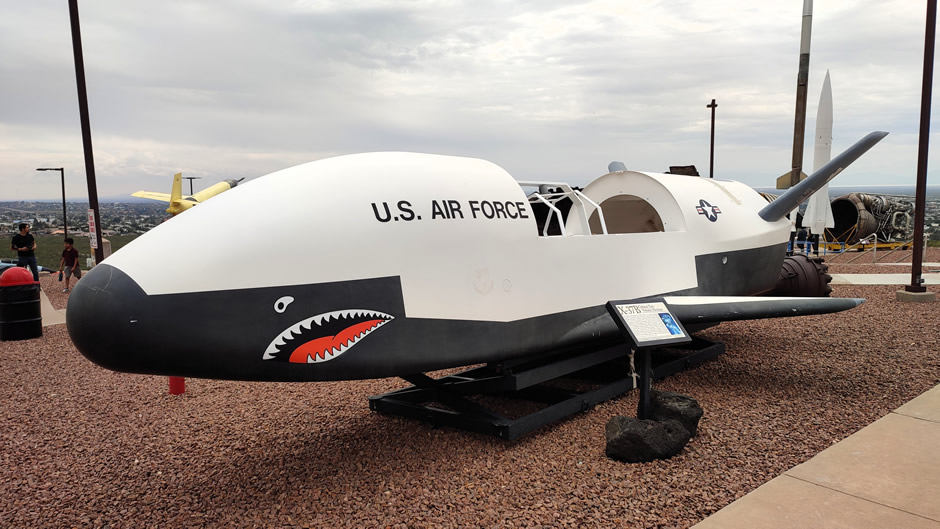
Above: Boeing X-37B orbital test vehicle Mock-up. The X-37B is a reusable unmanned spacecraft.
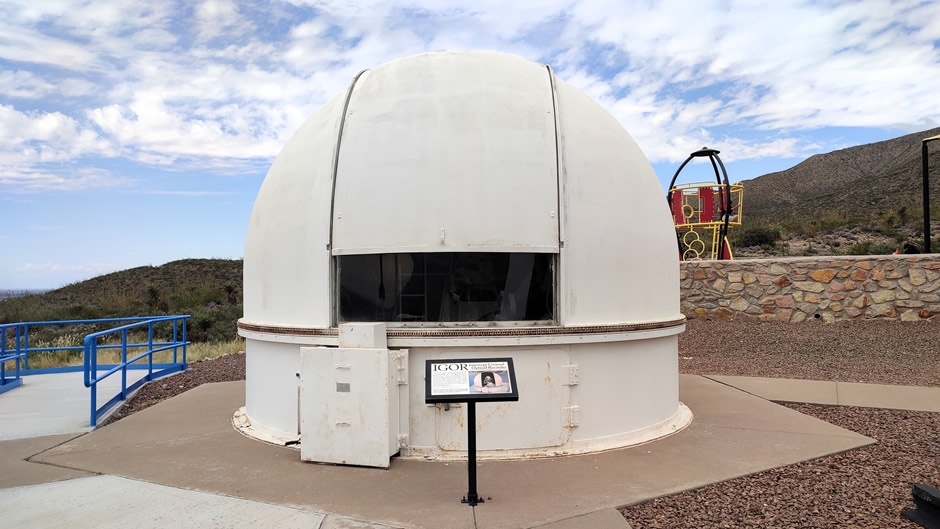
Above: Intercept Ground Optical Recorder (IGOR), a missile-tracking telescopic camera instrument used at White Sands Missile Range from 1951–1965.
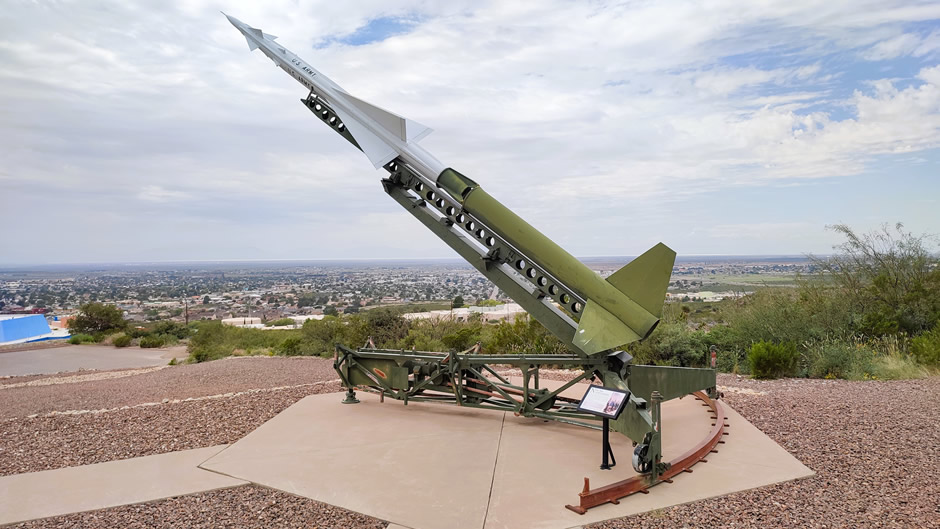
Above: Nike Ajax with Launcher. The MIM-3 Nike Ajax was the world’s first operational surface-to-air missile (SAM). Designed to intercept high-altitude aircraft, the first Nike Ajax flew at White Sands Proving Ground (now White Sands Missile Range) in 1951.
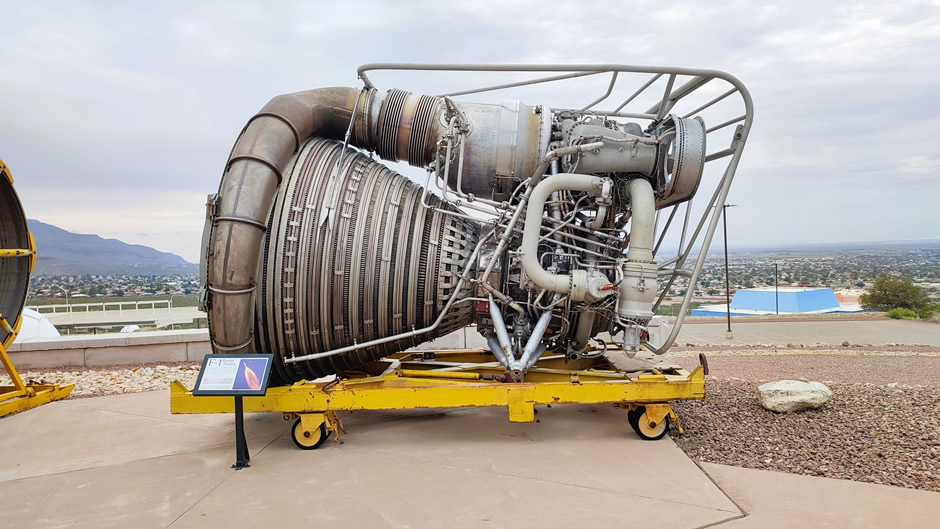
Above: F-1 Rocket Engine, the most powerful single chamber, liquid-fuel rocket engine ever flown. Five of these engines were used to power the first stage of the Saturn V rocket which carried astronauts to the Moon.
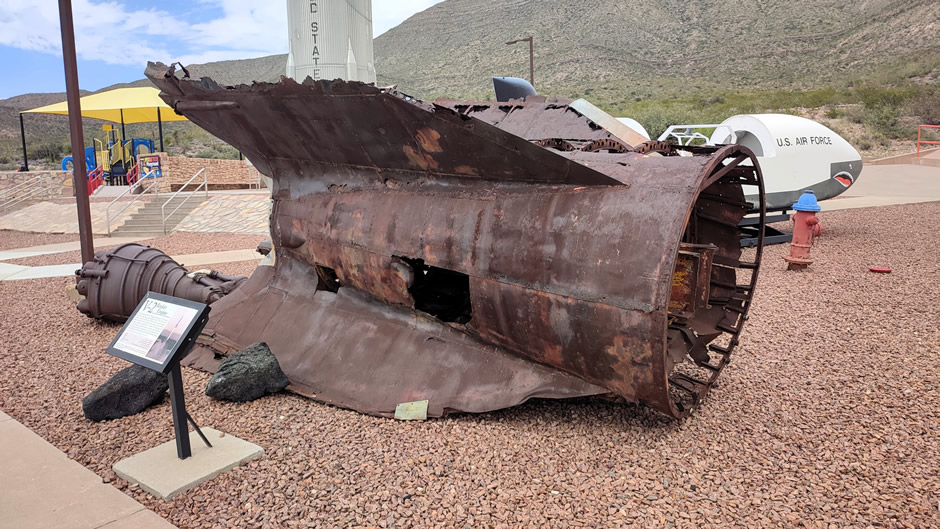
Above: V-2 Rocket Engine. The V-2 was the world’s first long-range guided ballistic missile, developed and used by Nazi Germany near the end of World War II. The engine shown here comes from a post-war research flight conducted at White Sands Missile Range, where recovered German hardware was tested and studied. After World War II, German scientists brought to the U.S. helped advance this V-2 technology, laying groundwork for early American missile and space programmes. Note – there is more information on the V-2 rocket on my “Peenemünde and the Polish Border on the Baltic Sea” webpage Here.
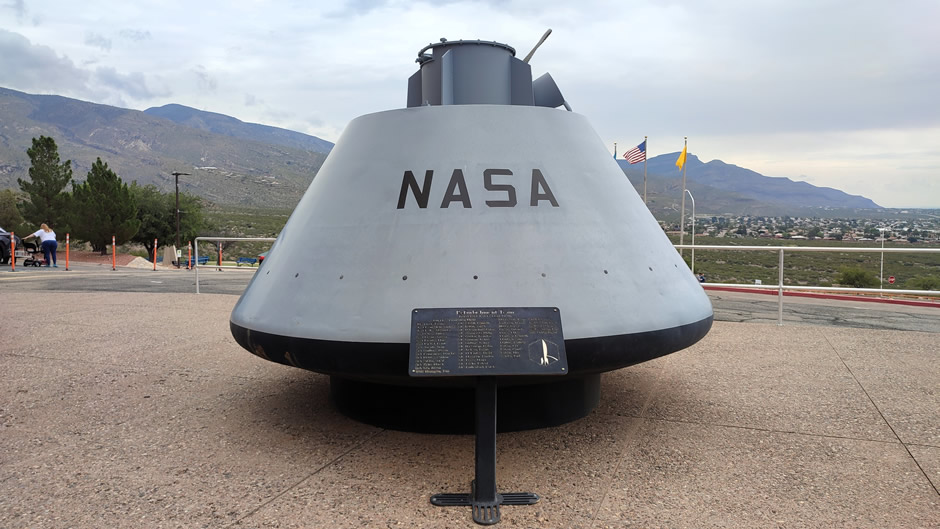
Above: Apollo Command Module Boilerplate S/N 1207. A boilerplate is a metal mock-up of the same external size, weight, and centre of gravity as a flight production model. A boilerplate is used for evaluating the characteristics of the spacecraft design and function. This artefact is/was on loan from the Smithsonian National Air and Space Museum, Washington, D.C.
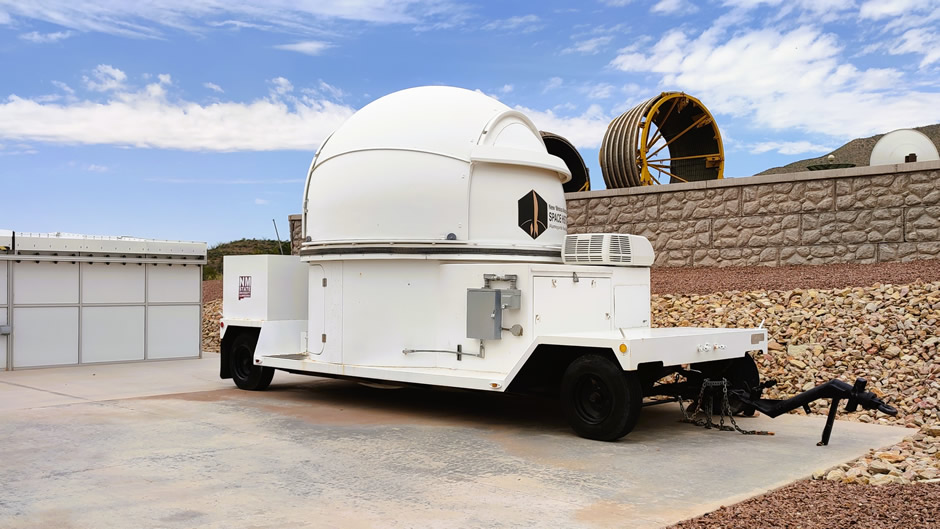
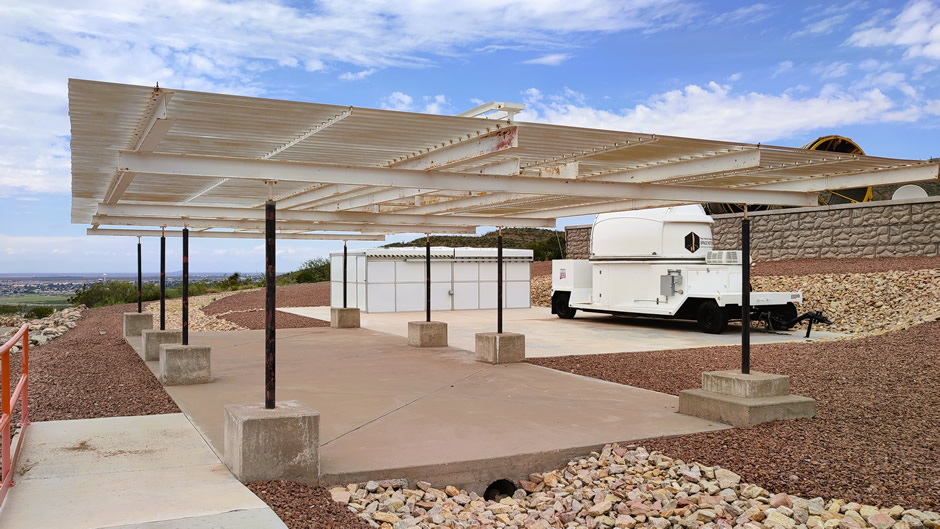
The small dome and radio installation, shown below, and located between the Air and Space Park and the main car park, form part of the observatory facilities. The dome houses a telescope used for solar and nighttime viewing, while the nearby radio antenna supports demonstrations in radio astronomy and satellite communications. Together, they serve as practical teaching tools, giving visitors a chance to see how astronomers observe the sky and how radio signals are tracked, adding a hands-on dimension to the museum’s outdoor exhibits.
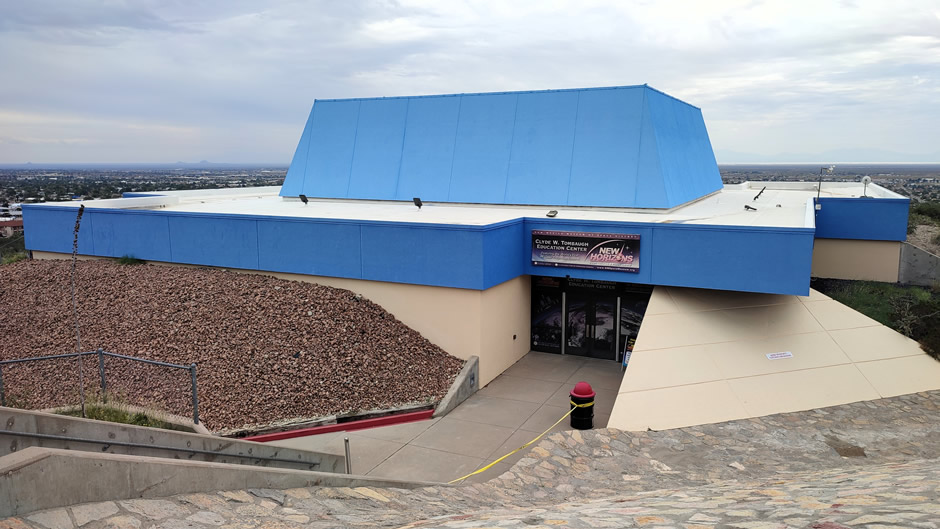
On the same site as the museum, the Clyde Tombaugh Education Center, shown below, is named for the New Mexico-born astronomer who discovered Pluto and offers visitors an immersive way to experience astronomy. It features the world’s first Spitz Scidome 4K Laser full-dome projection system, presenting two digital planetarium shows daily, along with a live star show and giant screen films. Programs led by museum educators explore the solar system, stars, and constellations, while also explaining phenomena such as the causes of the seasons and the apparent backward motion of planets in the night sky. Closed on Tuesdays (at the time of writing/always check ahead for opening times), the planetarium complements the museum’s exhibits by combining education with visually engaging presentations of the universe.
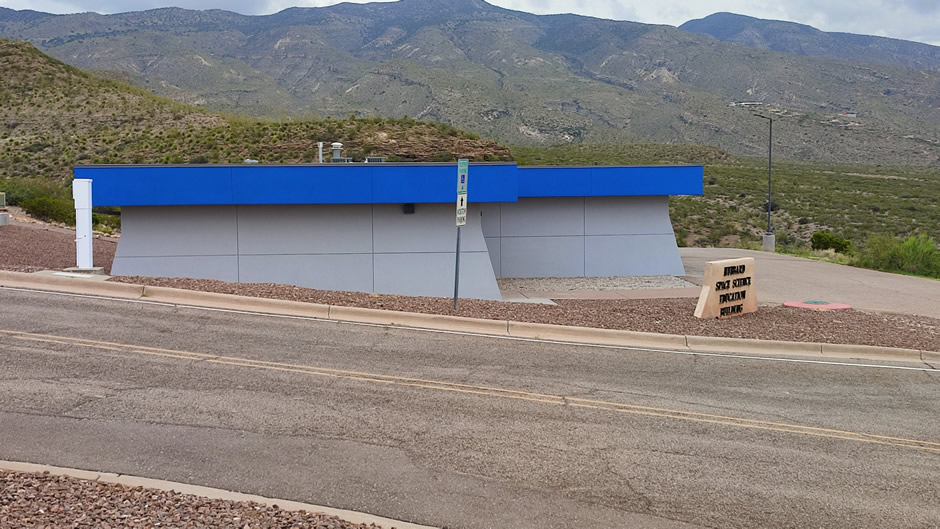
Finally, also beyond the main museum itself is the Hubbard Space Science Education Building (shown below). This comparatively unassuming building houses classrooms, labs, and public education programmes that support the museum’s STEM outreach. It’s where school groups, workshops, and community events are hosted, expanding the museum’s role beyond exhibits into year-round science education.
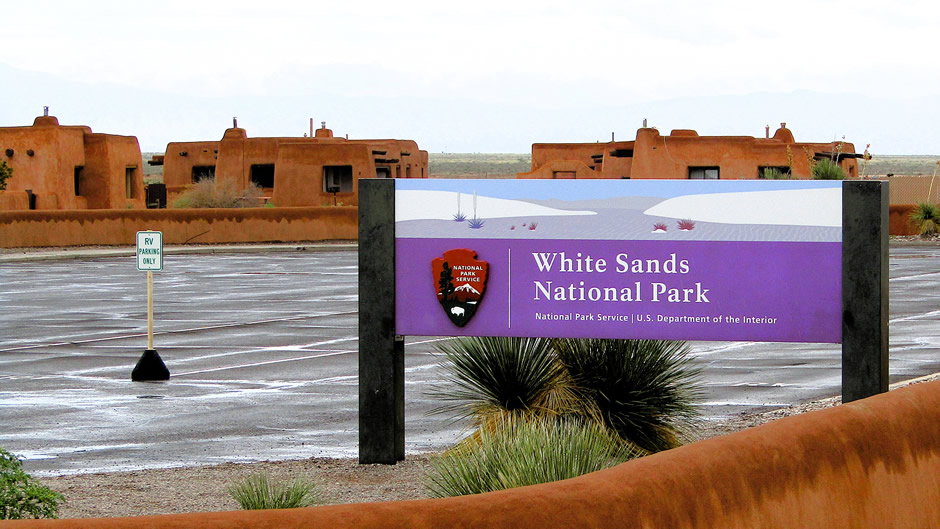
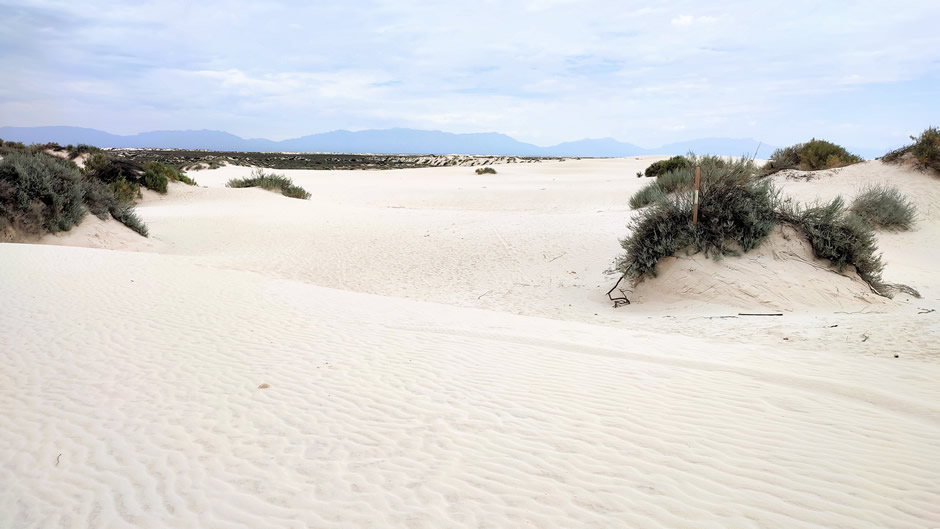
White Sands National Park in southern New Mexico protects the world’s largest gypsum dune field, a striking landscape covering over 275 square miles. The park entrance is about 15 to 16 miles southwest of Alamogordo, along U.S. Highway 70.
The park was designated a national monument in 1933 and upgraded to National Park status in 2019. At 145,762 acres, it is one of the most distinctive protected areas in the United States, combining geological rarity, cultural history, and ongoing scientific interest. Inspired by seeing the White Sands landscape many years earlier in the opening scenes of the 1978 film “Convoy” (!), a small detour was made here after spending the night in nearby Alamogordo. Sadly, out of all of the national parks visited during this 2025 road trip, this one was the most affected by the US government shutdown. The entrance was shut and so the only sightseeing possible was from the main road. Nonetheless, some information is provided here about the park and it is hoped to return again someday.
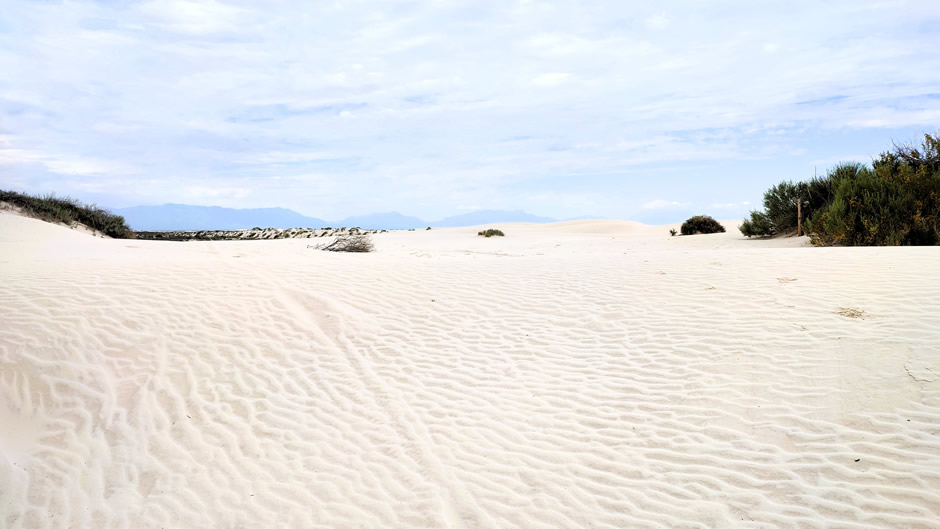
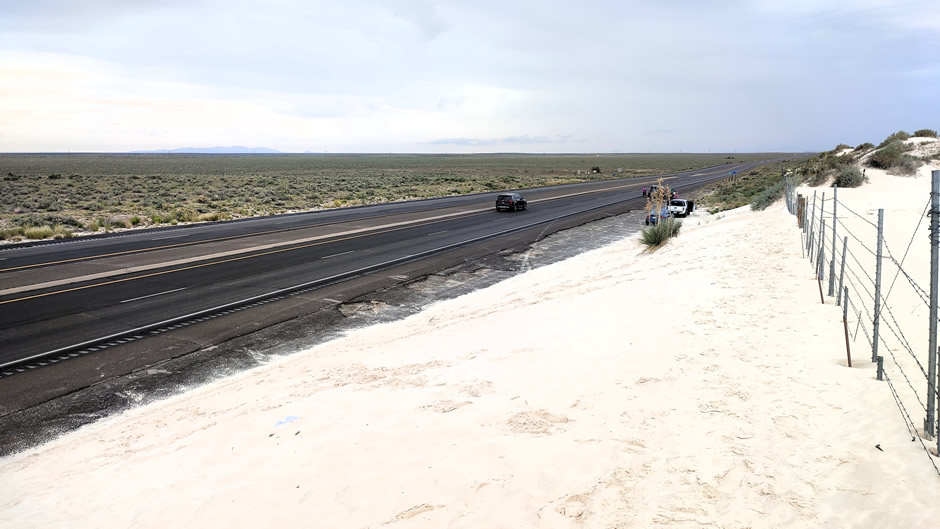
The park also occasionally closes because it borders the White Sands Missile Range, where military testing has taken place since the 1940’s. These closures are fortunately just temporary.

From the park entrance, the Dunes Drive extends about 8 miles into the heart of the dune-field. This paved route allows visitors to reach picnic areas, hiking trails, and backcountry zones, with distances clearly marked for short walks or longer treks across the shifting sands. The dunes themselves were formed from gypsum deposits left behind by a shallow sea during the Permian period. Groundwater beneath the basin stabilises the dunes, preventing them from blowing away entirely despite constant wind activity. Flora and fauna have adapted to the gypsum environment. Species such as the soaptree yucca, lizards, and small mammals survive in the dunes, often with pale colouration for camouflage. Human presence here stretches back thousands of years, with evidence of ancient peoples leaving footprints and artefacts. In the late 1800’s, European American settlers moved into the basin, establishing ranches and small communities.
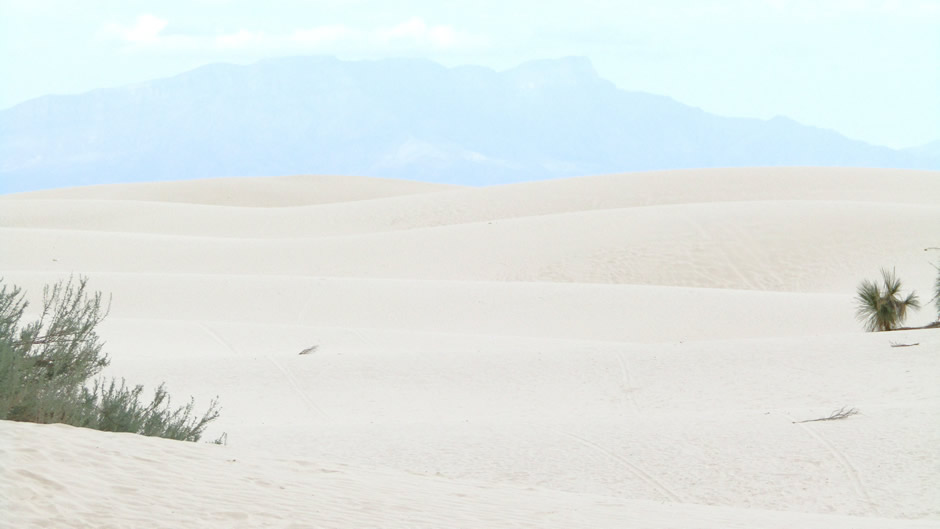
The National Park is considered a must-see destination for hiking, picnicking, sledding, photography, and unforgettable stargazing. Scenic trails include the Interdune Boardwalk and Dune Life nature trail. There are also several events taking place at various times of the year; The White Sands Balloon Invitational is an annual event, usually held the third weekend in September, sees hot air balloons launched from the stunning gypsum dunes, offering a unique spectacle of colourful balloons against the stark white landscape. White Sands Full Moon Music events (spring to fall/autumn) are special nights that feature live concerts by bands (like military or local groups), ranger talks, and cultural presentations, allowing visitors to experience the glowing gypsum dunes under the moonlight with music and storytelling in the park's amphitheatre.
McGinn's PistachioLand
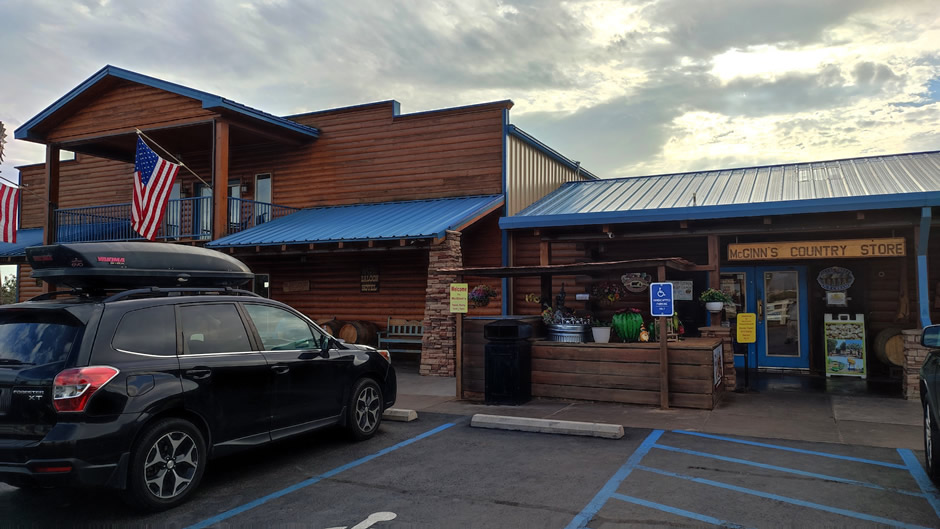
7 miles north of Alamogordo, road trippers may well find themselves stopping off at McGinn's PistachioLand (also advertised as “PistachioLand U.S.A.”) to see the world’s largest pistachio nut. Like many oversized roadside attractions, the giant pistachio was designed to catch the attention of travellers and encourage passers-by to stop and explore the site.
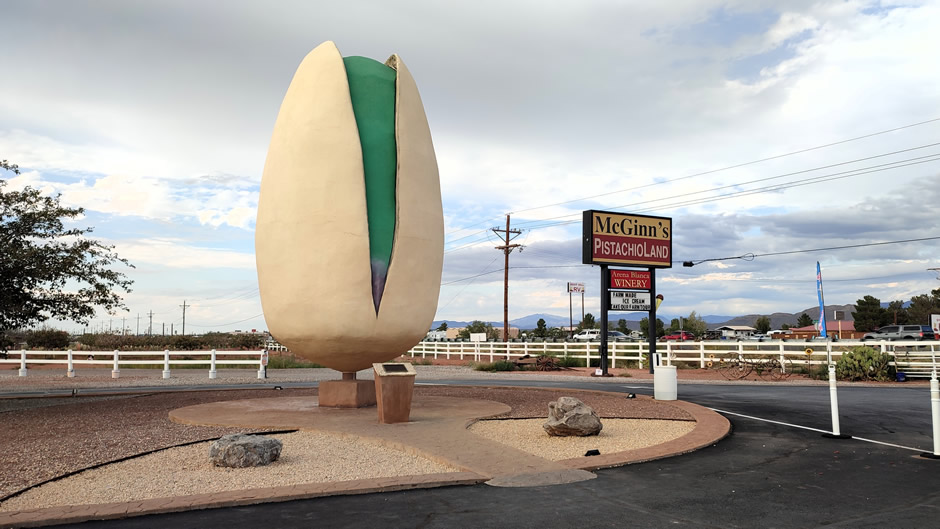
McGinn’s PistachioLand is a family-run pistachio orchard and winery that has grown into one of southern New Mexico’s most recognizable roadside attractions. Established in 1980, the ranch now includes more than 12,000 pistachio trees and acres of grapevines used for wine production. Visitors can tour the orchard, sample pistachios and wines, and shop at the country store for locally made products ranging from confectionary to gourmet foods. The 30-foot pistachio monument was built in memory of founder Thomas McGinn and is a popular photo spot. The site also features an ice cream parlour with pistachio-based flavours, adding another draw for travellers.
Some Notes for Longer Visits to the Alamogordo Area
Alamogordo offers a variety of attractions beyond its space history sites and the White Sands National Park, ranging from cultural venues to outdoor experiences. Visitors can explore the Alameda Park Zoo, one of the oldest in the Southwest, enjoy a round at Desert Lakes Golf Course, or attend performances at the Flickinger Center for Performing Arts. Local creativity is showcased at Otero Artspace and the La Luz Pottery Studio, while regional heritage is preserved at the Tularosa Basin Museum of History. Outdoor highlights include Oliver Lee Memorial State Park, the Three Rivers Petroglyph Site, and nearby Lincoln National Forest with the mountain village of Cloudcroft. Family-friendly stops such as the Toy Train Depot and the Alamogordo Armed Forces Museum add variety, while the White Sands Missile Range Museum and the Shroud Exhibit and Museum provide unique historical experiences. The surrounding Tularosa Basin also supports agricultural attractions, reflecting the area’s farming traditions and local produce.
Roswell
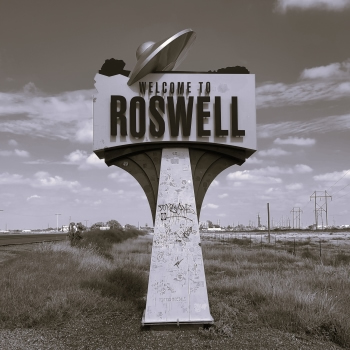
From the Alamogordo area, the road trip continued east toward Roswell, the next main stop on the route. Roswell, New Mexico is best known for the 1947 incident when debris was recovered from a ranch outside town.
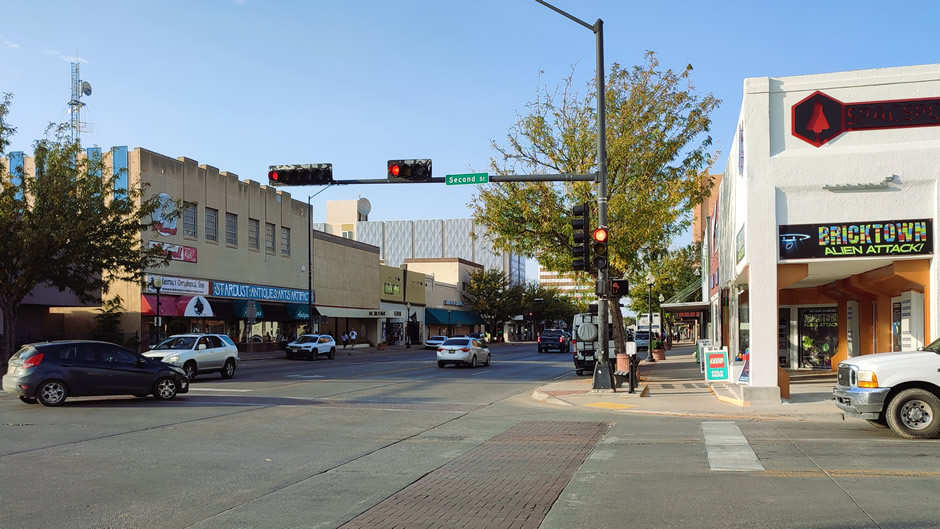
Above: Downtown Roswell
The Roswell incident officially began with the recovery of a crashed "flying disc" by the military in 1947, but the story was quickly changed to a weather balloon. Decades later, this led to widespread theories that the incident involved an extraterrestrial spacecraft crash and alien bodies. The U.S. Air Force has since stated that the debris was from a top-secret Project Mogul spy balloon and that "alien body" stories may have resulted from a later confusion of events, like crash test dummies and Air Force personnel casualties in separate accidents. The Roswell incident sparked decades of speculation and cemented this small city’s reputation as the centre of UFO lore. Today, Roswell embraces this identity with UFO and alien-themed attractions alongside its role as a regional hub in southeastern New Mexico with a mix of history, culture, and aviation ties.
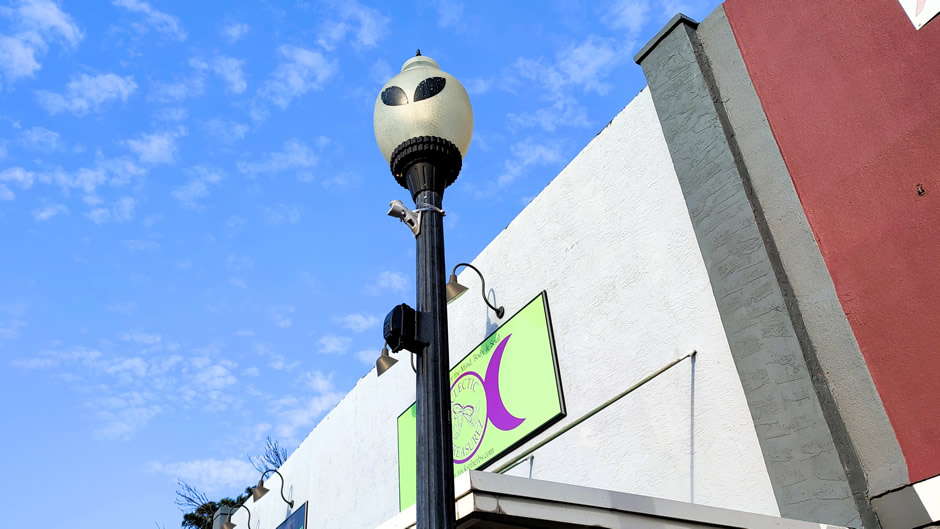
Above: Roswell features iconic alien-themed streetlights, particularly along Main Street, designed as green alien heads, enhancing the town's extraterrestrial branding and attracting tourists interested in the famous 1947 UFO incident. These distinctive lamps glow green at night, adding to the otherworldly atmosphere of the town famous for its UFO lore.
Aforementioned attractions in Roswell include the International UFO Museum and Research Center, Roswell Space Toy Museum, Roswell UFO Spacewalk, and Spaceport Roswell. Most of the time was spent visiting the International UFO Museum and Research Center, and some time was also visiting the next two. However, time available, combined with a feeling of being “UFO-ed out” meant the latter attraction was skipped. Unless a die-hard UFO and little green men fanatic, visitors whom get the novelty factor over with may find themselves looking for alternative attractions after a day or so (of which there are many in and around the city) – this is, of course, just a personal view of the author, whom is more than pleased to have had the opportunity to visit this infamous city.
Roswell Visitor Center
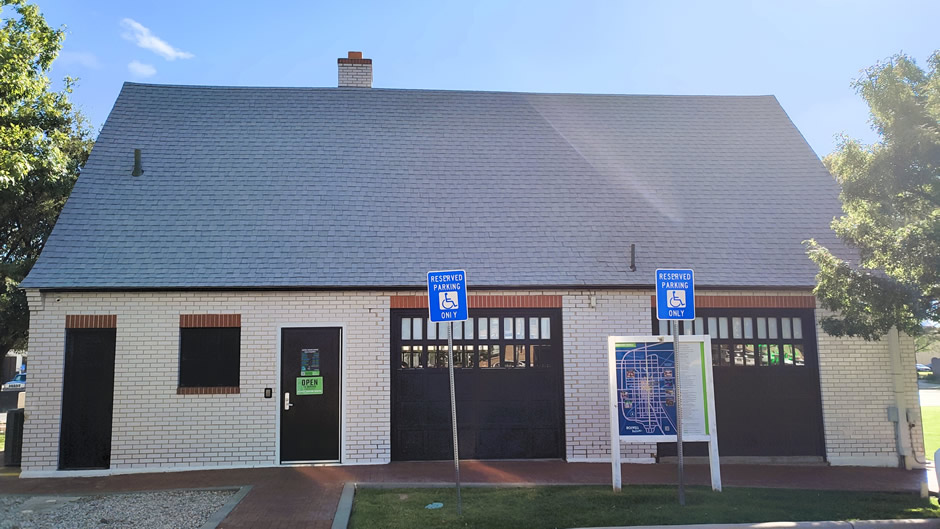
The Roswell Visitor Center (shown below), located in Downtown Roswell, serves as the starting point for exploring the town’s famous UFO heritage. Inside, visitors will find helpful staff, maps, and information on local attractions, along with souvenirs themed around the 1947 crash. A popular highlight is the chance to take a free photo with life-sized alien figures, making for a fun keepsake. The centre also provides guidance on other “alien spots” around town, ensuring guests can easily navigate Roswell’s unique mix of history, culture, and extraterrestrial lore. Additional information is available on other aspects of the city, including non-alien attractions and history.
Dr. Robert Goddard Statue
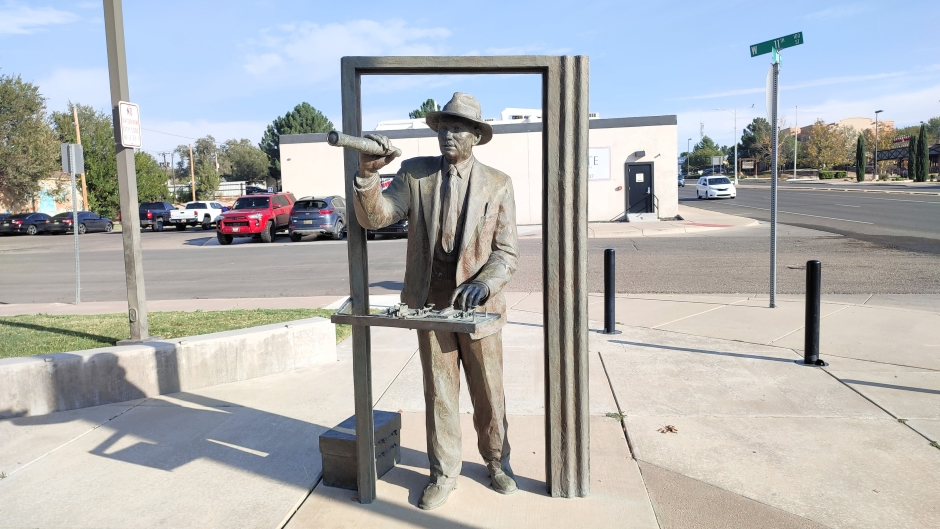
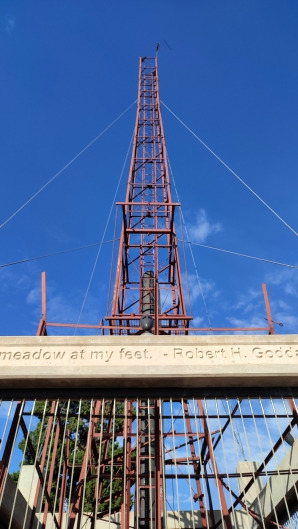
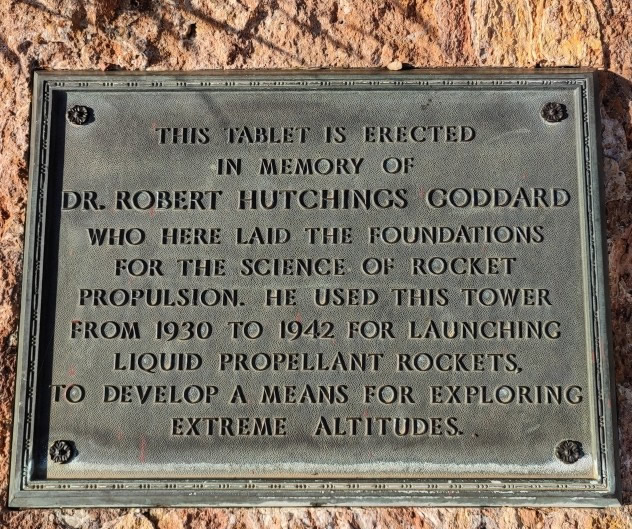
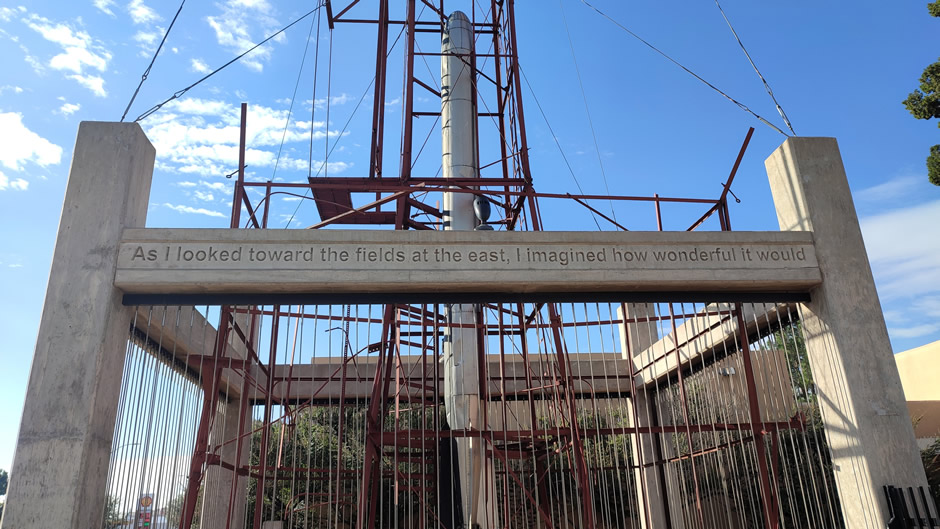
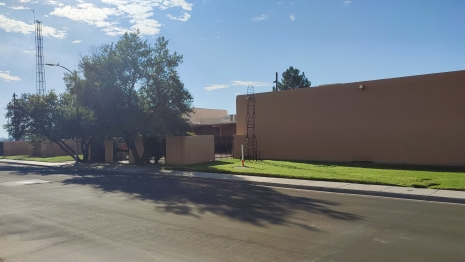
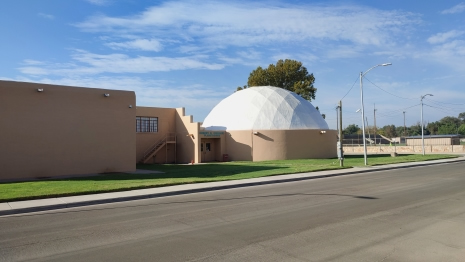
The Dr. Robert Goddard Statue in Roswell, shown below, honours the “Father of Modern Rocket Propulsion” and his pioneering work conducted in New Mexico. Located at the Roswell Museum and Art Center, the life-sized bronze statue depicts Goddard poised beside one of his rockets, symbolising his groundbreaking experiments with liquid-fuel propulsion. From 1930 to 1942, Goddard carried out extensive rocket testing in the Roswell area, laying the foundations for space exploration. The statue is part of a larger exhibit dedicated to his legacy, which includes replicas of his rocket laboratory and displays highlighting his contributions to aeronautics and astronautics. The installation also features a themed terrazzo bench, creating a contemplative space for visitors to reflect on his achievements.
 |
||
 |
 |
|
 |
||
 |
 |
International UFO Museum and Research Center and Gift Shop
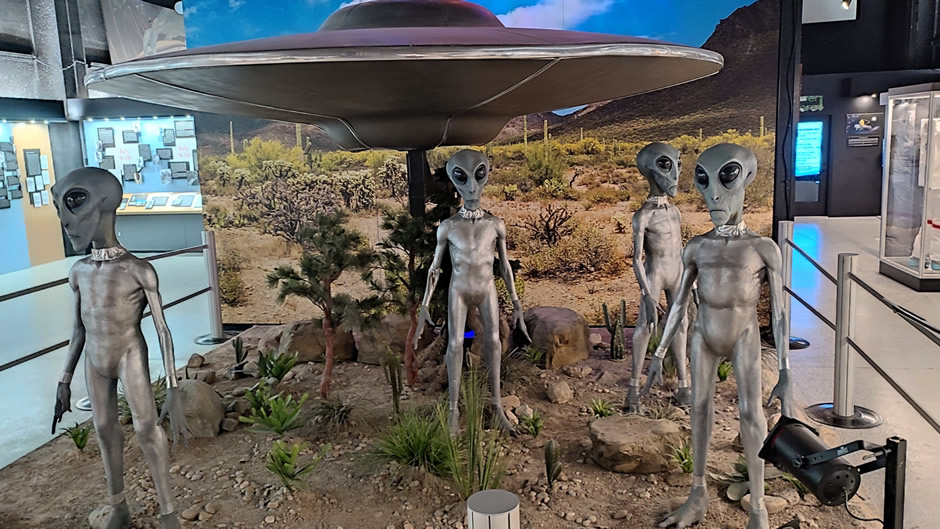
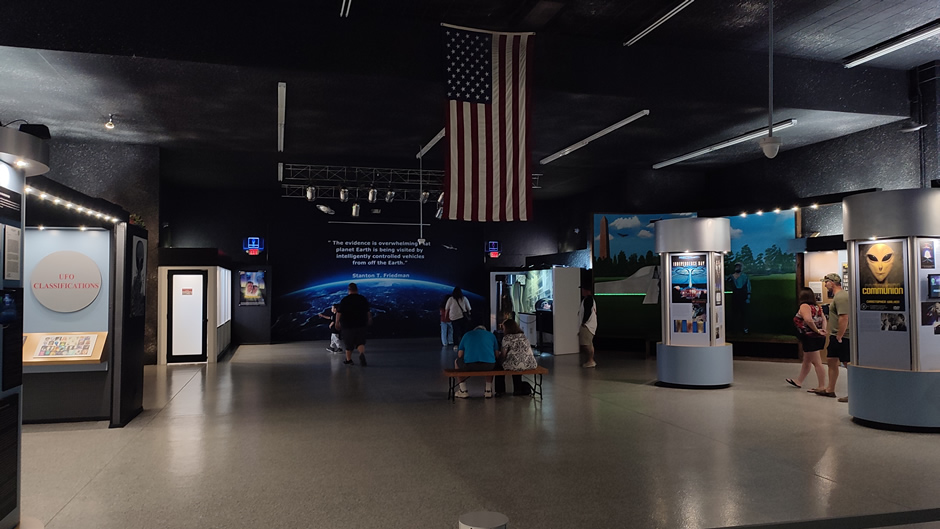
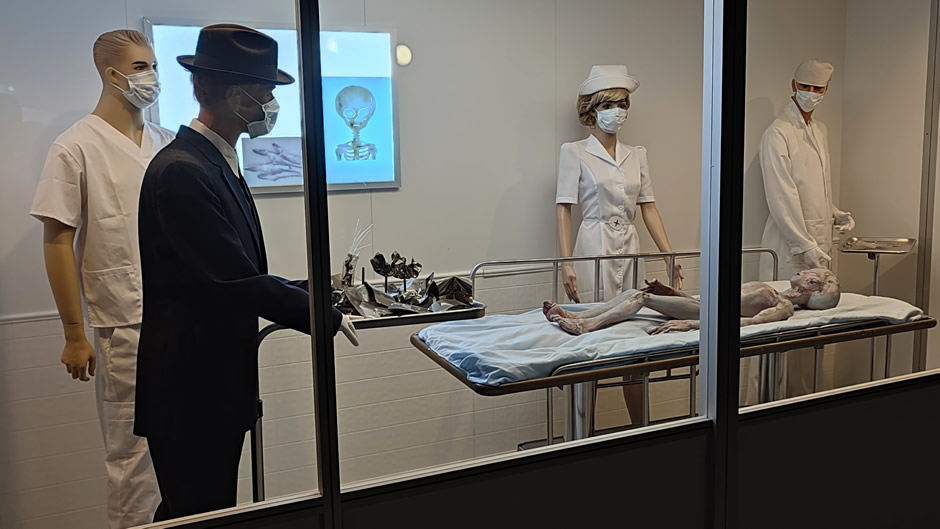
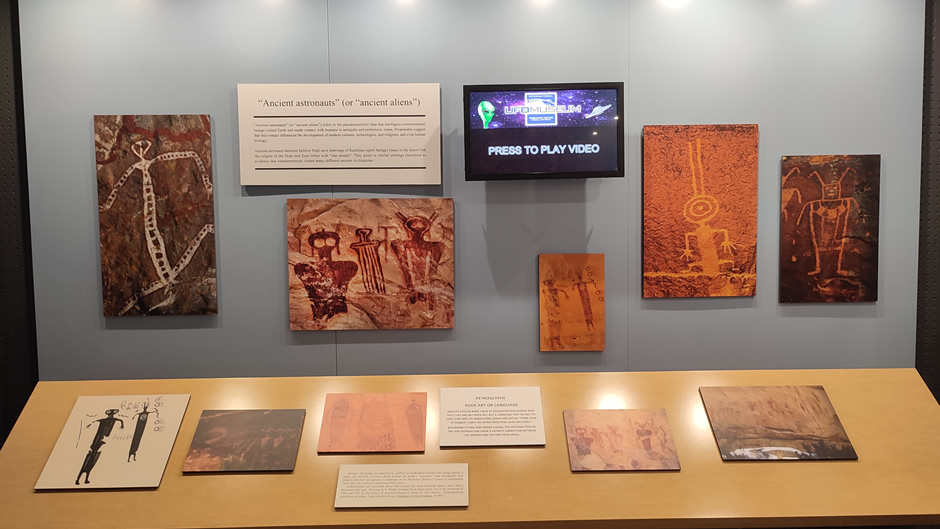
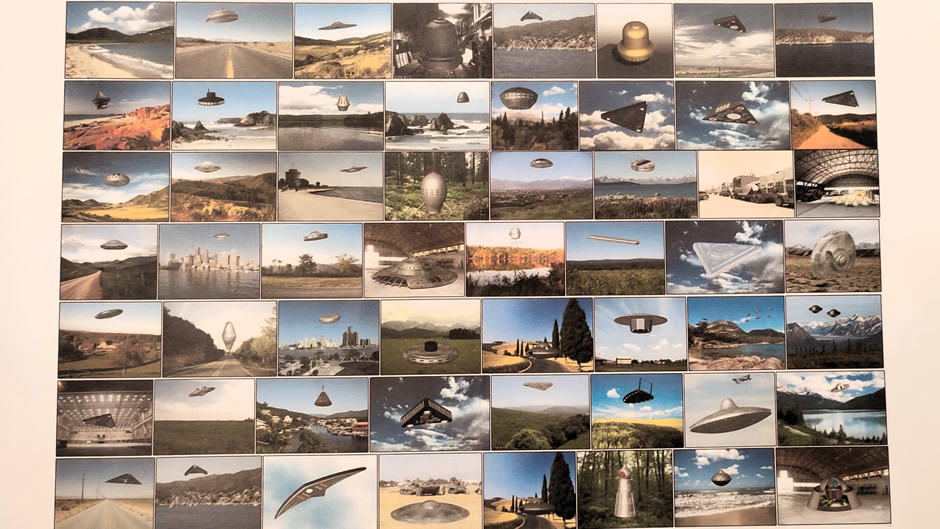
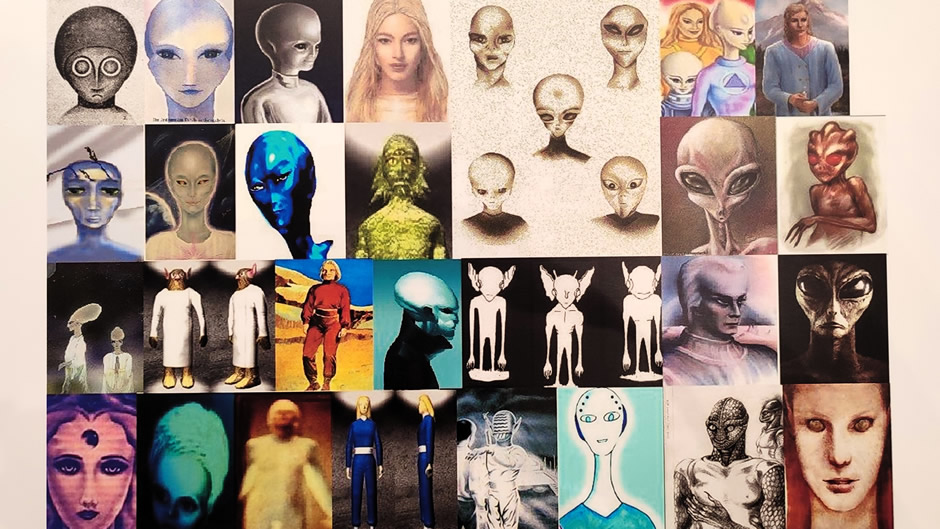
The International UFO Museum and Research Center in Roswell, shown below, is the town’s most famous attraction, dedicated to the 1947 UFO incident and the broader study of unexplained aerial phenomena.
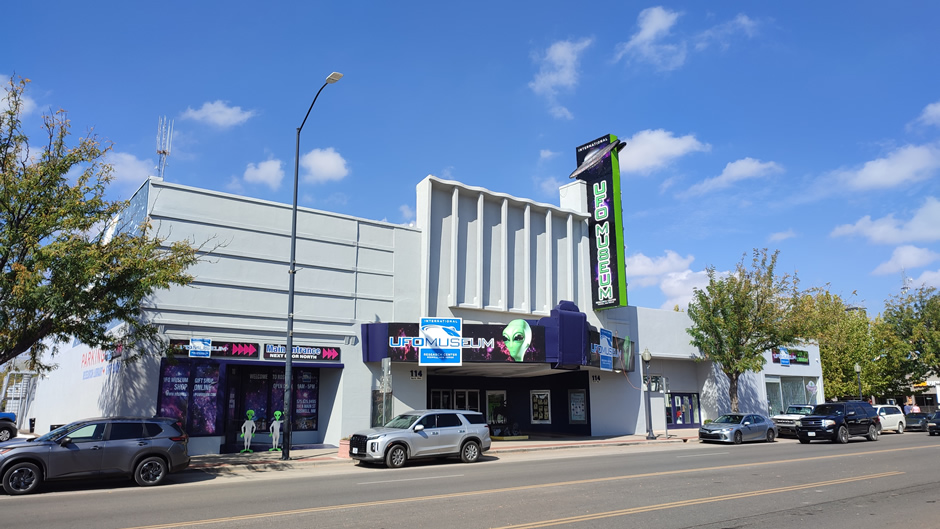
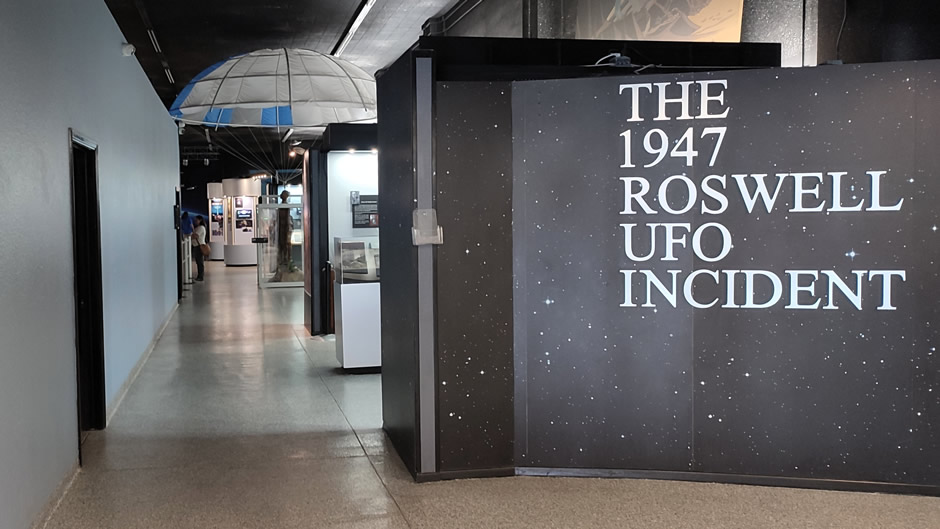
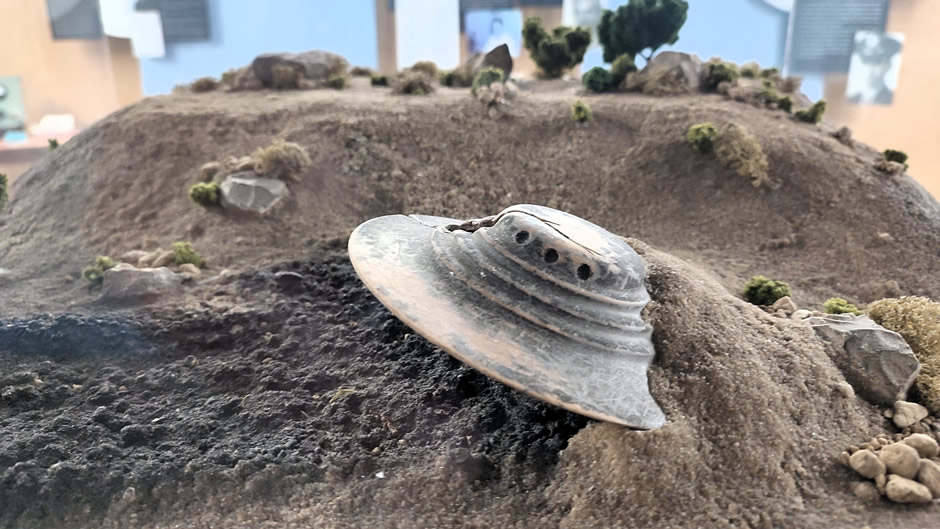
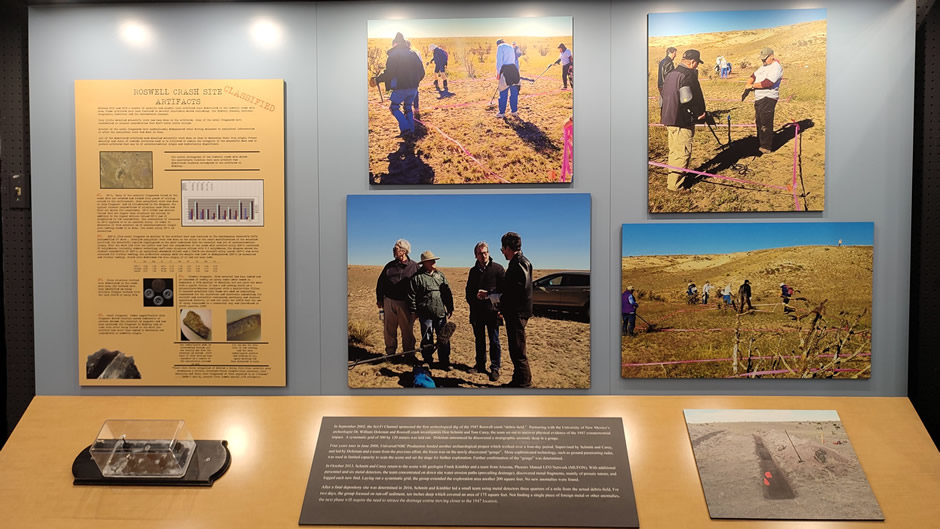
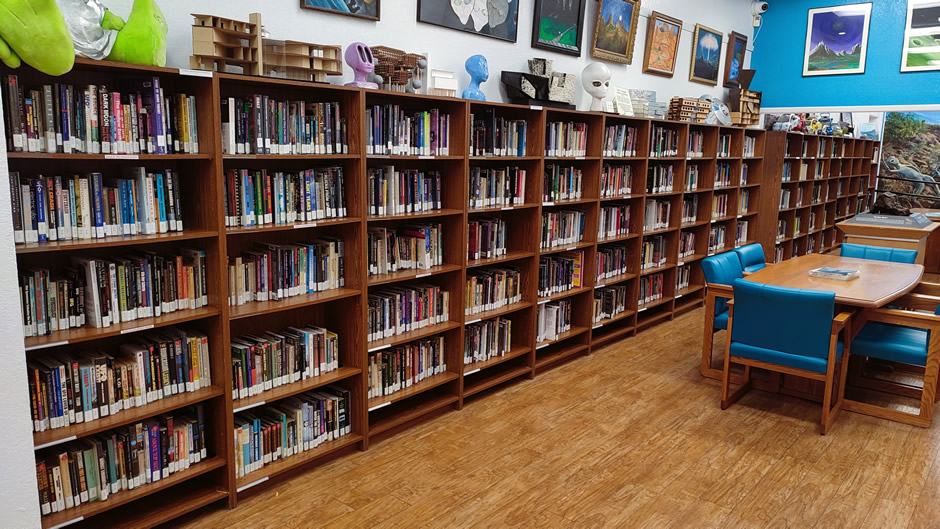
Inside the centre, visitors will find exhibits featuring eyewitness accounts, government documents, and cultural artefacts that trace the history of UFO research and its impact on popular culture. Exhibits are not exclusively about the Roswell incident and cover the history of events from around the world – a must for any budding ufologist! The museum also houses a research library for those wanting to dig deeper into the subject. Before leaving, guests can stop at the gift shop, which offers a wide range of themed souvenirs, from books and apparel to novelty alien merchandise, making it a fun way to take home a piece of Roswell’s unique identity. Some more photos follow, from inside the centre:
Roswell Space Toy Museum
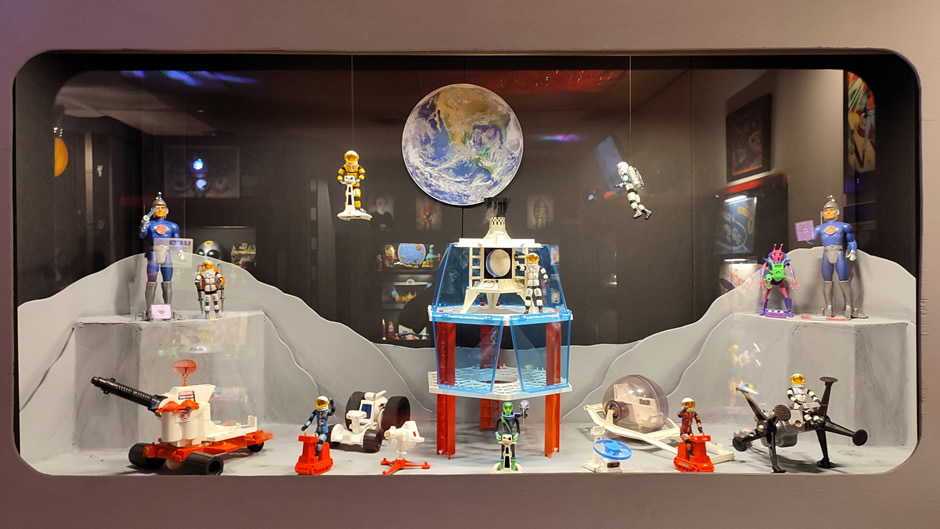
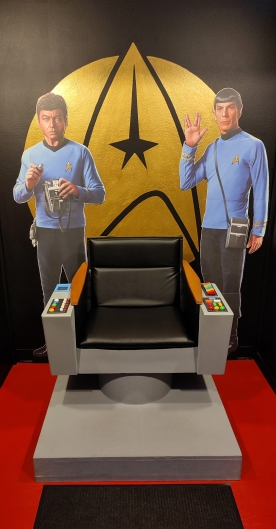
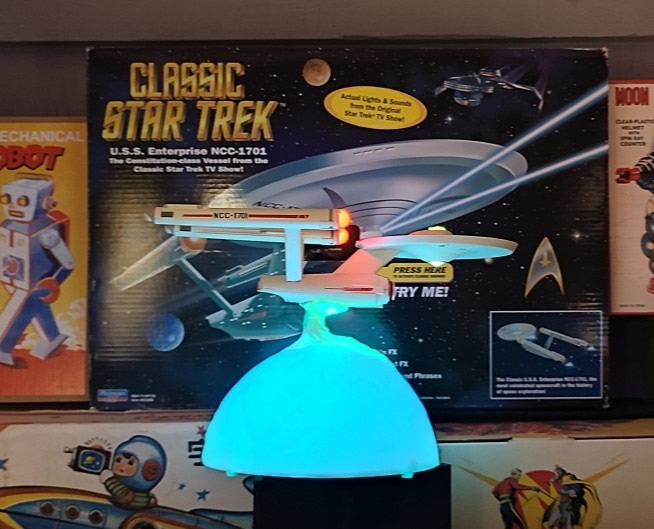
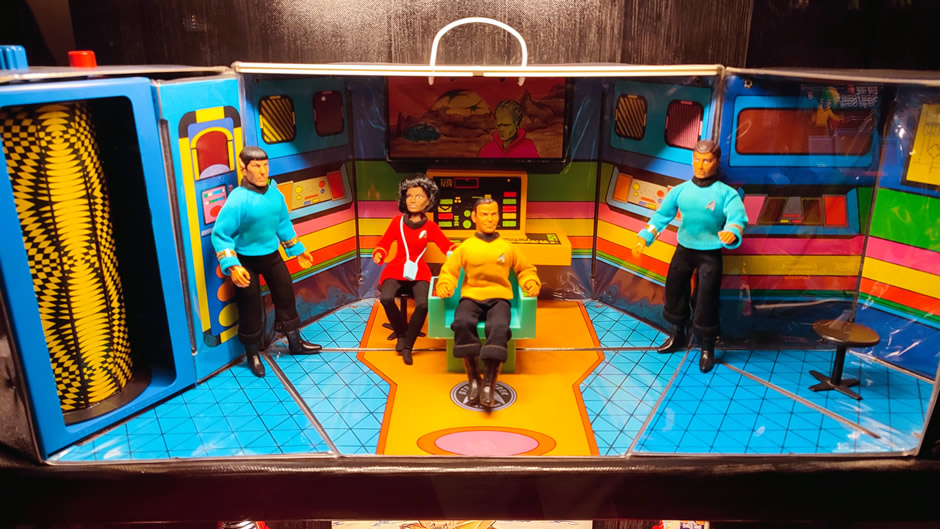
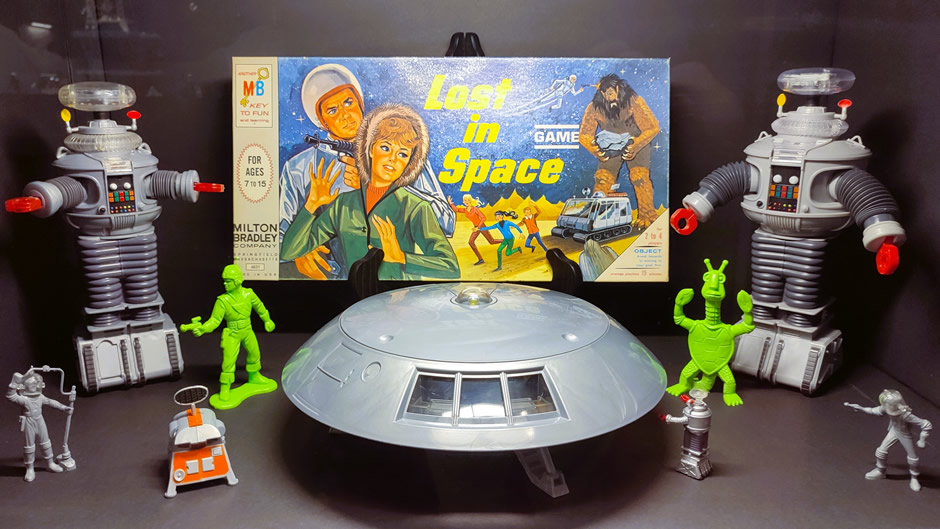
The Roswell Space Toy Museum, below, is a whimsical attraction that celebrates vintage and space-themed toys, making it a fun stop for visitors of all ages.
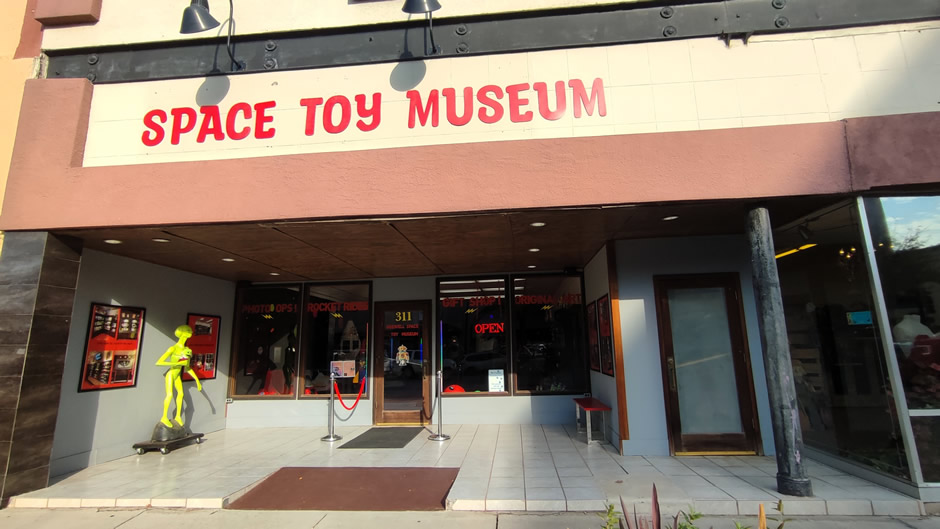
Located on Main Street in Downtown Roswell, the museum features an extensive collection of toys from the 1930s through the 1960s, along with later collectibles tied to space exploration and science fiction. Highlights include vintage rocket rides for children, displays of classic action figures and model rockets, and playful photo opportunities such as sitting in Captain Kirk’s chair or posing for themed snapshots like “what you’d look like on Mars”. The museum blends nostalgia with interactive fun, offering a look at the history of space-inspired playthings. A small gift shop rounds out the experience, providing souvenirs for toy enthusiasts and space fans alike.
 |
||
 |
 |
|
 |
||
 |
||
Roswell UFO Spacewalk
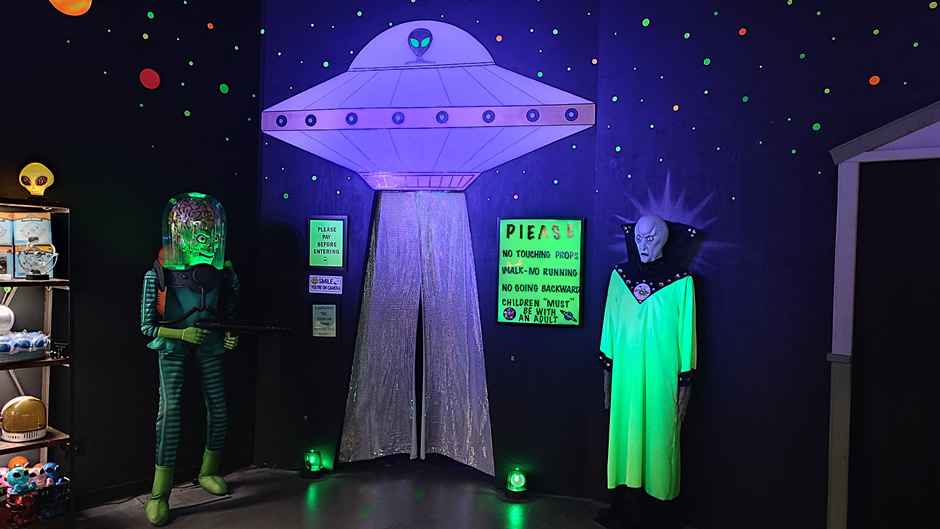
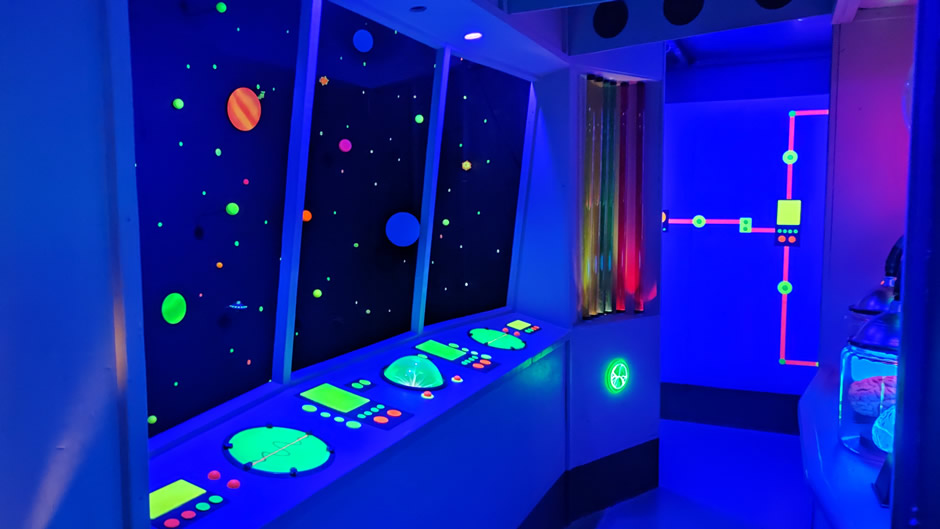
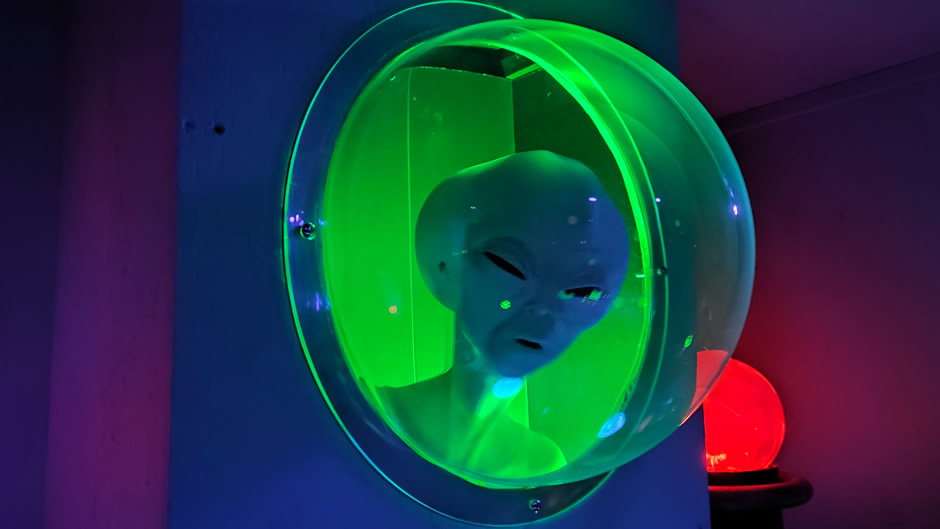
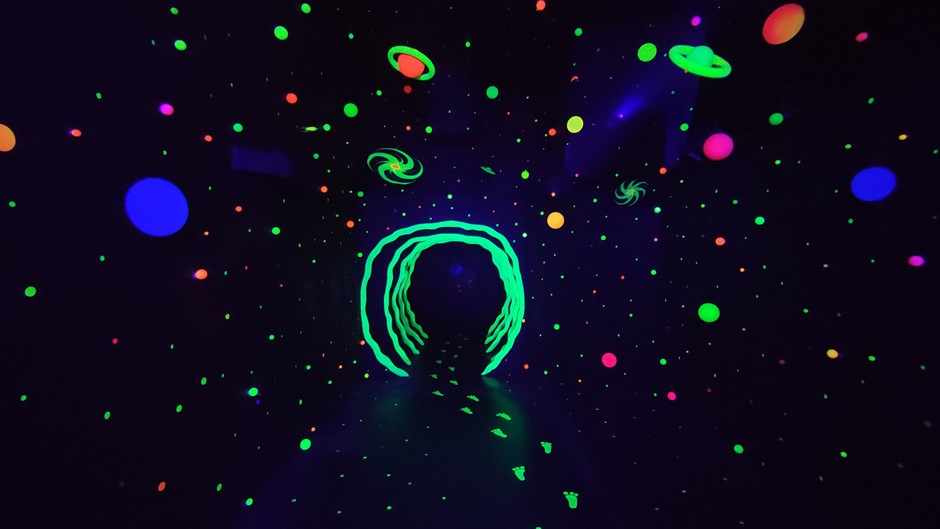
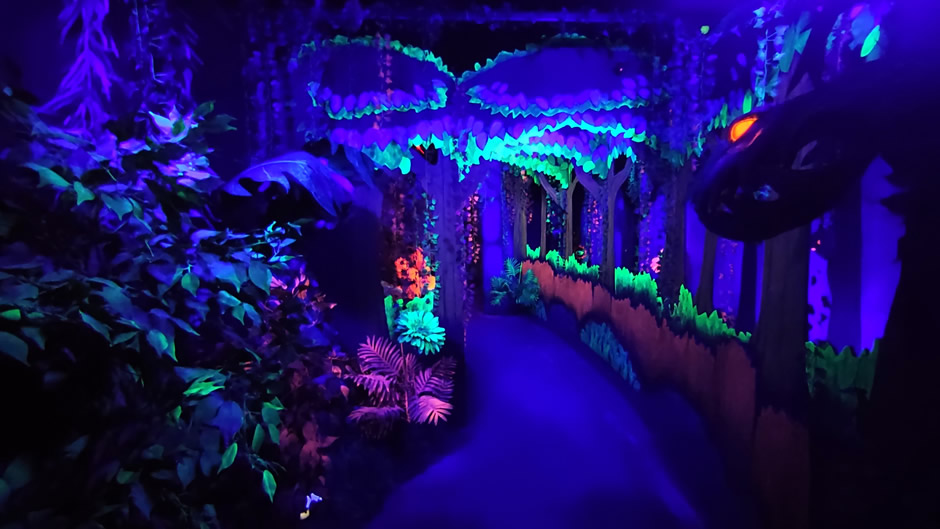
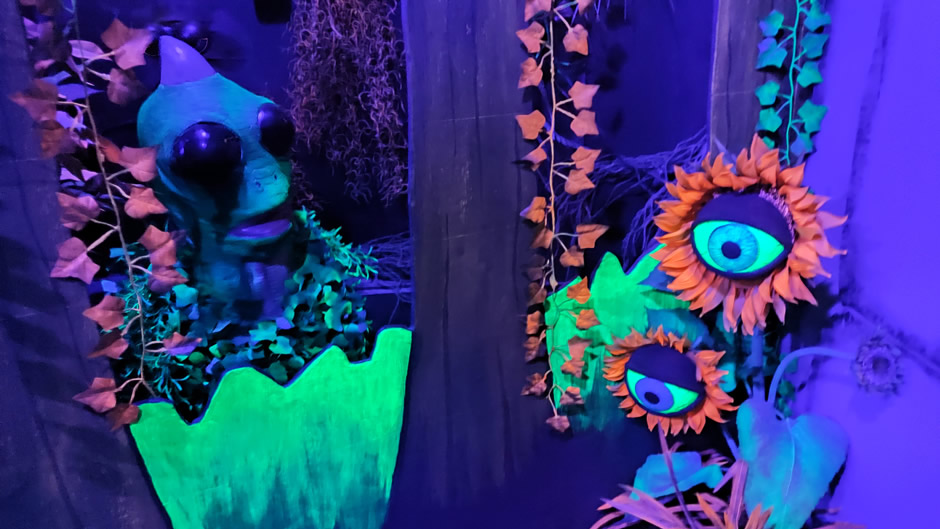
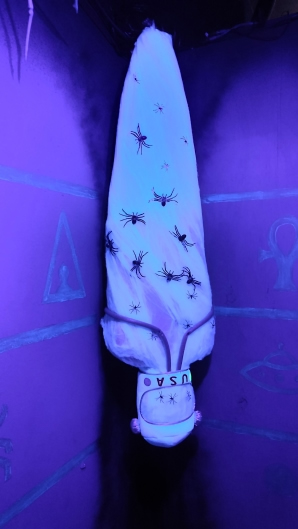
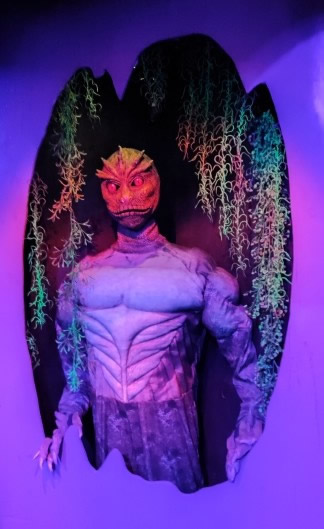
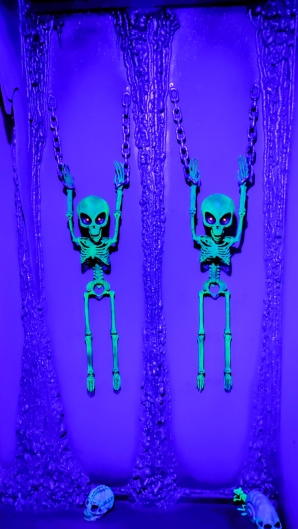
The Roswell UFO Spacewalk is an immersive blacklight art adventure in Downtown Roswell that takes visitors on a playful journey through outer space and UFO lore.
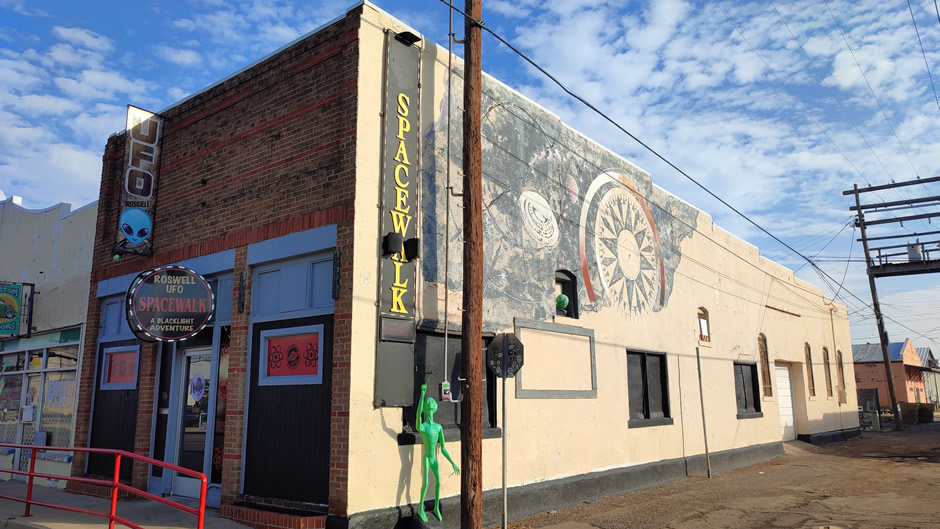
Created by artist Bryan Ward, the attraction features glowing retro sci-fi scenes, alien landscapes, and interactive installations that transport guests into a cosmic environment. After completing the walkthrough, visitors can explore the adjoining gallery showcasing Ward’s original artwork, along with unique vintage-style toys, lamps, and souvenirs. Family-friendly and visually striking, the Spacewalk blends Roswell’s UFO heritage with creative art, offering a fun and memorable stop for all ages.
 |
||||
 |
||||
 |
||||
 |
||||
 |
||||
 |
||||
 |
 |
 |
||
McDonalds
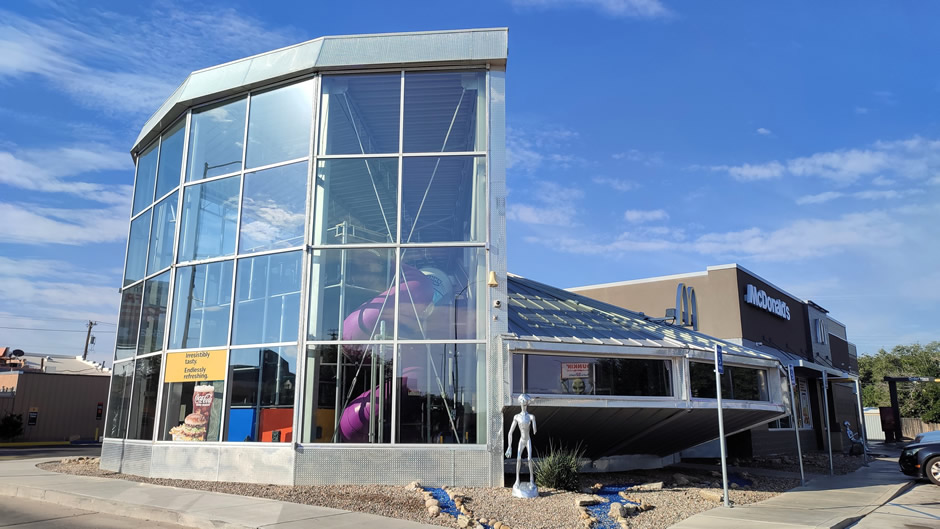
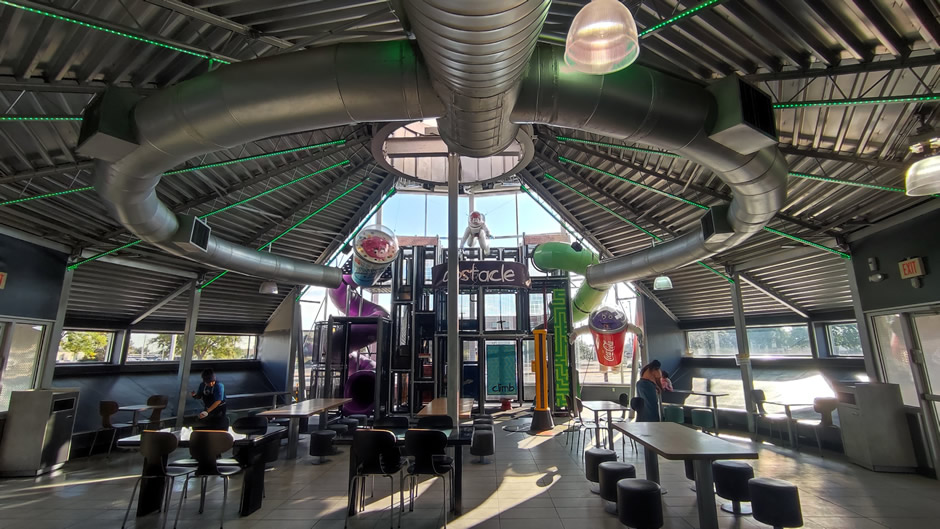
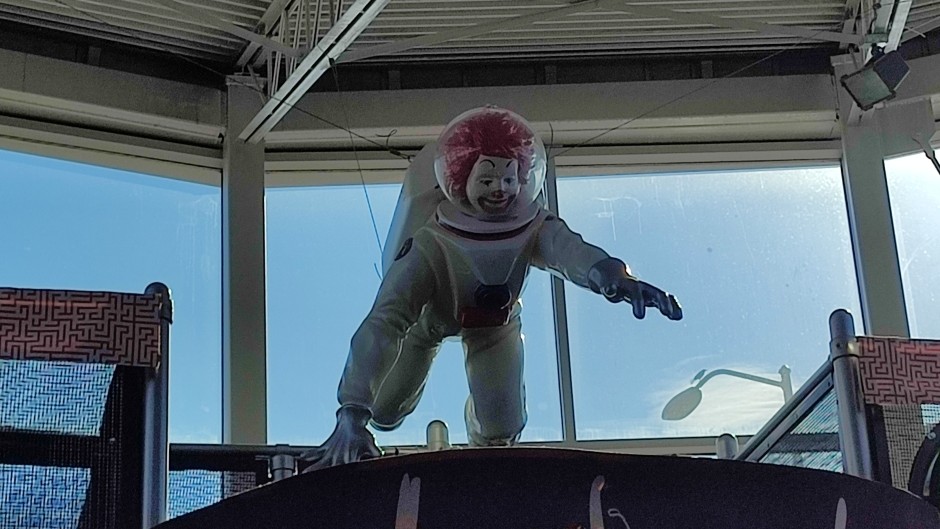
Amongst other businesses in the city with a UFO-twist, Roswell is home to the world’s only UFO-themed McDonald’s (shown below). This flying-saucer-shaped restaurant was built in 2005 and has become a quirky landmark. The silver saucer exterior glows with neon lights at night, while inside the space-themed Playland features Ronald McDonald and friends in astronaut suits.
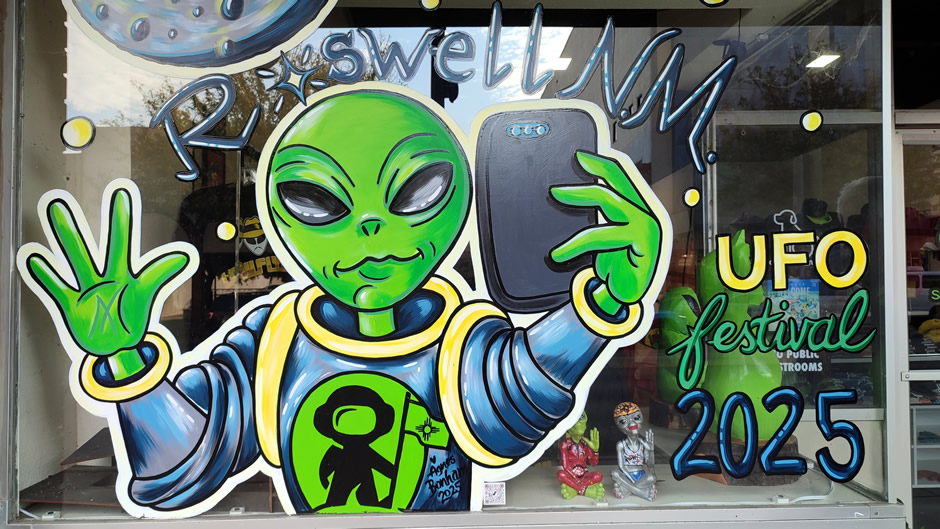
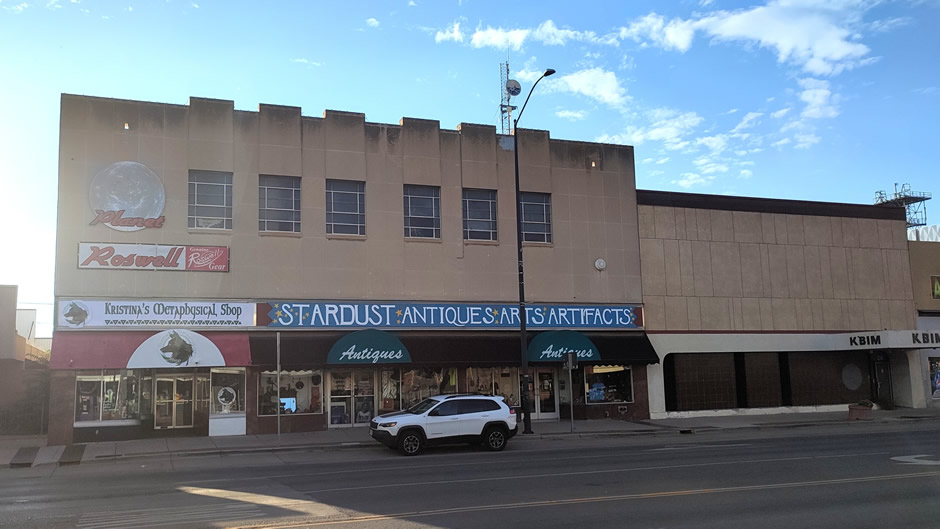
This webpage concludes with a few more photographs taken during this visit to Roswell:
Link to Next Page (Page 9 of 11)
Link to Previous Page (Page 7 of 11)
Back to Top
