


Southwestern USA 2025 (Page 5 of 11)
Quick links to other Southwestern USA 2025 pages and/or sections Here
Mesa Verde National Park, Durango and Chimney Rock
Mesa Verde National Park in southwestern Colorado preserves one of the most remarkable archaeological landscapes in North America, and offers an insight into the lives of the Ancestral Pueblo people and their predecessors.
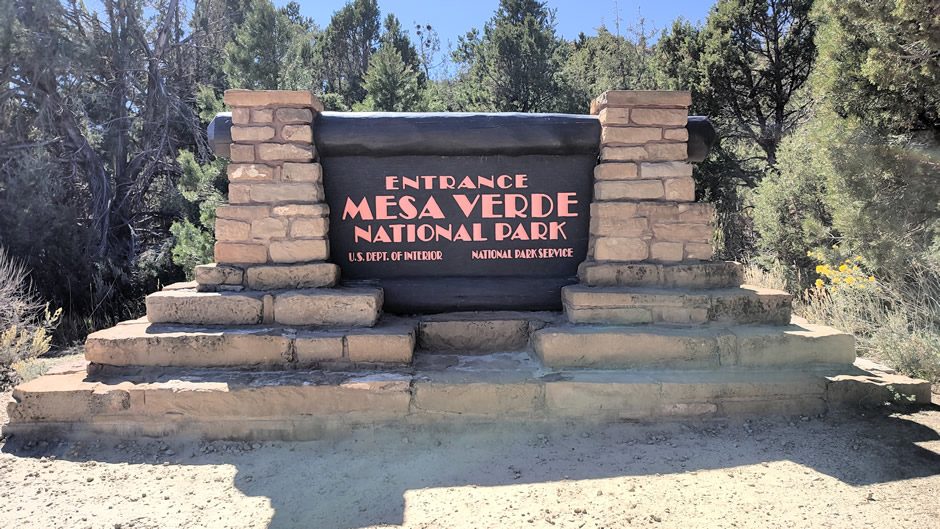
Mesa Verde was established in 1906 as the first U.S. National Park created to protect cultural heritage. Visitors enter at the northern side, with the main access road climbing steeply onto the mesa. From the entrance (the only one), the park road extends roughly 23 miles to the far end, where several loops branch toward major dwelling sites such as Spruce Tree House, Cliff Palace and Balcony House. On this particular visit, due to a US government shutdown, access to the latter two was not possible, although the viewing area for Spruce Tree House cliff dwelling was open, offering a unique view into the daily life of the Ancestral Pueblo people. The distances between sites within the park, including scenic viewpoints, are significant, and routes often follow winding canyon rims, so travel throughout requires planning and time.
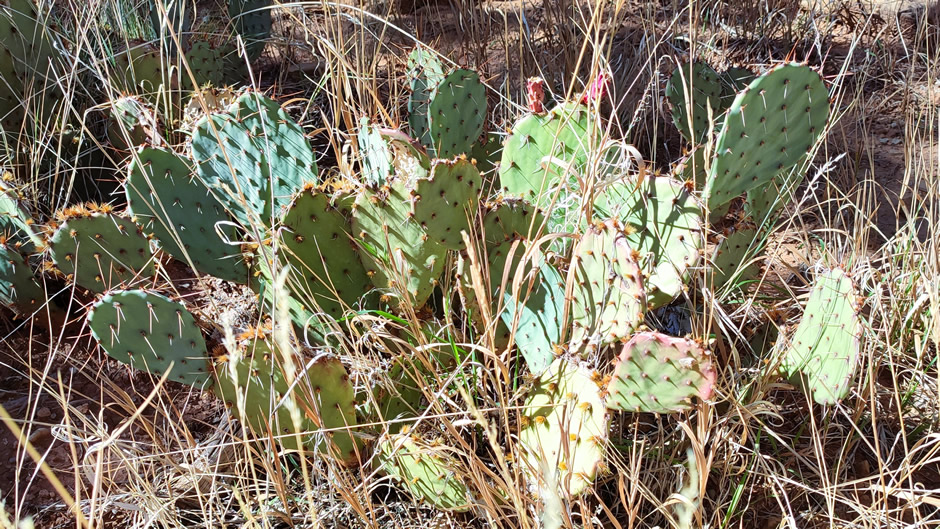
Above: Prickly Pear Cactus, Opuntia phaeacantha – this species of prickly pear cactus is common on the south-facing mesa rims and in the deep canyons of the national park.
Ancestral Puebloans lived in the region from roughly 450 to 1300 AD (their presence extended well beyond the boundaries of today’s national park, encompassing a much wider landscape that included significant residential communities such as Hovenweep National Monument and Yellow Jacket Pueblo). Archaeological evidence indicates that people began living at Mesa Verde around 550 AD, during the Basketmaker III period (500–750 AD). This was a transformative era in which communities shifted from a hunter-gatherer lifestyle to agriculture, while also perfecting the art of intricately woven basketry. These baskets served multiple purposes: they were used to collect seeds, nuts, fruits and berries, as well storing them; some were lined with pitch to hold water and withstand heat; and they even functioned as cooking vessels, with heated stones placed inside to roast or parch food as an alternative to open-fire cooking. During this time, people lived in simple pit houses on the mesa tops, relied heavily on basket-making, and gradually embraced farming. Their innovations laid the groundwork for the later Pueblo culture, which expanded architecture, agriculture, and craft traditions across the region.
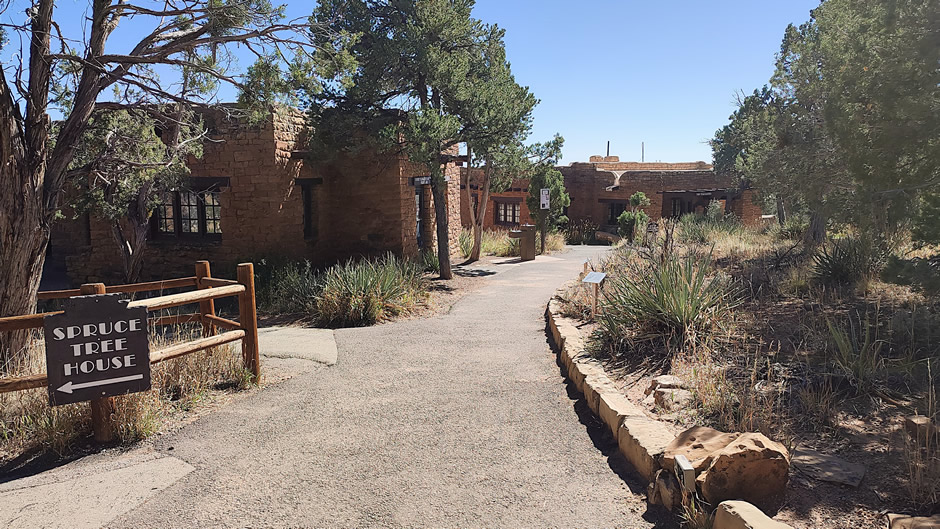
Above: Modern buildings near the Spruce Tree House Parking Lot include a museum, the park headquarters, and a post office.
As the culture developed, the Ancestral Puebloans built the famous cliff dwellings tucked into alcoves of canyon walls. These stone structures, some with more than 100 rooms, reveal a community life centred on extended families. Daily activities included farming corn, beans, and squash on mesa-top fields, while tools of stone and bone supported hunting and household work. Trade networks connected Mesa Verde to regions as far as the Pacific coast, bringing shells, turquoise, and other goods. Pottery became widespread, with black-on-white designs that reflected both utility and artistry.
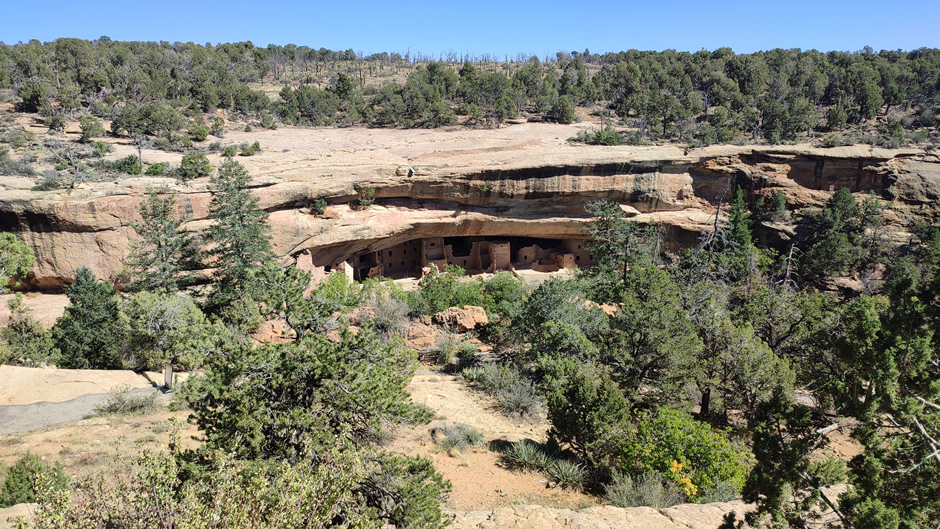
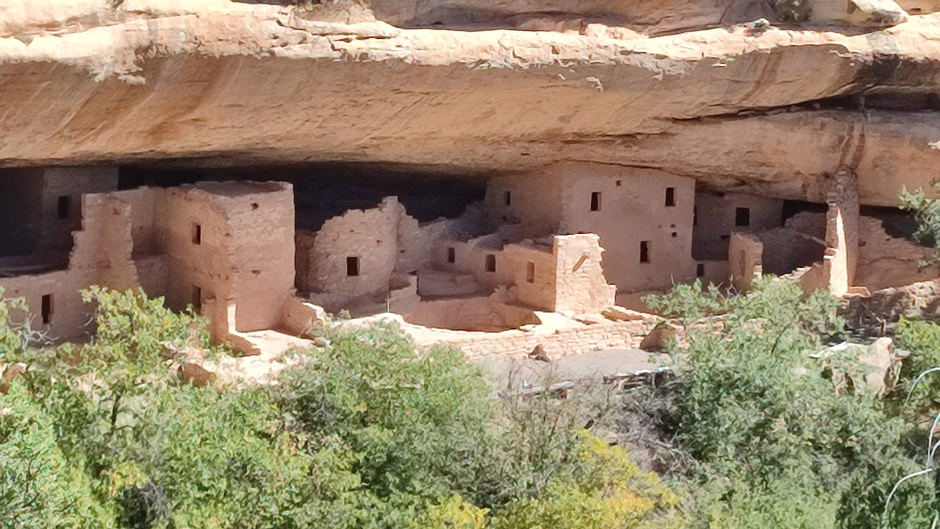
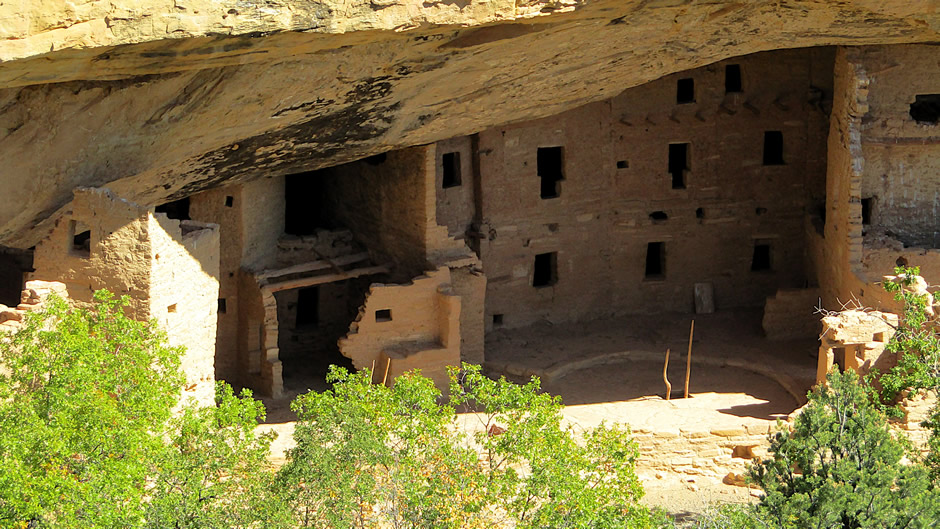
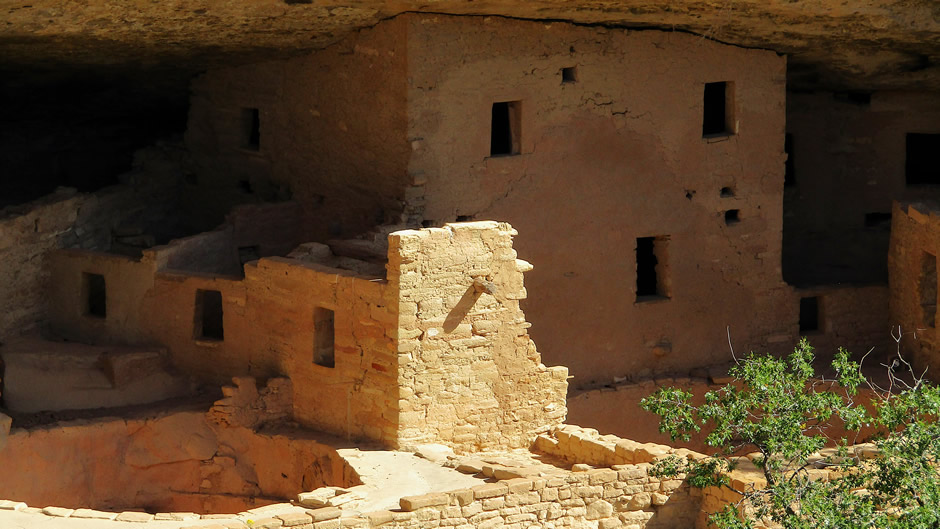
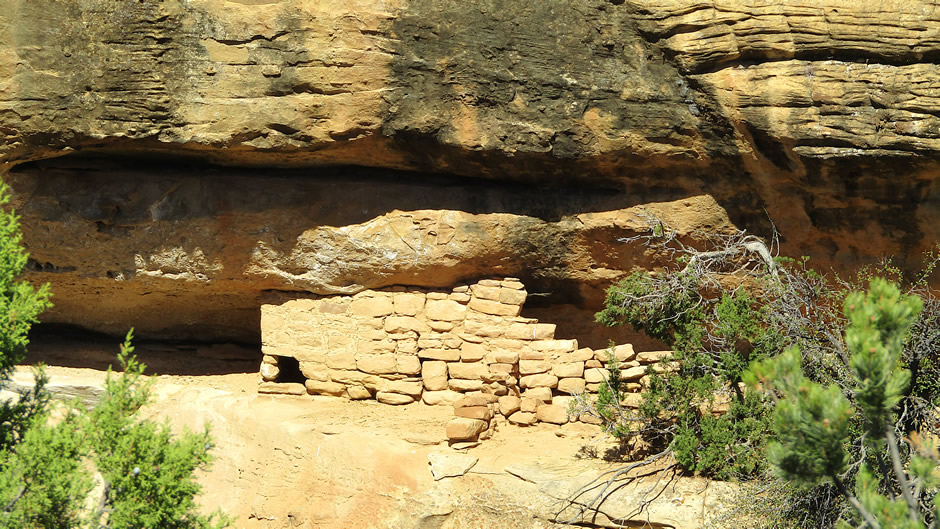
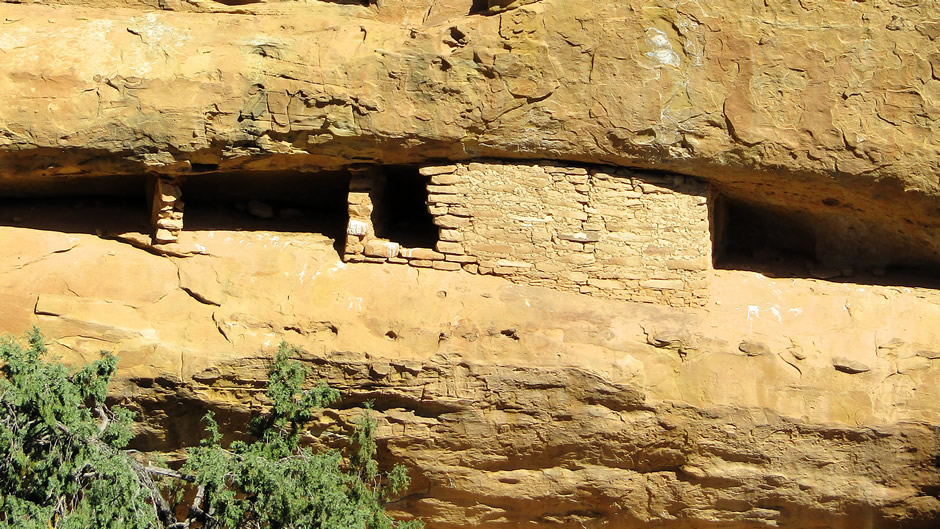
Spruce Tree House, above, is one of Mesa Verde’s most accessible and best-preserved cliff dwellings. Located near the Chapin Mesa Archaeological Museum, it was constructed between about 1211 and 1278 AD. It is the third largest dwelling in the park, containing roughly 130 rooms and 8 kivas built into a natural alcove measuring over 200 feet wide (among the modern Hopi and most other Pueblo peoples, "kiva" means a large room that is circular and underground, and used for spiritual ceremonies and a place of worship). Archaeologists estimate that 60 to 80 people lived here, forming a compact community within the sandstone shelter. The site was first documented in 1888 when ranchers discovered it while searching for cattle, entering by climbing down a large Douglas fir that grew from the dwelling to the mesa top.
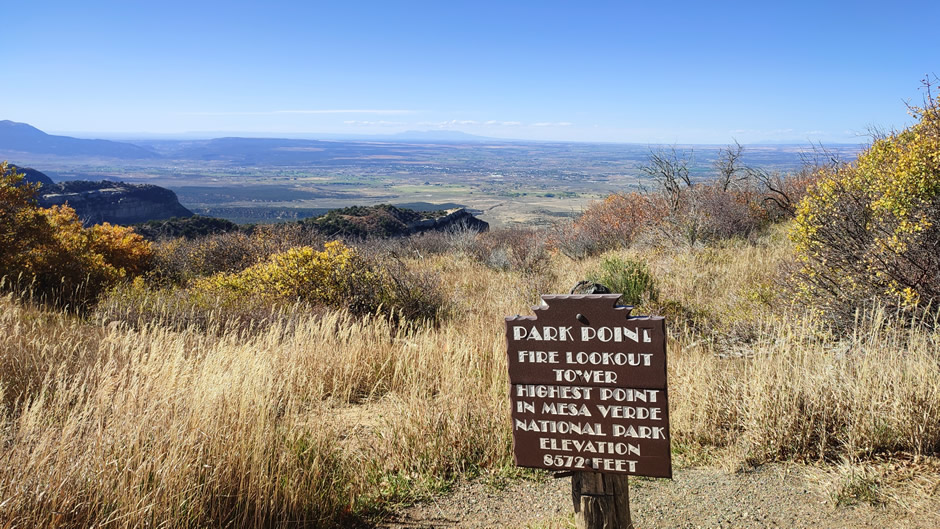
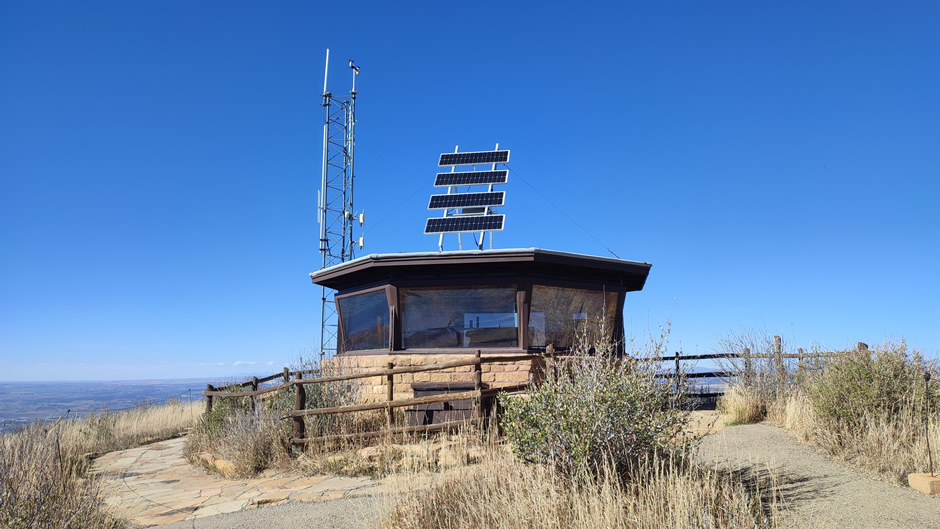
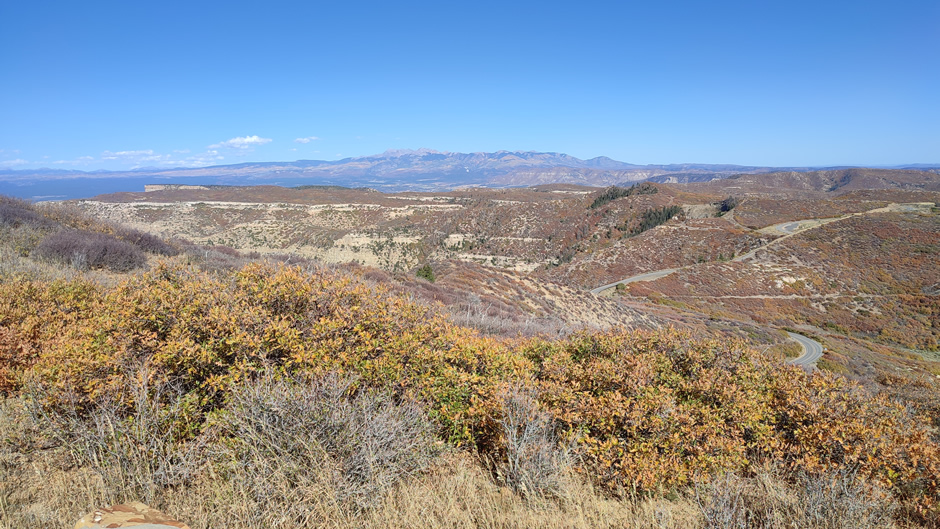
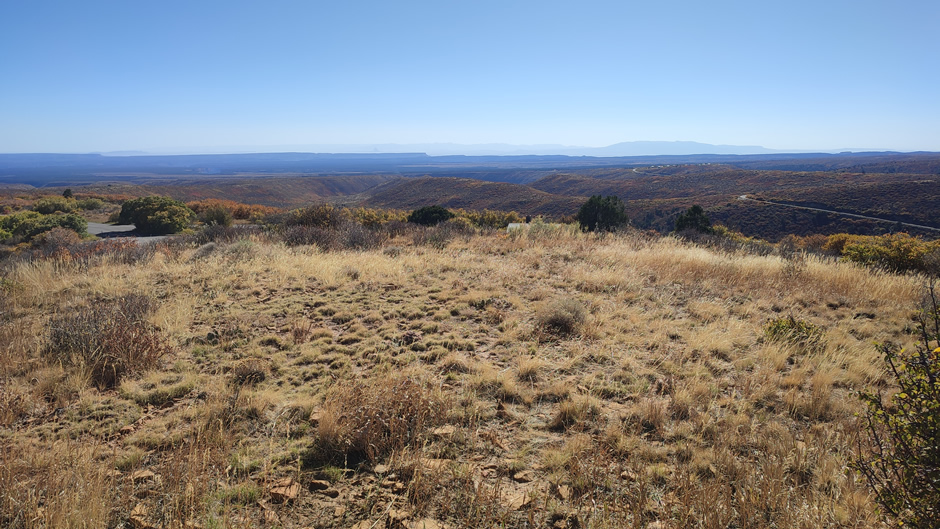
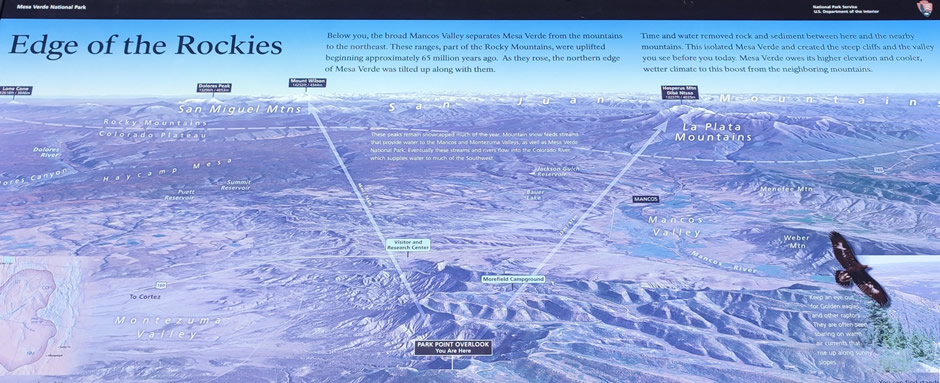
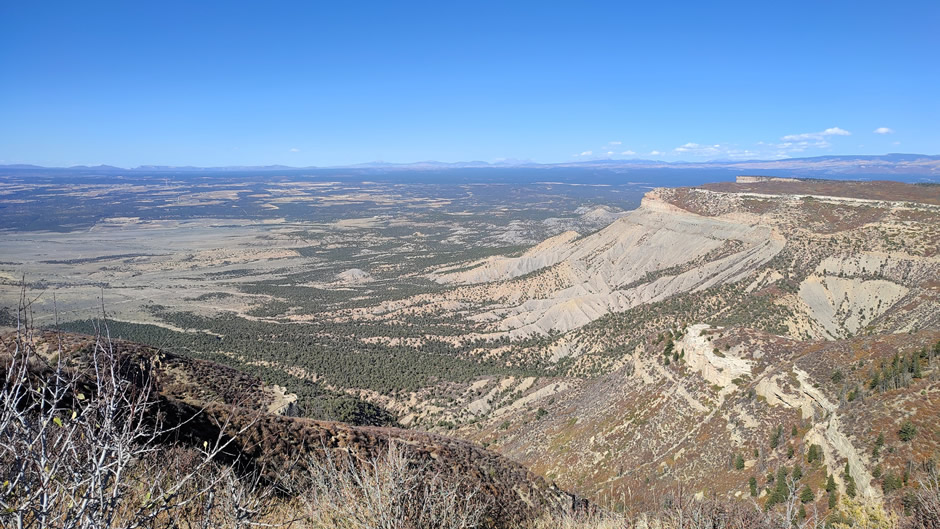
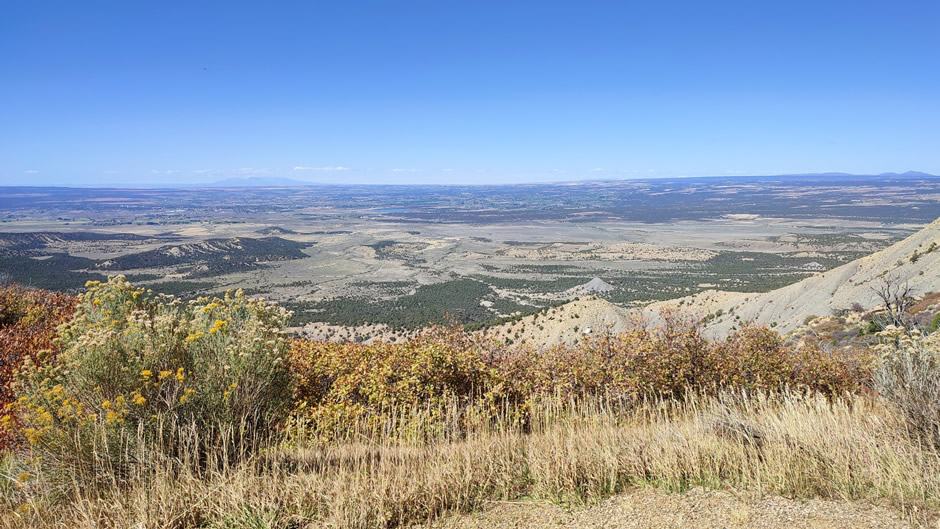
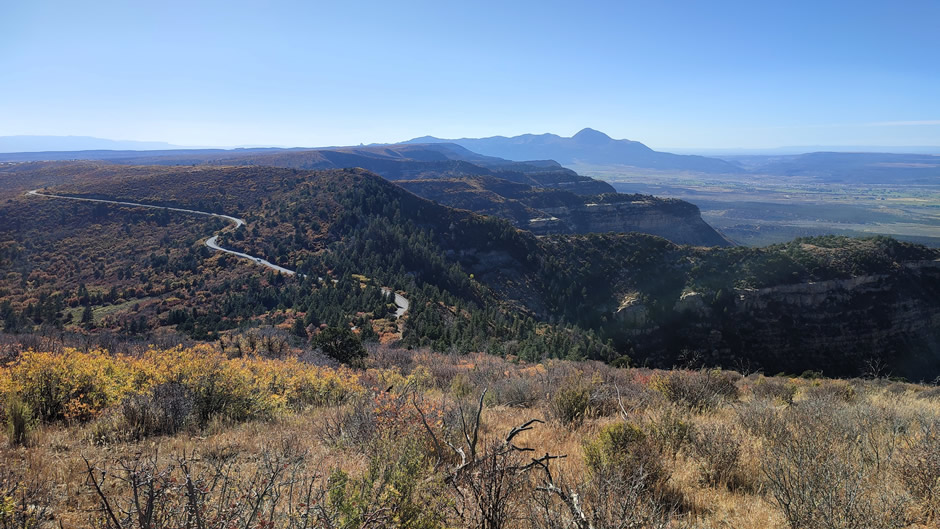
In addition to the cultural sites at Mesa Verde, several viewpoints highlight the park’s geography. Park Point Overlook (shown above and below), the highest spot at 8,572 feet, offers panoramic views across the Four Corners region, including the San Juan Mountains to the north and desert landscapes stretching into New Mexico, Arizona, and Utah (the San Juan Mountains are a rugged and major sub-range of the Rocky Mountains, located in southwestern Colorado and northwestern New Mexico). The mesa itself is a broad plateau dissected by deep canyons, creating the sheltered alcoves where the cliff dwellings were built. This rugged terrain, with its mix of forested mesa tops and arid canyon walls, shaped both the settlement patterns and the survival strategies of the people who lived here.
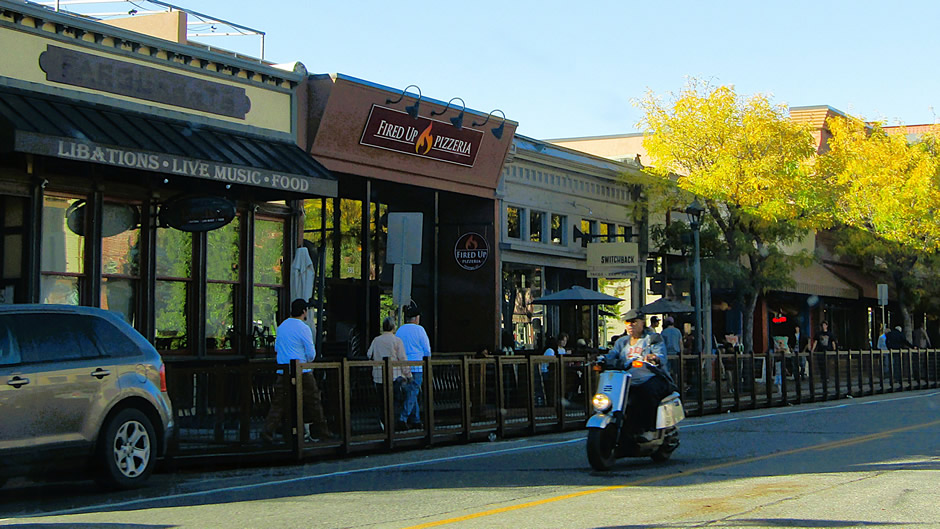
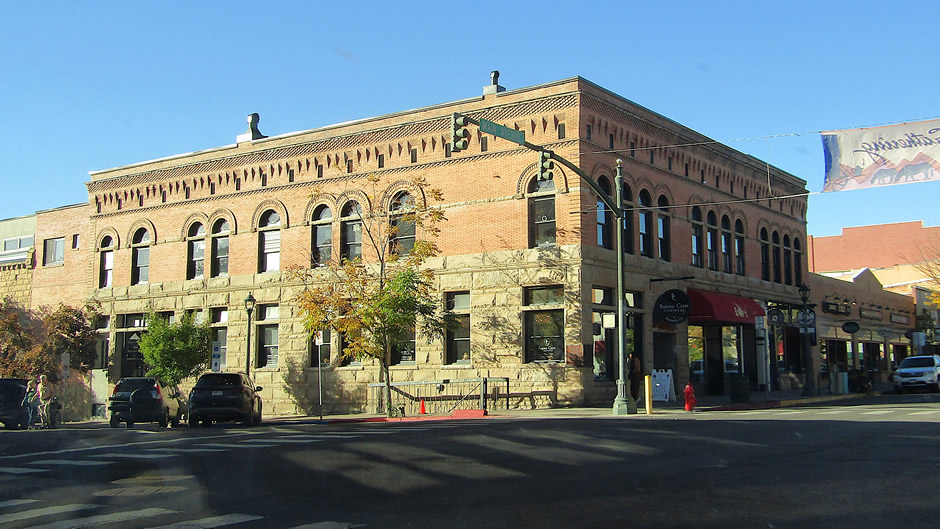
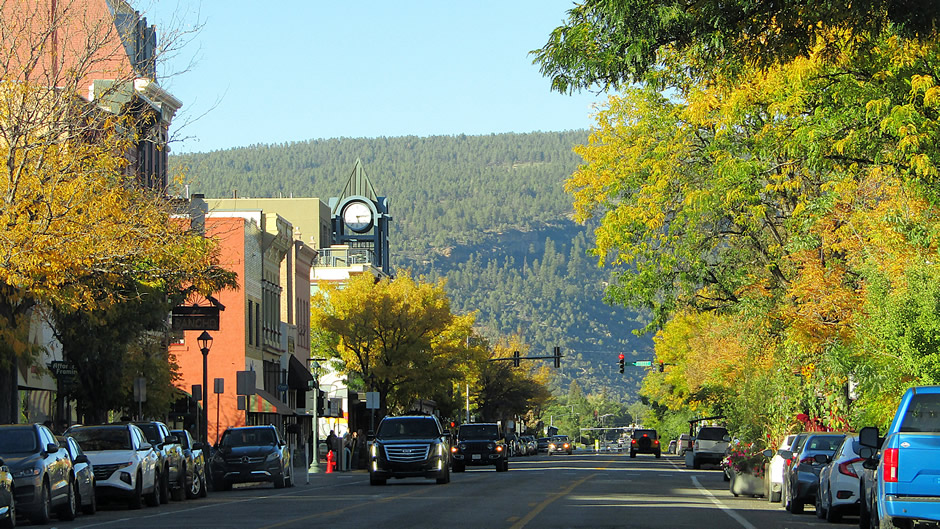
About 35 miles east of Mesa Verde National Park, Durango is a historic Colorado mountain town known for its scenic beauty, outdoor adventure, and cultural charm.
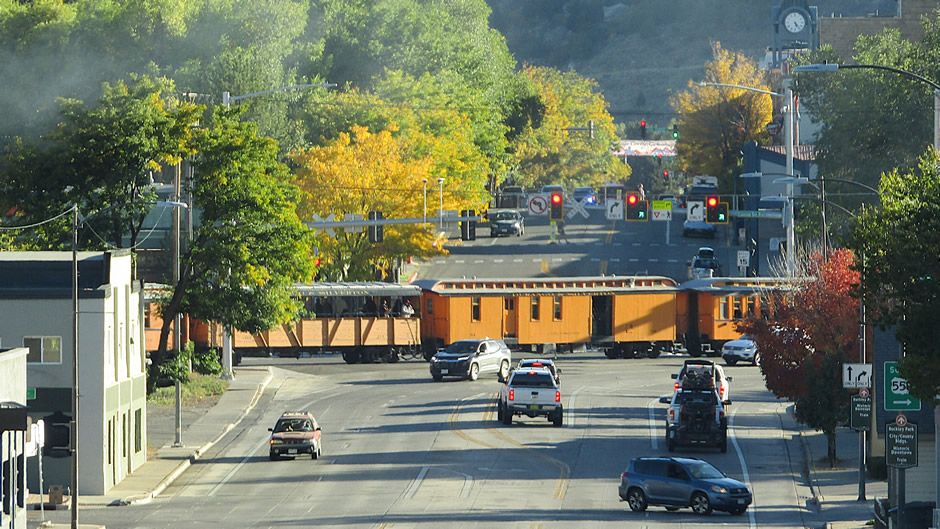
Nestled in the San Juan Mountains, Durango began as a frontier mining town and today draws visitors year-round for its mix of history and recreation. The famous Durango & Silverton Narrow Gauge Railroad offers a spectacular ride through rugged canyons, while the surrounding San Juan National Forest provides endless opportunities for hiking, biking, rafting, and skiing.
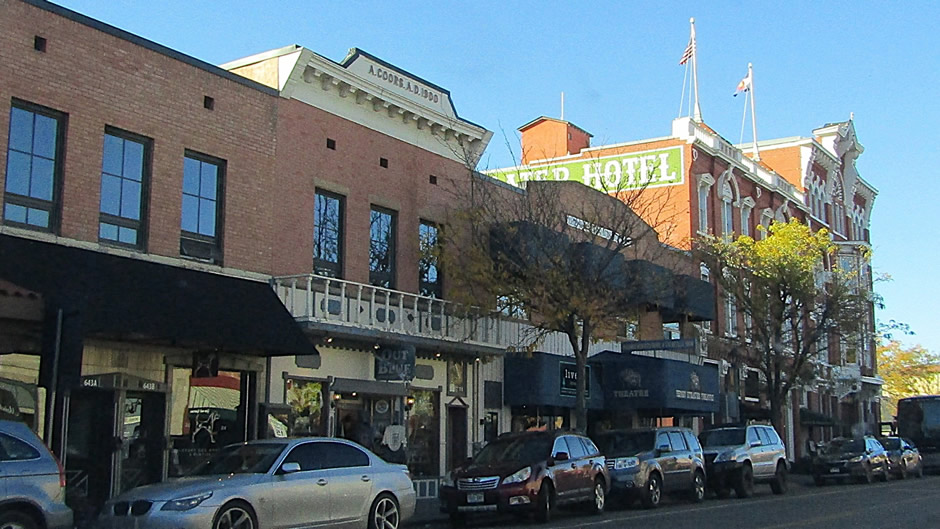
Downtown Durango retains its Old West character with landmarks like the Strater Hotel, alongside vibrant shops, galleries, and restaurants. Whether soaking in hot springs, exploring nearby Mesa Verde National Park, or enjoying seasonal festivals, Durango blends adventure with heritage, making it one of Colorado’s most inviting destinations.
Chimney Rock National Monument
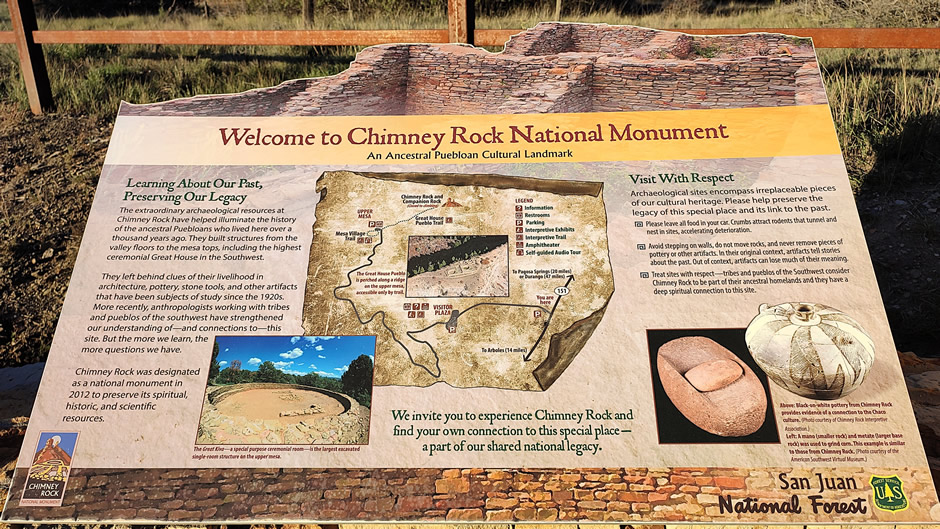
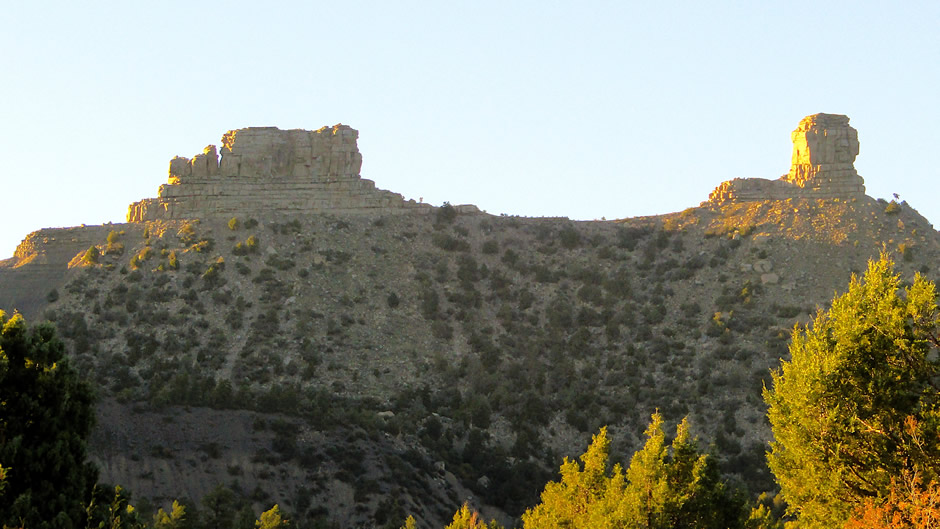
Chimney Rock National Monument, also in southwestern Colorado, preserves a dramatic mesa and twin spires that rise above the Piedra River Valley, once home to ancestral Puebloan communities.
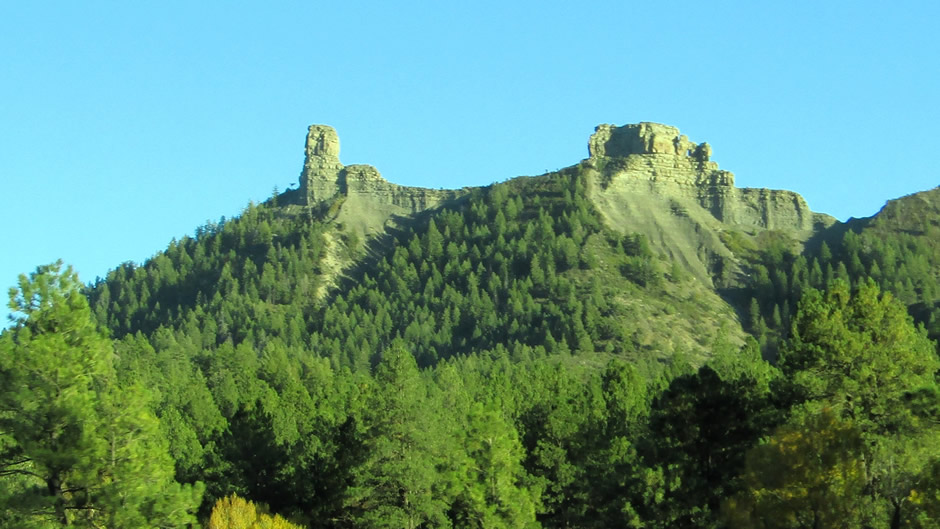
Designated a national monument in 2012, the site contains more than 200 archaeological structures dating back to 900–1150 AD, including great kivas and pit houses that reveal its role as a ceremonial and astronomical centre. The geology is notable for its towering pinnacles of sandstone and shale, shaped by erosion over millions of years. Visitors can explore guided trails such as the Mesa Village Trail and the Great House Trail, which lead to ancient dwellings and a high ridge offering views of the San Juan Mountains. Seasonal programmes highlight the connection between the site and lunar standstill events, reflecting its importance in ancestral sky-watching practices. Today, Chimney Rock combines cultural heritage, striking geology, and accessible hiking routes, making it a unique blend of history and landscape.
Link to Next Page (Page 6 of 11)
Link to Previous Page (Page 4 of 11)
Back to Top
