


Southwestern USA 2025 (Page 10 of 11)
Quick links to other Southwestern USA 2025 pages and/or sections Here
Ciudad Juárez, Mexico
Important Note
The author of this website accepts no responsibility for the content provided, and the information given here is intended only as a record of a visit. The fact that a brief visit was made does not imply any recommendation to do the same.
Introduction
Although the webpages in this section of the website focus on the southwestern United States, a slight and brief detour was made from El Paso, Texas over the Rio Grande into Ciudad Juárez, Mexico, walking across during the daytime with no valuables and having received conflicting advice about whether to go or not from people who had been to the city themselves. Ciudad Juárez has a reputation for its high crime rates, and whilst most homicides are cartel-related, foreigners face risks from organised crime, kidnapping, getting caught in violent cartel conflicts, and petty theft. Constant vigilance was maintained throughout the visit and any side-streets avoided, particularly in light of earlier warnings during the road trip that undercover criminals may linger near the border crossing and alert others further along the route to potential targets; for more information on safety and guidance, the reader is referred to the “Further Important Information” passage of text at the end of this webpage.
Ciudad Juárez
Ciudad Juárez is a large border city opposite El Paso, and a daytime walk across gave only a brief glimpse of its busy central district. The visit included Avenue Benito Juárez, the Kentucky Bar, MUREF, the Cathedral, and Calle 16 de Septiembre.
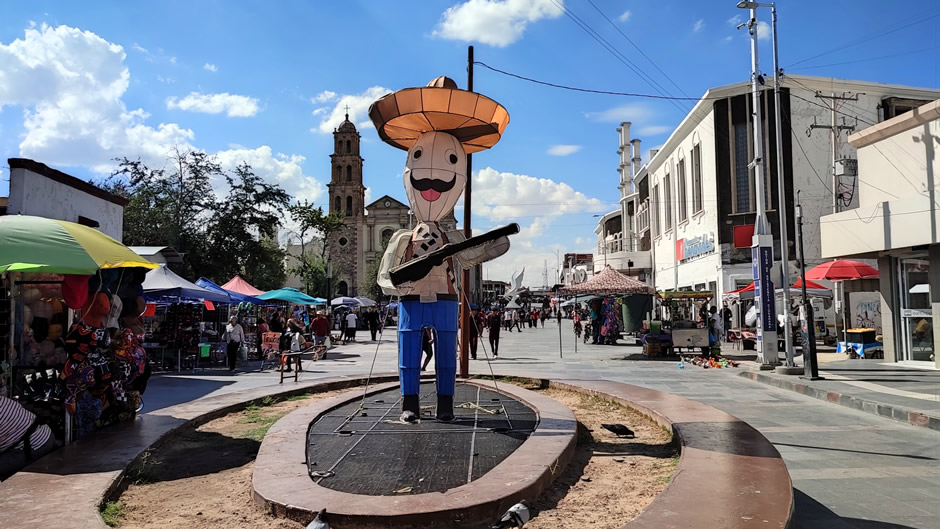
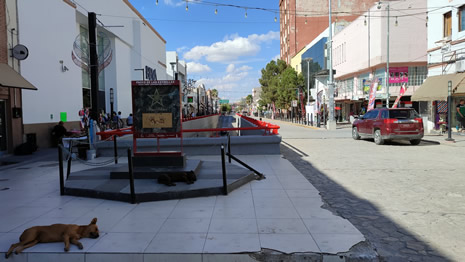
Above: Calle 16 de Septiembre (shown as Avenida 16 de Septiembre on some maps)
With a population of over 1.5 million, Ciudad Juárez is far larger than El Paso and together they form one of the largest binational metropolitan areas in North America. Founded in 1659 as El Paso del Norte, the city was renamed in 1888 after President Benito Juárez. Its role as a manufacturing hub and gateway to the United States has long been shaped by politics and trade, but it is also known for the influence of organised criminal groups.
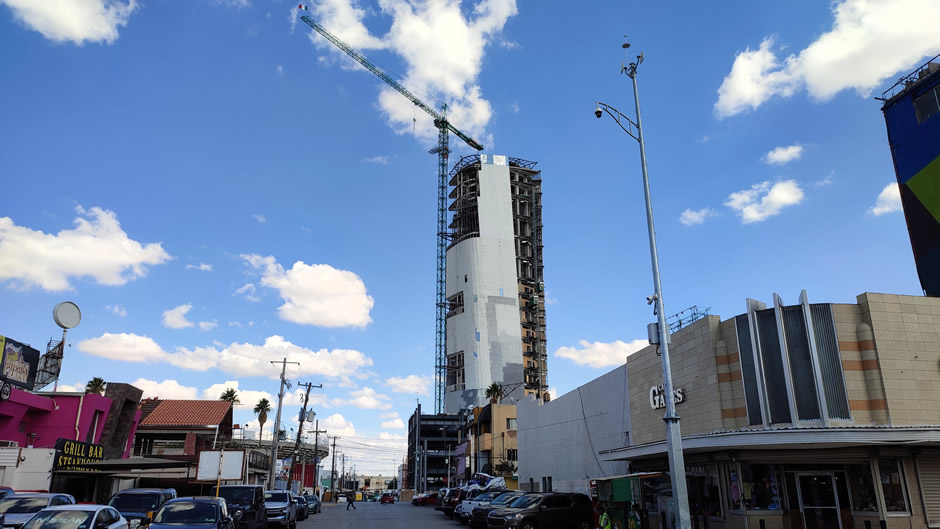
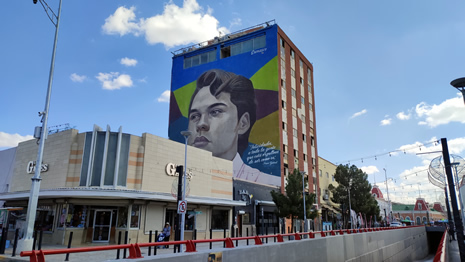
Above: The Torre Centinela (Sentinel Tower), a 20-story security nerve centre under construction at the time of the visit. It is designed to be the tallest building in the border region, serving as the command hub for the state's massive surveillance system (Plataforma Centinela) using thousands of cameras, drones, and AI to monitor criminal activity and enhance security. Construction began in August 2022 and as of late 2025, the tower was nearing the final phases of construction.
The walk began by crossing the Paso del Norte International Bridge, which connects South El Paso Street (in El Paso) with Avenida Benito Juárez. Pedestrians pay a small toll before crossing the bridge (whichever direction they are heading). Carrying only a small amount of cash, including quarters for the bridge, and no valuables, the crossing was fairly straightforward.
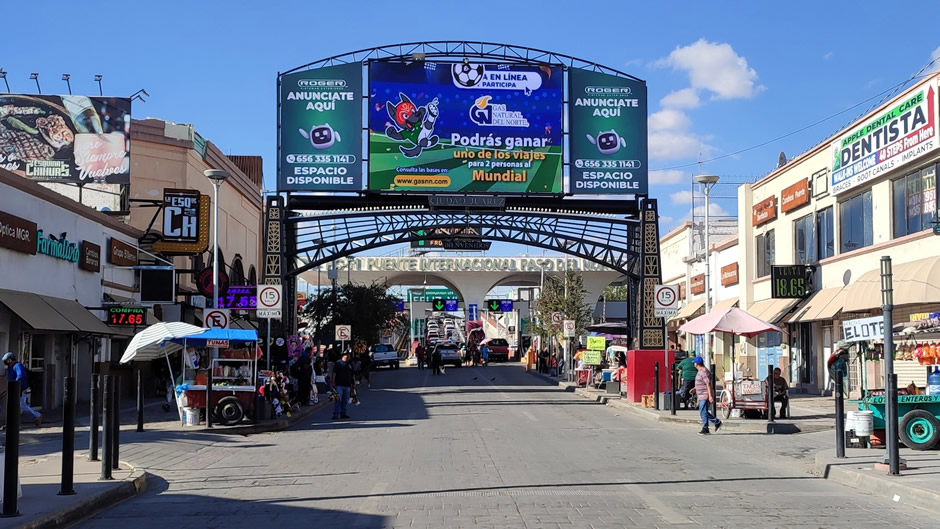
Above: Mexican side of Paso del Norte International Bridge connecting with Avenida Benito Juárez
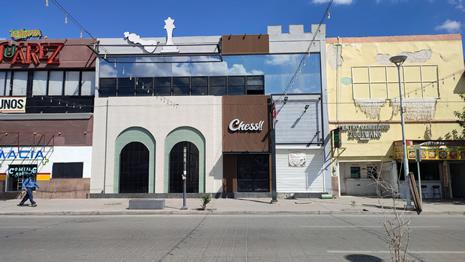
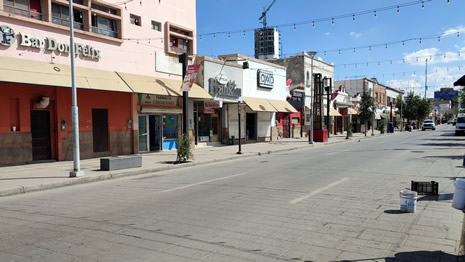
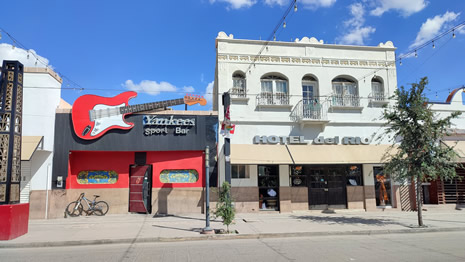
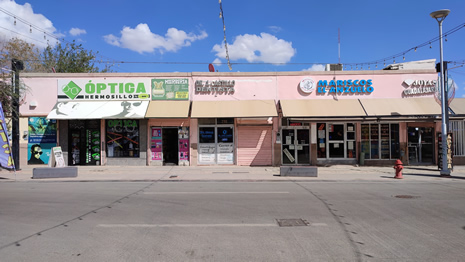
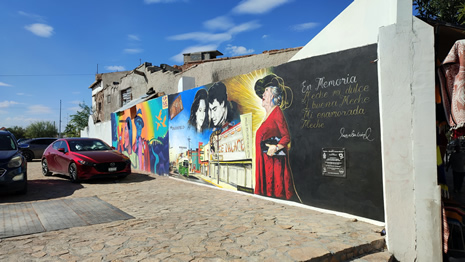
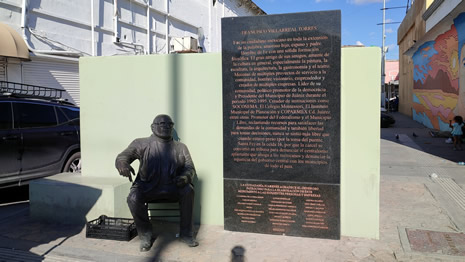
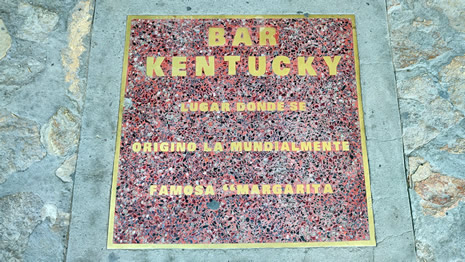
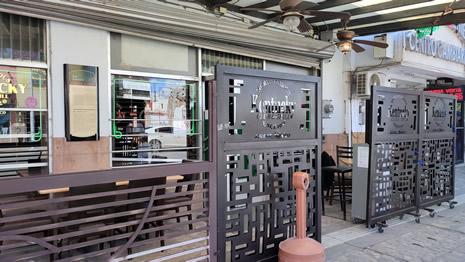
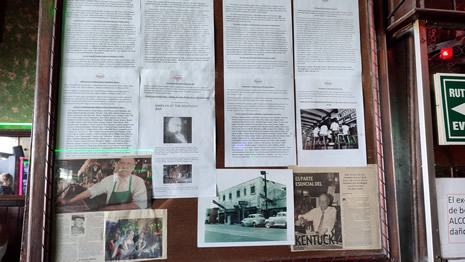
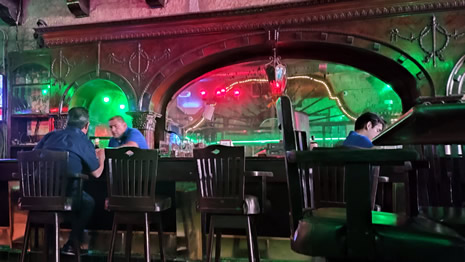
Avenida Benito Juárez (shown below) is a wide, busy street lined with shops, restaurants, and bars, reflecting the city’s reputation as a commercial corridor. The first stop was the Kentucky Bar, opened on this street during Prohibition in America (1920 – 1933) and famous for attracting visitors from the U.S. during this time when alcohol was banned. The bar claims to be the birthplace of the margarita and has hosted figures ranging from Hollywood stars to politicians. Today, it continues to attract visitors from both the U.S. and Mexico. The ambience of the establishment is described as safe, friendly, and historic, with a classic, unchanged wooden bar.
 |
 |
|
 |
 |
|
 |
 |
|
 |
 |
|
 |
 |
|
 |
 |
|
 |
 |
|
 |
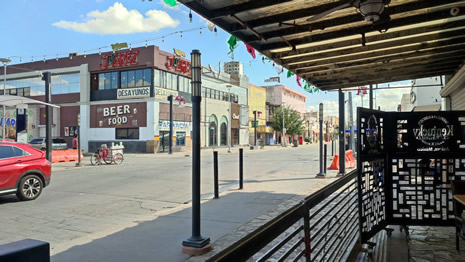 |
Above: Avenida Benito Juárez and the Kentucky Bar
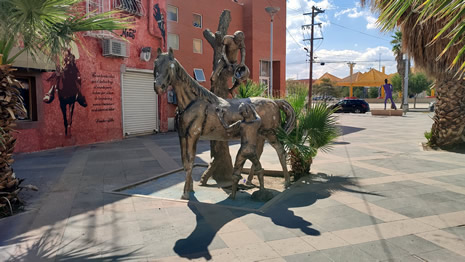
At the end of Avenida Benito Juárez is a T-intersection with a pedestrianised section of Calle 16 de Septiembre (shown as Avenida 16 de Septiembre on some maps), on which stands the Museum of the Revolution in the Borderland (MUREF / Shown below), housed in the former customs building dating to 1889. This site witnessed key events of the Mexican Revolution, including Francisco Madero’s provisional government and the signing of treaties that led to Porfirio Díaz’s resignation. Today, its exhibits explain how the revolution unfolded in this border region.
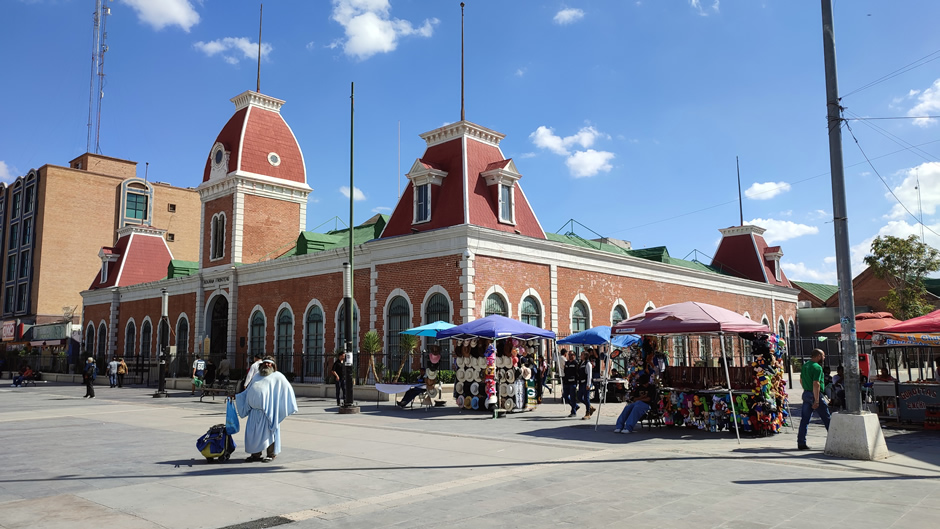
Above: The Museum of the Revolution in the Borderland (MUREF)
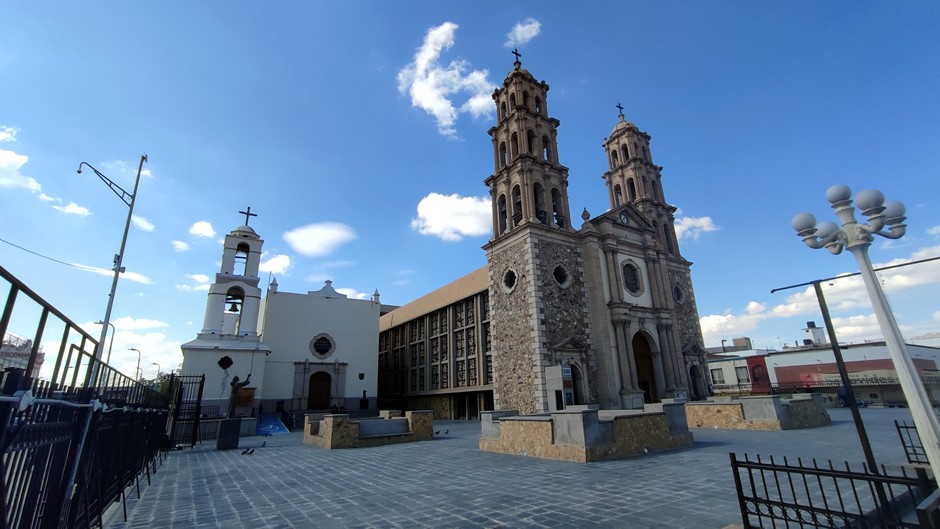
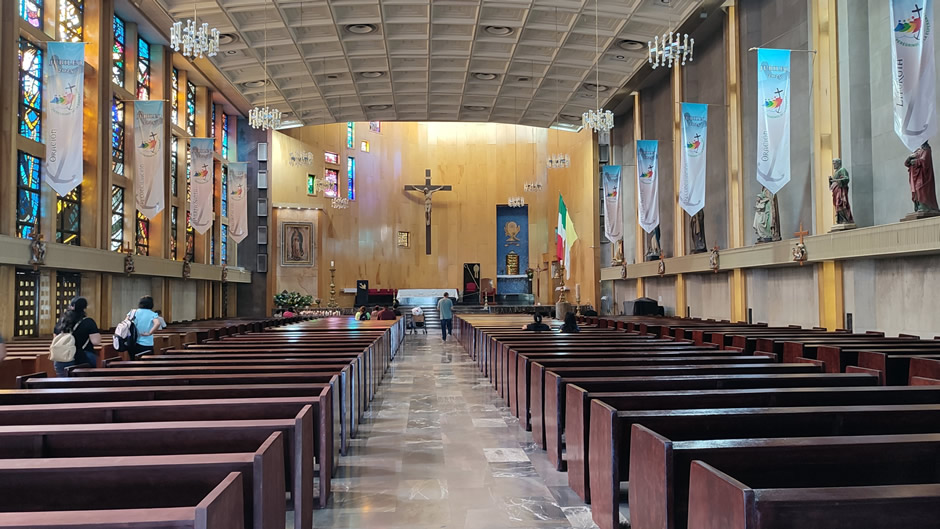
A right turn along Calle 16 de Septiembre leads to the Cathedral of Ciudad Juárez, formally the Catedral de Nuestra Señora de Guadalupe. This landmark combines a modern structure with the adjoining 17th-century Franciscan mission. Stepping inside revealed a simple but significant interior, marking the city’s oldest religious foundation:
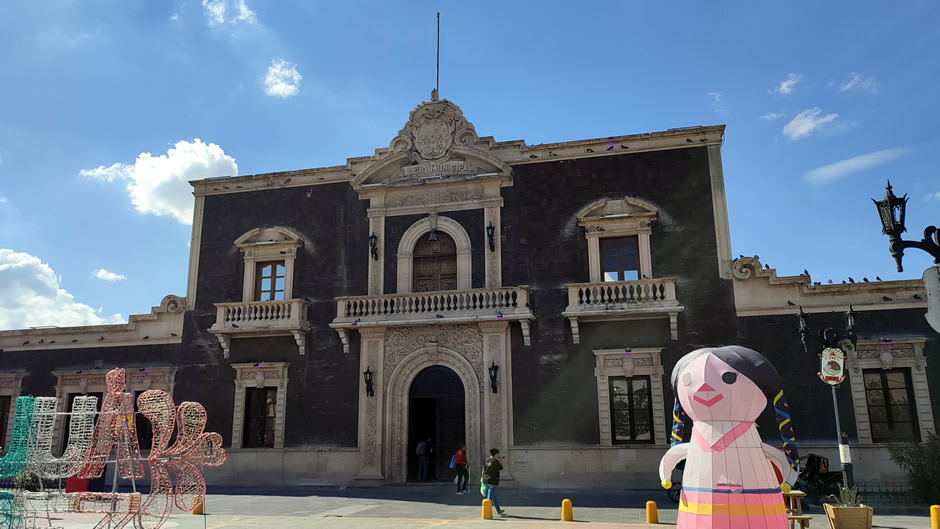
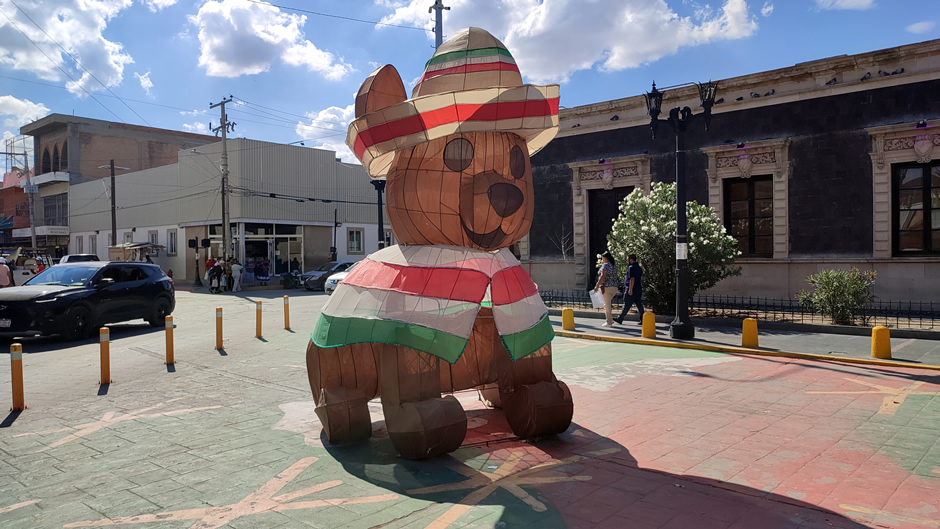
Behind the cathedral, the Municipal Centre of the Arts (Centro Municipal de las Artes), shown below, is a cultural hub located in the historic downtown area, offering professional training in theatre, dance, visual arts, and music. Housed in a historic building on Mariscal Street, it hosts student performances, exhibitions, workshops, and community cultural events throughout the year. With free admission and weekday hours, it serves as an accessible space for artistic education and creative expression in the city.
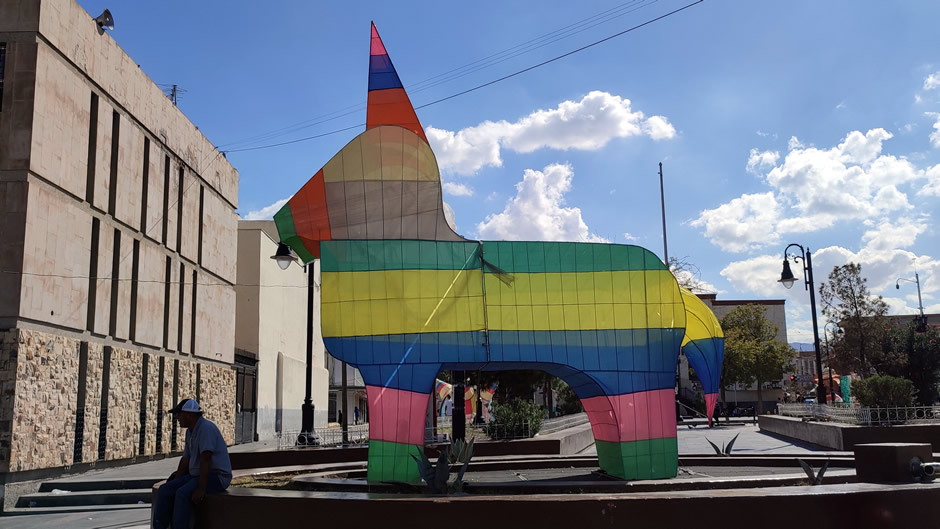
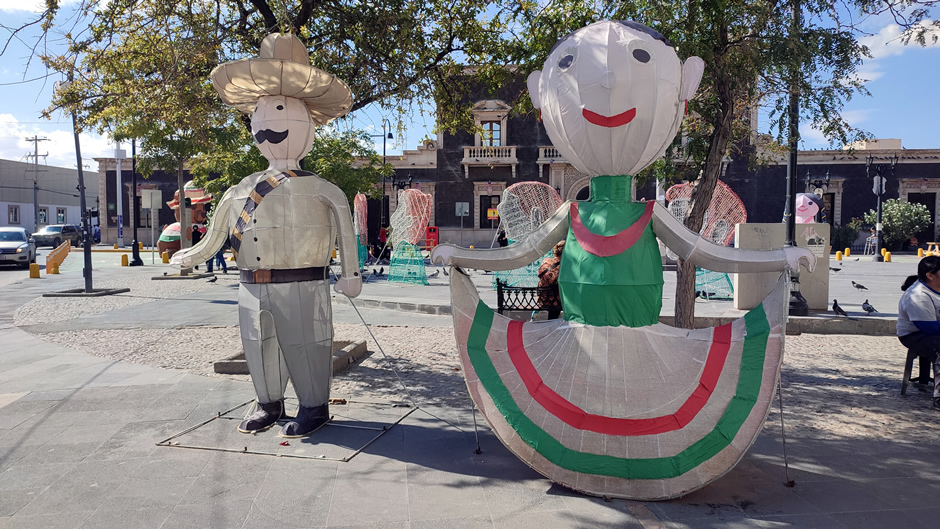
In front of the cathedral is Plaza de Armas (shown below), a lively square filled with market stalls and surrounded by historic buildings.
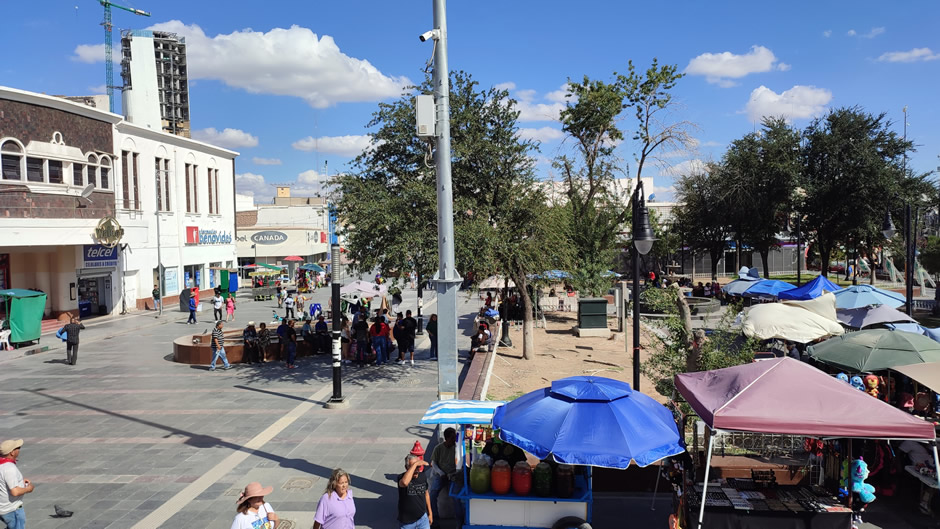
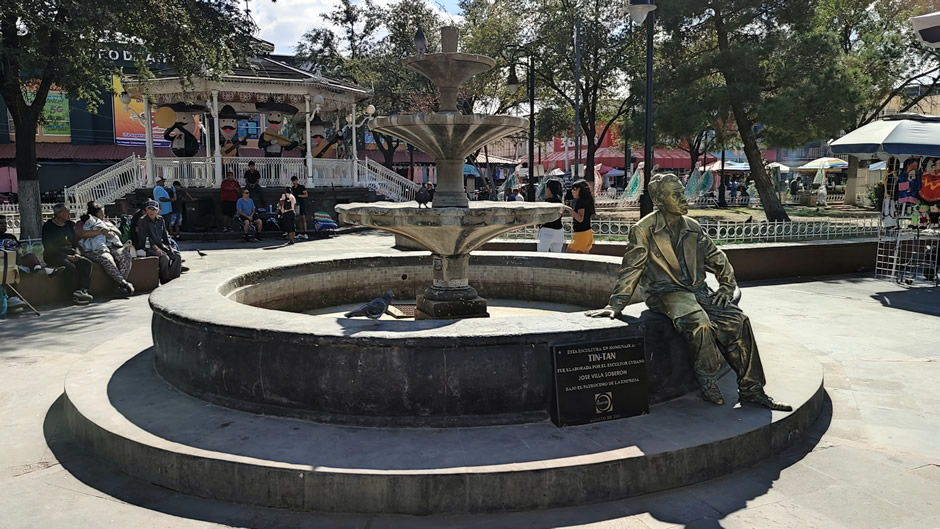
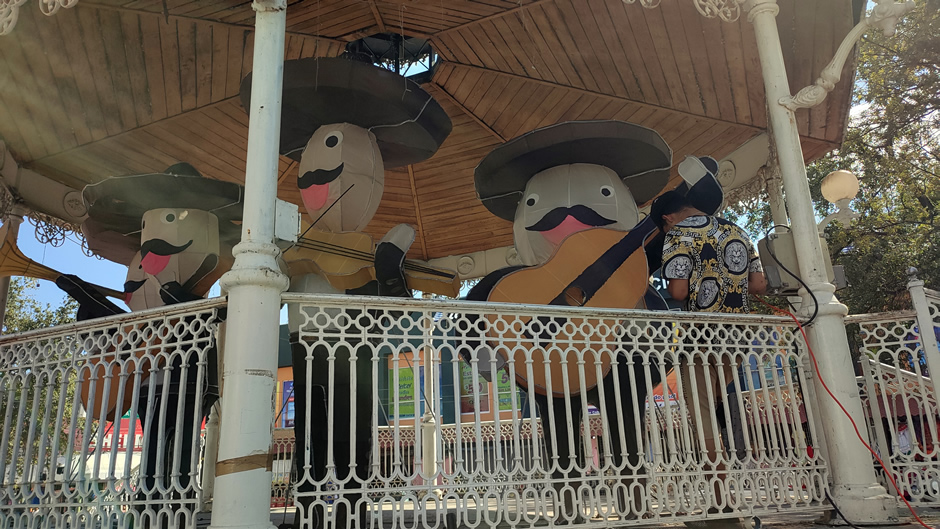
Above: Plaza de Armas
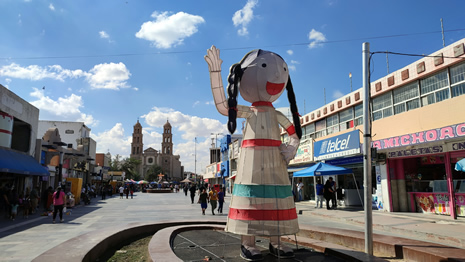
Walking back along the pedestrianised section of Calle 16 de Septiembre to just past MUREF leads to a new 12-foot-tall Juárez sign/sculpture spelling out the city’s name. It has a red “X” in front that echoes a larger landmark which is visible from El Paso, “La Equis” by artist Sebastian (a massive, iconic red steel sculpture in the shape of an X). The Juárez sign/sculpture replaced a smaller “I love CJ” sign that had often been vandalised. Locals and visitors alike now stop to take photos, and city officials see it as a symbol of pride and a refreshed image for downtown Juárez.
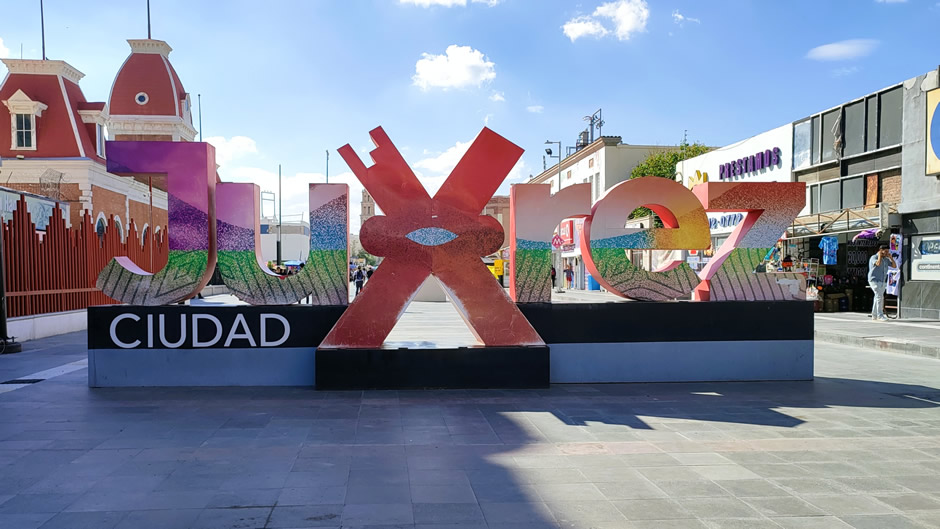
Above: The new Juárez sign/sculpture
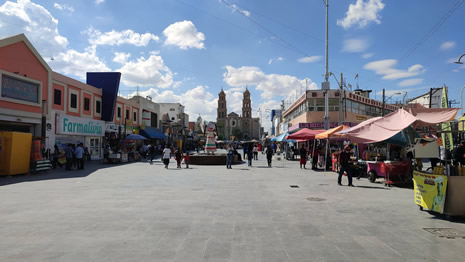
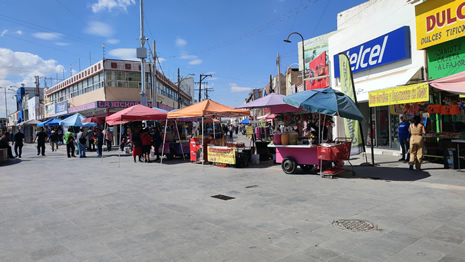
The main streets of Ciudad Juárez were bustling, with vendors, street-entertainers and pedestrians filling the area, giving a sense of safety without becoming complacent. The walking route returned from the pedestrianised part of Calle 16 de Septiembre back up Avenida Benito Juárez to the Paso del Norte International Bridge. On leaving the U.S. side, passports were not checked, but on return there was a quick inspection on the bridge itself, followed by a short wait inside the Customs and Border Protection building on the US side, where formal US passport control was completed.
 |
 |
|
 |
 |
|
 |
 |
|
 |
 |
|
 |
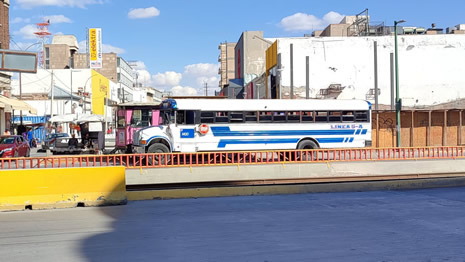 |
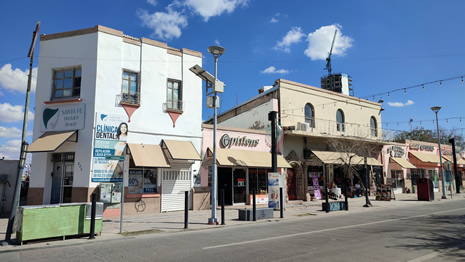
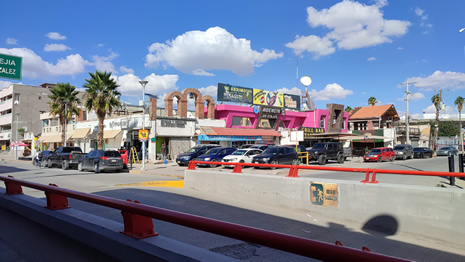
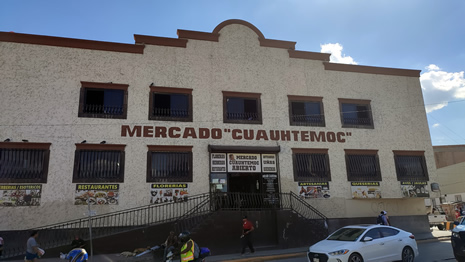
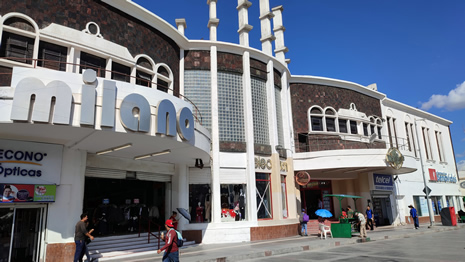
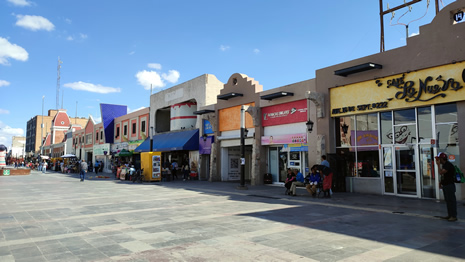
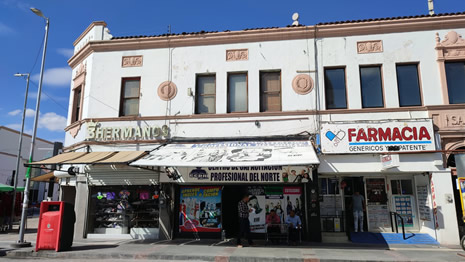
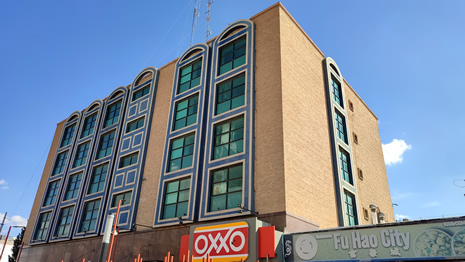
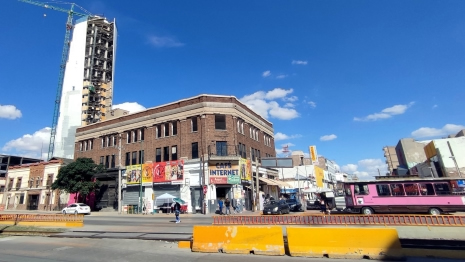
Above: More street photographs, including the pedestrianised part of Calle 16 de Septiembre
This comparatively short walk was only a taster of Ciudad Juárez, which is a large city with many other sights such as markets, murals, and cultural centres not visited here. Although not necessarily recommended due to safety concerns, it was an interesting experience to see the contrasts: Juárez’s bustling streets and informal markets compared with El Paso’s more orderly downtown, and more broadly a few of the differences in ambience between Mexico and the United States.
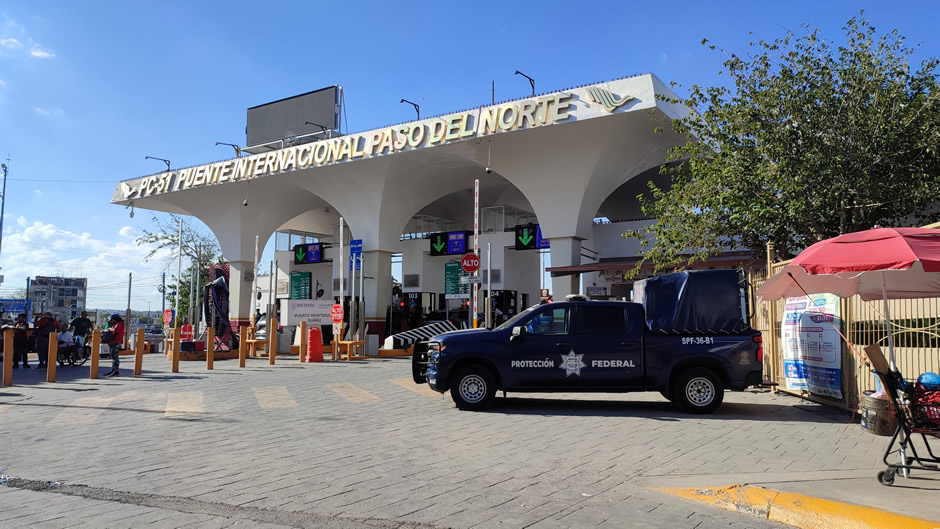
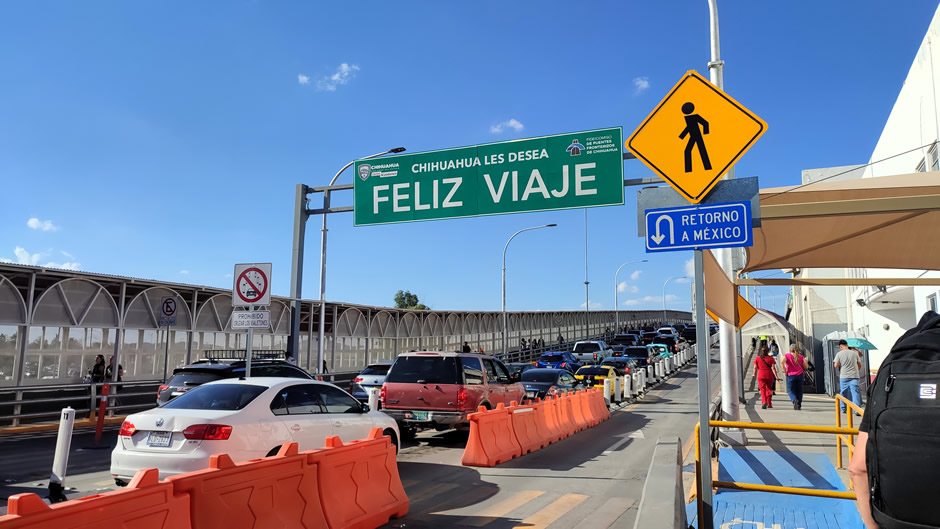
Above: Departing Mexico at the Paso del Norte International Bridge crossing
Further Important Information
(Information as per December 2025)
As mentioned earlier, advice on whether to visit Ciudad Juárez or not from people whom had previously been was somewhat conflicting. Whilst this uncertainty may reflect a broader picture, this website does not give any guidance at all. However, attention is drawn to official guidance, which is far from encouraging:
Both the U.S. State Department and the UK Foreign Office (FCDO) urge strong caution about visiting Ciudad Juárez, particularly on foot. The U.S. advises heightened vigilance in Chihuahua state due to risks of violent crime and kidnapping, while the UK goes further, advising against all but essential travel to the region. For British visitors, ignoring this advice could invalidate travel insurance.
Pedestrian crossings remain open, yet conditions at the border can change quickly, as seen in December 2025 when protests blocked several bridges. Risks include violent crime, kidnapping, and civil unrest, and the UK government explicitly discourages walking into Ciudad Juárez, while the U.S. government considers it risky. For most travellers, the safest approach is to avoid non-essential visits and check official advisories before setting out.
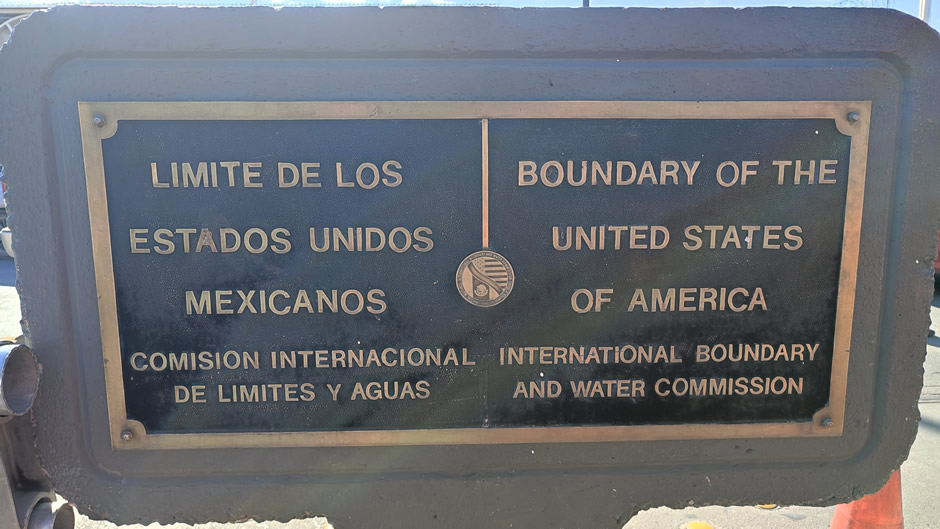
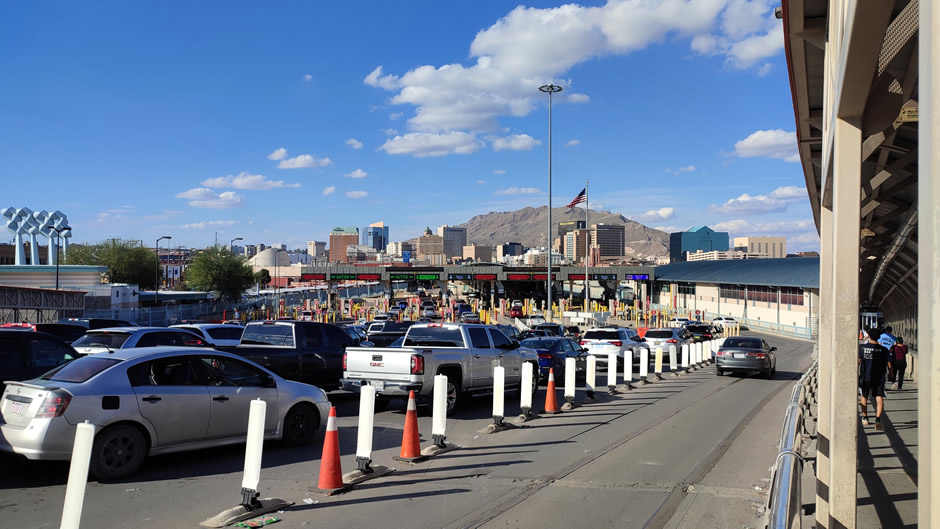
Above: Re-entering the United States
Link to Next Page (Page 11 of 11)
Link to Previous Page (Page 9 of 11)
Back to Top
