


Malta, Including Gozo & Comino (Page 2 of 8)
Quick links to other Malta pages and/or sections Here
Introduction to Comino and Practicalities
The island of Comino is a small, sparsely populated island situated between Malta and Gozo, known for its rugged terrain and clear surrounding waters. Covering just 1.4 square miles (3.5 km²), it is largely uninhabited today (permanent population of 2 at the time of the visit) and has limited infrastructure. Historically, Comino served as a refuge for pirates and later as a strategic outpost due to its position in the Mediterranean. Its name is believed to derive from the cumin plant that once grew abundantly on the island. The landscape is characterised by rocky plateaus, low vegetation, and dramatic coastal cliffs, contributing to its distinct natural identity.
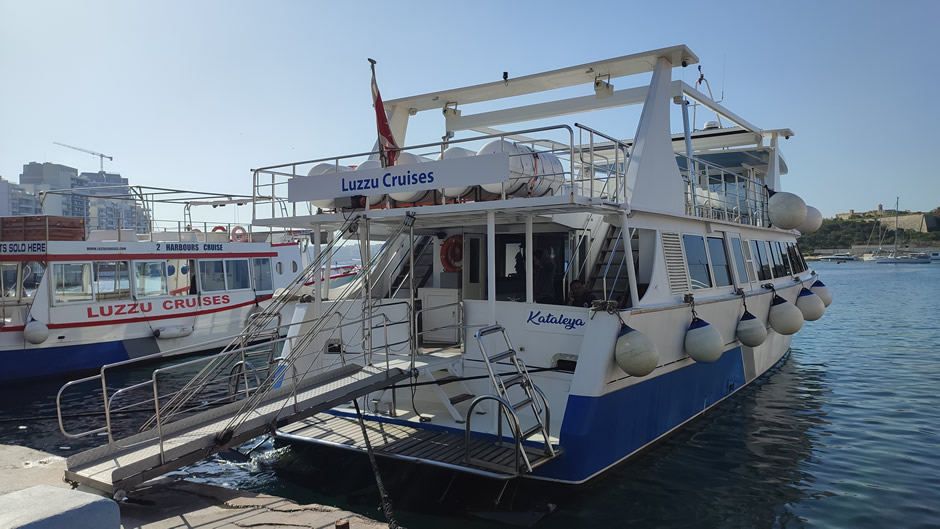
Visitors can reach car-free Comino by sea in three main ways: public ferry services, organised boat trips, or private boat charters. The most affordable option is the scheduled passenger ferry, which runs from Ċirkewwa and Marfa in northern Malta, as well as from Mġarr Harbour in Gozo, with journey times of around 20–25 minutes. Alternatively, organised half-day or full-day cruises depart from popular locations such as Sliema, Bugibba, and Valletta, often including extras like food, drinks, swimming stops, and visits to scenic spots like the Blue Lagoon and the Crystal Lagoon. For greater flexibility and a more personal experience, visitors can opt for private boat charters or water taxis, allowing them to explore quieter coves and avoid crowds.
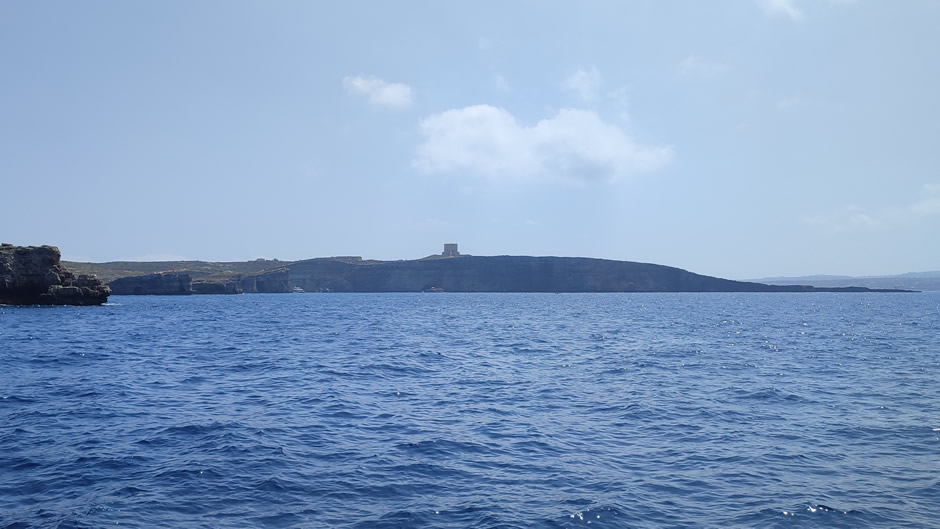
The trip featured here involved taking a full-day organised boat tour from Sliema harbour. The boat offered passengers two options; the boat departed Sliema for Gozo and passengers could alight here if they wished to spend part of their day on Gozo and then visit the Blue Lagoon on Comino. Alternatively, passengers could stay on the boat which went on to spend half an hour for offshore swimming at Comino’s Crystal Lagoon, followed by the boat docking at the Blue Lagoon, allowing for time to explore Comino on foot (or a large part of the day just spent at the Blue Lagoon). For the return journey, the boat collected the passengers whom alighted at Gozo to take them to the Blue Lagoon, and so the boat departing from the Blue Lagoon went directly back to Sliema on Malta (via a short look at the Crystal Lagoon again).
For this trip, the option not to alight at Gozo was chosen, to allow for a walk around Comino, whilst Gozo would be visited later on, taking a full-day trip via the shorter ferry crossing, enabling time to explore both island’s main highlights. As a point of note, for this trip, it was necessary to obtain a free online Comino pass in advance, in order to be allowed to step foot on the island. Those without a pass can still swim in the Blue Lagoon on trips that enable offshore swimming. In any event, it is always worth checking with the tour operator or ticket vendor if a separate Comino landing pass needs to be obtained or not.
And so, the highlights of this trip to Comino which included a self-guided walk around the island are as follows:
Crystal Lagoon
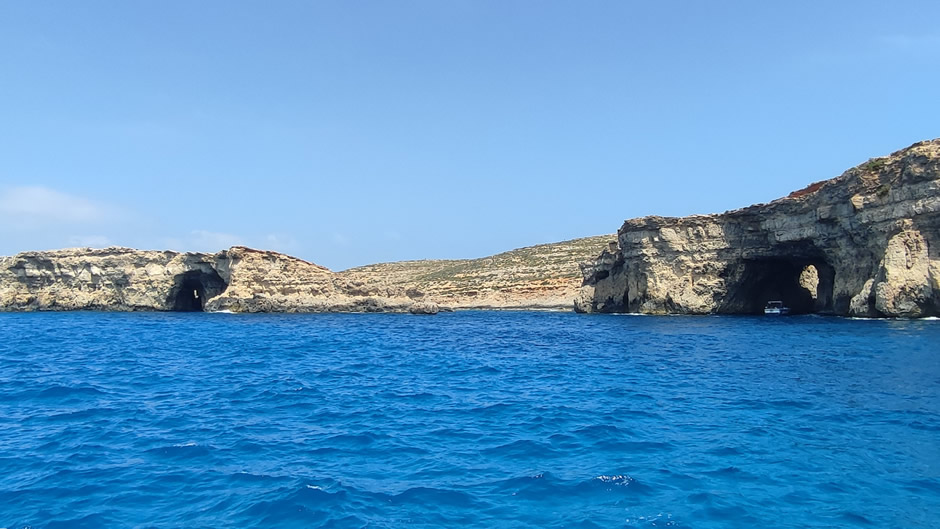
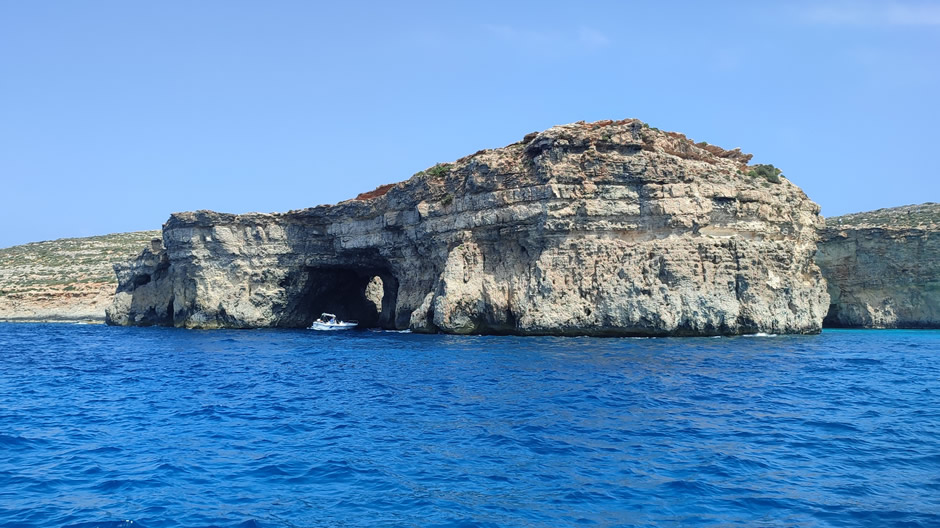
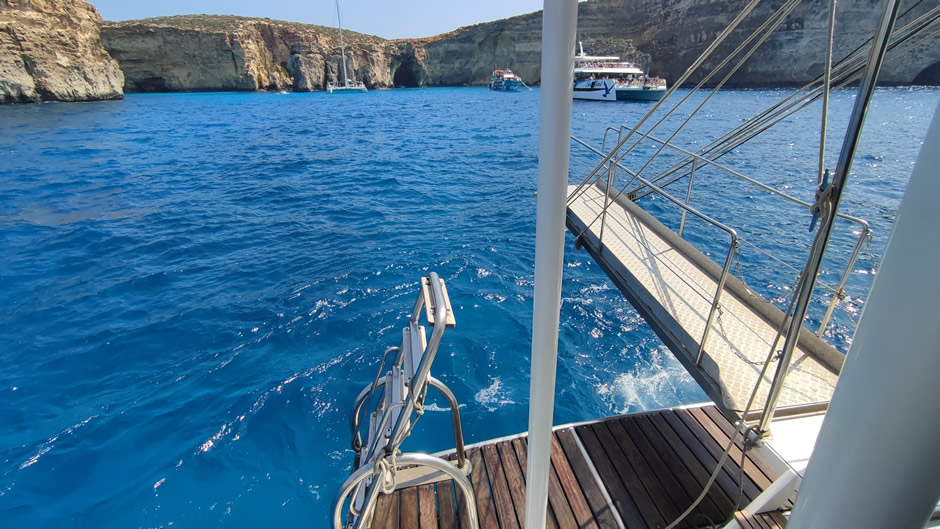
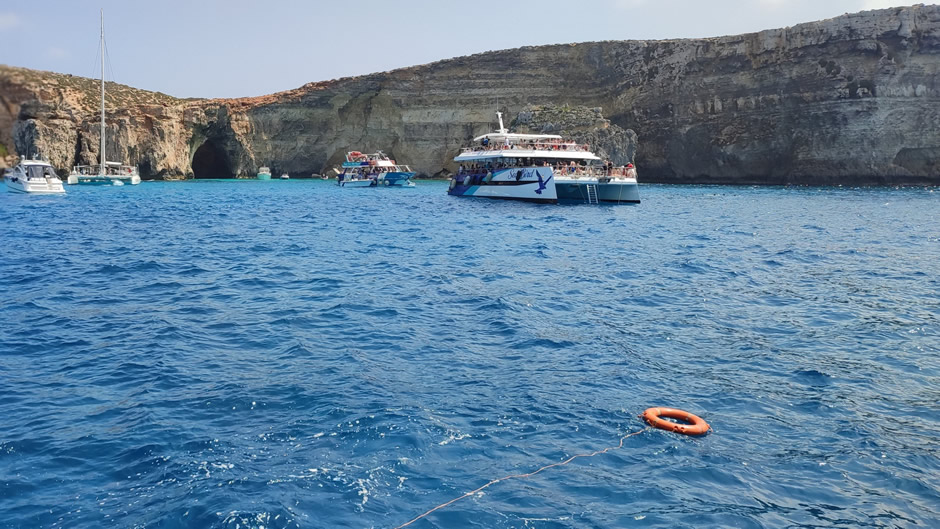
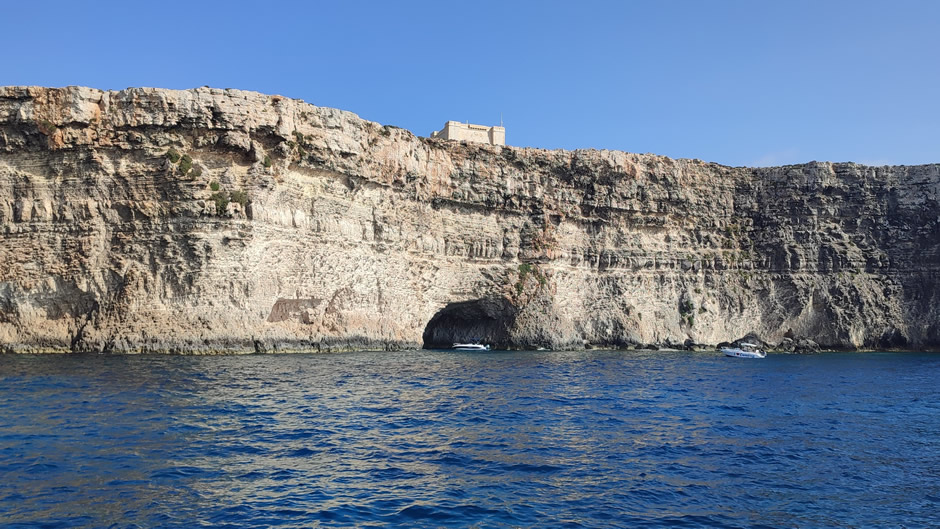
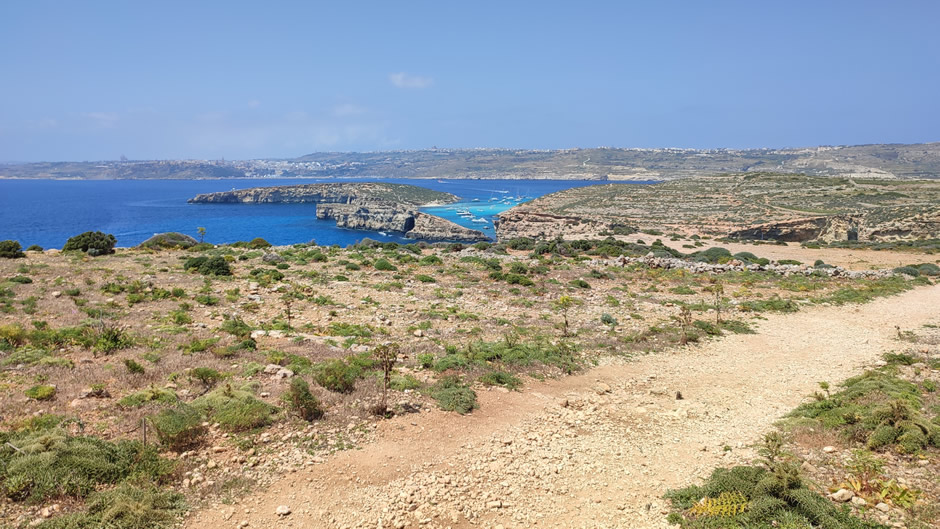
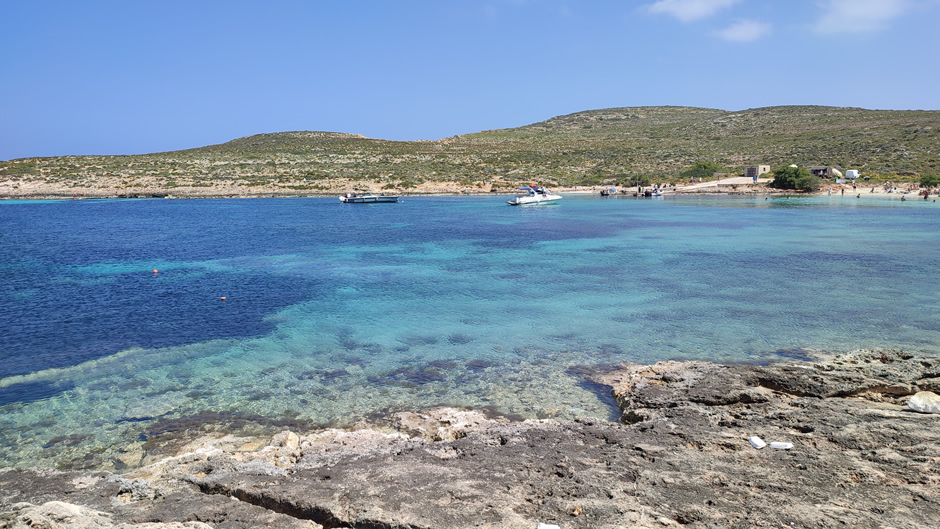
The Crystal Lagoon (shown below) is a secluded inlet on the western side of Comino, notable for its deep, transparent waters and striking rock formations. The lagoon is surrounded by steep limestone cliffs, creating a sheltered environment that is ideal for swimming, snorkelling, and diving. Natural caves and arches beneath the waterline attract marine life, making it a popular spot for underwater exploration. Its relative inaccessibility compared to other areas on the island (access by boat only) helps maintain a quieter and more tranquil atmosphere. Atop the cliffs from here can be seen St Mary's Tower (also known as the Comino Tower or It-Torri ta' Santa Marija - more on this further down the page). As a point of note, Crystal Lagoon is the popular English name for the turquoise bay, while Taħt il-Mazz is the traditional Maltese name for the specific rocky shoreline and sea stack within that very same bay.
Blue Lagoon
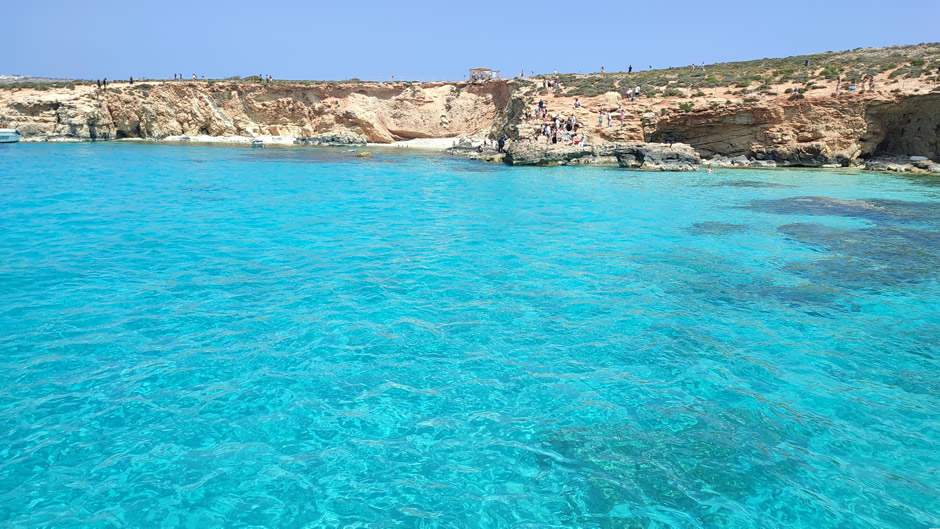
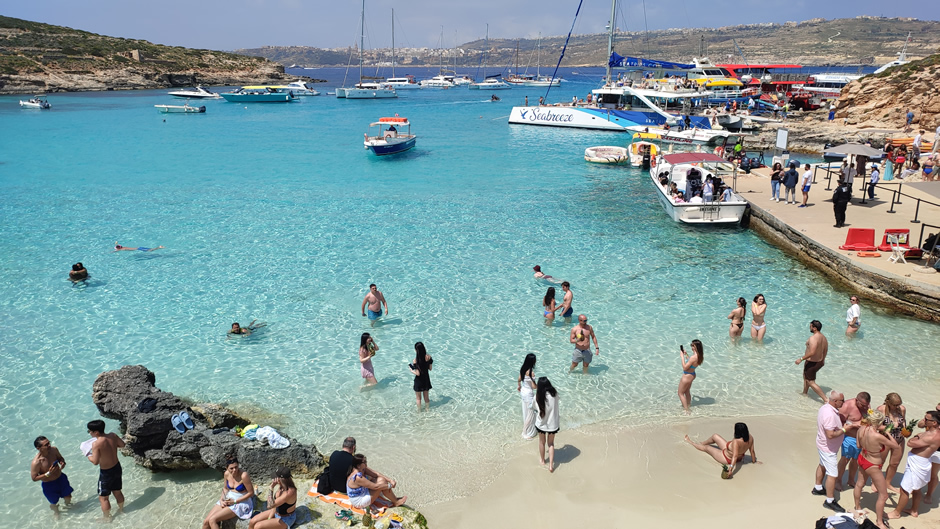
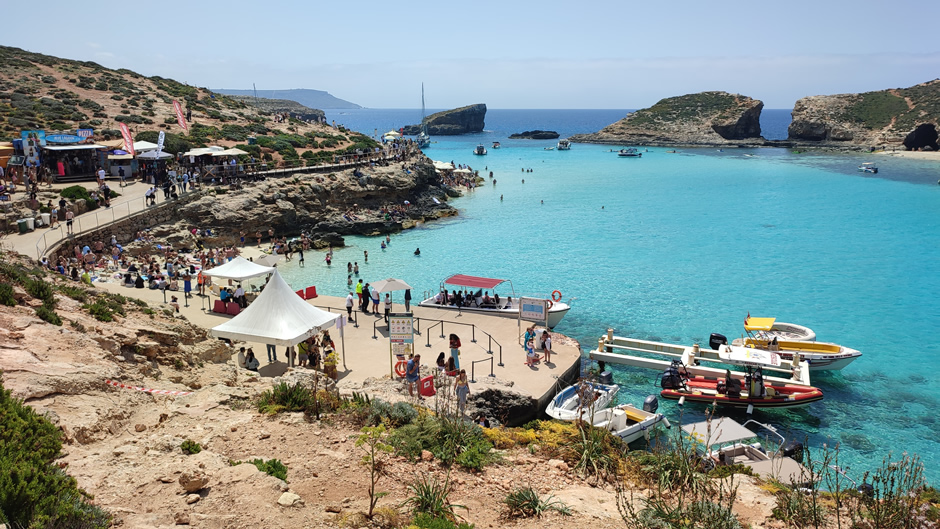
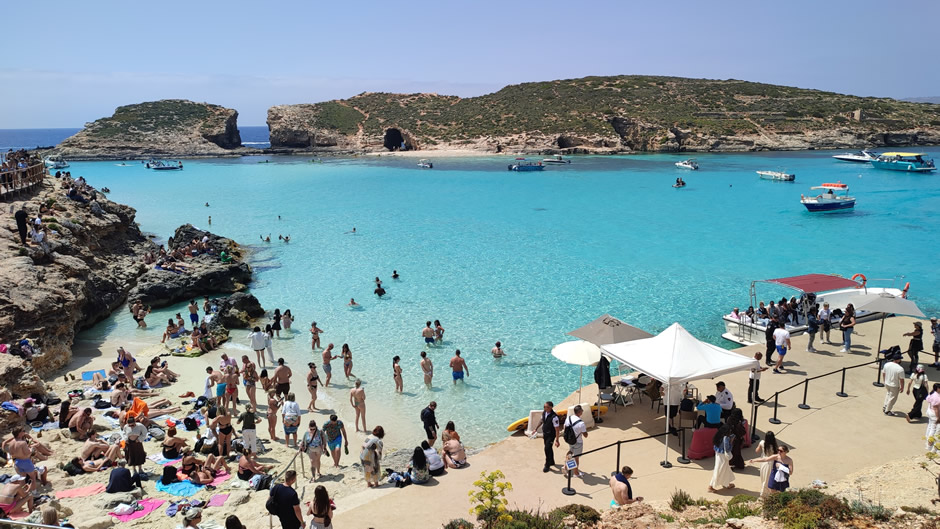
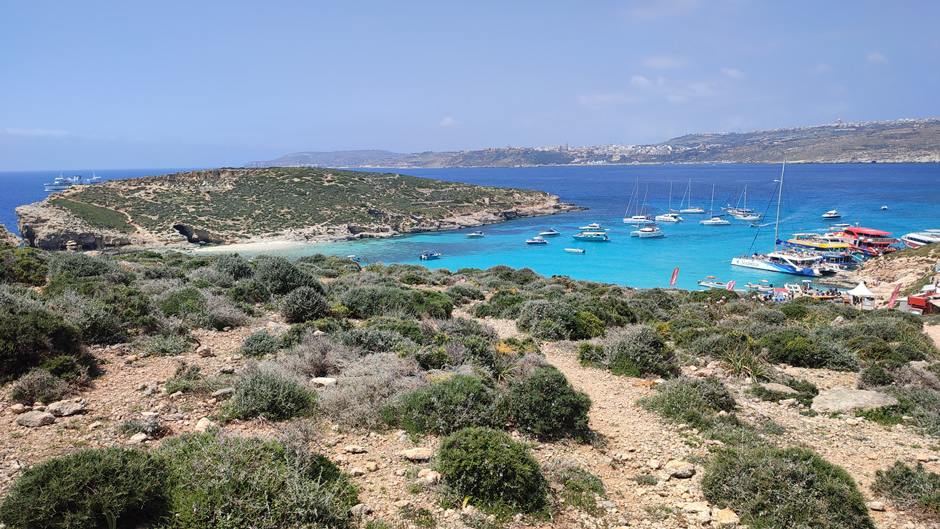
The Blue Lagoon is the most famous attraction on Comino, renowned for its shallow, turquoise waters and white sandy seabed. Located between Comino and the islet of Cominotto, it draws large numbers of visitors, particularly during the summer months. The calm, clear conditions make it suitable for bathing and paddle activities, while the surrounding rocky shoreline provides viewpoints across the channel. Facilities such as kiosks and boat services operate nearby, supporting its role as a central visitor’s location.
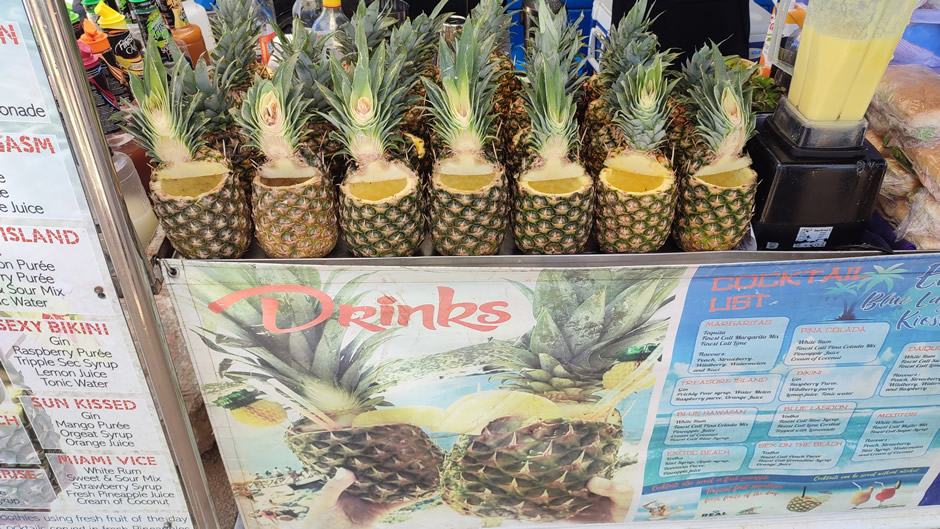
The famous pineapple drink that can be bought here is a modern tourist creation rather than a traditional local beverage. It consists of a freshly hollowed-out pineapple filled with a cocktail - typically a mix of rum, vodka, coconut, and fruit juices, or sometimes a non-alcoholic smoothie. The trend began around 2015 when a couple of vendors introduced the idea of serving drinks inside pineapples to make them more visually appealing. Thanks to social media, especially Instagram, the drink quickly went viral, becoming one of the most recognisable experiences on the island. Its bright, tropical look paired with the lagoon’s crystal-clear turquoise water makes it perfect for photos, turning it into both a refreshing drink and a memorable travel moment. Today, it symbolises how modern tourism and social media can transform a simple idea into a must-do attraction almost overnight. It is interesting to see how amongst the crowds, people manage to have photos of themselves taken with their pineapple drink with no-one else in the photo, turning reality into what appears to be a solitary tropical paradise. Don’t let social media fool you! Dispose of your used pineapple responsibly.
Isolation Hospital
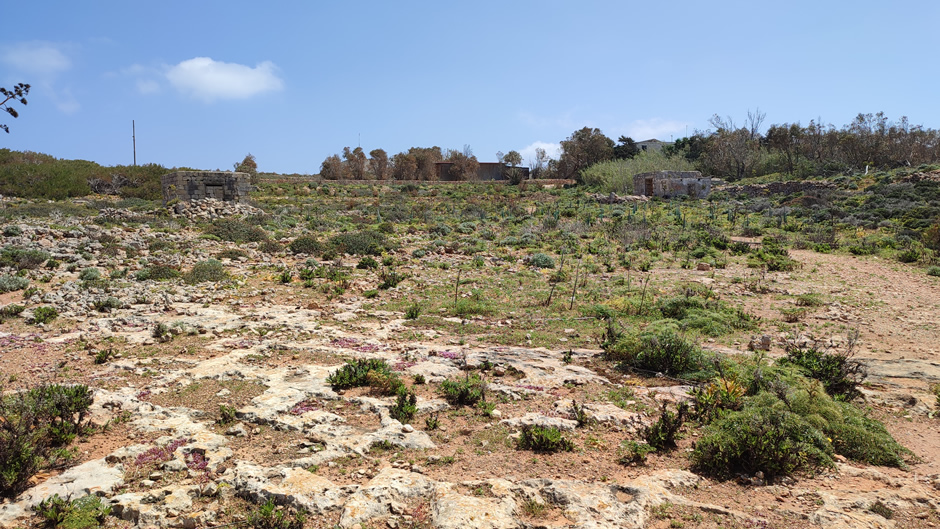
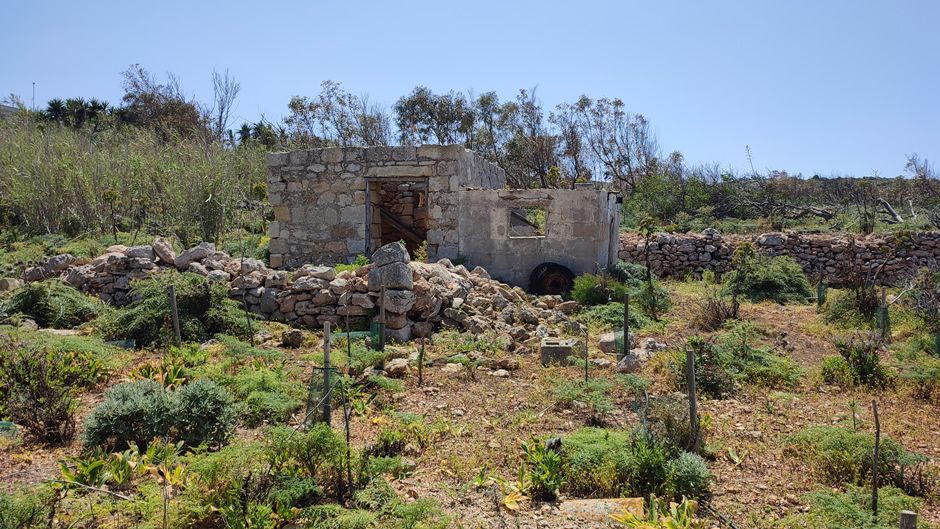
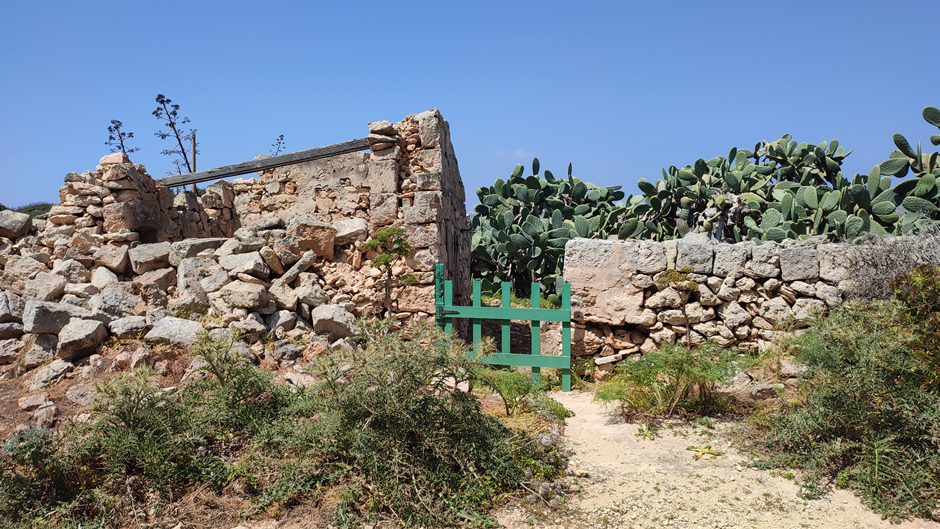
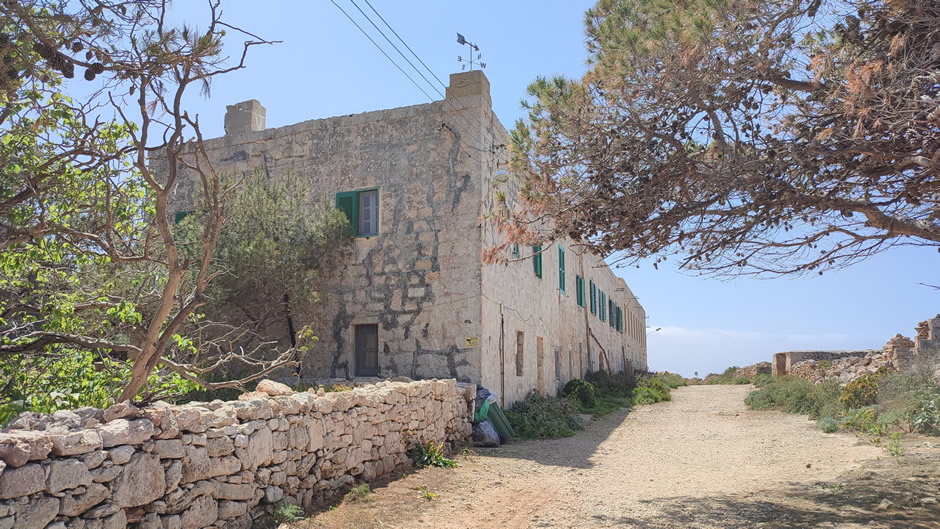
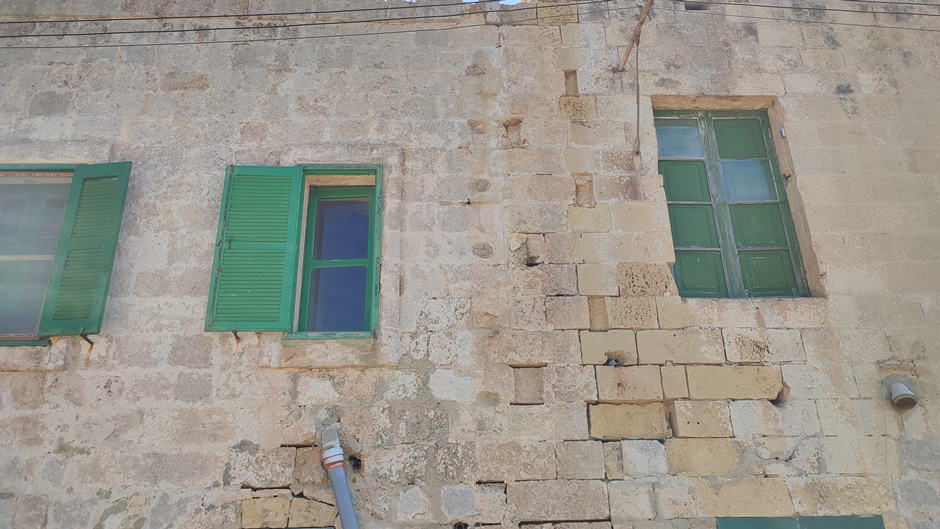
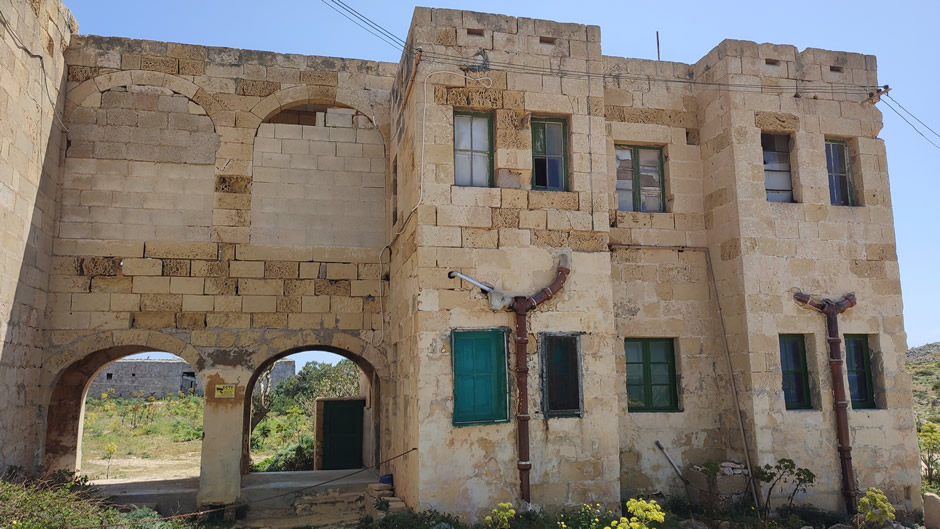
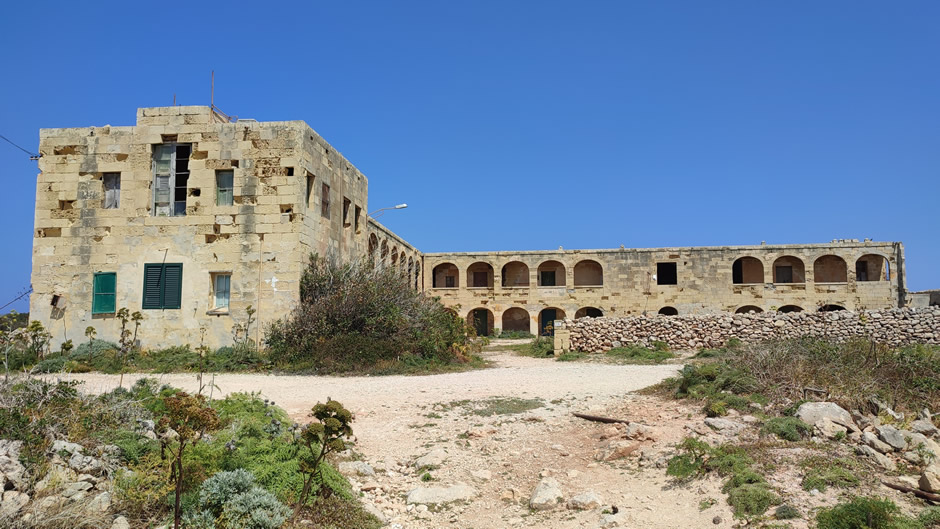
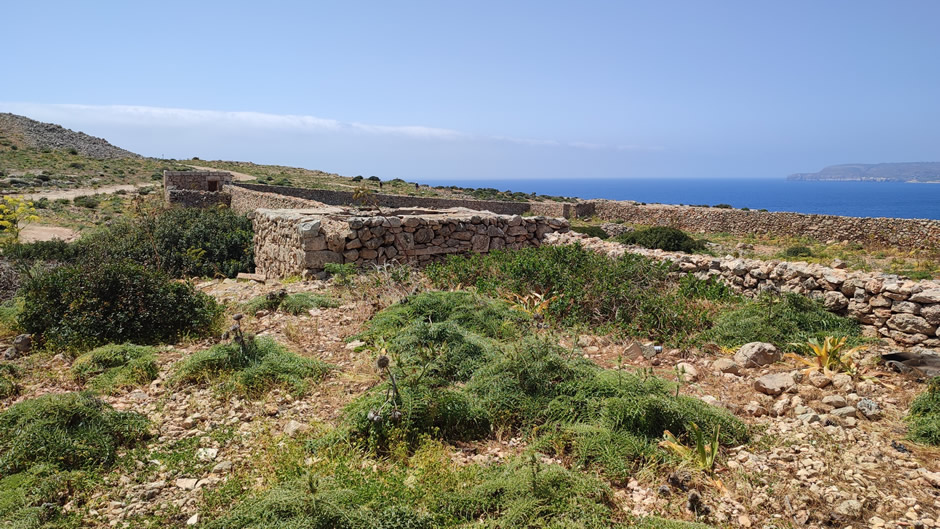
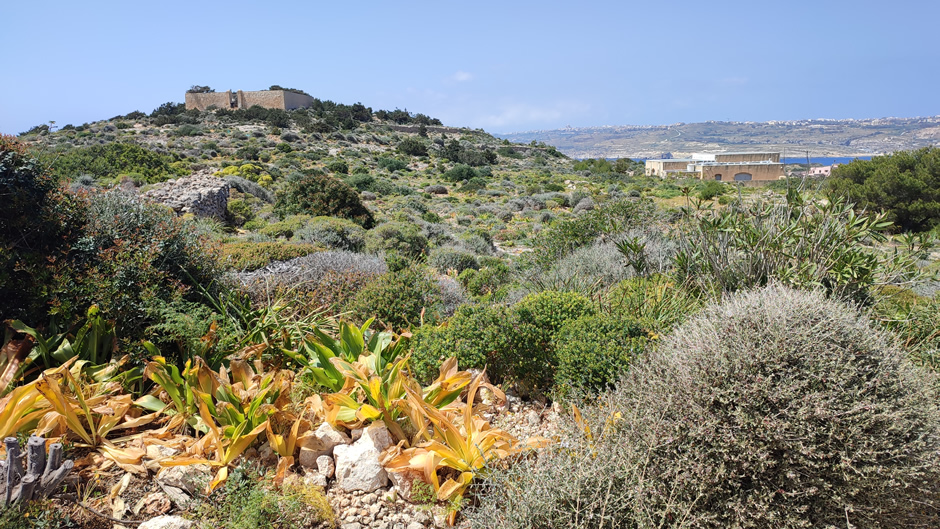
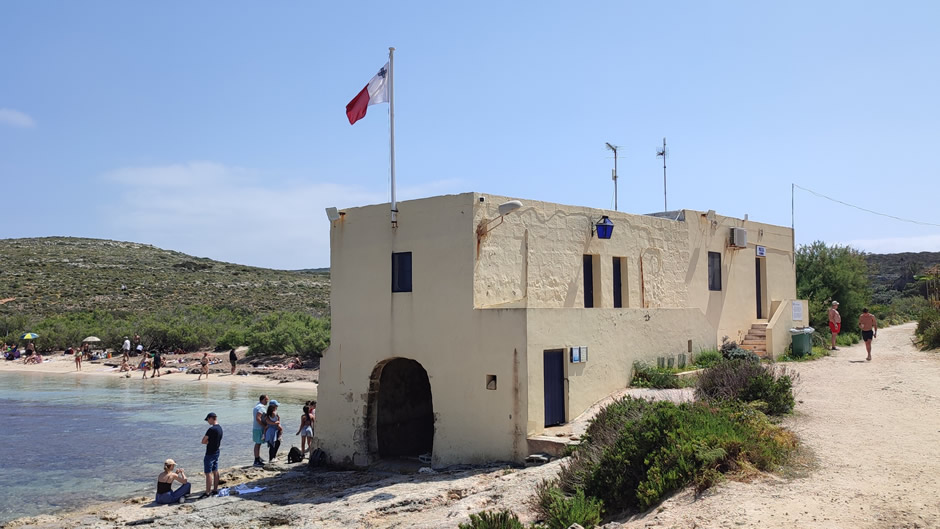
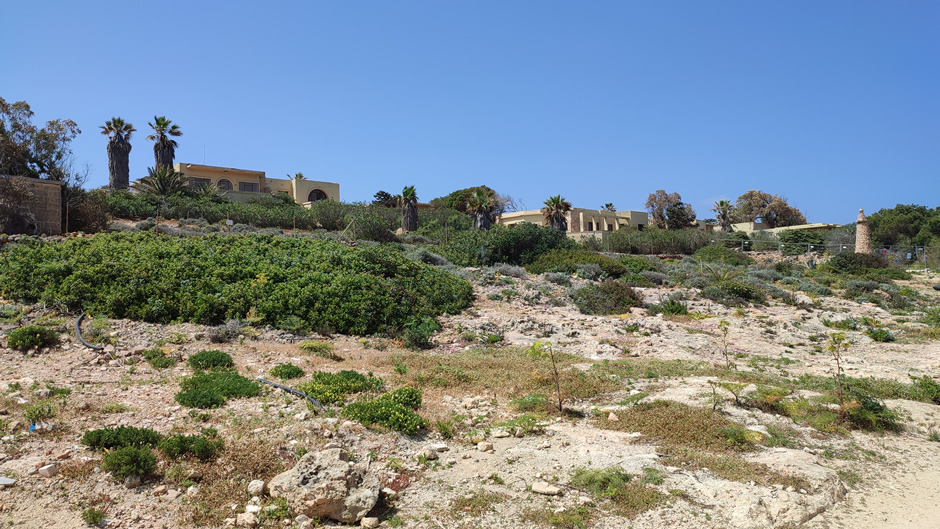
The Isolation Hospital on Comino (shown after start of walk below) is a historic structure built in the early 20th century to quarantine patients suffering from infectious diseases. Its remote location made it ideal for separating individuals from the main population of Malta. The building was later used during outbreaks such as cholera and plague, reflecting its role in public health management. Today, the abandoned structure stands as a reminder of past medical practices and the island’s use in times of crisis.
St Mary's Tower (It-Torri ta' Santa Marija)
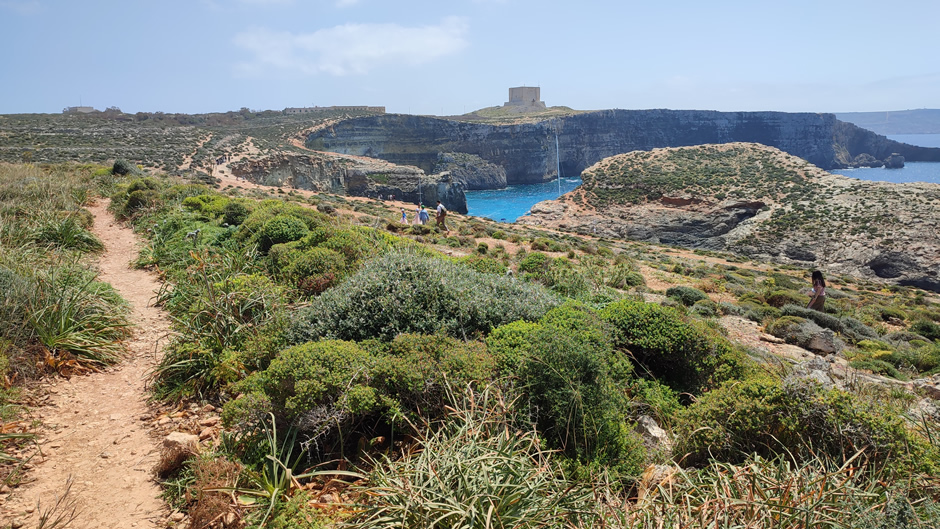
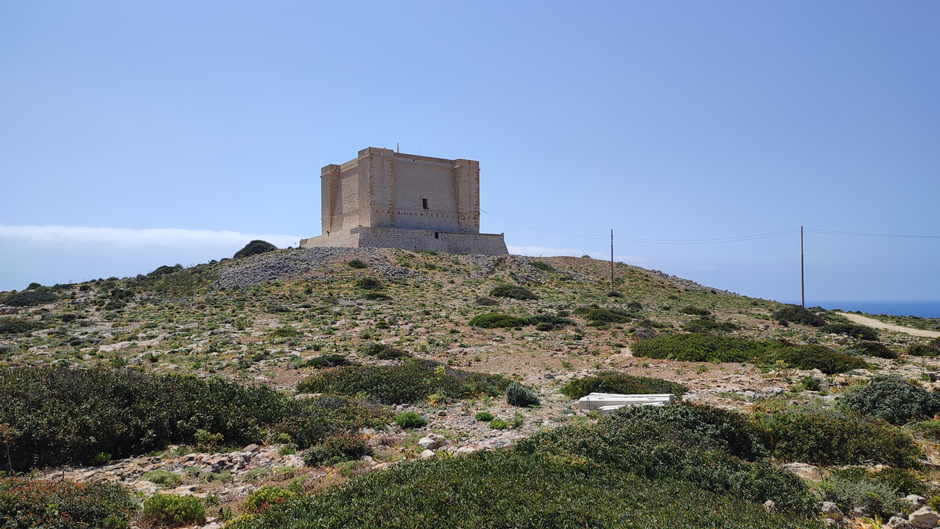
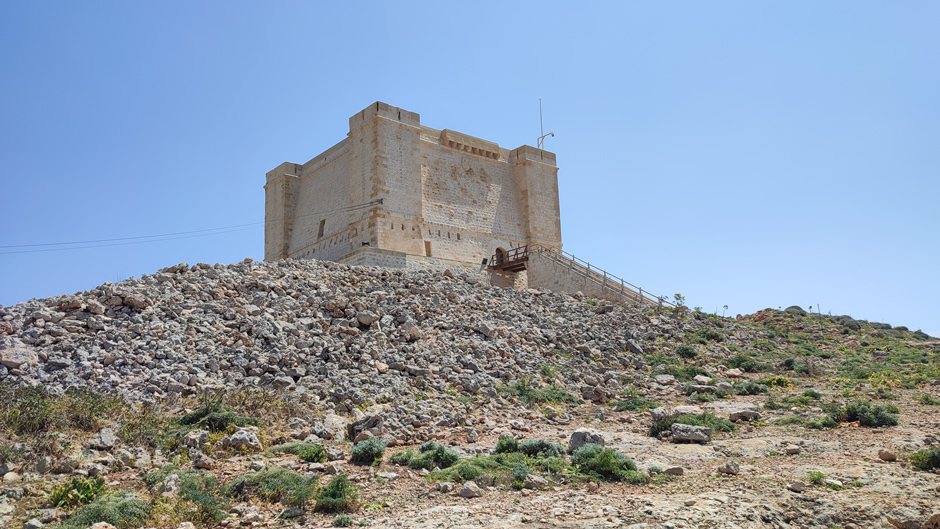
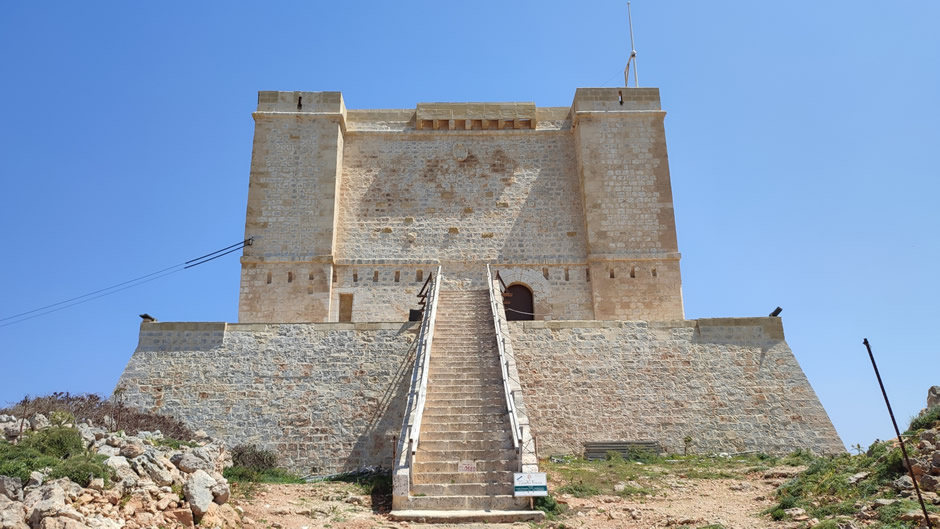
Also known simply as Comino Tower, St Mary's Tower (It-Torri ta' Santa Marija) is a defensive watchtower constructed in 1618 by the Knights of St John. Positioned on high ground, it provided surveillance over the surrounding sea routes and acted as a deterrent against piracy and invasion. The tower later served as a prison and communication point between Malta and Gozo. Its solid square design and elevated entrance reflect typical military architecture of the period, and it remains one of the island’s most prominent landmarks. Some may recognise it for starring as the French island prison Château d'If in the Hollywood adventure film The Count of Monte Cristo (2002). From here, the walk continued:
Chapel of Our Lady's Return from Egypt
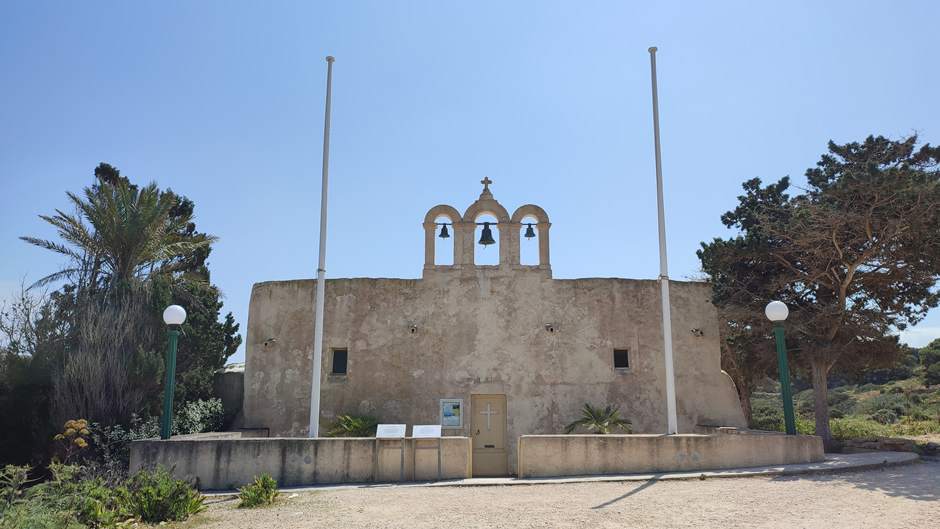
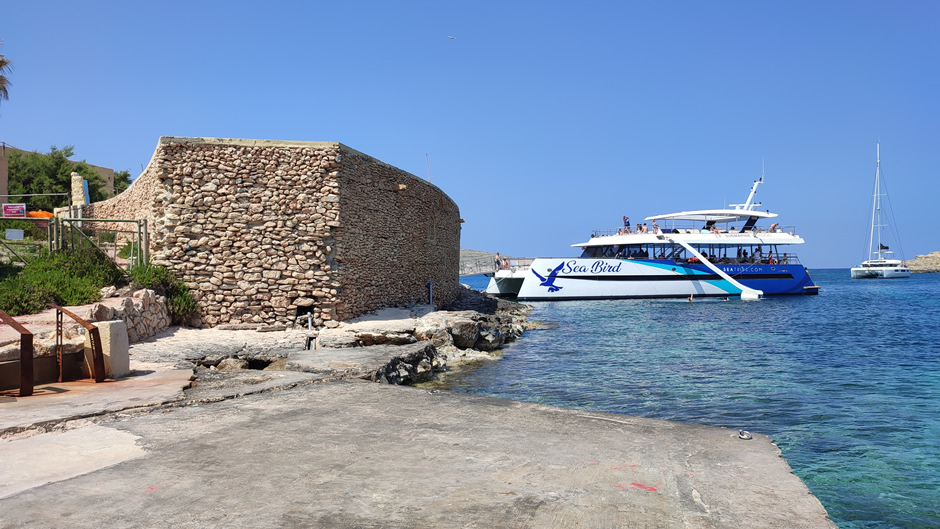
The Chapel of Our Lady's Return from Egypt (shown below) is a small religious building located near the main settlement area of Comino. Originally constructed in the 17th century and later rebuilt, it has served as a place of worship for the island’s limited population. The chapel is dedicated to a biblical event and reflects the enduring influence of Catholic traditions in the Maltese islands. Its simple design and quiet setting contribute to its peaceful character.
Santa Marija Bay
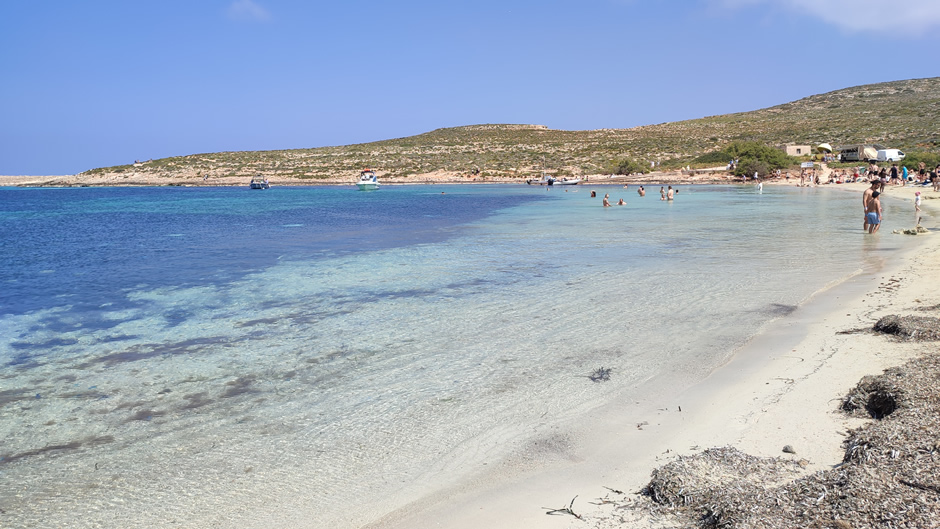
Santa Marija Bay (shown below) is a sandy beach on the northern side of Comino, offering a more relaxed alternative to busier swimming areas. The bay features gently sloping shores and clear water, making it suitable for families and those seeking calmer surroundings. It is one of the few places on the island with some basic accommodation and camping facilities nearby. The surrounding area includes shaded spots and open views across the channel toward Gozo.
St Mary’s Battery
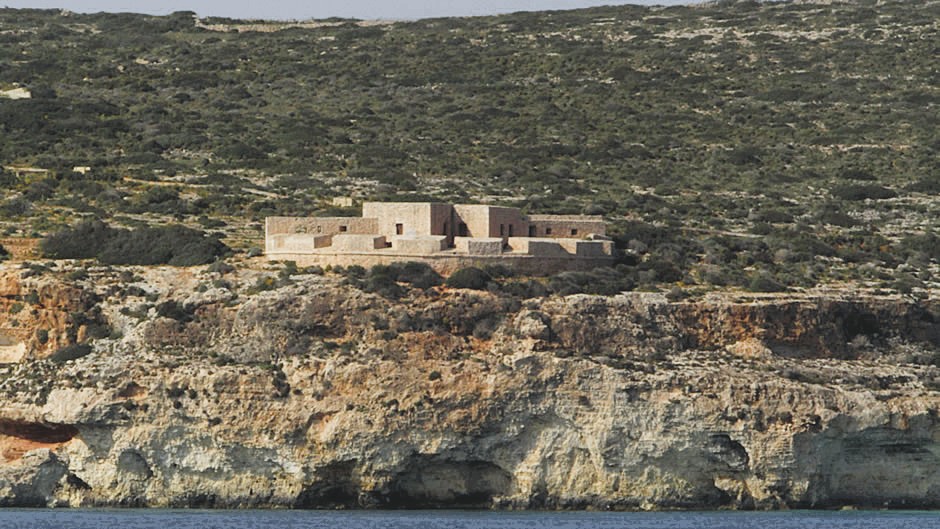
A final point of interest on Comino is St Mary’s Battery. It is possible that there would have been time to walk up to it, although a decision was made to be extra-safe with time, so as not to miss the boat back. However, it was clearly visible from the boat on the return crossing to the island of Malta. St Mary’s Battery is an 18th-century coastal fortification built by the Knights of St John to defend the island from naval threats. It consists of a semi-circular gun platform facing the sea, designed to house artillery that could target approaching vessels. The battery formed part of a wider defensive network across the Maltese islands. Restored in modern times, it provides insight into historical military strategy and coastal defence systems.
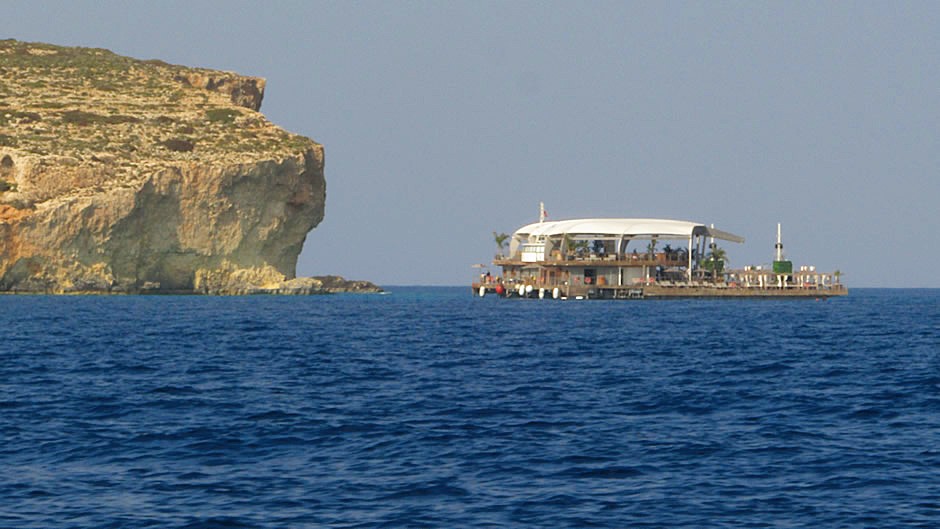
On the way back, an unusual structure was noted just off the coast of Comino. Further research has revealed that this is “Noma Island”, a new floating beach club and restaurant built on a 1,750m² platform originally developed in France and later relocated and launched in 2026. It apparently offers daytime lido access with sunbeds, a freshwater pool, sea swimming, and a panoramic open-air restaurant reached only by a scheduled shuttle from Marfa Jetty (in the northern region of Malta). Marketed as Malta’s “fourth island”, it has drawn mixed reviews - many praise its striking views and unique concept, while others note long food waits, uneven service, and environmental concerns raised by locals.
End Notes on Comino Trip
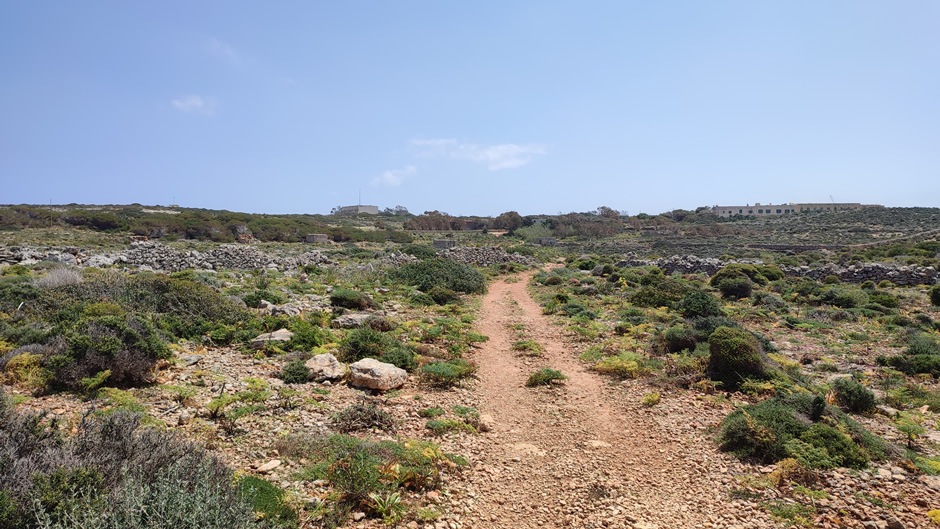
No thanks to a certain popular smartphone map app, the walk around the island could have started off slightly better as the initial directions from the Blue Lagoon to St Mary's Tower followed a difficult-to-find minor path which was tricky in places to negotiate. Once on the main tracks (eventually), things sped up. The weather was warm and several small lizards could be seen scuttling across the dry paths – most likely Maltese Wall Lizards (Podarcis filfolensis maltensis), a protected species endemic to the Maltese islands. Even the main tracks were a little rough in places and despite wearing trainers, perhaps a pair with thicker soles more suited to rough terrain would have been more suitable. The walk was rewarding and it felt satisfying having ventured to other locations away from the Blue Lagoon.
Link to Next Page (Page 3 of 8)
Link to Previous Page (Page 1 of 8)
Back to Top
