


2026 Total Solar Eclipse Trip (Page 2 of 2)
During this trip, a number of other sites were seen whilst visiting Northern Spain to see the total solar eclipse. A flight was taken to Madrid (Adolfo Suárez Madrid-Barajas Airport) and a car hired to get about. The first two nights were spent in a youth hostel 47km (29 miles) east of the city of Burgos (Albergue "A Santiago" Hotel - Belorado) and located on the famous pilgrimage route Camino de Santiago (or the Way of St. James). After viewing the evening eclipse in a field near the youth hostel, the third night was spent in the car in a rural location near to a famous film location (see further down the webpage), and the fourth night was spent in a hostel in the city of Segovia.
All bookings were made well in advance to secure them and avoid the inevitable price hikes nearer the time. The main sights seen are as follows:
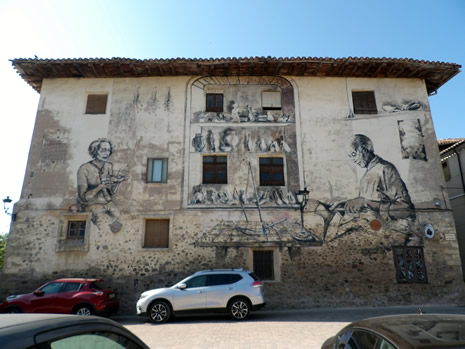
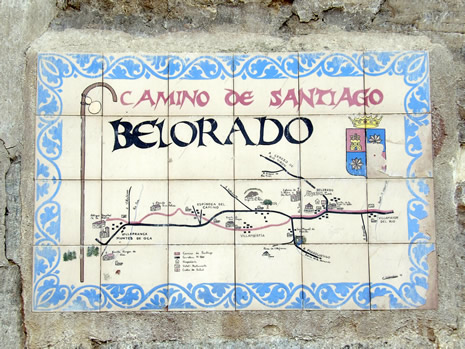
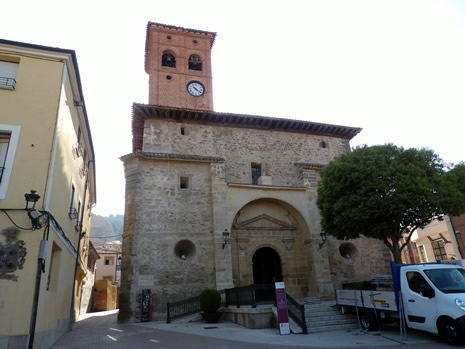
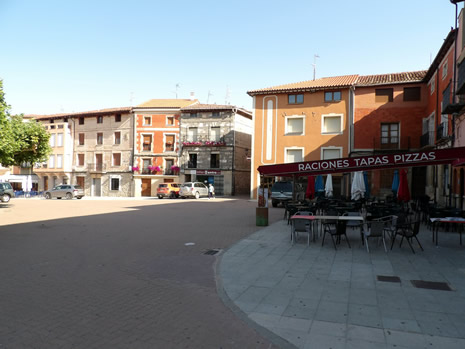
Belorado
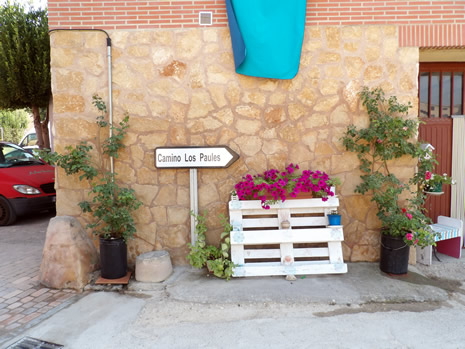
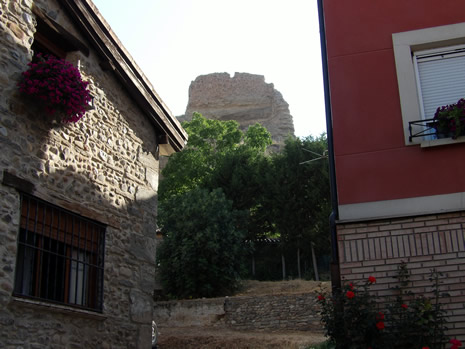
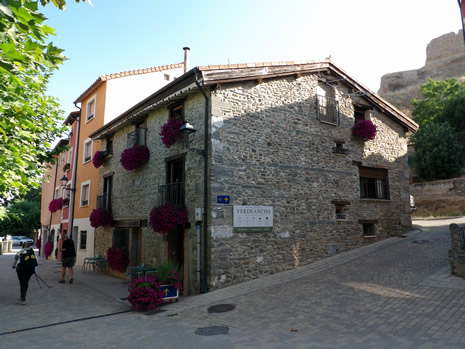
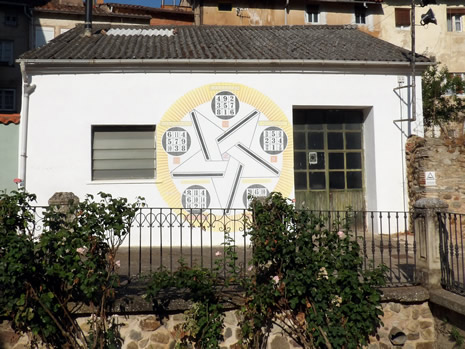
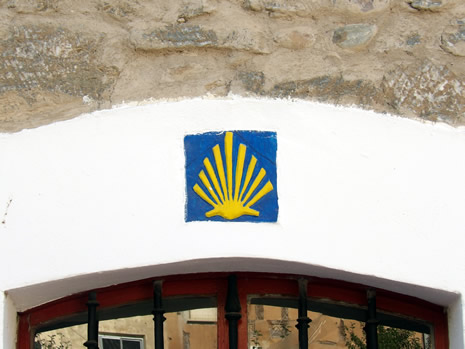
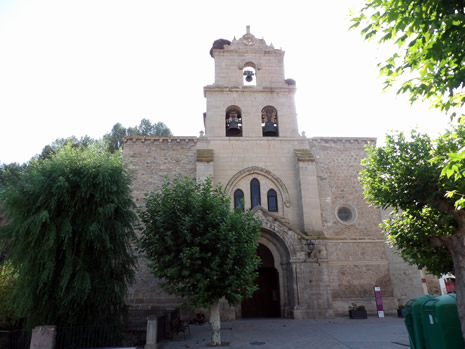
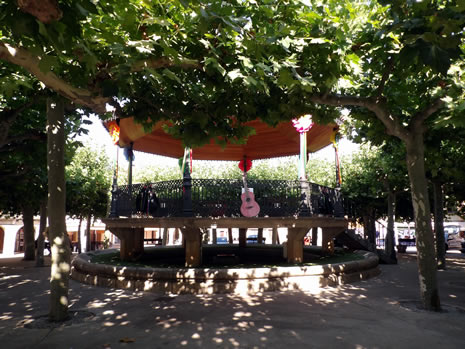
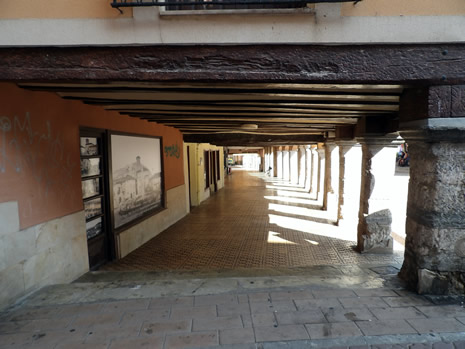
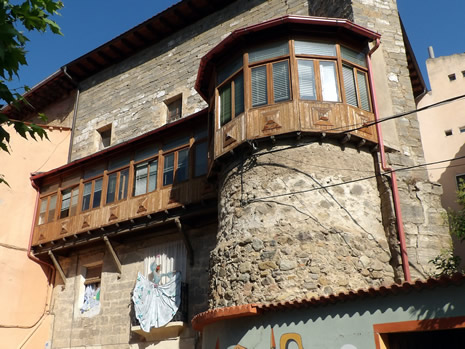
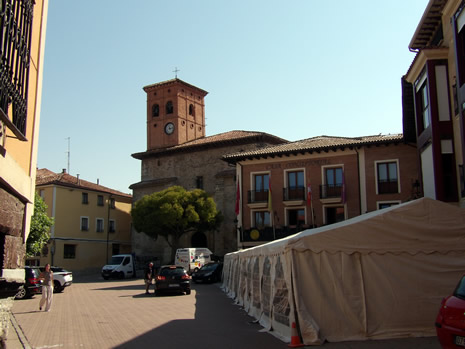
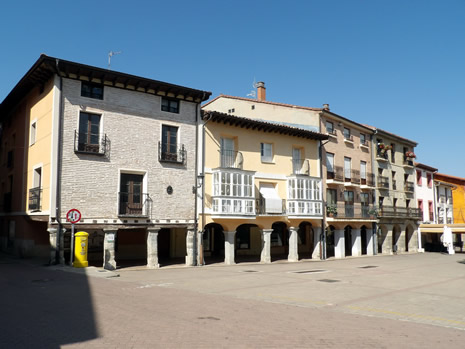
Belorado is a small Castilian town on the eastern edge of Burgos province, known for its long association with the Camino de Santiago. Its historic centre includes remnants of medieval walls, quiet plazas, and traditional stone houses. The town sits beneath the Montes de Oca, making it a natural stopping point for walkers heading toward Burgos.
 |
 |
|
 |
 |
|
 |
 |
|
 |
 |
|
 |
 |
|
 |
 |
|
 |
 |
|
 |
 |
|
 |
 |
|
 |
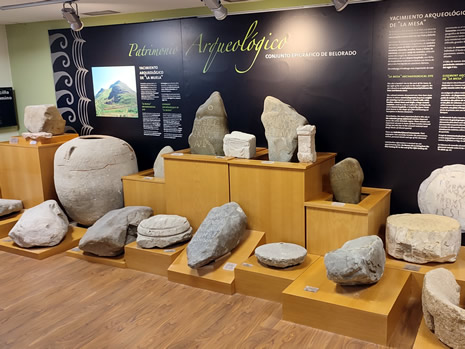 |
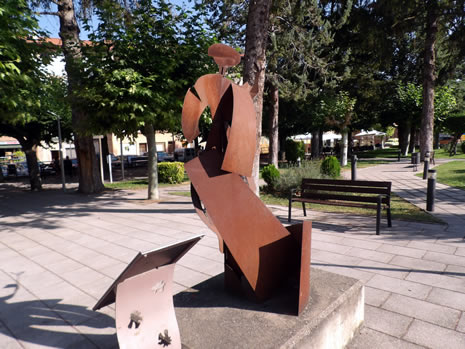
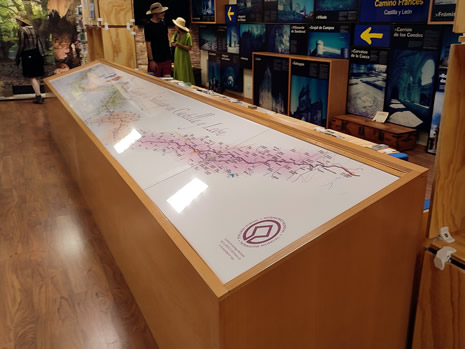
Above: Belorado
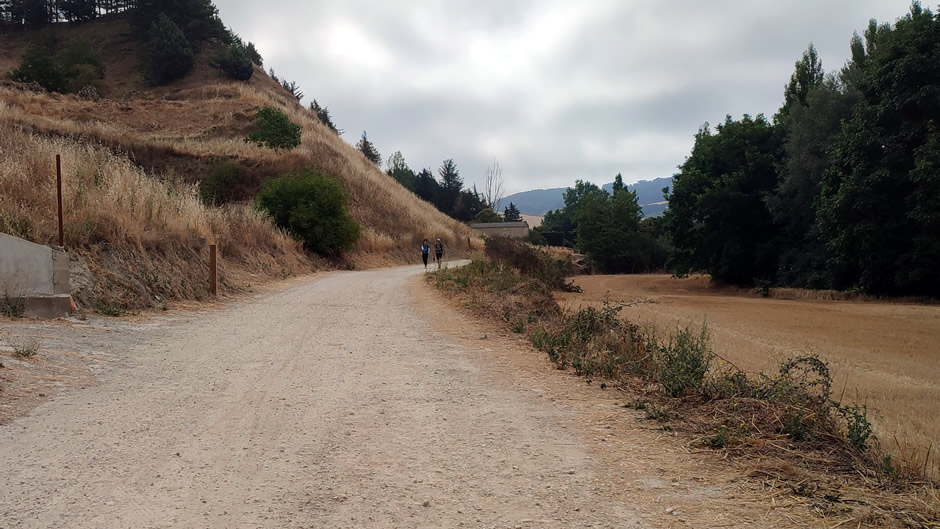
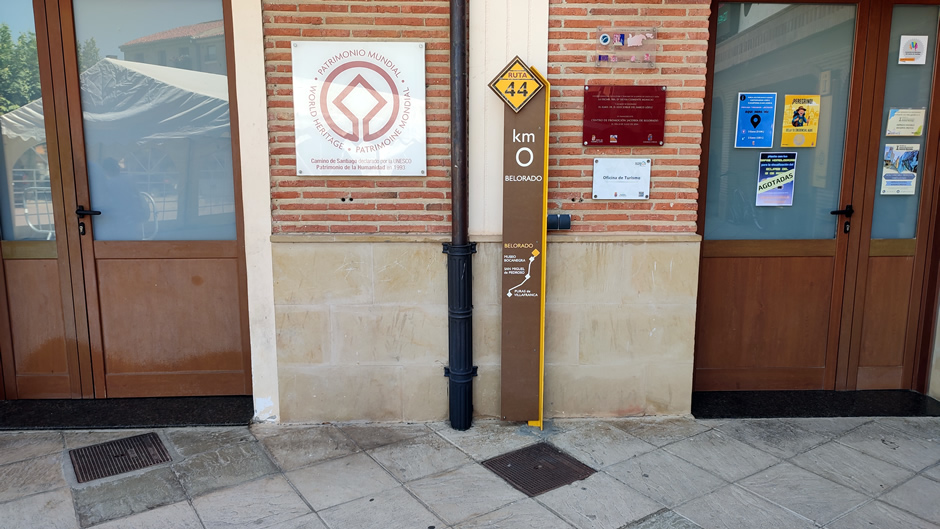
The Camino de Santiago at Belorado
The Camino de Santiago passes directly through Belorado, threading between the town’s historic centre and the open farmland that leads toward the Montes de Oca. Pilgrims encounter a mix of quiet residential streets, small plazas, and long straight stretches heading west. Belorado serves as a practical staging point before the route begins its gradual climb into more remote terrain.
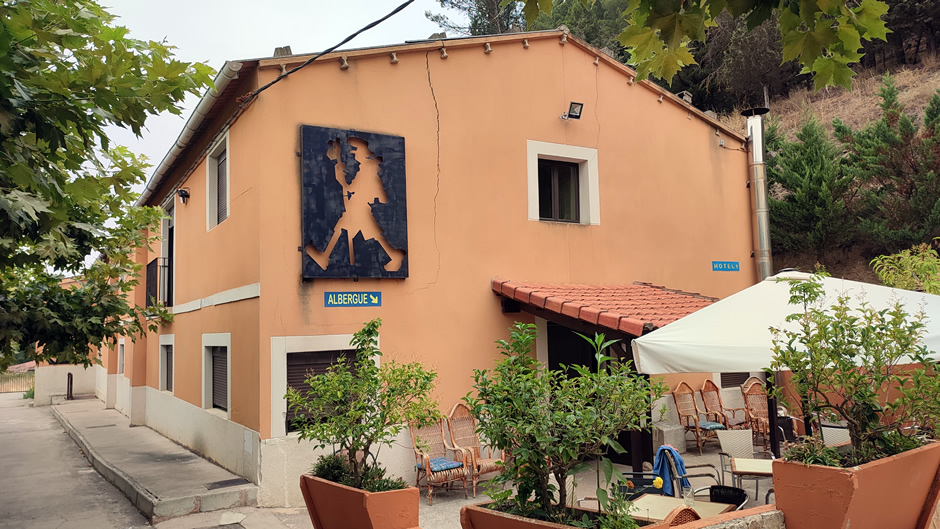
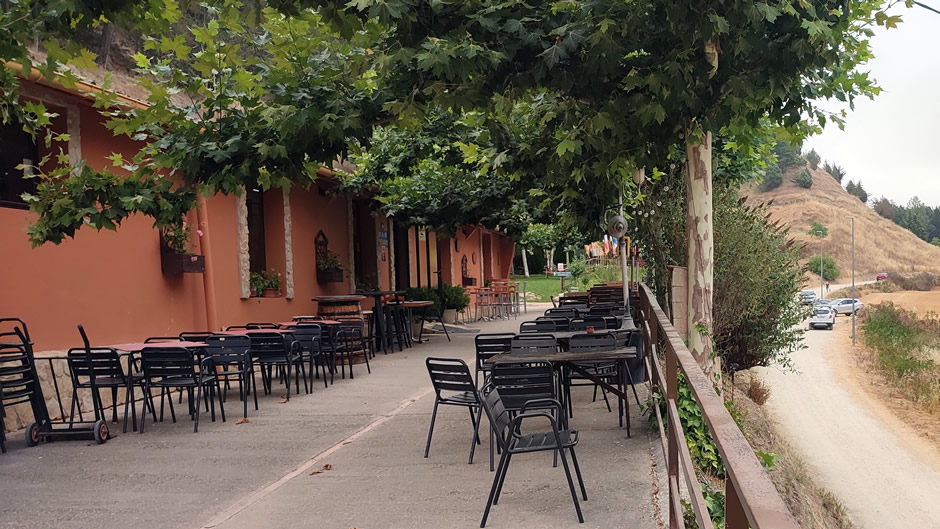
Auberge de Santiago, Belorado
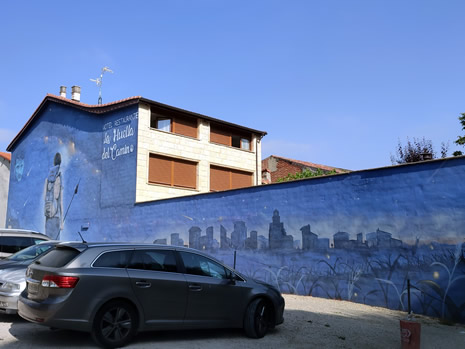
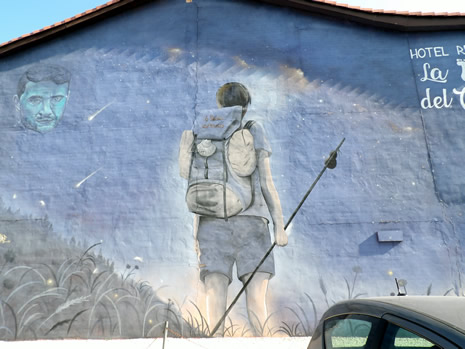
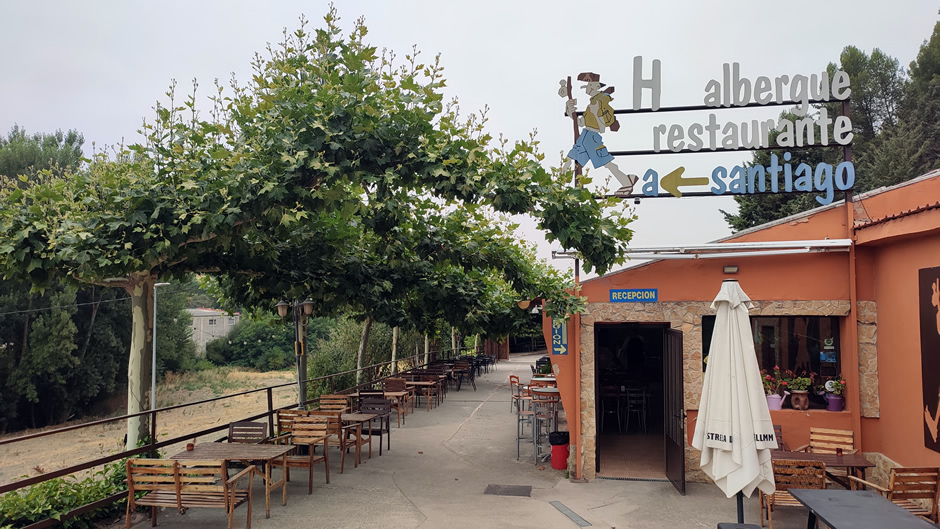
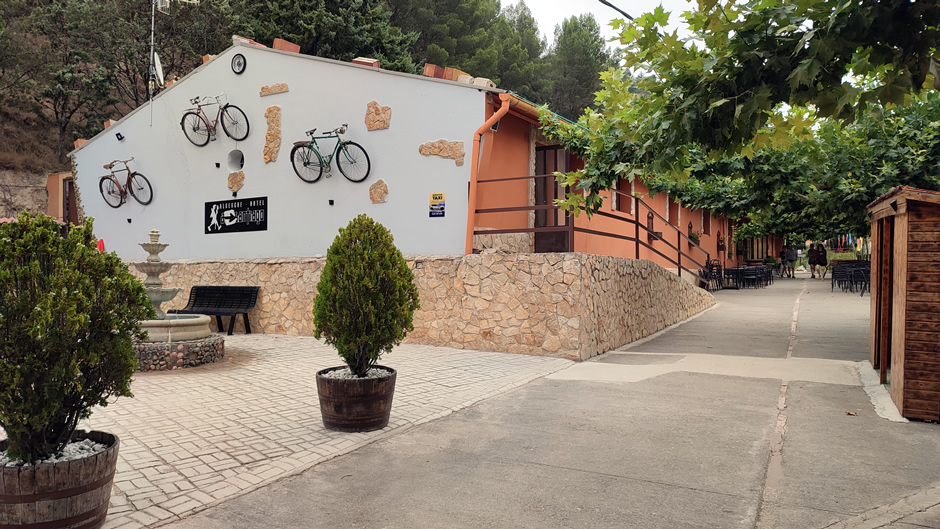
The hostel where two nights were spent and near to which the eclipse was observed was Auberge de Santiago, a pilgrim-focused hostel offering simple accommodation adjacent to Belorado’s Camino route. It is known for its communal atmosphere, practical facilities, and easy access to the town’s cafés and shops. The property often serves as a convenient overnight rest before the ascent toward the Montes de Oca. Some photos follow:
Ermita de la Virgen de la Peña (Tosantos)
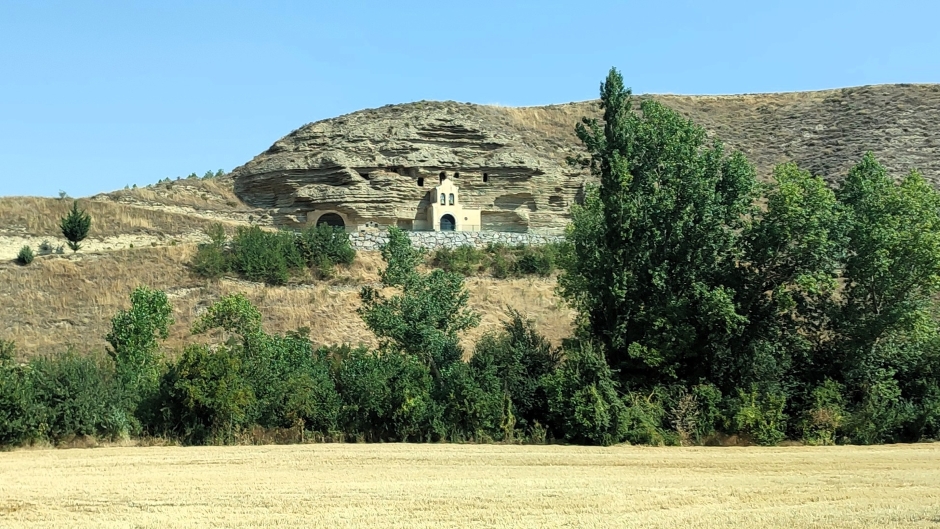
Ermita de la Virgen de la Peña is a small cliffside hermitage located above the village of Tosantos in Burgos province. Built into the rock face, it has long served as a local devotional site for pilgrims travelling the Camino Francés. The short but steep path from the village leads to a simple chapel carved partly into the hillside, offering views over the surrounding farmland and the route toward Villambistia and Espinosa del Camino. The hermitage is traditionally associated with hospitality for pilgrims and remains a quiet landmark on this section of the Camino.
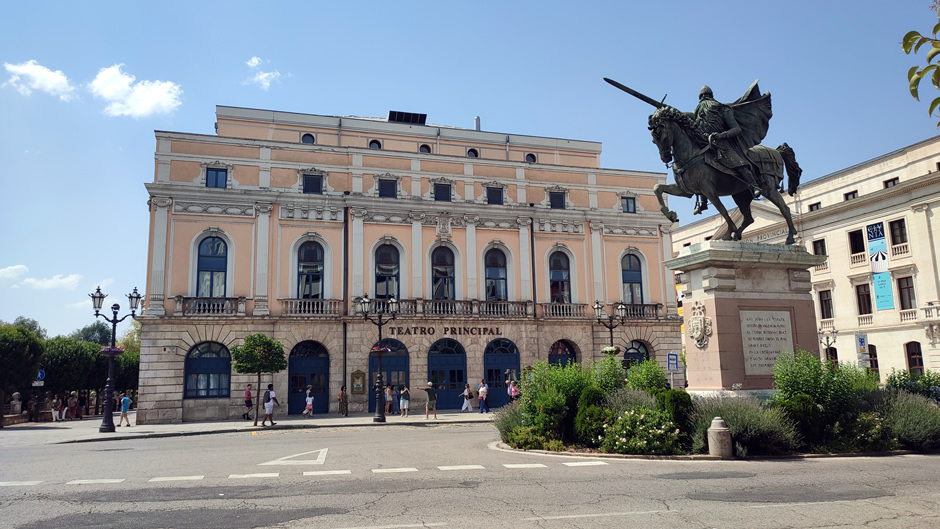
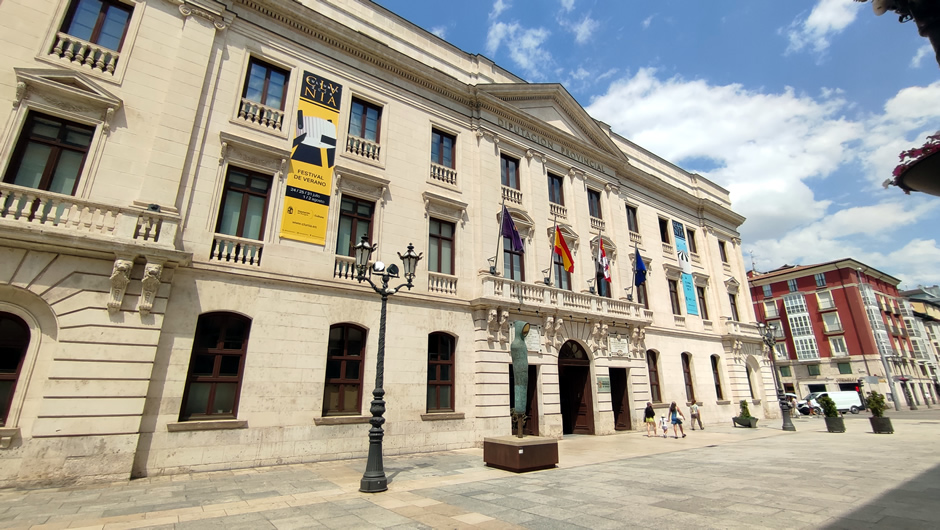
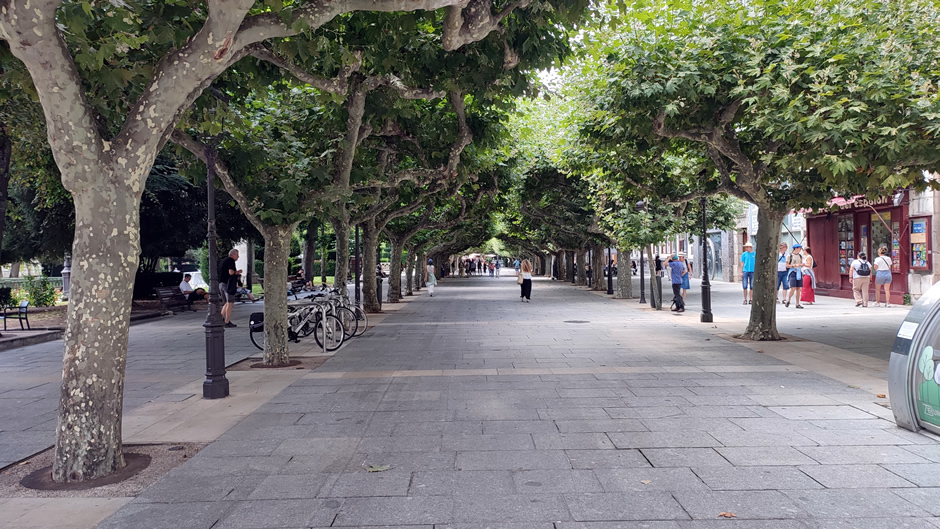
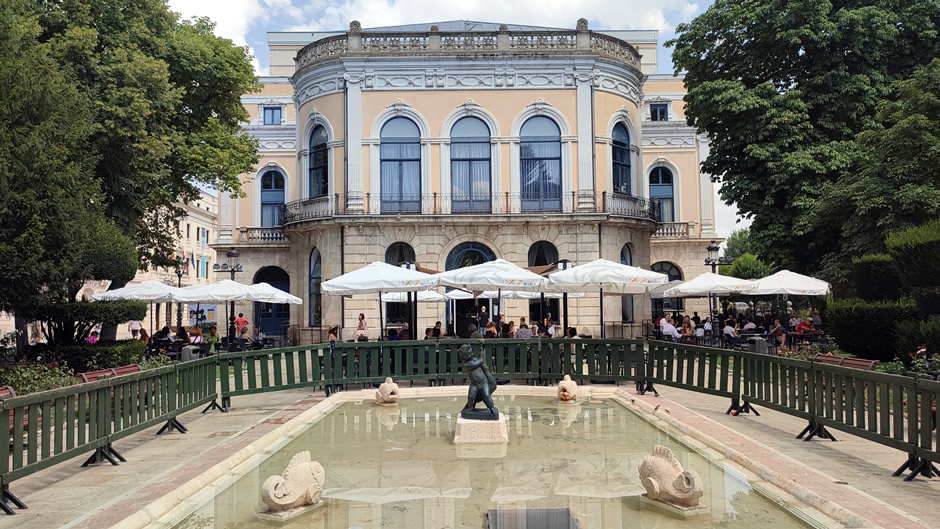
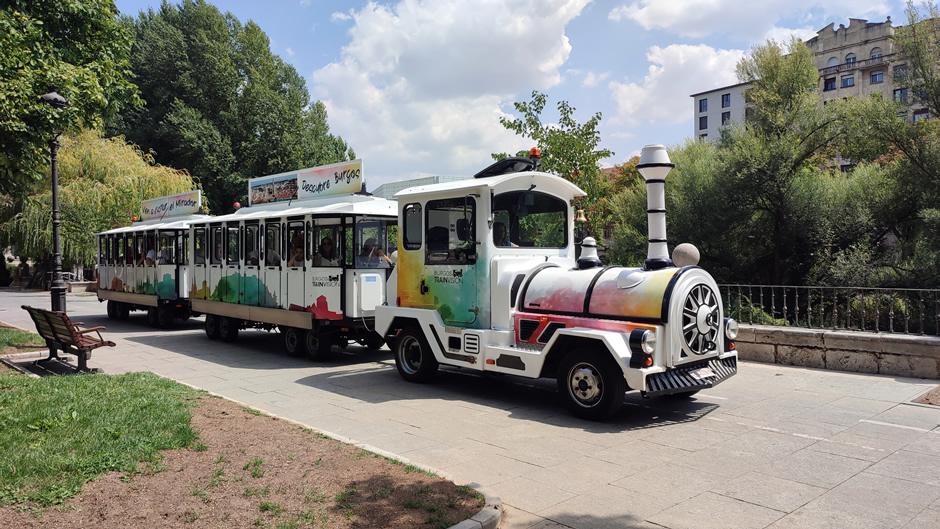
Burgos is a historic Castilian city founded in the 9th century and shaped by its role in medieval Spain. The city centre features Gothic, Renaissance, and early modern architecture, with the Arlanzón River running through its core. Burgos is also known for its traditional gastronomy, leafy promenades, and well-preserved old town. Some general photos of the city follow before we look at some of the main sights seen here on this visit:
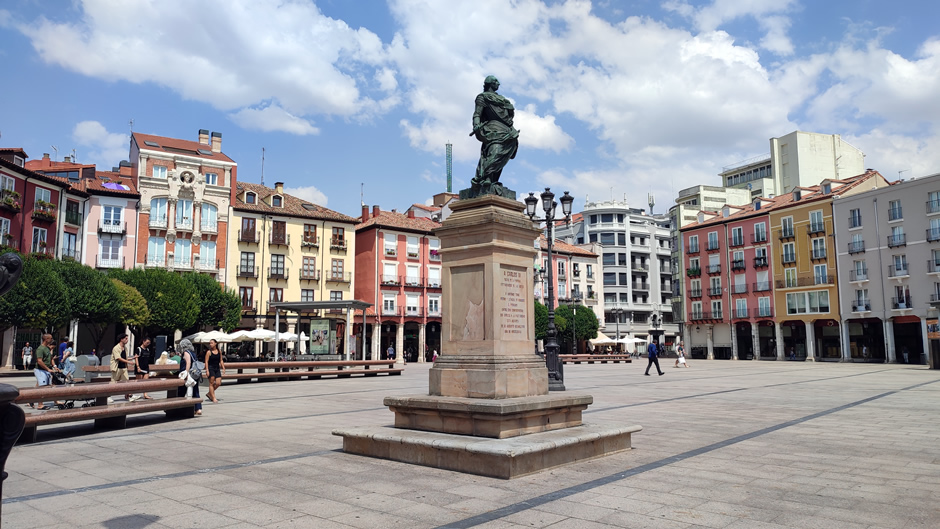
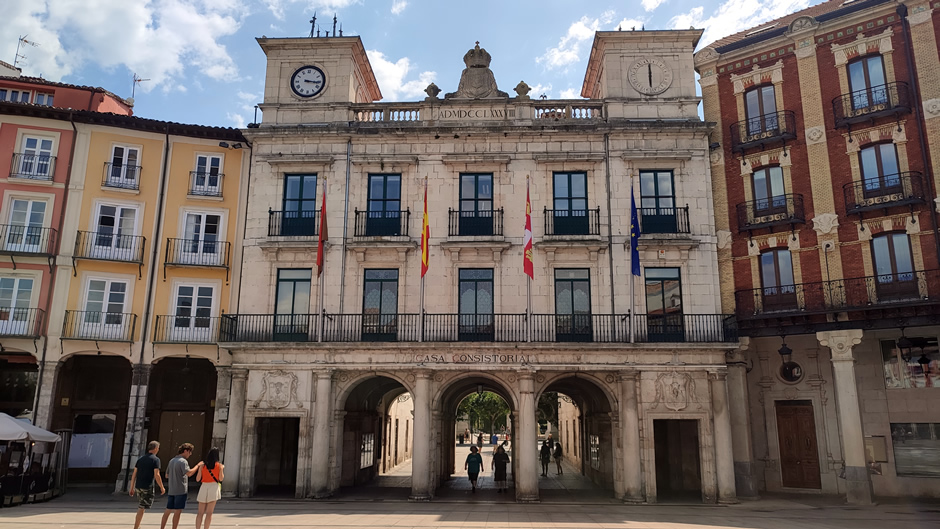
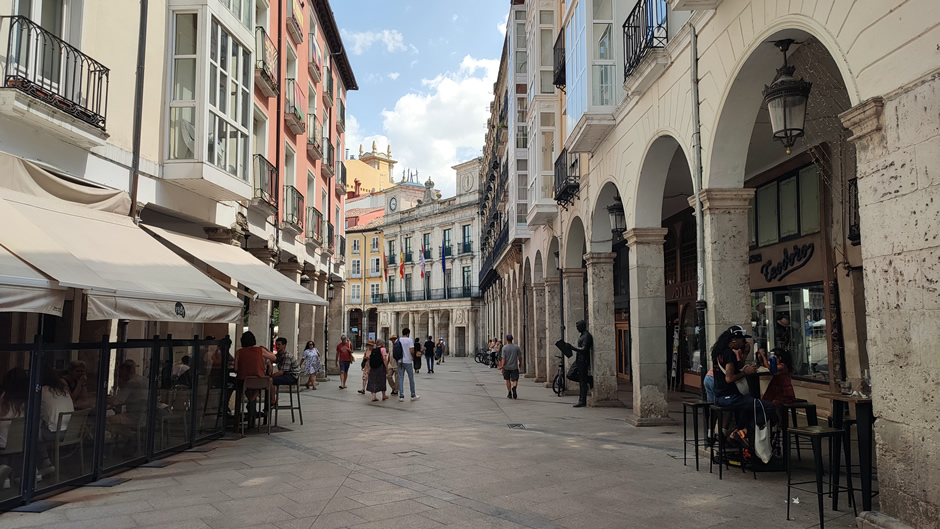
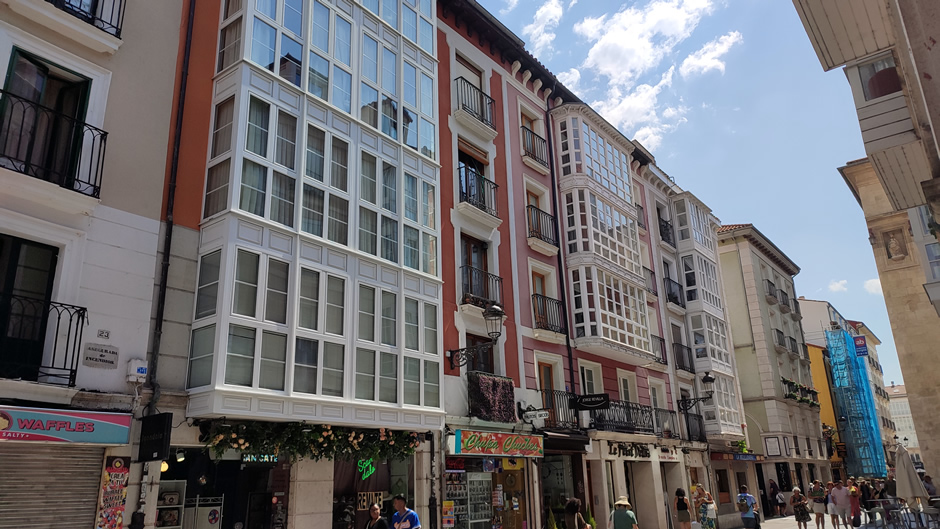
Museum of Human Evolution
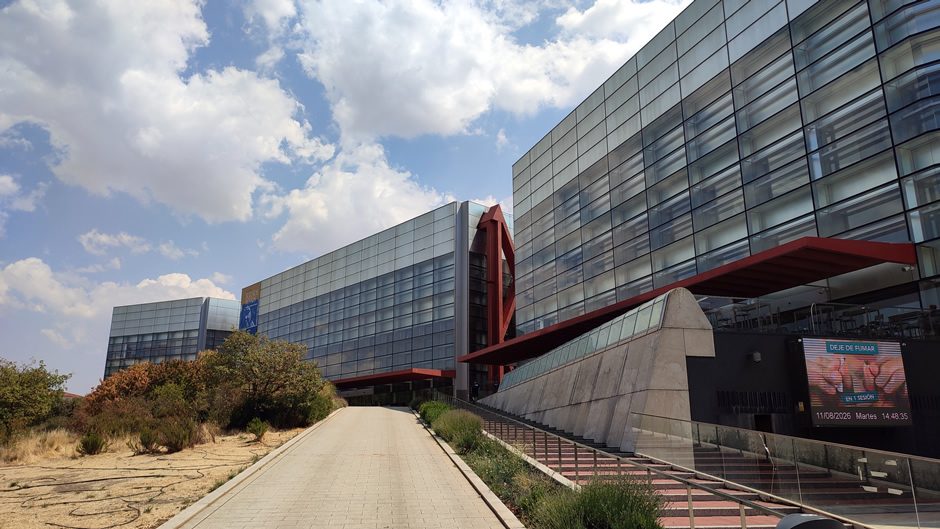
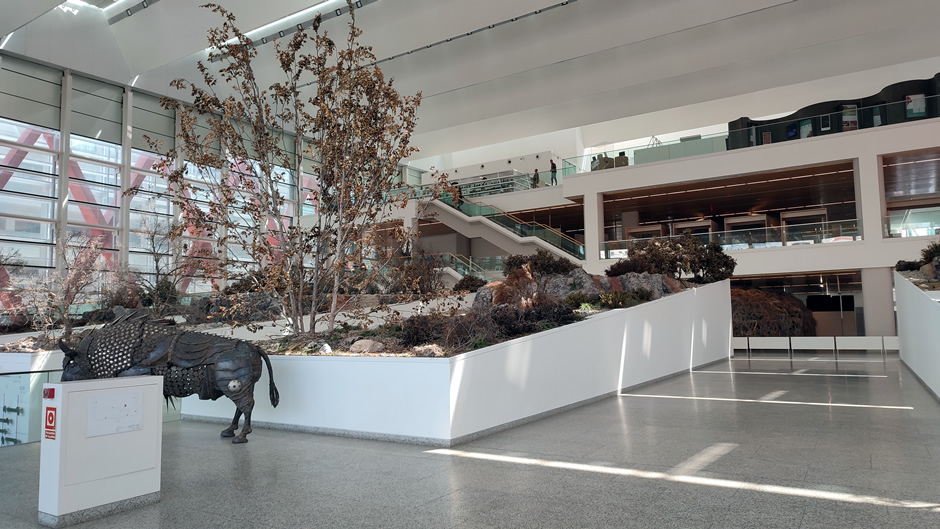
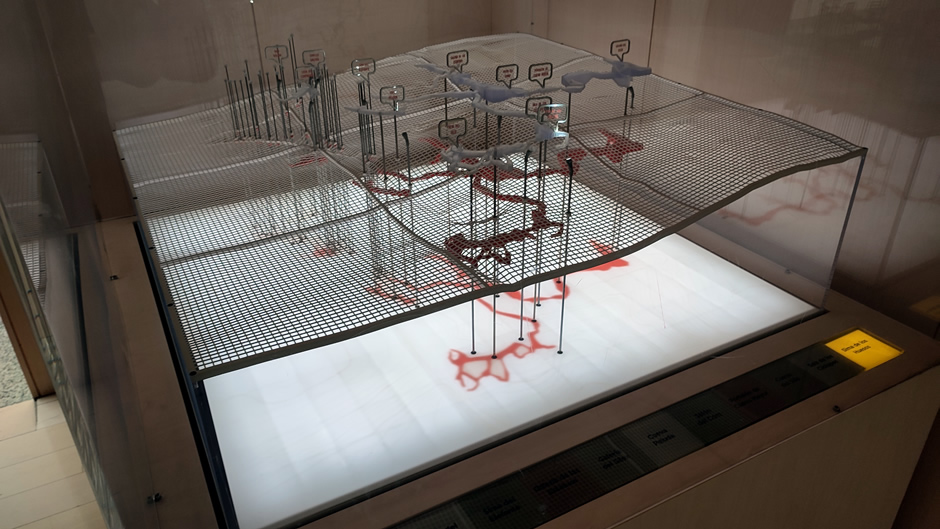
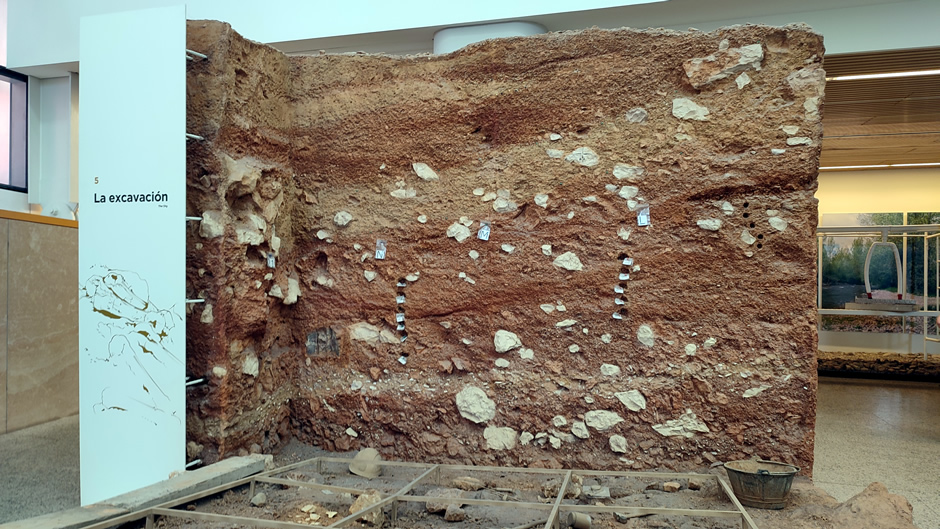
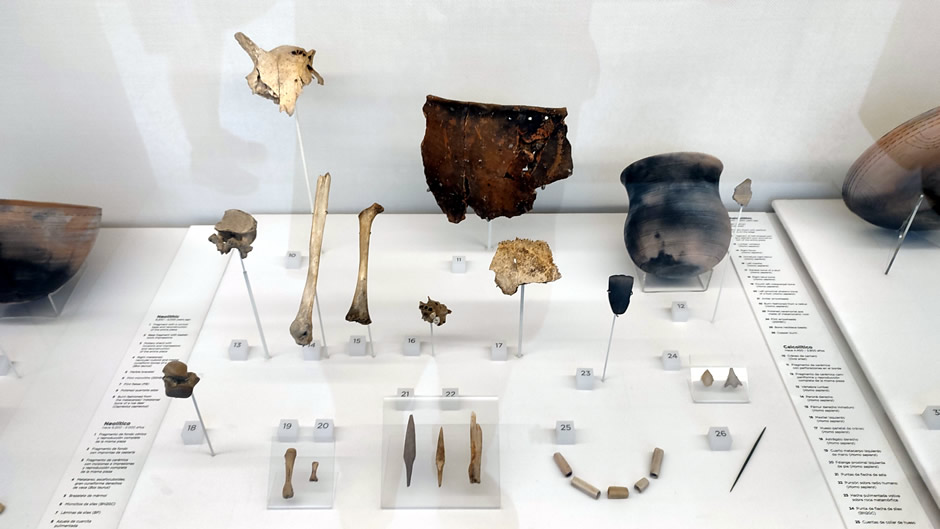
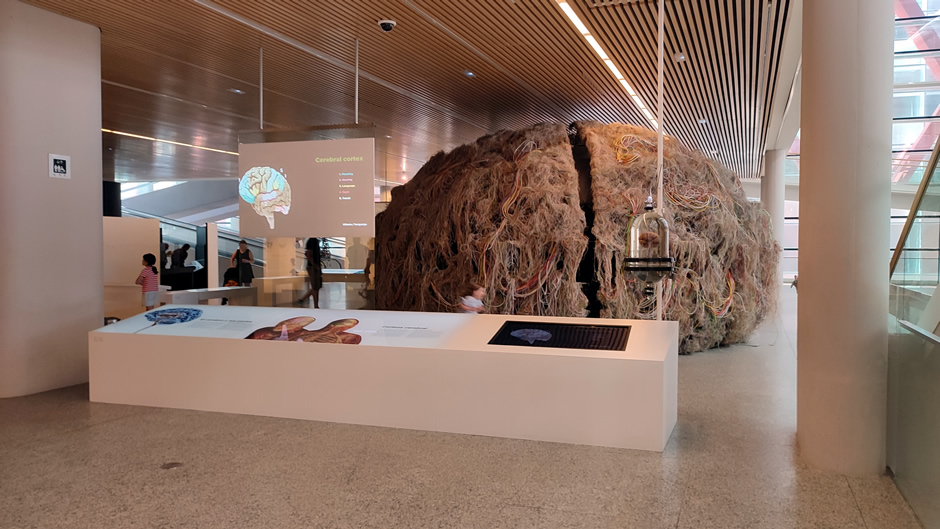
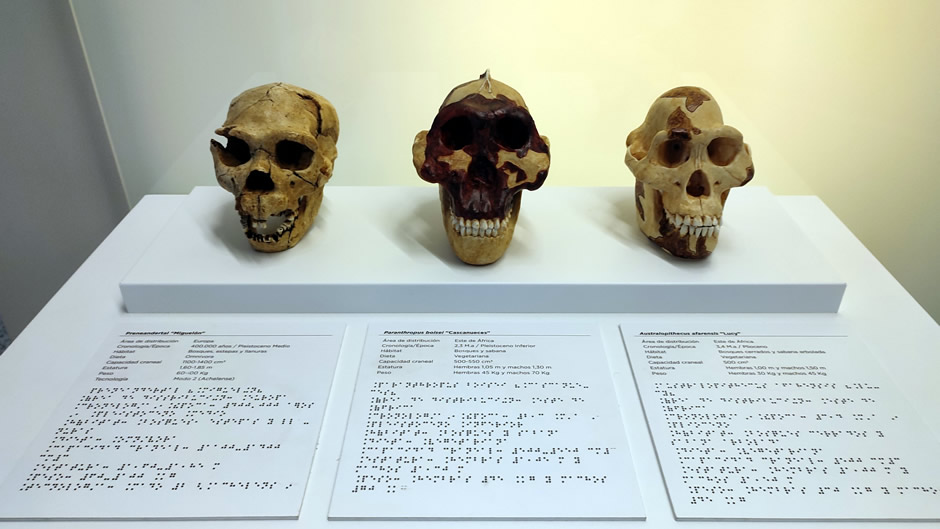
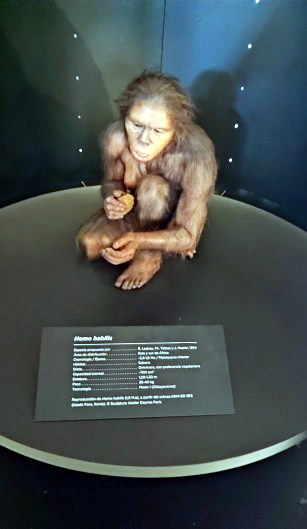
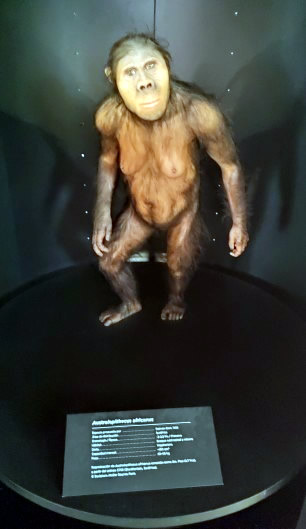
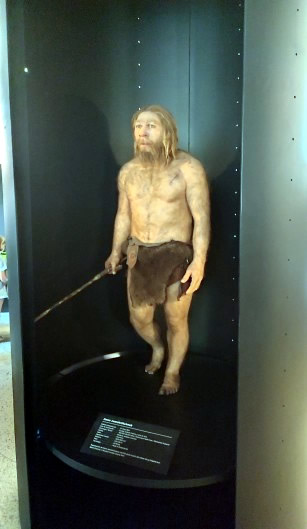
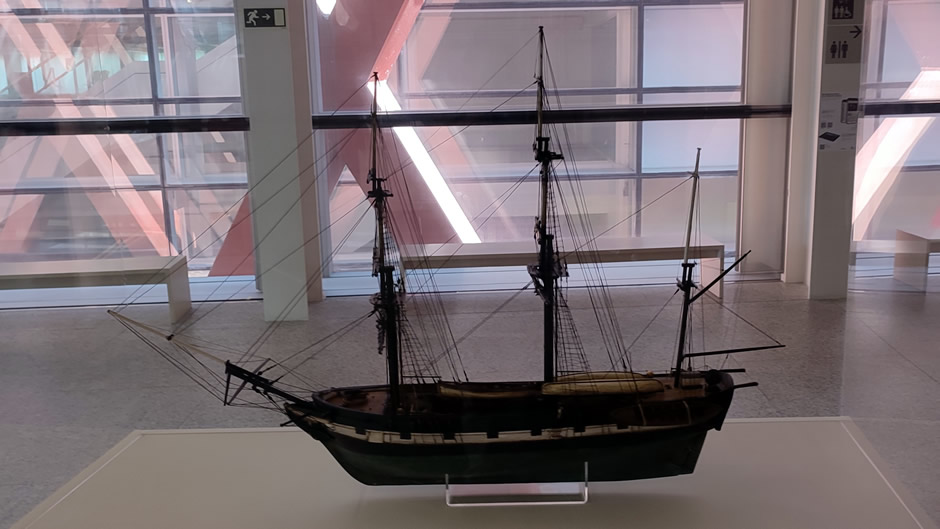
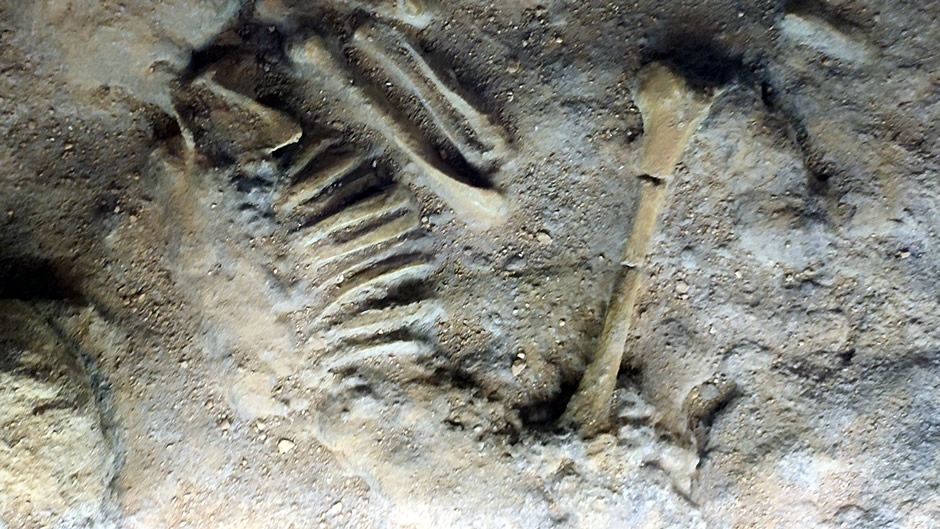
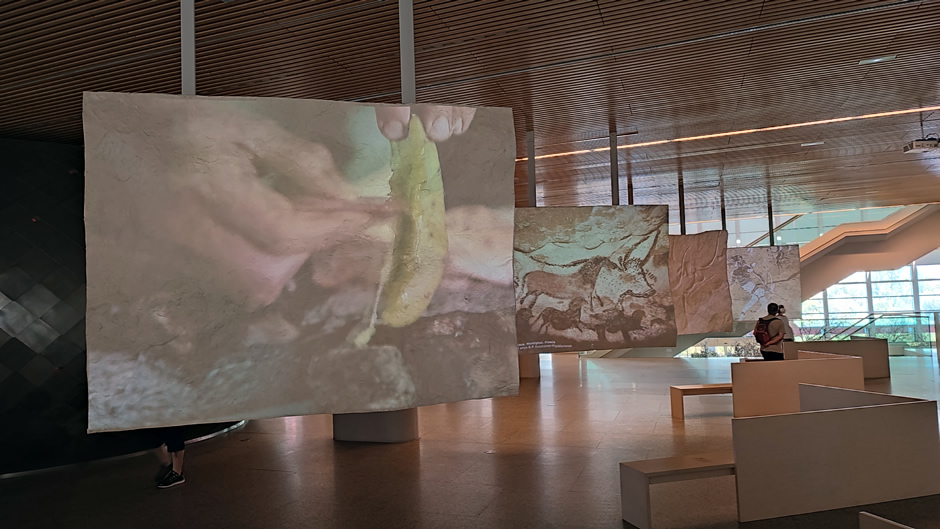
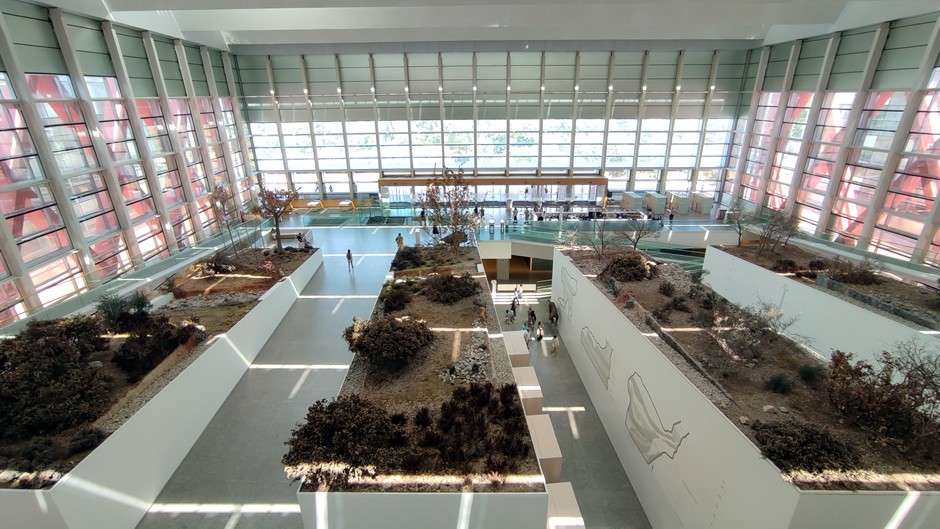
The Museum of Human Evolution in Burgos presents archaeological discoveries from the nearby Atapuerca sites, including some of Europe’s most important early human remains. Its modern building houses interactive exhibits on human development, prehistoric environments, and scientific research. The museum forms part of a larger cultural complex connected to ongoing excavations.
 |
 |
 |
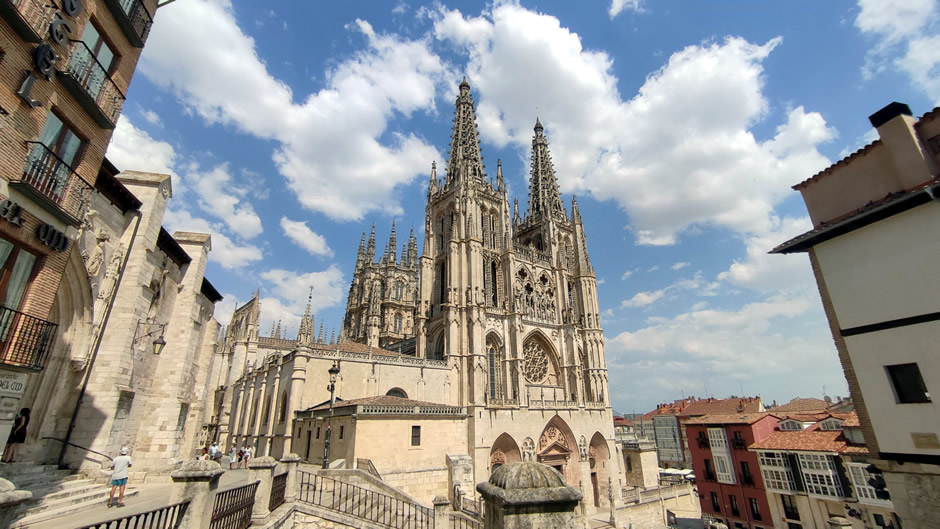
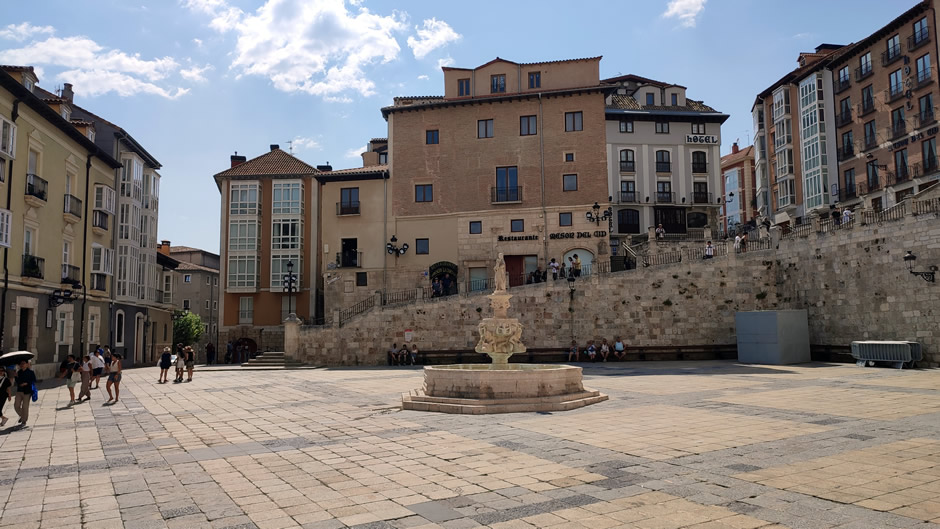
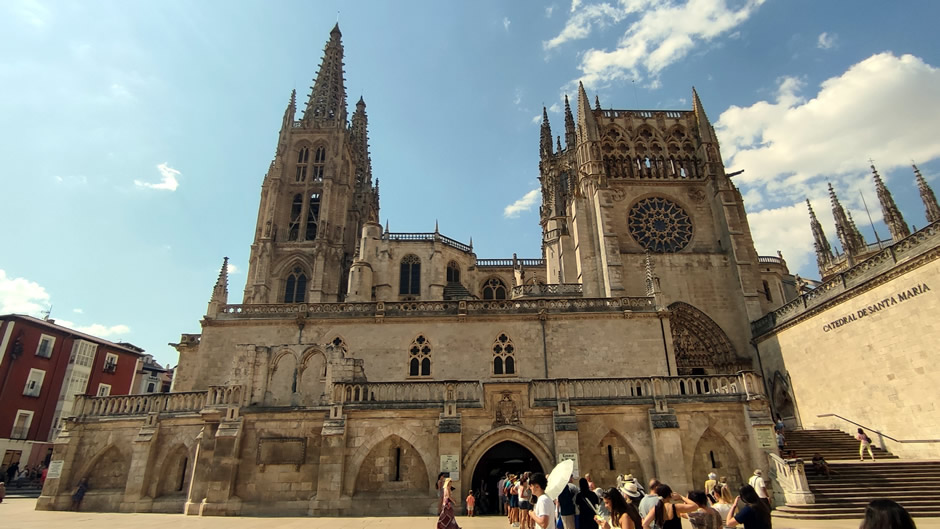
Burgos Cathedral
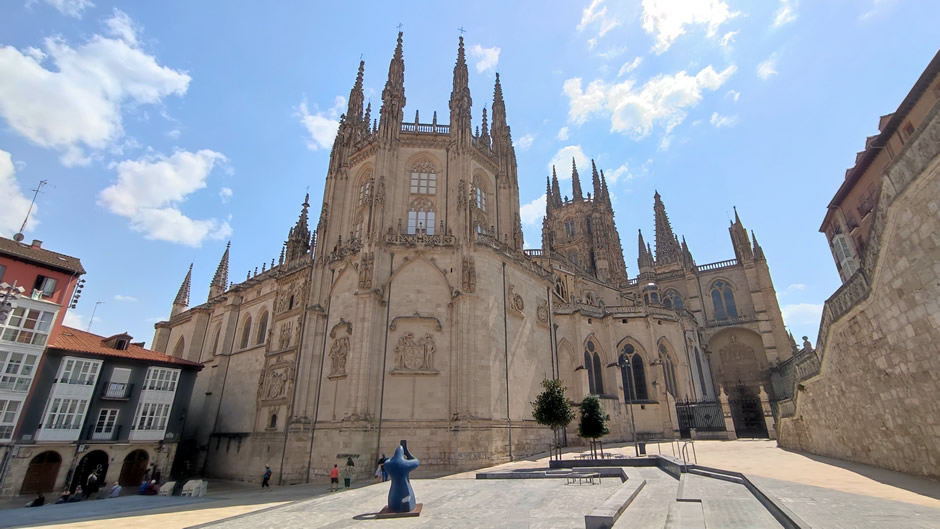
Burgos Cathedral is a UNESCO-listed Gothic masterpiece dating from the 13th century. Its spires, ornate façades, and chapels represent some of the finest Gothic craftsmanship in Spain. Inside, visitors find elaborate tombs, stained glass, and the famous Papamoscas automaton. The cathedral remains the city’s most iconic landmark. The following photos are of and around it:
The Camino de Santiago at Burgos
The Camino route through Burgos blends urban heritage with centuries of pilgrimage tradition. Walkers enter the city along riverside paths before reaching the historic centre dominated by the Gothic cathedral. Burgos provides extensive services, cultural landmarks, and one of the most architecturally significant sections of the French Way.
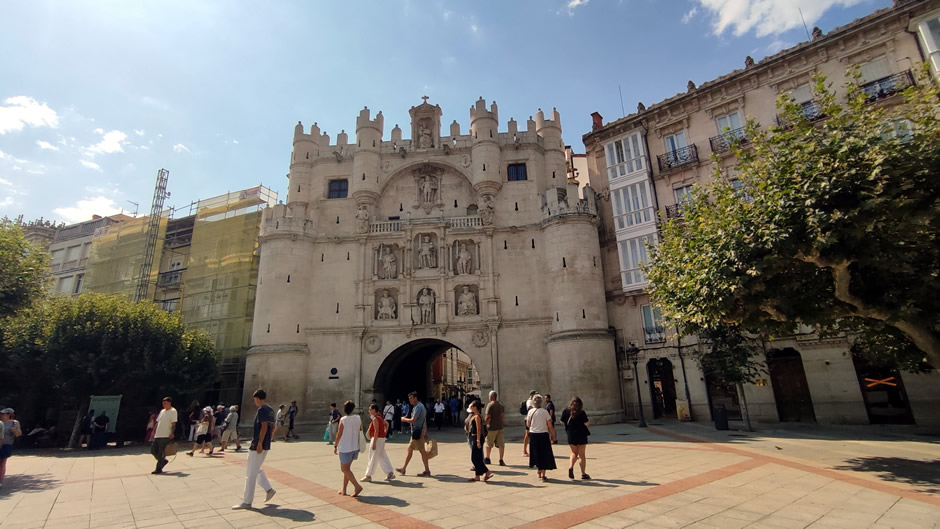
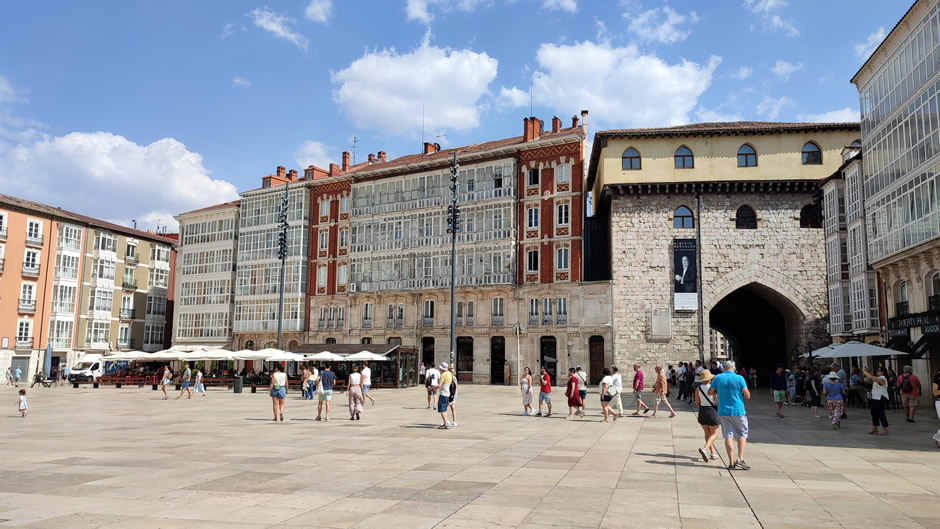
Above: Arco de Santa María is a restored medieval city gate in Burgos, fronted by carved figures and used today for exhibitions. The Camino de Santiago passes just beside it, with pilgrims entering the historic centre by walking directly past the arch toward the cathedral.
Atapuerca
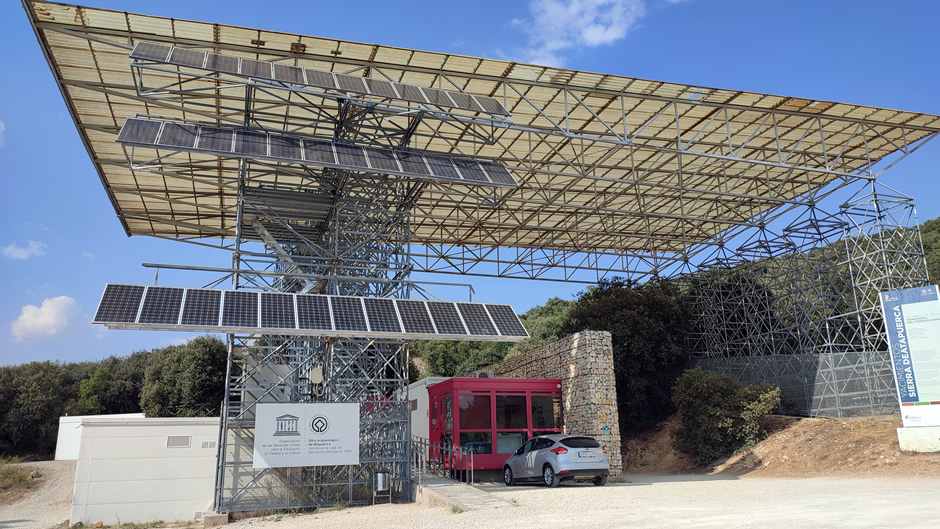
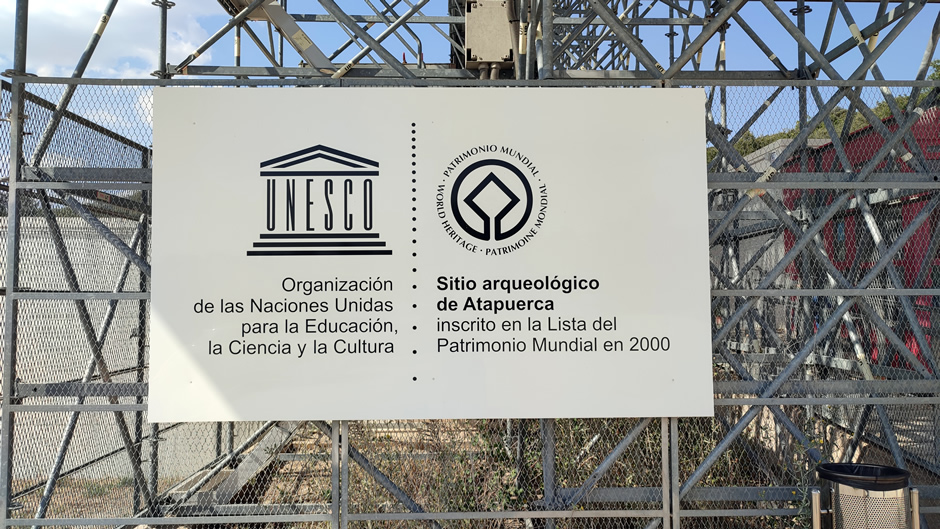
Atapuerca is an archaeological area east of Burgos containing some of Europe’s oldest hominin remains. Excavations have uncovered evidence of early human species, ancient tools, and prehistoric settlement layers. The sites are part of a UNESCO World Heritage designation and continue to contribute major findings to human evolution research.
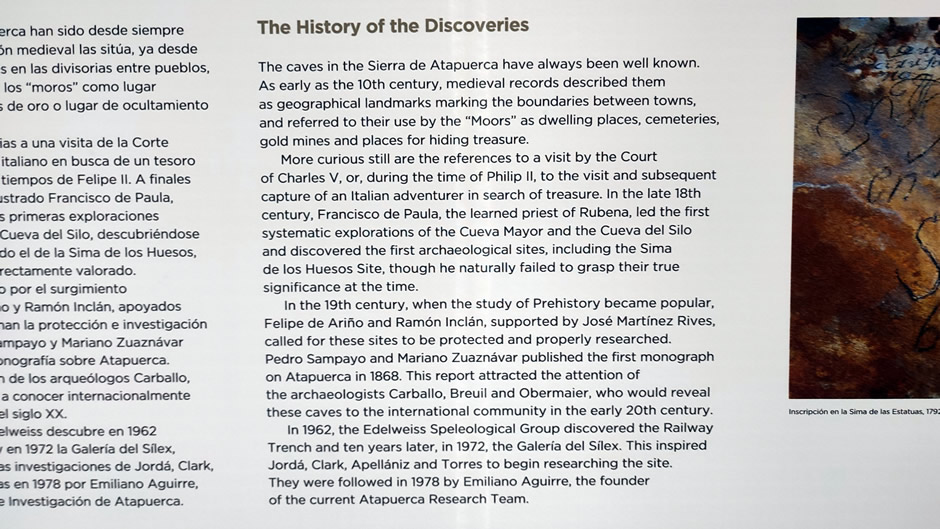
Discovery of the Site
The modern discovery of Atapuerca began in the late 19th century, when a mining railway line was cut through the limestone of the Sierra de Atapuerca. This accidental trench exposed deep cave sediments containing archaeological layers such as Gran Dolina, Galería, and Sima de los Huesos, revealing early human occupation in Western Europe.
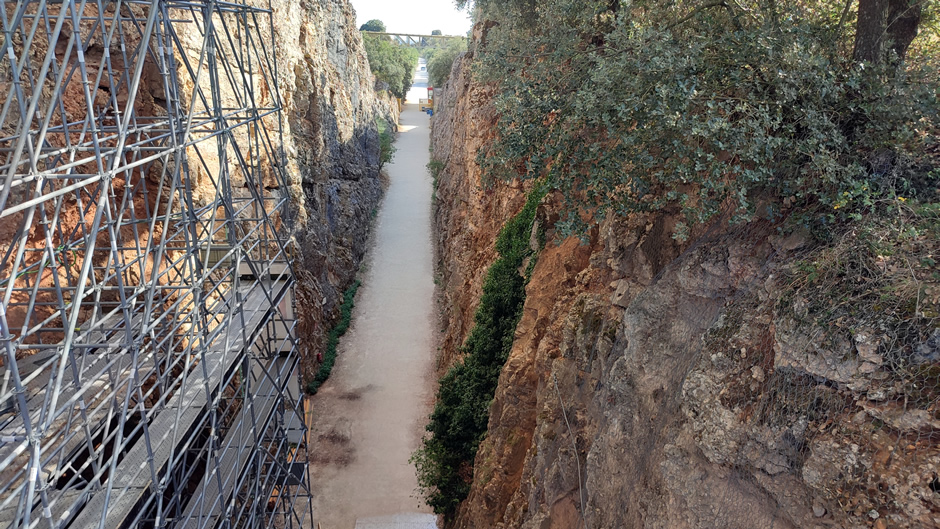
In the 1960s and 1970s, members of the Edelweiss Caving Club documented fossils in the railway cutting and later discovered key caves including Galería del Sílex and Sima de los Huesos, where hominid skulls were found. Mining engineer Trinidad Torres identified human remains in Sima de los Huesos in 1976, prompting palaeontologist Emiliano Aguirre to launch systematic excavations beginning in 1978.
History of Major Finds
Atapuerca has produced some of the most important discoveries in human evolution:
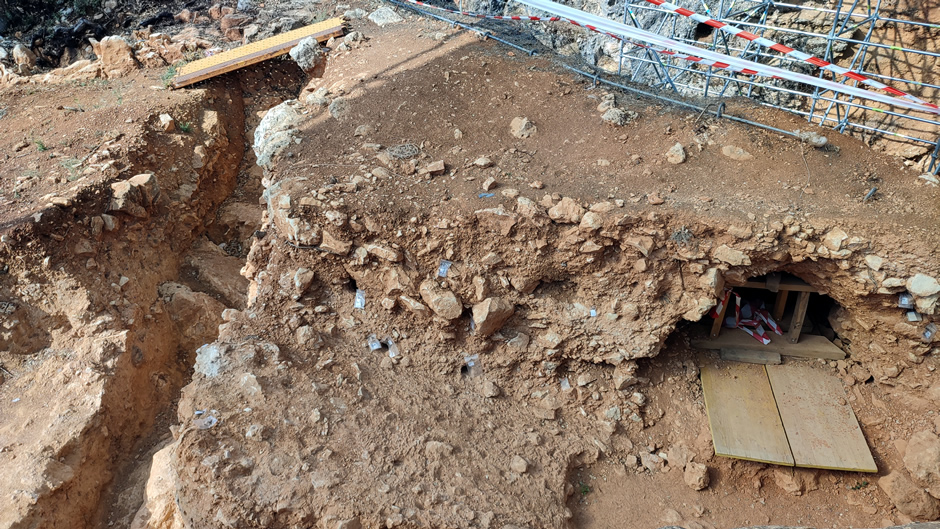
Gran Dolina (TD6) - Excavations uncovered remains of Homo antecessor, dated to around 800,000 years ago, representing some of the oldest confirmed hominin fossils in Europe. Evidence of early cannibalism was also found here.
Sima de los Huesos (“Pit of Bones”) - This deep cave shaft contains remains of at least 28 individuals, dated to around 430,000 years ago, attributed to Homo heidelbergensis, considered ancestral to Neanderthals. It also yielded the oldest human DNA ever extracted.
Recent discoveries - Quartzite stones dated to 600,000 years ago were found in 2020, filling gaps in the occupation timeline and confirming human presence over 1.2 million years.
These finds collectively make Atapuerca one of the richest continuous records of human evolution in Europe.
Current Research Work
The Atapuerca Research Team (ART) is one of the largest paleoanthropological collaborations in the world, now comprising nearly 300 experts from 22 countries and 30 scientific disciplines. Excavations continue every summer, while researchers spend the rest of the year analysing findings at universities and research centres. Leadership transitioned in 2025 to a new generation of directors, ensuring continuity of long‑term research.
Ongoing work focuses on:
• Expanding excavations in Gran Dolina, Sima del
Elefante, and Sima de los Huesos
• Refining dating techniques
• Analysing hominin morphology and DNA
• Reconstructing prehistoric environments and behaviours
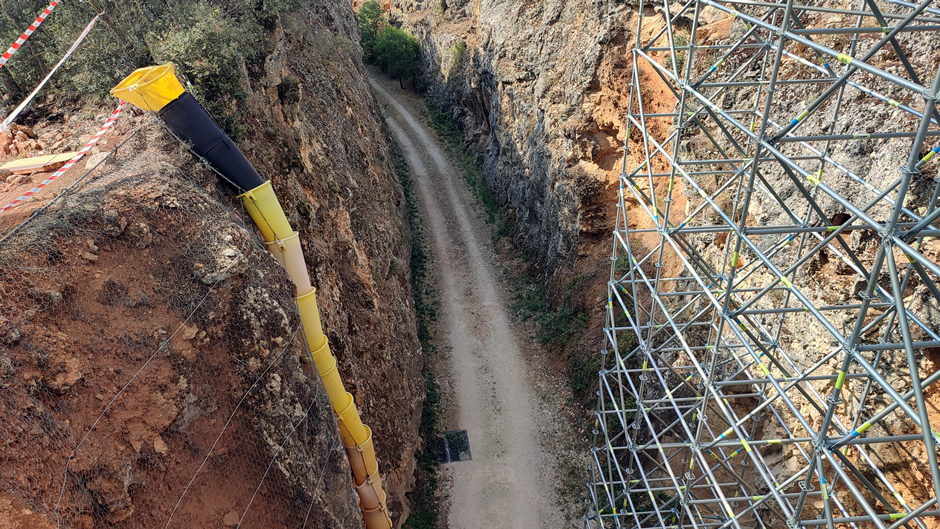
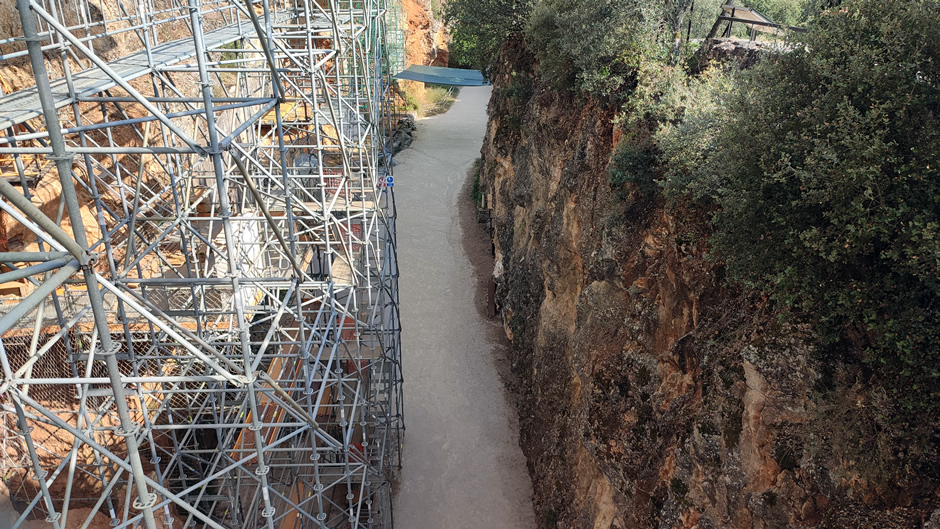
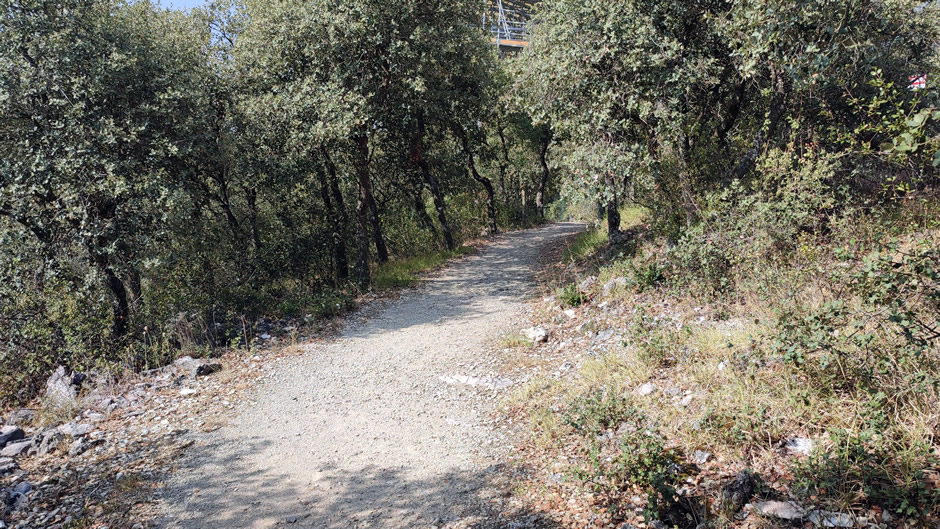
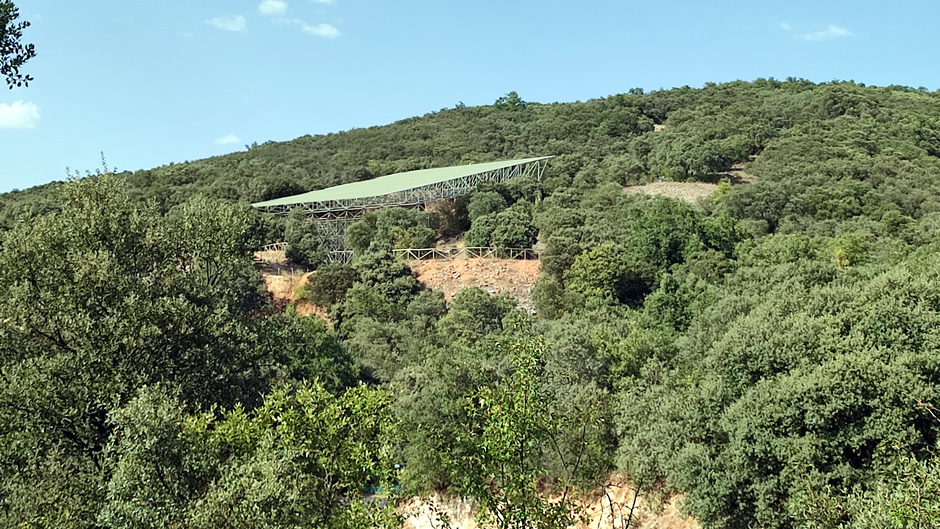
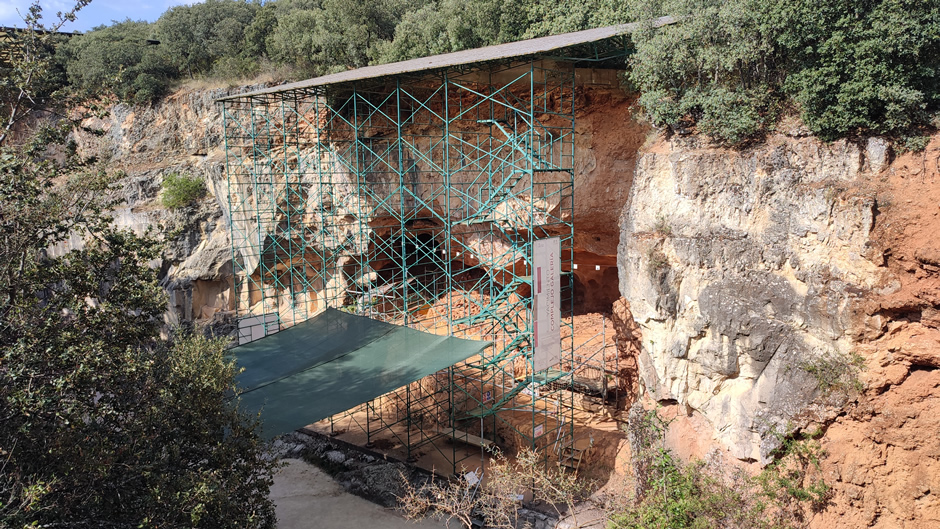
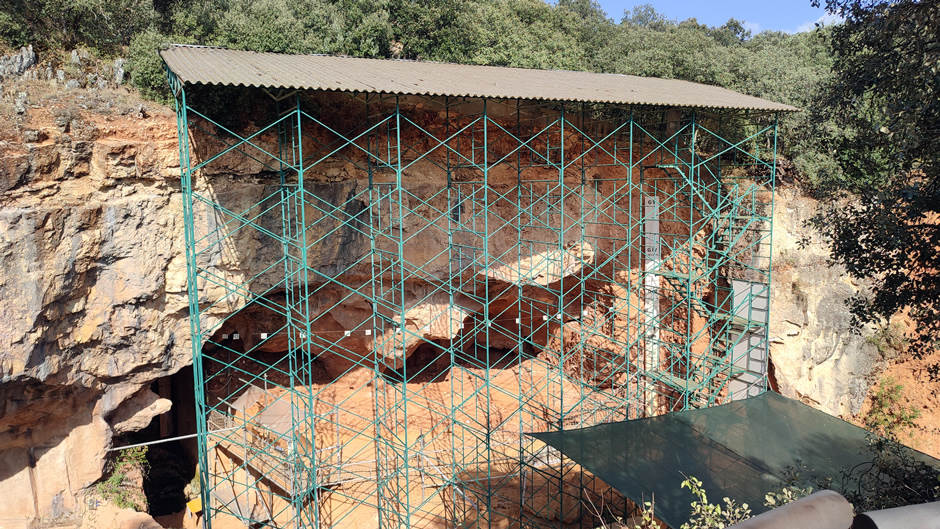
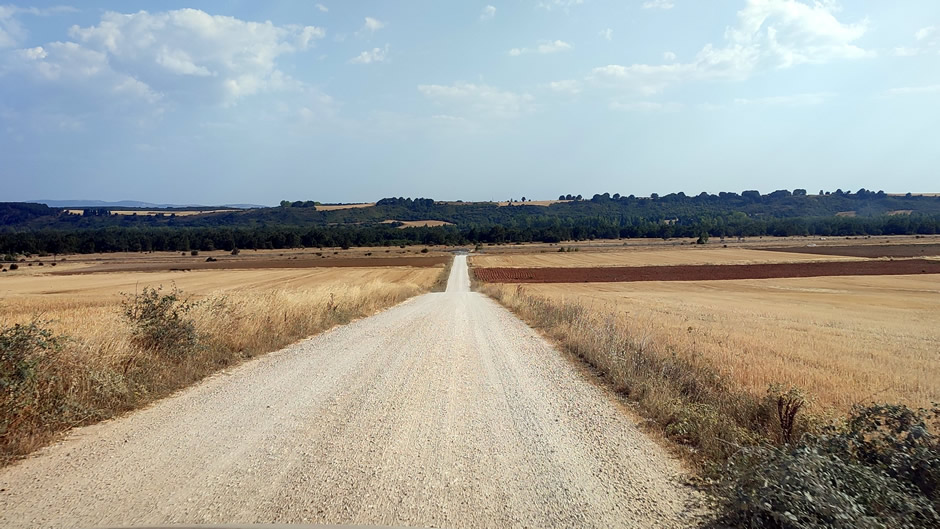
Visitors to Atapuerca must follow a structured system because the excavation zones are active research areas with restricted access. Those with reservations can join guided visits that begin at either the CAYAC centre in Ibeas de Juarros or the CAREX centre in Atapuerca village, where shuttle buses take groups directly to the protected archaeological sites such as Gran Dolina, Sima del Elefante, and Galería. These tours are led by specialists who explain the excavation process and the significance of the finds. The Museum of Human Evolution in Burgos, which does not require booking, provides essential context and is considered part of the full Atapuerca experience. Visitors without reservations cannot enter the excavation trenches but can still explore the surrounding trails in the Sierra de Atapuerca, and sometimes access CAREX depending on availability. This system ensures that tourism remains compatible with ongoing scientific work while still offering meaningful ways to engage with the site’s history and landscape. On this visit, a drive was taken up to the site (road not tarmacked) and a very helpful lady at the entrance provided a handy trail map. Taking the recommended walk allowed for some excellent views of the archaeological site, set within the former railway cutting.
Sad Hill Cemetery and Campamento BetterVille
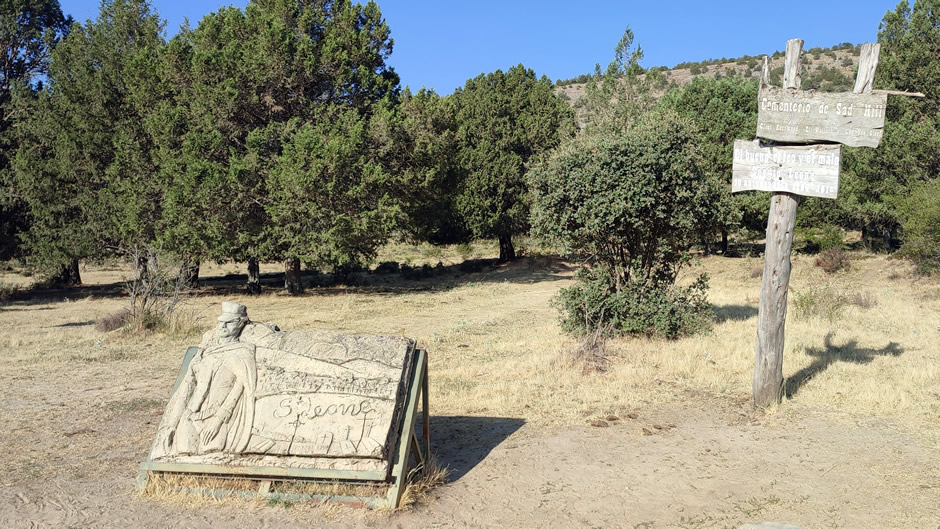
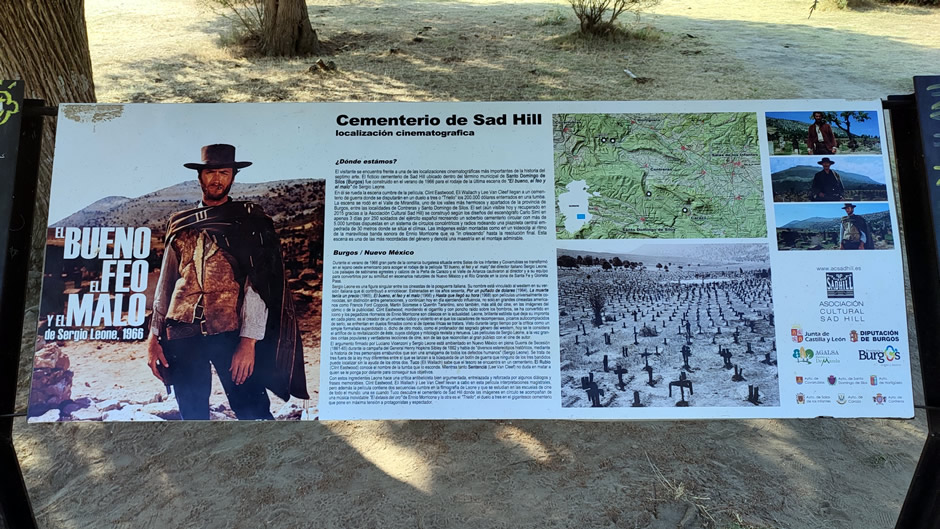
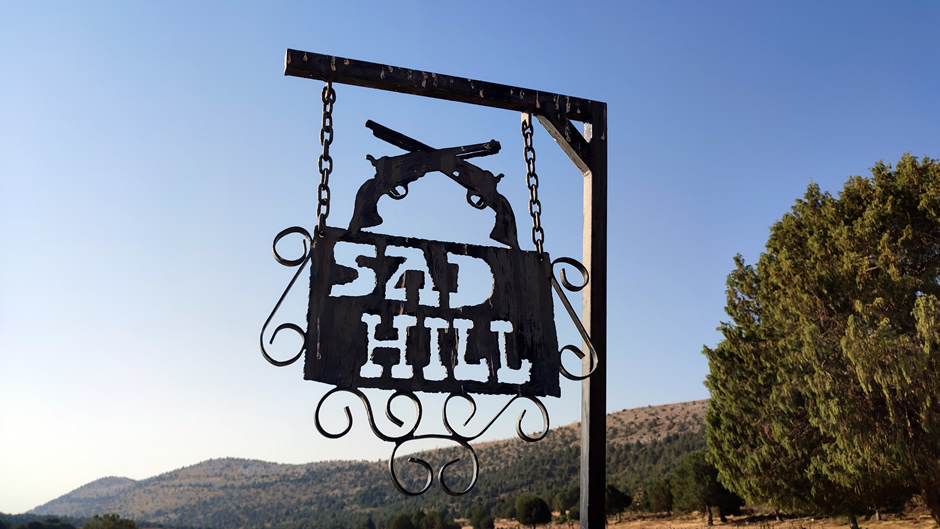
Sad Hill Cemetery is a reconstructed film location in Burgos province, created for the final scene of The Good, the Bad and the Ugly (1966), the famous Spaghetti Western following three gunslingers competing for buried gold and starring Clint Eastwood, Lee Van Cleef and Eli Wallach. Volunteers restored the circular graveyard layout, making it a cultural landmark for cinema enthusiasts. The site sits in a quiet valley, preserving the atmosphere of the original filming location:
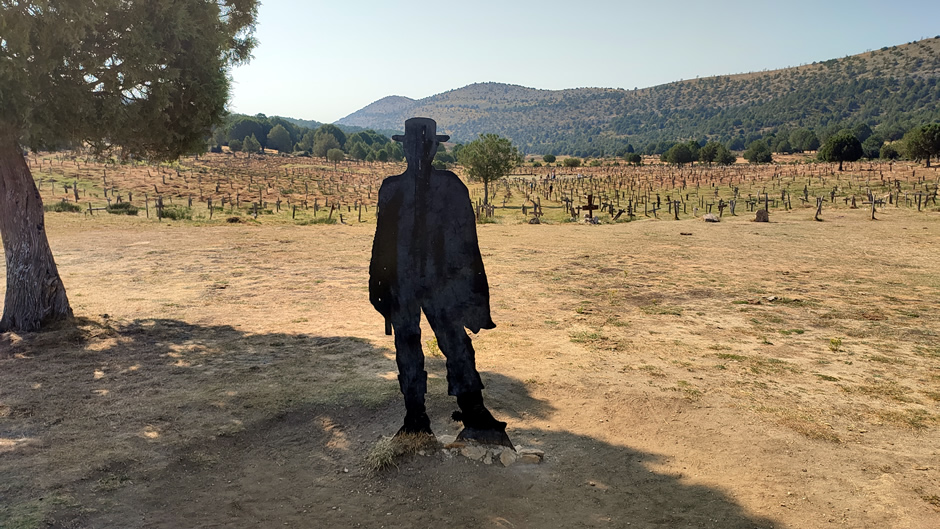
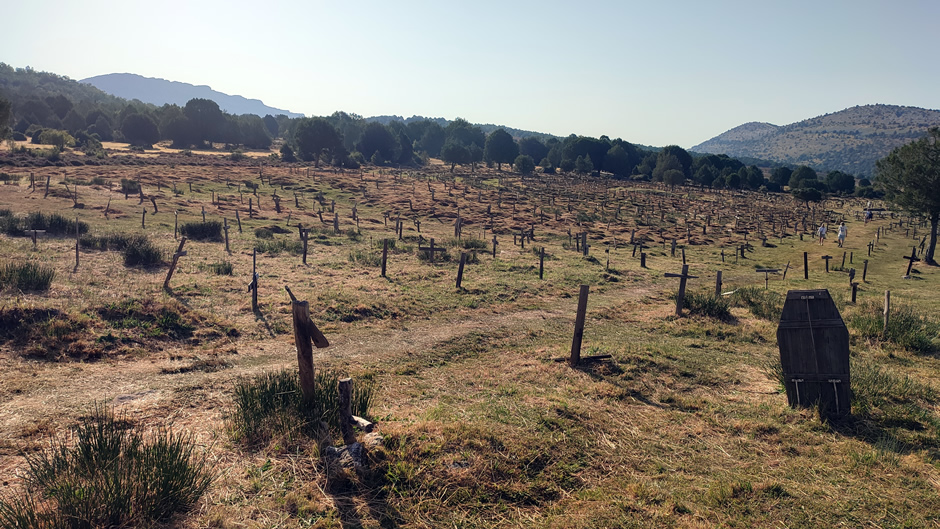
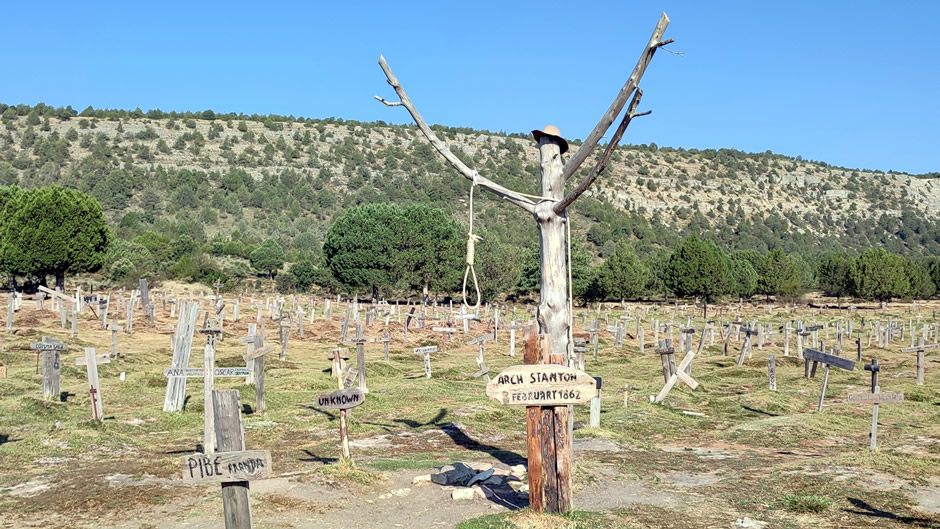
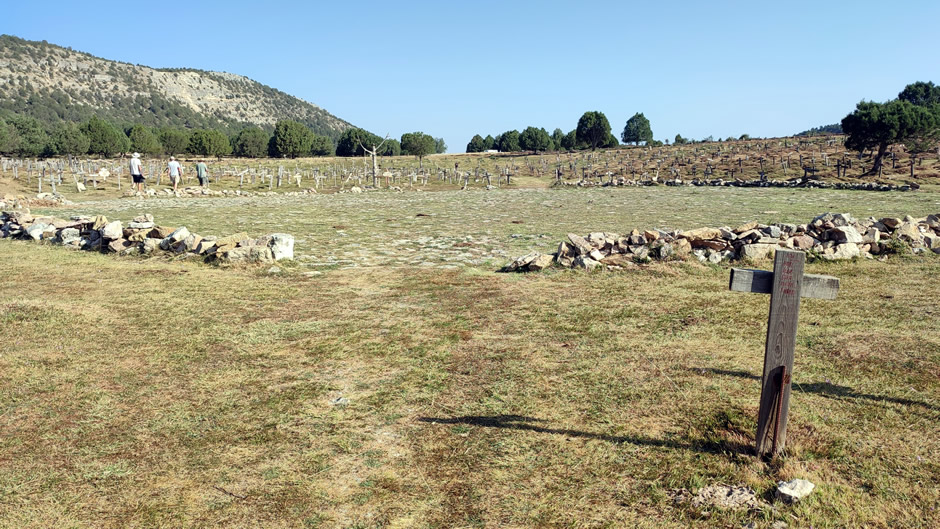
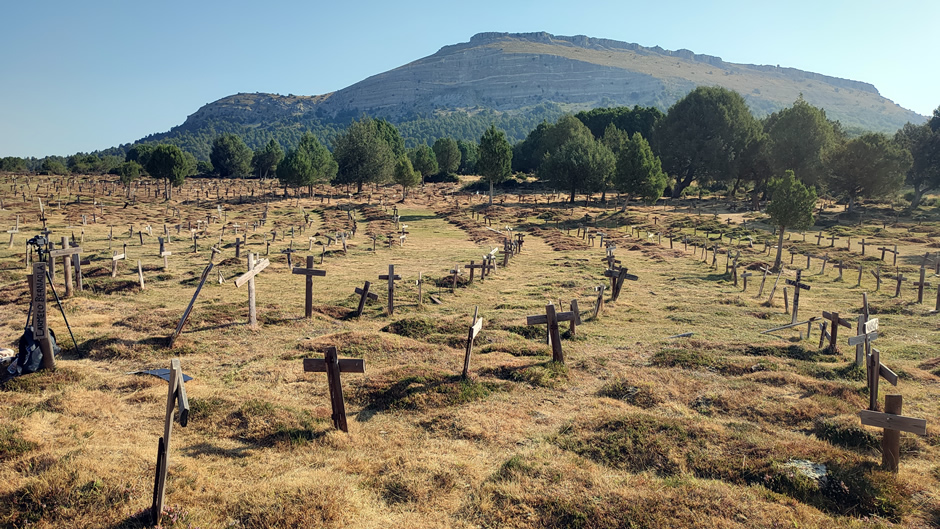
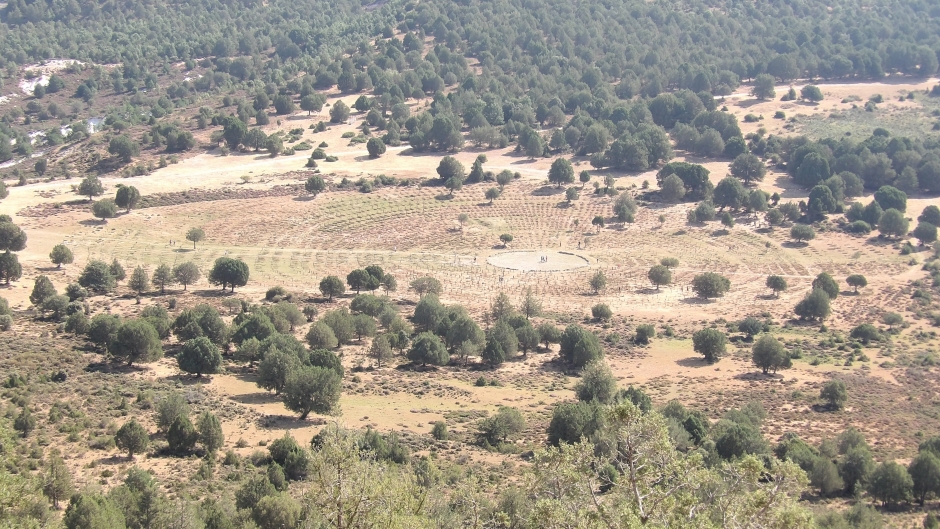
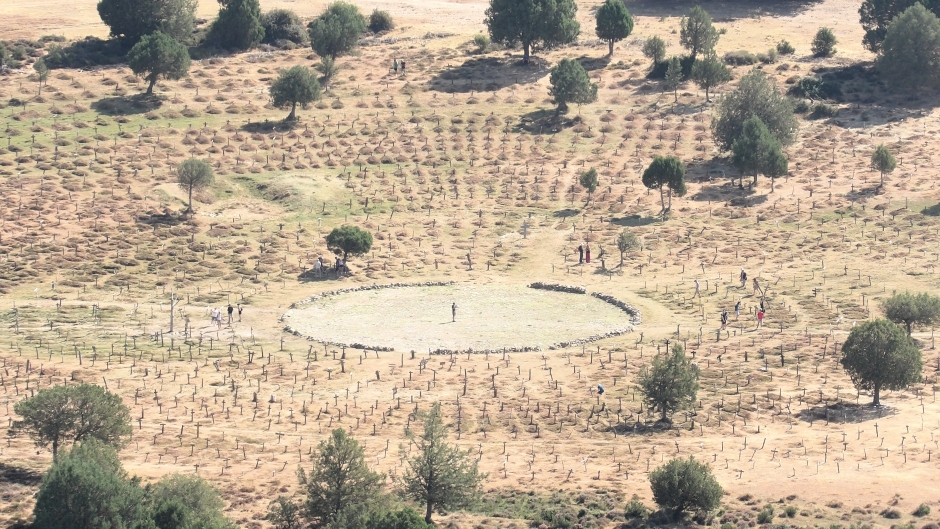
Located about half an hour’s scenic drive from Sad Hill Cemetery is the small rural settlement of BetterVille (also in Burgos province). Near here is Campamento BetterVille, an outdoor filming site in the hills. It was also used during the production of The Good, the Bad and the Ugly for scenes depicting military encampments and transitional sequences leading toward the film’s climactic locations. The area retains the open, rugged terrain characteristic of Sergio Leone’s Spanish shooting locations, and ongoing restoration work has made parts of the set recognisable to visitors. Today, fans explore the site alongside Sad Hill Cemetery, forming a small cluster of accessible landmarks connected to the movie’s final act. Whilst there is a reasonably-sized car park and a relatively short walk for Sad Hill Cemetery, the BetterVille site requires walking an uphill trail from BetterVille, or taking a longer, flatter route.
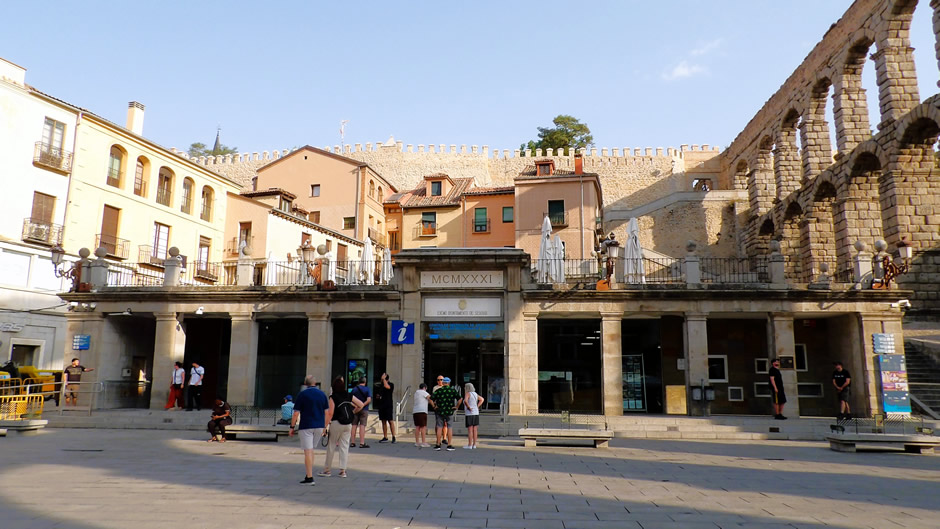
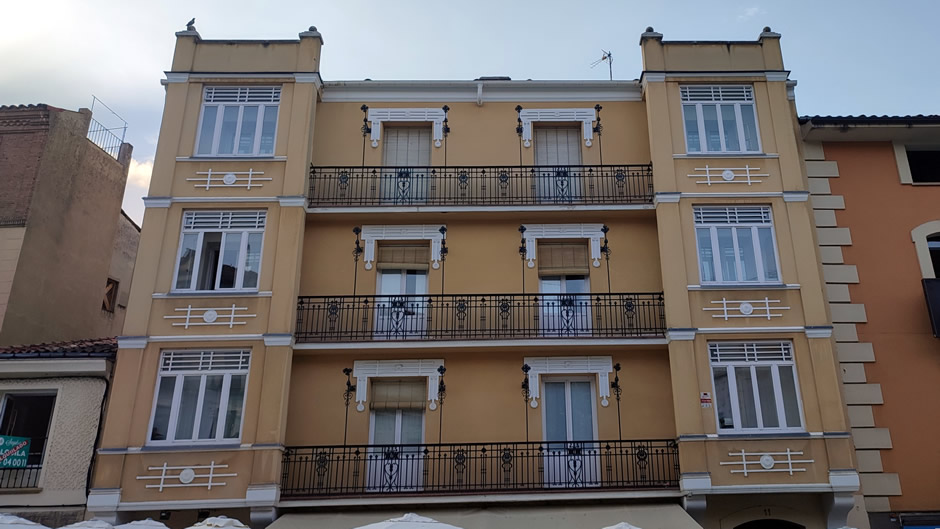
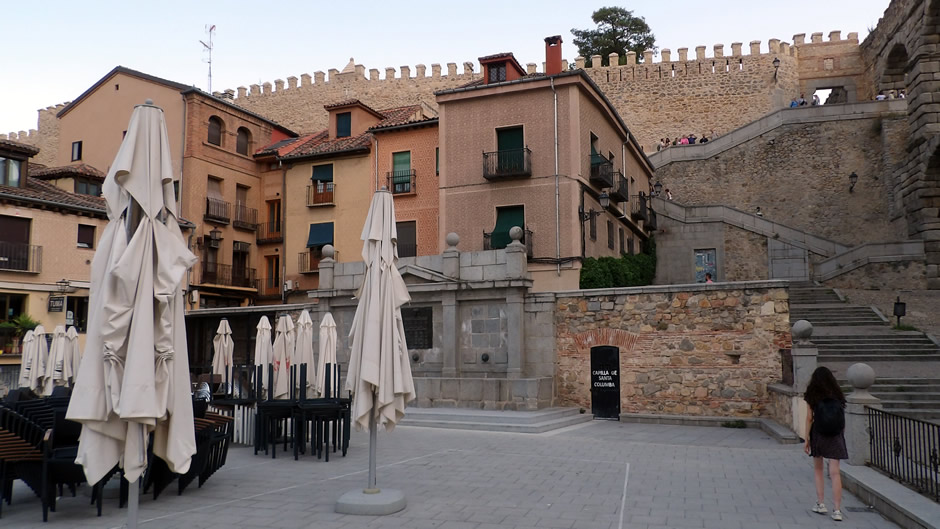
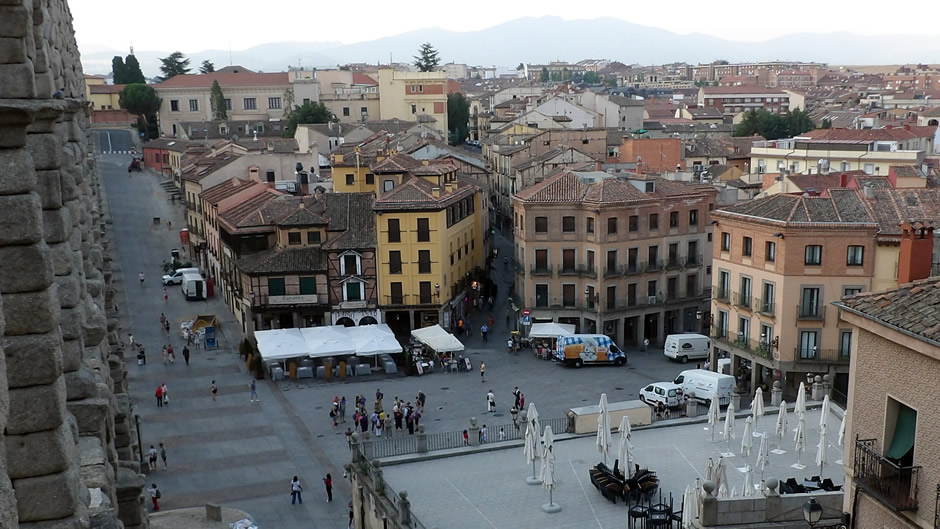
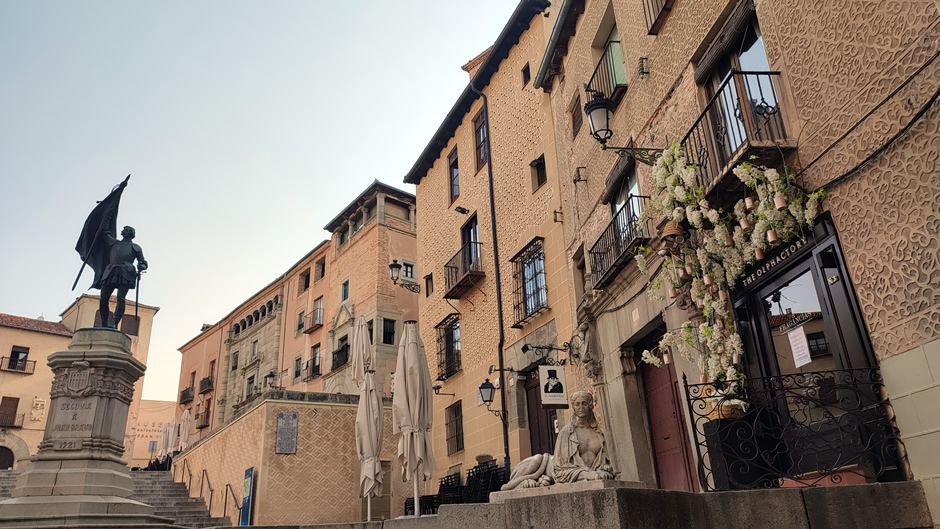
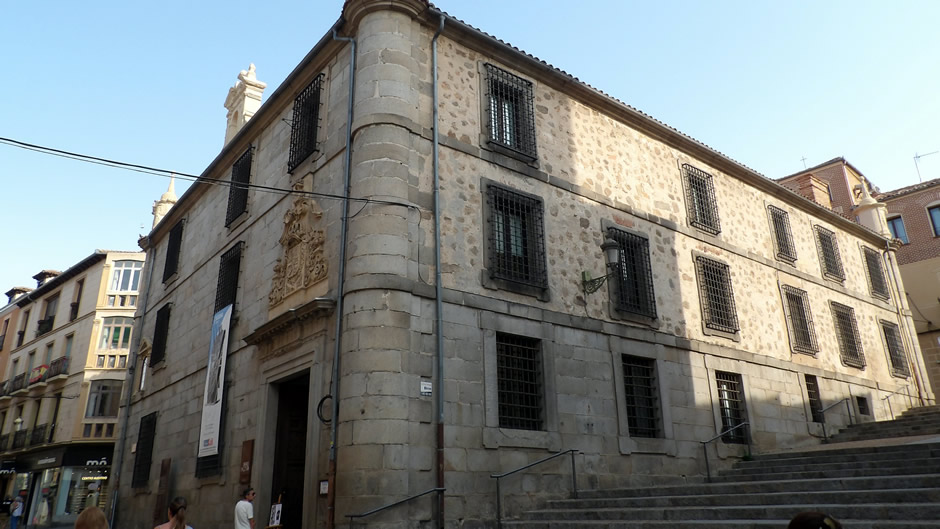
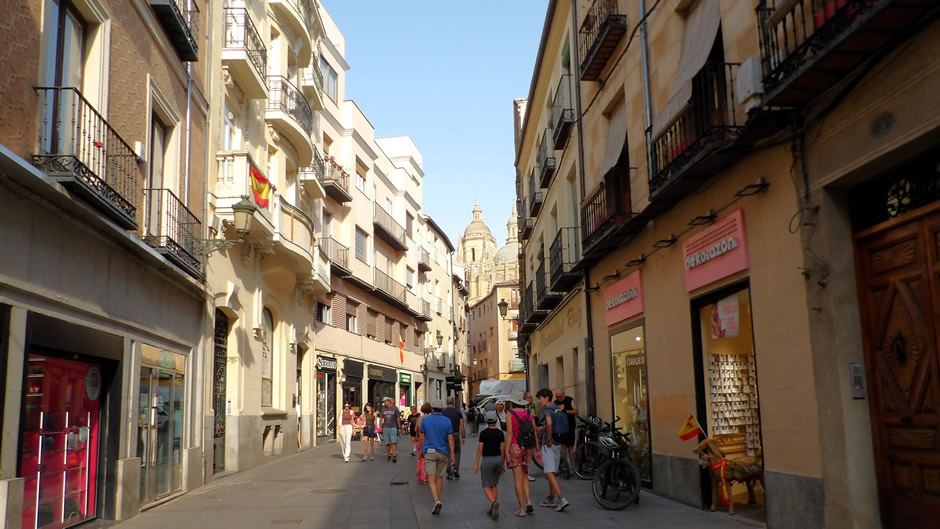
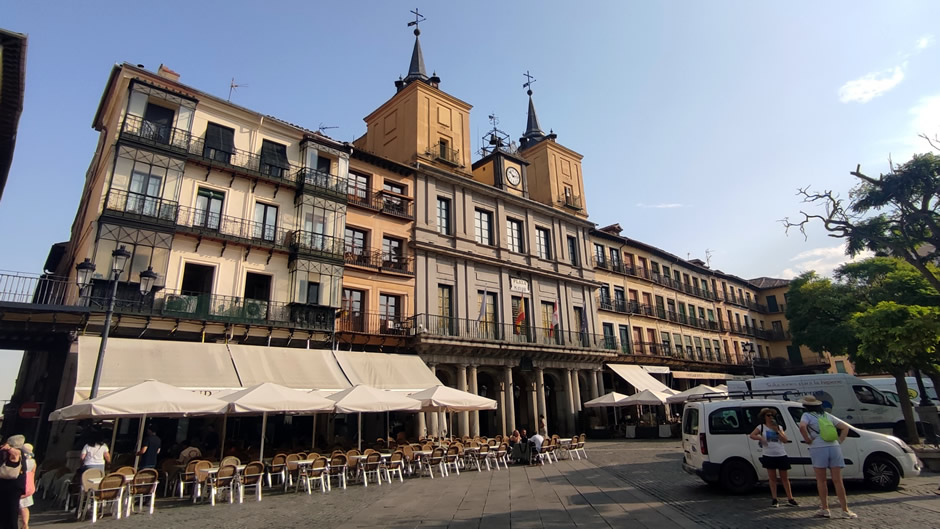
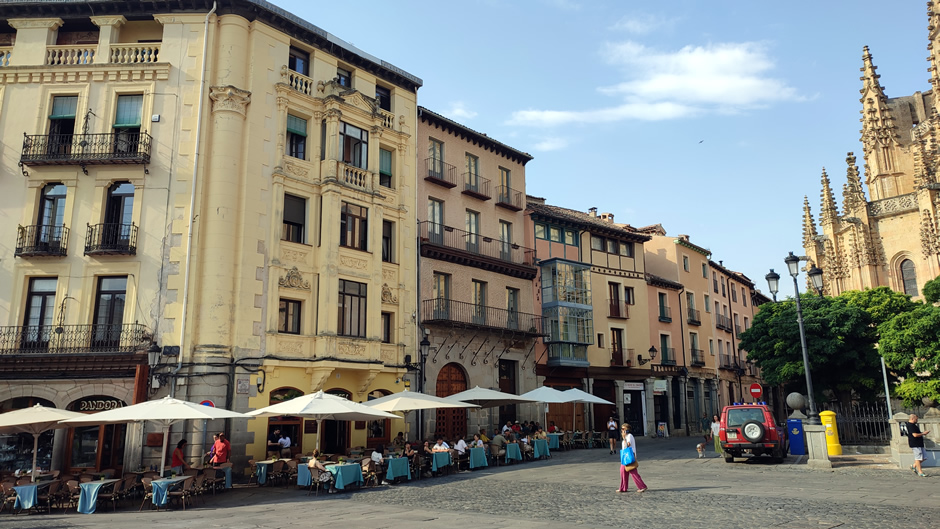
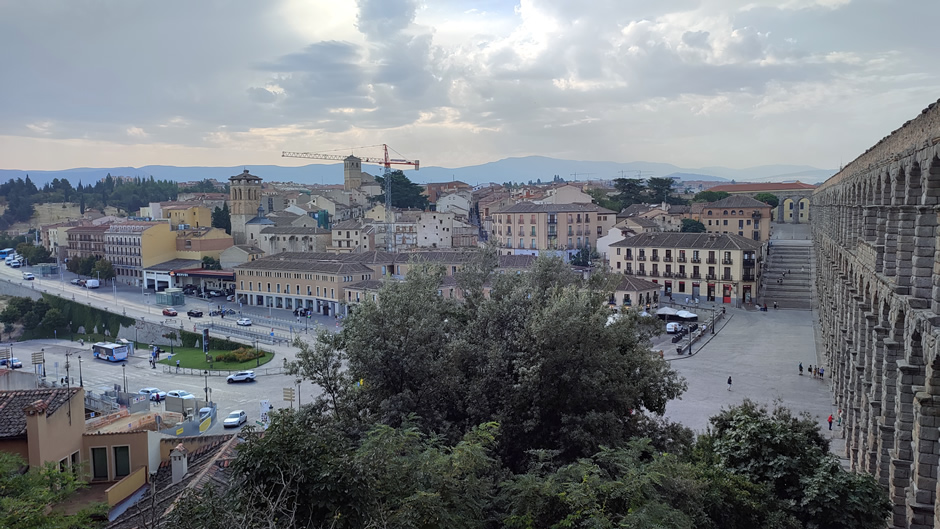
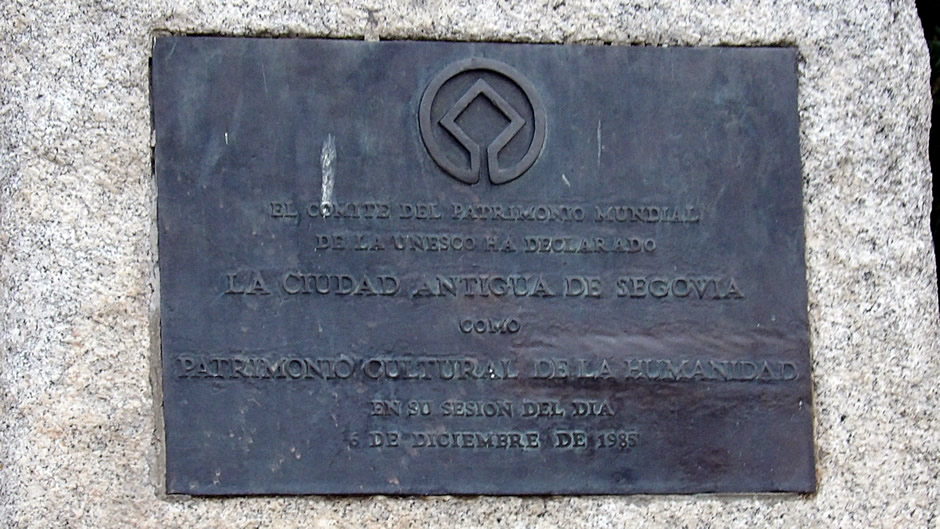
Segovia is a historic Castilian city known for its Roman, medieval, and Renaissance heritage. Its compact old town sits on a rocky ridge above the surrounding plains, with landmarks including the Alcázar fortress, the Gothic cathedral, and the Roman aqueduct. The city’s layout reflects centuries of religious, civic, and royal influence, making it one of Spain’s most architecturally varied historic centres. Some general photos of the city follow, before we look at some of the main points of interest:
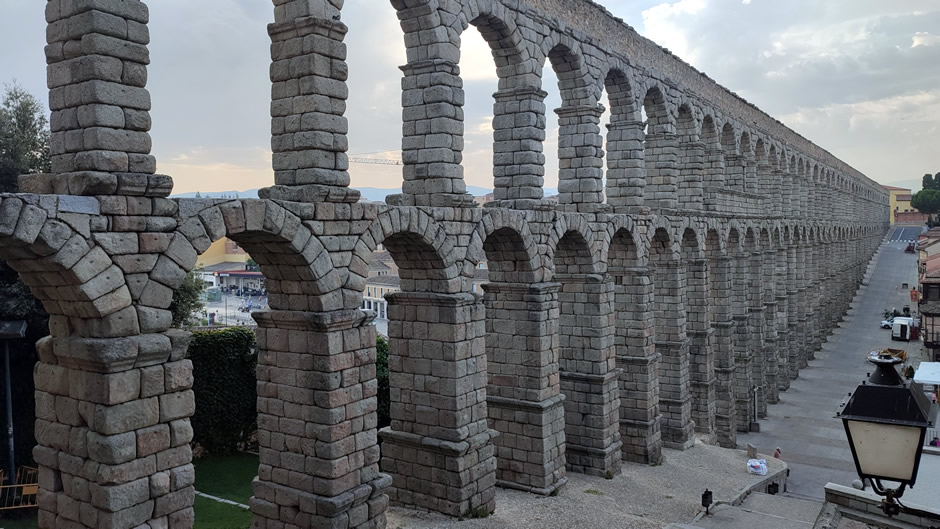
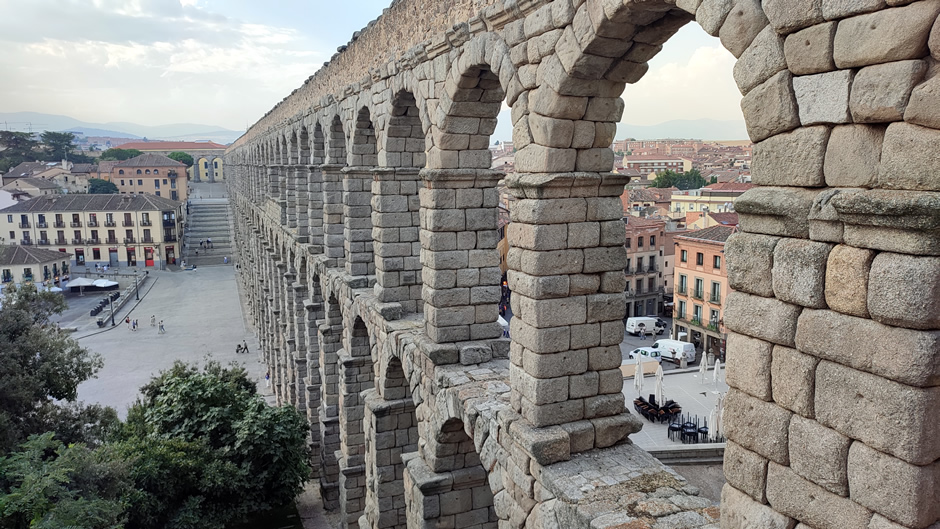
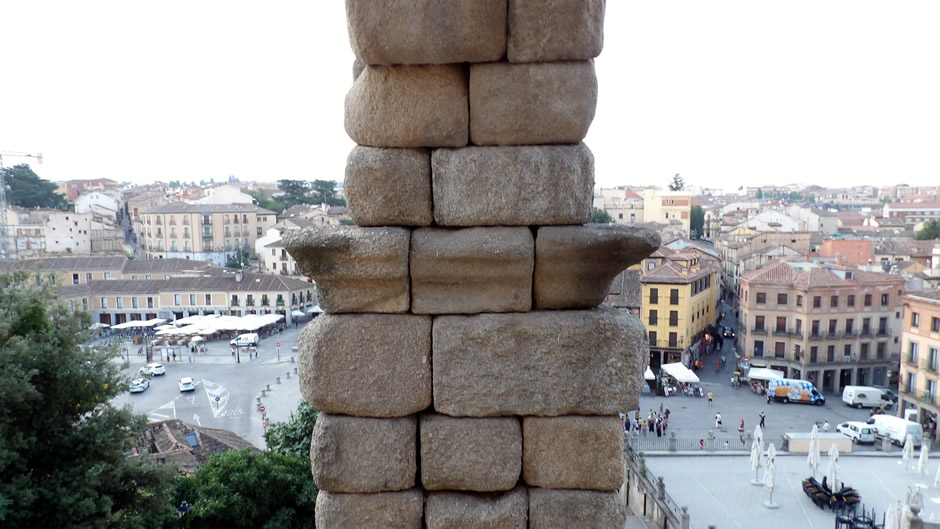
Segovia Aqueduct
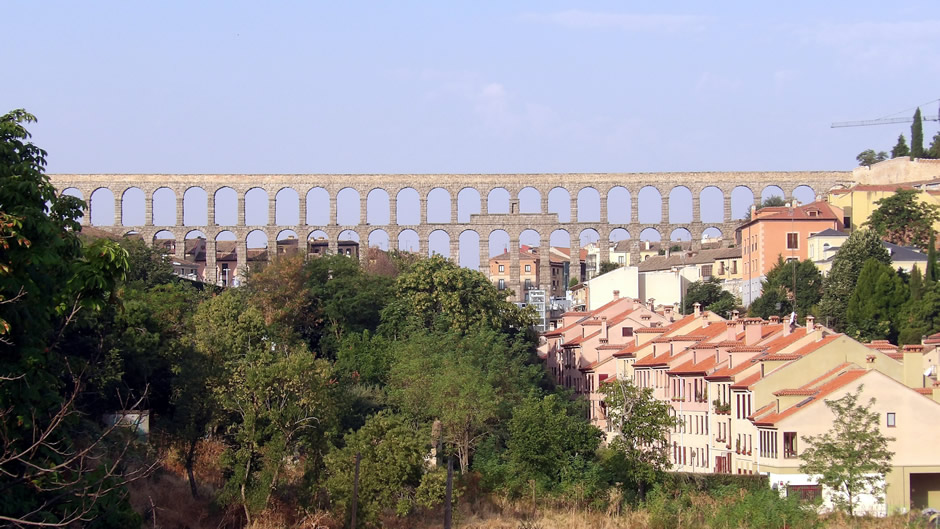
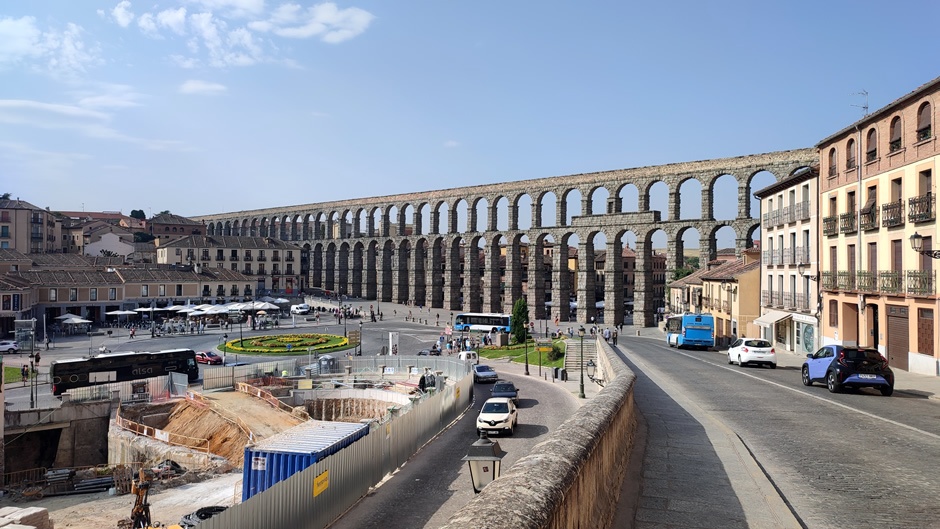
The Segovia Aqueduct is one of the best‑preserved Roman engineering works in Europe. Built around the late 1st or early 2nd century AD, it carries water across the city using more than 160 granite arches set without mortar. Its central section, rising above Plaza del Azoguejo, remains the most iconic symbol of Segovia and demonstrates the precision of Roman civil construction.
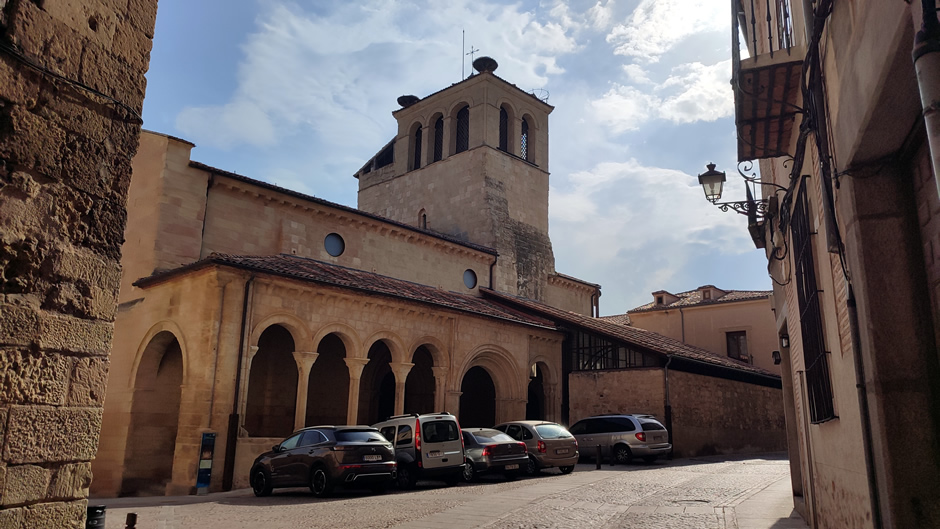
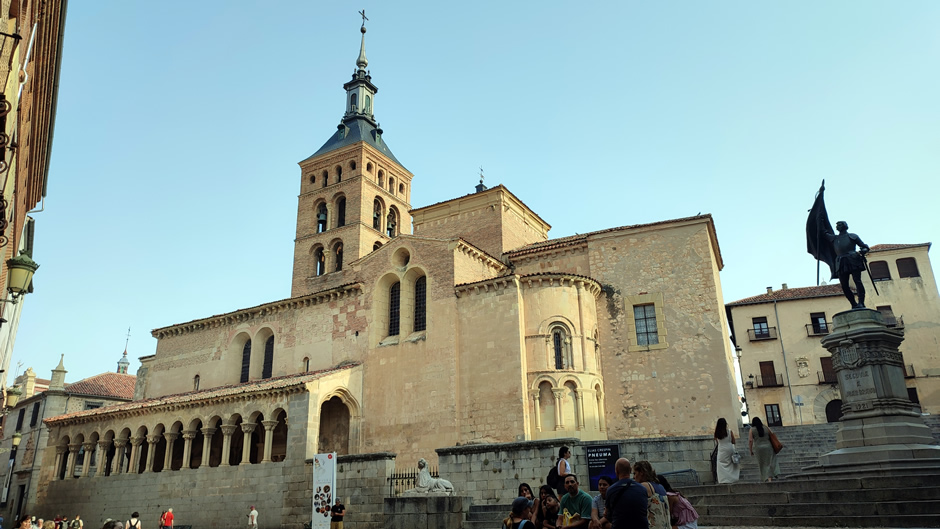
Iglesia de San Martín
St Martin Church in Segovia is a Romanesque church dating from the 12th century, set just east from the city’s cathedral. It is known for its arcaded portico, carved stone capitals, and a tall square tower that reflects the architectural style of medieval Castile. The interior is simple and atmospheric, preserving the character of an early parish church that once served merchants and travellers in the historic centre.
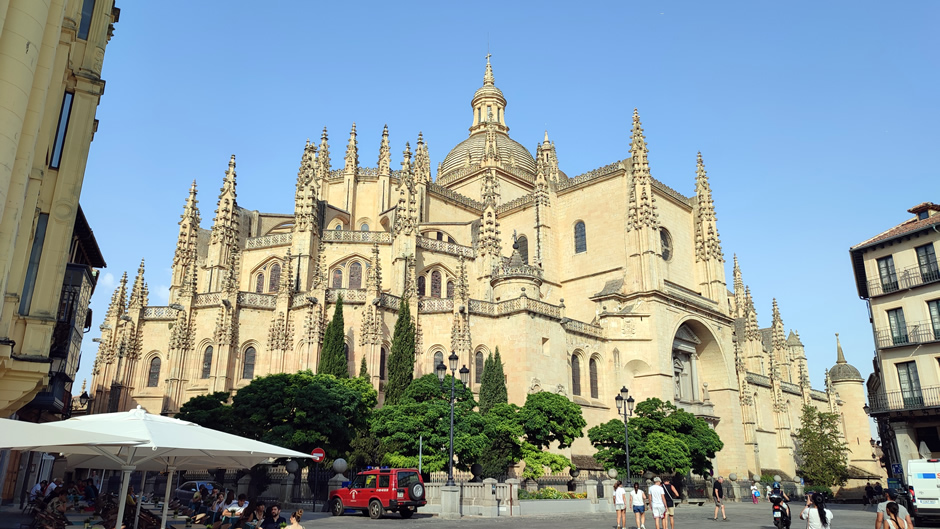
Segovia Cathedral
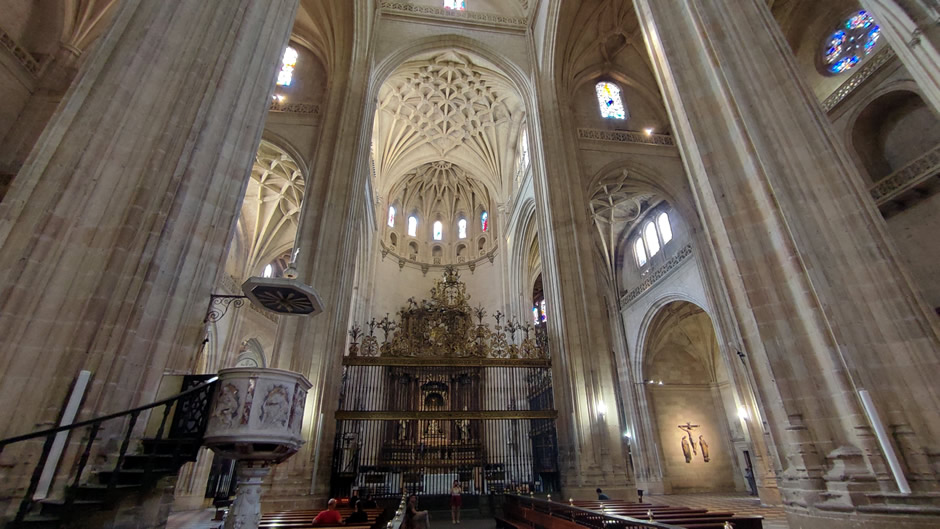
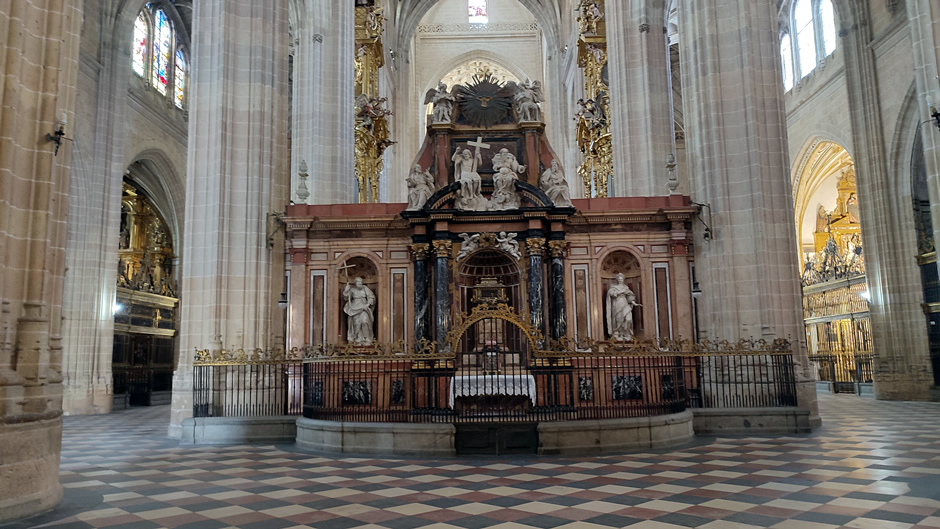
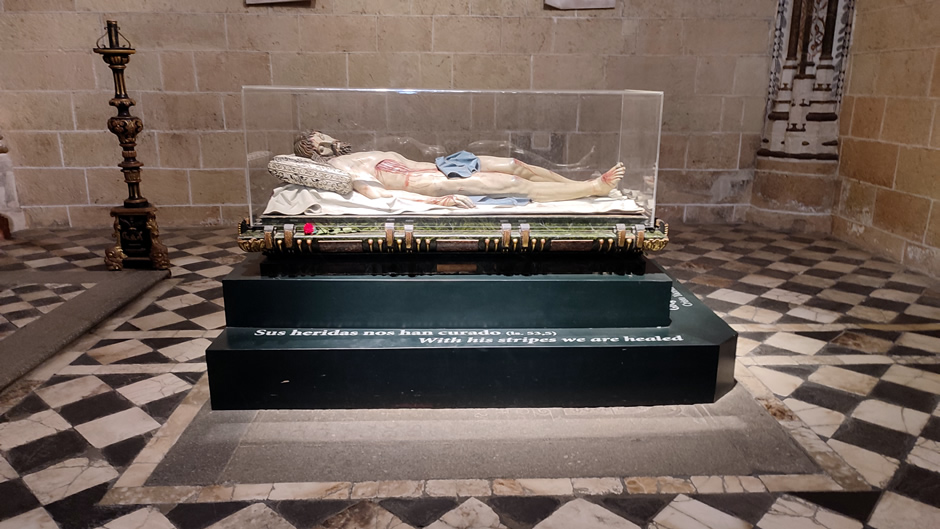
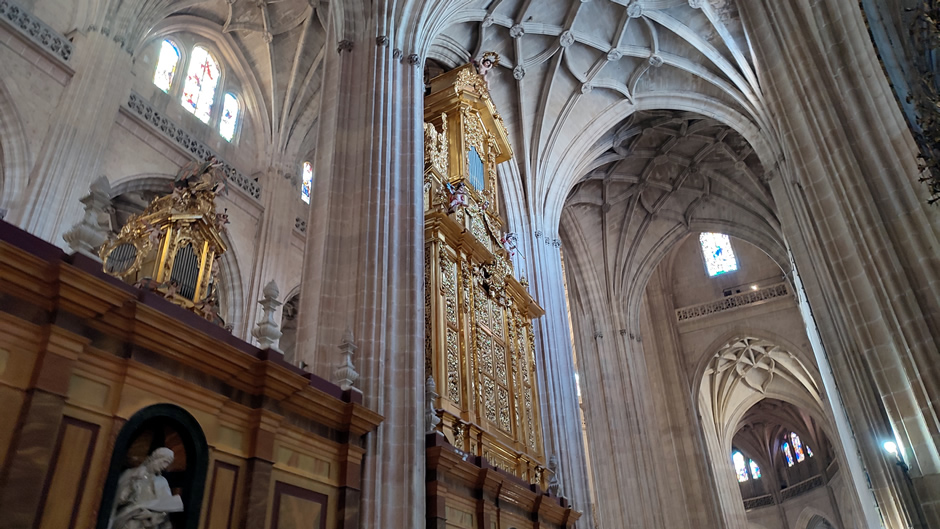
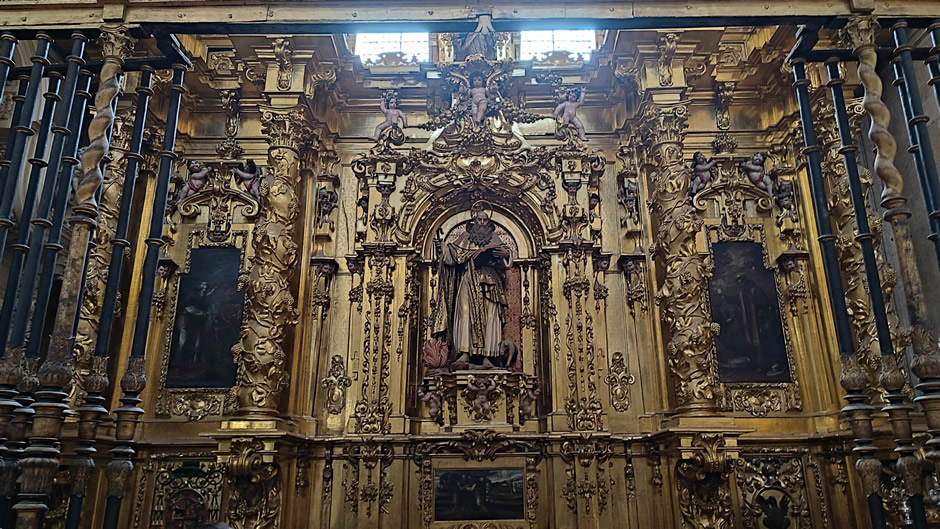
Segovia Cathedral (the Cathedral of Our Lady of the Assumption and Saint Fructus) is a late Gothic church completed in the mid‑16th century, notable for its elegant proportions and extensive chapels. Standing at the highest point of the old town, it features a tall bell tower, rib‑vaulted interiors, and a cloister with carved stonework. The cathedral represents one of the final major Gothic projects in Spain, built during the transition toward Renaissance styles.
Palacio Episcopal
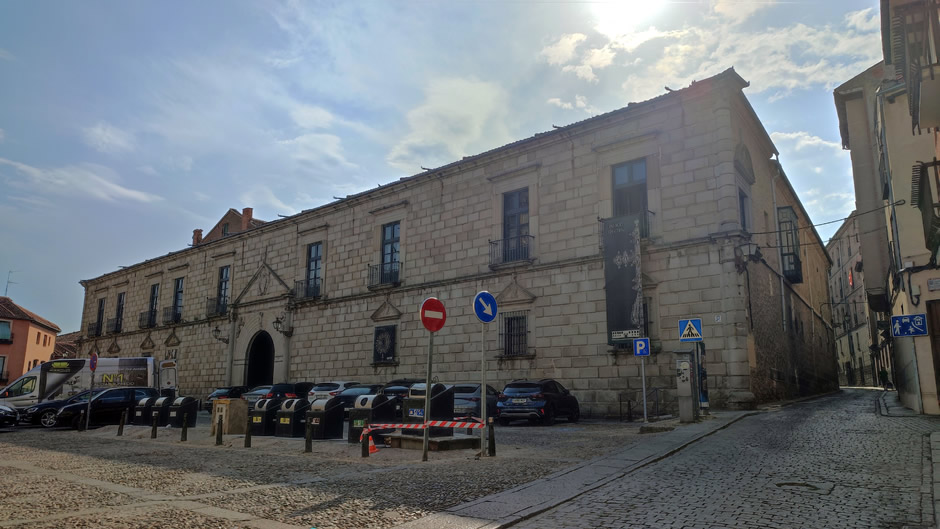
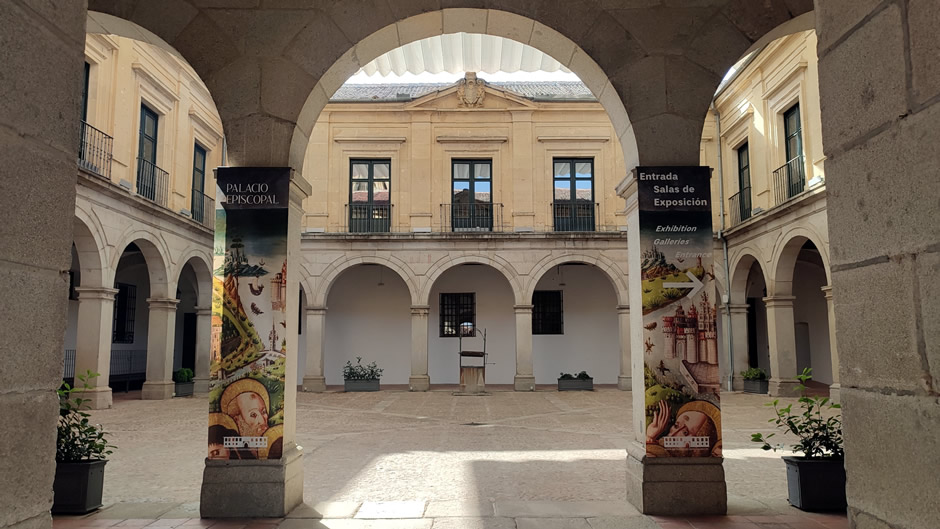
The Palacio Episcopal is the historic residence of Segovia’s bishops, located near the cathedral in the old town. Its architecture blends medieval foundations with later Baroque and classical additions. The building has long served administrative and ceremonial functions within the diocese and forms part of the city’s ecclesiastical complex.
Iglesia de San Esteban
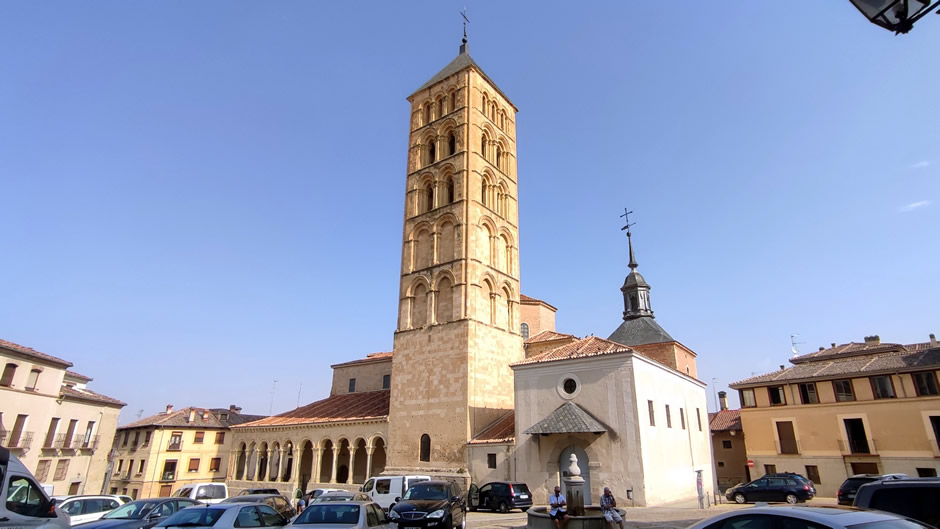
The Church of Saint Stephen (Iglesia de San Esteban) is a historic twelfth‑century church in Segovia, traditionally thought to stand on the foundations of an earlier structure. Its Romanesque origins are still visible in parts of the exterior, although the original apse was replaced by a later head crowned with a tall spire. Today the church is noted for its striking profile, quiet setting within the old city, and its place among Segovia’s group of medieval parish churches.
Alcázar Fortress
Although time did not permit a visit (definitely would make priority if visiting again), it is worth mentioning here the Alcázar of Segovia, a medieval stone fortress set at the junction of the Eresma and Clamores rivers, which give it a distinctive ship‑like profile. First documented in the early 12th century, it evolved from a defensive stronghold into a royal residence for the kings of Castile. Its architecture combines Romanesque foundations with later Gothic and Mudéjar elements, and the interior includes state rooms, armour displays, and the Tower of Juan II. The fortress remains one of Spain’s most recognisable castles due to its dramatic silhouette and long association with Castilian monarchy.
Valley of the Fallen (Valle de los Caídos)
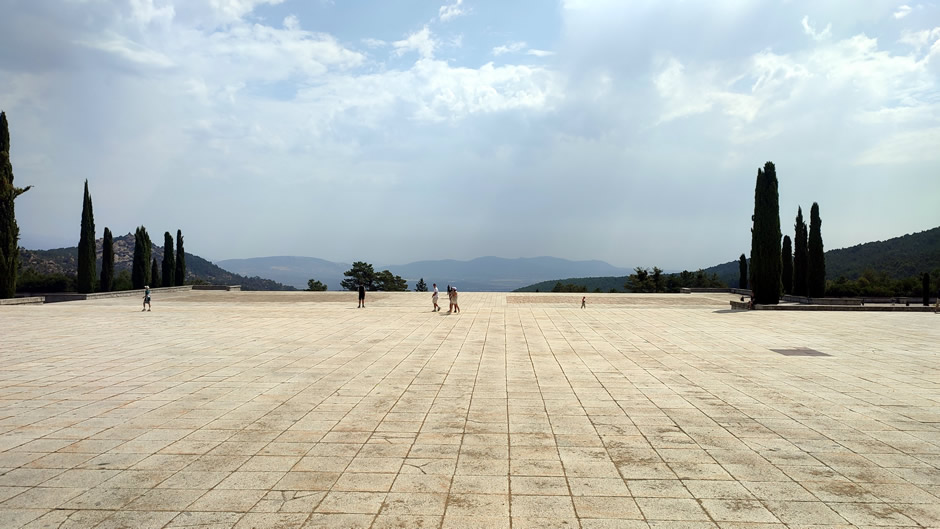
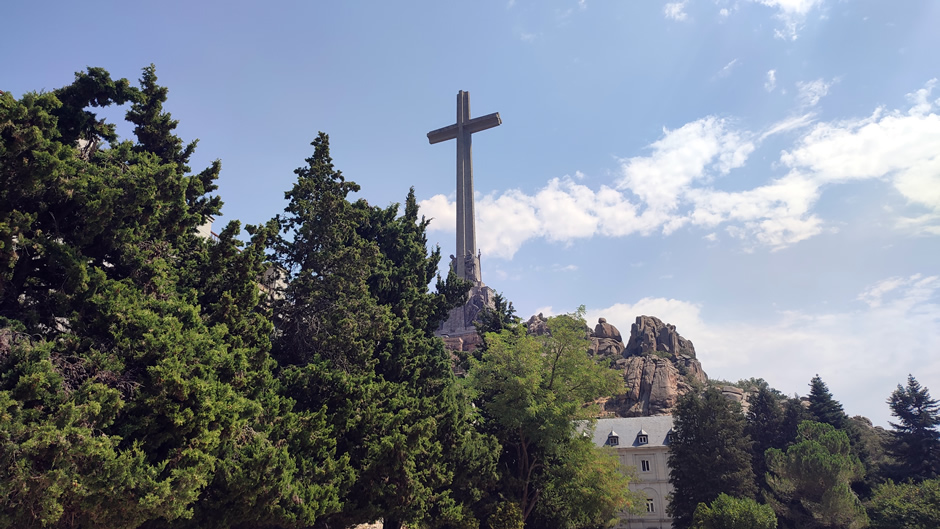
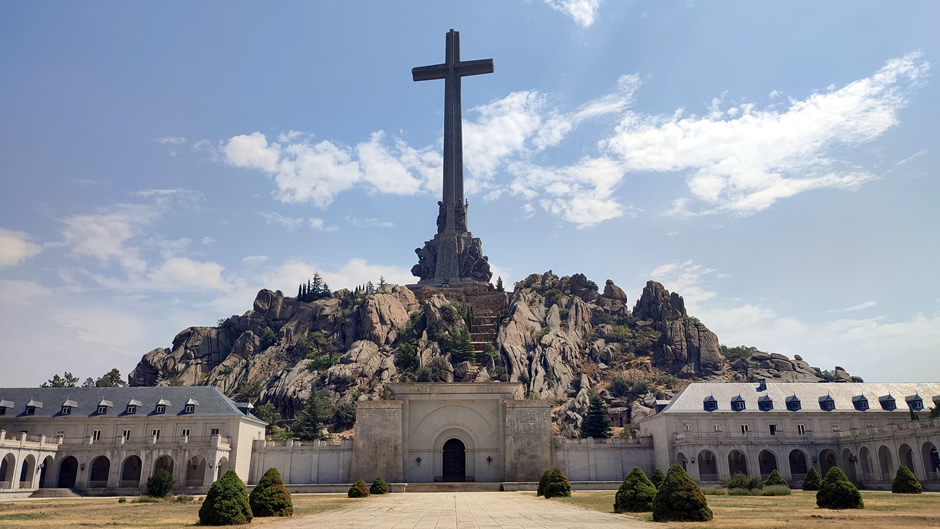
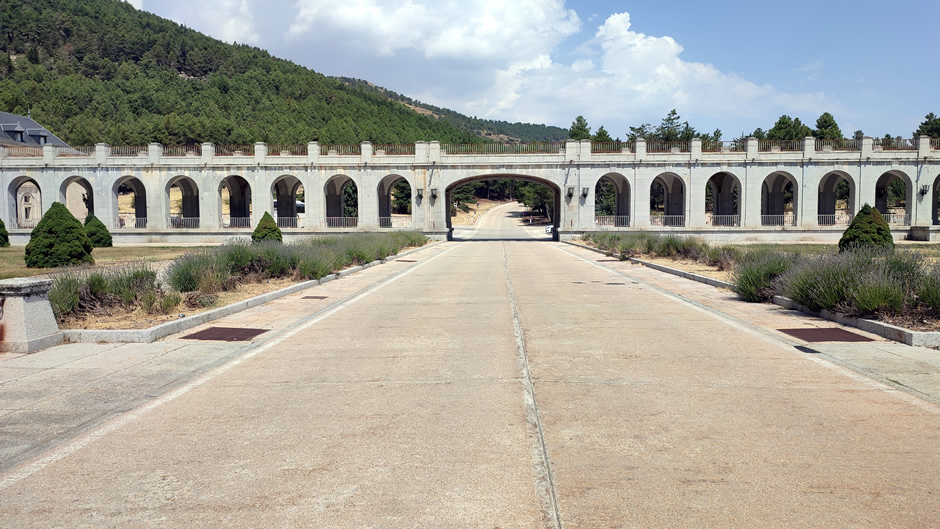
The Valley of the Fallen is a monumental complex built between 1940 and 1959 in the Sierra de Guadarrama. Created under Francisco Franco’s regime, it commemorates those who died in the Spanish Civil War. It contains the remains of over 33,800 people from both sides, many of them transferred from mass graves across Spain during the 1950s and 1960s. Although the monument was commissioned by Francisco Franco’s regime, the burials include Nationalist and Republican dead, often without the consent of families. Construction of the site involved thousands of workers, including political prisoners during the early years. It includes a vast esplanade, a 150‑metre stone cross rising above the valley (one of the tallest memorial crosses in the world), and an underground basilica carved into the mountain. The basilica contains long nave chambers, sculpted chapels, and funerary spaces (note: photography is not permitted inside the building).
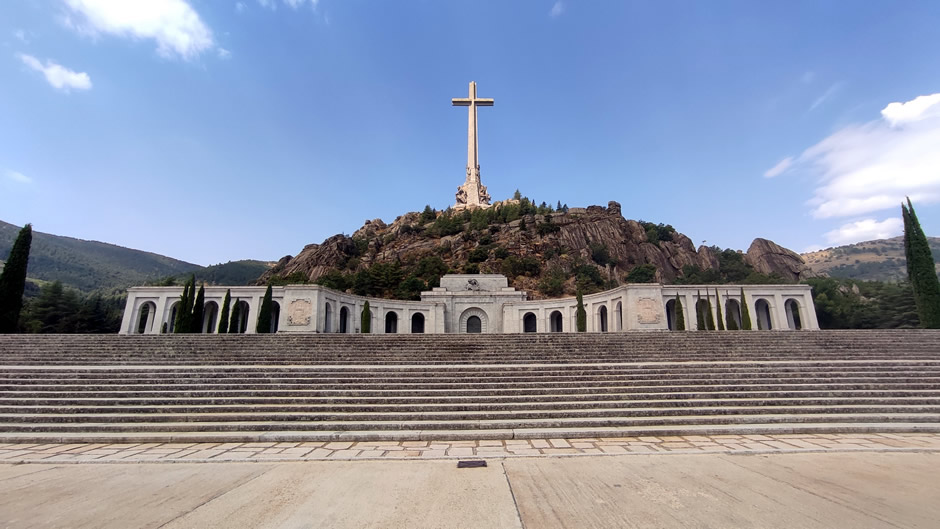
Originally, Franco was buried inside the basilica after his death in 1975, but his remains were exhumed and relocated in 2019 to the Mingorrubio cemetery in Madrid as part of Spain’s effort to recontextualize the site. Today, the Valley of the Fallen remains a place of historical significance and public debate due to its origins and symbolism.
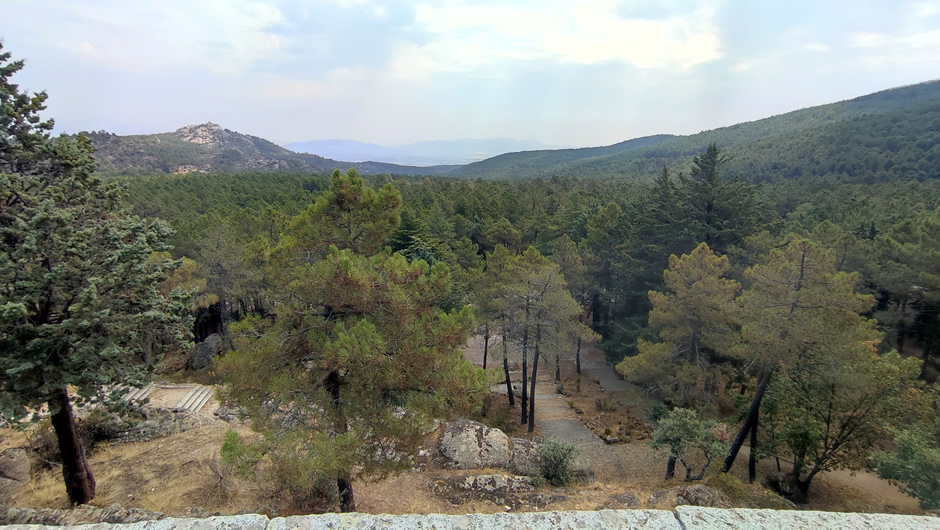
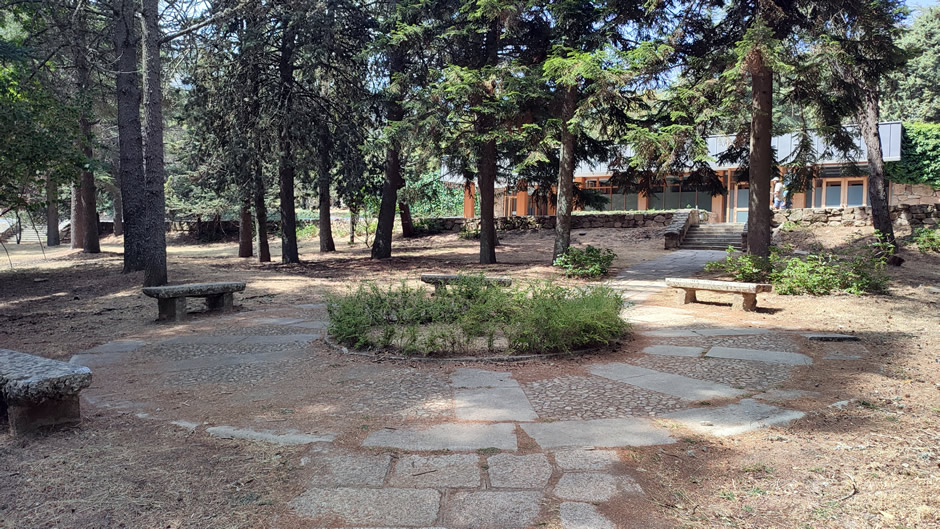
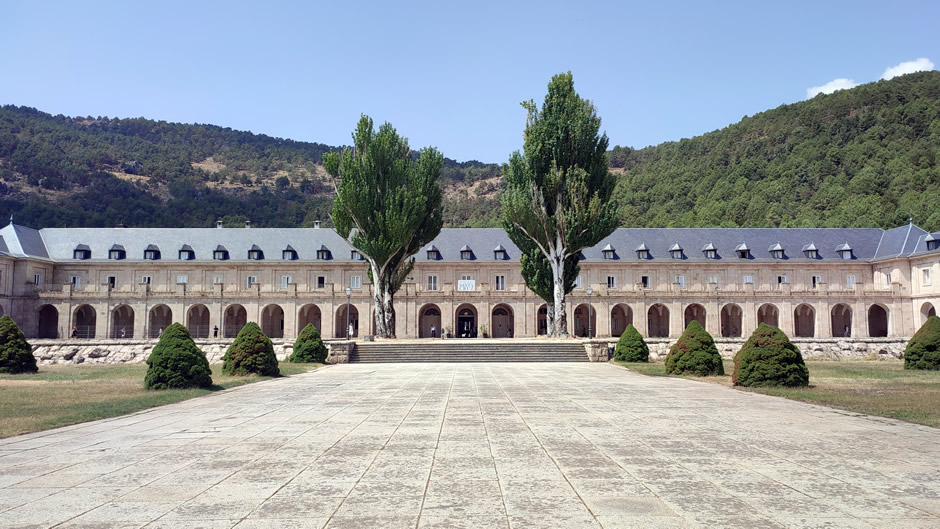
A service enclave beside the basilica includes the Colegio‑Escolanía de la Santa Cruz, whose classrooms, dormitories and monastic‑style support buildings are arranged around a central courtyard. Just beyond the school complex sits the Hostal Santa Cruz, a simple guesthouse historically used for visitors, retreat groups and those connected with the monument. Close to the entrance road is the Restaurante de la Santa Cruz, the long‑standing dining facility that serves pilgrims, tourists and staff. Together, these buildings form the practical heart of the site, providing education, lodging and daily services that support the functioning of the basilica within the wooded valley below the massive cross.
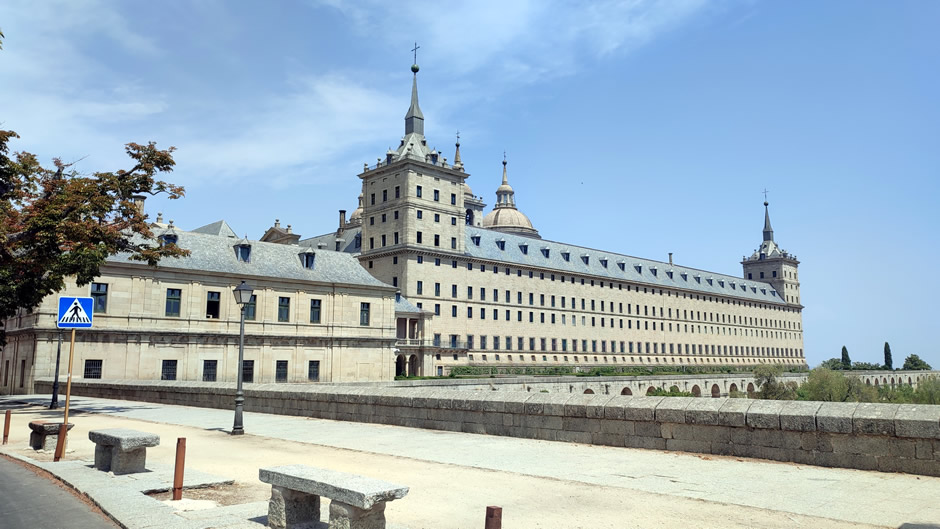
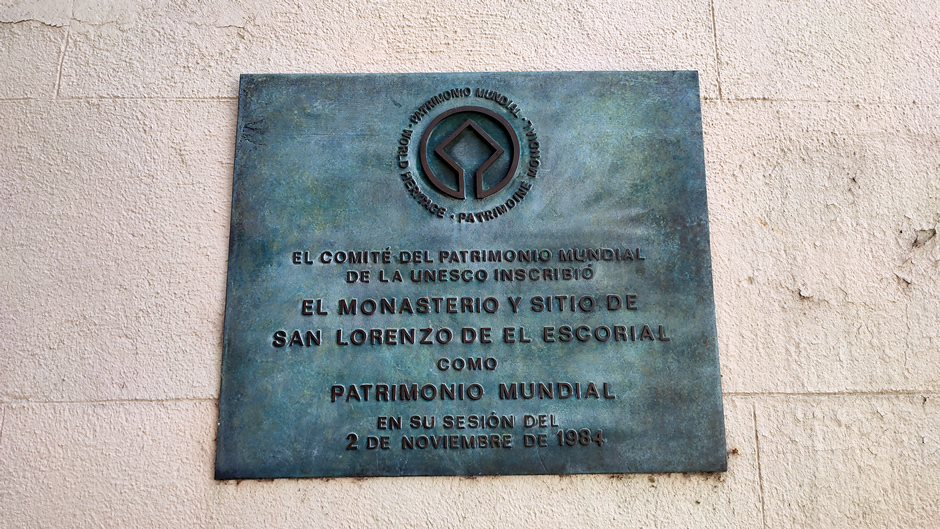
Royal Site of San Lorenzo de El Escorial
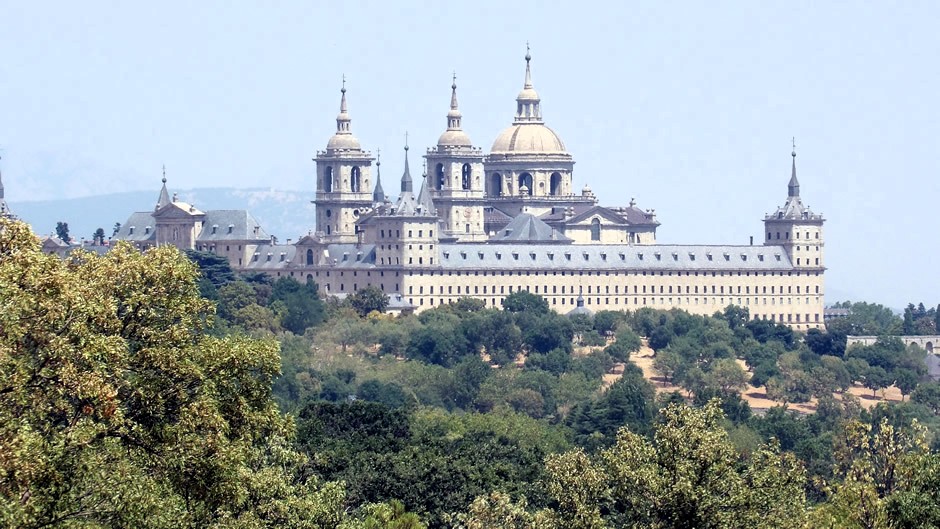
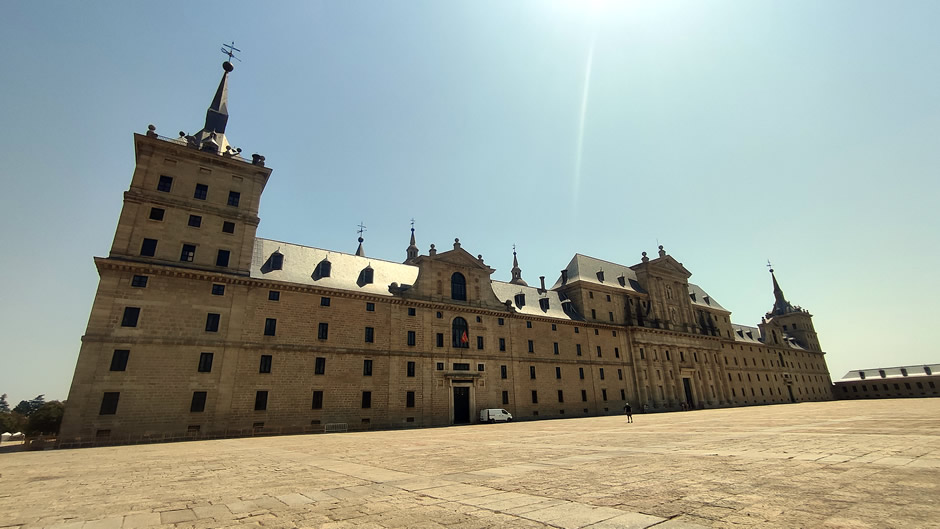
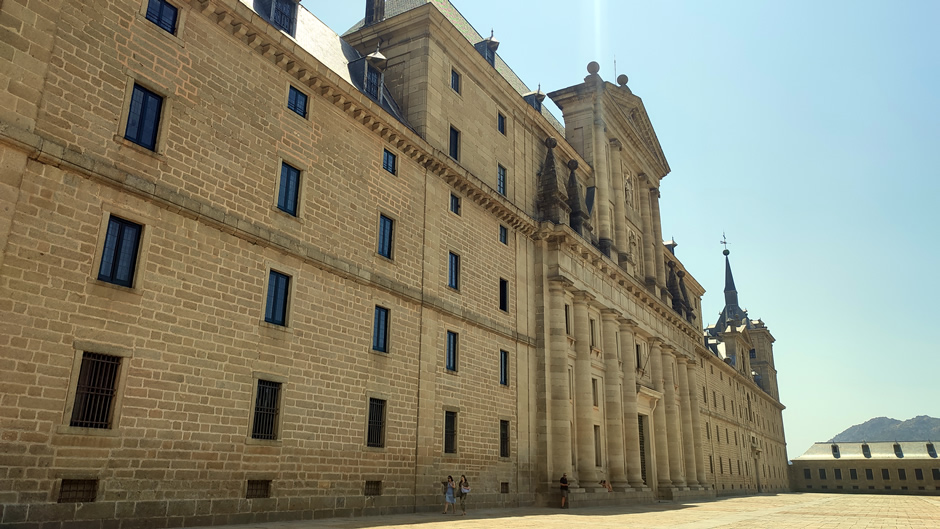
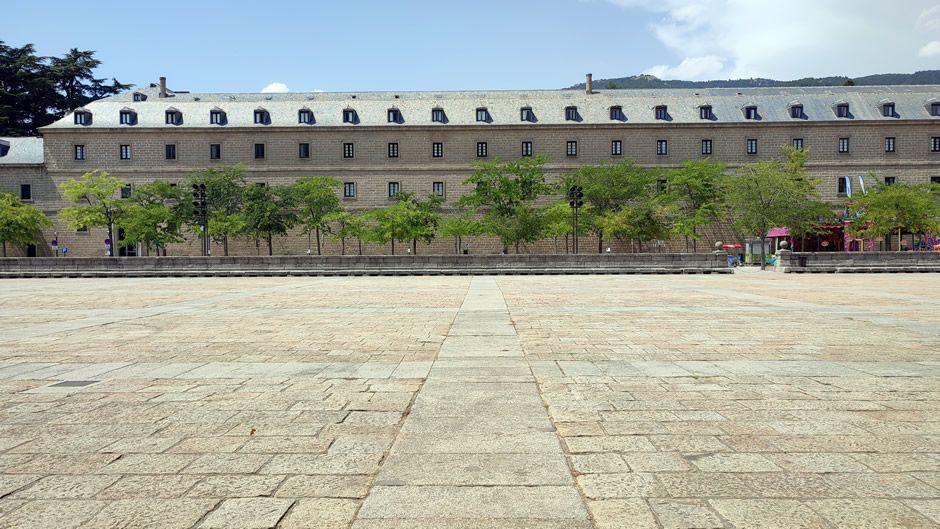
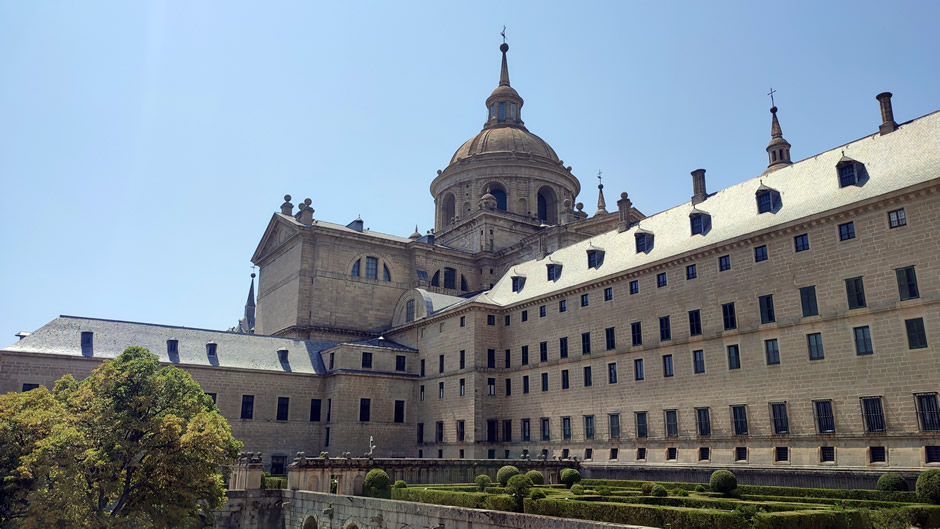
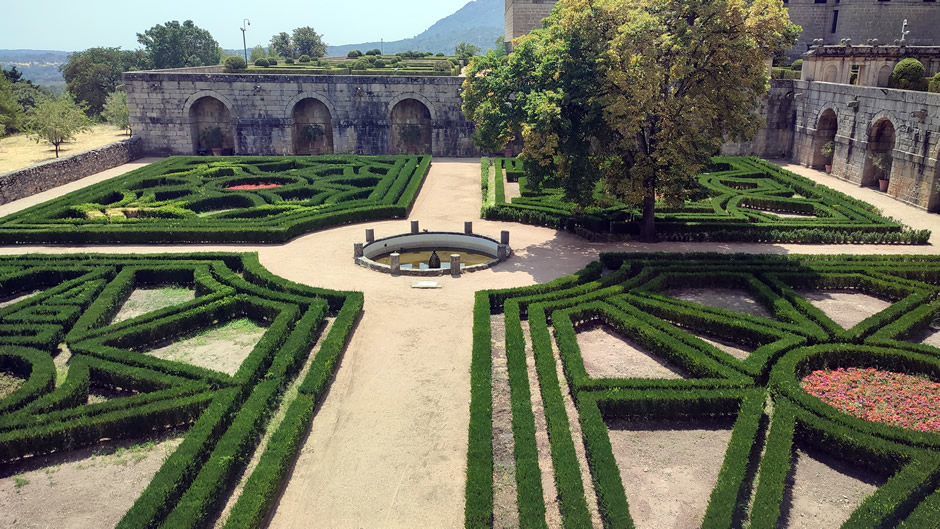
El Escorial is a vast 16th‑century royal complex commissioned by King Philip II. Located an approximate 57km (35 mile) drive northwest of Madrid, it combines a monastery, palace, library, royal pantheon, and basilica within a single architectural plan. Designed in a sober Renaissance style, the building reflects the political and religious ideals of the Spanish monarchy during its imperial height. Its collections include manuscripts, artworks, and royal tombs, and the site has long served as both a monastic centre and a symbol of Habsburg authority. Views from the outside are shown below, suffice to say if visiting Madrid again, a full day could involve visiting here again to take a look inside this magnificent building.
Link to Page 1 Here
Back to Top
