


(Jump to Day 1&2, 3, 4, 5, 6, 7, 8, 9, 10, 11, 12, 13&14, Back in Browser to Return)
Note: This trip to Cornwall was not the first made by the author of this webpage, and so some of the main sites the county has to offer the visitor (e.g. the Eden Project) are not necessarily covered.
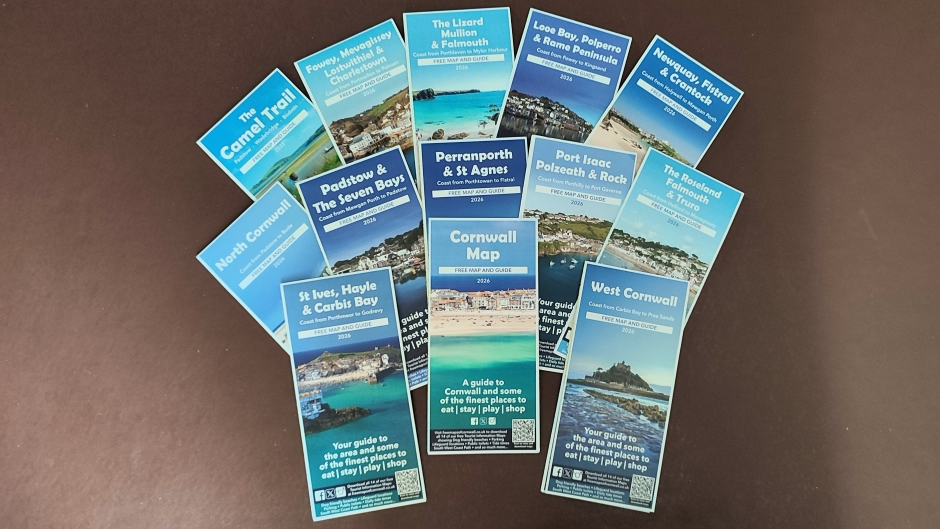
Above: Free guide maps covering Cornwall
Days 1 & 2: En Route to Cornwall
Following are some of the sights we stopped off at on our journey by car to Cornwall in the West Country of England (note: Day 1 was 31st May):
The Cotswolds
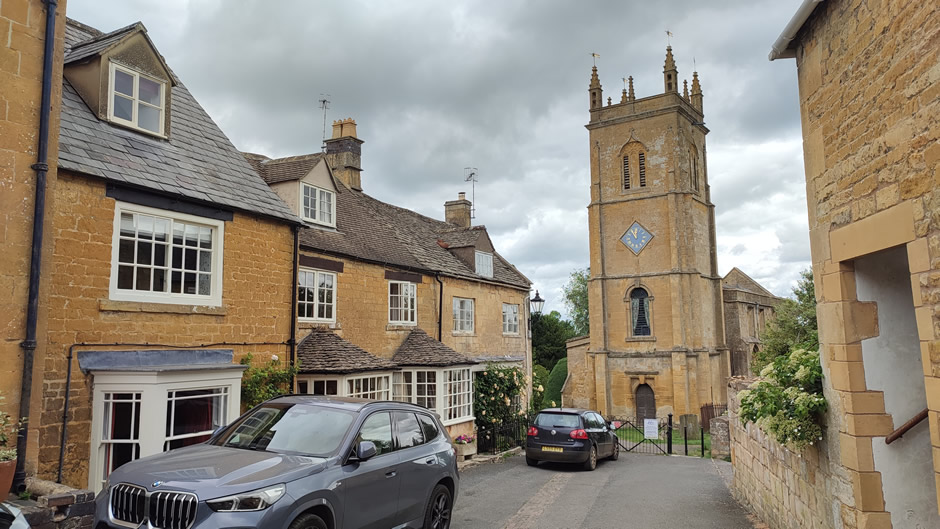
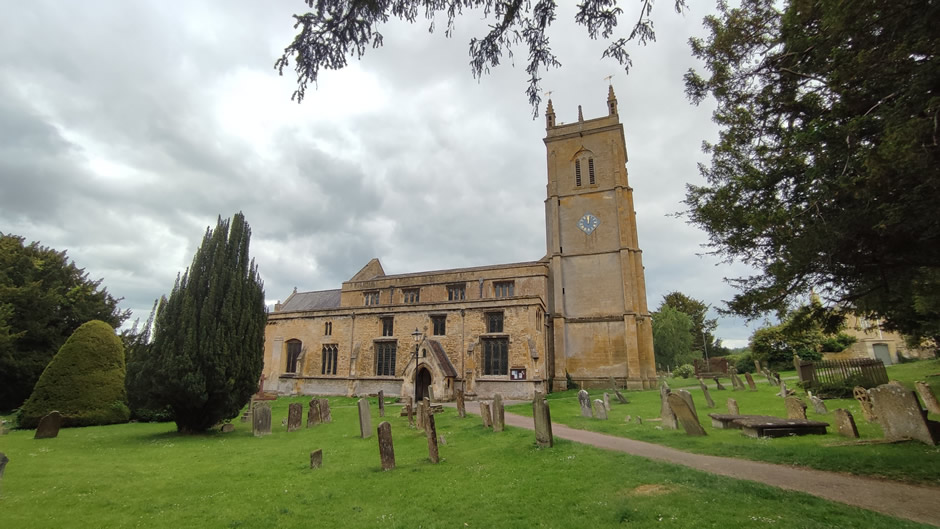
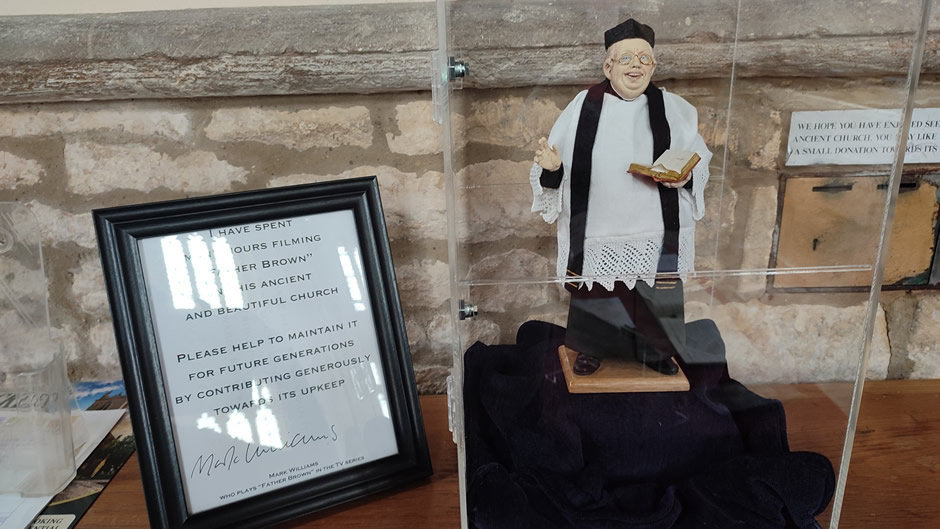
Blockley (show below) is a picturesque village located in the North Cotswolds in Gloucestershire, set in a sheltered valley near Moreton-in-Marsh and surrounded by rolling countryside. Its architecture reflects both traditional rural charm and its past, with honey-coloured Cotswold stone cottages lining winding lanes alongside former mill buildings that hint at its history as a centre of silk production. At the heart of the village stands the Church of St Peter and St Paul, a striking structure with Norman origins, a prominent tower and later Gothic elements, which continues to dominate the skyline. The village has gained wider recognition as the principal filming location for the BBC series Father Brown, where it doubles as the fictional Kembleford; notably, the church itself is used as the show’s St Mary’s Roman Catholic Church, and the surrounding streets and vicarage frequently appear on screen, drawing visitors keen to experience the setting first-hand.
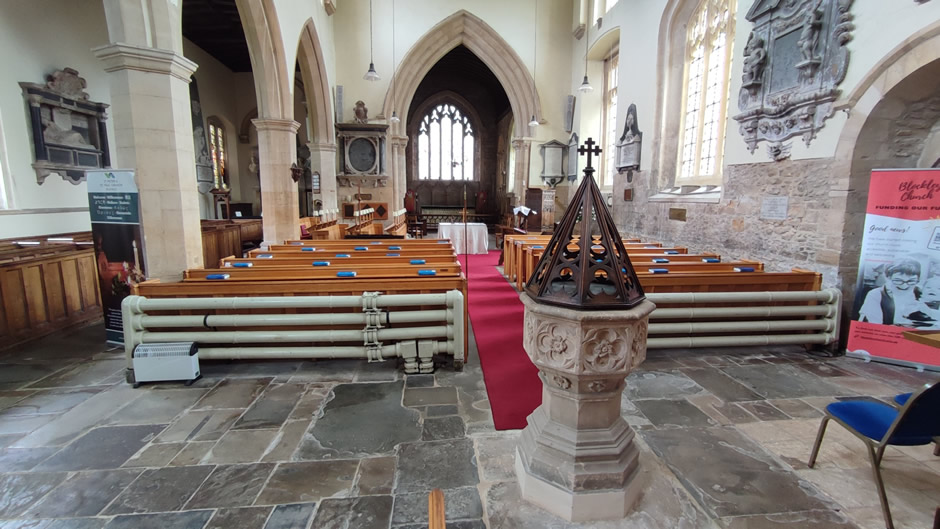
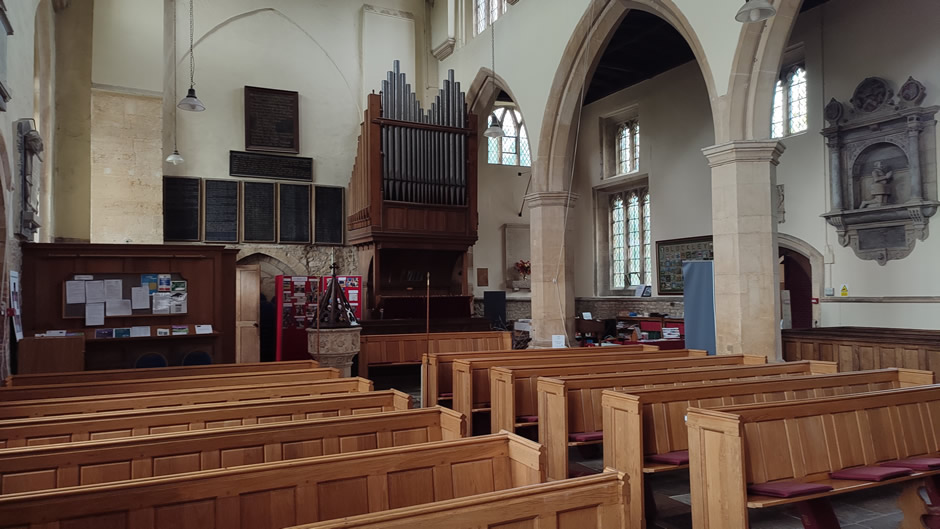
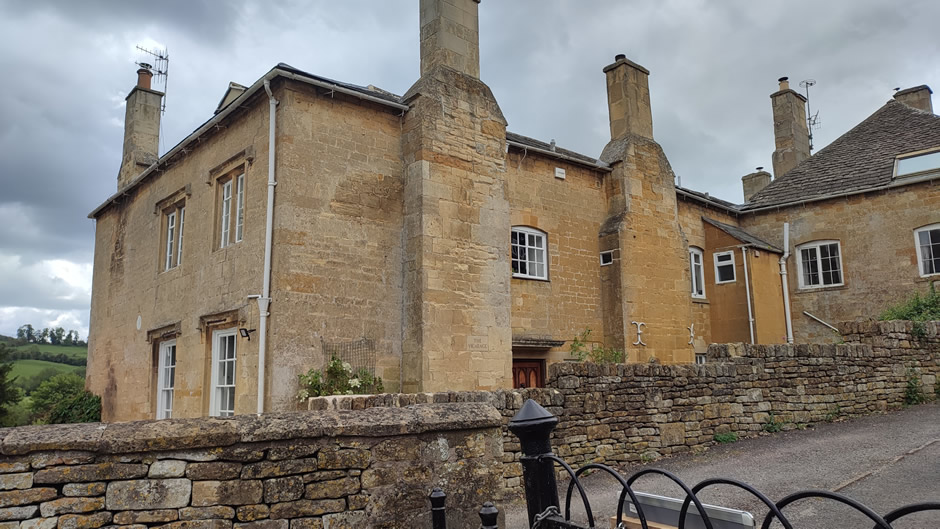
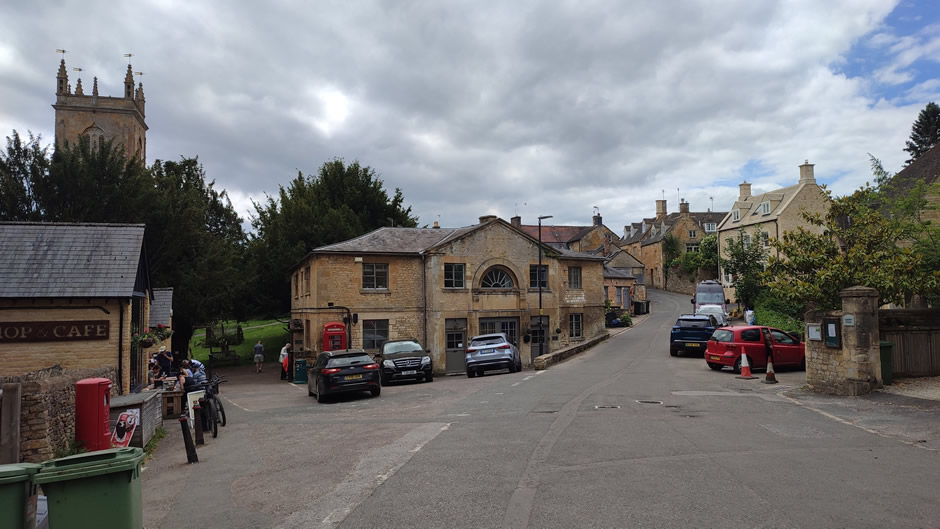
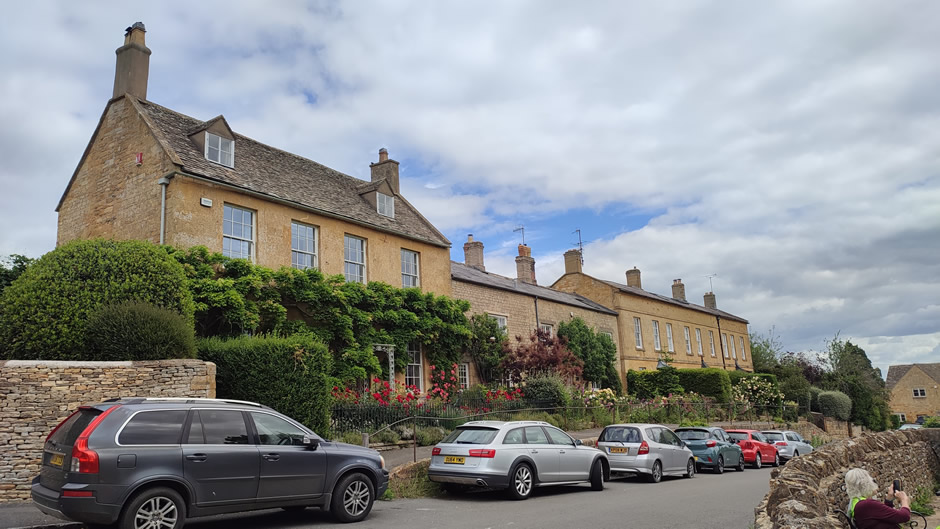
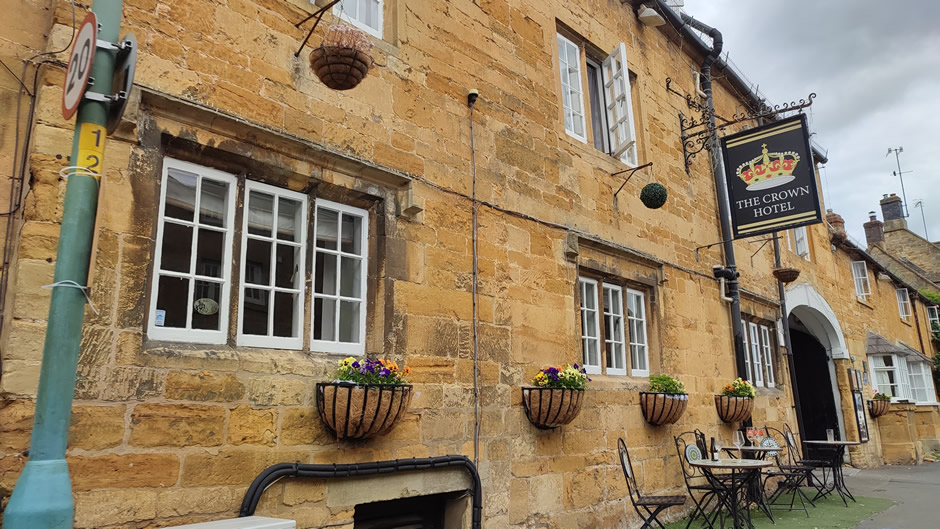
The journey continued with a drive around some other Cotswold villages, namely Stow-on-the-Wold, Lower Slaughter, Upper Slaughter, and Bourton-on-the-Water. Whilst exploring the area, its popularity with visitors was more than apparent.
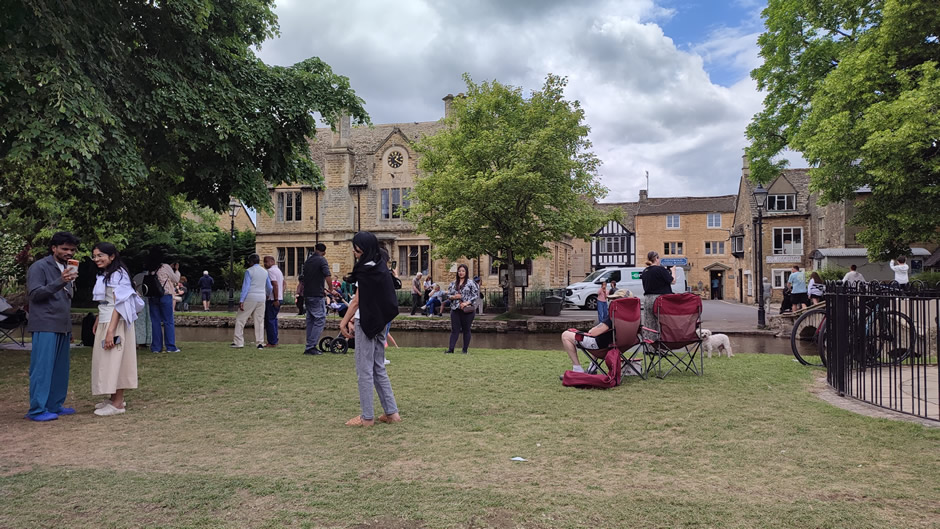
Above: Some Cotswold villages, such as Bourton-on-the-Water, can get very busy, even out of the summer season.
The Royal Crescent, Bath
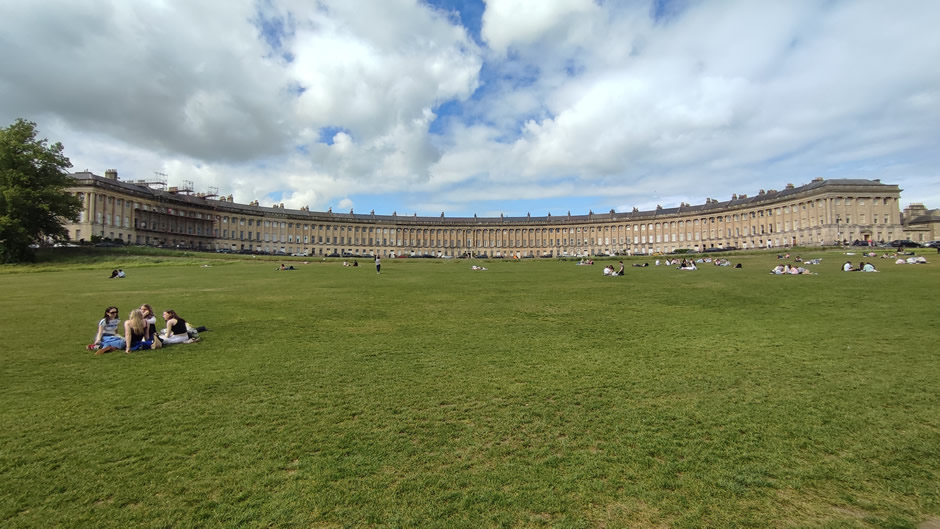
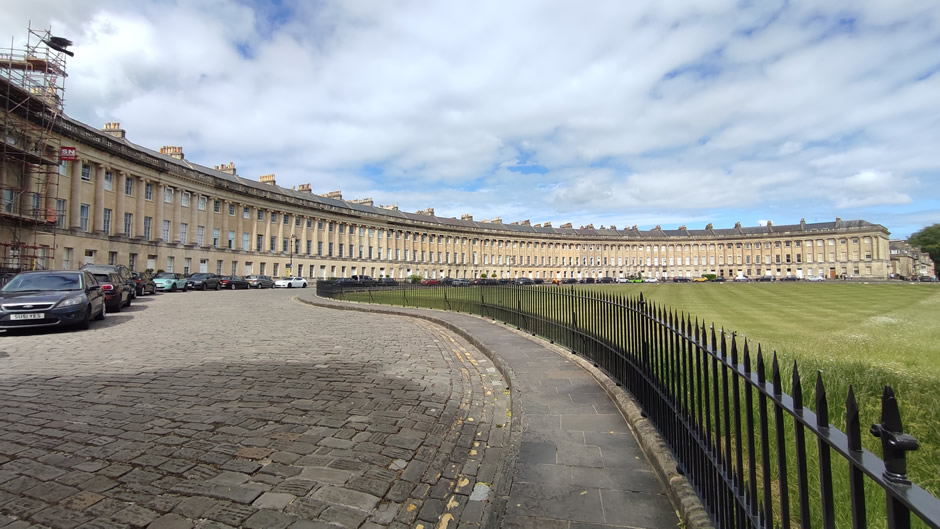
The final stop of Day 1 was to take a look at the Royal Crescent in Bath, Somerset, before heading off for one night at a hotel just outside Bristol. The famous Royal Crescent (shown below) is an iconic example of Georgian urban design, arranged in a sweeping semicircle overlooking Royal Victoria Park. Designed by John Wood the Younger and completed in 1774, the terrace is composed of 30 Grade I listed houses built from Bath stone, unified by a grand Palladian façade with Ionic columns and a continuous entablature. Despite its uniform exterior, each residence was individually constructed behind the frontage, creating subtle variations in layout. The crescent has long been associated with prestige and refinement, attracting notable residents and visitors, and today it remains one of the most recognisable architectural landmarks in Britain.
Weston-super-Mare
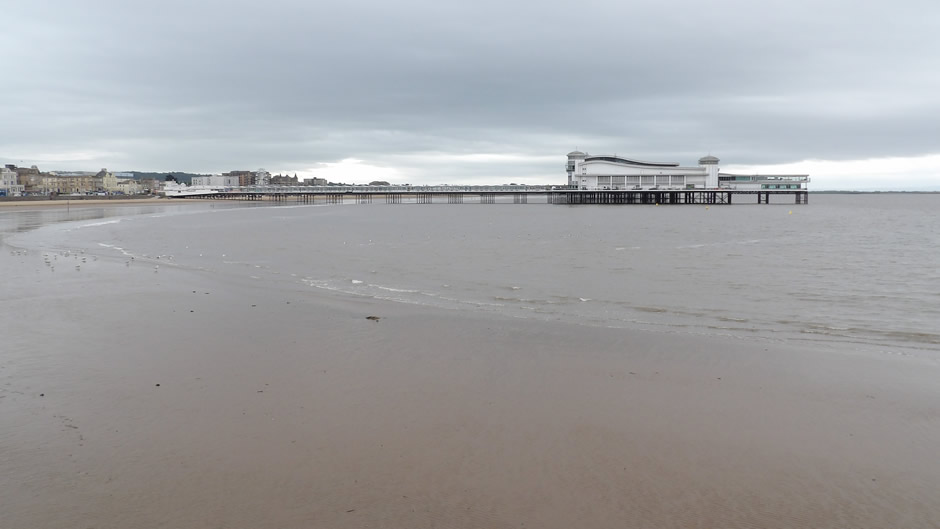
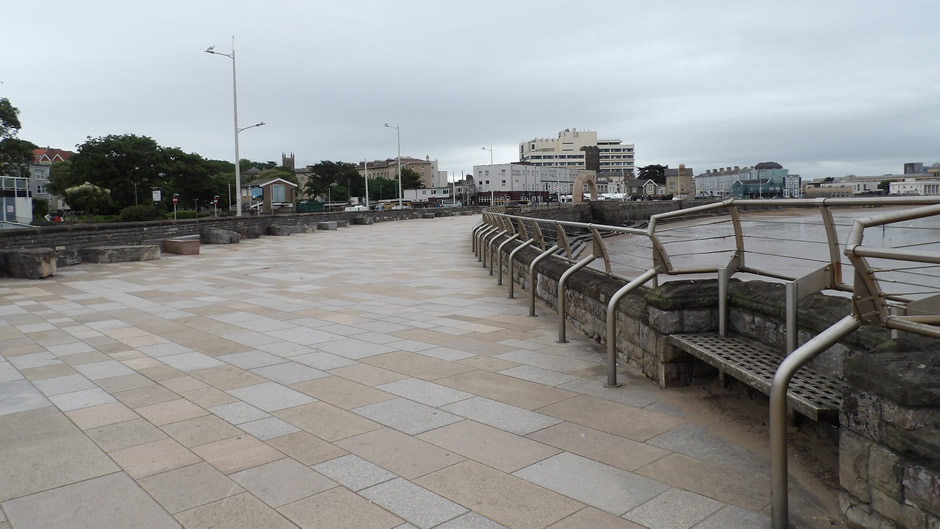
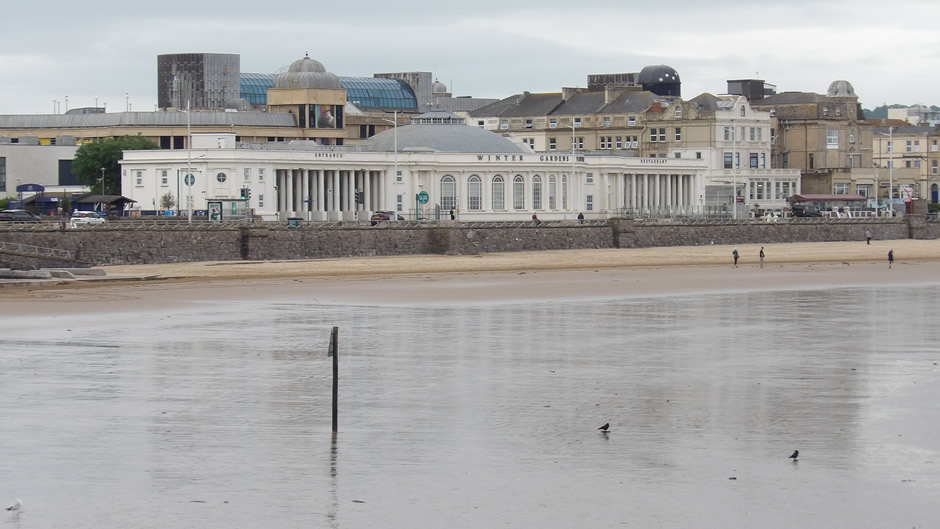
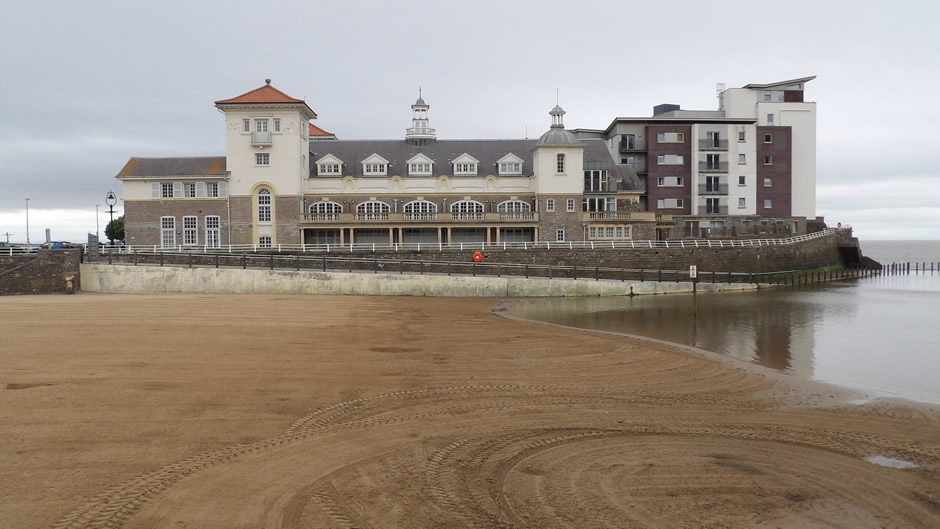
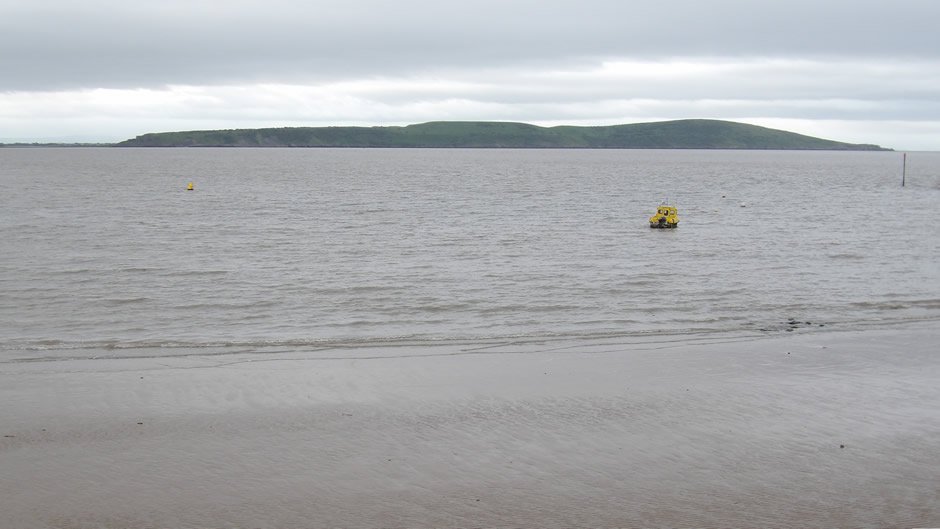
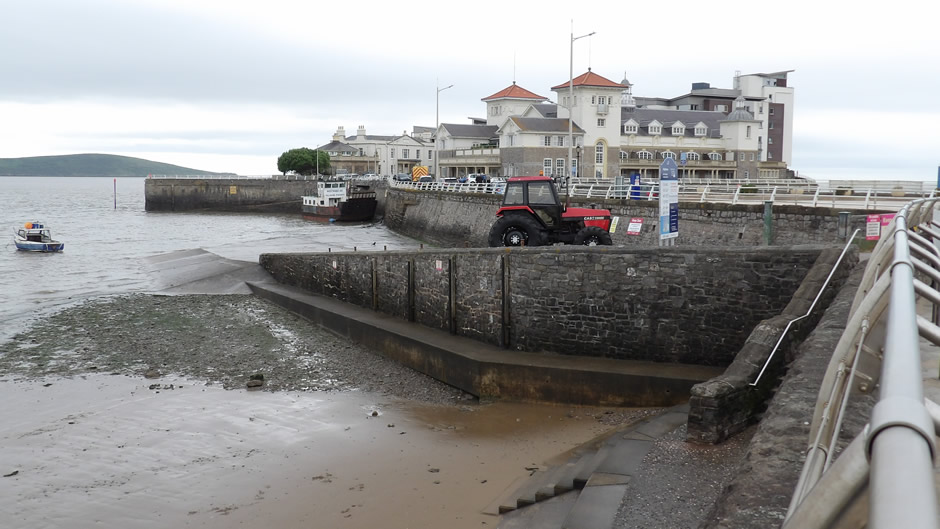
Day 2 began with a drive to Weston-super-Mare in north Somerset (shown below). This traditional seaside town is situated on the Bristol Channel and is known for its long sandy beach, Victorian promenade, and iconic Grand Pier. The visit here was on a Monday morning and the seafront appeared relatively quiet, allowing for a more relaxed experience of the town’s coastal setting. Attractions such as the promenade gardens, local cafés, and expansive shoreline provide a clear sense of its heritage as a classic British holiday destination.
Cheddar Gorge
Cheddar Gorge (shown below) is a dramatic limestone ravine located on the southern edge of the Mendip Hills in Somerset, formed over millions of years through the erosion of rock by meltwater during the last Ice Age. The gorge features steep cliffs rising over 425 feet and contains an extensive network of caves, including Gough’s Cave, where evidence of prehistoric human habitation has been discovered. Archaeological finds in the area, such as the remains of “Cheddar Man,” provide insight into some of the earliest known inhabitants of Britain, dating back to the Mesolithic period.
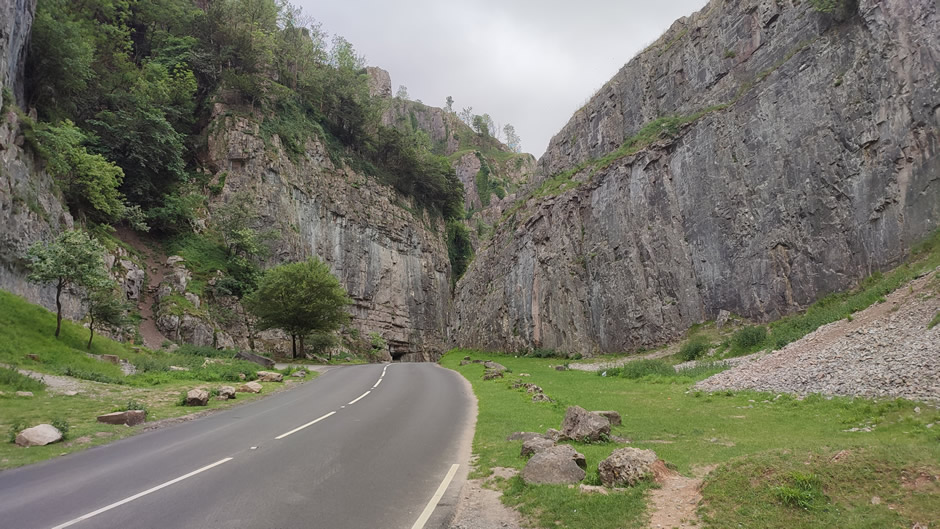
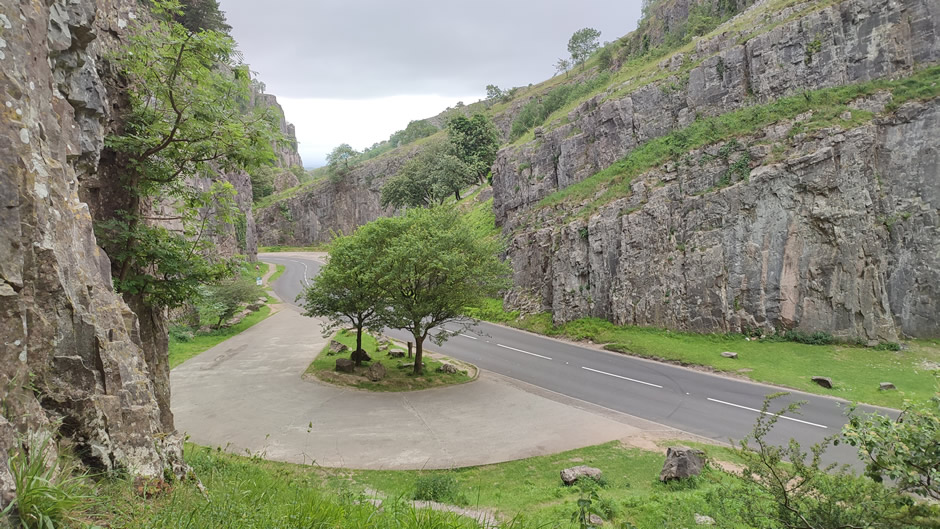
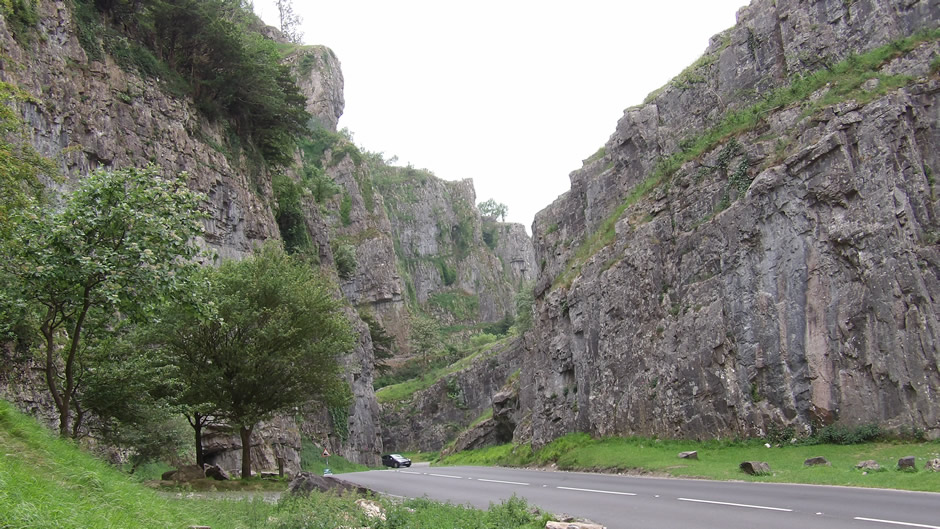
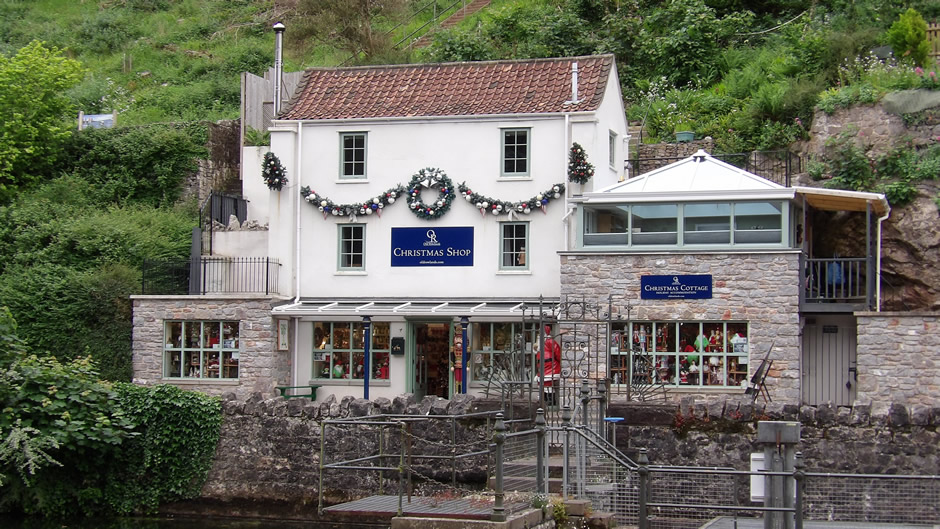
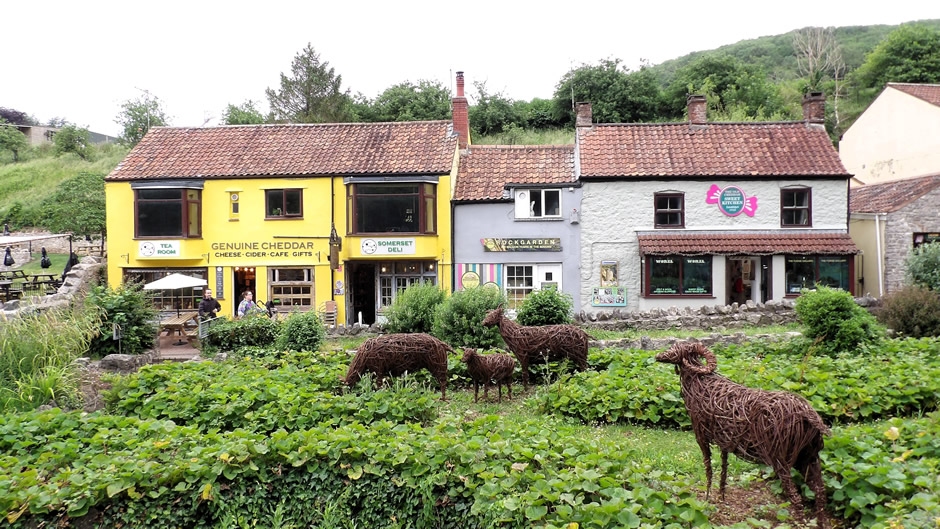
The gorge is also closely associated with the production of Cheddar cheese, which has been matured in its caves for centuries due to the consistent temperature and humidity. Historically, the area developed as a centre for quarrying and tourism, with visitors drawn to its natural scenery and geological features. Today, it offers walking routes (including the 274-step Jacob’s Ladder and 48-step lookout tower, and the 4-mile circular cliff top trail), rock climbing opportunities, cave tours, Cheddar Cheese tasting, a museum of prehistory, souvenir shops, and even two Cheddar-themed escape rooms, making it a popular destination for outdoor exploration and heritage interpretation.
Glastonbury Tor
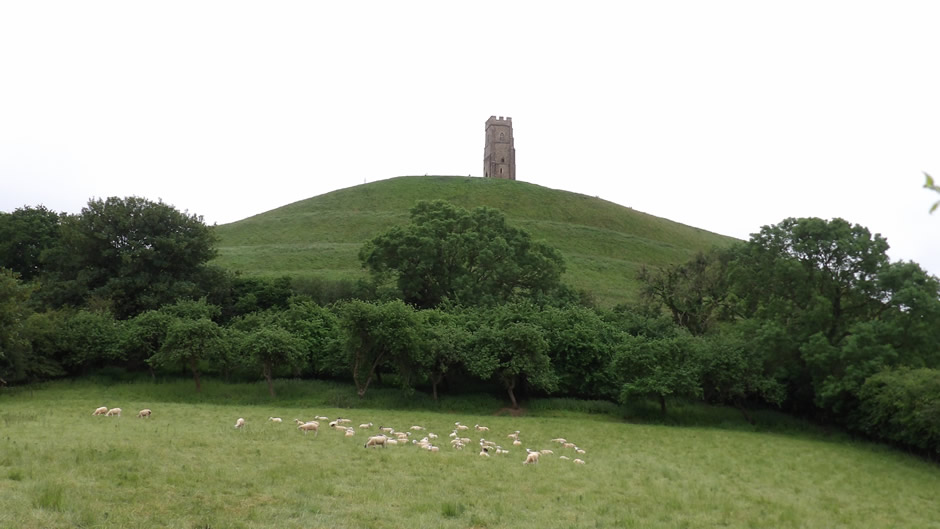
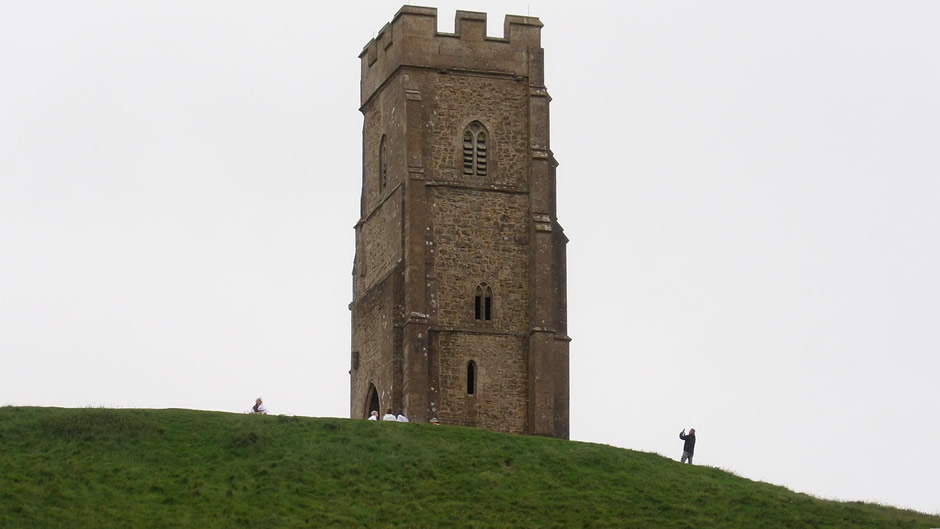
Glastonbury Tor (shown below) is a distinctive hill rising from the Somerset Levels, crowned by the remains of St Michael’s Tower. Composed of layers of clay and limestone, the Tor has been shaped by natural processes and stands prominently above the surrounding flat landscape. It has long been associated with mythology and legend, including connections to Arthurian stories and early Christian traditions, and has served as a site of pilgrimage and cultural significance for centuries.
Wellington Monument
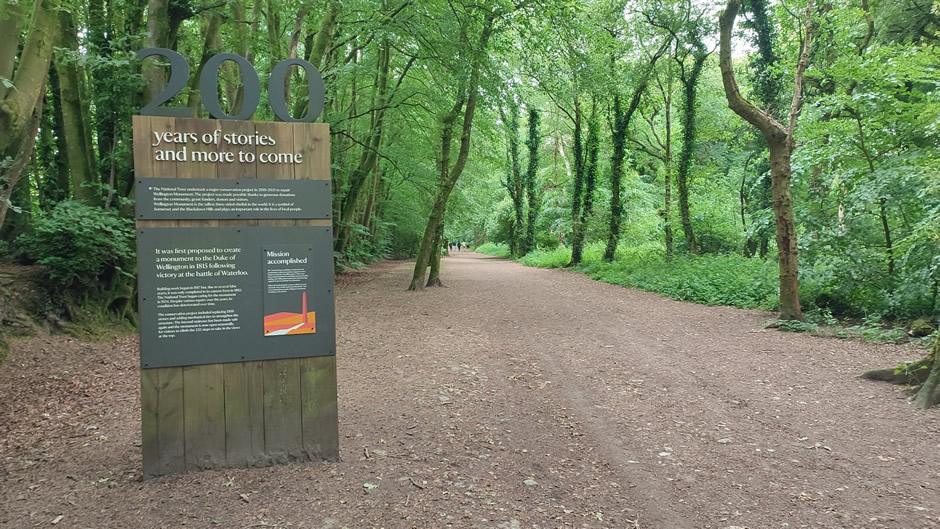
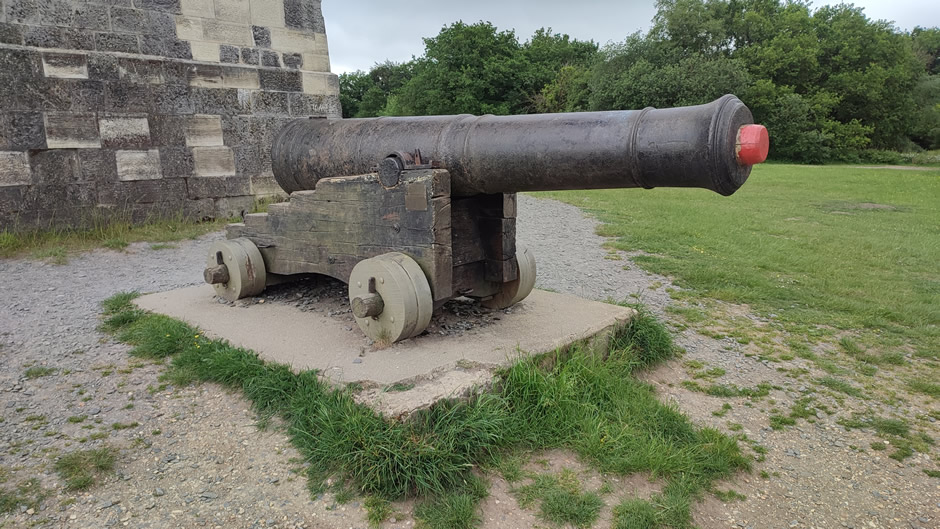
The Wellington Monument in Somerset (below) is a tall triangular obelisk situated on the Blackdown Hills, erected in the 19th century to commemorate the Duke of Wellington’s victory at the Battle of Waterloo. Constructed from local stone, it stands at 175 feet in height and overlooks the surrounding countryside. The structure was completed in 1854 after a prolonged building period and remains one of the tallest monuments of its kind in the United Kingdom, symbolising national pride and historical remembrance.
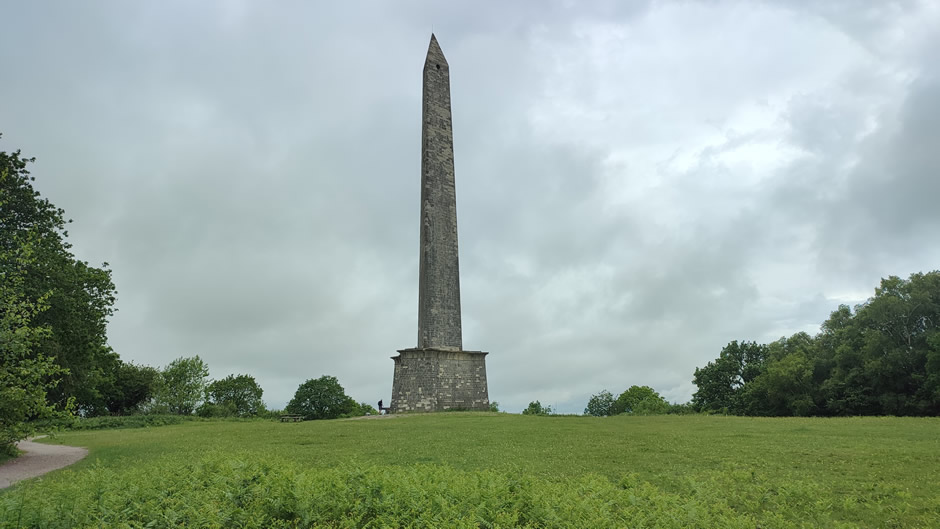
From here, we continued the journey to a holiday park on the Lizard Peninsula, where we would be basing ourselves for the next 7 nights.
The Lizard Peninsula, the southernmost point of England, stretches dramatically into the sea with a rugged coastline shaped by powerful Atlantic forces, yet it enjoys one of the warmest climates in Britain. Known for its wild beauty, the area features striking cliffs, hidden coves, and rich wildlife, where visitors may spot seals, dolphins, or even basking sharks offshore, as well as the rare Cornish chough. Picturesque fishing villages such as Cadgwith and scenic spots like Kynance Cove and Mullion Cove add to its charm, while nearby Poldhu marks an important place in history as the site of Marconi’s first transatlantic wireless transmission in 1901.
The day began with a shopping trip to Helston, a traditional Cornish market town situated right next to the major Royal Navy airbase RNAS Culdrose. The town is an excellent hub for supermarket shopping, serving as the primary grocery centre for the entire Lizard Peninsula, offering large, well-stocked stores with ample free parking (more on the town on day 7). A few places on the Lizard Peninsula were explored in the afternoon, and these follow:
The Lizard National Nature Reserve, Goonhilly Downs and Goonhilly Earth Station
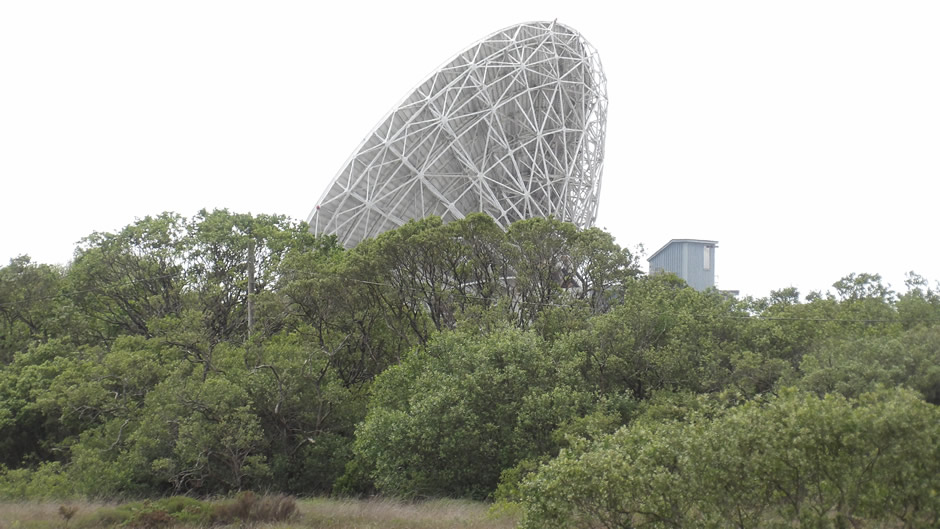
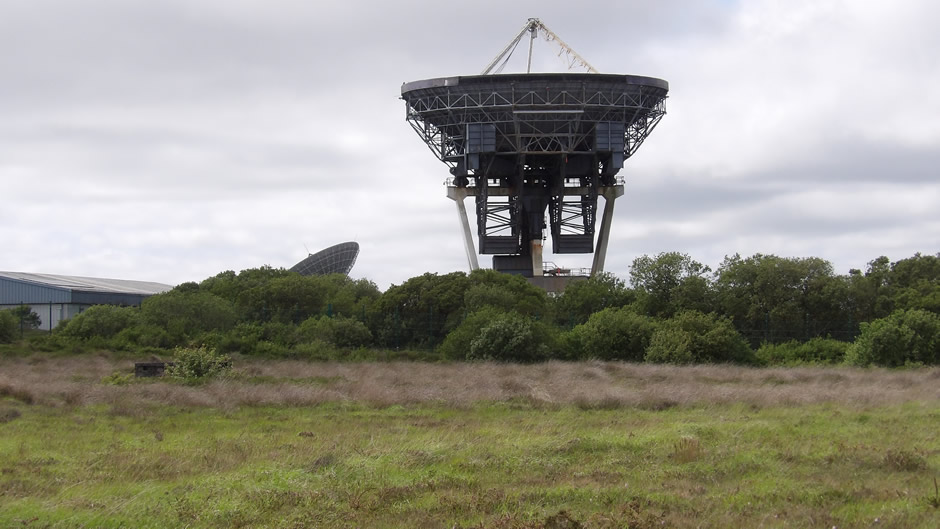
Goonhilly Downs (shown below) is part of The Lizard National Nature Reserve. It is a distinctive lowland heath shaped by serpentine soils and a mild maritime climate, creating ideal conditions for a rich variety of rare plants and wildlife. The reserve is particularly noted for species such as Cornish heath, alongside specialised plants that thrive in damp tracks and nutrient-poor ground, reflecting the area’s unusual geology. As a designated Site of Special Scientific Interest, it is carefully managed through traditional practices including controlled grazing and occasional burning, which help maintain a diverse mosaic of habitats at different growth stages. This ongoing conservation work preserves both the ecological diversity and the open character of the heathland, supporting a wide range of species unique to this part of Cornwall.
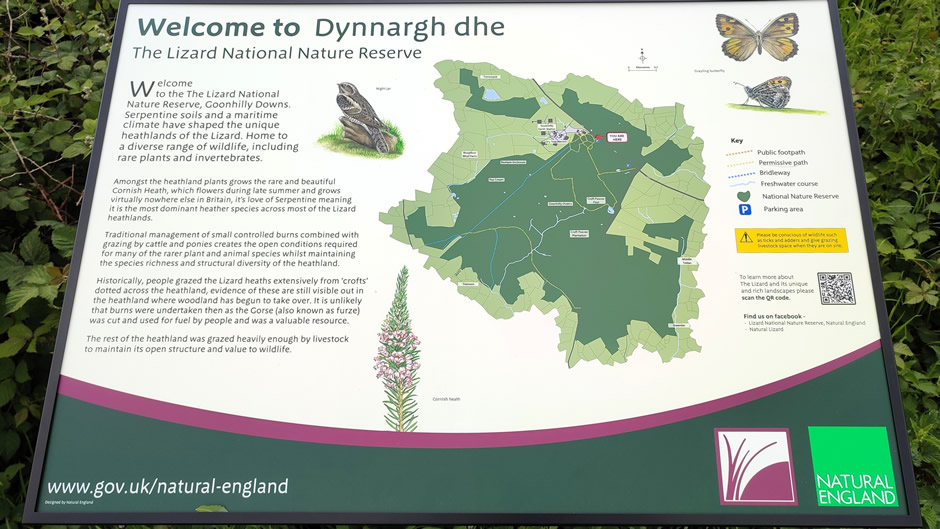
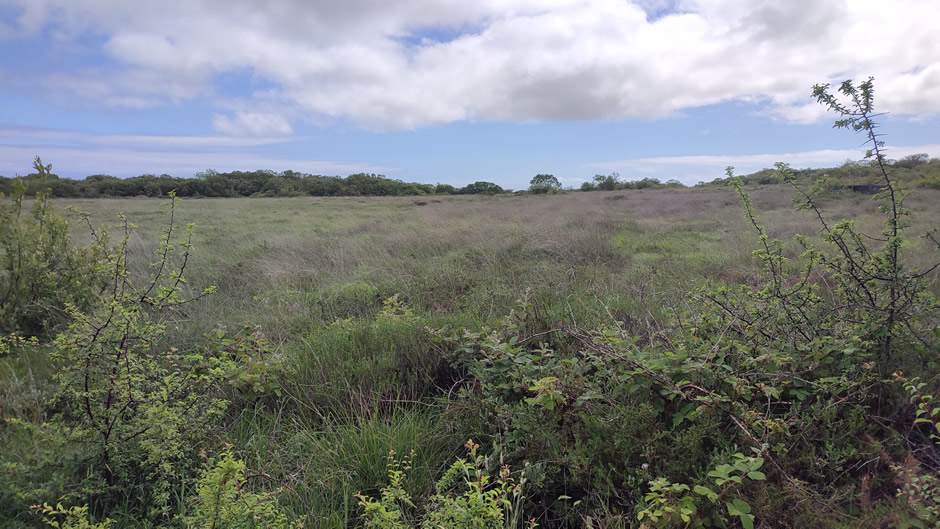
From the open heathland of Goonhilly Downs, the distinctive satellite dishes of Goonhilly Earth Station were visible on the horizon, creating a striking contrast between natural landscape and cutting-edge technology. Established in 1962, it was the world’s first satellite earth station and famously received the first live transatlantic television signals, playing a key role in global communications history. Today, the site continues to operate as a centre for space and satellite communications, linking Cornwall to international networks while remaining an iconic landmark within the surrounding nature reserve.
Lizard Point
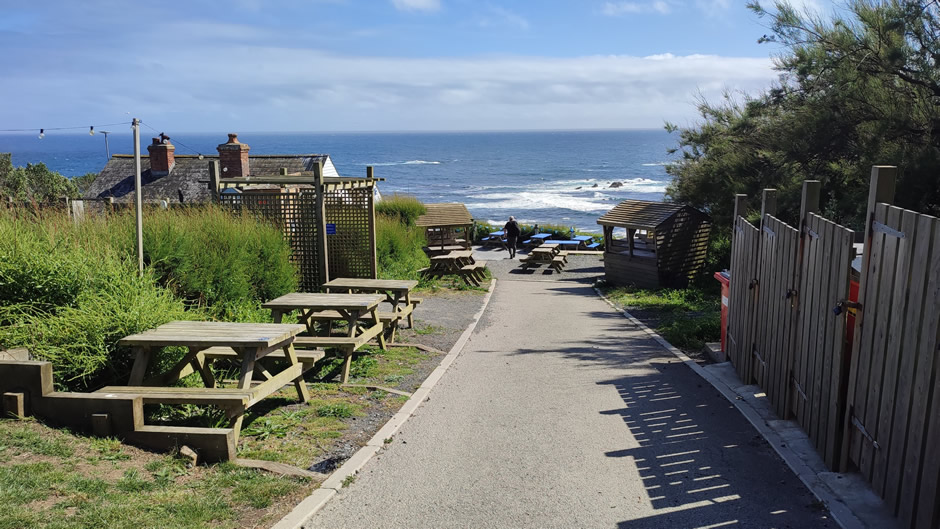
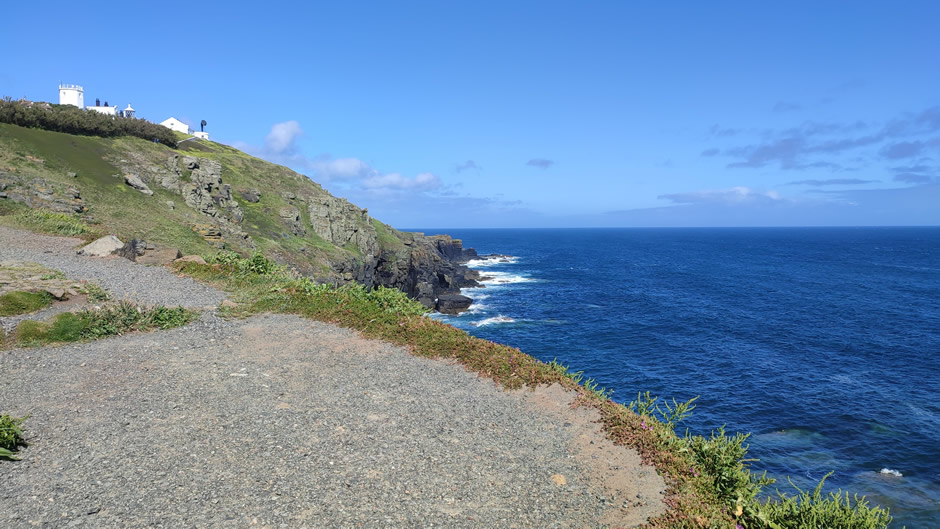
Lizard Point, shown below, is the southernmost point of mainland Britain. It is known for its dramatic coastal scenery and maritime history. The area features rugged cliffs, unique geological formations, and the historic Lizard Lighthouse, which has guided ships through these waters for centuries. Visitors can explore the South West Coast Path, a well-maintained trail offering expansive views of the Atlantic Ocean and opportunities to spot local wildlife. Nearby coves, such as Kynance Cove, provide striking landscapes with turquoise waters and serpentine rock formations, making the point a popular destination for walkers and nature enthusiasts.
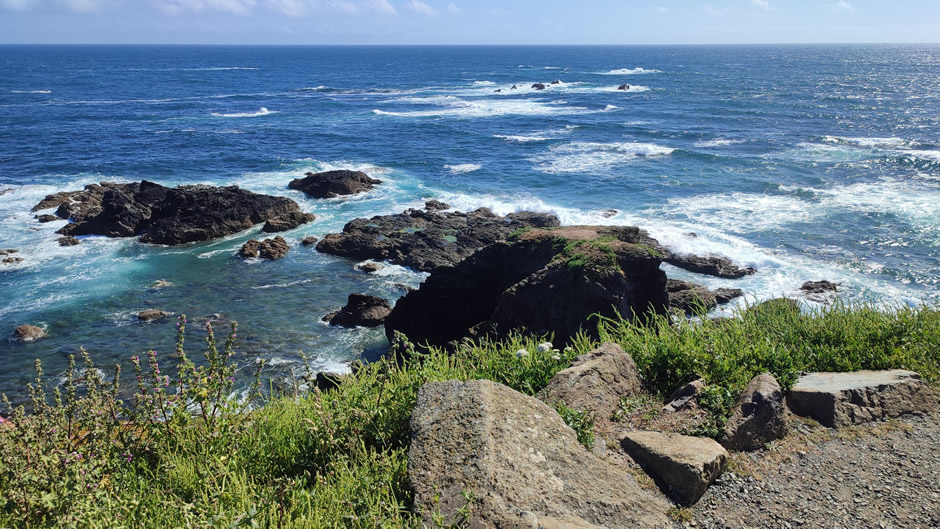
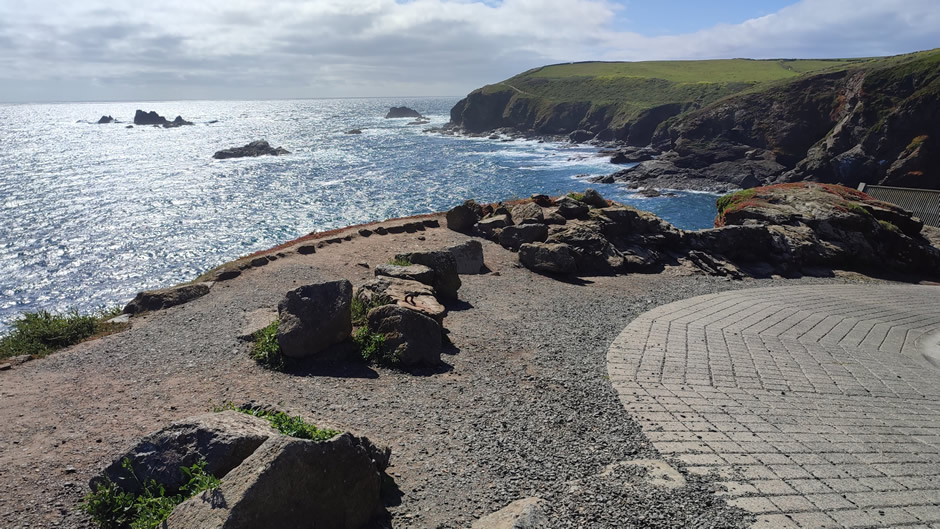
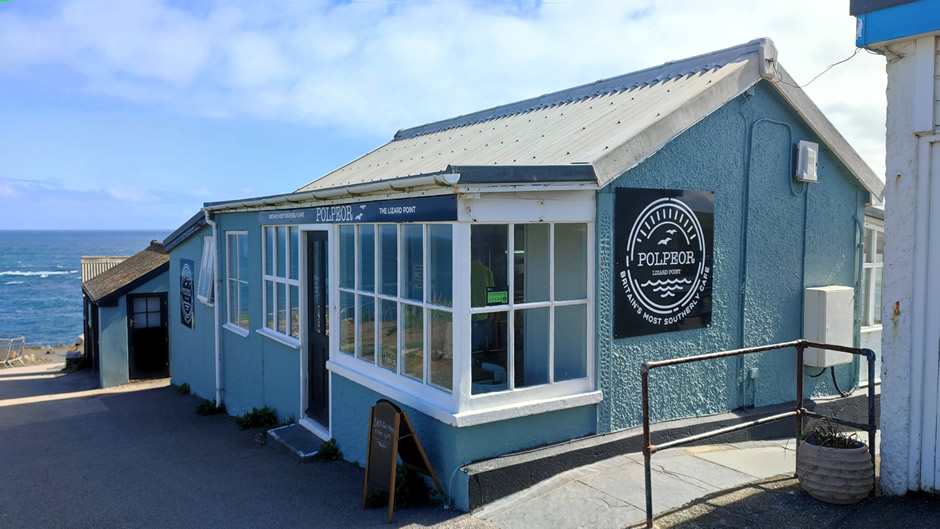
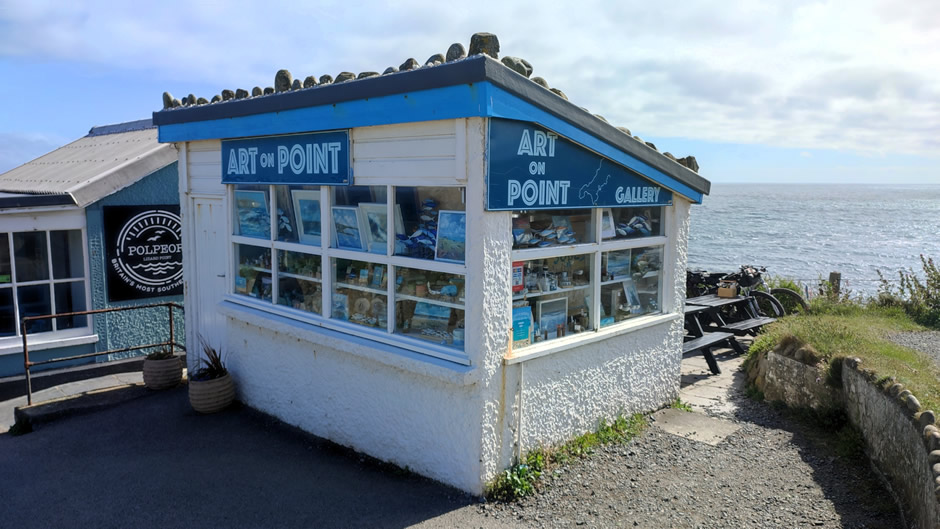
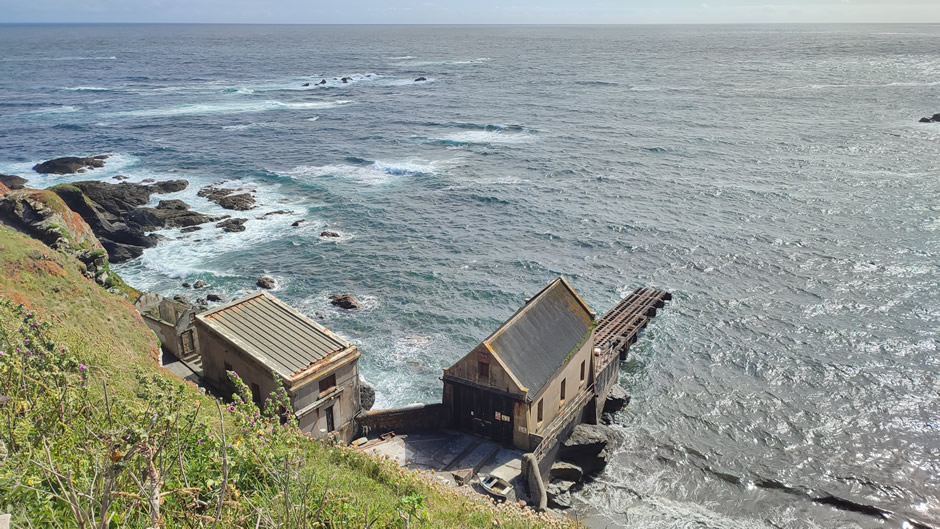
Note: Lizard Point was visited again on this trip to Cornwall on a day of strong winds, to see how it contrasted with the calmer scenes seen above. Photos shown at the end of Day 7.
Day 3 concluded with a drive to Mullion Cove and then Poldhu, both located on the western side of the Lizard Peninsula.
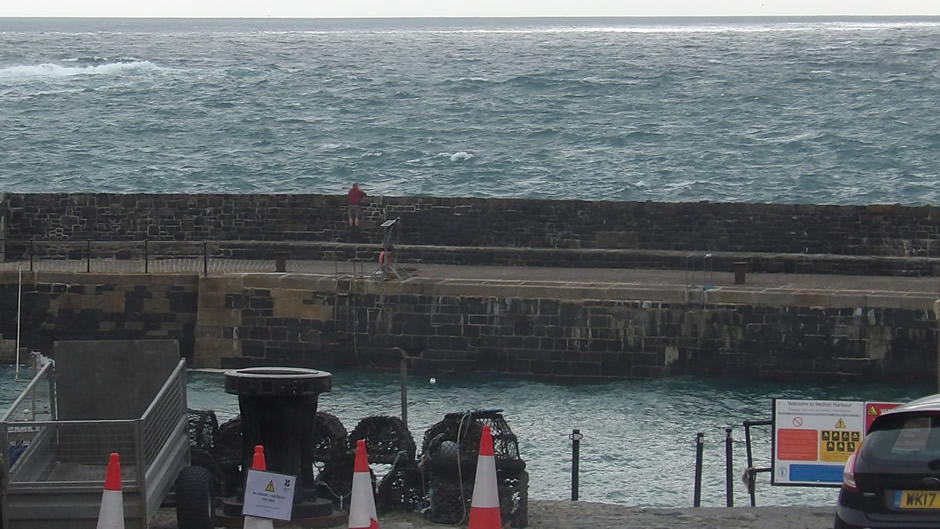
Mullion Cove (below) is a historic harbour managed by the National Trust, featuring stone piers and a small fishing fleet. The site faces ongoing problems from powerful Atlantic storms, which frequently damage the harbour walls and require continual repair and conservation efforts.
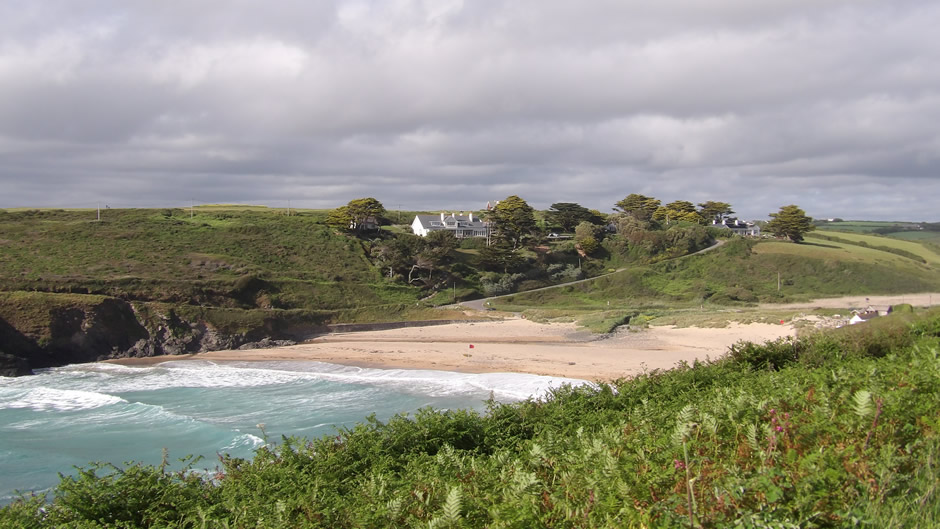
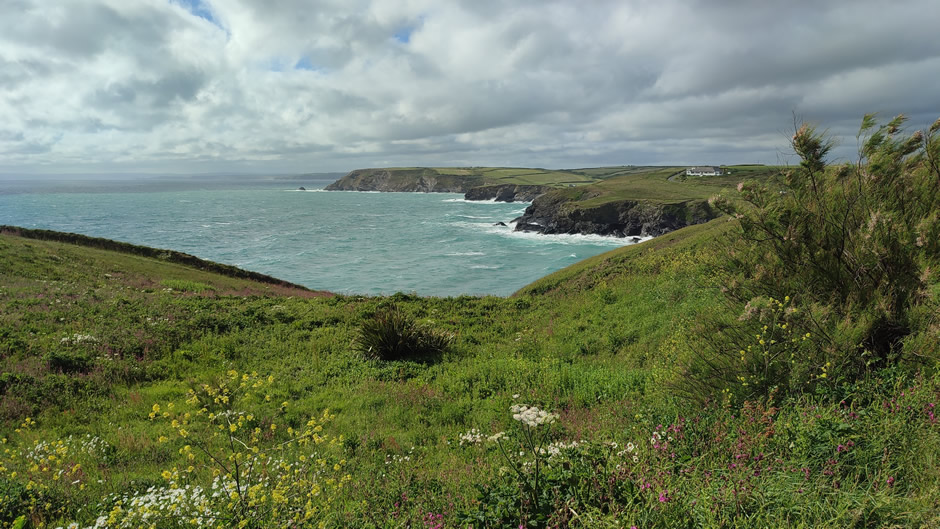
Poldhu features a wide sandy beach and is historically significant as the site of Marconi Place, where Guglielmo Marconi carried out pioneering wireless radio transmissions.
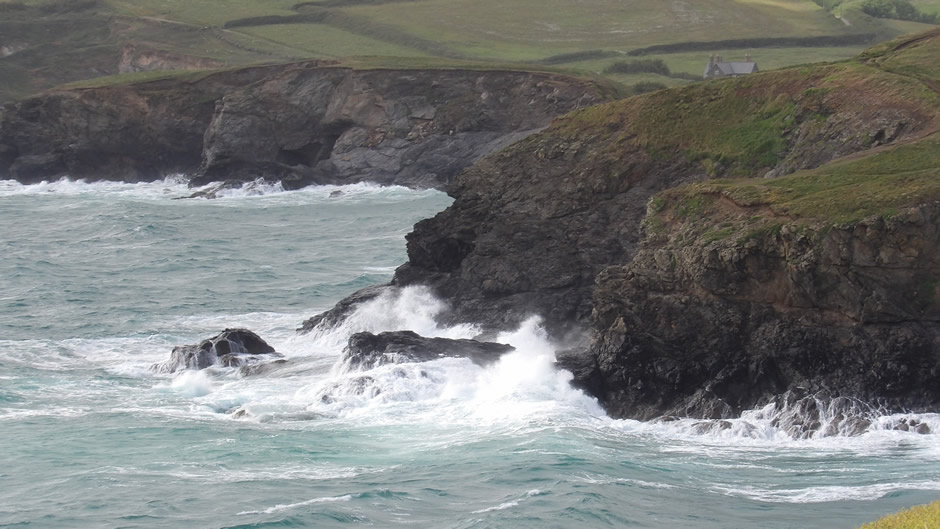
Day 4: A Drive around Southwest Cornwall
With windy and variable weather, the day was spent mostly driving around some of the southwest of the county. Stops along the way included the following:
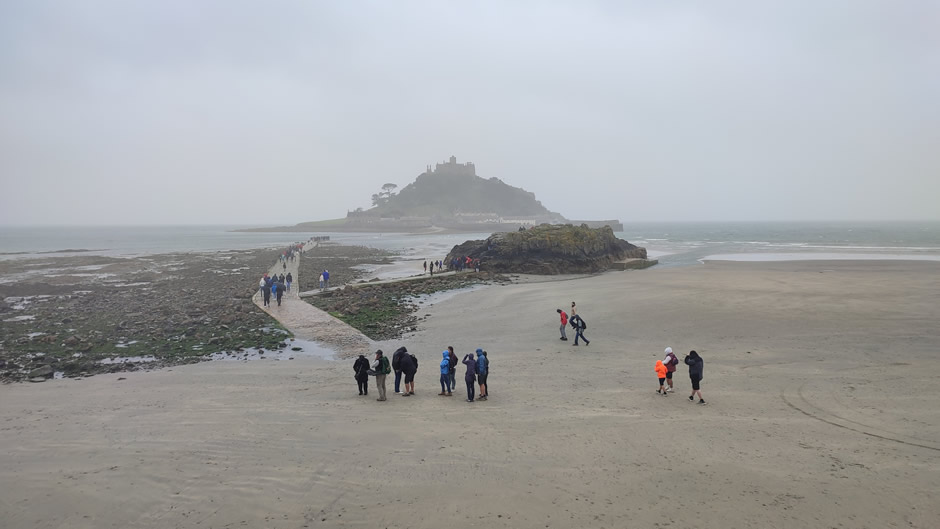
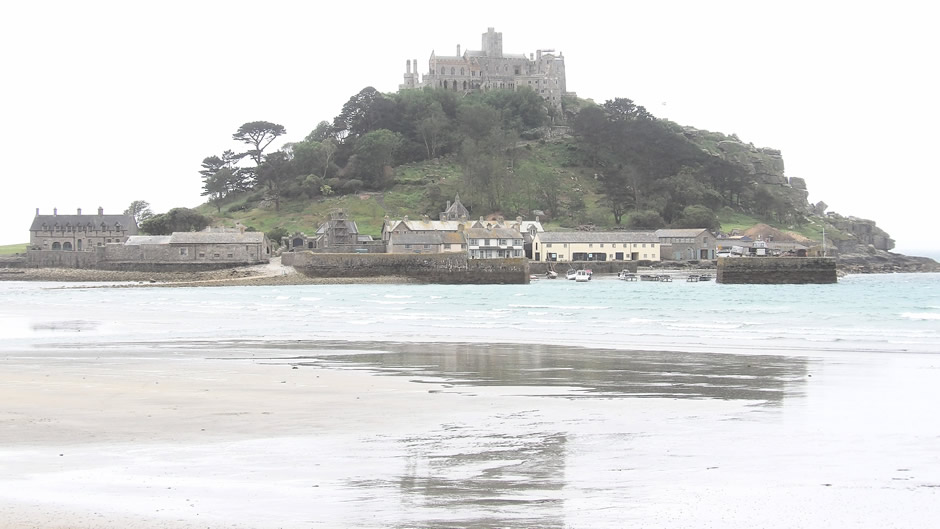
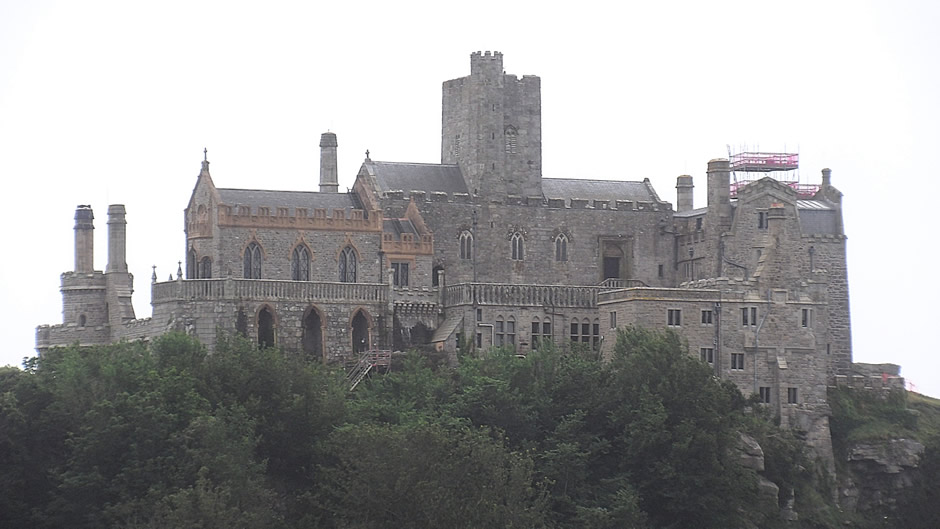
St Michael's Mount
St Michael’s Mount, shown below, is a small
tidal island off the coast of Cornwall, crowned by a medieval castle and
church that rise dramatically above the sea. Its origins date back to at
least the 12th century, when it was granted to the Benedictine monks of
Mont-Saint-Michel in Normandy, reflecting strong cross-Channel religious
connections after the Norman Conquest. The mount’s location made it both
a spiritual retreat and a strategic site, later fortified and adapted as
a residence by noble families. Accessible by a causeway at low tide, it
has long captured attention for its blend of natural beauty and layered
history, symbolising the interplay between legend, religion, and
defensive necessity in coastal Britain.
For reasons of tide and weather, on this visit, a crossing by foot
wasn’t made (although the author had done this on a previous visit).
Mousehole AFC
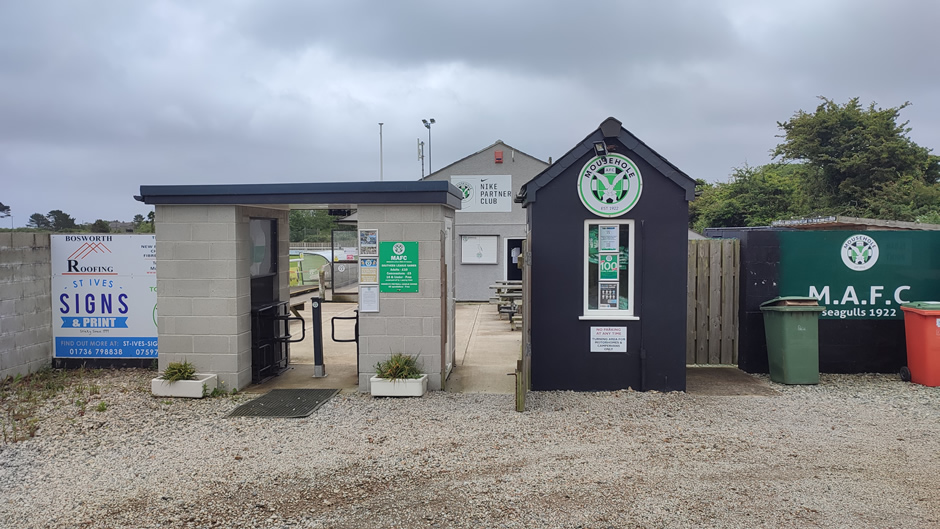
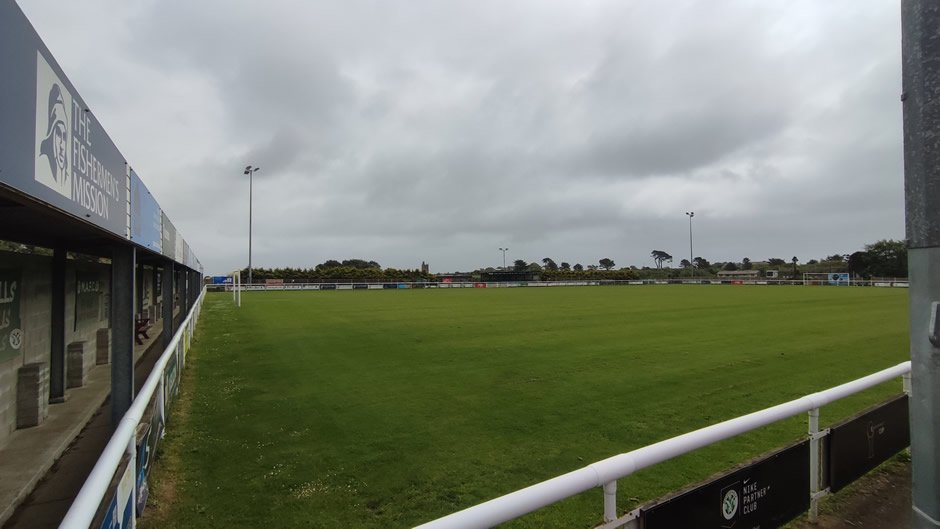
Perhaps a more random stop for some, a quick visit was made to look at Mousehole AFC’s football ground shown below). Mousehole AFC is a community football club often regarded as the most south-westerly senior football club in the country. Originally founded in 1922, it plays at Trungle Parc, where recent improvements have included the construction of a new access road to the ground. This development gained wider attention due to support linked to the Duchy of Cornwall, with Prince William, as Duke of Cornwall, associated with land and initiatives in the area. The club remains closely tied to its local identity, reflecting the character and heritage of the far west of Cornwall.
St Ives
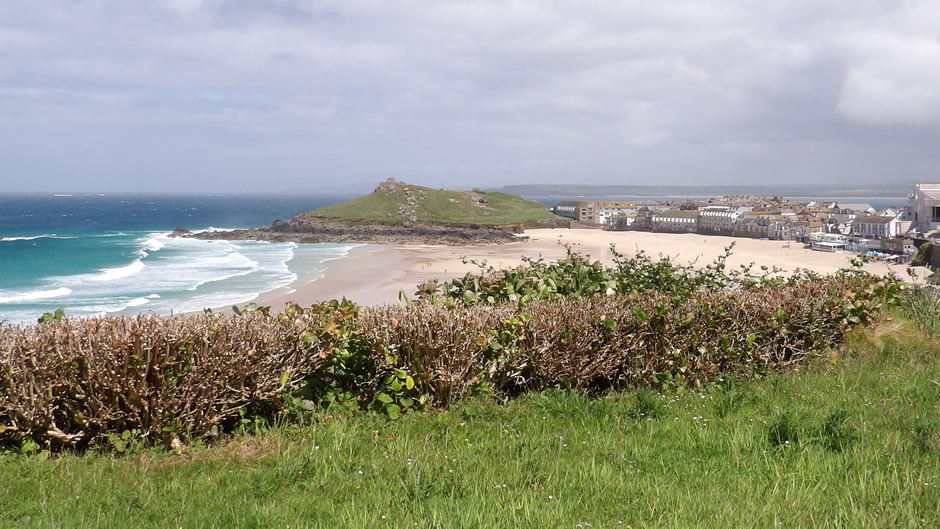
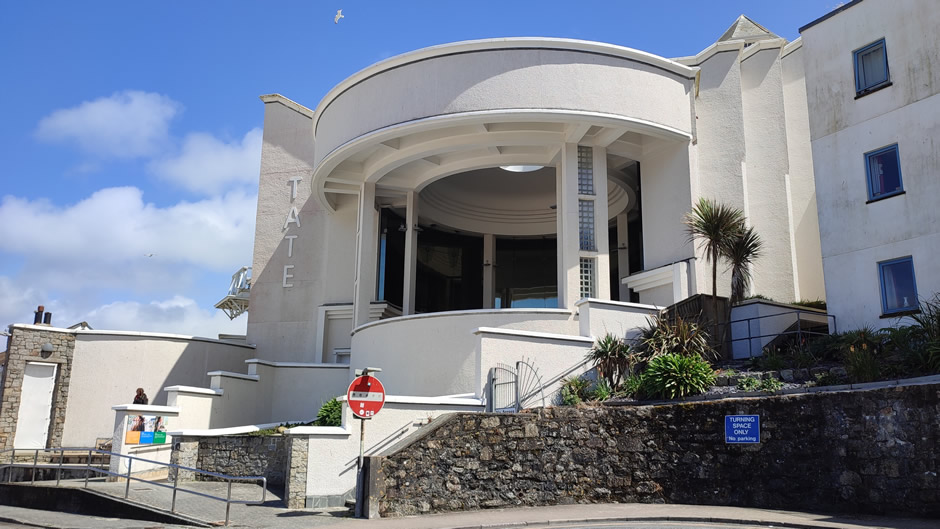
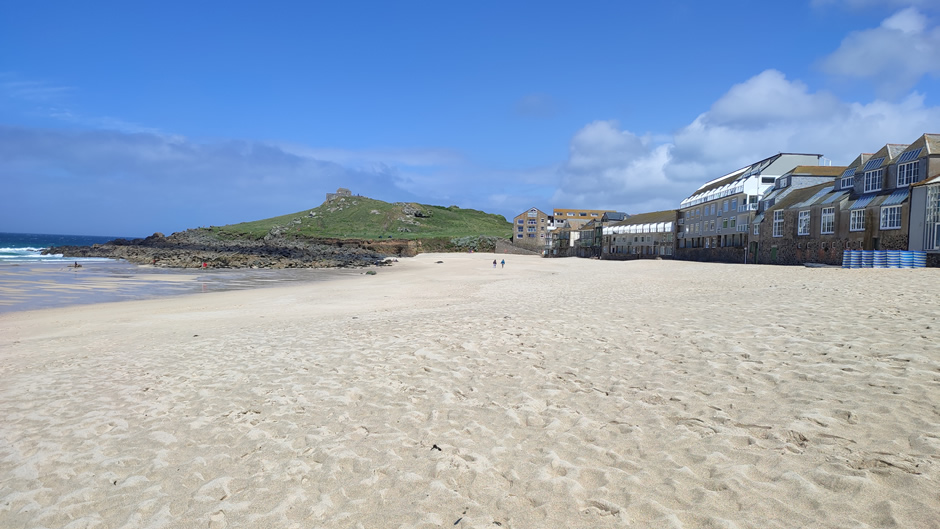
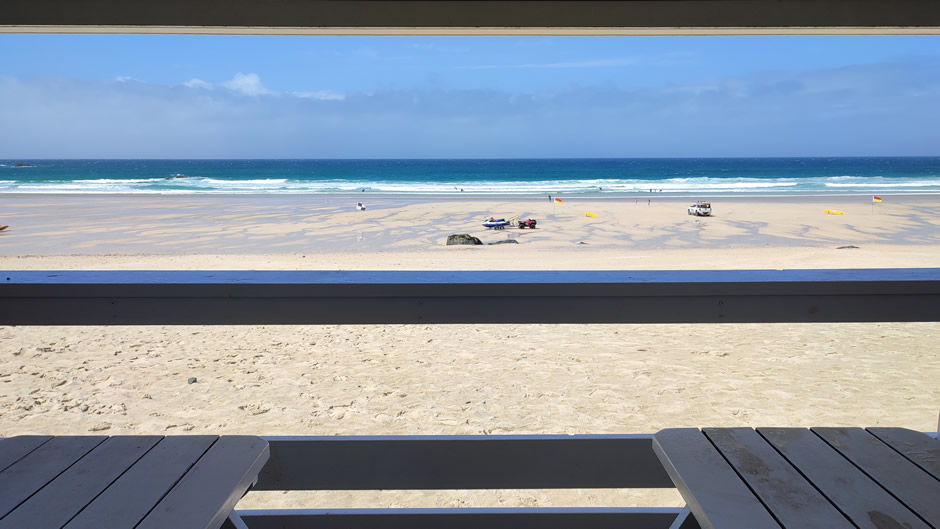
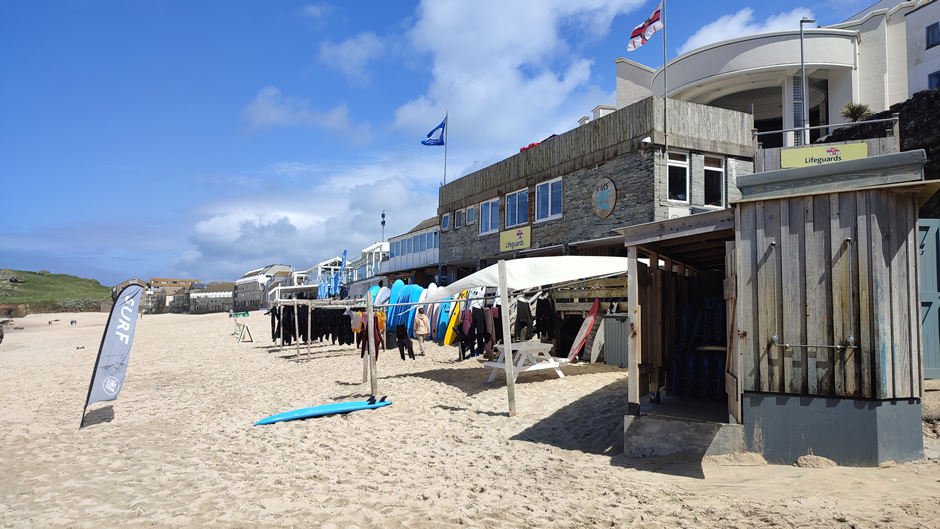
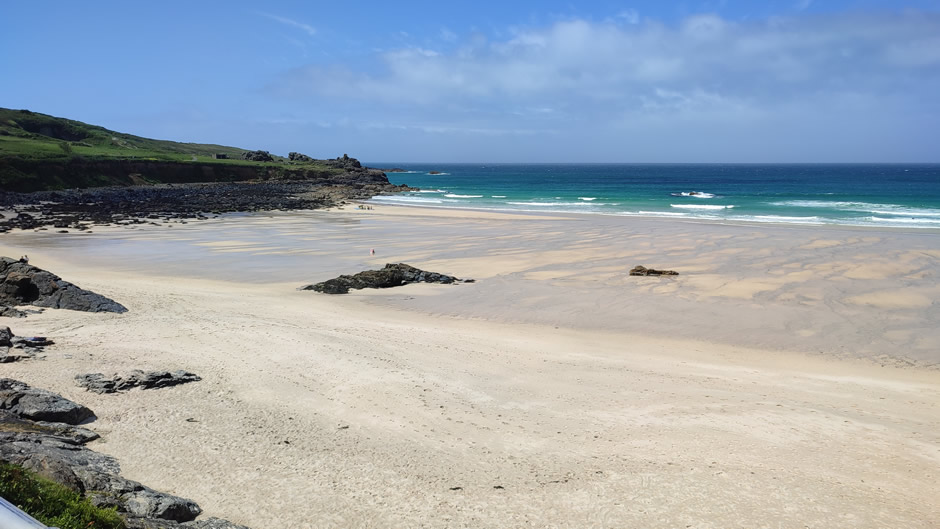
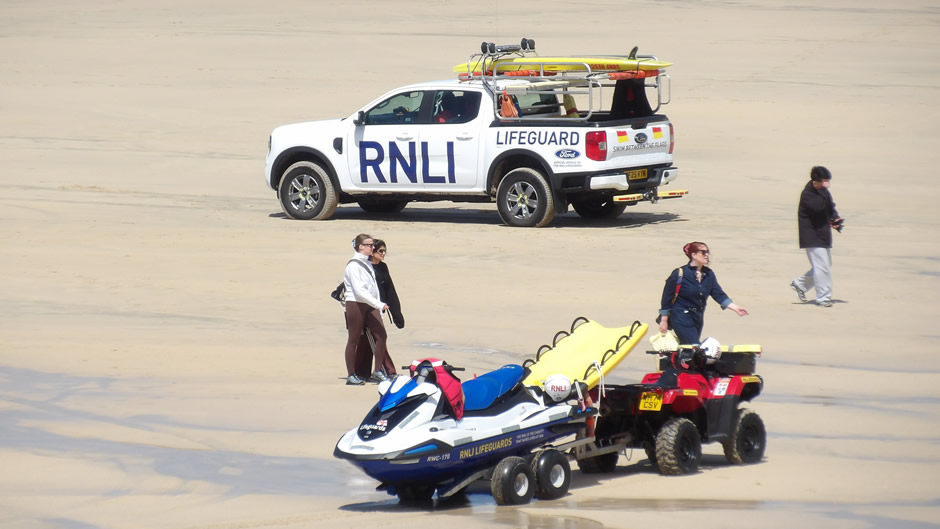
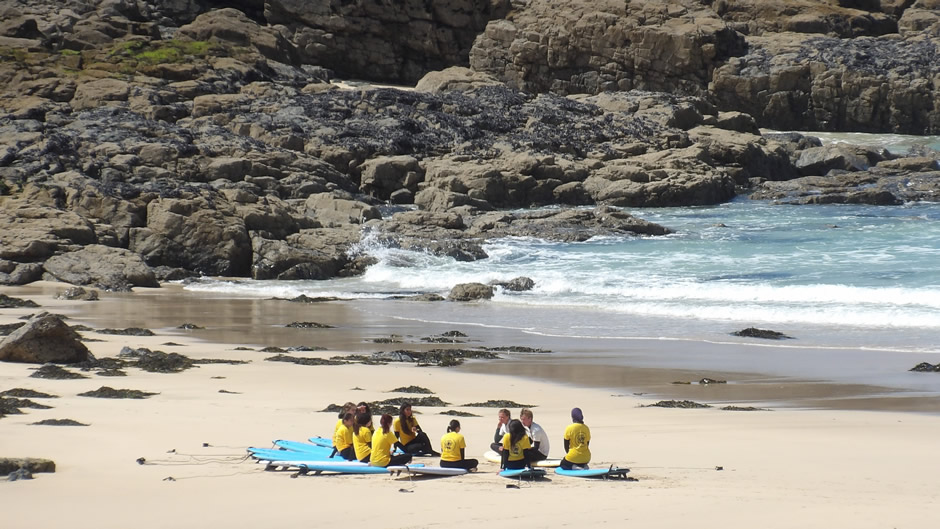
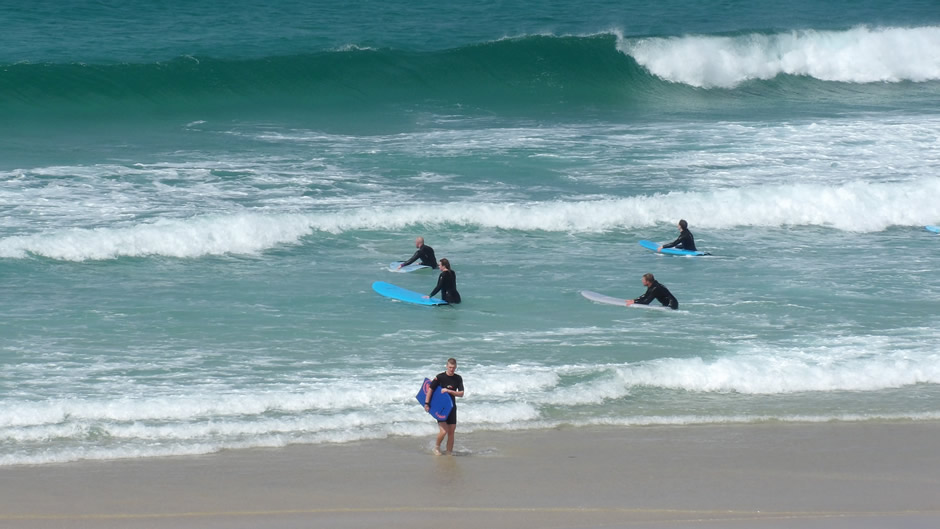
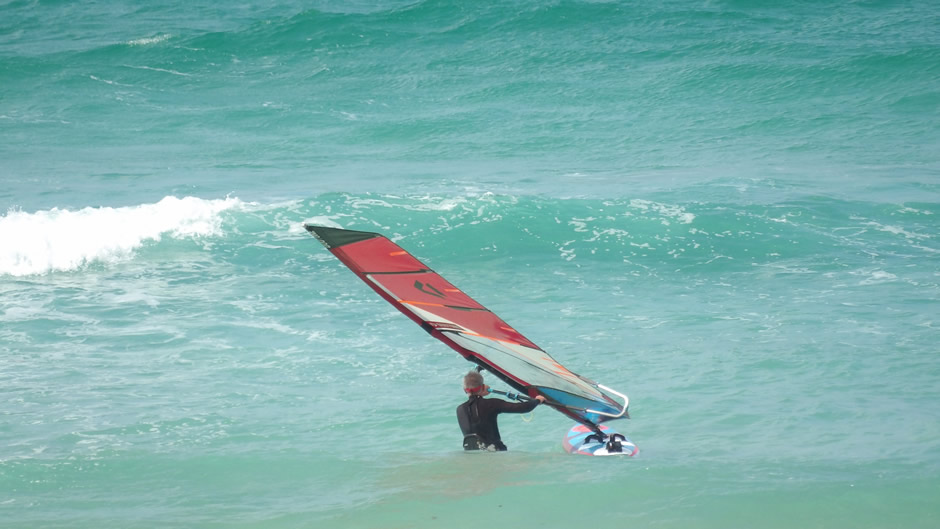
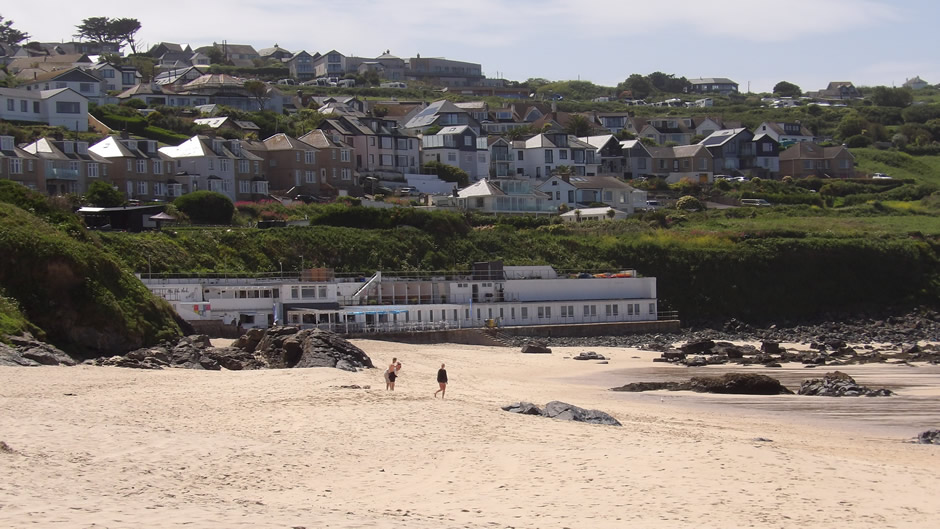
St Ives (Porthmeor Beach side shown below) is a coastal town in Cornwall known for its sandy beaches, artistic heritage, and strong connection to the sea. It has become a popular destination for surfing, with beaches such as Porthmeor offering consistent Atlantic waves that attract both beginners and experienced surfers. The town is also home to the Tate St Ives gallery, which showcases modern and contemporary art inspired by the area’s unique light and landscape. Other attractions in the town include the Barbara Hepworth Museum and Sculpture Garden, St Nicholas Chapel (a small historic chapel set on a promontory overlooking the harbour), St Leonard’s Chapel (a tiny medieval fishermen’s chapel), the beaches of Porthminster and Porthgwidden, and the historic harbour lined with galleries, shops, and traditional fishing boats. With its mix of cultural attractions and outdoor activities, St Ives remains a distinctive part of Cornwall’s identity.
Cape Cornwall
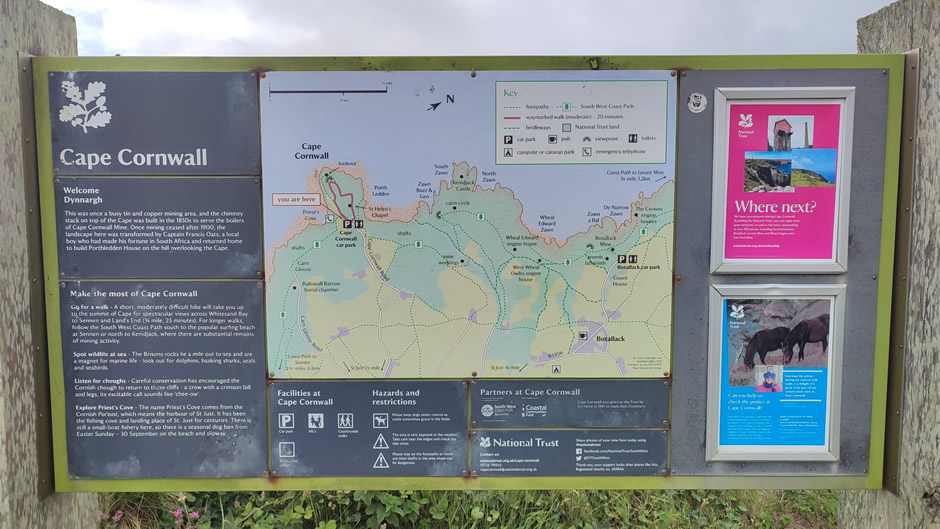
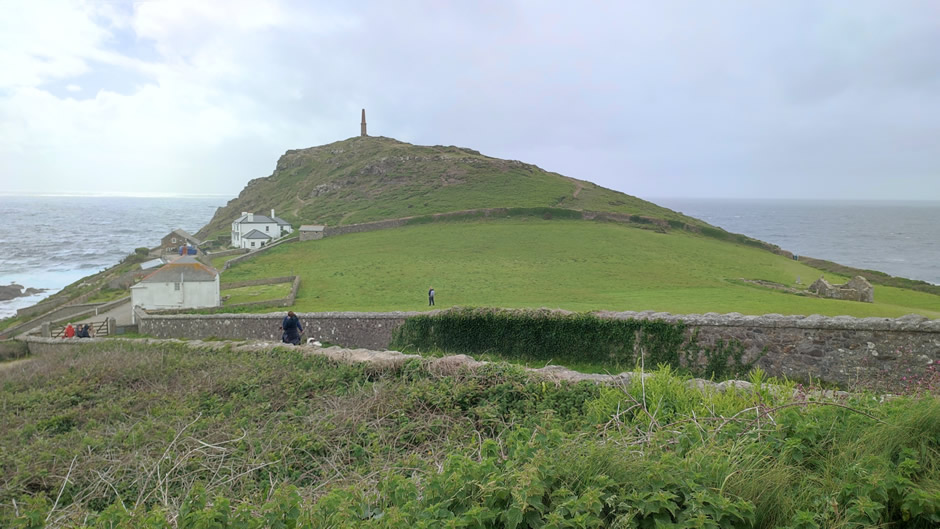
Cape Cornwall, shown below, is a striking headland near St Just in Cornwall, known for its dramatic cliffs and panoramic views across the Atlantic Ocean. Before the Ordnance Survey established nearby Land’s End as mainland England’s westernmost point, Cape Cornwall was widely regarded as the country's western extremity. The area also reflects Cornwall’s rich industrial heritage, with the prominent chimney of the former Cape Cornwall Mine standing as a reminder of the region’s historic tin-mining industry. Today, the site is valued for its coastal scenery, geological interest, and connections to Cornwall’s maritime and mining past.
Praa Sands
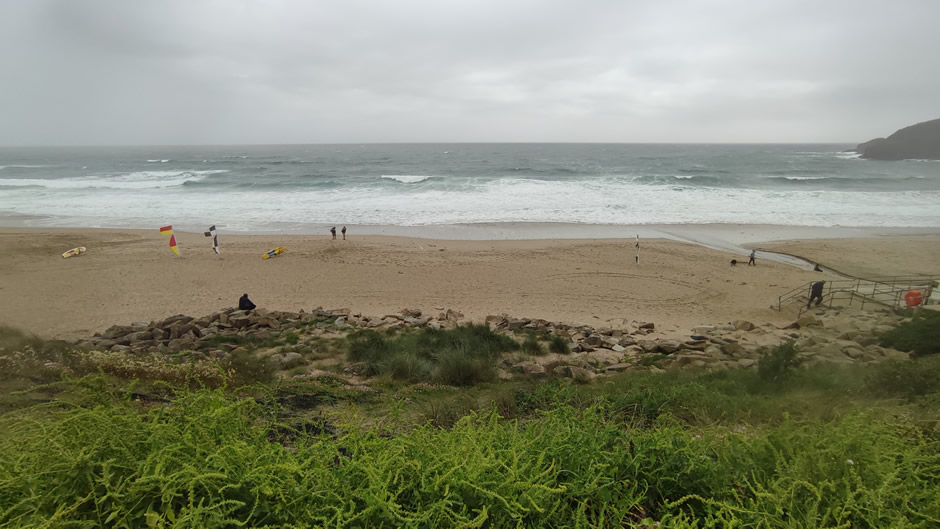
Praa Sands (shown below not in the best of weather conditions) is a popular coastal destination on Cornwall’s south coast, renowned for its long stretch of golden sand and clear waters. Sheltered by Mount’s Bay, the beach attracts visitors throughout the year for swimming, surfing, and seaside walks. The area takes its name from the Cornish word *prâ*, meaning meadow, reflecting the landscape that surrounds the shoreline. With its expansive views across the bay and easy access to the South West Coast Path, Praa Sands combines natural beauty with opportunities for outdoor recreation, making it one of Cornwall’s most appealing beach locations.
It is worth noting here that the drive didn’t include a stop at Land’s End, the iconic westernmost headland of mainland England, with its 200-foot-high granite cliffs, Atlantic views, and famed as the starting or end point for the journey to/from John o’ Groats in Scotland; not only was the weather poor, but the author of this webpage has visited a couple of times previously.
Falmouth
Falmouth is a historic port town on the south coast of Cornwall, situated along the River Fal and known for its strong maritime heritage. Established in the early 17th century and later developed as a Royal Mail packet station, the town grew into an important hub for shipping, communication, and naval activity. Its natural harbour is one of the largest in the United Kingdom, contributing to its long-standing role in trade and defence.
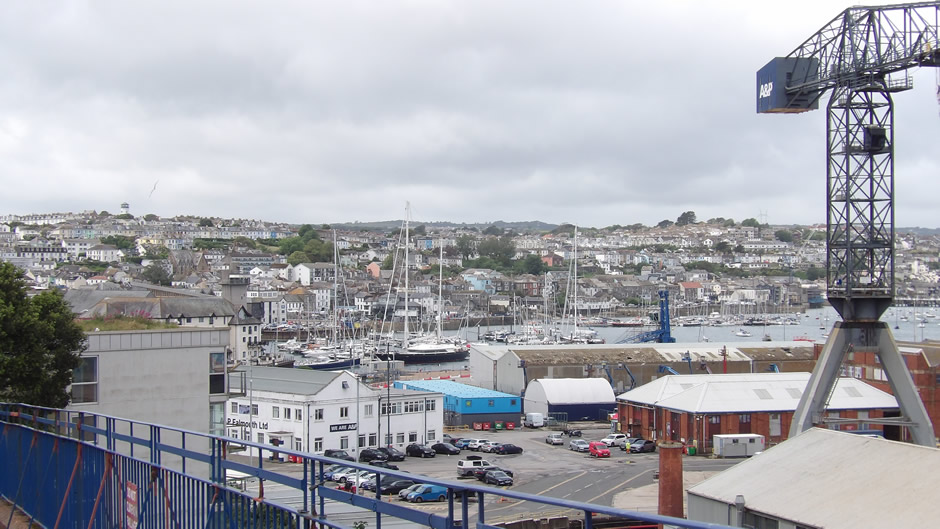
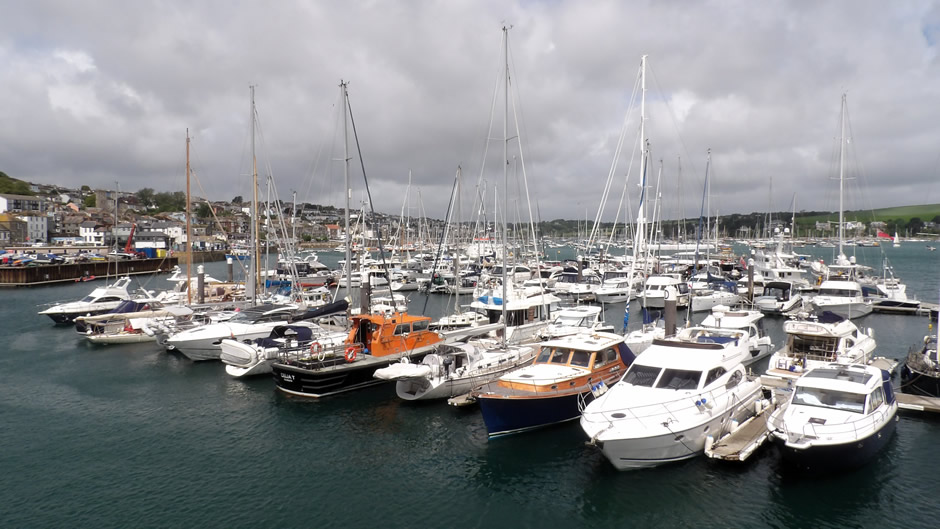
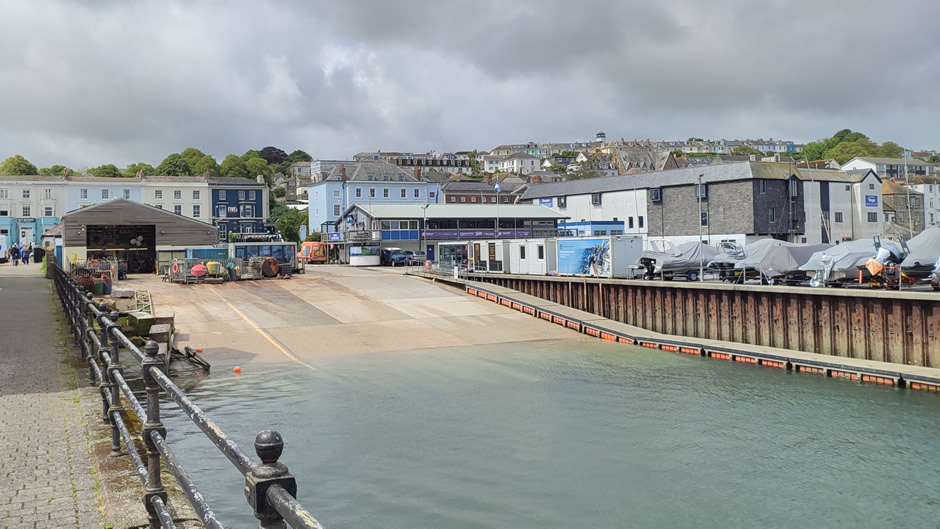
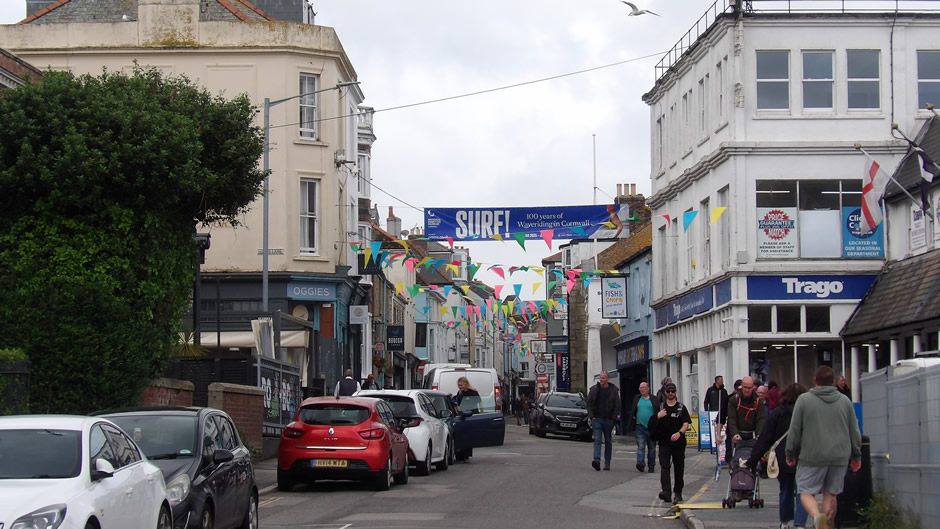
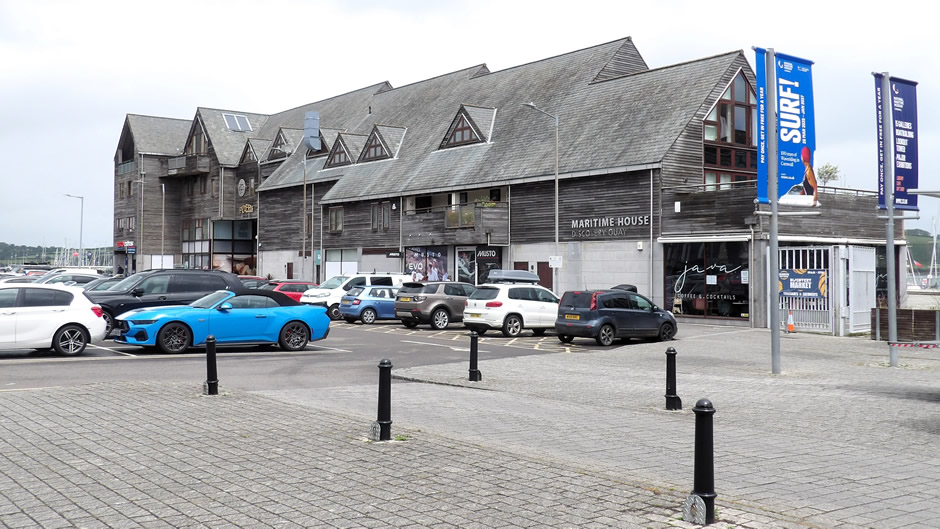
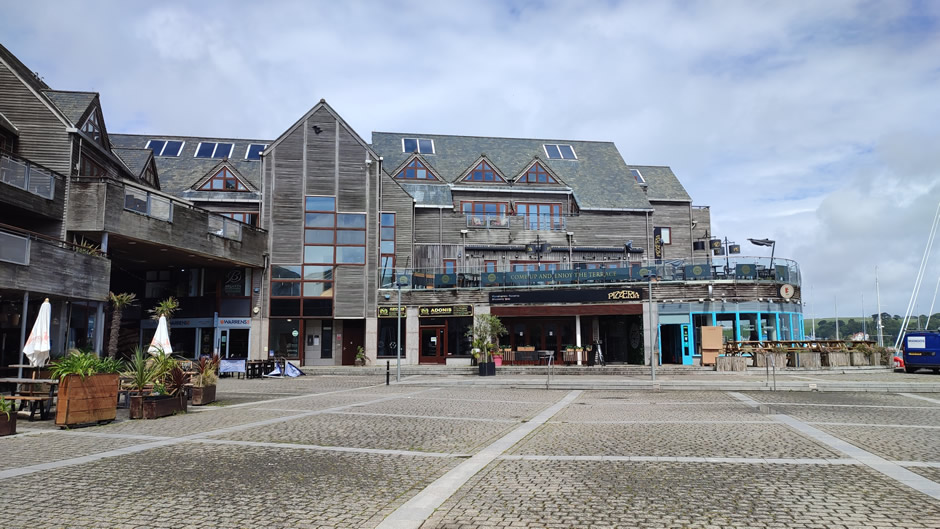
An ideal place to stop for visitors, Discovery Quay (shown below) is a modern waterfront district in Falmouth that combines leisure, culture, and events within a central open-air space. Often referred to as Events Square, it serves as a focal point for major local festivals, including seasonal celebrations and maritime gatherings. The area features a mix of shops, cafés, and restaurants, creating a lively environment that connects visitors directly with the town’s coastal setting.
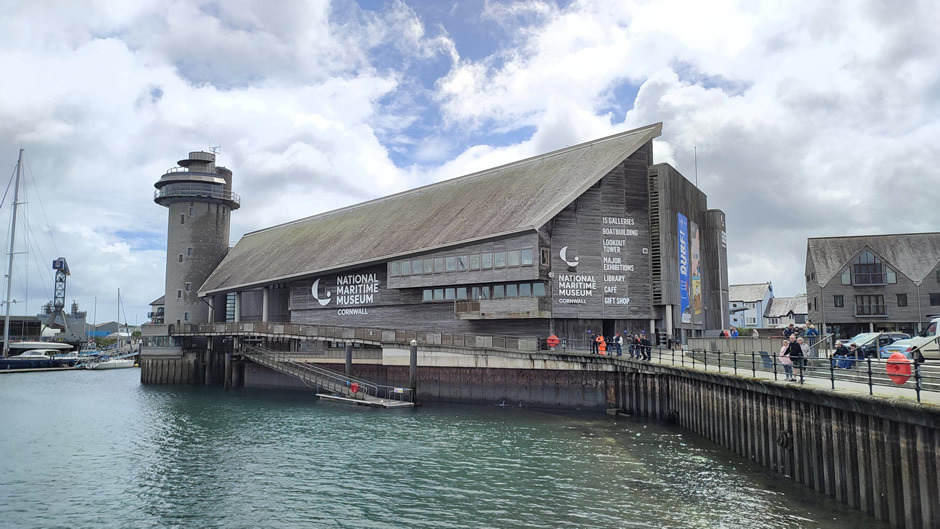
The National Maritime Museum Cornwall (below) is a major cultural attraction located at Discovery Quay, offering extensive exhibitions across multiple floors. Its galleries explore the relationship between people and the sea, covering maritime history, technology, and cultural influence. The museum is designed to be interactive and accessible, with a range of displays and activities that appeal to visitors of all ages.
Just outside the town, Pendennis Point is a prominent headland overlooking the entrance to the Fal estuary, providing strategic views across the coastline. At its tip stands Pendennis Castle, an artillery fort constructed between 1540 and 1542 under the orders of King Henry VIII as part of a national defence programme against potential invasion. The castle played roles in conflicts such as the English Civil War and continued to be adapted for military use through both World Wars before eventually becoming a historic site open to the public.
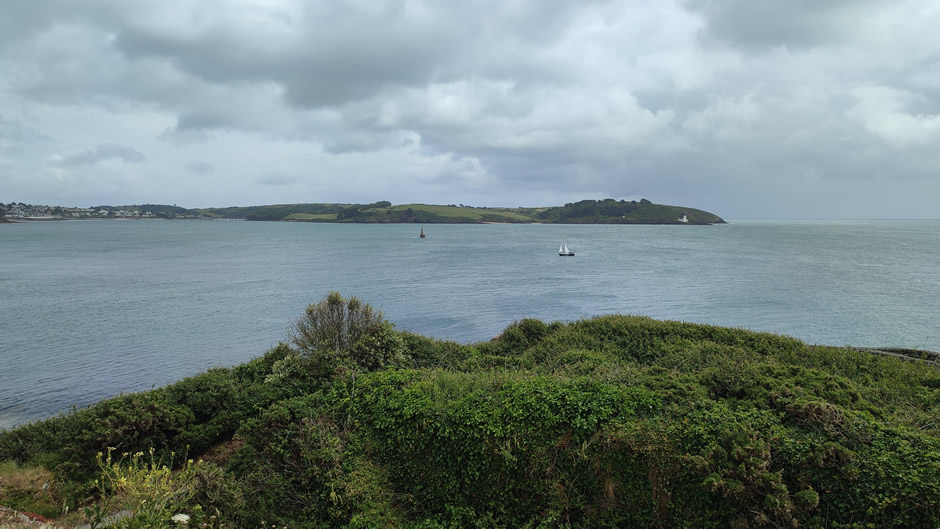
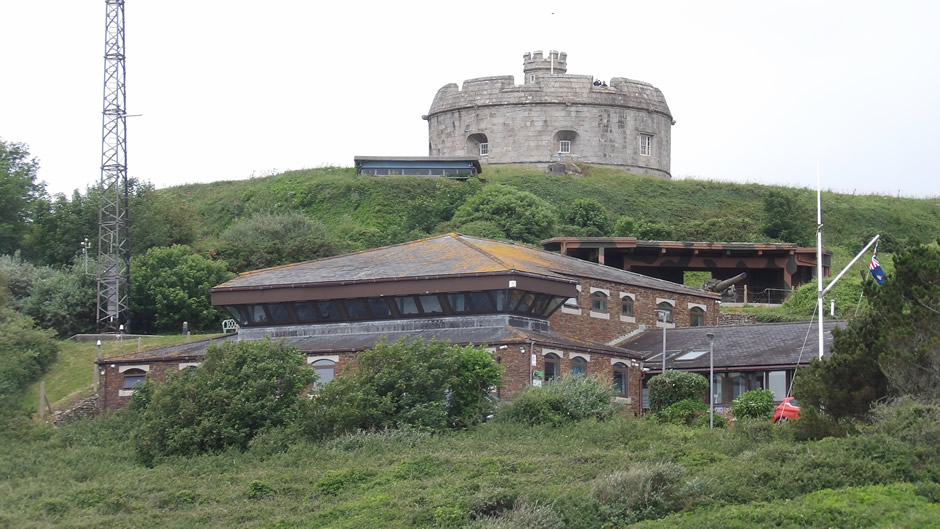
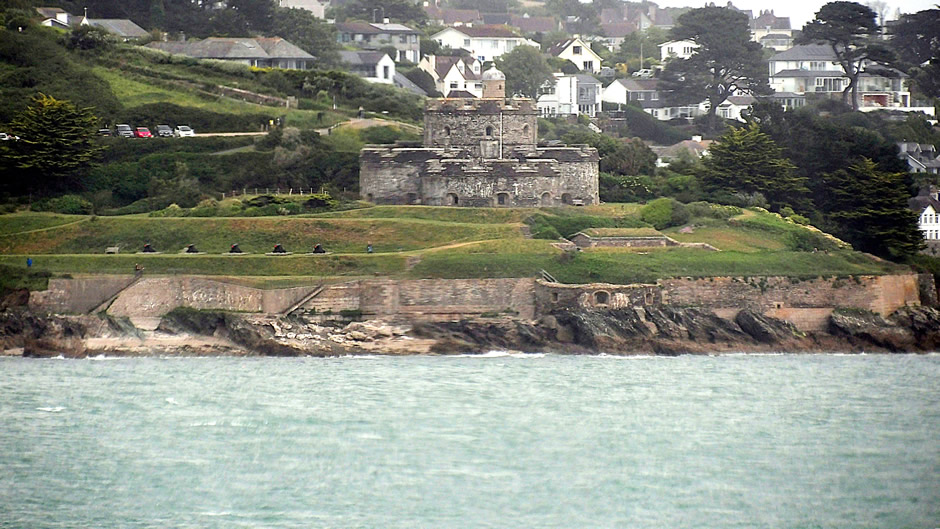
Above: The view from Pendennis Point and Pendennis Castle. Note that the last photo shows a zoom shot of St Mawes Castle, which sits directly across the Fal Estuary from Pendennis Point.
Other points of interest in Falmouth include Falmouth Art Gallery, Arwenack House, Gyllyngvase Beach, Swanpool Beach, Falmouth Docks, and the historic High Street area.
King Harry Ferry
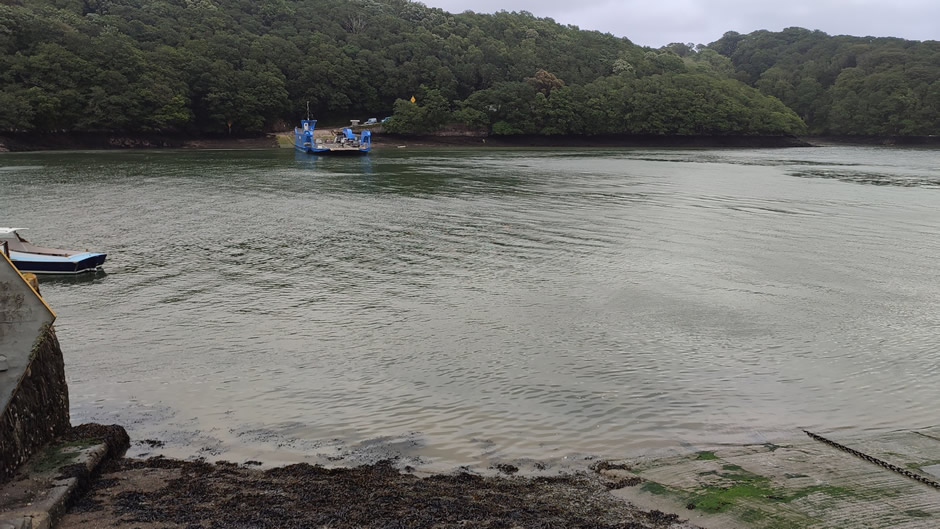
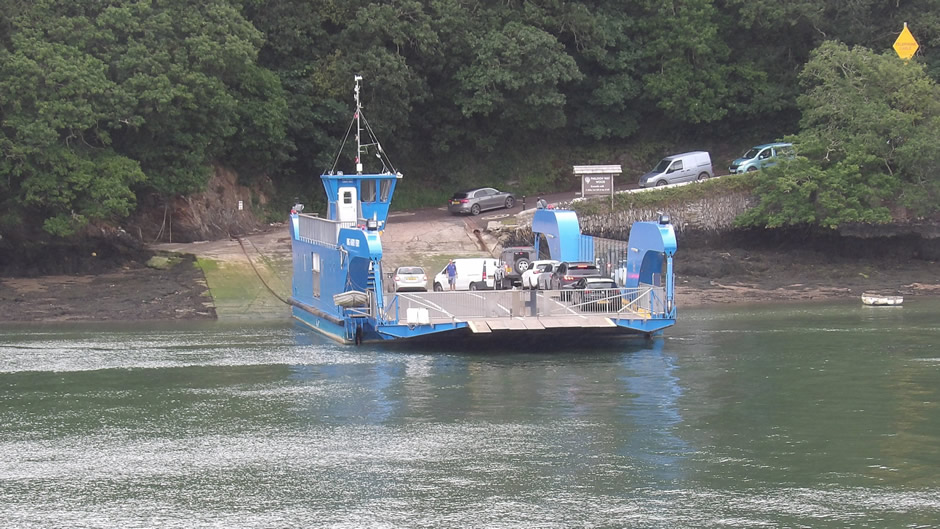
Taking a detour between Falmouth and the next main stop at Truro, the King Harry Ferry (below) operates across the River Fal in Cornwall, linking Trelissick near Feock with Philleigh on the Roseland Peninsula. Established in 1888, it is one of the few remaining chain ferries in the United Kingdom, using a system of submerged chains to guide vessels across the water. The crossing provides an important transport link as well as a scenic route through an Area of Outstanding Natural Beauty.
Truro
Truro is the administrative centre of Cornwall and the county’s only city, located at the head of the Truro River. It developed as a market and trading hub during the medieval period and later expanded through the tin mining industry. Today, it functions as a centre for commerce, governance, and retail, with a compact layout that reflects its historic origins.
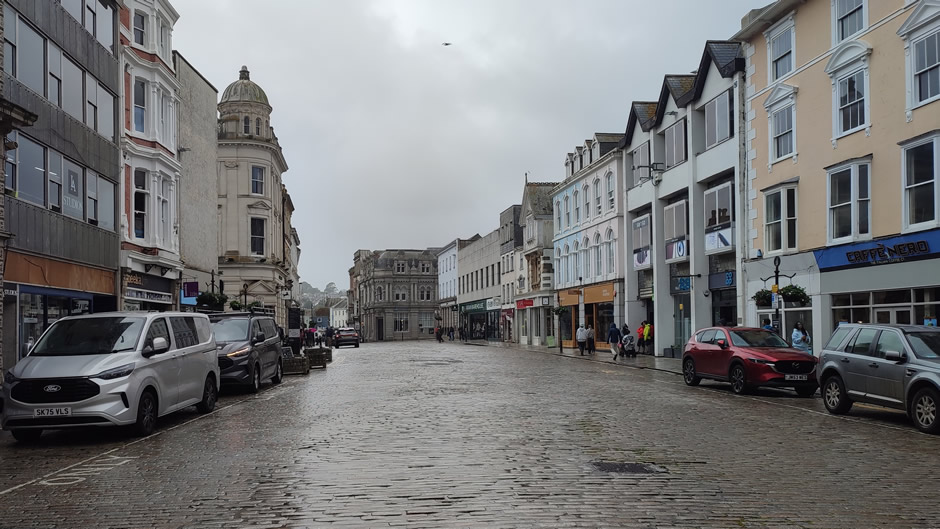
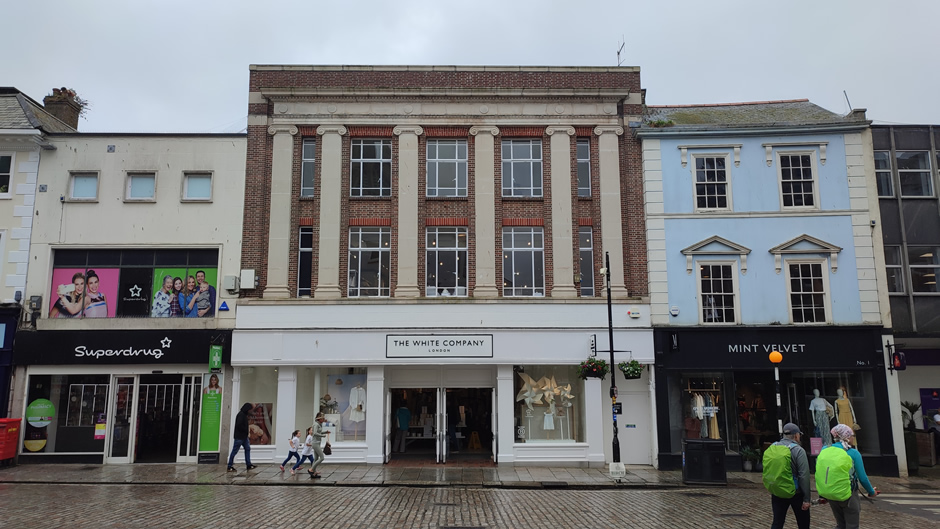
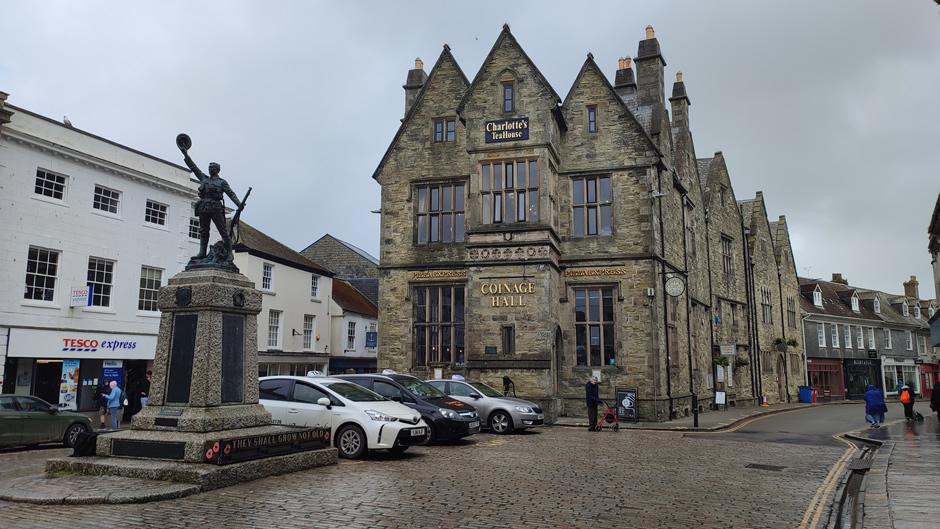
Last Photo Above: The Truro War Memorial commemorates those lost in the World Wars, while the Coinage Hall reflects the city’s historical role in the assaying and taxation of tin.
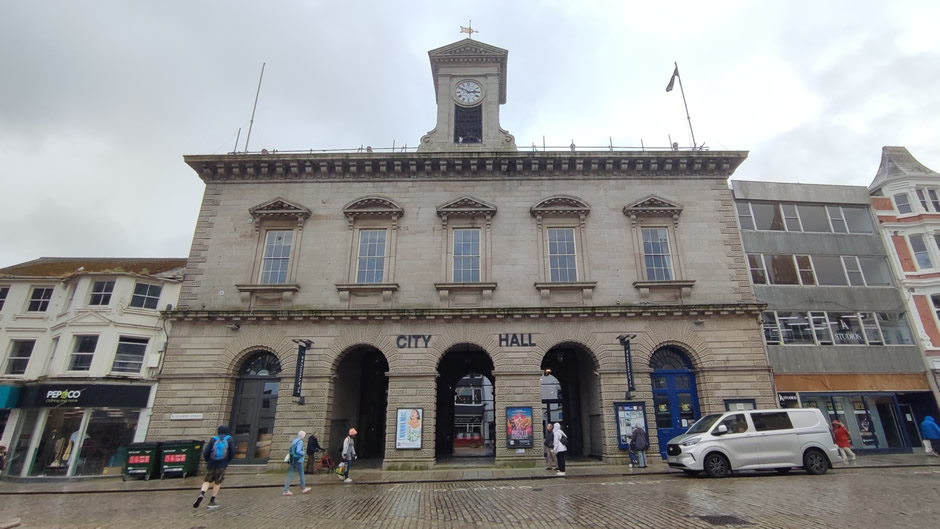
Above: City Hall in Truro is a civic building used for administrative functions (Truro City Council) and public events within the city centre.
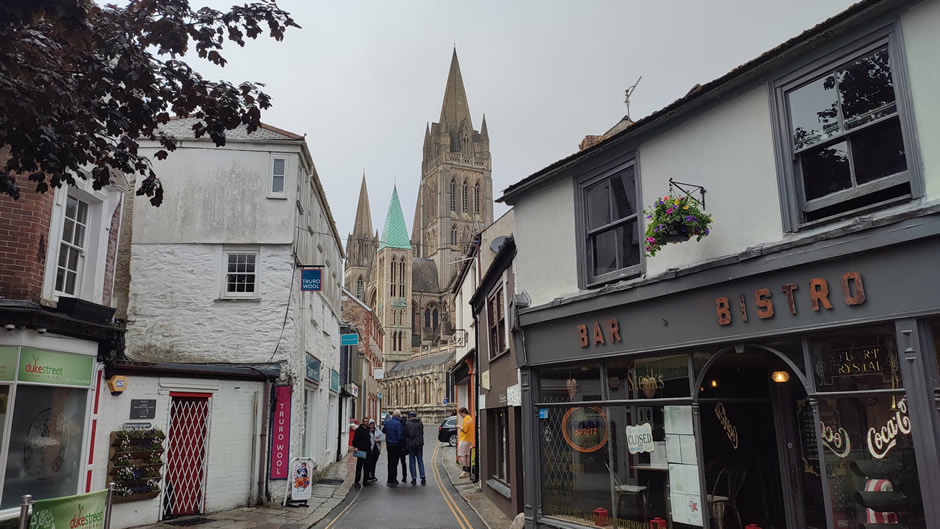
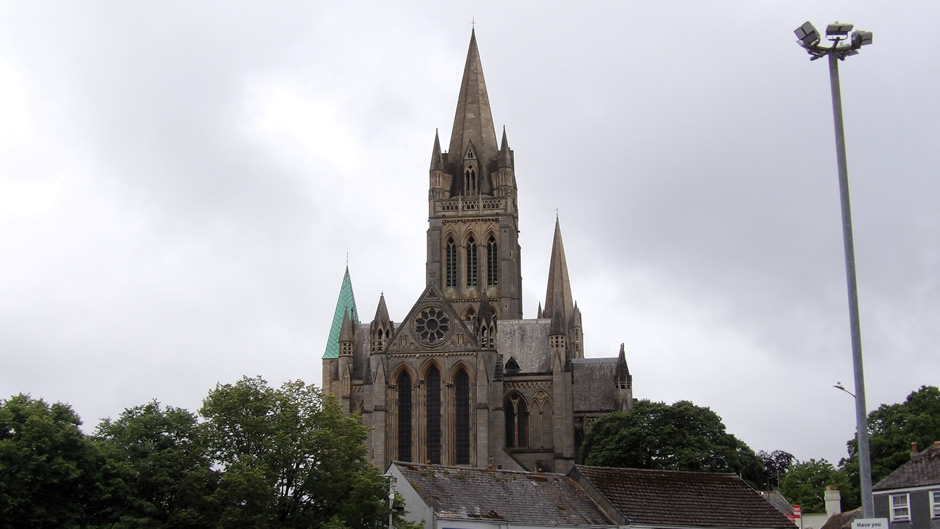
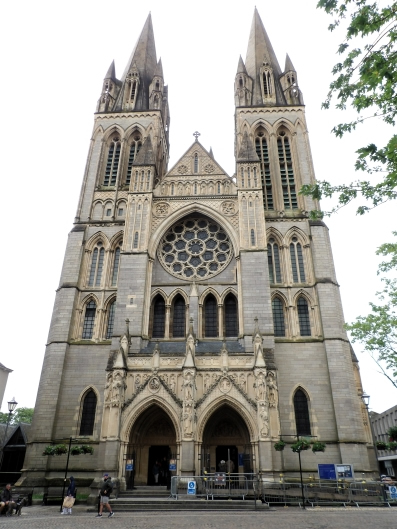
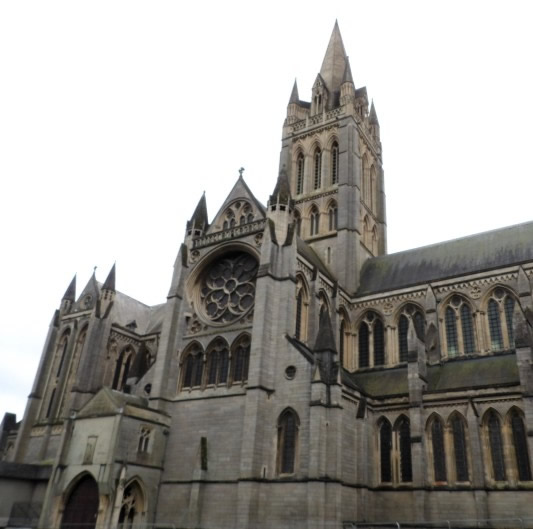
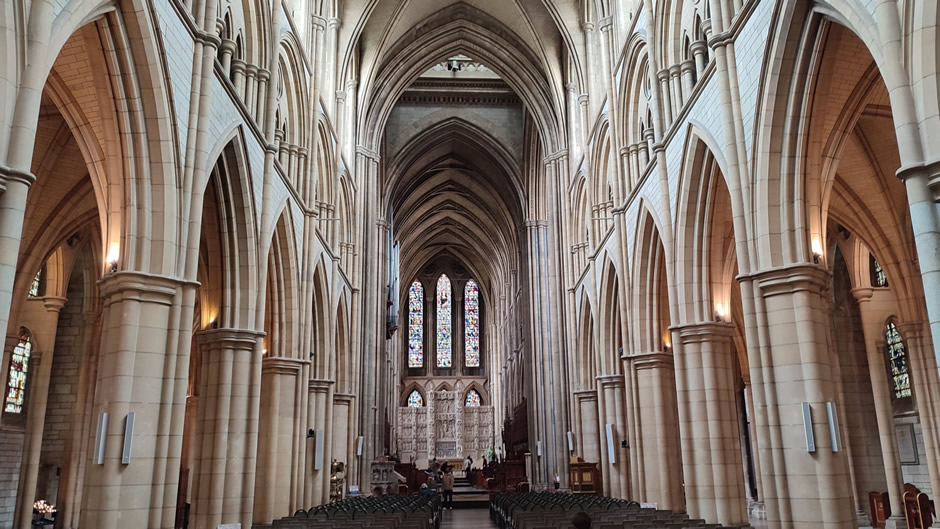
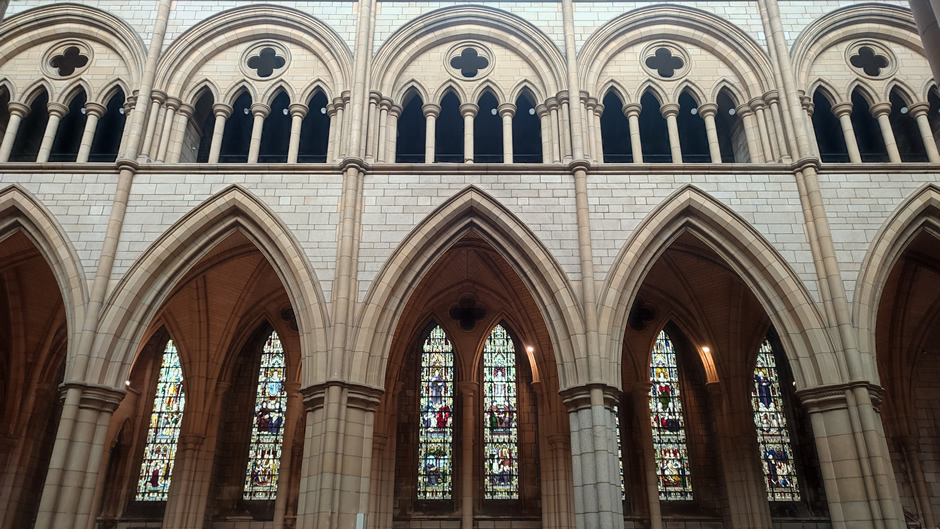
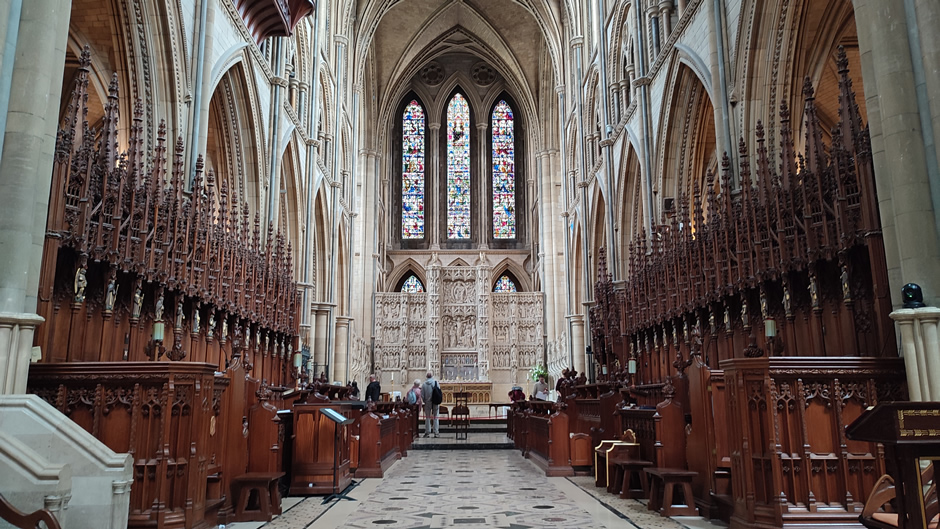
Truro Cathedral (shown below) is a prominent Gothic Revival structure constructed between 1880 and 1910, notable for its three spires and distinctive architectural style. Designed by John Loughborough Pearson, it stands on the site of the former parish church of St Mary and incorporates elements of earlier buildings within its design. The nave’s subtle misalignment reflects the medieval idea of human imperfection set against divine truth, while also echoing the traditional symbolism of Christ’s head gently tilting on the cross. Truro cathedral serves as both a place of worship and a key landmark within the city.
 |
 |
Other points of interest in Truro include the Royal Cornwall Museum, Victoria Gardens, Lemon Street, Boscawen Park, and the Hall for Cornwall theatre.
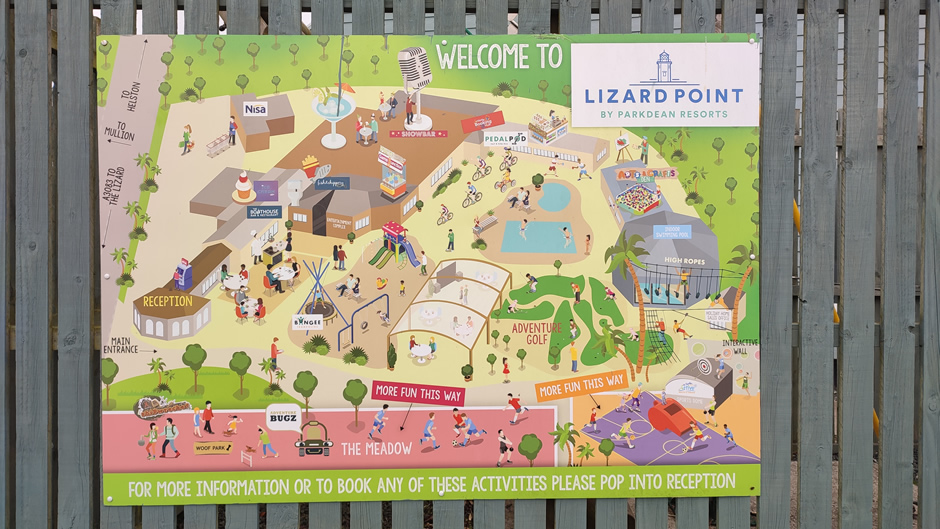
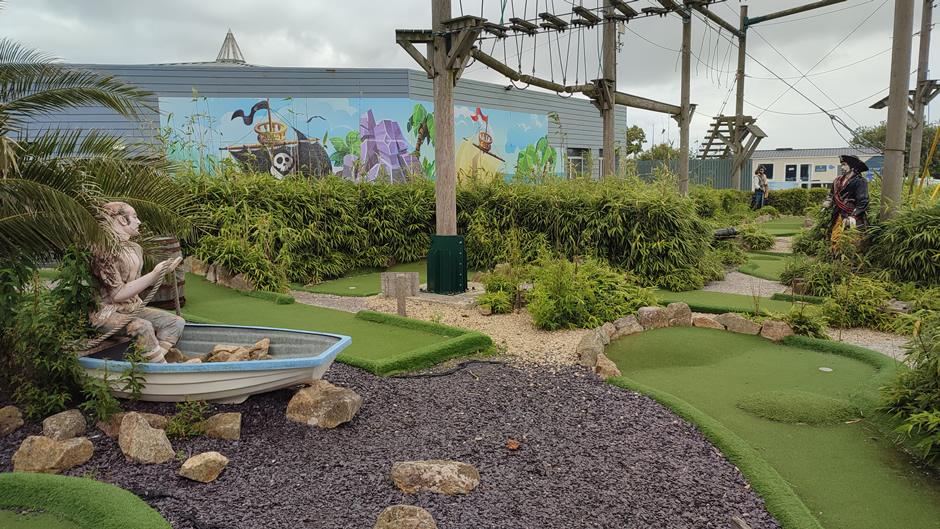
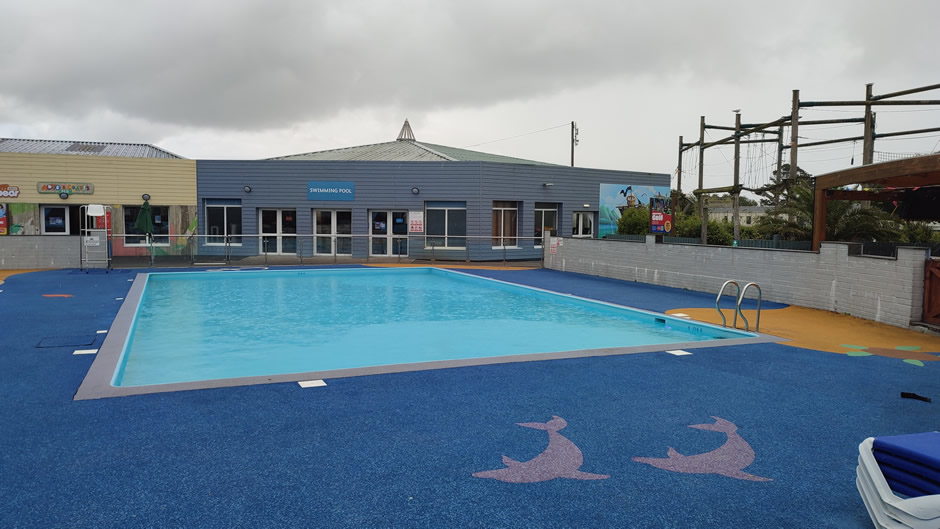
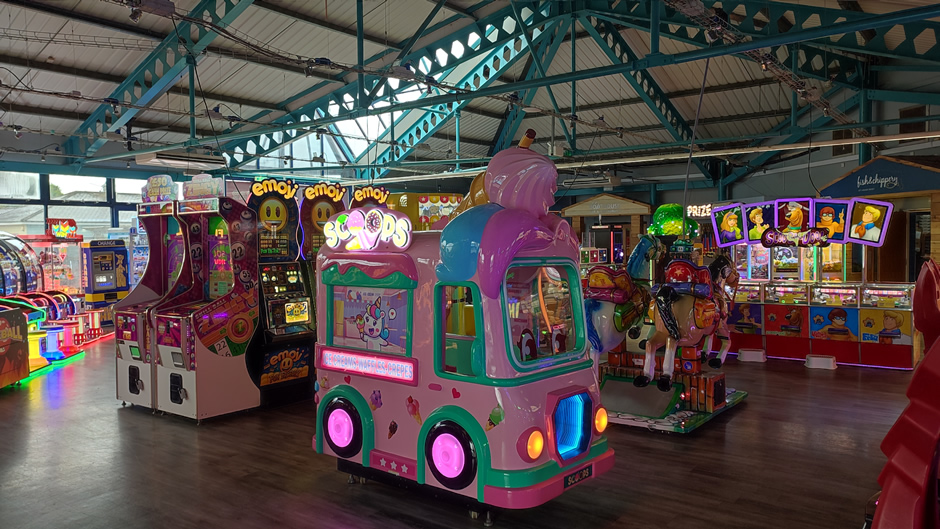
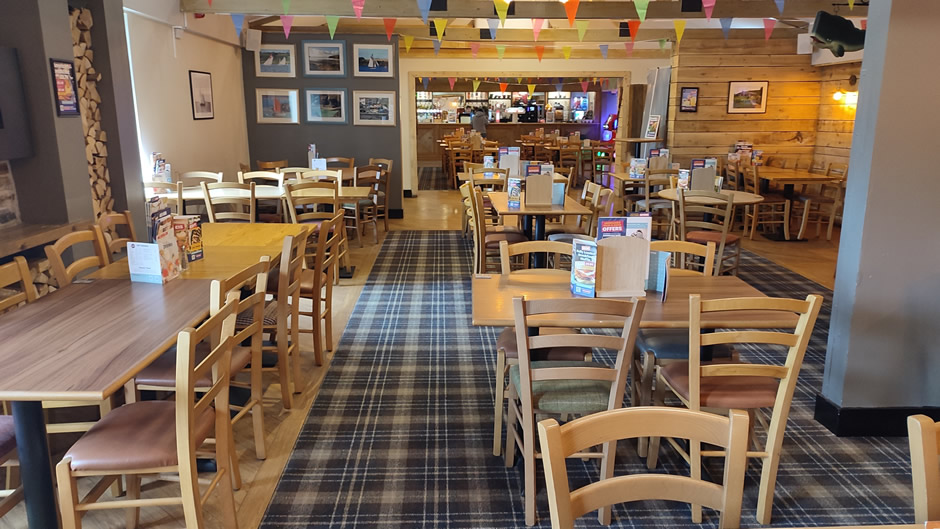
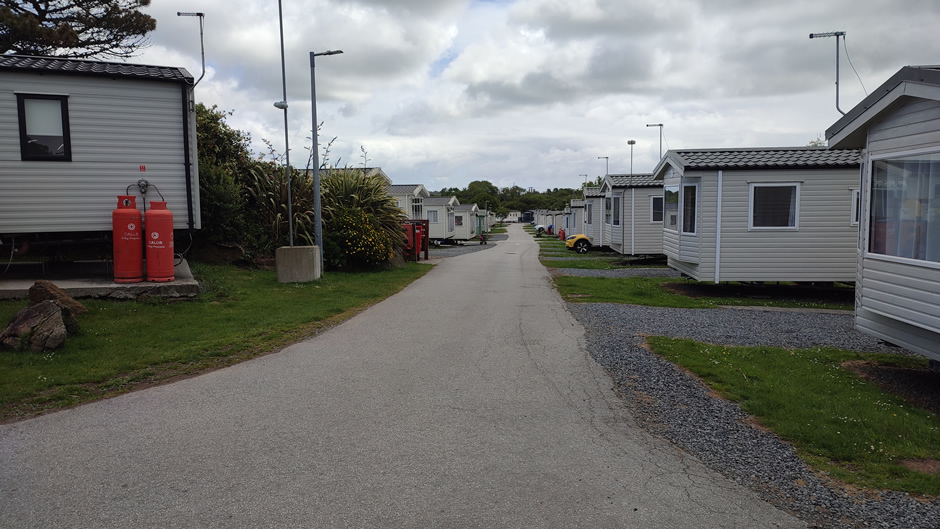
Day 6 was spent chilling out at the holiday park on the Lizard Peninsula in very variable weather. The site is situated in one of Cornwall’s most distinctive and rugged regions, known for its dramatic cliffs and unique landscapes. The park offers comfortable accommodation options along with amenities designed for relaxation and recreation, including play areas and family-focused activities. Its location provides convenient access to picturesque coves, walking routes, and wildlife-rich environments, making it especially appealing to nature lovers. Guests can enjoy a peaceful atmosphere (depending on the neighbours!) while still having access to essential facilities that support a well-rounded holiday experience. A few photos of the place follow:
Today, with strong windy weather, a short trip was taken into the nearby town of Helston for breakfast at the Wetherspoons, followed by a look inside the Museum of Cornish Life in the centre of the town.
Helston is a historic market town located on the Lizard Peninsula, known for its strong cultural traditions, including the annual Flora Day festival, which celebrates the arrival of spring with music and dancing through the streets. The town developed around trade and agriculture, and its proximity to the Helford River and nearby coastline has shaped its character over centuries. Today, Helston serves as a gateway to some of Cornwall’s most scenic landscapes, blending heritage with a close connection to the surrounding countryside.
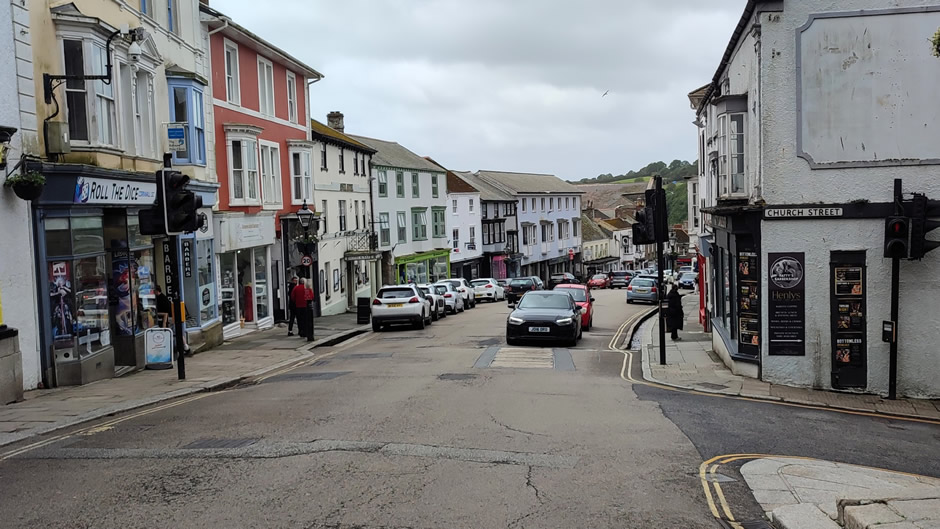
Above: Coinagehall Street (often referred to as Coinagehall), the main high street in Helston.
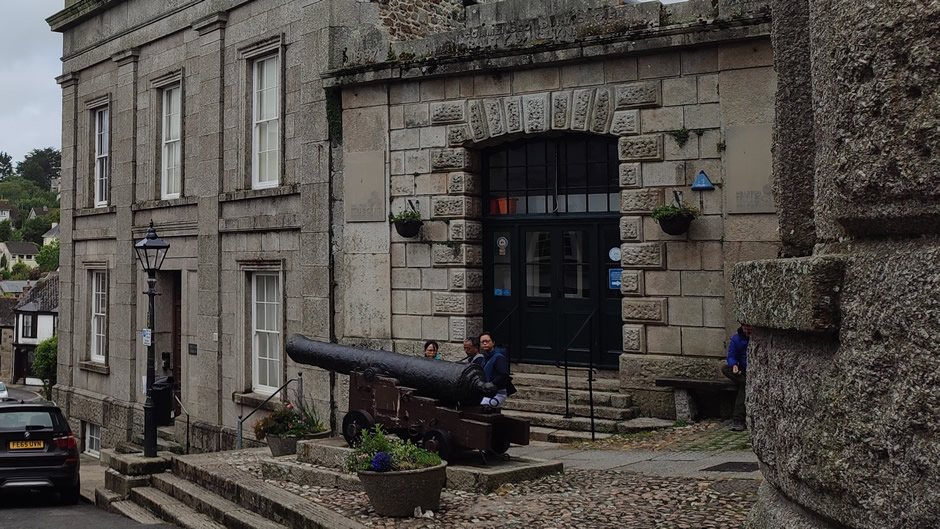
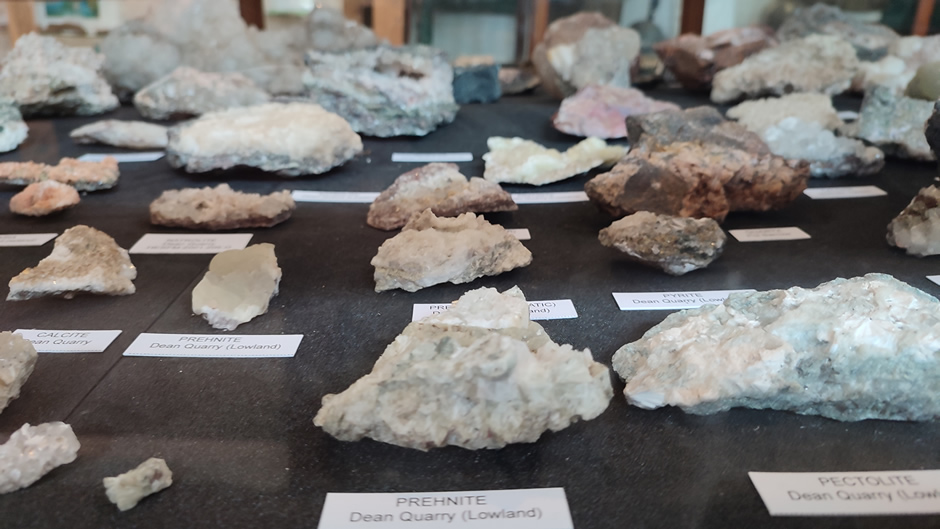
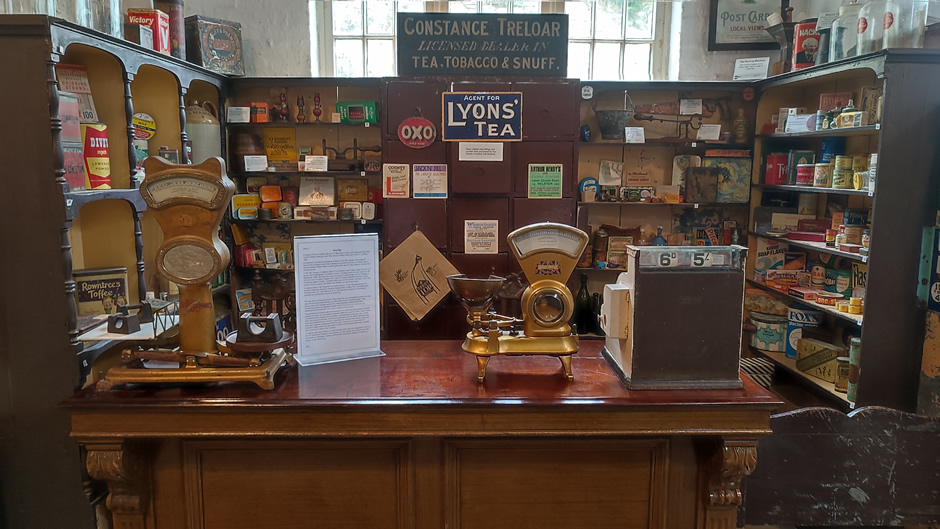
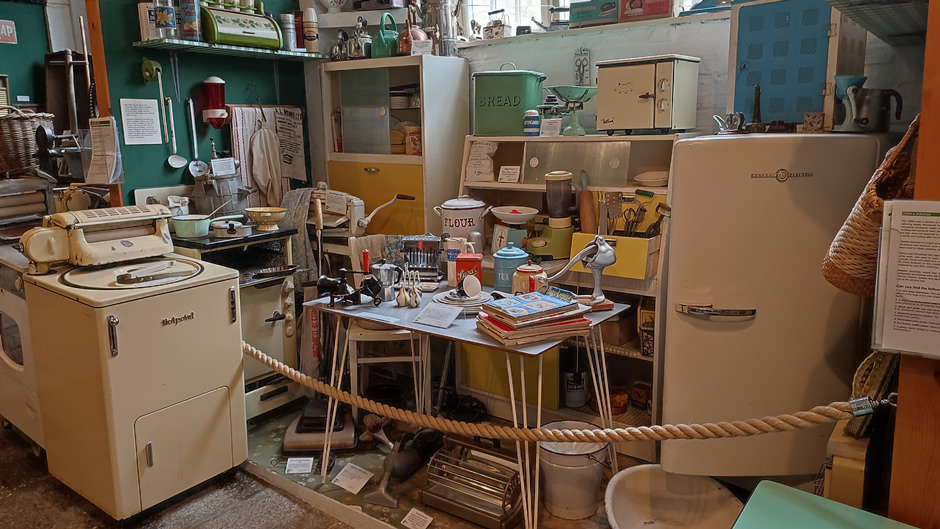
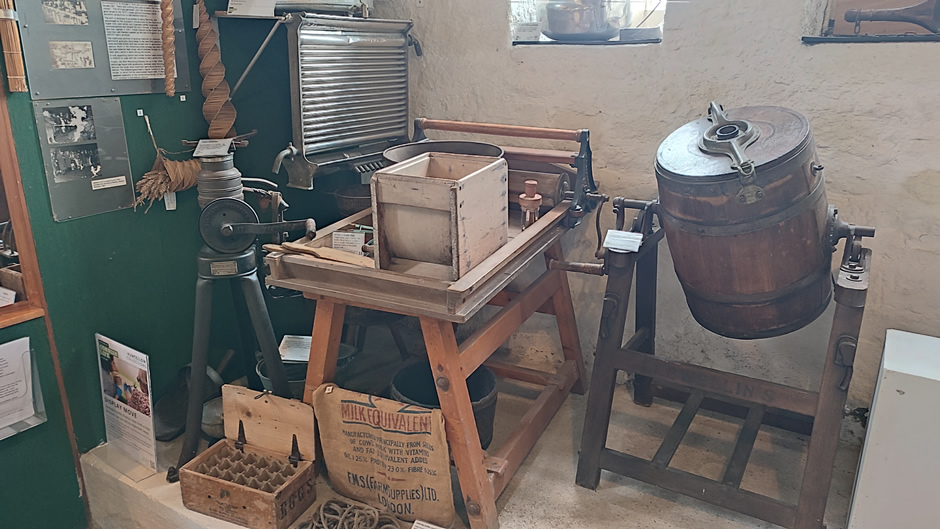
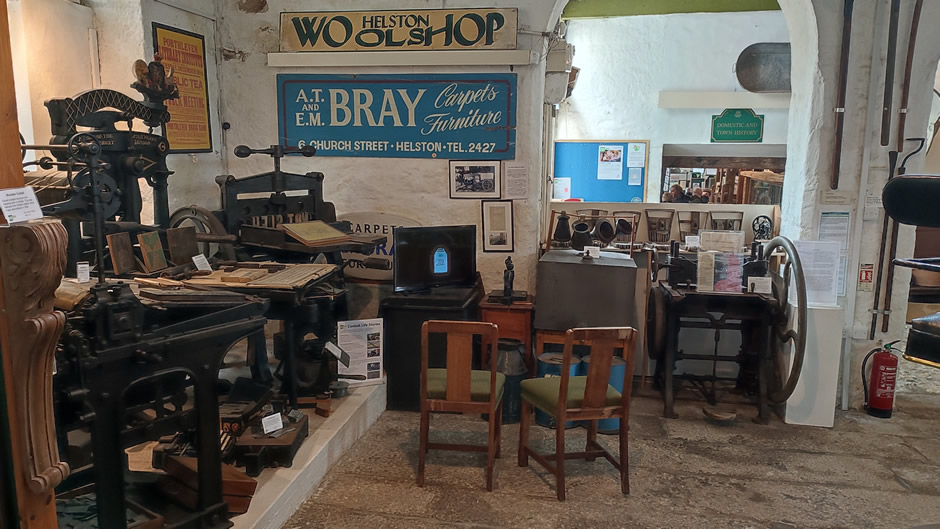
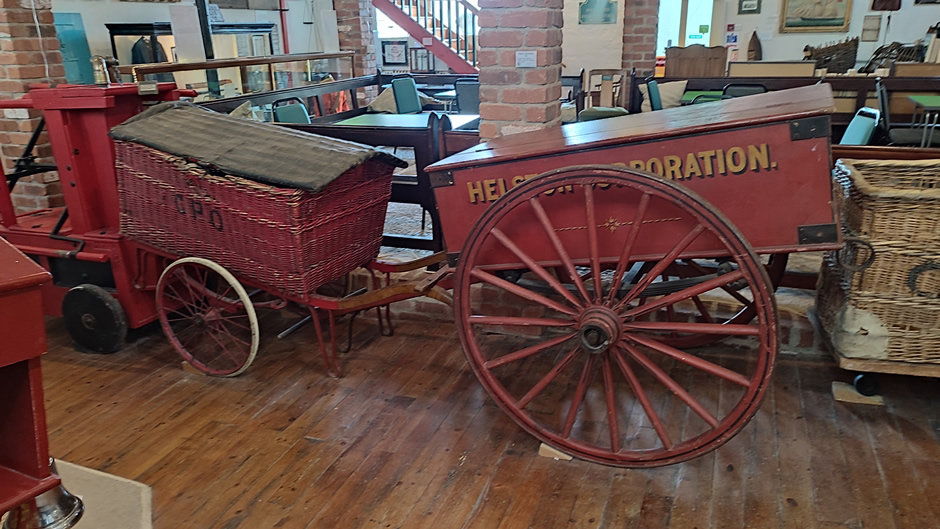
The Museum of Cornish Life in the town is one of the largest museums in Cornwall dedicated to preserving everyday history. Housed in former market buildings, it features extensive collections that illustrate domestic, agricultural, and industrial life across different periods. Exhibits include traditional tools, local crafts, and displays highlighting regional industries such as fishing and mining. The museum aims to provide insight into the lives of ordinary people in Cornwall, offering visitors a detailed perspective on the county’s social and cultural development. Some photos of the museum follow:
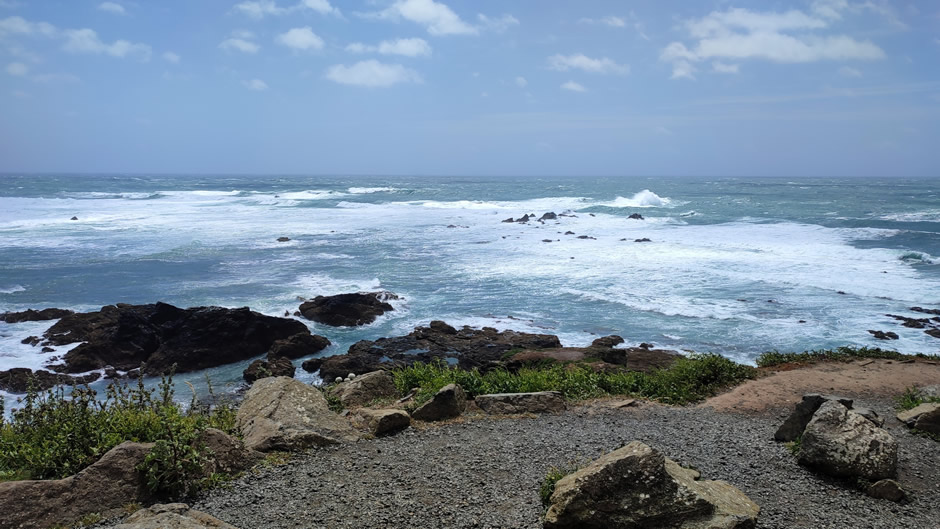
Before returning to the holiday park, another visit was made to Lizard Point for a brief look to see it during a period of strong winds:
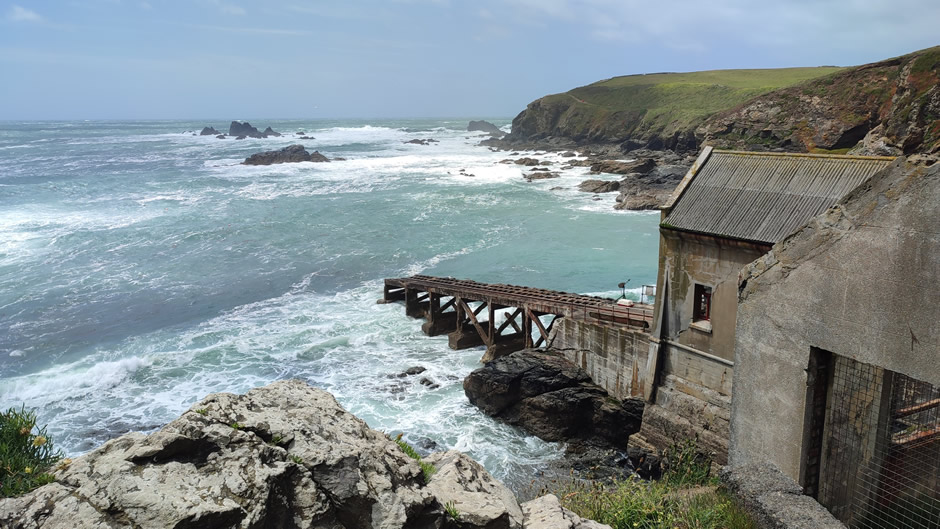
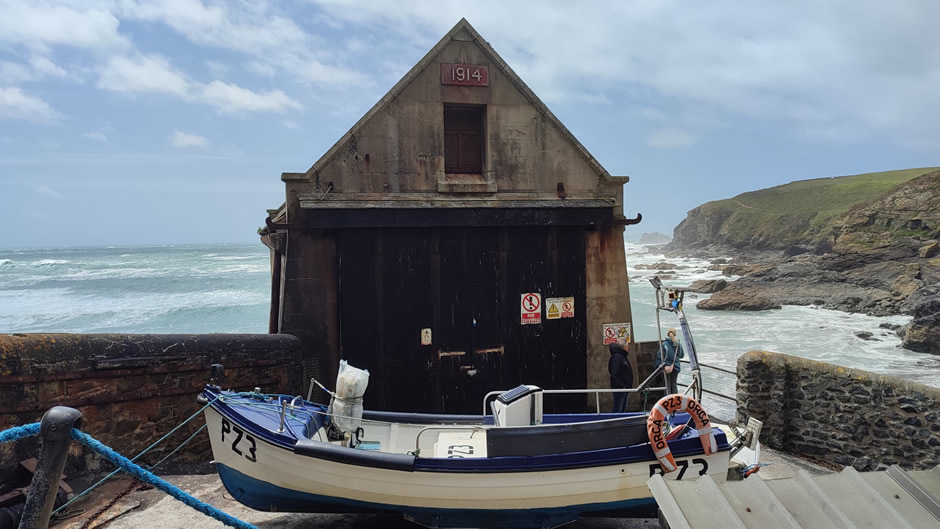
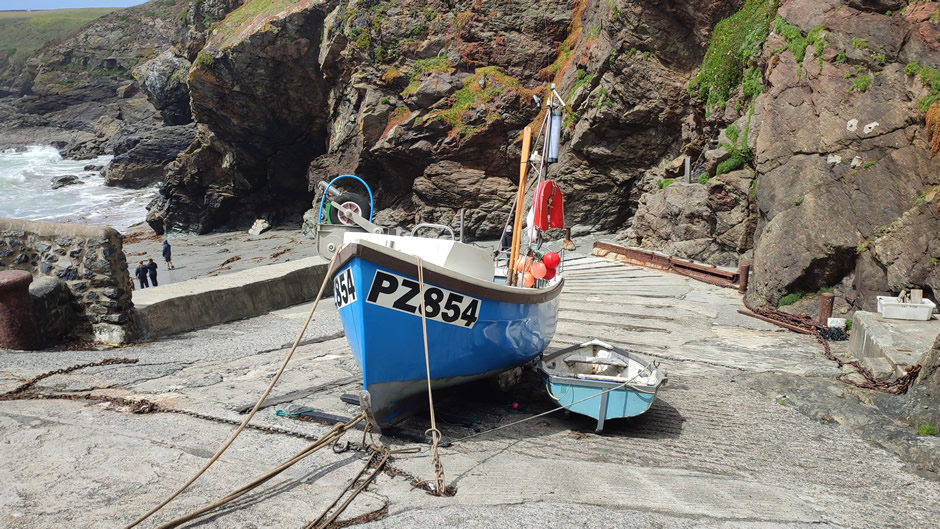
A few more sites seen today before our final night staying on the Lizard Peninsula:
Cornwall Gold and Tolgus Tin Mill
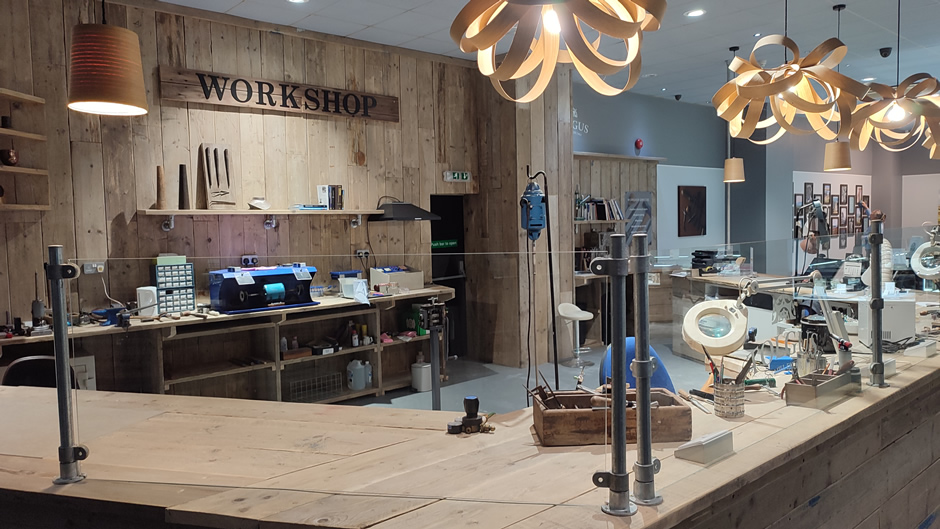
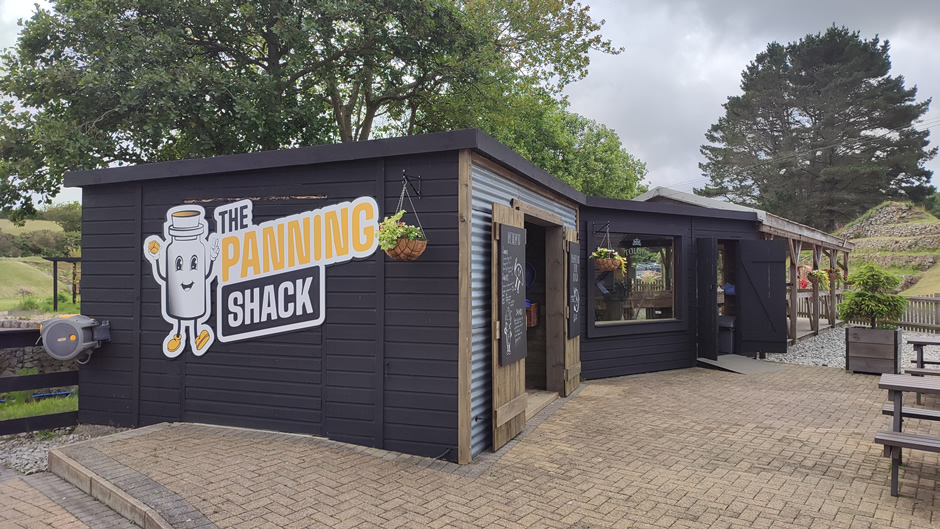
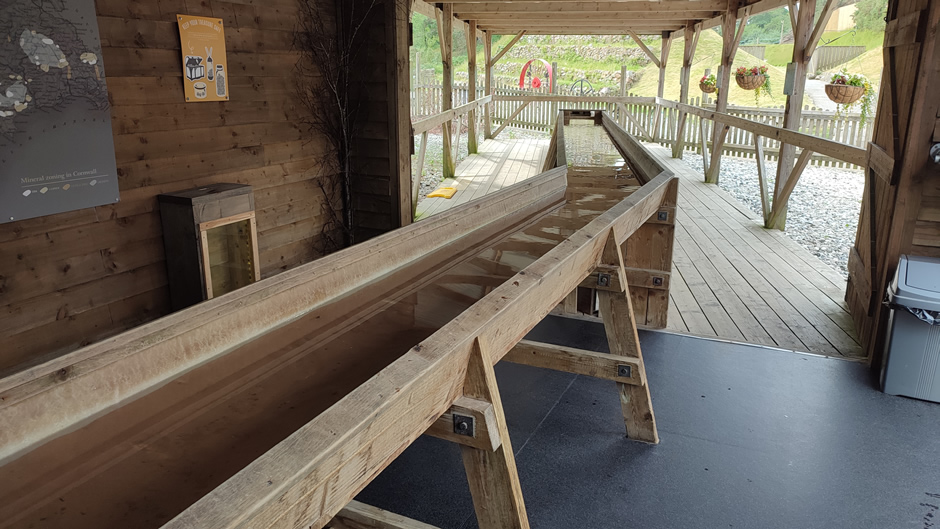
Cornwall Gold, located on New Portreath Road near Redruth, is a family-friendly attraction set within extensive landscaped grounds that celebrate Cornwall’s rich mining heritage. Visitors can explore interactive exhibitions, browse locally inspired jewellery collections, and take part in hands-on activities such as gold panning, all within a site that combines history, retail, and leisure in one destination.
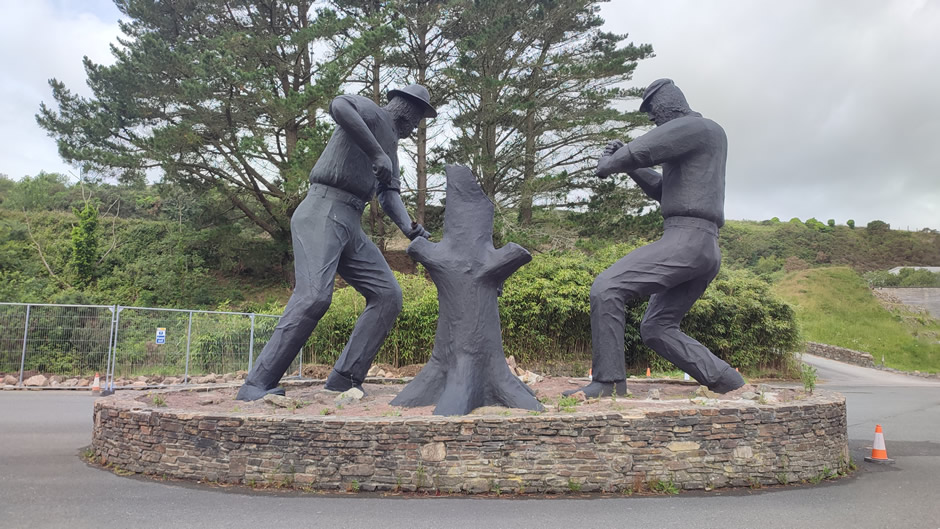
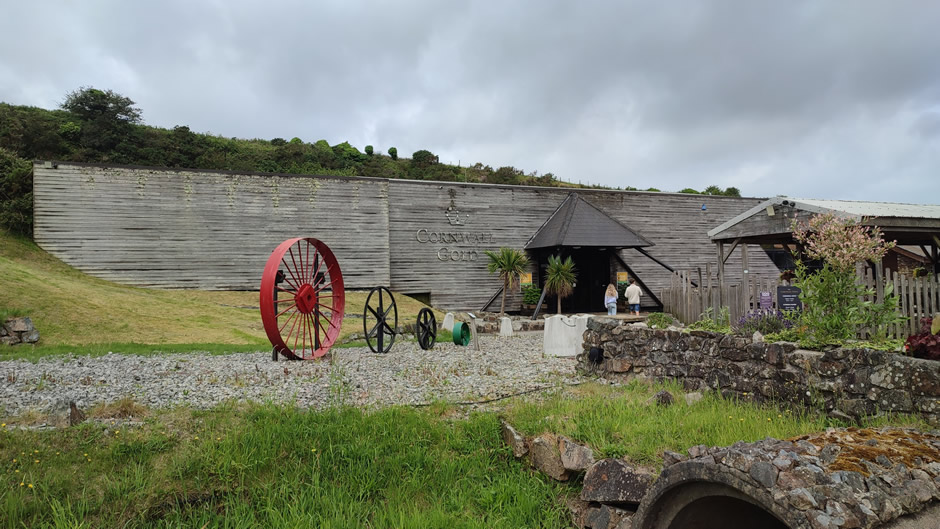
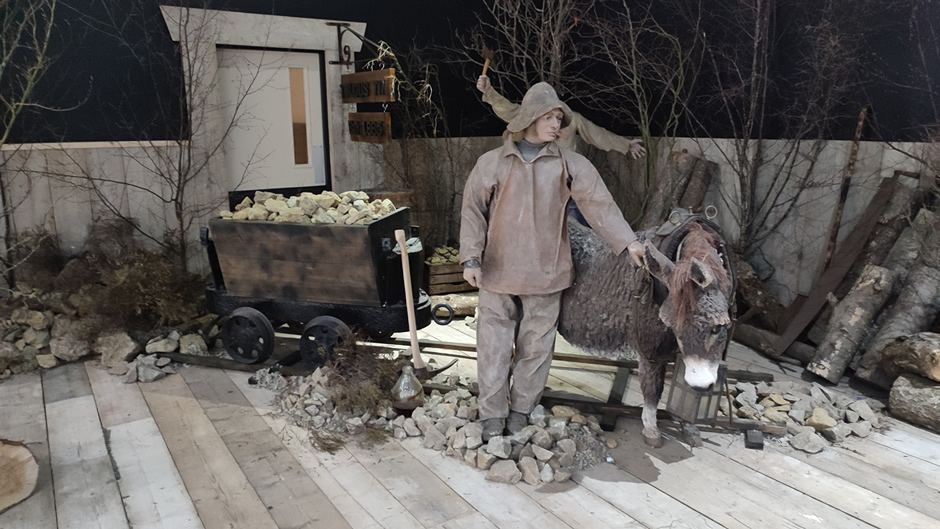
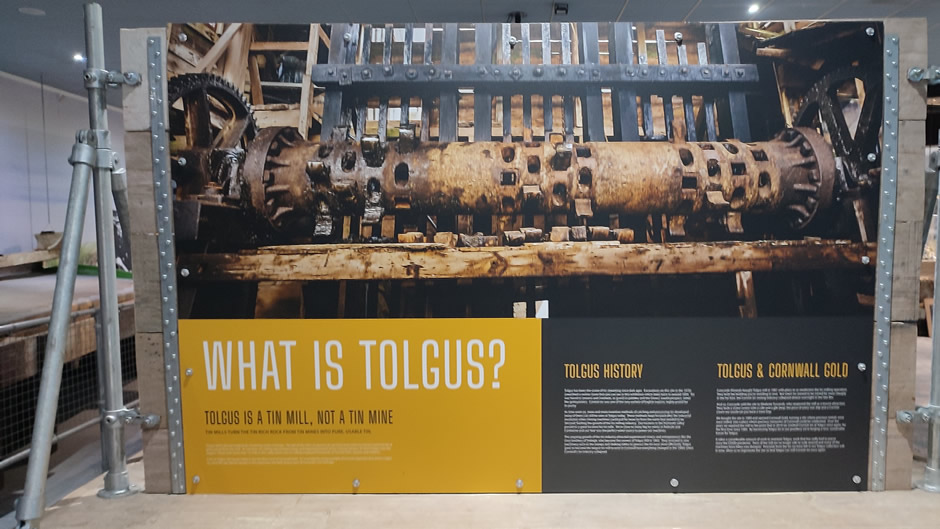
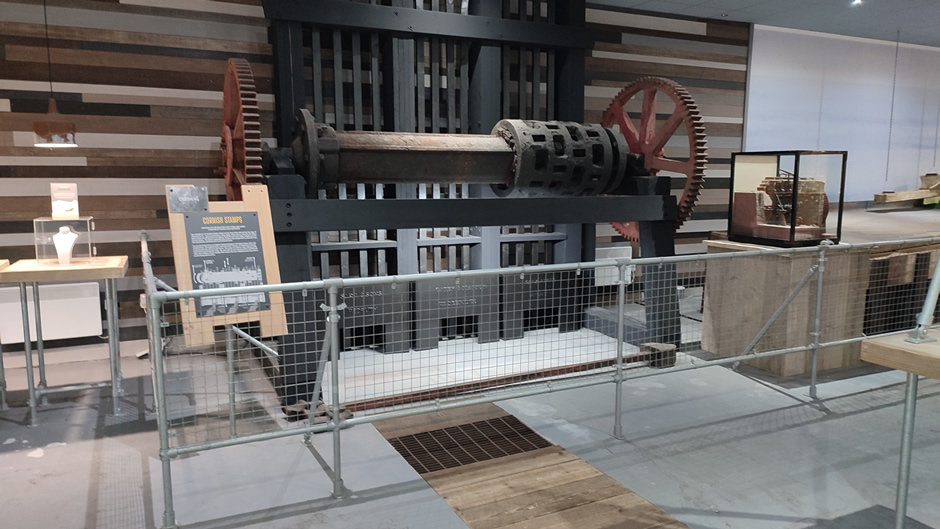
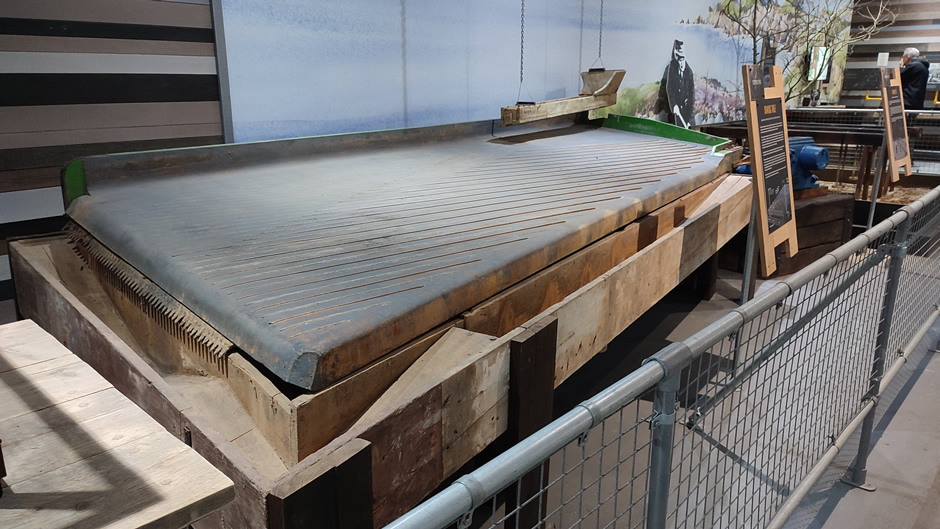
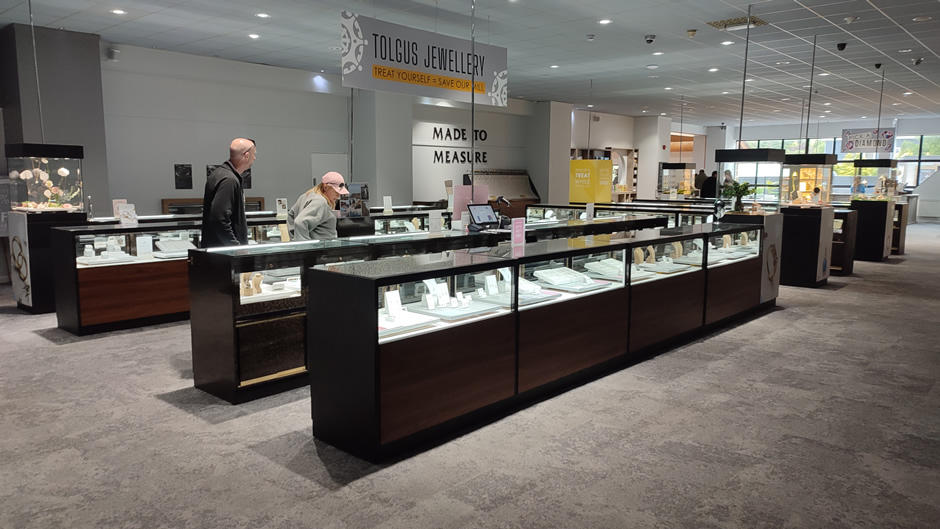
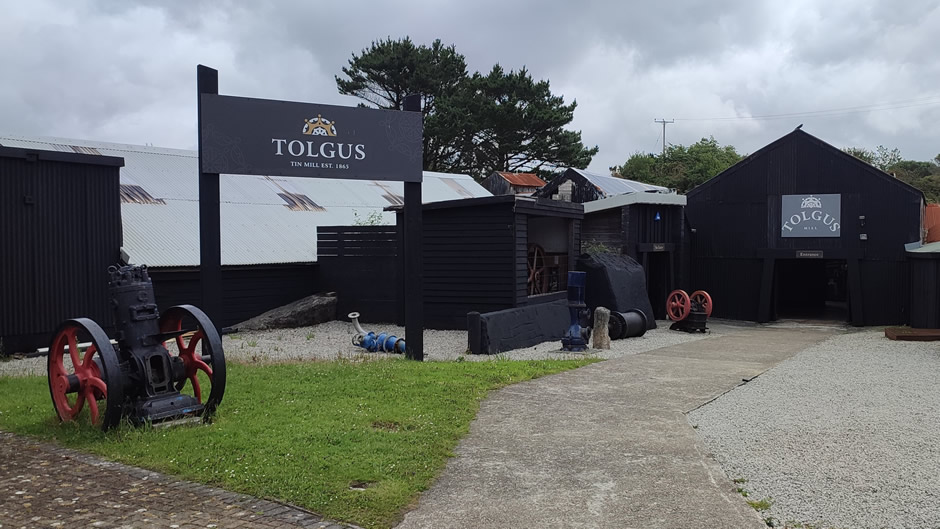
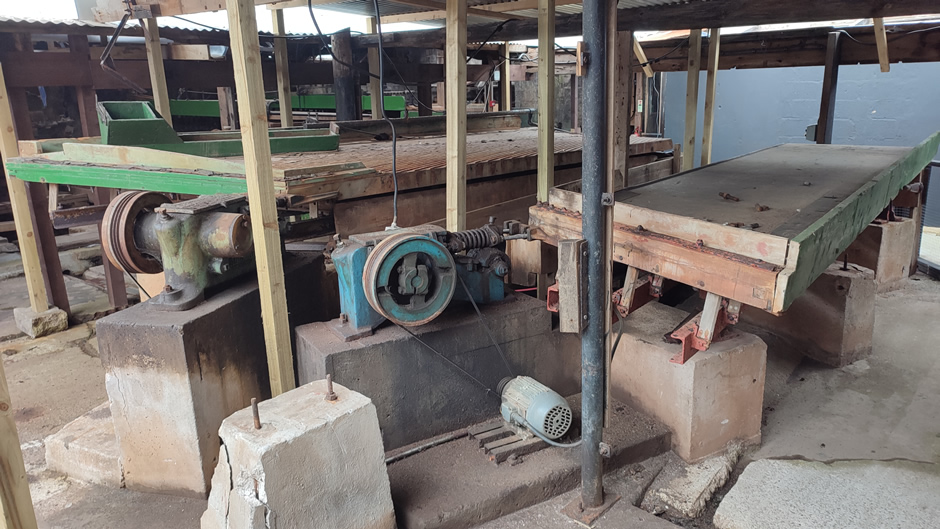
Tolgus Tin Mill, situated within the Cornwall Gold site, is recognised as the last working tin streaming mill in Cornwall, where traditional processes are still demonstrated. Visitors can observe how tin ore is crushed, separated, and smelted on-site, offering a rare insight into historic industrial techniques that once played a major role in the region’s economy.
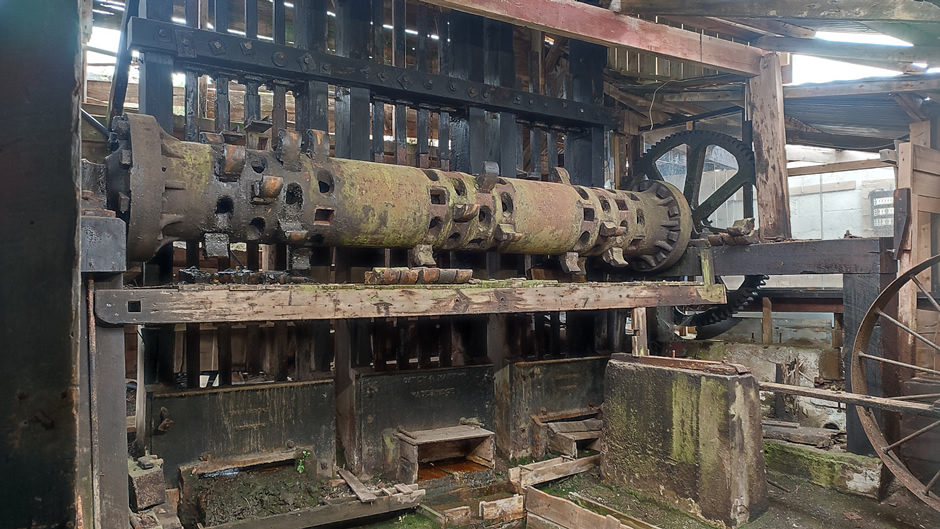
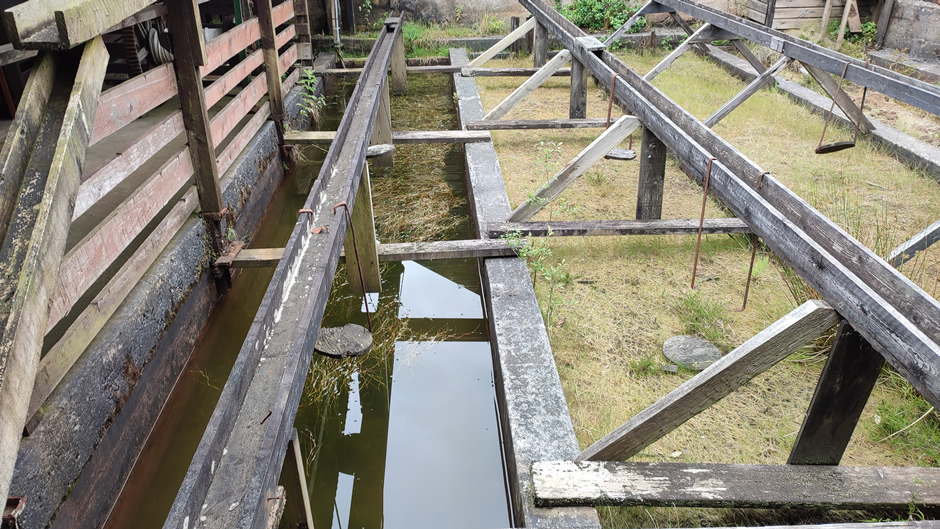
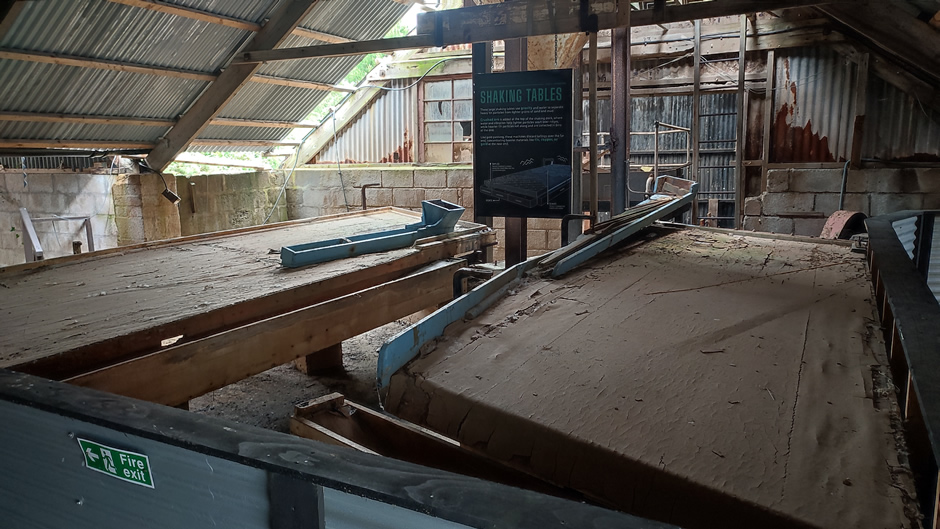
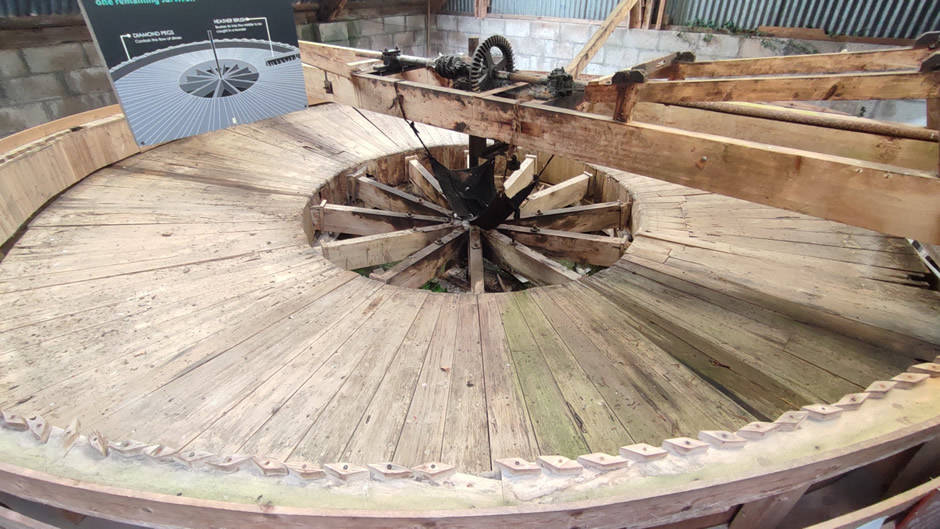
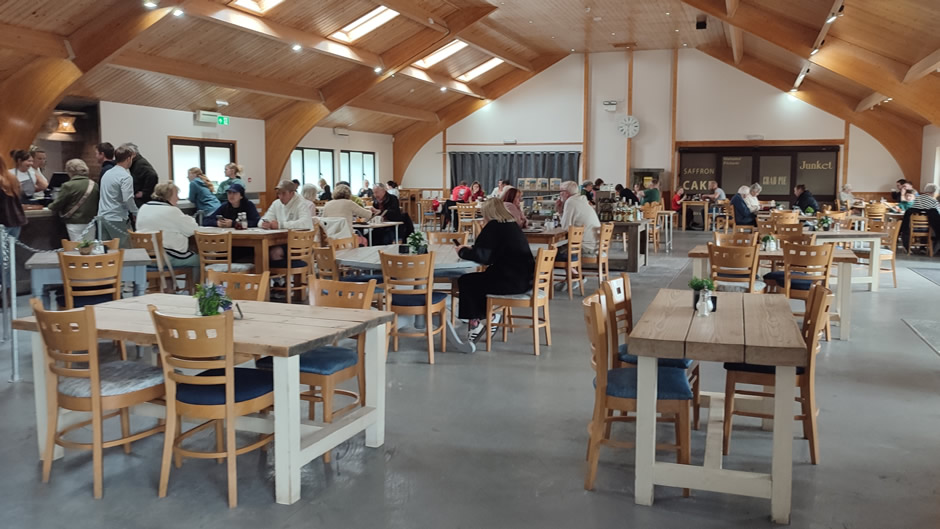
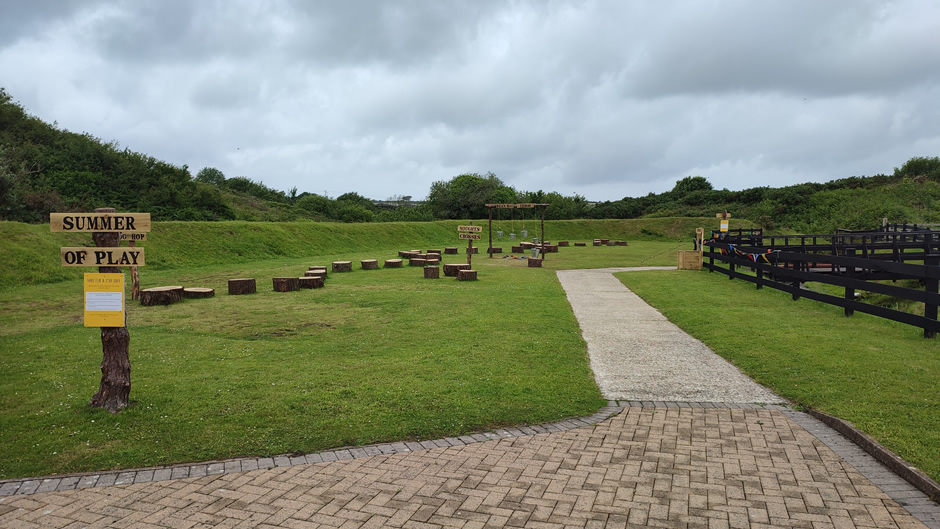
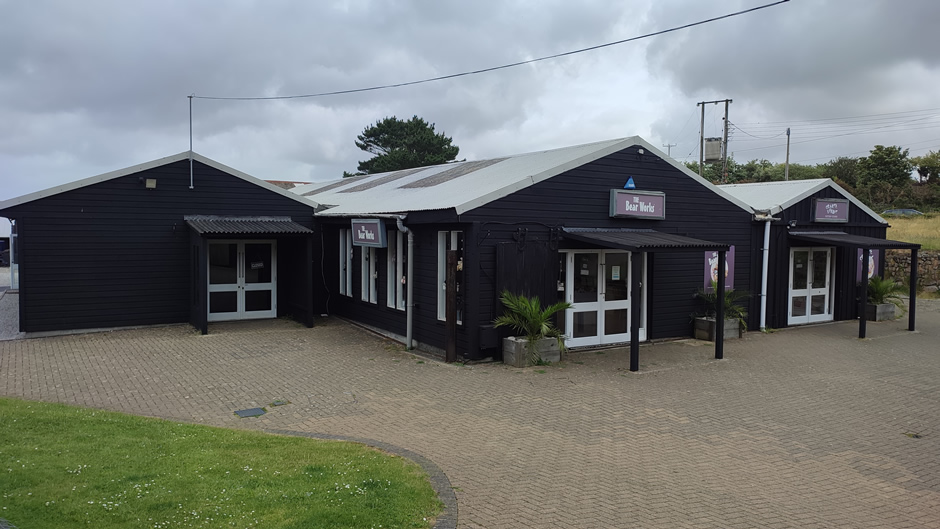
At the site, visitors can also enjoy a wide range of family-friendly activities and facilities, including creative experiences like pottery painting or making a teddy at the Bear Works. There is also an on-site café serving homemade food and access to the Tolgus Trail, a scenic walking route linking the attraction to Portreath through the surrounding countryside.
Wheal Coates
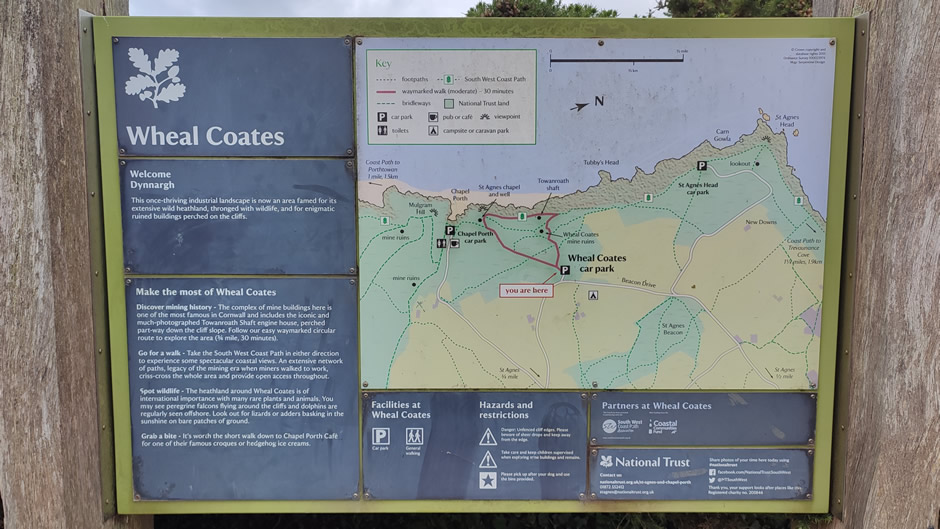
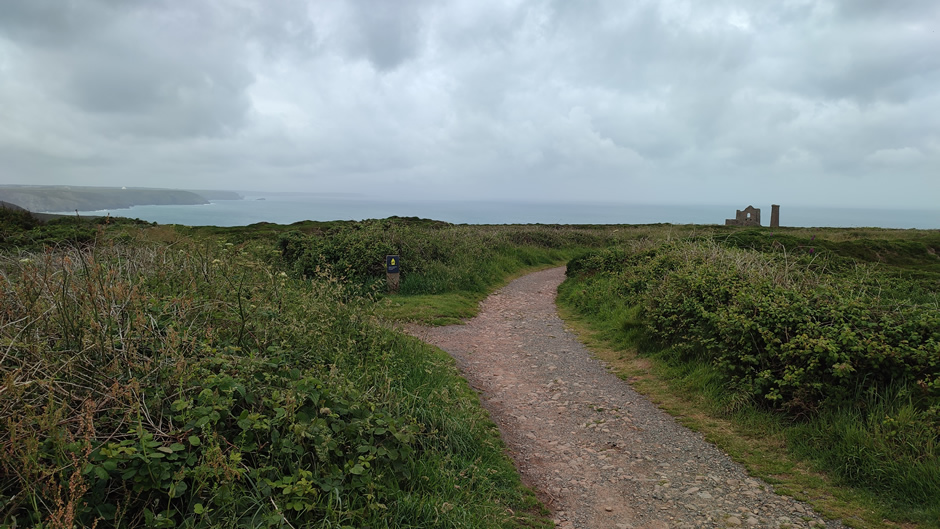
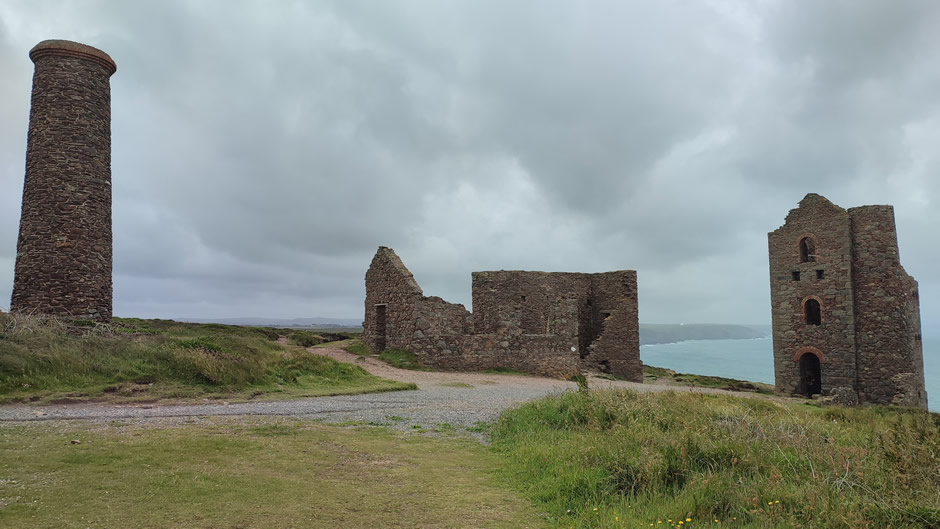
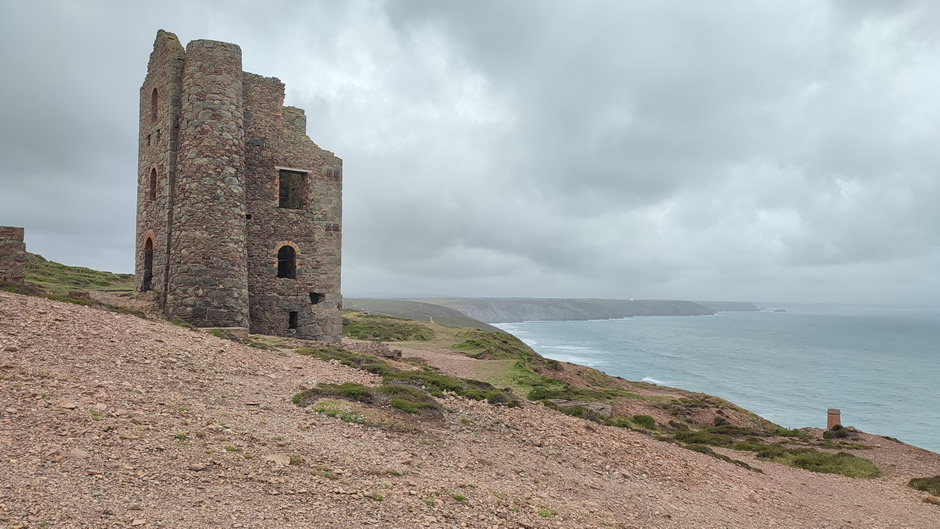
Wheal Coates is a historic clifftop mining site on Cornwall’s north coast, originally opened in the early 19th century and later preserved as part of the Cornish Mining World Heritage landscape. Its surviving engine houses, including the iconic Towanroath Shaft structure, stand as dramatic reminders of the area’s industrial past and are among the most photographed landmarks in Cornwall.
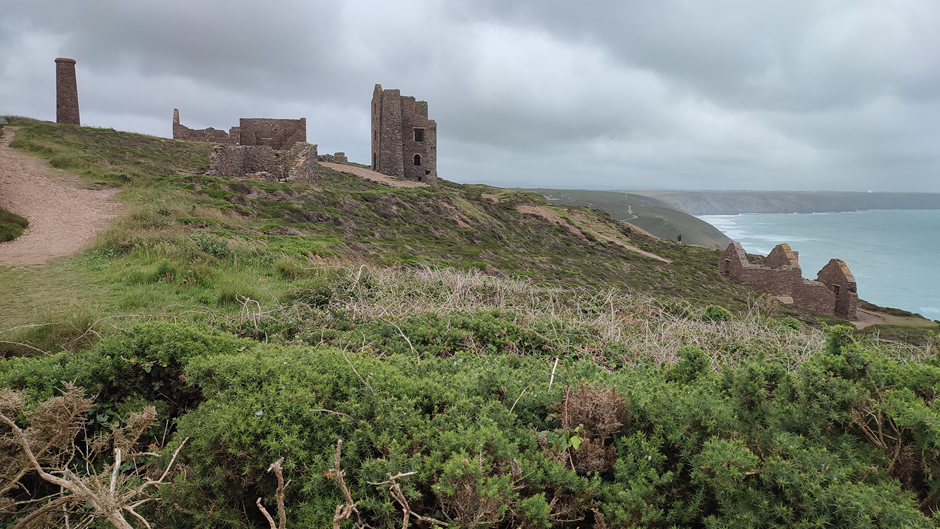
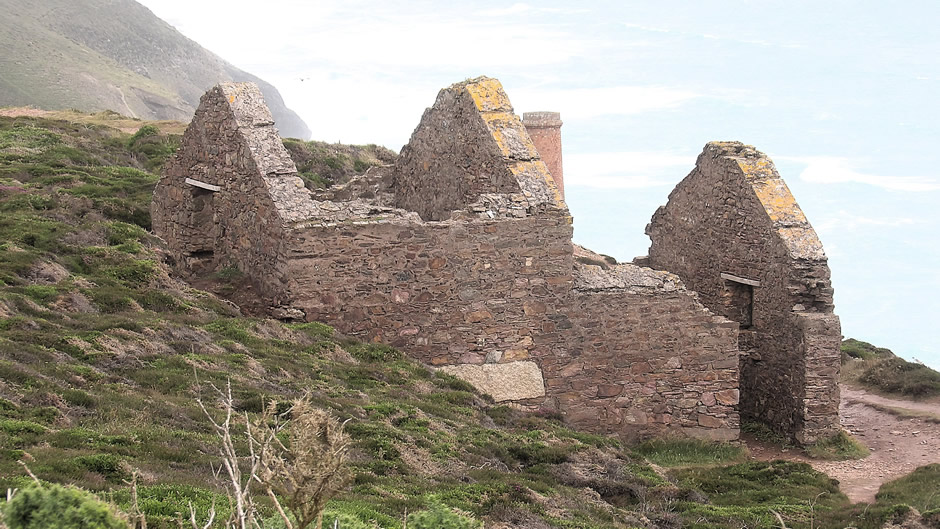
RNAS Culdrose Public Viewing Area
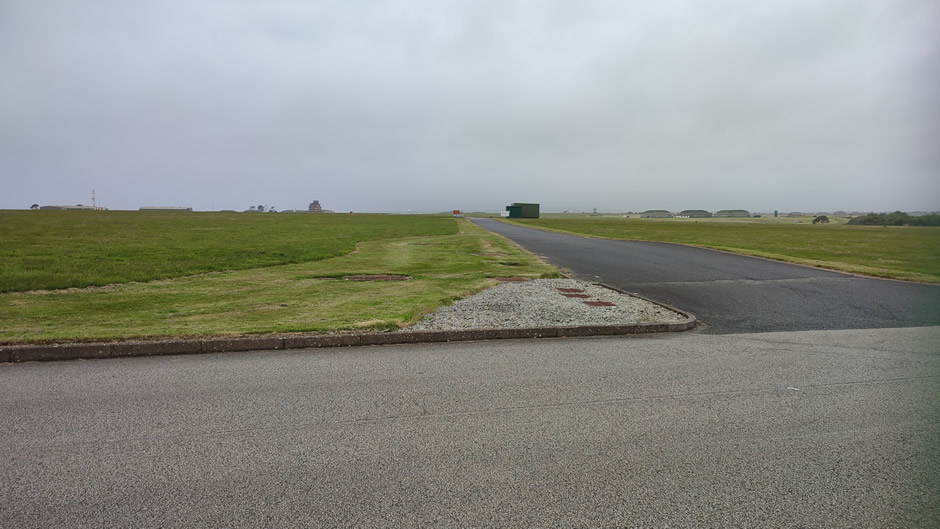
Back on the Lizard Peninsula, RNAS Culdrose Public Viewing Area offers a designated spot near the Royal Naval Air Station at Helston where visitors can watch aircraft movements, including helicopters and training flights. It provides aviation enthusiasts with a safe and accessible vantage point to observe one of Europe’s largest helicopter bases in operation.

After checking out of the holiday park on the Lizard Peninsula, a leisurely drive was taken to another holiday park, this time near the middle of Cornwall’s north coast at St Minver. Some brief stops were made along the way and although some of the attractions at them have either been visited on previous trips, or admission fees could only be justified by spending a full day at them (e.g. The Lost Gardens of Heligan at £29 per adult at the time of the visit), brief descriptions of each of them nonetheless follow:
The Lost Gardens of Heligan
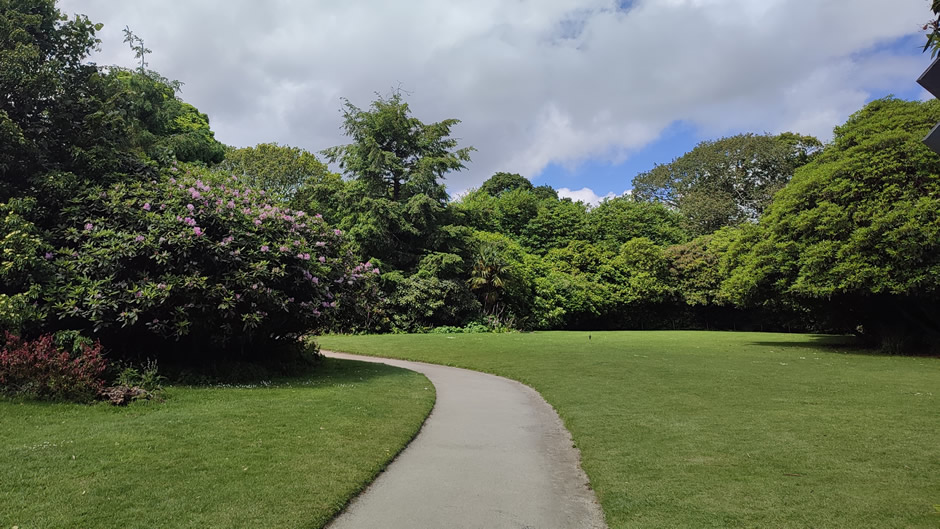
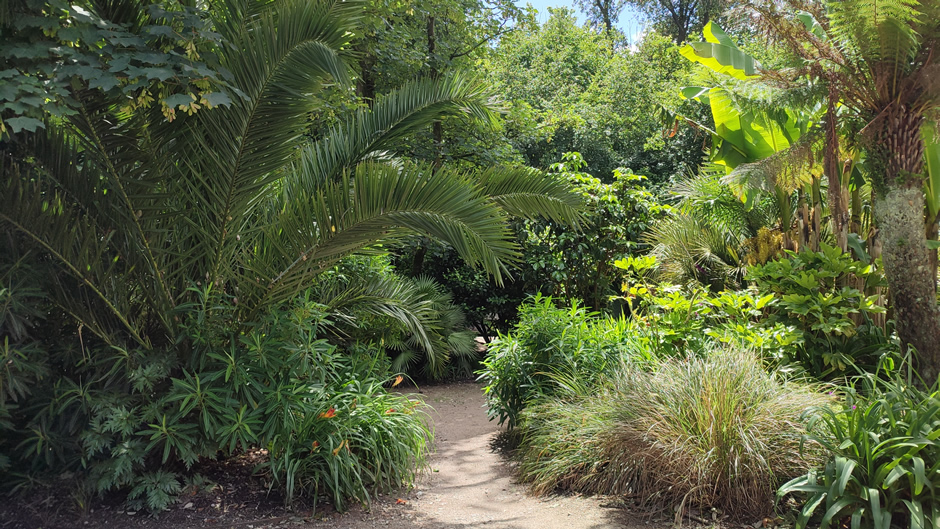
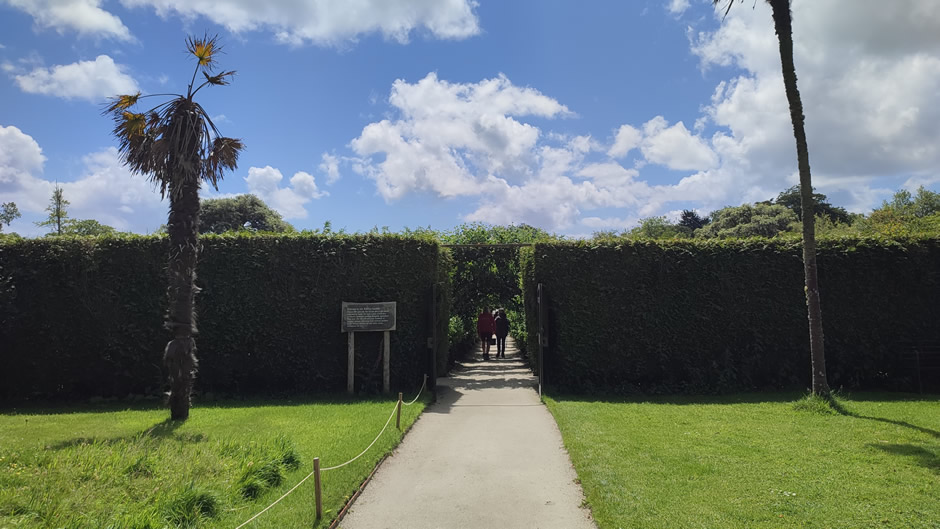
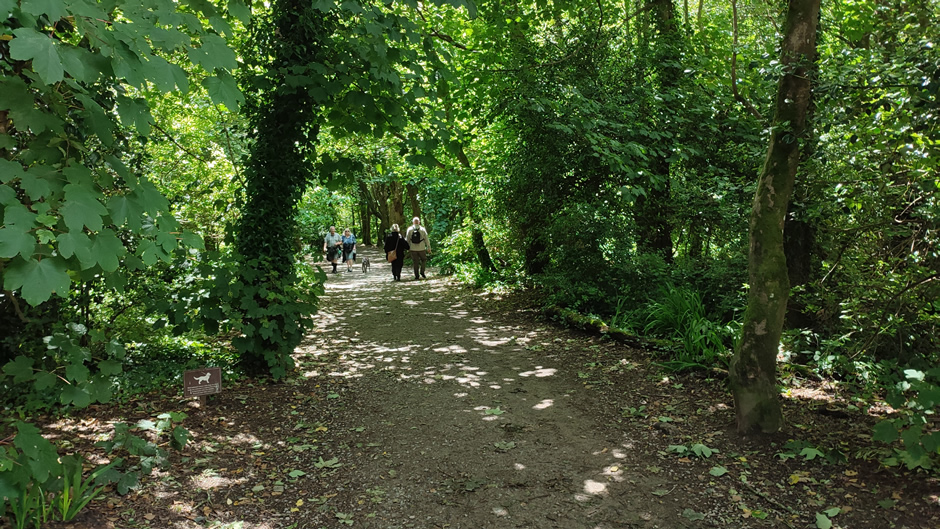
The Lost Gardens of Heligan, situated near Mevagissey in Cornwall, are among the most celebrated restored gardens in the United Kingdom, rediscovered in the 1990s after decades of neglect following the First World War. Spanning over 200 acres, the site showcases a diverse range of environments including subtropical jungle, productive kitchen gardens, and ornamental pleasure grounds. Its restoration has revealed Victorian horticultural practices and hidden features such as glasshouses and estate infrastructure, providing visitors with insight into historic gardening techniques and estate life.
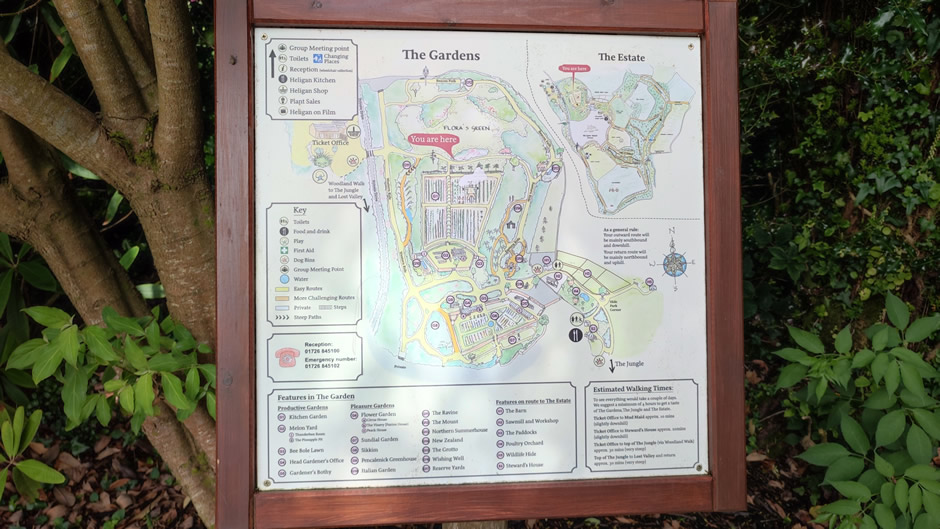
Mevagissey
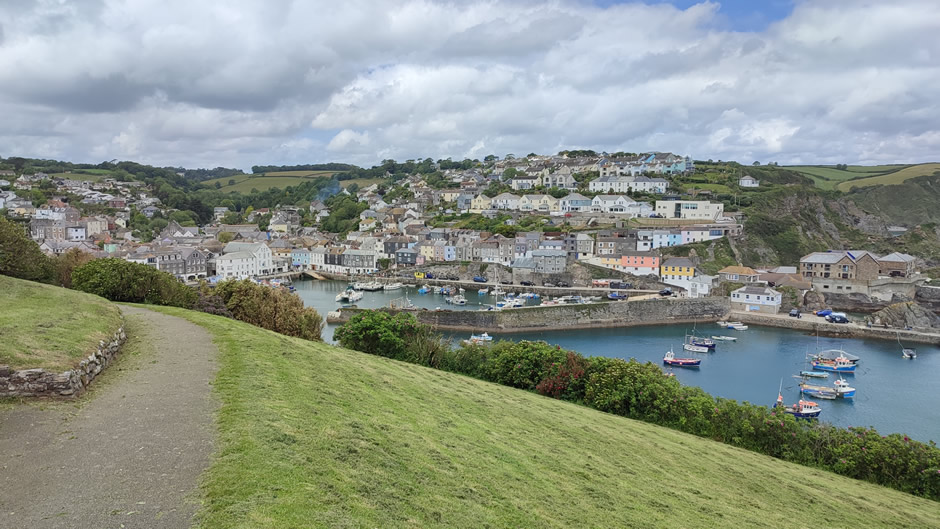
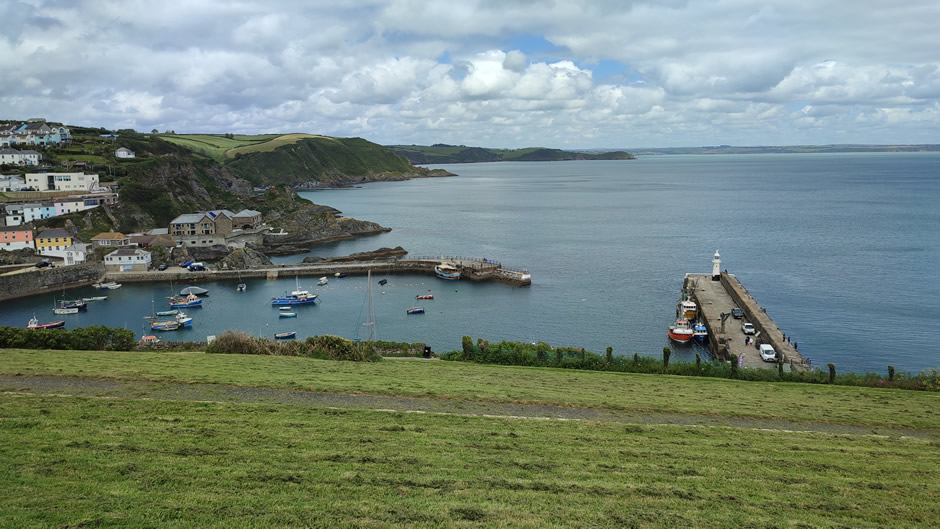
Mevagissey (shown below) is a traditional fishing village on Cornwall’s south coast, characterised by its narrow winding streets, working harbour, and strong maritime heritage. The village remains an active fishing port, particularly known for its shellfish catch, while also attracting visitors with its colourful cottages and local shops clustered around the quay. Its history is closely tied to pilchard fishing, and the community continues to celebrate this legacy through events and its small museum, preserving the culture of Cornwall’s coastal industries.
The Eden Project
The Eden Project, located near St Austell in Cornwall, is an internationally renowned environmental attraction built within a reclaimed china clay pit. It features a series of large biome structures that house diverse plant species from around the world, including rainforest and Mediterranean ecosystems. The site focuses on sustainability, education, and the relationship between people and the natural world, combining innovative architecture with ecological conservation to create an immersive visitor experience.
Some photos from a previous visit to The Eden Project are shown on a separate page on this website, found on the link Here.
Wheal Martyn
The day concluded by passing (visited before) Wheal Martyn. Also near St Austell, Wheal Martyn is a museum and heritage site dedicated to Cornwall’s china clay industry, set within a former working clay pit. The site includes preserved industrial buildings, machinery, and demonstrations that illustrate how china clay was extracted and processed. Visitors can explore the dramatic landscape of the clay pits themselves, gaining an understanding of how this industry shaped the region’s economy, environment, and communities over more than two centuries.
The places visited today are as follows:
Newquay
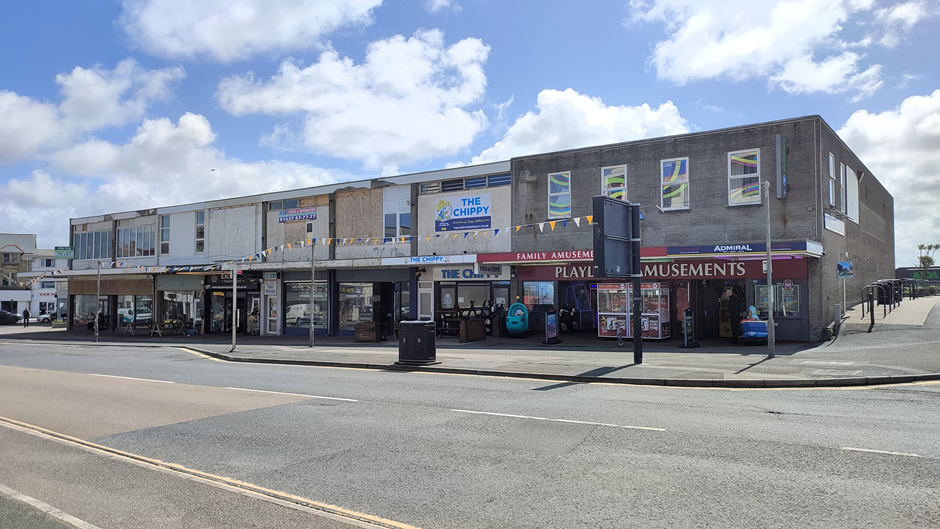
Newquay (shown below) is one of Cornwall’s most popular coastal towns, known for its golden beaches, rugged cliffs, and world-class surfing conditions. Sitting on the north coast, it attracts visitors year-round with its lively atmosphere, coastal walks, and family-friendly attractions, making it a central hub for tourism in the region. The iconic property seen in the photos below, perched on an island rock in the town is a striking home connected to the mainland by a narrow suspension bridge. Positioned dramatically above the sea, this unique residence offers uninterrupted ocean views and has become a well-known visual landmark, often photographed for its unusual and exposed setting.
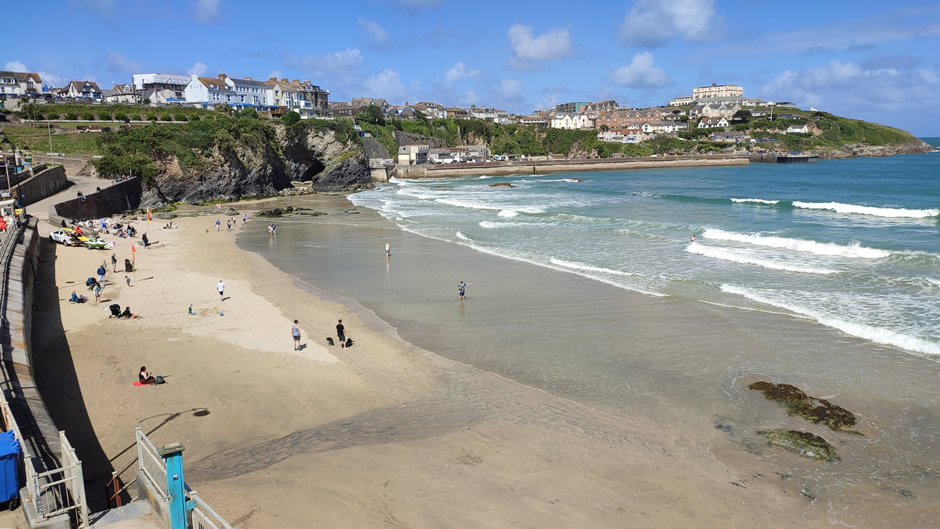
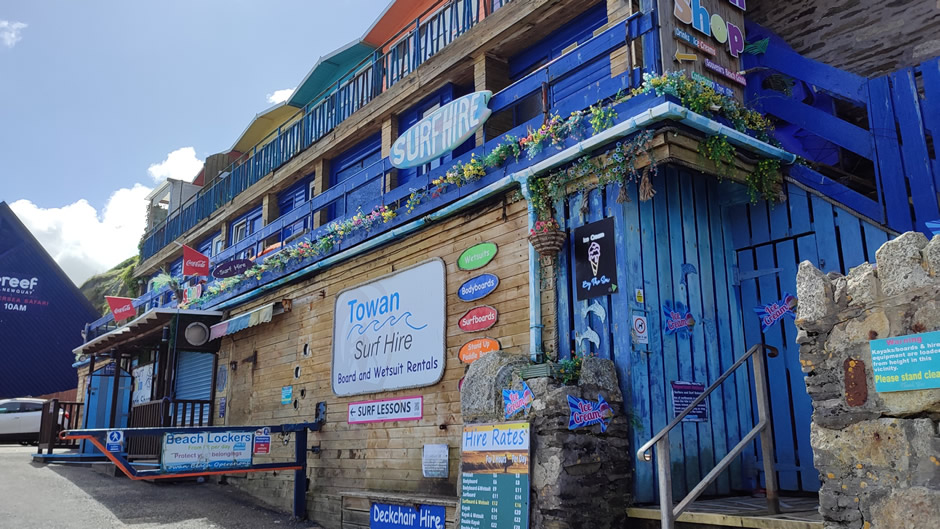
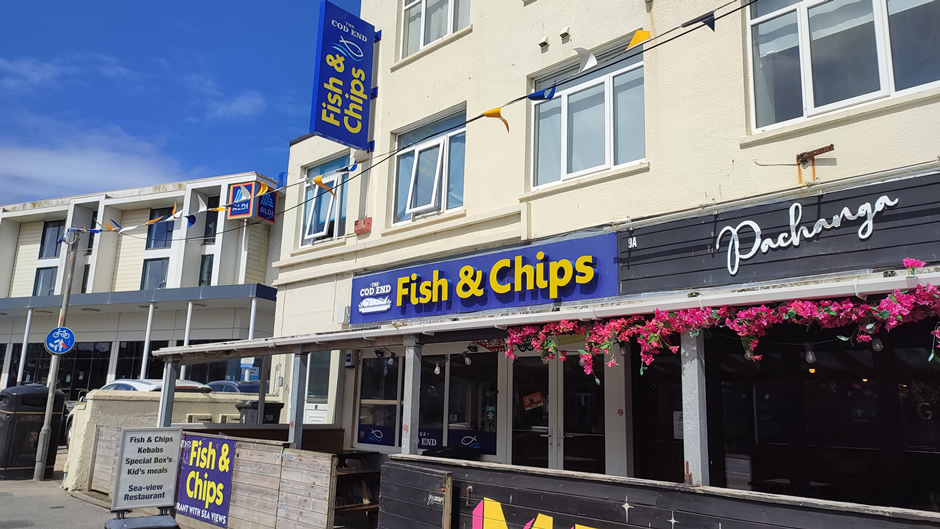
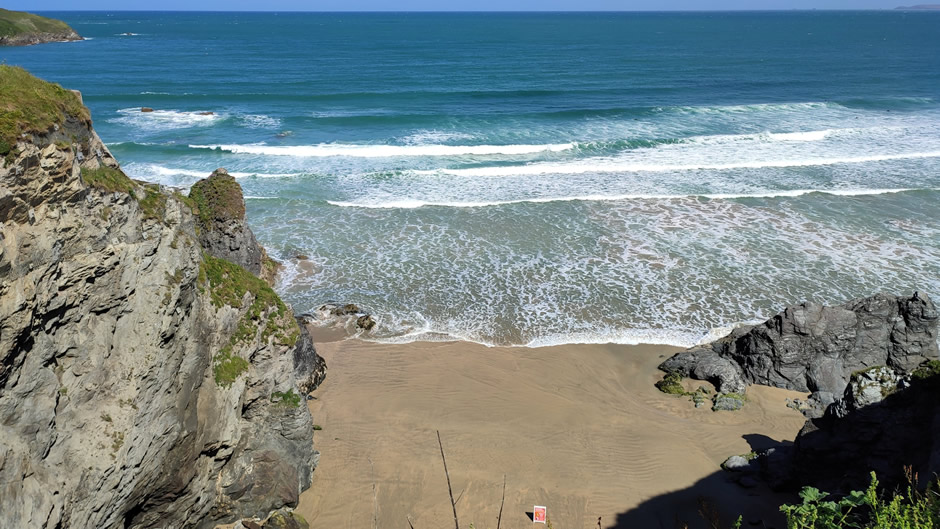
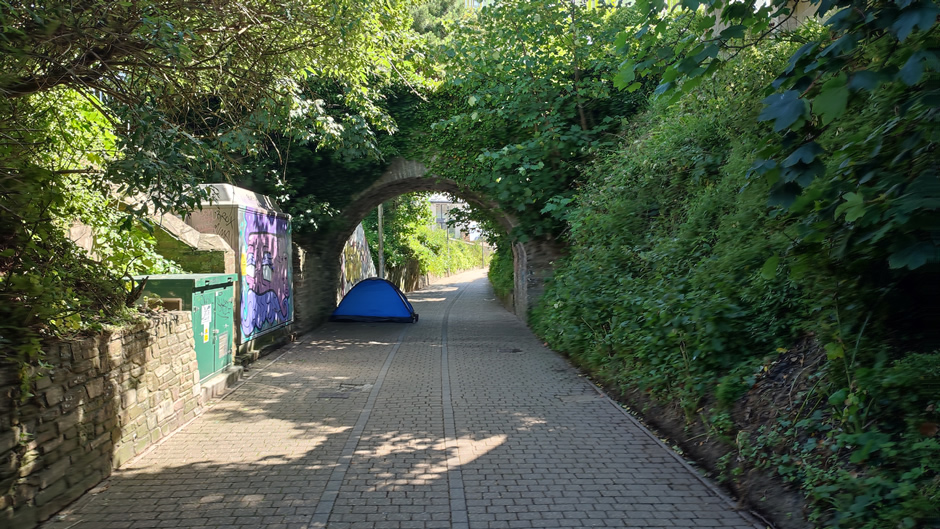
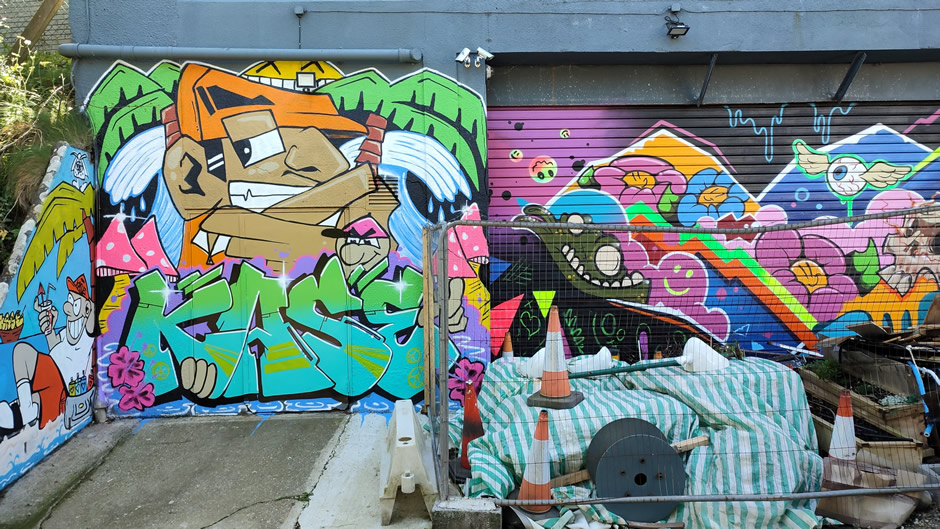
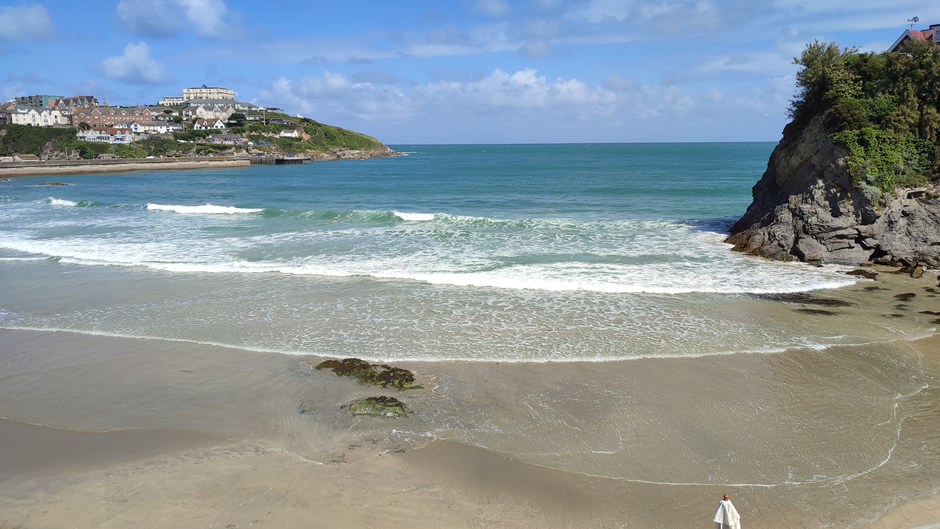
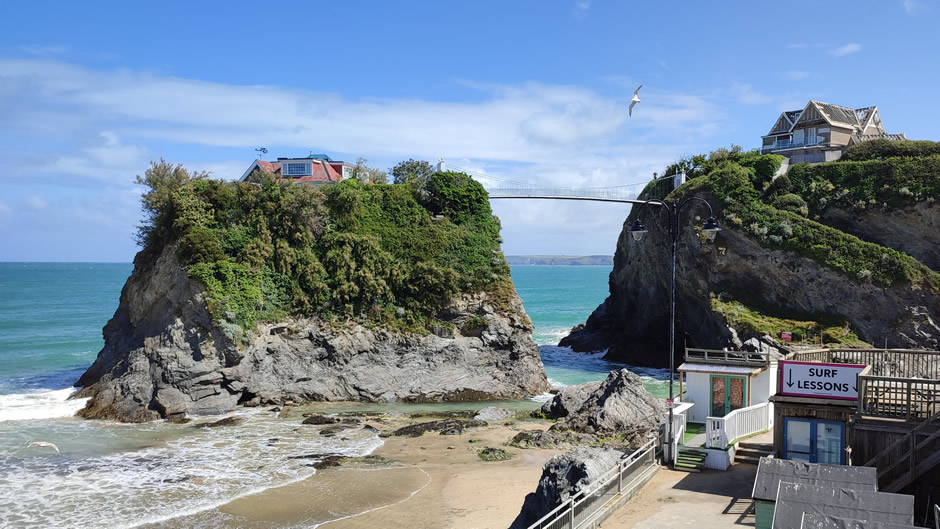
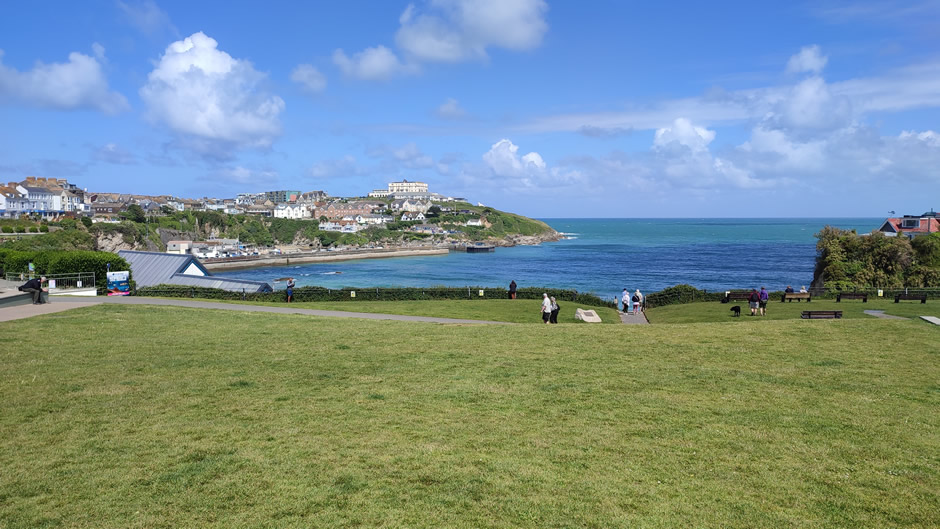
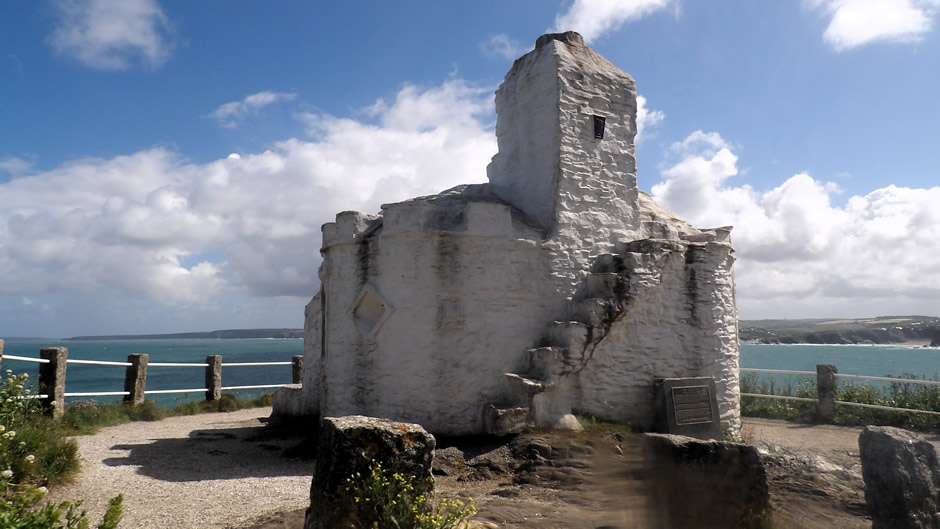
Last Photo Above: The Huer Hut in Newquay is a small stone lookout perched above the harbour, once used by “huers” who would spot incoming shoals of pilchards and shout directions to the fishing boats below. Today it’s a simple, whitewashed landmark with one of the best coastal viewpoints in town, tying Newquay’s busy modern seafront to its old fishing heritage.
Mawgan Porth
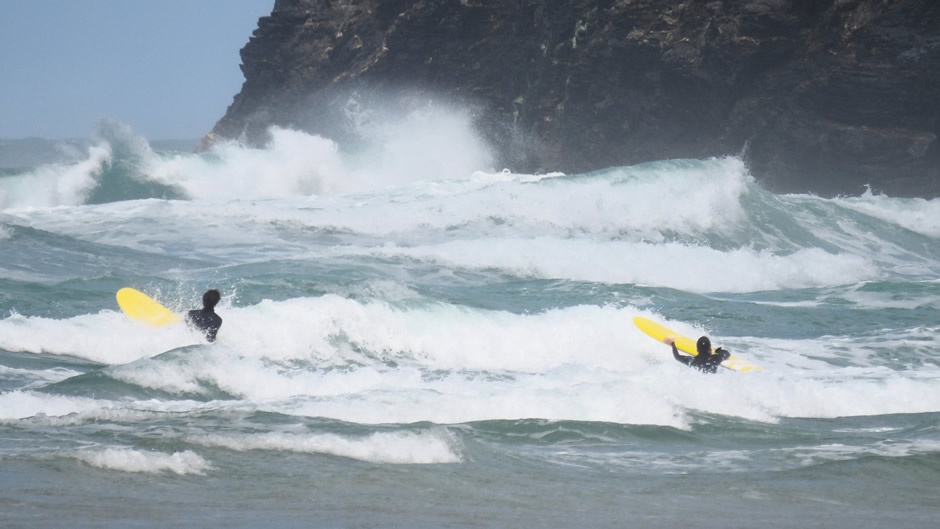
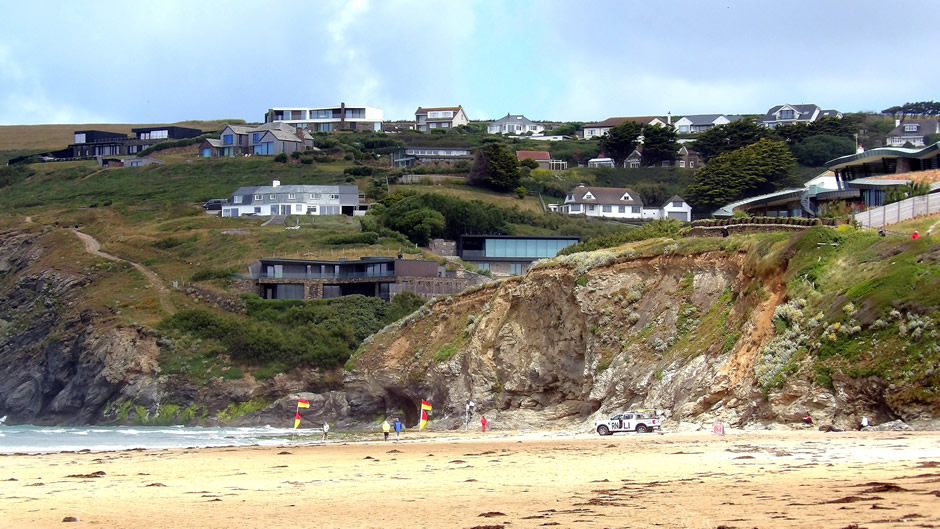
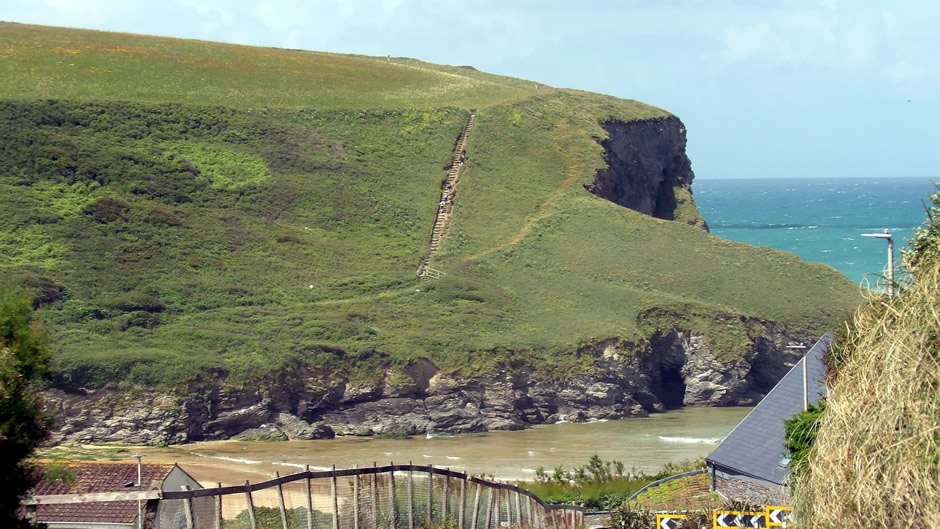
Mawgan Porth (shown below) is a quieter coastal village located just north of Newquay, offering a more relaxed alternative to the busier resorts. It features a wide sandy beach backed by dunes and cliffs, and is popular with families and walkers seeking a peaceful seaside experience surrounded by natural beauty.
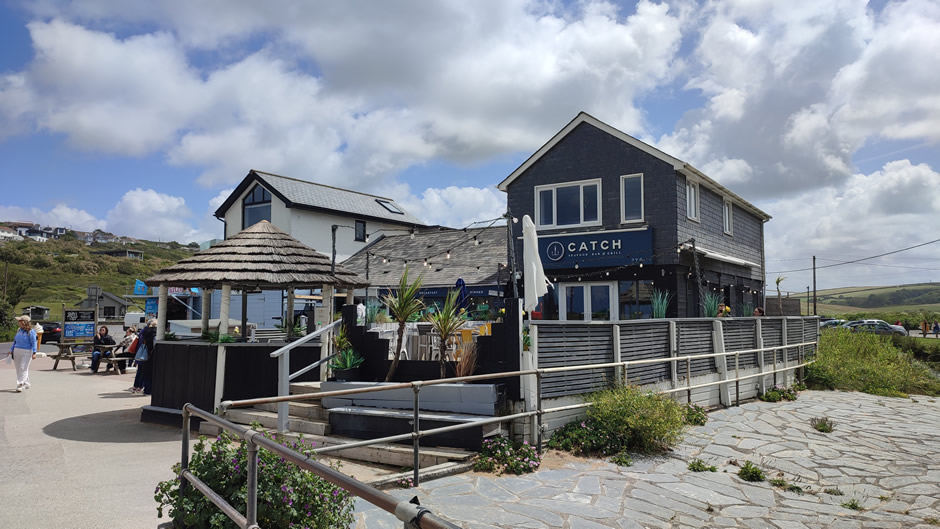
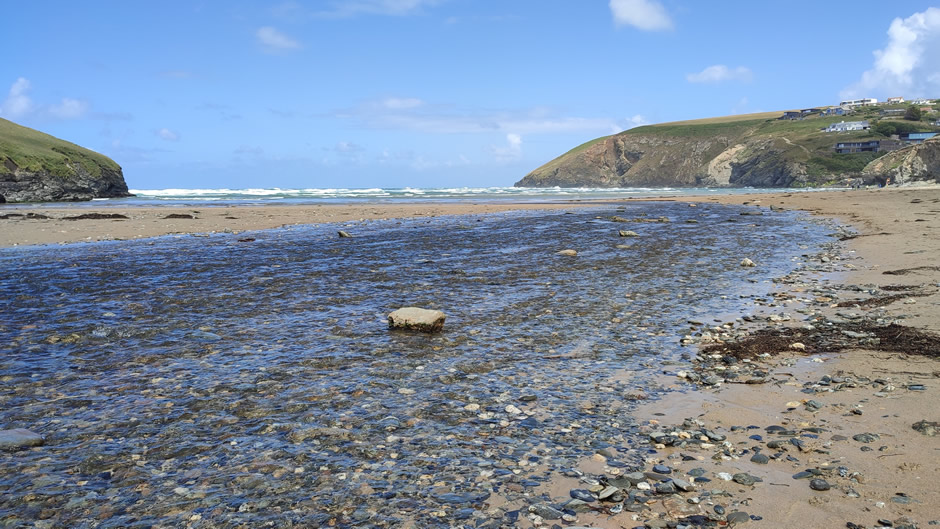
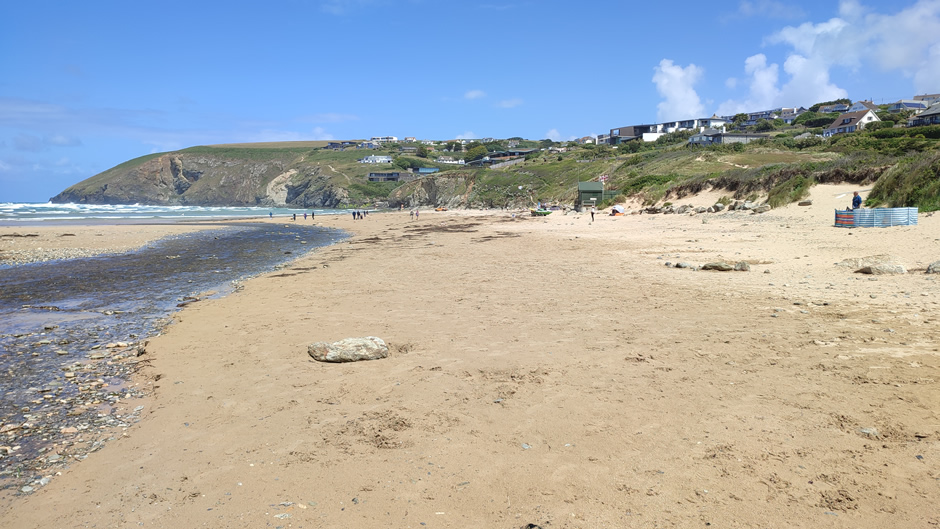
Mawgan Porth has attracted several high-profile property owners over the years, including well-known figures from the entertainment and business worlds. Its secluded charm and coastal scenery have made it appealing to celebrities looking for privacy away from the more crowded tourist destinations.
Padstow
Padstow is a picturesque fishing town on the Camel Estuary, known for its working harbour, narrow streets, and strong culinary reputation. It combines traditional Cornish charm with a vibrant food scene, drawing visitors who come to enjoy both the scenery and its renowned dining experiences.
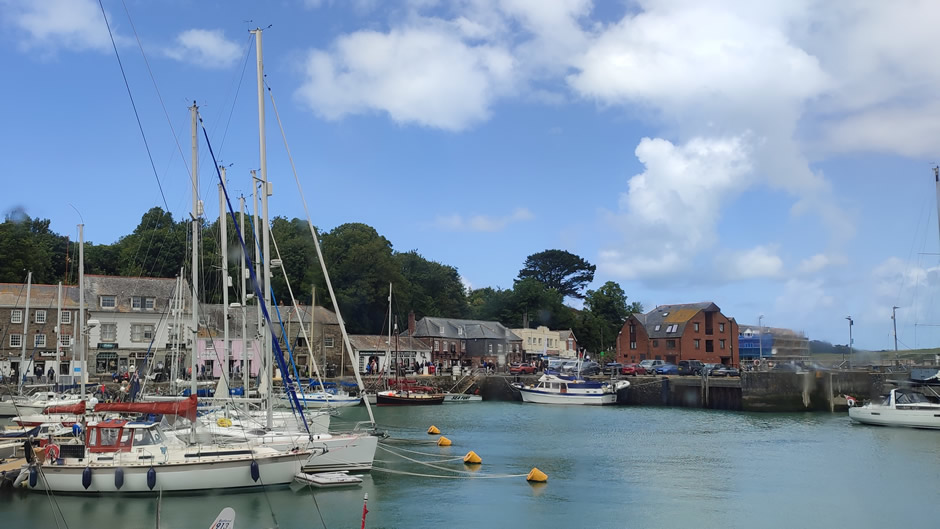
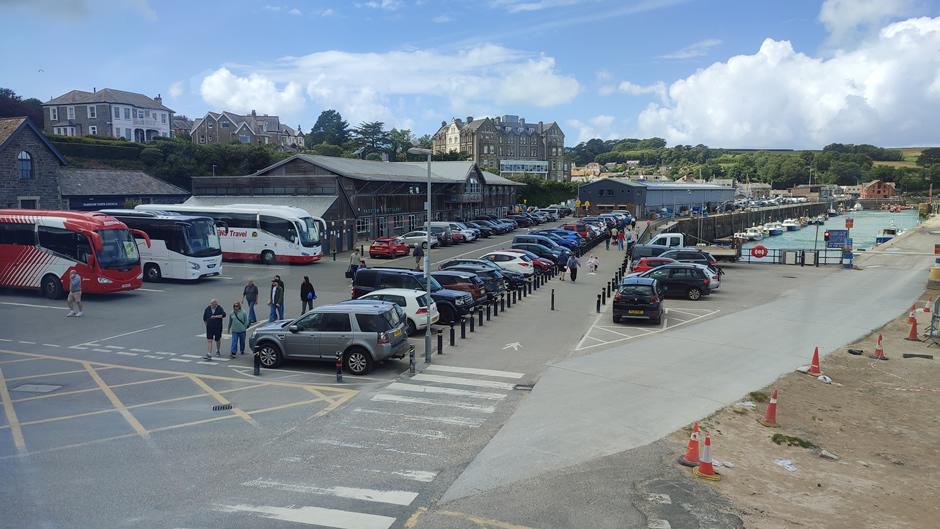
Padstow is closely associated with chef Rick Stein, whose presence has transformed the town into a major food destination. His businesses include restaurants, cafés, a seafood school, and accommodation, all centred around the harbour area. Visitors can enjoy his food at multiple locations throughout the town, each offering fresh seafood dishes inspired by local ingredients.
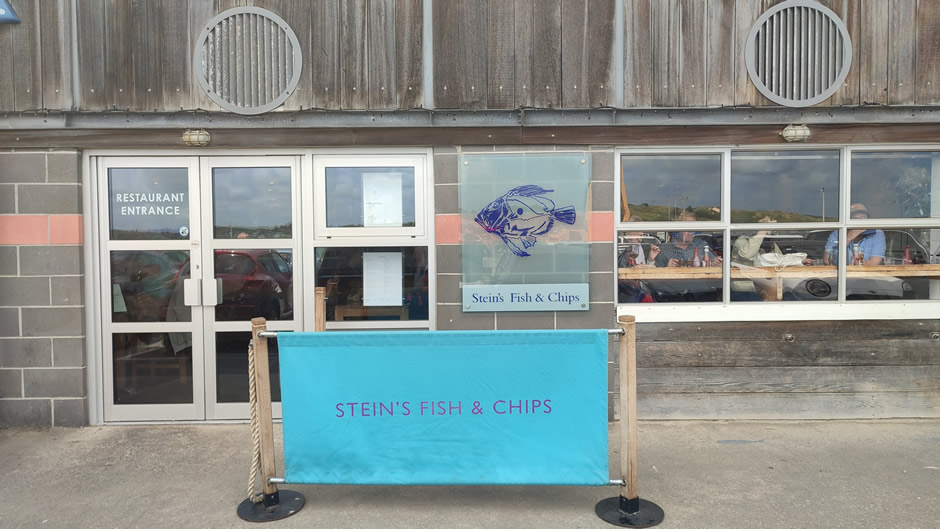
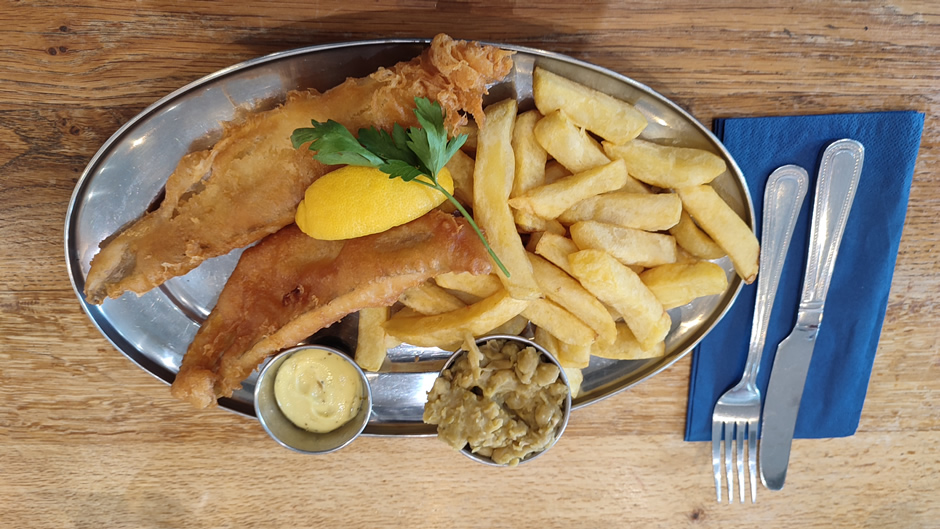
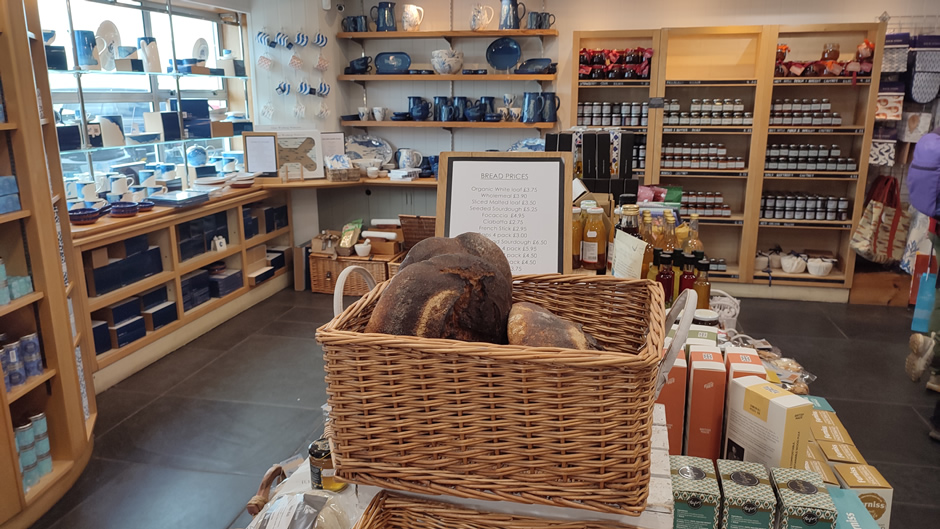
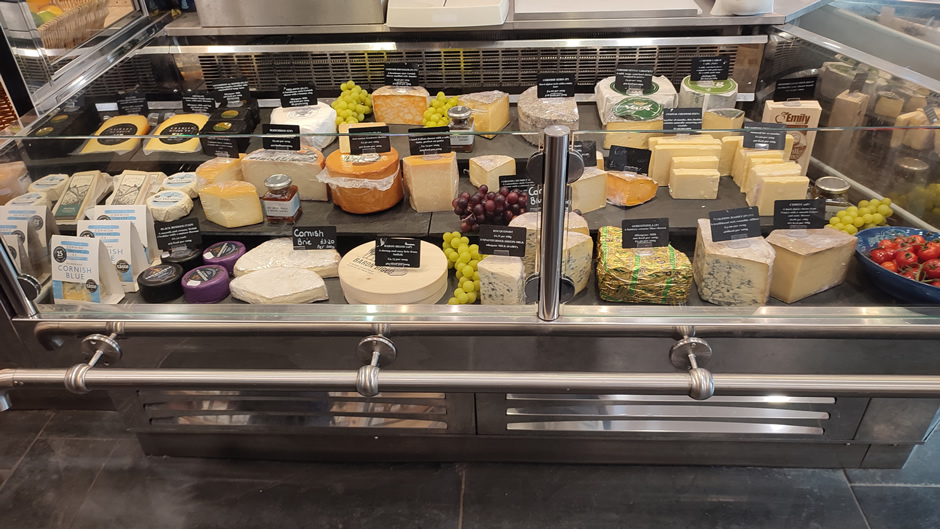
Above: Dining at Stein’s Fish & Chips and inside Stein’s Deli
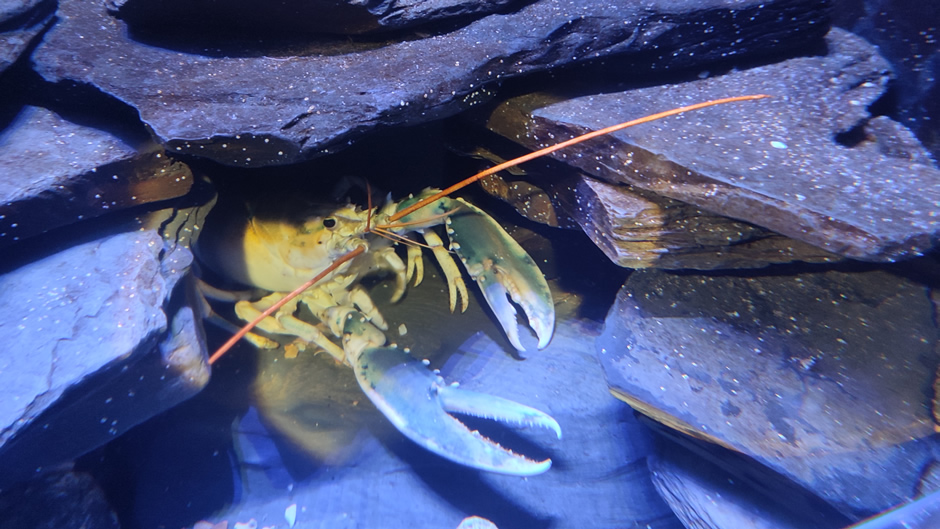
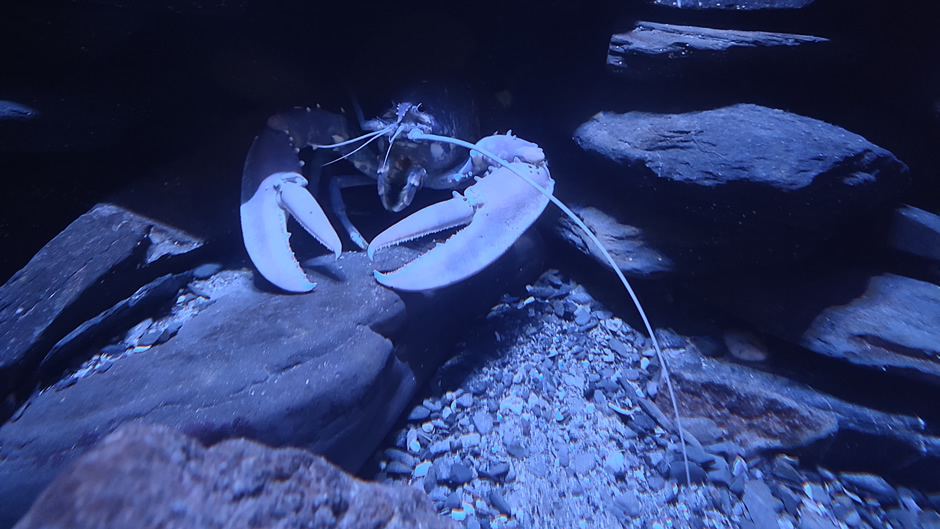
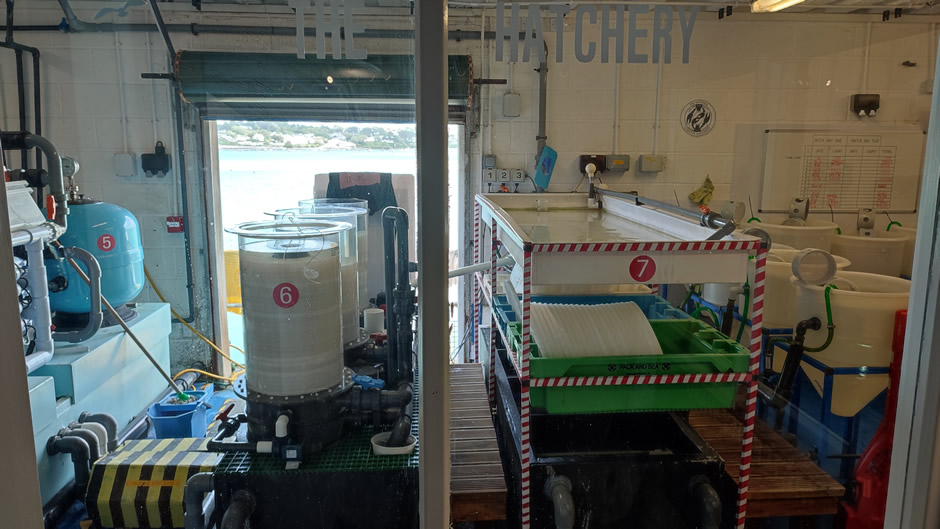
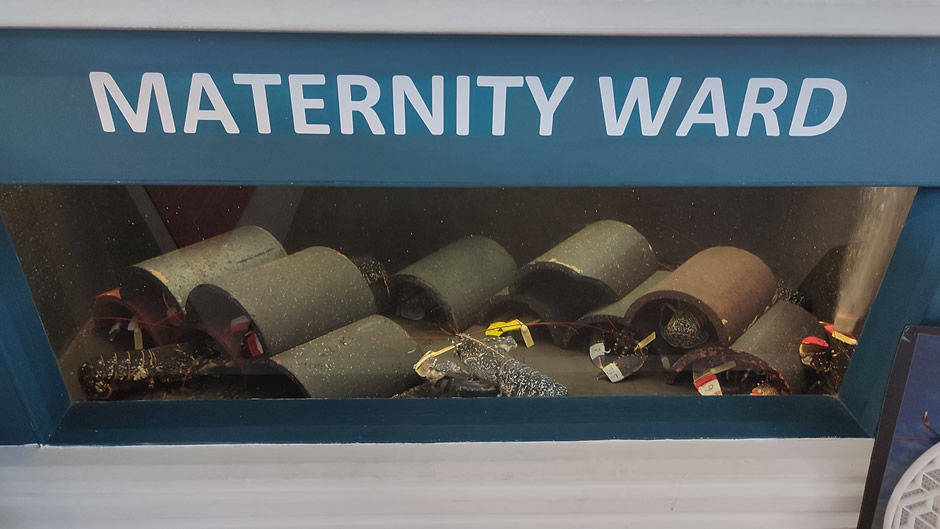
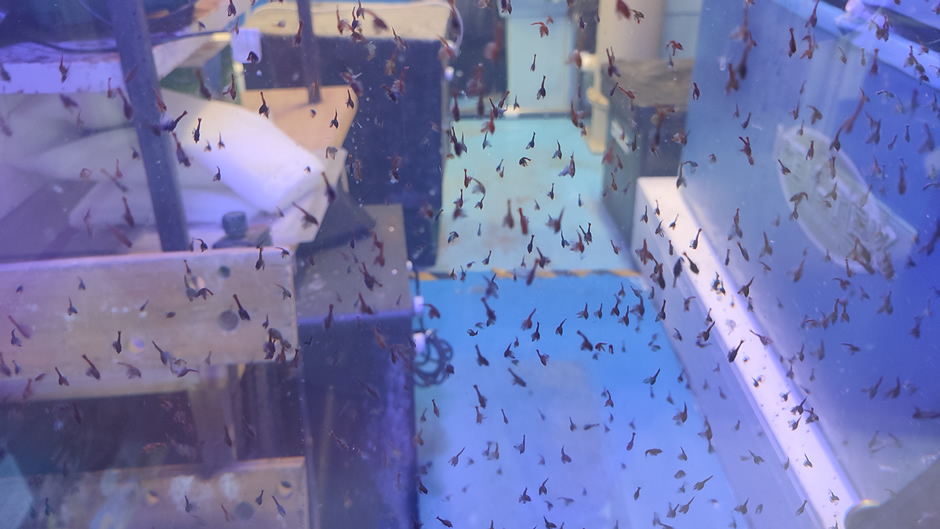
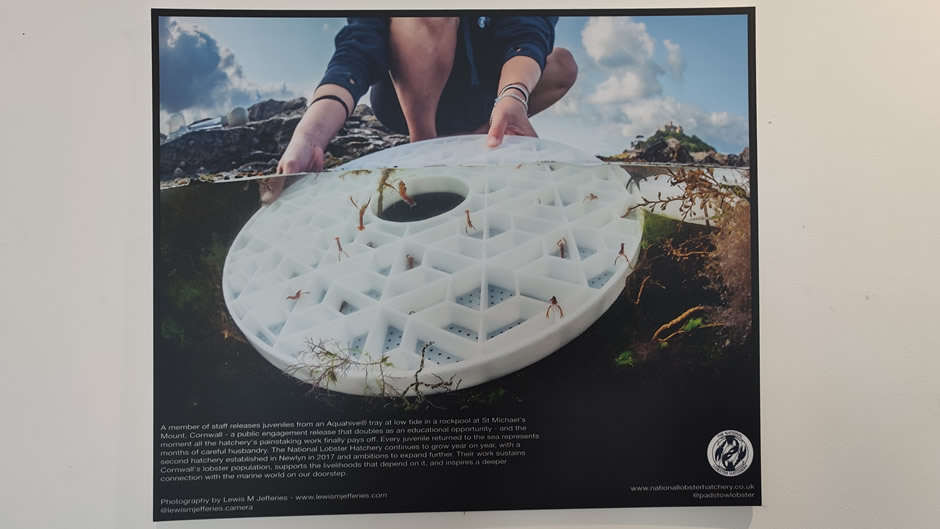
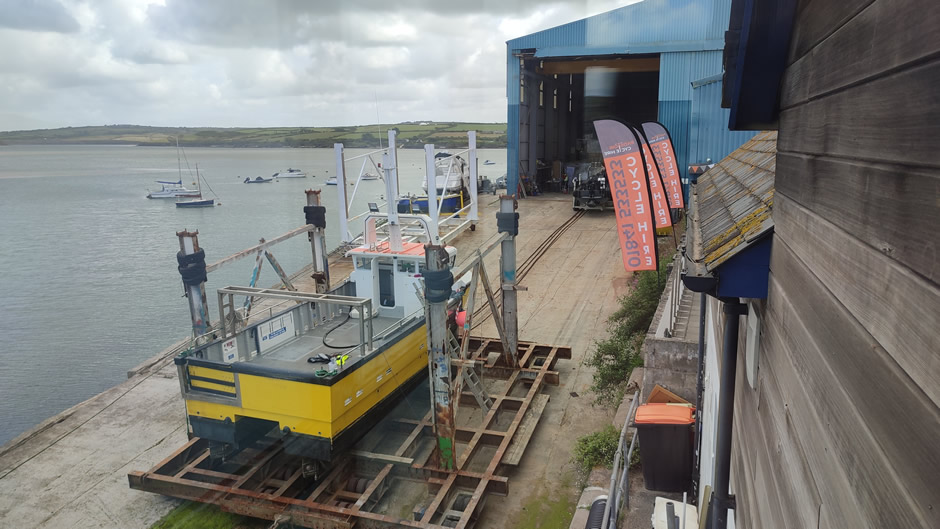
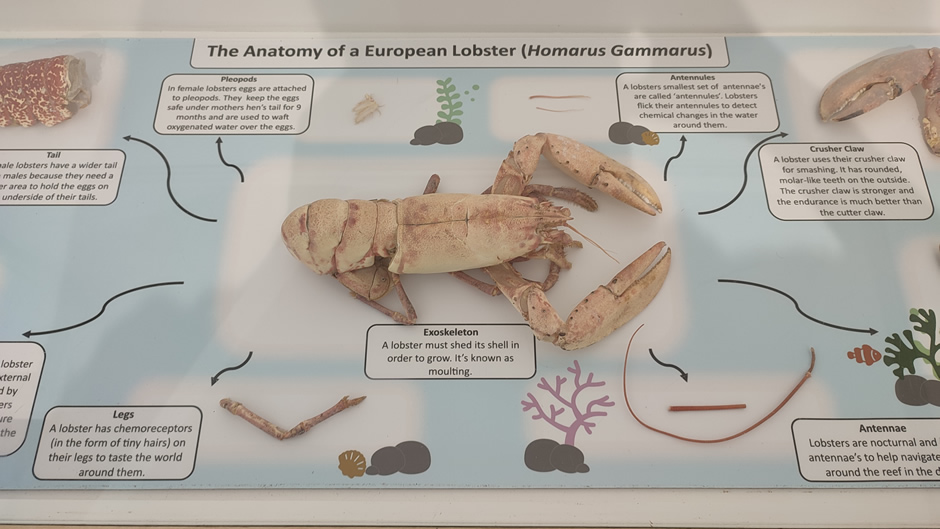
The National Lobster Hatchery in Padstow is a marine conservation charity dedicated to protecting and sustaining lobster populations. It operates by breeding and releasing young lobsters into the wild, while also educating visitors about marine life and the importance of sustainable fishing practices:
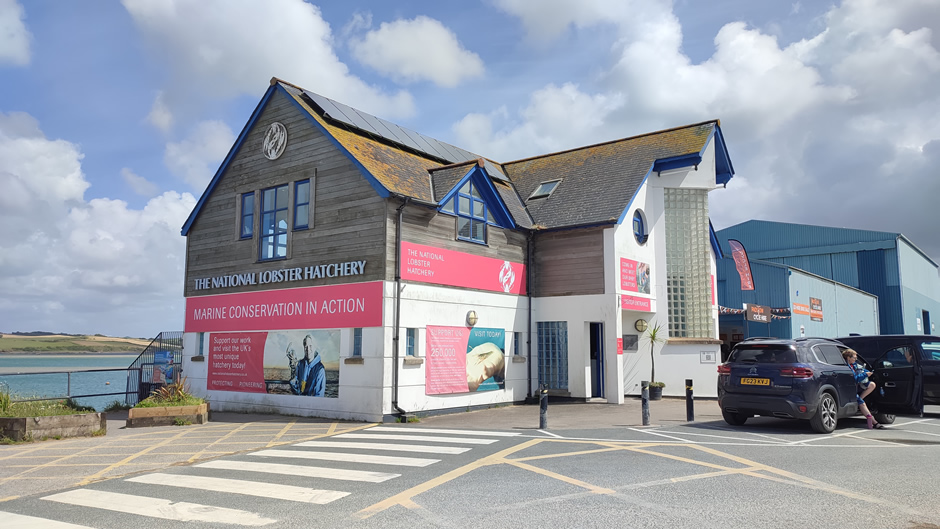
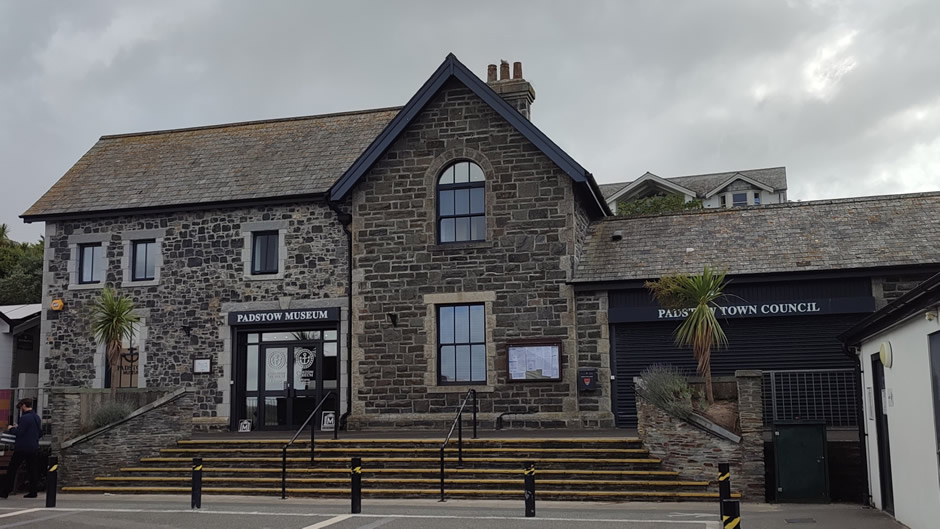
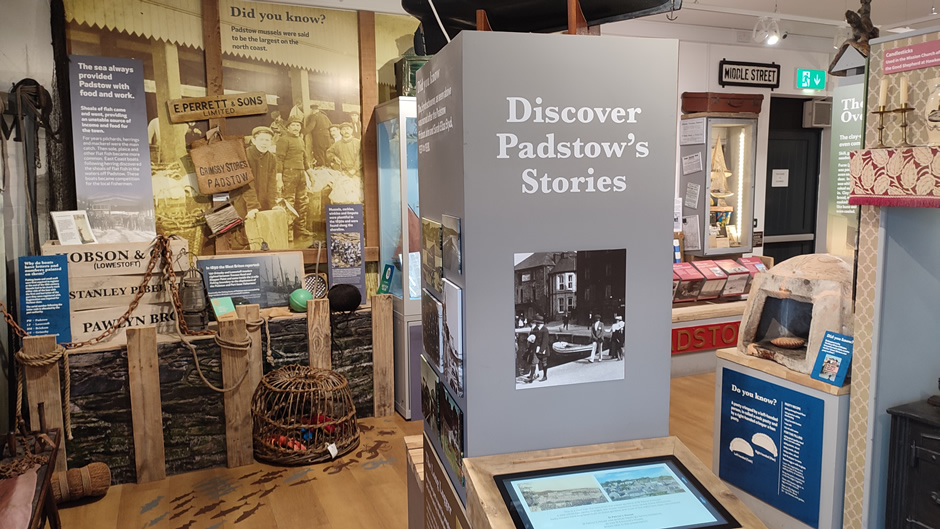
Padstow Museum (shown below) is a small yet fascinating heritage centre located between Stein’s Fish & Chips and the National Lobster Hatchery. It showcases a diverse collection of maritime artefacts, local photographs, and exhibits that explore the area’s rich seafaring past and community traditions. Visitors can learn about shipbuilding, fishing industries, and the social history of the town through carefully curated displays. The museum is run by dedicated volunteers, creating an intimate and authentic experience that reflects Padstow’s cultural identity.
Port Isaac
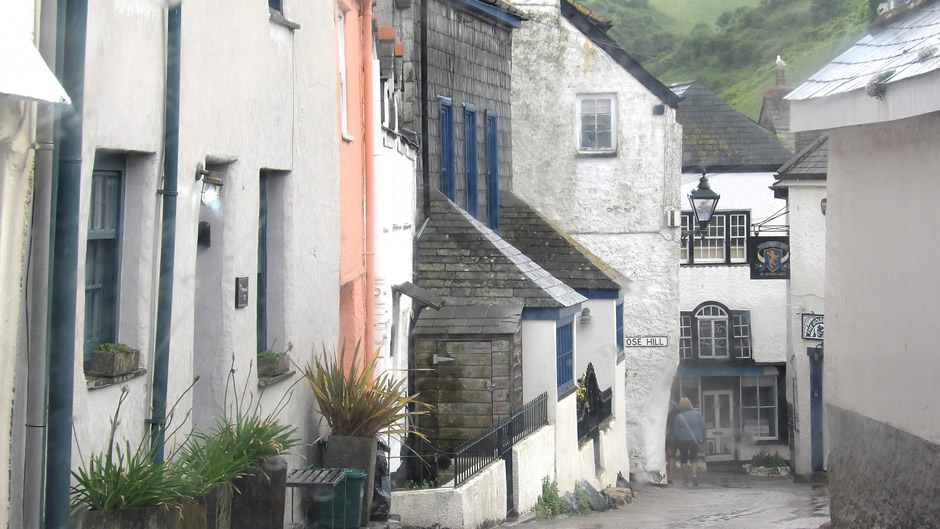
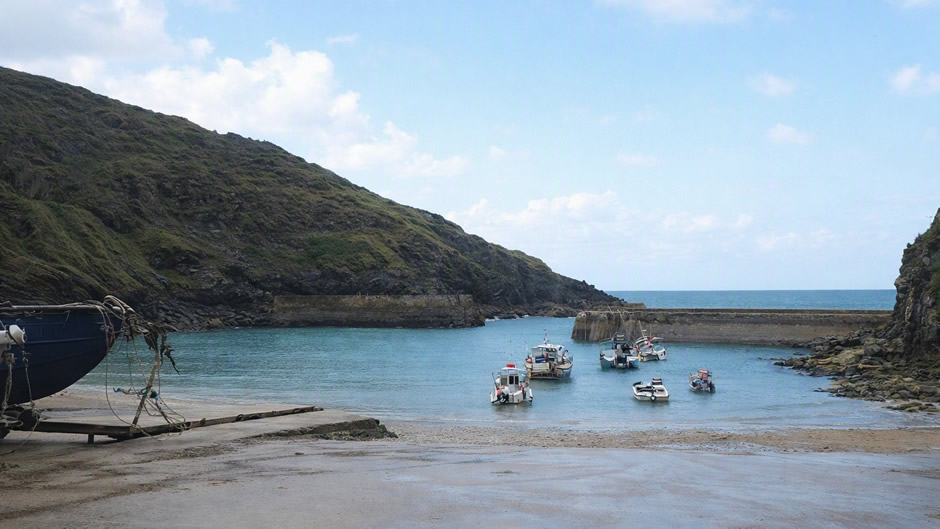
Port Isaac is a small, traditional fishing village characterised by steep winding streets and whitewashed cottages clustered around a historic harbour. It gained international recognition as the filming location for the television series Doc Martin, with many of its buildings and scenery appearing on screen, attracting fans who visit to see the setting in real life.
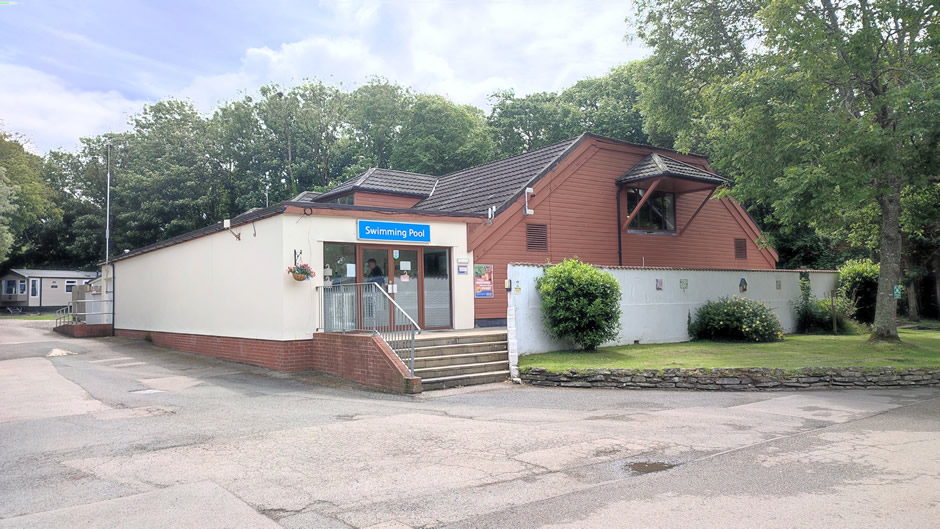
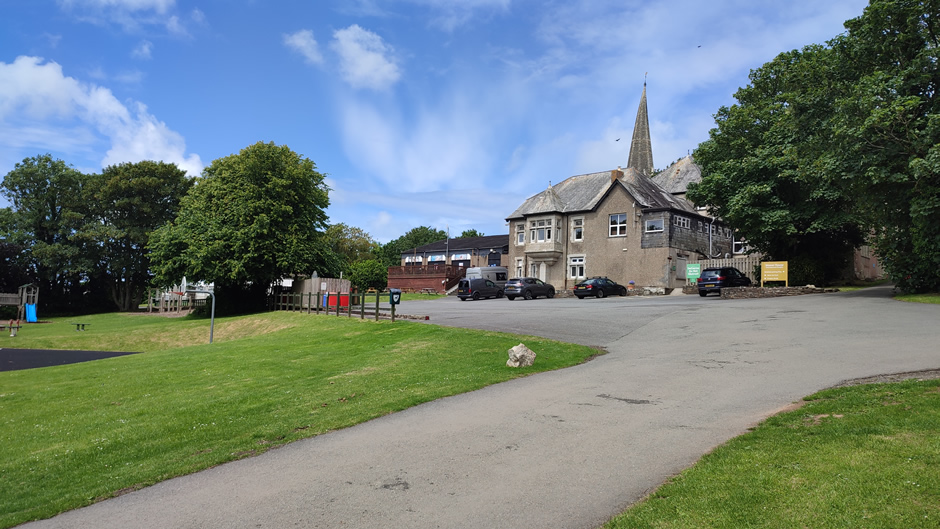
Day 11 was spent relaxing at the holiday park at St Minver. The site is a family-friendly holiday park set in the scenic countryside near the North Cornwall coast. It offers a range of accommodation options, including lodges and caravans, alongside leisure facilities such as indoor and outdoor swimming pools, sports courts, and entertainment venues. The park provides easy access to nearby beaches and walking trails, making it an ideal base for exploring the surrounding natural beauty. On-site dining, activities, and seasonal events ensure a convenient and enjoyable stay. For natural surroundings and ambience, this place to stay was found to be much more preferred over the Lizard Peninsula site stayed at prior. A few photos of the holiday park follow:
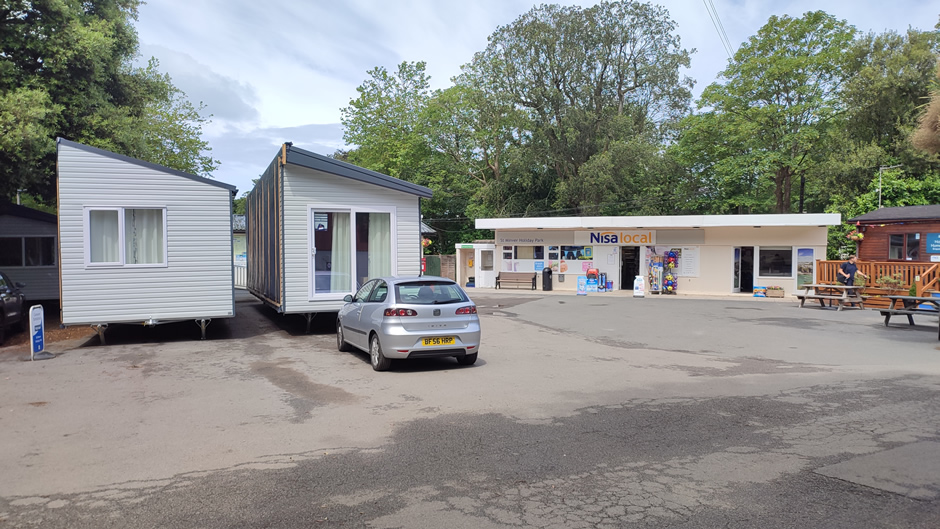
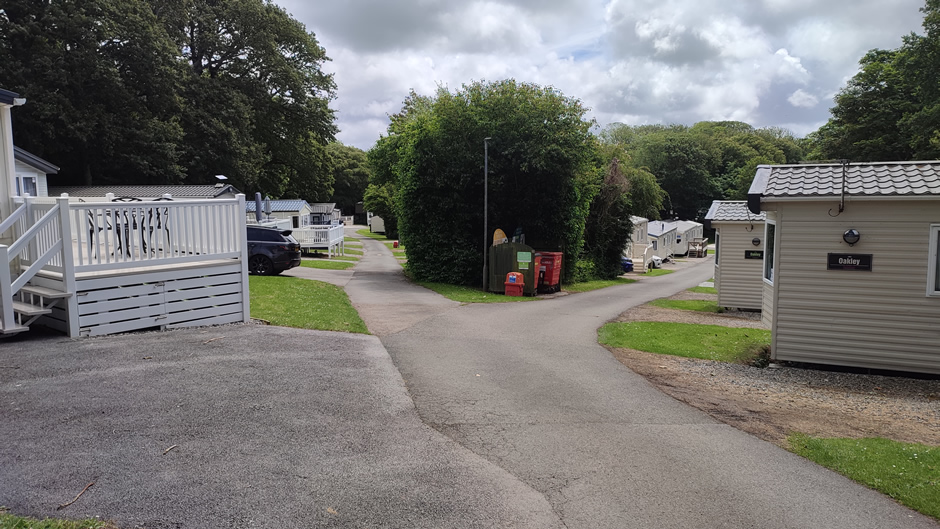
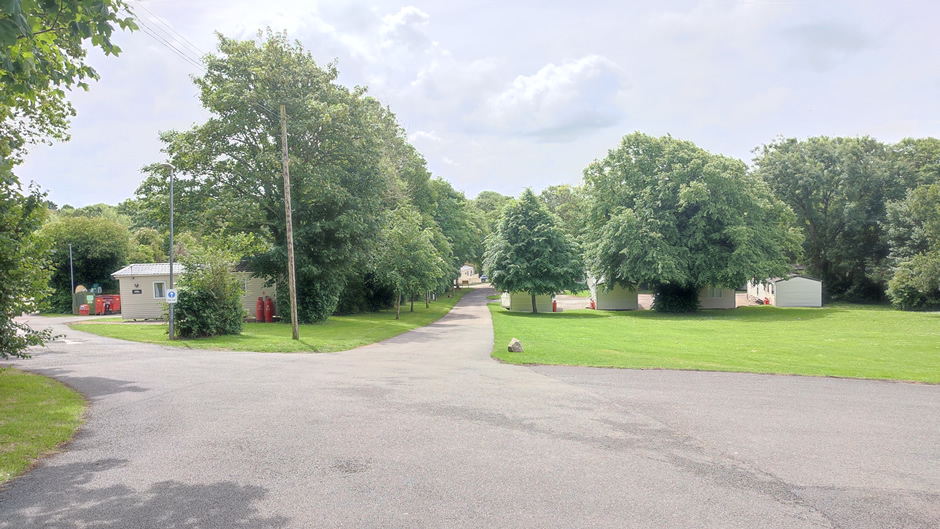
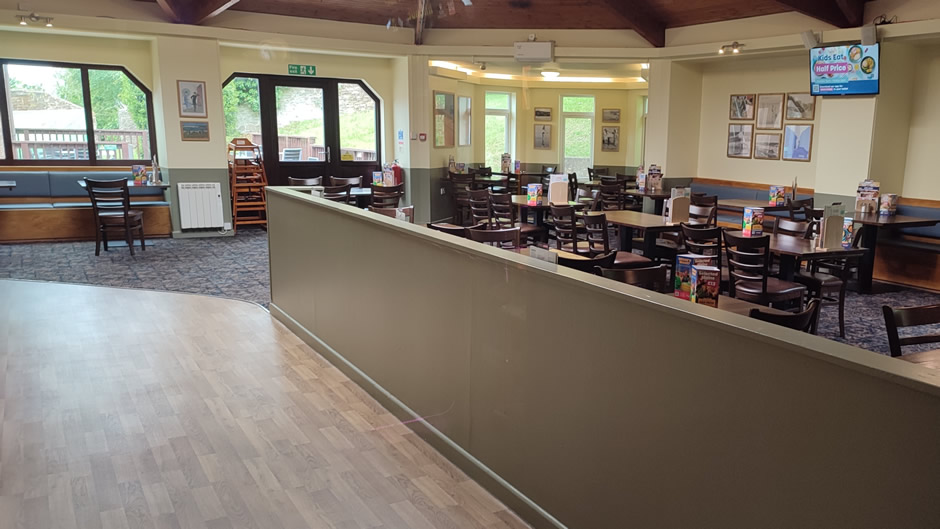
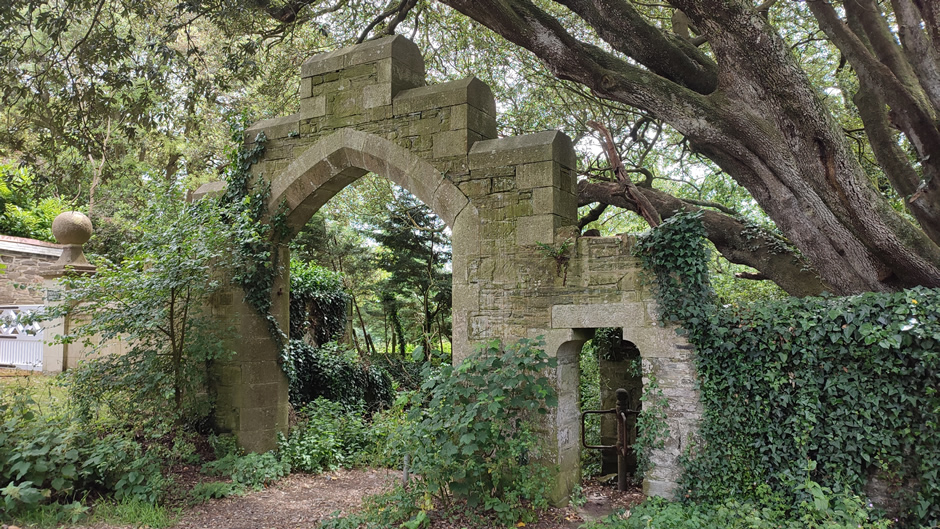
Before a holiday park, the site was originally part of a historic estate centred around a manor house, alongside agricultural land that served the surrounding rural community with grazing and farming activity typical of North Cornwall. Remnants of its earlier use can still be spotted, most notably the old metal turnstile that remains in place. This turnstile was once part of a public footpath system, allowing walkers to pass through fields while preventing livestock from escaping, offering a small but tangible link to the land’s pre-tourism past.
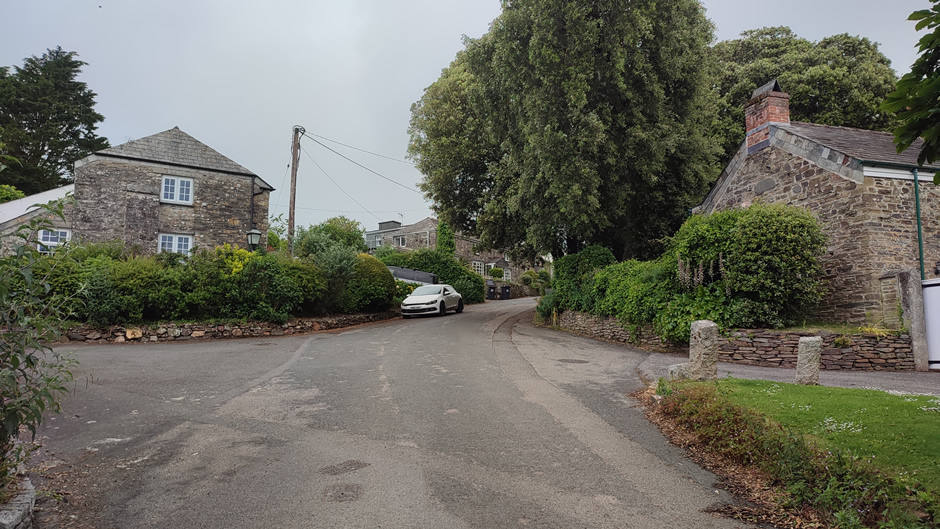
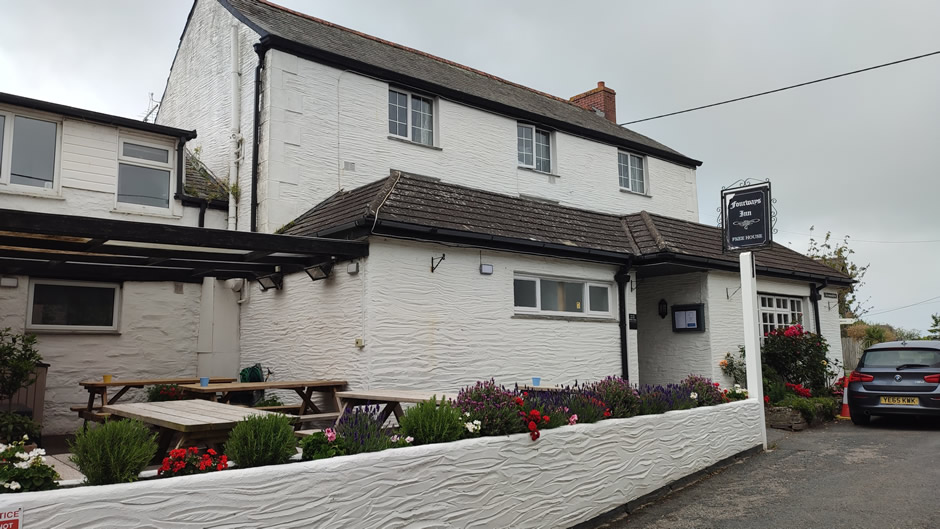
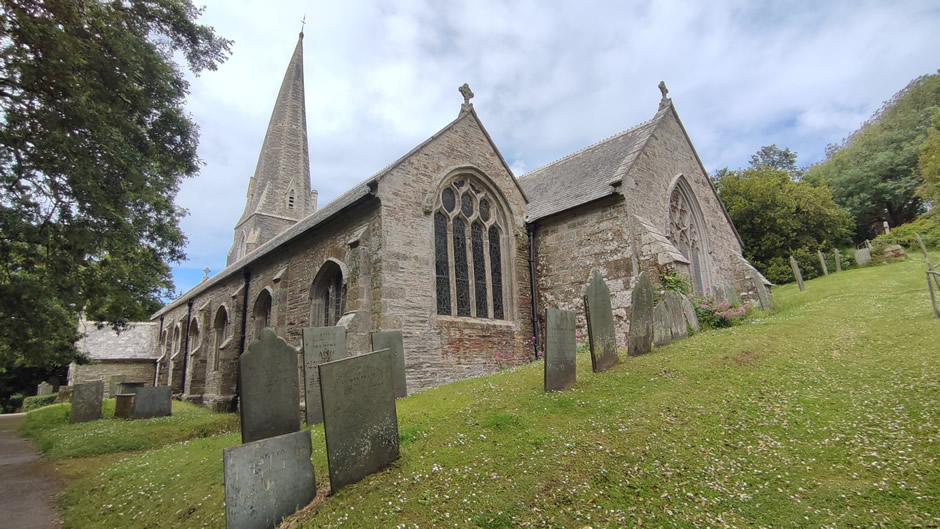
The village of St Minver Itself is a historic Cornish parish known for its peaceful setting and traditional character, centred around the striking St Minver Church. This Grade I listed building, dedicated to St Menefreda, dates back to the 15th century and features a distinctive tower and beautifully preserved interior. The church continues to serve as a focal point for the community, surrounded by a quiet churchyard and narrow lanes that reflect the village’s long-standing heritage and connection to Cornwall’s ecclesiastical history.
Our final full-day in Cornwall before our final night at the St Minver Holiday Park was spent exploring a couple of places on the southern coast of the county, before crossing Bodmin Moor on the return leg of the drive.
Polperro
Polperro is a small Cornish fishing village known for its narrow lanes, whitewashed cottages, and sheltered harbour that has been used for centuries. Its steep valley setting gives the village a distinctive, enclosed feel, with houses clustered tightly around the water. Polperro has long been associated with tales of smuggling, and the layout of the village still reflects the era when hidden passages and quick escape routes were essential. Today it is a peaceful coastal destination, popular for its coastal walks, independent shops, and traditional character. Note that visitor parking is located just outside the village and the walk into the centre takes approximately 10-15 minutes. Photos are shown below (scroll through images to view each one):
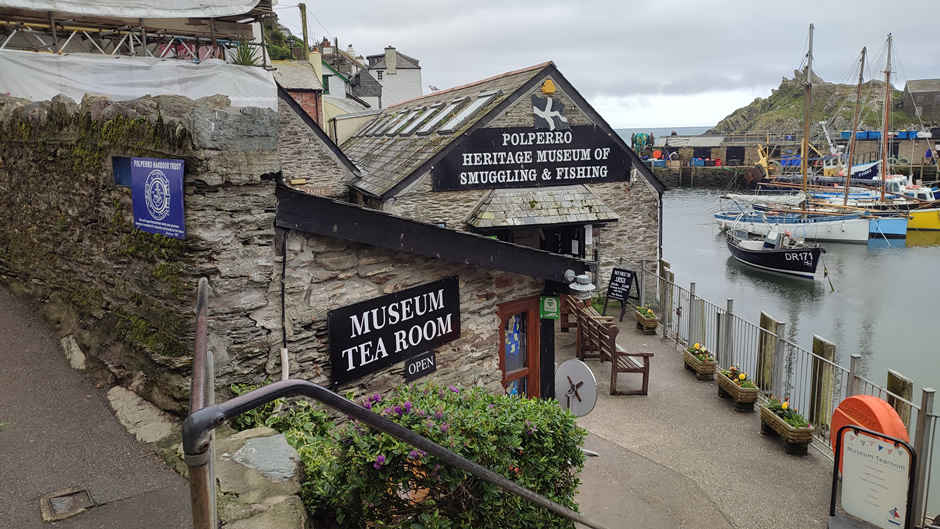
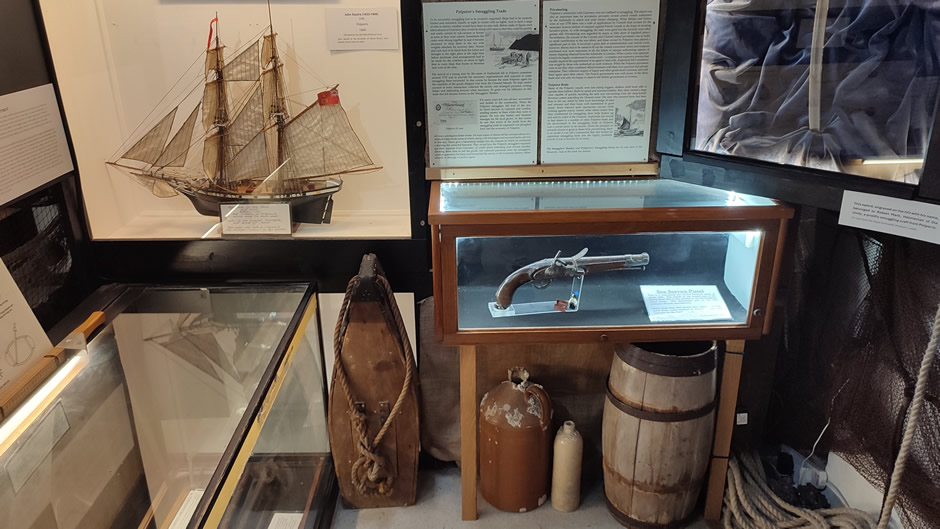
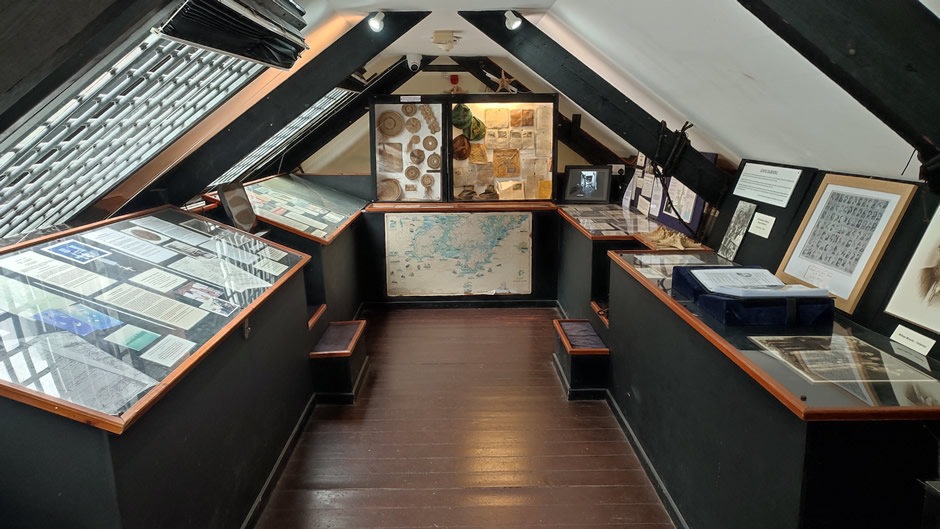
The Polperro Heritage Museum (shown below) sits on the edge of the harbour in a former fish‑processing building and focuses on the village’s maritime and fishing history. Its displays cover the development of the local pilchard industry, the evolution of the harbour, and the stories of the people who worked the coastline. The museum also preserves material linked to Polperro’s smuggling past, including accounts of local families involved in the trade. Visitors should note that photography inside the museum is not permitted for reproducing on social media, websites, etc. with copyright being cited as the reason.
Looe
Looe, shown below, is a lively coastal town divided by the River Looe into East and West, linked by an old stone bridge. It has a working fishing fleet, and the daily market and quayside activity remain central to the town’s identity. East Looe is known for its medieval street pattern and compact shopping streets, while West Looe offers quieter viewpoints across the harbour. The long sandy beach, coastal paths, and easy rail access make it one of the most visited towns in southeast Cornwall.
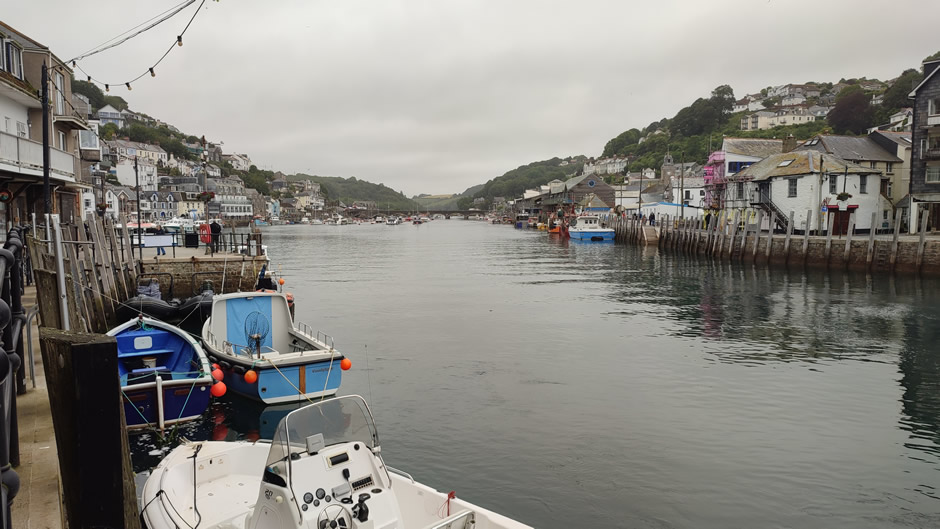
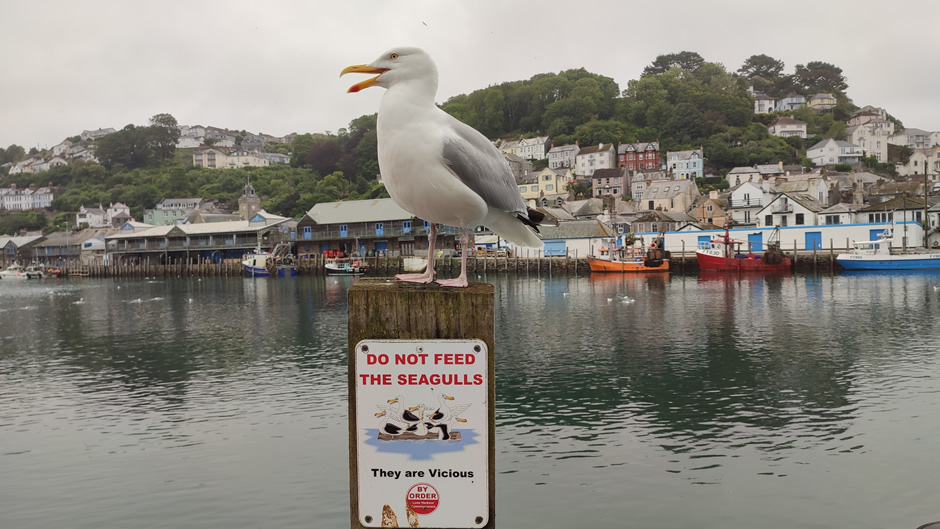
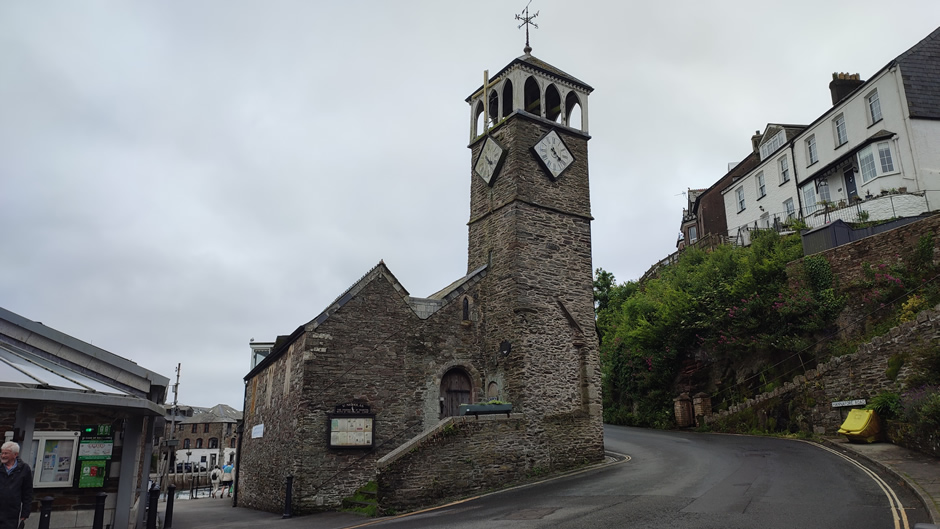
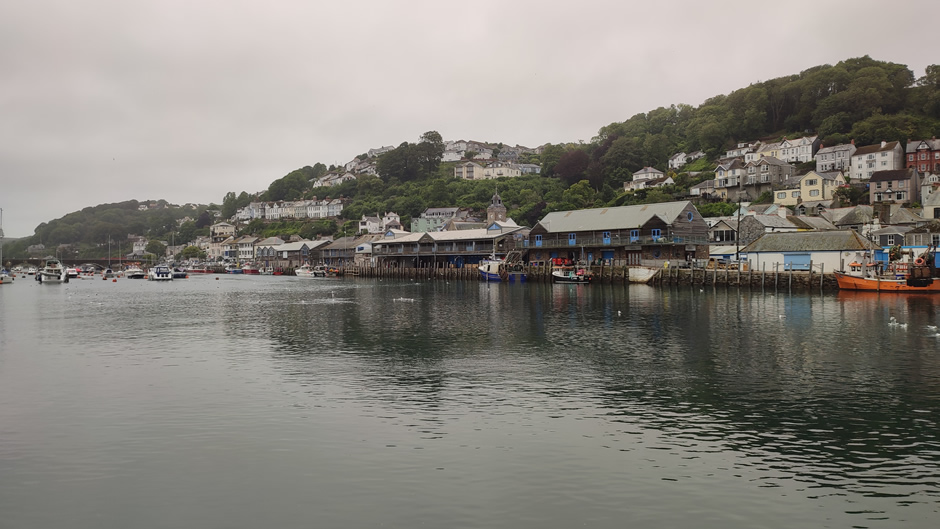
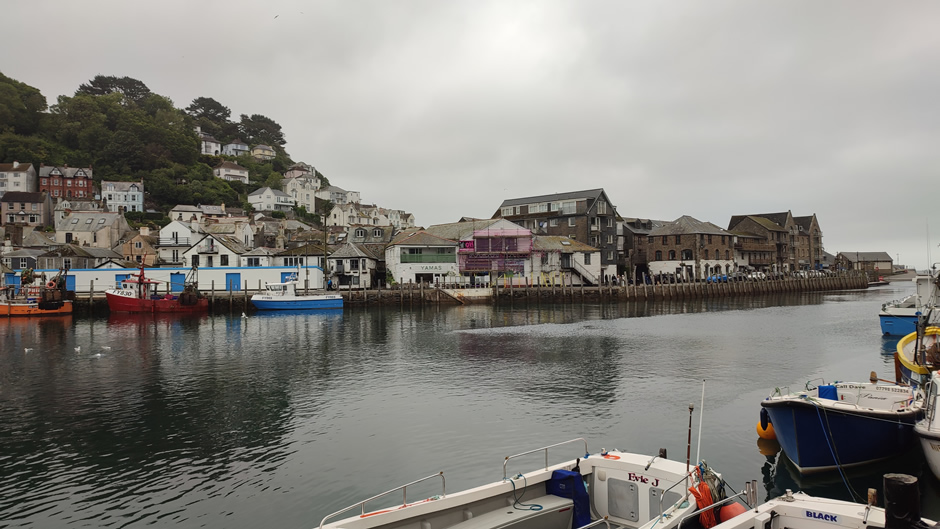
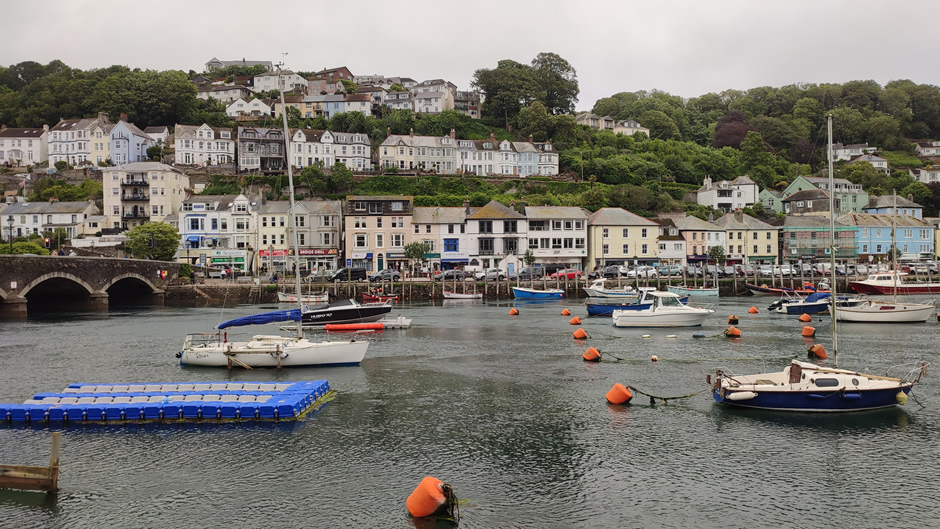
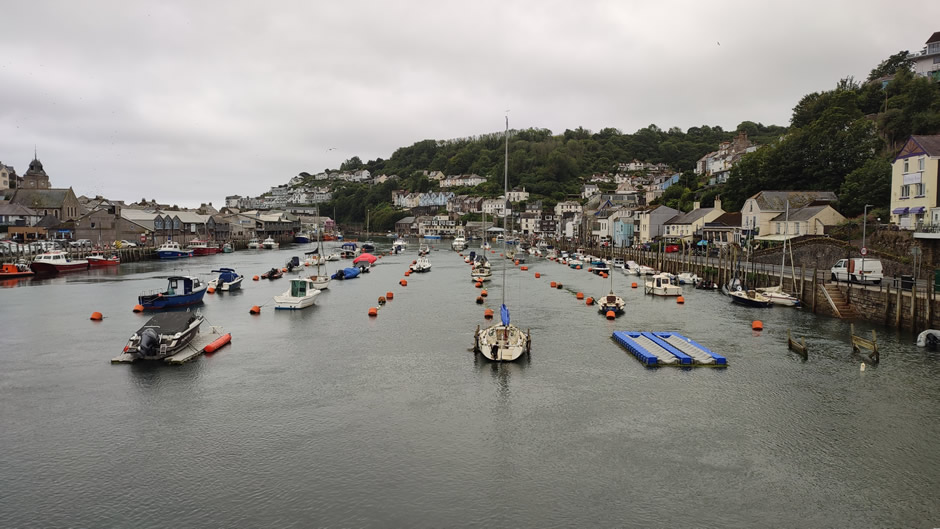
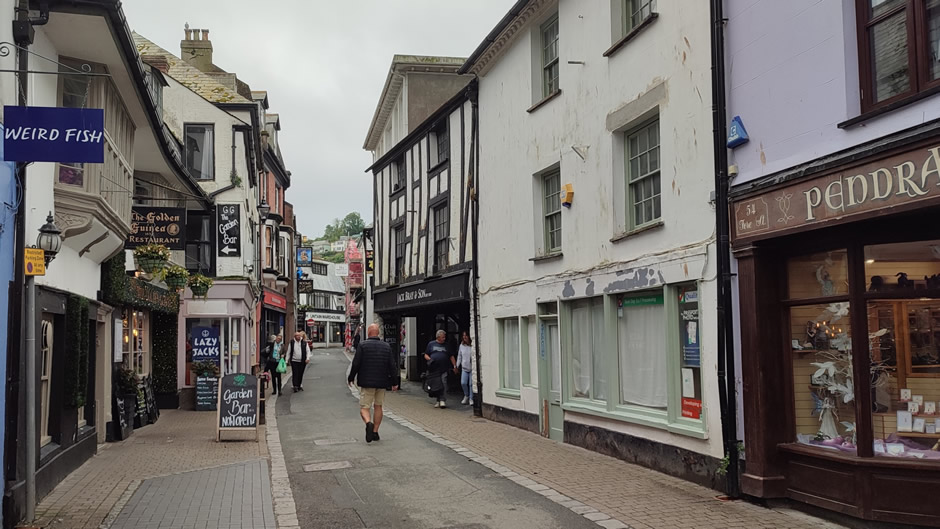
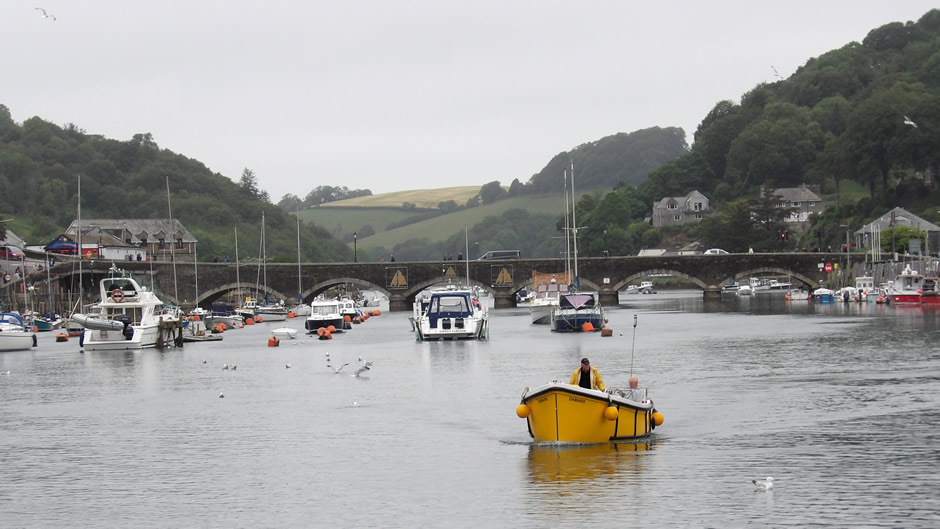
Despite being in Cornwall, Looe features in the BBC series Beyond Paradise as one of the real locations used to represent the fictional Devon town of Shipton Abbott. Looe’s harbour, seafront, and surrounding countryside appear in establishing shots and outdoor scenes, giving the show a recognisable Cornish backdrop. The production’s use of Looe has drawn attention to the town’s scenery and helped boost interest in filming locations across the area.
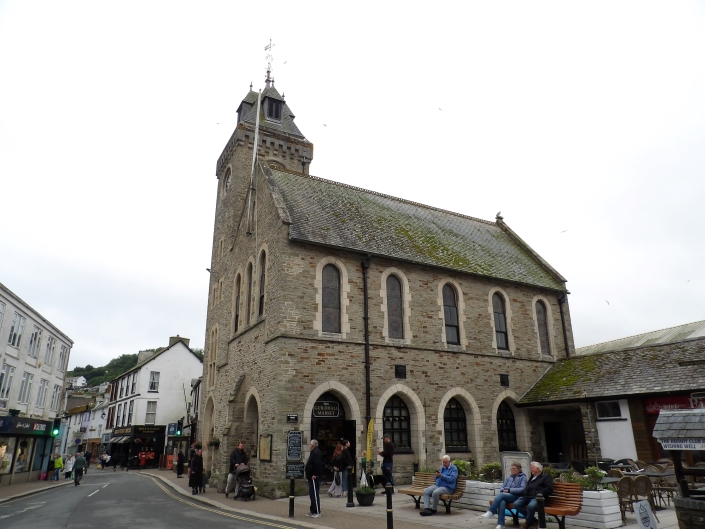
Above: In the TV series Beyond Paradise, the Looe Guildhall is used for Shipton Abbott’s main police station.
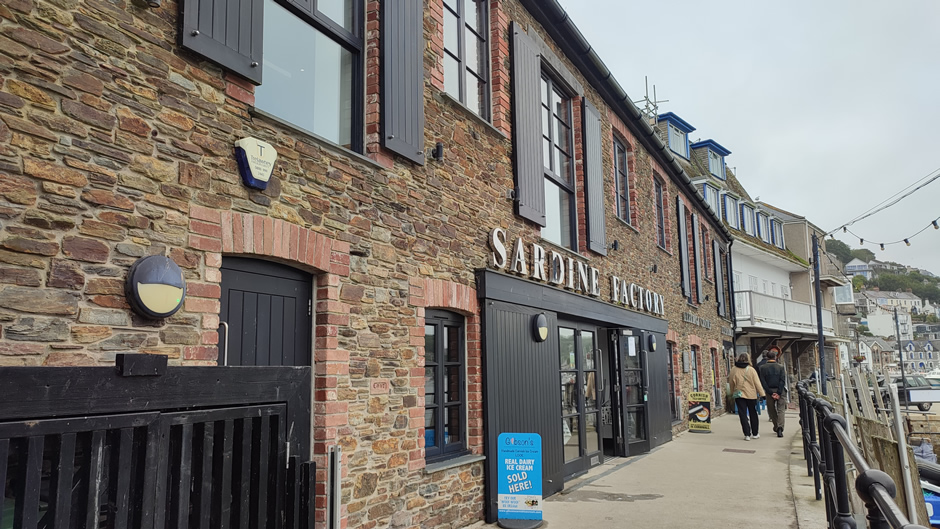
Above: From season 3 onwards, The Sardine Factory Restaurant in West Looe is used for shots of Martha's expanded restaurant, “The Ten Mile Kitchen”.
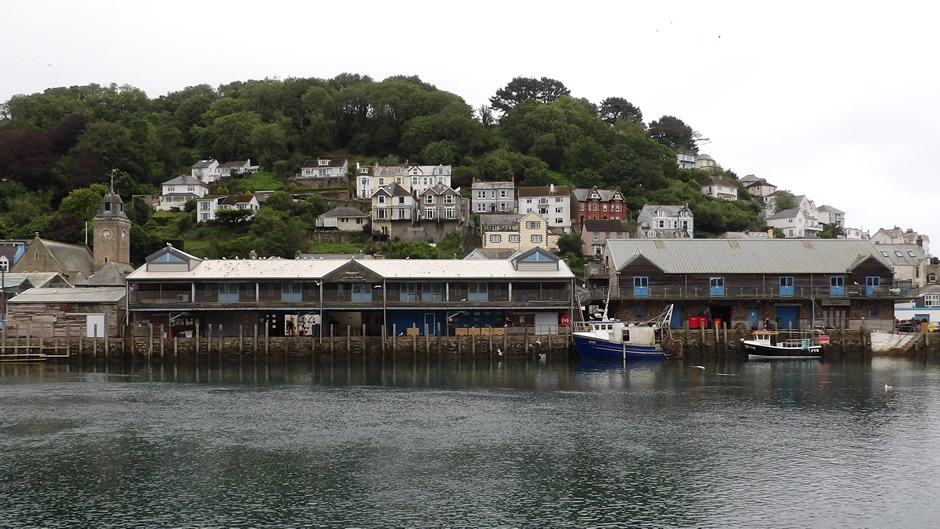
Above: Looe’s working harbourside fish market appears prominently in Beyond Paradise, helping establish the lively seaside feel of the fictional town of Shipton Abbott. By filming in the real market, the production adds genuine coastal activity and atmosphere to the series.
Jamaica Inn
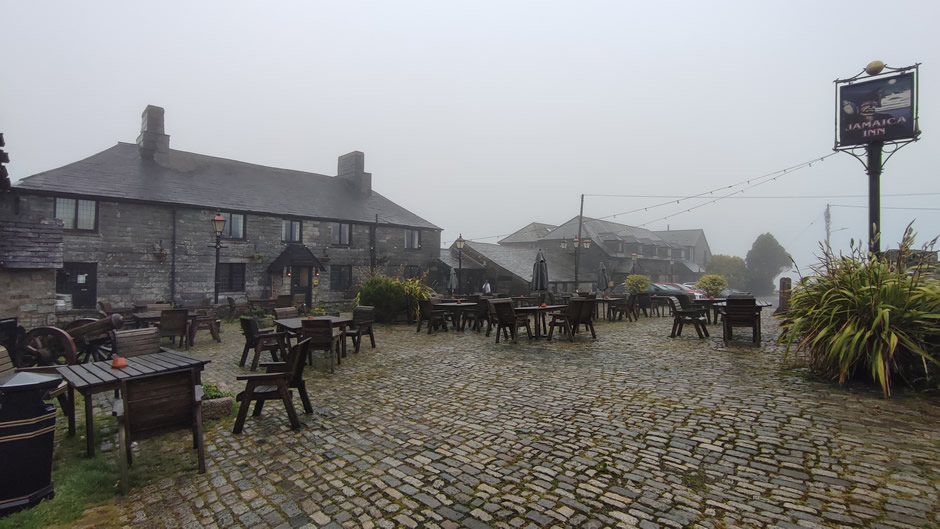
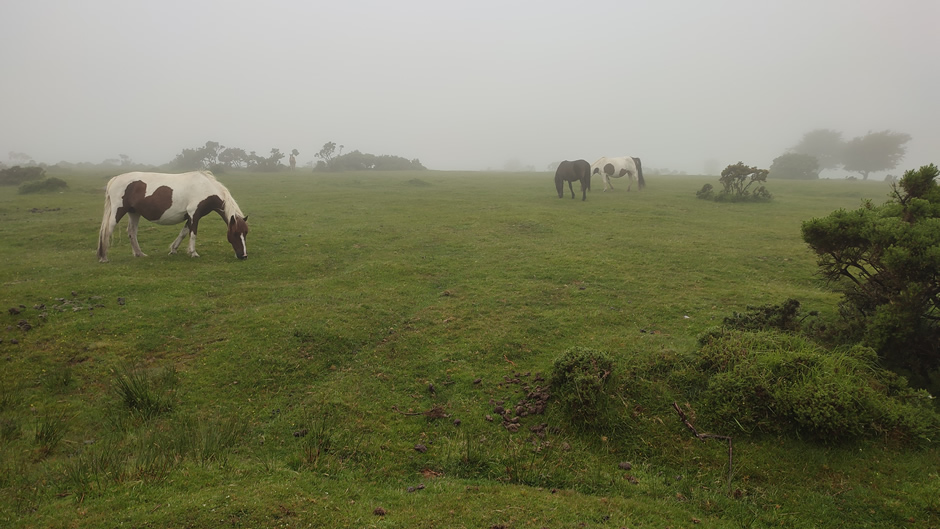
Jamaica Inn (shown below) stands high on Bodmin Moor and is best known for its association with Daphne du Maurier’s 1936 novel of the same name. The inn dates from the 18th century and originally served travellers crossing the moor, offering shelter in an isolated landscape. Its remote position made it a natural setting for stories of smuggling and illicit trade, themes that later shaped its literary fame. Today the inn includes a museum, dining spaces, and accommodation, while still retaining the atmosphere of its historic moorland setting.
Days 13 & 14 En Route from Cornwall to Home
Following are some of the sights we stopped off at on our return journey from Cornwall. Quite a bit was packed into the first day, seeing some well-known and lesser-known sights, ending up at a hotel near the town of Reading for one night.
Tintagel Castle
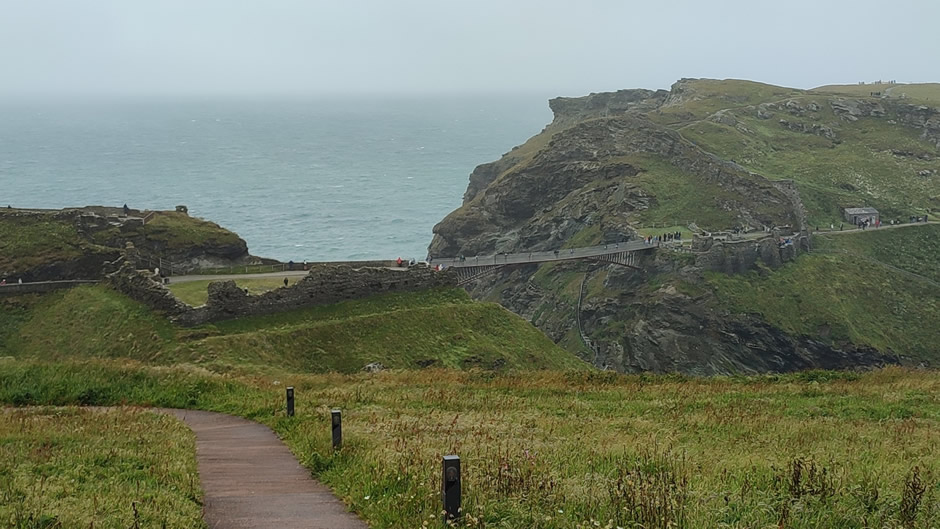
Tintagel Castle (below) stands on a dramatic headland on the north Cornwall coast, where medieval builders constructed a fortress linked to the mainland by a narrow isthmus. The site is strongly associated with Arthurian legend, and excavations have revealed high‑status early medieval occupation that hints at its importance long before the 13th‑century castle was built.
Camelot Castle Hotel
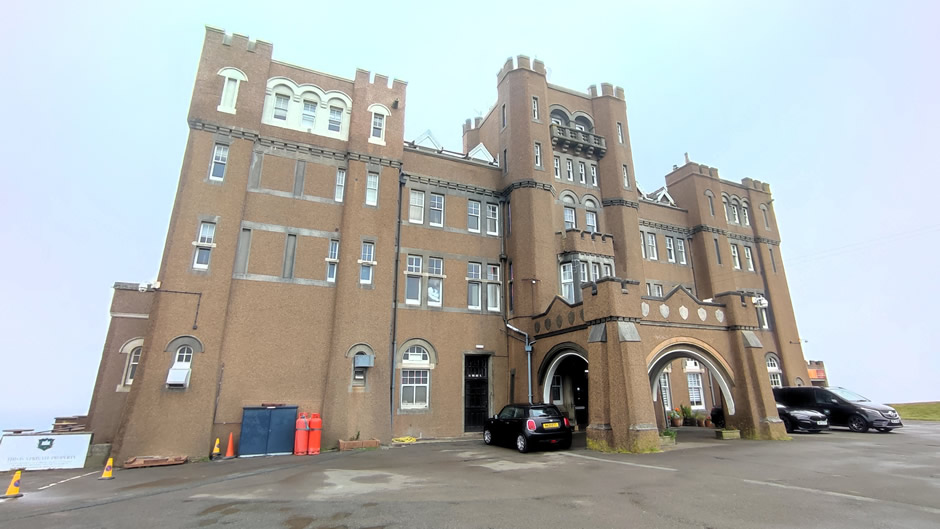
Camelot Castle Hotel (shown below) overlooks Tintagel’s cliffs and was opened in 1899 as a grand Victorian destination designed to attract artists and writers. In recent years it has been owned and promoted by John Mappin, who has styled it as a creative retreat with sweeping sea views and a distinctive turreted façade. A stop was made here to have coffee and take some photos of the view from the car park.
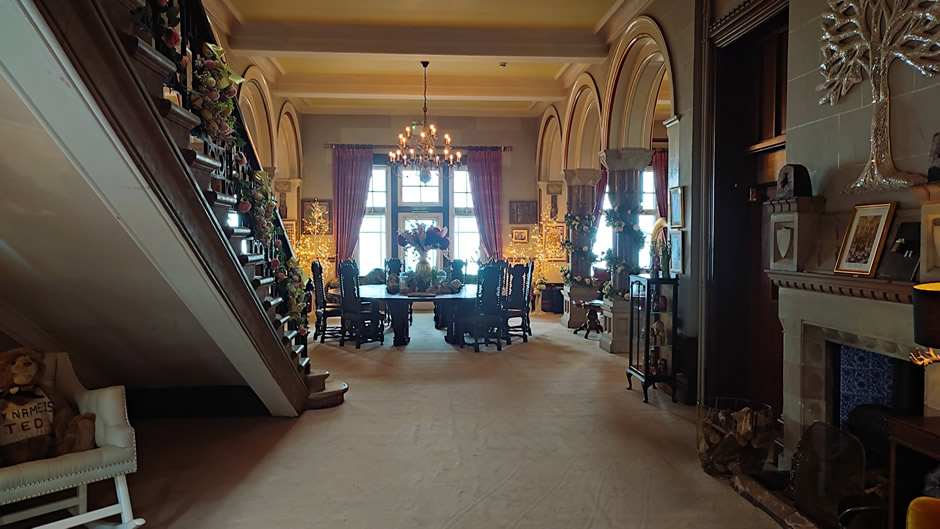
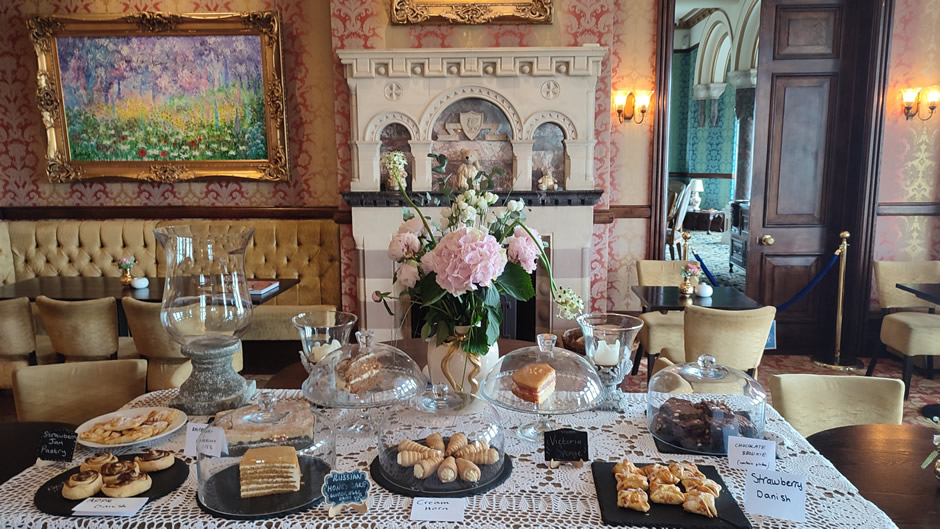
Cricket St Thomas (and To the Manor Born)
Cricket St Thomas (shown below) in Somerset is a historic country estate centred on a Georgian mansion set within landscaped parkland. It became widely recognised as the filming location for the television series To the Manor Born, where its house and grounds represented the fictional Grantleigh Manor.
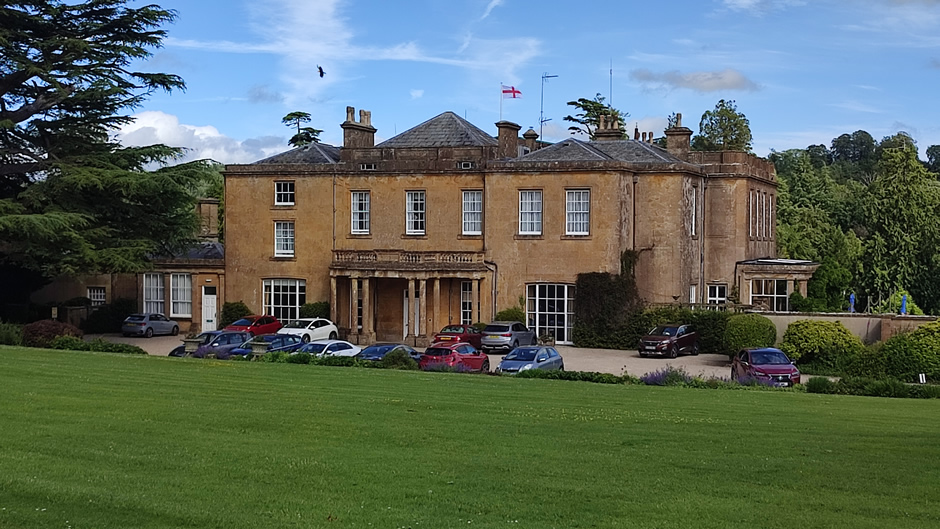
Above: Cricket House was used for all exterior shots and some interior shots of Grantleigh Manor.
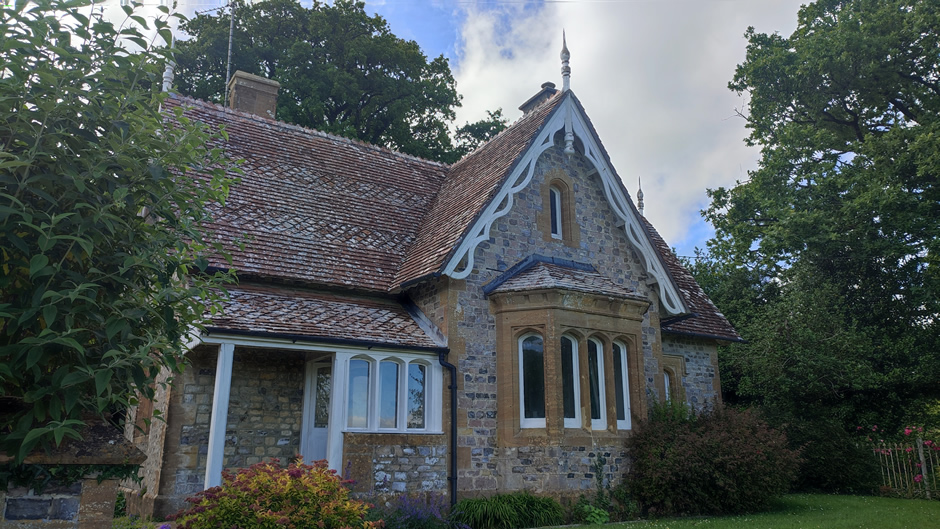
Above: This privately owned property on the edge of the estate was used in the TV series for The Old Lodge, a home purchased by Audrey after she is forced to sell Grantleigh Manor (photo taken with permission of the owner).
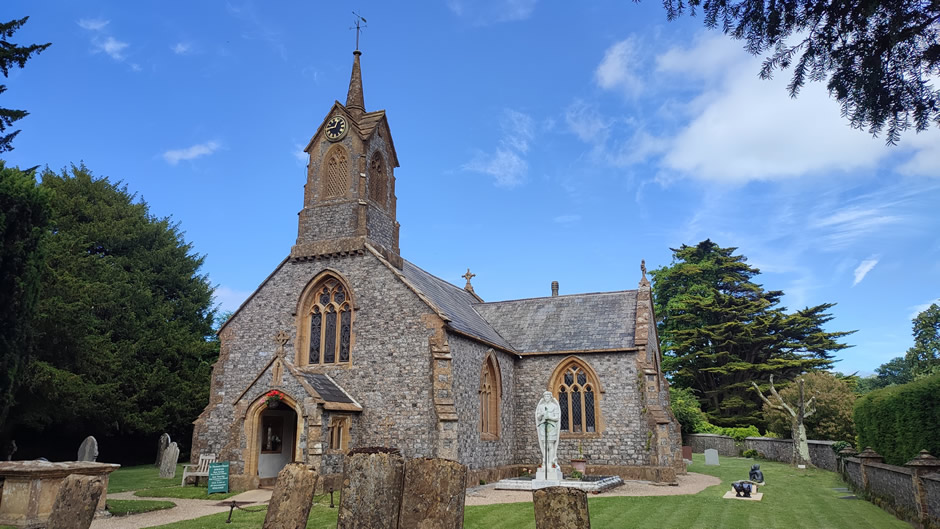
Above: St Thomas' Church in Cricket St Thomas appears in the TV series as the local parish church of St. Mary's.
The Cricket St Thomas estate is currently used for a combination of hospitality, tourism, farming, and holiday accommodation. The historic manor house, Cricket House, was sold to Warner Leisure in 1998 and reopened as a large adults-only Warner Hotel with accommodation, restaurants, leisure facilities, and entertainment. The wider estate remains privately owned by the Taylor family and is still managed as a rural estate with farmland and other estate businesses, and the grounds include holiday lodges (Swandown Lodges), developed on part of the estate.
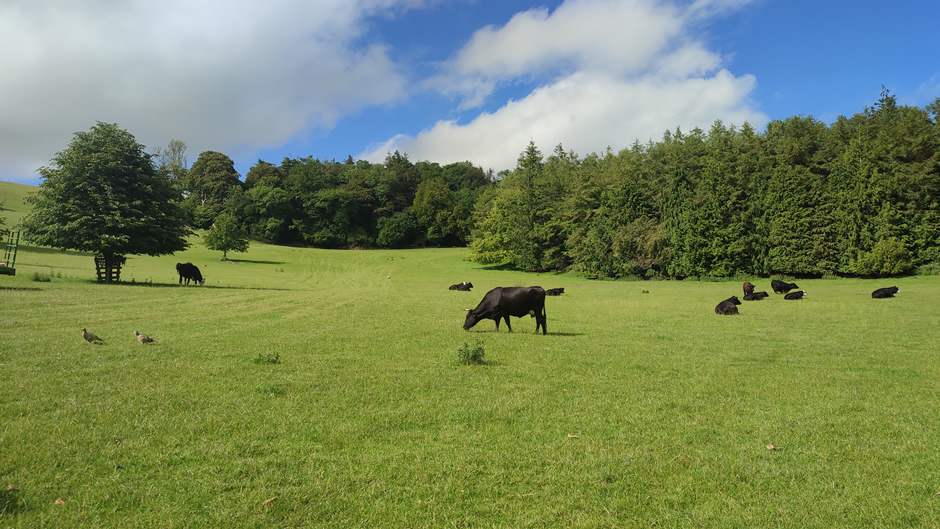
On a less-glamorous note, the estate was also once home to the Crinkley Bottom leisure park attraction, at a time when TV presenter Noel Edmonds’ BBC show Noel's House Party was one of Britain's most popular television programmes. Visitors would come here to see attractions based on the fictional village from the television show, especially Mr Blobby's house, Dunblobbin'. Whilst short lived, some abandoned remnants of the old Mr Blobby area survived for years and became something of a curiosity for urban explorers. However, with the change of use of the site, apparently very little, if any, evidence of this particular chapter of the estate’s history survives.
Stonehenge
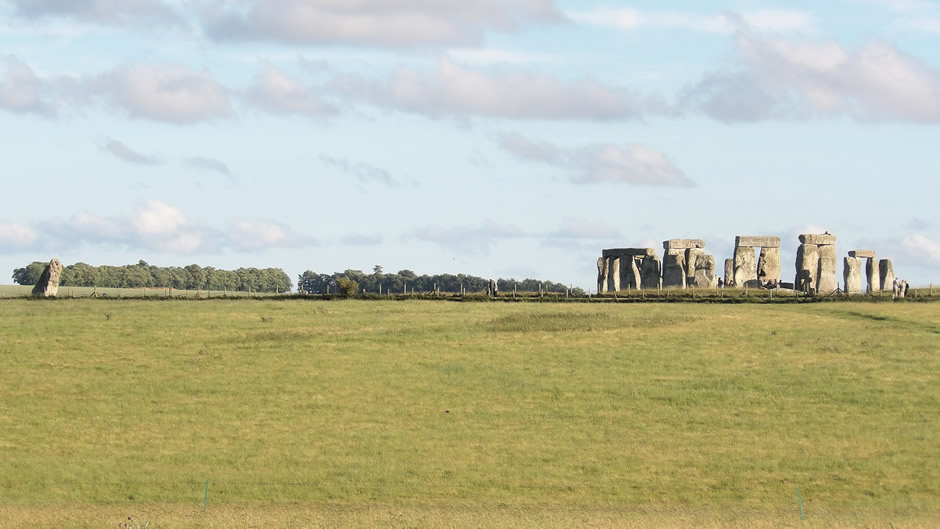
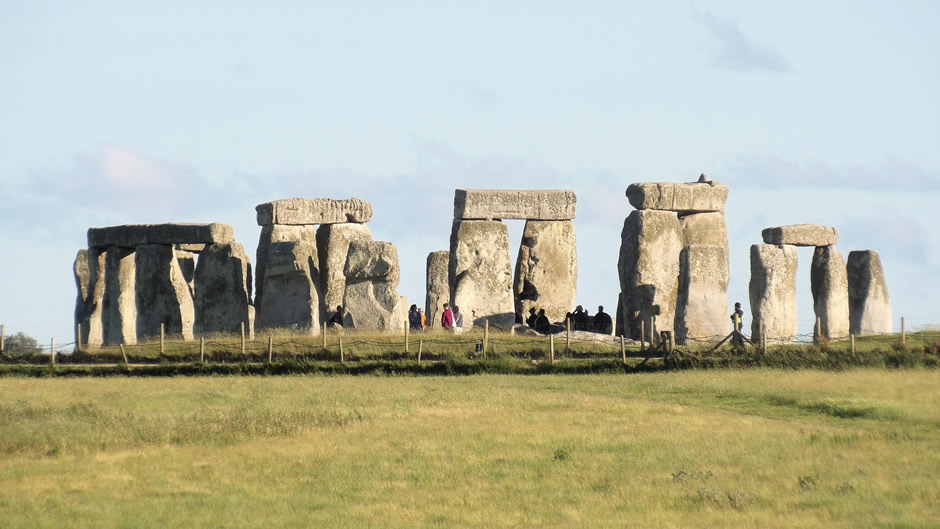
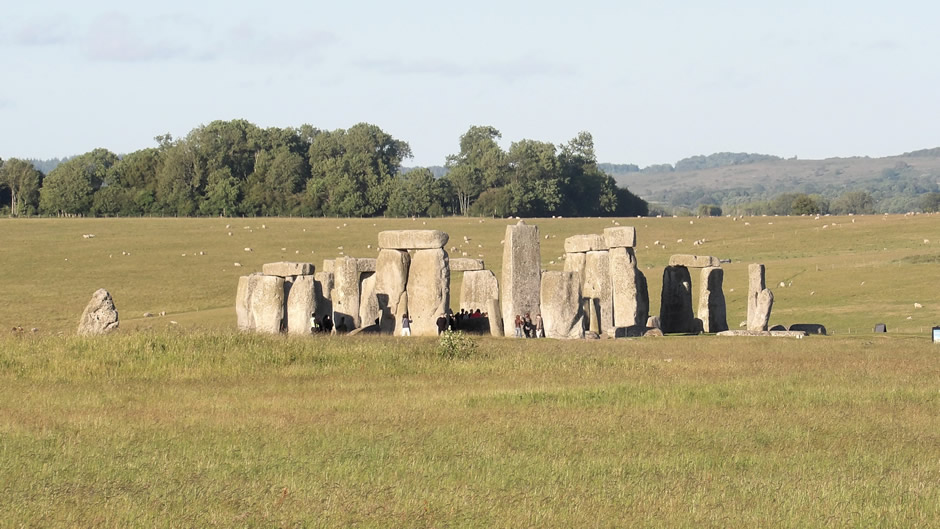
Stonehenge (below) is an infamous prehistoric stone circle on Salisbury Plain, constructed in several phases between roughly 3000 and 1600 BC. Its massive sarsen uprights and bluestones were arranged with precise astronomical alignments, indicating a sophisticated understanding of seasonal cycles.
Woodhenge
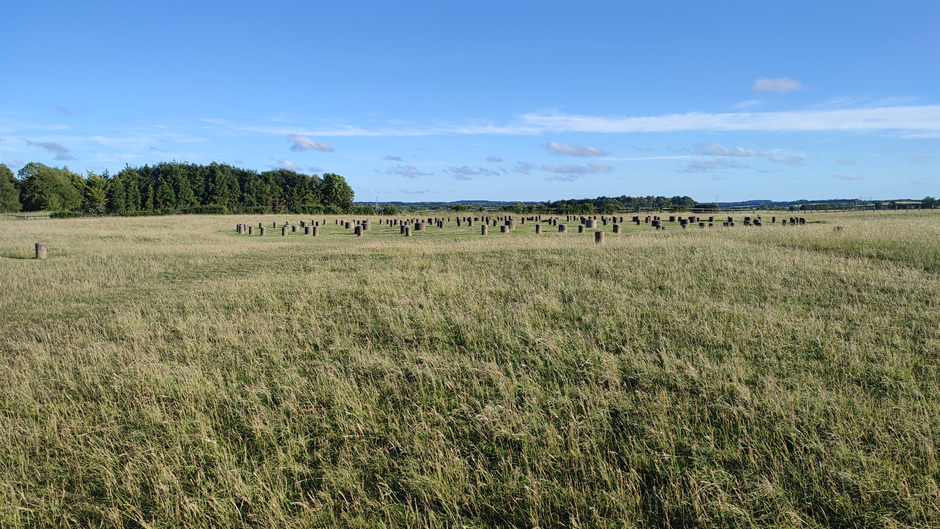
Woodhenge lies a short distance from Stonehenge and consists of concentric rings of timber posts marked today by low concrete pillars. Dating to around 2300 BC, the monument shows that the wider landscape once held a complex network of ceremonial structures made from different materials. The low concrete pillars that show the exact positions of the original timber rings were installed in the 1920s after the monument was excavated and its postholes were mapped.
The Alton Barnes White Horse
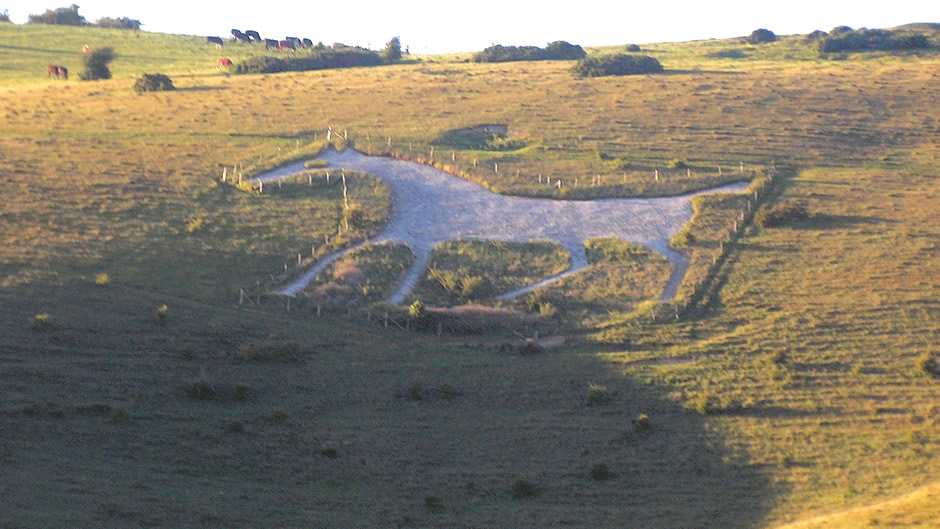
The Alton Barnes White Horse (shown below) is a chalk hill figure cut into Milk Hill in 1812, commissioned by local farmer Robert Pile. Its clean, stylised outline stands out across the Vale of Pewsey and continues the Wiltshire tradition of carving symbolic figures into the downs.
Silbury Hill
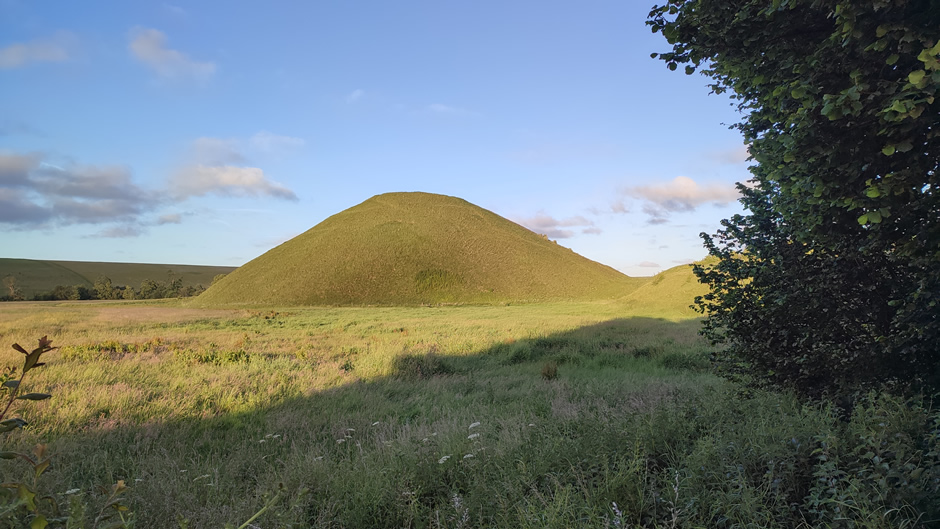
Silbury Hill is a 129 foot (39.3m) high prehistoric artificial chalk mound near Avebury, Wiltshire. It is the largest prehistoric artificial mound in Europe. Built around 2400 BC, despite archaeological surveys its purpose remains uncertain, but its scale and engineering demonstrate the organisational abilities of Neolithic communities.
Avebury
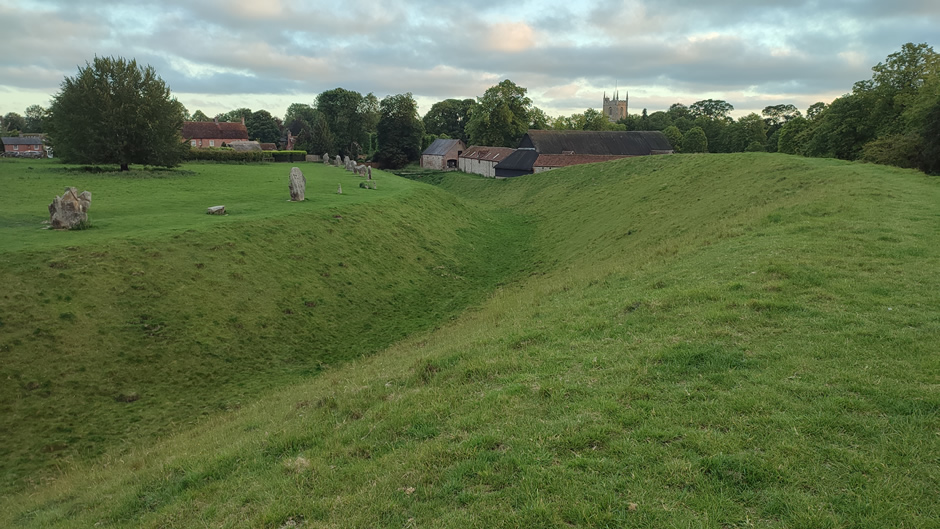
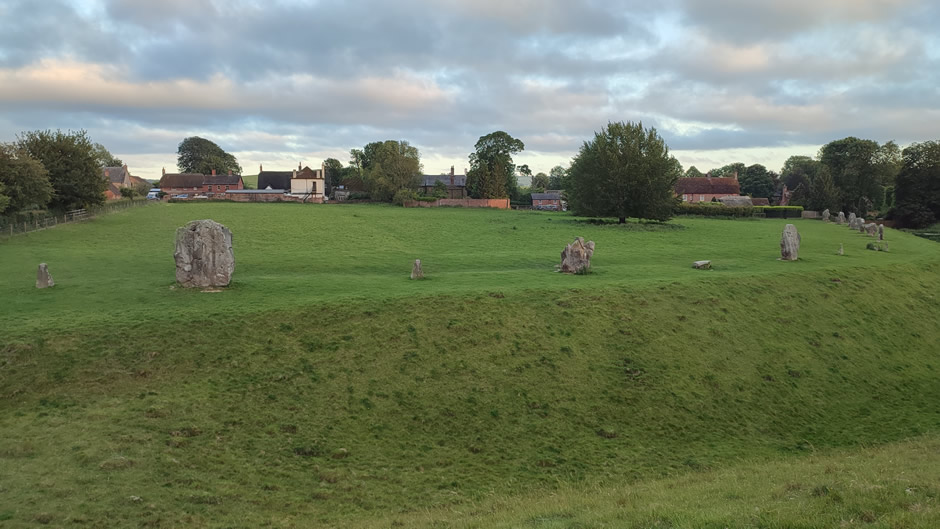
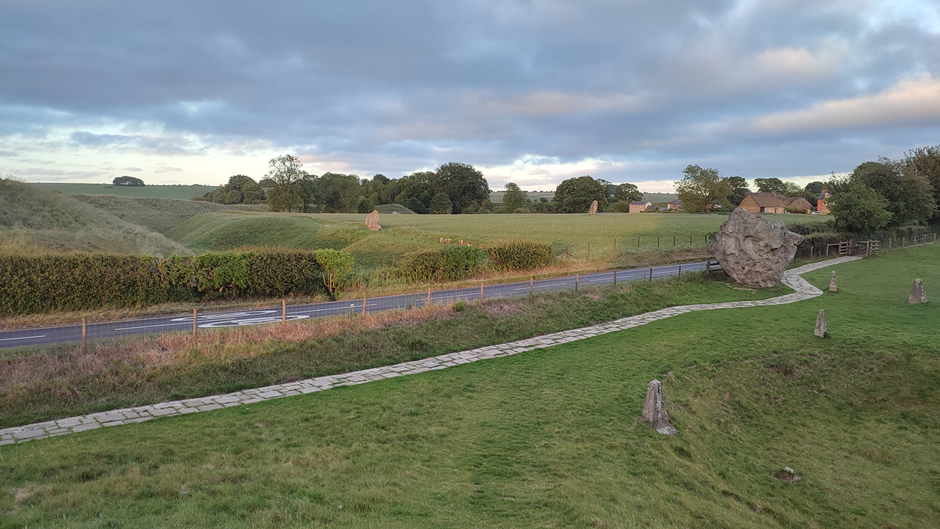
Avebury is a vast Neolithic henge* enclosing one of the largest stone circles in the world, with additional inner circles set within the village that later grew around it. The monument forms part of a wider ritual landscape and reflects a long period of prehistoric activity stretching over many centuries.
*A henge is a prehistoric, circular or oval-shaped earthwork enclosure.
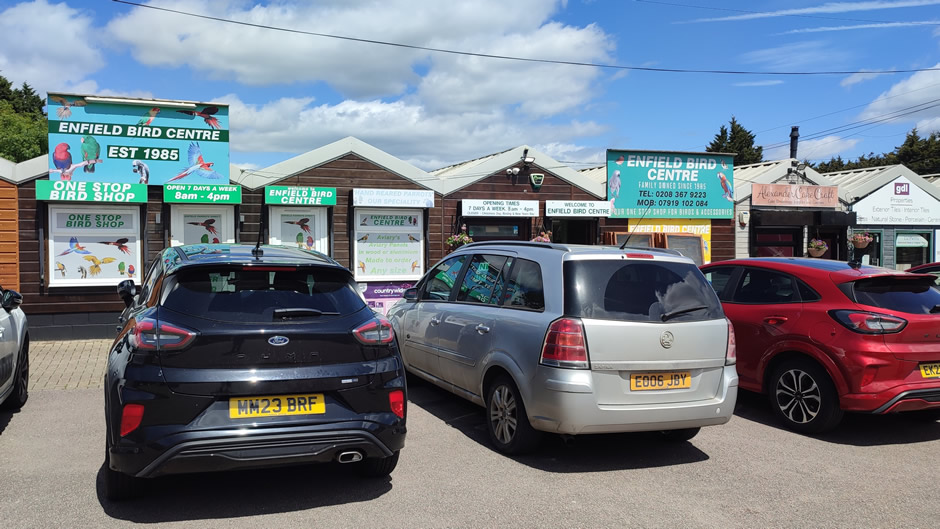
Finally, the last day was a largely unbroken journey travelling home from the hotel near Reading, making just one random stop to look at some shops selling pet birds in Enfield:
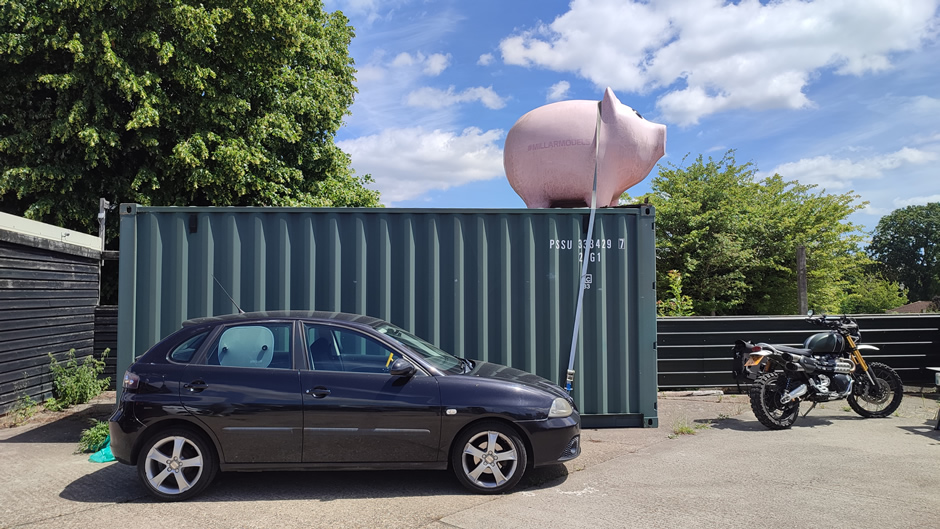
Oh, and a pig on top of a shipping container:
Back to Top
